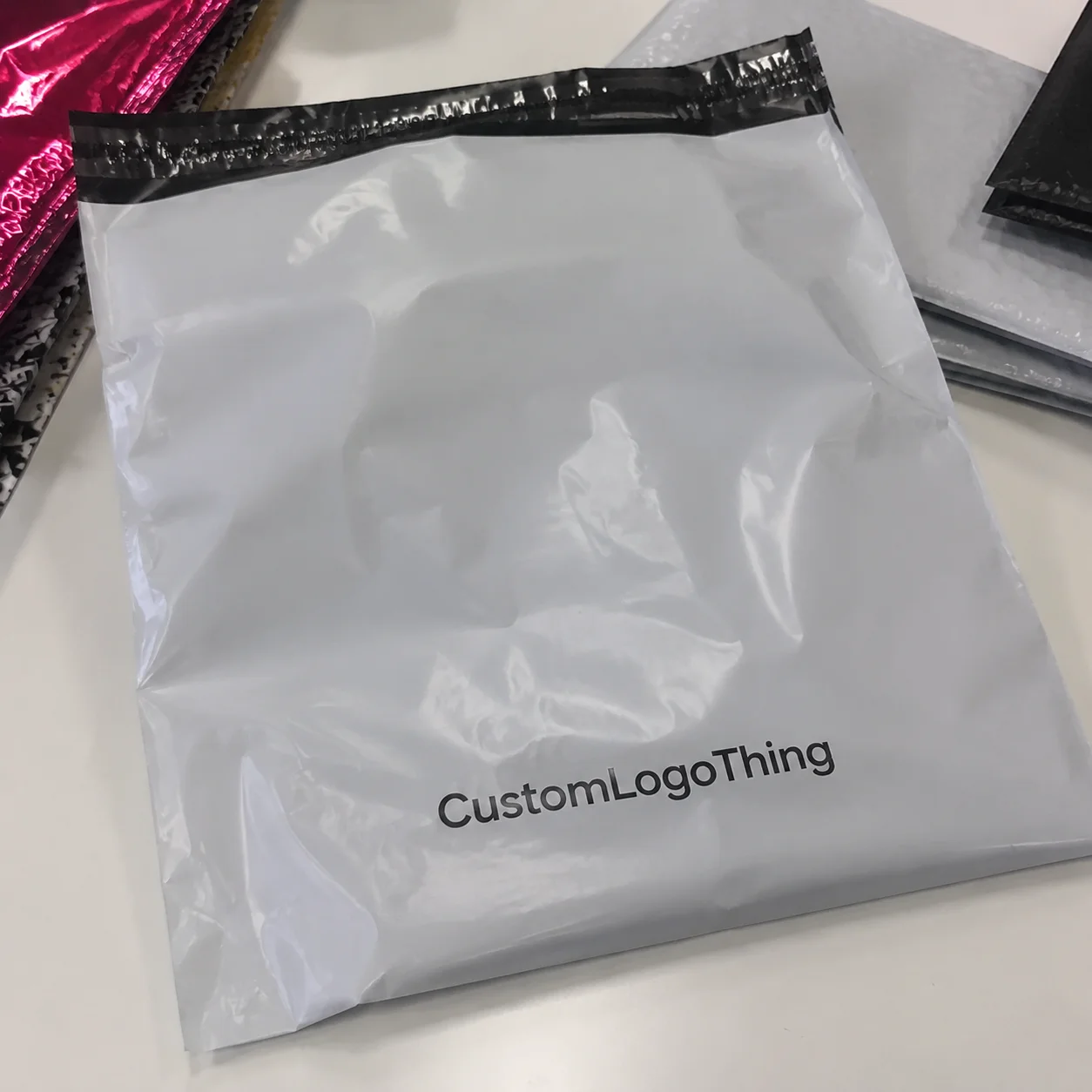
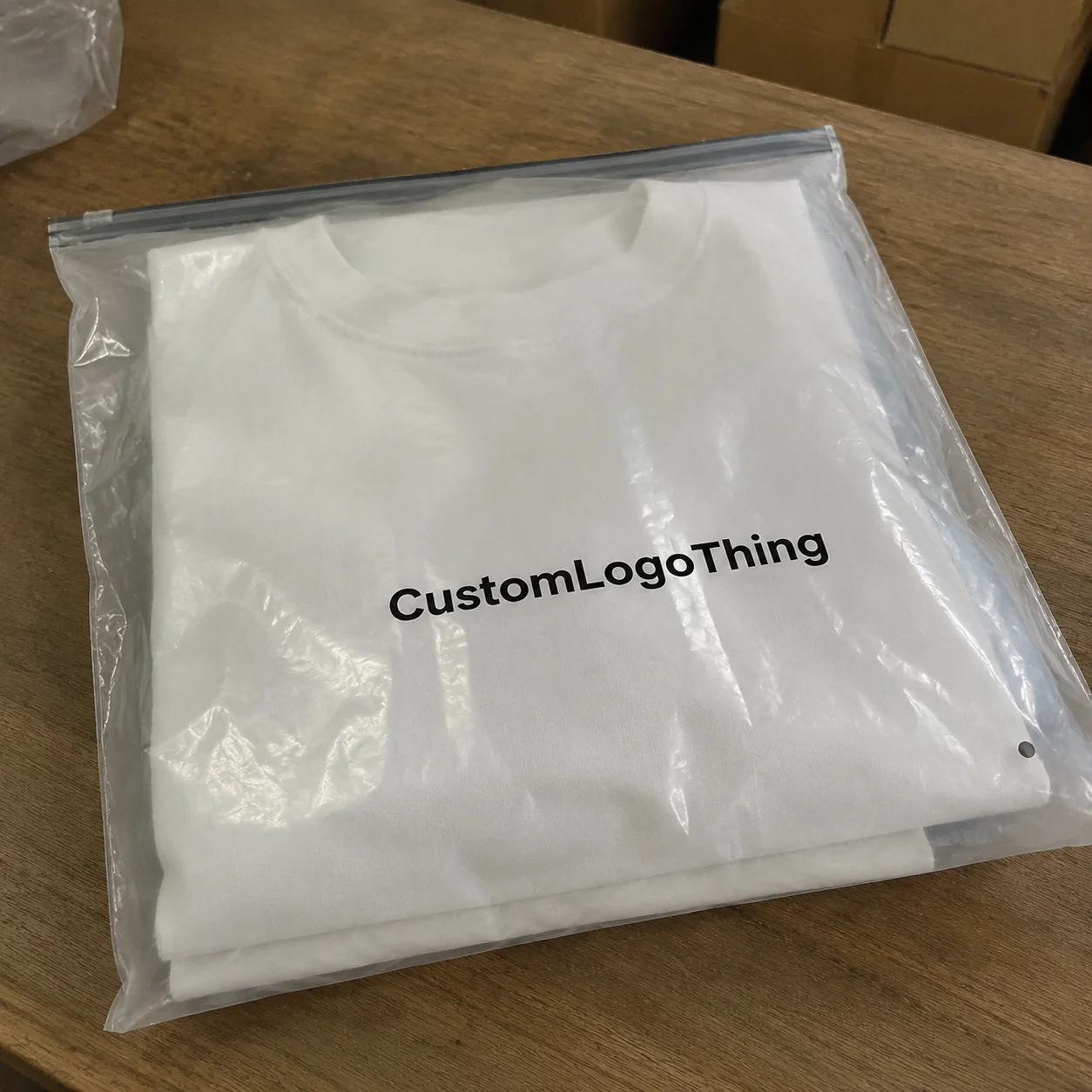
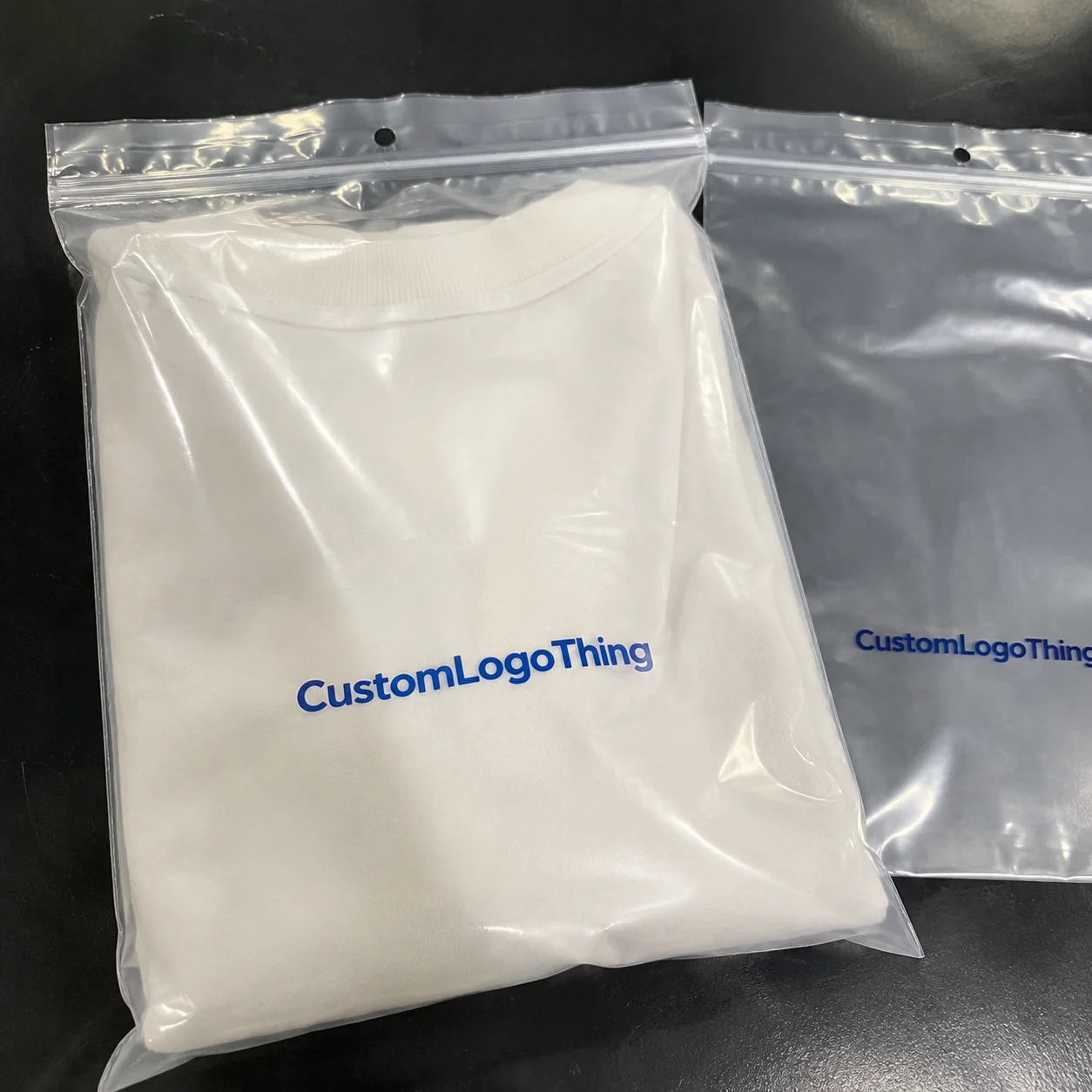
Buyer Fit Snapshot
| Best fit | Design Eco Labels projects where brand print, material claims, artwork control, MOQ, and repeat-order consistency need to be specified before quoting. |
|---|---|
| Quote inputs | Share finished size, material target, print colors, finish, packing count, annual reorder estimate, ship-to region, and any compliance wording. |
| Proofing check | Approve dieline scale, logo placement, barcode or warning zones, color tolerance, closure strength, and carton packing before bulk production. |
| Main risk | Vague material claims, crowded artwork, missing packing details, or unclear freight terms can make a low unit price expensive after revisions. |
Fast answer: Design Eco Labels: Material, Print, Proofing, and Reorder Risk should be specified like a repeatable production item. The safest quote records material, print method, finish, artwork proof, packing count, and reorder notes in one written spec.
Production checks before approval
Compare the actual filled-product size with the drawing, then confirm tolerance on folds, seals, hang holes, label areas, and retail display edges. Reserve space for logos, QR codes, warning copy, and material claims before decorative graphics fill the panel.
Quote comparison points
Review material grade, print process, finish, sampling route, tooling charges, carton quantity, and freight assumptions side by side. A quote is only useful when the supplier can repeat the same color, closure quality, and packing count on the next order.
How to Design Eco Labels: Start With What Most Brands Miss
I once watched a skincare brand burn $18,400 on a full relabel after switching to a “green” facestock and leaving adhesive chemistry untouched. On shelf, the label looked responsible. At a California MRF, the bottle failed PET recycling checks because the permanent adhesive never released in the 70–80°C wash cycle. Anyone learning how to design eco labels runs into this early: material choice alone does not make a label sustainable.
Real packaging work treats eco labels as a system: facestock + adhesive + ink + finish + end-of-life compatibility. One weak link can erase most of the benefit and create more waste than a standard build. I’ve seen it on beverage lines in Dongguan and at a New Jersey co-packer where labels curled after 48 hours in cold storage because paper stock and topcoat were mismatched. I remember staring at those curled edges thinking, “Well, there goes the margin.” (Not my most zen moment.)
Most teams begin with the wrong question: “What’s the most eco-friendly label material?” A better question is, “Which disposal stream will this package enter in the regions where we sell?” If 82% of your units reach curbside recycling and 18% still land in landfill because of municipal gaps, your design decisions should mirror that split, not a perfect-world compost narrative.
Clients ask me about how to design eco labels without wrecking margin. My answer is blunt: treat labels like engineering, not decoration. Costs stay manageable with disciplined specs. One brand dropped from $0.142/label to $0.097/label at 100,000 units after cutting print layers and removing a matte lamination that hurt recyclability anyway. Honestly, that single change did more for sustainability than six months of “eco” mood boards.
Three terms get tangled constantly, so define them early:
- Recyclable label: Built so label components do not disrupt the base package’s recycling process (example: wash-off adhesive for PET).
- Compostable label: Built to break down under defined compost conditions, usually industrial unless explicitly certified for home compost.
- Recycled-content label: Contains post-consumer or post-industrial recycled material, but may still be non-recyclable after use.
I’ve spent enough hours on supplier calls with UPM Raflatac reps and Avery Dennison technical teams to say this clearly: certifications matter; context matters more. A compostable PLA label on a PET bottle sold in cities without industrial compost collection is often pricey landfill theater. Sounds harsh, I know, but numbers don’t care about our branding language.
My framework for Custom Labels & Tags projects and private consulting stays consistent:
- Product use case: moisture, oil, freezer, abrasion, UV exposure.
- Disposal stream: curbside recycling, industrial compost, refill/reuse loop, landfill reality.
- Print specs: method, ink system, coverage, finishes, line speed.
- Unit economics: piece cost, waste rate, relabel risk, compliance risk.
Keep one line in memory about how to design eco labels: the key eco decision happens before artwork, not after. Strategy first. Artwork second.
How Eco Labels Work Across Materials, Inks, and Disposal Streams
Even a label under 2 grams has a full lifecycle. Sourcing begins with fiber or polymer origin. Printing adds energy demand, chemistry, and matrix waste. Application introduces line-speed constraints, commonly 120–300 bottles per minute on mid-size runs. Shipping, handling, and disposal decide whether sustainability intent survives contact with reality. The full chain belongs in how to design eco labels.
Facestock options, stripped to what actually matters:
- FSC-certified paper: Usually the easiest budget entry. Typical cost at 10,000 units: $38–$65 per 1,000 labels, depending on size and color count.
- Sugarcane paper (bagasse blend): Strong narrative value, slightly higher cost, often an 8–18% premium over standard FSC paper.
- rPET film: Durable and moisture-resistant; useful for refrigerated products; often $72–$120 per 1,000.
- PLA film: Viable in specific compost systems, but disposal fit and performance need market-by-market validation.
I visited a Shenzhen press floor where a kombucha brand pushed for uncoated paper to get that natural texture. Proofs looked excellent. Then 4°C condensation hit distribution totes, and labels scuffed within 36 hours. They switched to thin rPET, reduced ink coverage, and cut spoilage by 4.7% in three months. One of those “pretty design meets wet reality” lessons you don’t forget.
Adhesive chemistry is where many jobs collapse. Permanent acrylics are common and dependable, yet they can interfere with PET reclaim if they fail to release in hot caustic wash. Wash-off adhesives are designed to detach under recycling conditions. Compost-compatible adhesives exist too, though supplier data quality varies a lot from one vendor to another.
Rule for teams figuring out how to design eco labels: never approve adhesive from marketing copy. Approve from technical data sheets and recycler compatibility evidence. Request test conditions, temperature windows, dwell time, and substrate compatibility in writing. If documentation stays vague, switch suppliers. I’ve done it mid-project, and yeah, it’s annoying—but less annoying than a recall call on a Friday night.
Ink and finish choices carry more weight than most teams expect. Water-based and soy-based systems can reduce impact in many setups. UV inks are often selected for durability and press speed. Neither category is automatically right or wrong. Recyclability usually suffers fastest from heavy varnish stacks, non-removable laminates, and broad metallic coverage that can complicate optical sortation.
Disposal outcomes depend on the combined construction:
- Curbside recycling fit: typically needs a wash-off adhesive strategy and controlled label area.
- Industrial composting fit: needs a certified material set plus real regional collection access.
- Landfill reality: still widespread, so durability and contamination control remain practical priorities.
For standards and sourcing credibility, I usually reference FSC chain-of-custody requirements and align documentation with supplier declarations from fsc.org. The shortest accurate answer to how to design eco labels: design for the disposal system your customer has today, not the one on your pitch deck.
Key Factors When You Design Eco Labels for Real-World Performance
Performance comes first. A label that peels during cold-chain transport is expensive waste. I’ve seen olive oil labels fail in 28°C warehouse heat because adhesive coat weight was too light for textured glass. I’ve also seen freezer meal packs hold at -18°C with the right acrylic formula and a 48-hour cure. The difference wasn’t luck; it was testing discipline.
Anyone serious about how to design eco labels tests against real use conditions:
- Condensation cycles: 6 hours cold, 2 hours ambient, repeated 3 times.
- Oil exposure: 24-hour contact test for food and body-care products.
- Abrasion: rub test with standardized pressure and at least 50 cycles.
- Shelf-life hold: 30, 60, and 90-day checks for edge lift and print fade.
Compliance risk belongs in the same conversation. FTC Green Guides are dry reading, but they prevent expensive problems. Broad claims such as “eco-safe” or “planet positive” without substantiation are legal bait. Specific claims like “label facestock contains 30% post-Consumer Recycled Content” are safer when documented. For U.S. brands, I keep claim files with supplier certs, spec sheets, and approval dates. Boring paperwork. Invaluable during disputes.
Quick disclaimer from experience: I’m not your attorney, and this isn’t legal advice. But if legal review is optional in your process, your risk profile is gonna be higher than you think.
Readability and accessibility are also part of how to design eco labels. I still find 5pt ingredient text wrapped around 2-inch curved bottles. That isn’t premium; it’s unreadable. Build a clear hierarchy for product name, net contents, required warnings, and usage instructions. Strong contrast matters. Pale green on kraft may look tasteful in mockups and fail in real kitchens. I will die on this hill.
Print method fit changes both waste and cost:
- Digital: ideal for pilot runs of 500–5,000; fast versioning; less plate waste.
- Flexo: strong economics at scale (10,000+); consistent color; faster unit cost drop.
- Screen/hybrid: useful for specialty effects; higher setup complexity is common.
An Austin client wanted 14 scent SKUs, each with unique art, each at 2,000 units. I told them directly: “You’re paying a chaos tax.” We rebuilt into a master template with four shared color blocks and variable text zones. Waste fell from 11% to 4.3%. Lead time improved by six business days.
Supply reliability can sink a great design. Ask about MOQ, lead time, and rerun consistency. If a mill stock sits at 10–12 weeks and your promo window is eight, you don’t have a plan. You have optimism.
Step-by-Step: How to Design Eco Labels From Brief to Press Check
This workflow is what I use with founders, ops leads, and procurement teams. If someone asks for a launch-proof process for how to design eco labels, this is what I send.
Step 1: Define end-of-life target first
Pick one primary target: recyclable pack, compostable system, or refill/reuse loop. Put that choice on page one of the brief. Design work should not start before this is fixed. If your primary package is clear PET for mass retail, “recyclable in PET stream” must drive adhesive and coverage decisions immediately.
Step 2: Lock material and adhesive pair with supplier documentation
Collect technical data sheets from at least two suppliers. I often compare Avery Dennison and UPM Raflatac constructions side by side. Request:
- Service temperature range (example: -20°C to 80°C).
- Minimum application temperature (example: 5°C).
- Adhesion values by substrate (glass, HDPE, PET).
- Recycler/compost compatibility notes and test references.
During one negotiation, we cut $0.012 per label by shifting to a 30,000 quarterly release schedule instead of monthly 5,000-lot buys. Construction stayed identical. Freight consolidated better. Panic purchasing disappeared. More teams should do this; money hides in release planning.
Step 3: Build artwork around print constraints
Clean files prevent expensive rework. Include bleed (typically 1.5–2mm), safe zone, minimum line weight (often 0.2pt+), and trap settings for multi-color jobs. If white ink is needed on clear film, define opacity targets and knockouts. Keep total ink coverage controlled; overloaded builds can smear or crack on faster lines.
For teams ordering through Custom Labels & Tags, I recommend a 12-point preflight checklist that includes barcode quiet zone and locked legal copy. It feels strict. It saves money. Also, nobody has ever said, “I regret checking the barcode zone.”
Step 4: Prototype quickly and test on filled containers
Run a short digital batch first. In most cases, 500–1,000 labels expose obvious failures. Apply them to filled containers, not empty show samples. Test:
- Adhesion after 24, 48, and 72 hours.
- Scuff resistance during case packing.
- Legibility after condensation and handling.
- Edge lift after vibration transport simulation.
If the product ships DTC, run transit validation against baseline ISTA concepts from ista.org. Not every SKU needs full lab certification, but skipping transit checks entirely is kinda asking for trouble.
Step 5: Validate claims and compliance text before final approval
This stage removes greenwashing risk. Replace vague slogans with specific claims and percentages. Confirm regional requirements for California, the EU, or Canada if those markets are active. Legal or regulatory review should happen before plates are made. A single disposal-text error can force full relabeling. I’ve watched teams learn this the hard way, and it’s an expensive class.
“We thought ‘biodegradable label’ was safe language until legal flagged it. Changing to specific recycled-content wording saved us from a $25,000 retailer compliance dispute.” — Beverage client, 40-store rollout
Step 6: Pilot batch, capture failures, then scale
Run a pilot at true line speed—if production runs 180 units/minute, test at 180. Track misapply %, wrinkle %, unreadable barcode %, and post-chill lift %. Set pass/fail gates before scaling (example: <1% application defects, 0 barcode failures in 200 random scans).
That is the repeatable answer to how to design eco labels: define target, validate construction, pressure-test performance, then scale. Attractive artwork without process is optimism with a line item.
Cost and Pricing: What Eco Labels Actually Cost (and Where Budgets Break)
Let’s talk numbers. Real numbers. Teams planning how to design eco labels often see cost per 1,000 swing by 2x based on material and print stack alone. I keep a running spreadsheet for this, and yes, it’s color-coded like a mildly obsessive detective board.
| Construction Type | Typical Cost per 1,000 (5,000 qty run) | Typical Cost per 1,000 (50,000 qty run) | Best Use Case |
|---|---|---|---|
| FSC paper + standard acrylic | $52–$78 | $31–$49 | Dry goods, moderate handling |
| FSC paper + wash-off adhesive | $68–$96 | $44–$66 | PET bottles targeting recyclability |
| rPET film + permanent acrylic | $88–$130 | $57–$94 | Cold-chain, moisture-heavy products |
| PLA/compostable specialty | $120–$190 | $84–$145 | Certified compost systems only |
Main cost drivers I see weekly:
- Material premium (specialty films often add 20–80%).
- Adhesive class (wash-off and compost-compatible usually cost more).
- Color count and white ink layers.
- Embellishments (foil, tactile varnish, lamination).
- MOQ tier and changeover frequency.
Founders miss this all the time: unit cost is not total cost. A $0.06 label with a 3% relabel rate can cost more than a $0.09 label that performs consistently. Add labor at $22/hour, downtime, and product scrap, and “cheap” gets expensive quickly. I’ve been in those postmortems, and they always start with “But the quote looked great...”
Last spring I negotiated annual volume bands (100k, 250k, 500k) with automatic price breaks and one approved alternate construction for stockouts. That clause alone prevented a four-week delay when one mill backordered. Teams buying through Custom Labels & Tags should request this directly: primary + backup spec.
Paying more makes sense in two common cases:
- Wash-off adhesives for PET recycling where sustainability claims drive brand trust.
- Durable print systems for refrigerated/frozen chains where failure drives returns and compliance exposure.
Yes, how to design eco labels includes aesthetics. It also includes spreadsheet math, procurement terms, and failure-rate economics. Ignore those and tuition gets expensive.
Process and Timeline: How Long It Takes to Design Eco Labels Without Chaos
People ask for launch dates before copy approval. That never ends well. A realistic schedule for how to design eco labels in CPG typically looks like this:
- Discovery and brief: 3–5 business days.
- Material sourcing and data review: 5–10 business days.
- Dieline and artwork development: 4–8 business days.
- Sampling/prototyping: 5–12 business days.
- Performance testing cycle: 7–21 calendar days depending on product.
- Production slot + printing: 8–15 business days after approval.
Fast-track projects can land in 2–3 weeks if existing constructions are reused, claim changes are minimal, and testing scope is narrow. Standard projects usually run 5–9 weeks. Cold-chain or heavily regulated categories often stretch to 10–14 weeks.
Delay patterns are painfully consistent:
- Compliance copy arrives late (I’ve seen this add 11 days).
- Chosen stock is unavailable (common with specialty films).
- No final approver is assigned (three stakeholders, no decision).
- Testing is skipped, then emergency reprint follows field failure.
Build schedule buffer for adhesion, scuff, water exposure, and freezer/fridge cycles. I usually add 20% timeline contingency for new constructions. That may sound cautious. It is still cheaper than 3x expedited freight after a last-minute spec failure. I learned that after one launch where we paid rush freight so high it could’ve funded a team offsite.
Vendor coordination checklist for how to design eco labels work:
- Printer/converter confirms material and press compatibility.
- Packaging engineer validates container-label interaction.
- Applicator team verifies line-speed settings and unwind direction.
- Regulatory reviewer signs off on claim language.
- Procurement confirms MOQ and backup stock plan.
Trade-off is simple: faster launch usually means fewer test cycles and higher post-launch risk. Slower launch tends to mean lower defect rates and fewer ugly surprises. Choose deliberately.
Common Mistakes, Expert Fixes, and Your Next Steps to Design Eco Labels
After 12 years of factory visits, press checks, and founder panic calls at 10:30 p.m., the same errors keep repeating. Teams aiming for a cleaner path to how to design eco labels should remove these first.
- Mistake #1: Picking material before defining disposal goal.
- Mistake #2: Publishing broad sustainability claims without proof.
- Mistake #3: Skipping real-world testing on filled packs.
- Mistake #4: Ignoring applicator settings and line speed.
Fixes that hold up in production:
- Adjust adhesive coat weight for textured or low-energy surfaces.
- Simplify finish stack (drop one varnish layer, reduce cracking risk).
- Redesign artwork to reduce ink passes and improve registration tolerance.
- Standardize templates across SKUs to lower setup waste.
Quick decision matrix I use in kickoff calls:
| Product Type | Environment | Disposal Goal | Recommended Starting Construction |
|---|---|---|---|
| Sparkling water bottle (PET) | Cold + condensation | Recyclable stream | Moisture-resistant facestock + wash-off adhesive + limited coverage |
| Dry pantry pouch | Ambient shelf | Lower-impact cost control | FSC paper + water-based ink + no lamination |
| Frozen meal tray | -18°C freezer | Durability priority | Thin film facestock + freezer-grade adhesive + abrasion-resistant ink |
| Refillable glass cleaner bottle | Wet bathroom use | Reuse loop | Durable film + high-tack removable strategy for refurb cycles |
Immediate next steps:
- Run a 3-sample test plan (baseline, lower-cost option, higher-performance option).
- Request full spec sheets and certifications from each supplier.
- Compare at least two constructions on performance and cost per 1,000.
- Set pass/fail criteria before testing starts (adhesion %, scuff score, barcode success).
- Document final claim language and keep evidence on file.
Most brands overcomplicate visuals and underinvest in validation. Strong teams do the opposite. They keep the visual system tight, then pour effort into material fit and disciplined testing. That’s how to design eco labels that perform in stores, in transit, and in disposal streams repeatedly—not just once for a product shoot.
Actionable takeaway: before your next print order, schedule a two-hour spec review and do one live pilot on filled product at real line speed. If you can’t pass agreed metrics (adhesion, scuff, barcode, post-chill lift), don’t scale yet. That single gate will save more money and credibility than any last-minute design tweak. I’ve seen it happen again and again.
FAQs
How to design eco labels for plastic bottles that are still recyclable?
Start with a wash-off adhesive tested for PET recycling streams, then choose a facestock that does not interfere with sorting and reprocessing. Keep label coverage moderate instead of full-body wraps when possible, and avoid heavy metallic effects that can disrupt sortation. Before scaling, request recycler-compatibility data and verify test conditions with the supplier.
What materials are best when learning how to design eco labels on a budget?
FSC-certified paper with water-based inks is usually the best value starting point. Keep the palette tight (for example, 2–3 colors plus black), skip premium laminates, and pilot digitally at low quantities before shifting to flexo for larger runs. Compare total cost per 1,000, including expected waste and relabel risk, not just invoice price.
How to design eco labels that can handle moisture, oil, or refrigeration?
Choose adhesive for the environment first, then pick facestock. For wet or cold products, use moisture-resistant paper or thin-film constructions and define test protocols before approval: condensation cycles, abrasion rub, and post-chill readability checks. If oil contact is expected, run a 24-hour exposure test on filled containers rather than lab swatches alone.
How to design eco labels without making risky sustainability claims?
Use specific, verifiable statements such as “made with 30% post-consumer recycled content” instead of broad language like “earth-friendly.” Align wording with FTC Green Guides and regional regulations where products are sold. Keep supplier declarations, certifications, and spec sheets in one organized file for audit or retailer review.
What is the typical timeline for how to design eco labels from concept to production?
Simple projects can move in roughly 2–4 weeks if existing materials and claims are reused. Most new constructions require 5–9 weeks because sampling and real-world performance testing take time. Build schedule buffer for compliance review, material availability, and press booking. A pilot run before full rollout usually prevents costly rework after launch.