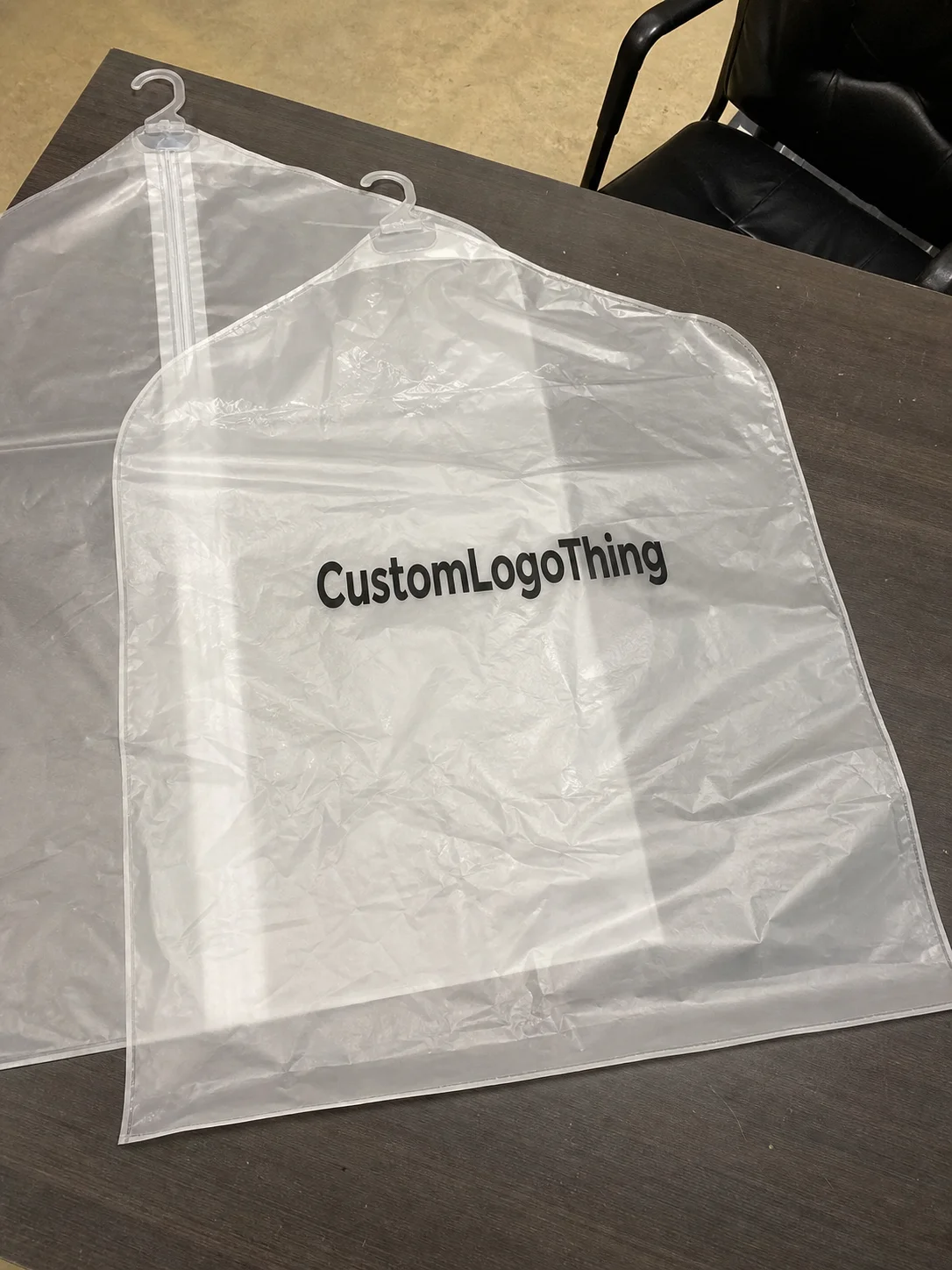
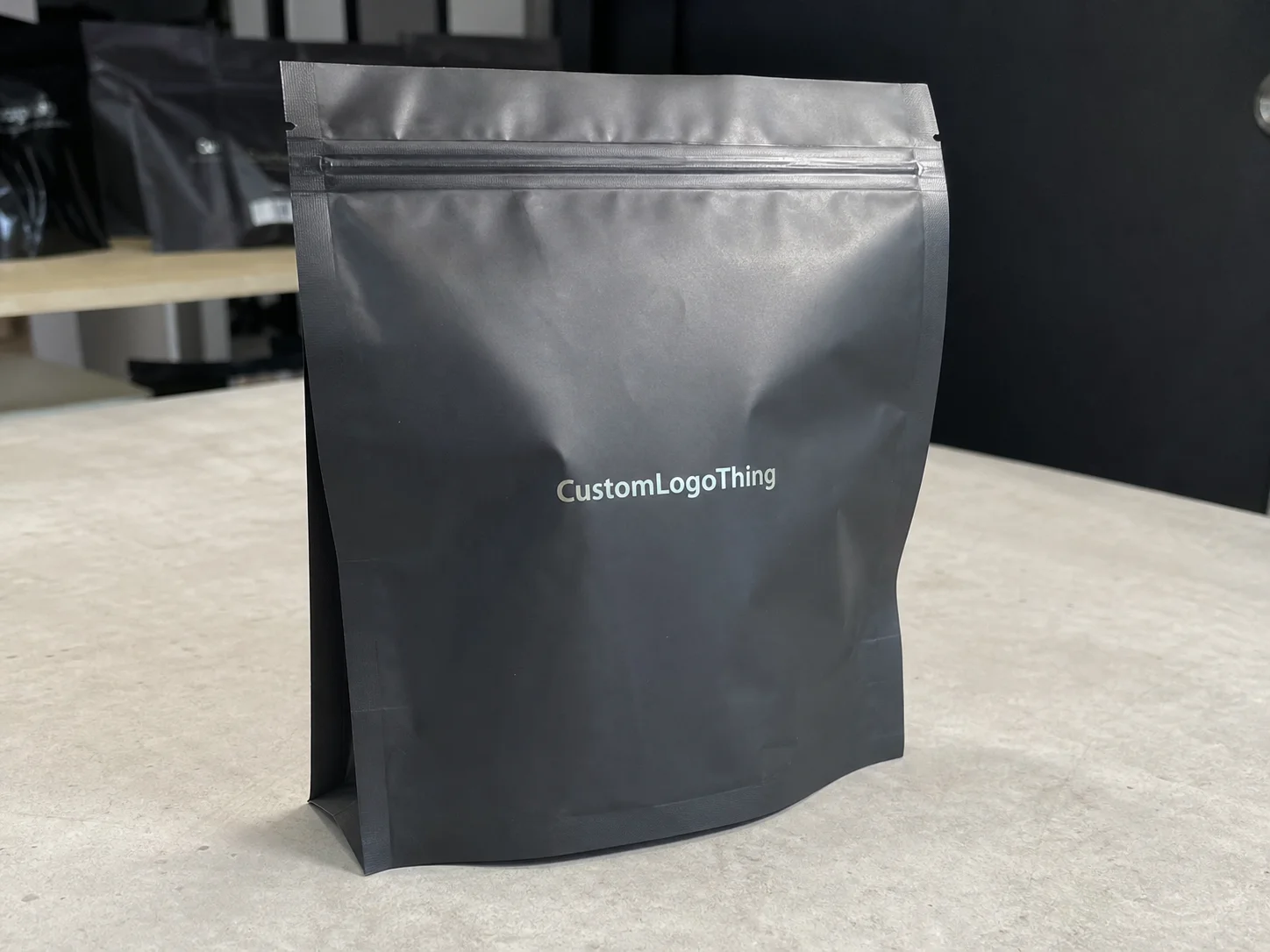
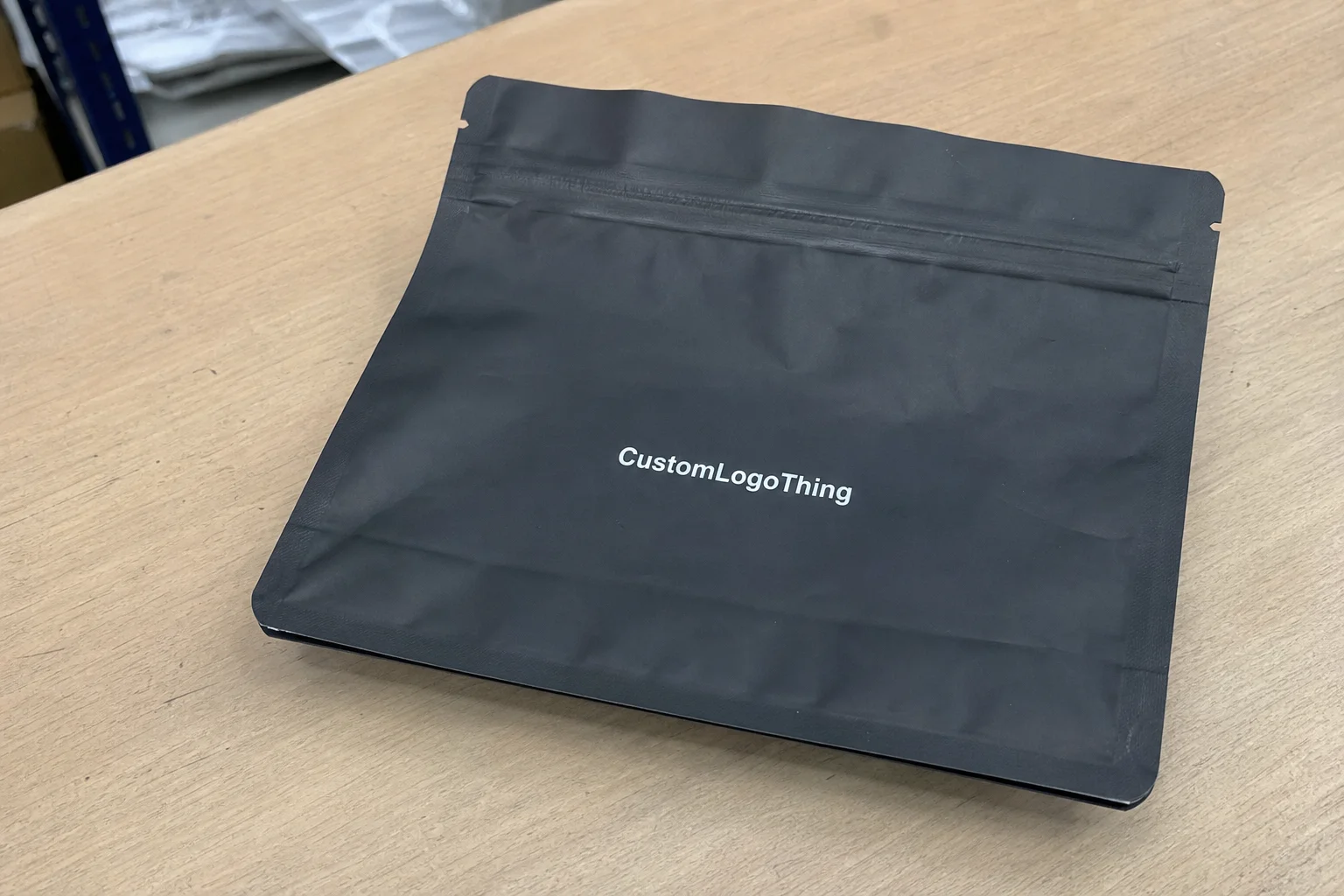
Buyer Fit Snapshot
| Best fit | Packaging for Ecommerce Business projects where brand print, material claims, artwork control, MOQ, and repeat-order consistency need to be specified before quoting. |
|---|---|
| Quote inputs | Share finished size, material target, print colors, finish, packing count, annual reorder estimate, ship-to region, and any compliance wording. |
| Proofing check | Approve dieline scale, logo placement, barcode or warning zones, color tolerance, closure strength, and carton packing before bulk production. |
| Main risk | Vague material claims, crowded artwork, missing packing details, or unclear freight terms can make a low unit price expensive after revisions. |
Fast answer: Packaging for Ecommerce Business: Material, Print, Proofing, and Reorder Risk should be specified like a repeatable production item. The safest quote records material, print method, finish, artwork proof, packing count, and reorder notes in one written spec.
Production checks before approval
Compare the actual filled-product size with the drawing, then confirm tolerance on folds, seals, hang holes, label areas, and retail display edges. Reserve space for logos, QR codes, warning copy, and material claims before decorative graphics fill the panel.
Quote comparison points
Review material grade, print process, finish, sampling route, tooling charges, carton quantity, and freight assumptions side by side. A quote is only useful when the supplier can repeat the same color, closure quality, and packing count on the next order.
If you're trying to figure out how to choose Packaging for Ecommerce business, here’s the part nobody prints on the sample box: the wrong mailer, carton, or insert can wreck margin faster than a sloppy ad test. I’ve watched brands burn cash because the packaging looked gorgeous in a render and then failed in transit from Shenzhen to Chicago. I’ve also watched others ship plain packaging that did its job, cut freight by $0.22 per order, and quietly drove repeat purchases. That’s the real game.
At Custom Logo Things, I’ve spent years comparing materials, arguing over carton specs in Guangzhou and Ningbo, and watching pack-out tables turn into tiny chaos factories. So no, how to choose packaging for ecommerce business is not just a design question. It’s a cost question, a damage question, a fulfillment question, and a brand question all smashed into one annoying little decision. Usually in that order. Usually on a Friday.
How to Choose Packaging for Ecommerce Business: What It Really Means
Most brands think packaging means a box with a logo slapped on it. Cute. Real ecommerce packaging is the whole system: the outer shipper, the protective insert, the branded layer, the tape, labels, seals, and anything else that keeps the order safe from your warehouse shelf in Dallas to a customer’s porch in Portland.
I remember a factory visit in Dongguan where a client insisted on a “cheap” mailer because it saved 3 cents per unit on paper. We ran a basic drop test from 36 inches, and the corner split on the second impact. Inside was a ceramic candle jar, and the lid cracked immediately. That “cheap” mailer turned into a replacement shipment, an $18 support ticket, and a nasty review. That’s the part people miss when they ask how to choose packaging for ecommerce business: looking affordable is not the same as being affordable.
The job of packaging is simple on paper. Protect the product. Control shipping costs. Support branding. Speed up fulfillment instead of slowing it down. In practice, those four goals fight each other constantly, which is why how to choose packaging for ecommerce business takes judgment instead of a random supplier quote. Honestly, I think that’s why so many founders get it wrong the first time. They want one box to do everything. Packaging, like most things, has other plans.
Here’s the framework I use. If the product is fragile, packaging should prioritize protection. If the item is light but high-margin, branding and unboxing can matter more. If order volume is high, packing speed matters more than fancy folds. If the carrier charges you based on dimensional weight, oversized packaging becomes a silent tax. A 12 x 10 x 8 inch carton can cost more than a 10 x 8 x 6 inch carton even when both hold the same SKU. Air is expensive. Very expensive. Somehow it never sends an invoice.
Before you buy anything, define the real job. That’s the first step in how to choose packaging for ecommerce business. Not the prettiest option. The right option. If you’re shipping 2,000 units a month from a warehouse in Newark, New Jersey, your answer may be different from a brand shipping 200 luxury sets a week from Los Angeles. Same question. Different math.
“The packaging that wins in a design deck is not always the packaging that survives a UPS belt or a warehouse with two overworked pickers and a rushed Friday cutoff.”
One more thing: packaging should fit your customer promise. A $20 skincare sample does not need the same product packaging as a $180 coffee machine. The structure, print coverage, and perceived quality should match the price point. Otherwise the unboxing feels off, and people notice that faster than brands want to admit. Customers are weirdly sensitive to this. They may not know board grade from bad coffee, but they know when something feels cheap. And they absolutely know when they paid premium money for bargain-bin cardboard.
How Ecommerce Packaging Works from Warehouse to Doorstep
To understand how to choose packaging for ecommerce business, you need to see the full path. Packaging starts at product pickup in the warehouse, moves into primary protection, then secondary packaging, then labeling and palletizing, and finally gets handed to a carrier that does not care about your branding strategy one bit. FedEx Ground, USPS, and UPS all treat a parcel like a parcel. Your logo does not get a vote.
Fulfillment speed changes based on packaging design. If a packer has to open multiple inserts, fold specialty cartons, assemble dividers, and apply three labels, labor costs rise immediately. I watched one subscription client add a custom card, tissue wrap, a box, and a sticker to every order. Beautiful? Sure. Fast? Not remotely. Their line slowed by 19 seconds per order, which sounds tiny until you ship 8,000 units a week. That’s 42 additional labor hours a month. That’s where you start hearing grumbling from the warehouse team, and trust me, they are not subtle about it.
Carriers also judge packages by size, weight, and durability. Oversized boxes trigger dimensional weight charges. Weak mailers get crushed in sorting hubs in Memphis, Indianapolis, and Los Angeles. Bad fit creates movement inside the package, and movement creates damage. That’s why how to choose packaging for ecommerce business is never just about one component. It’s about how all the pieces behave together under pressure, especially during a 700-mile truck linehaul and a conveyor transfer at 2 a.m.
Then there’s the customer’s hands. They open the carton, peel the tape, pull out the insert, and decide in about 7 seconds whether your brand feels thoughtful or sloppy. If they need scissors, if the fill material explodes everywhere, or if the return label is buried under layers of nonsense, the experience gets worse fast. That is package branding in the real world, not on a mood board. Nobody posts a TikTok saying, “Wow, I really enjoyed fighting with this over-taped box for four minutes.”
Here’s a simple comparison I use with clients when we discuss how to choose packaging for ecommerce business:
| Packaging Type | Best For | Approximate Cost Range | Main Tradeoff |
|---|---|---|---|
| Poly mailer | Soft goods, apparel, low-fragility items | $0.08 to $0.25/unit at 5,000+ pieces | Low protection for hard or fragile products |
| Corrugated mailer | Books, cosmetics, small electronics, DTC kits | $0.18 to $0.65/unit depending on print and size | Costs more than a mailer, but protects better |
| Rigid box | Premium gifts, high-end retail packaging, presentation kits | $1.20 to $4.50/unit or more at 1,000 to 3,000 pieces | Strong brand impact, higher freight and tooling |
| Custom printed boxes | Brand-forward ecommerce, subscriptions, influencer kits | $0.60 to $2.80/unit at 3,000 to 10,000 pieces | Setup fees and minimum order quantities can sting |
That table is not magic. It’s a starting point. The right answer to how to choose packaging for ecommerce business depends on your product, your warehouse, and your carrier profile. A rigid box may be perfect for a luxury brand and ridiculous for a $12 accessories SKU. A $0.72 custom carton with a 350gsm C1S artboard insert can be smart for premium skincare, while a plain 32 ECT corrugated mailer at $0.24/unit may be all you need for a vitamin supplement refill.
I’ve also seen packaging work beautifully in one channel and fail in another. Marketplace orders may need plain, tough, fast packaging. DTC orders may justify branded packaging because repeat purchases and social sharing matter. Wholesale needs stackability, while subscription boxes usually need predictable pack-out and consistency. Same brand, different rules. The packaging that works for Shopify may be a waste of money on Amazon, where the outer carton gets opened, repacked, and tossed anyway.
Key Factors in Choosing Ecommerce Packaging
If you want a clean answer to how to choose packaging for ecommerce business, start with the product itself. Fragility, breakage risk, moisture sensitivity, temperature exposure, and item shape all matter. A glass bottle has very different needs than a folded T-shirt. Obvious? Maybe. Yet I still see people trying to ship fragile products in thin mailers because the mockup looked minimal. Minimal is fine until a bottle arrives in three pieces.
Product dimensions and weight come next. Tight fit reduces movement and cuts wasted space. That matters because air is expensive. I’ve watched a 10-inch product ride in a 14-inch carton because the buyer wanted “room for branding.” Great. They also got charged for the extra cubic volume. Dimensional weight is a very unromantic way to lose money. Nothing says “fun startup expense” like paying to ship empty space from Vietnam to Ohio.
Branding and customer experience should match your price point. A $45 skincare set can handle a printed rigid mailer or a polished corrugated box with a clean insert. A $6 accessory probably should not. That doesn’t mean cheap. It means appropriate. Good packaging design makes the customer feel the value you already built into the product. If your product margin is 68% and your cart value is $78, spending $0.35 more on a custom insert may be smarter than saving a quarter and looking forgettable.
Sustainability matters too, but I’m going to be blunt: a lot of “eco-friendly” packaging claims are sloppy. Recycled content is useful, recyclable materials can be practical, and FSC-certified paper products are a real plus when the supply chain supports it. For a credible reference on recycling and materials, the EPA’s packaging and waste resources are useful: EPA recycling guidance. Still, you have to choose materials That Actually Work in transit, not just materials that sound good on a sales page. A recycled mailer that tears at the seam in Phoenix heat is not sustainable. It’s just disappointing with a leaf icon.
Supply chain reliability is a bigger deal than most founders think. I’ve sat in supplier meetings in Shenzhen and Ho Chi Minh City where the sample looked perfect, then the next production run had weak seams, color drift, or a paper shortage. If your supplier cannot repeat the same board grade, print density, and glue line, you do not have a packaging program. You have a lottery. A very expensive lottery, with shipping fees and a customs broker attached.
Sales channel fit changes everything. DTC, marketplace, subscription, and wholesale orders each have different tolerance for cost, weight, and presentation. If you are figuring out how to choose packaging for ecommerce business, ask which channel drives the most revenue first. Then package for that reality, not for the prettiest use case. For example, a DTC brand in Austin might care about a premium unboxing; a wholesale shipment into a distribution center in Atlanta cares more about stack strength and pallet stability.
Storage matters too. Flat-packed cartons save space. Nested boxes can be efficient. Some print methods require more handling and more room. If you are renting a 1,500-square-foot warehouse in New Jersey, packaging footprint is not a minor detail. It is a bill. A pallet of 10,000 flat cartons can sit nicely in one corner; 10,000 rigid boxes can eat a bay faster than a forklift on overtime.
For brands that need a real starting point, I usually point them toward standard Custom Packaging Products before they jump into fully custom structures. Standard sizes can reduce tooling costs, speed up reorder cycles, and make life less annoying for your fulfillment team. The less time your team spends wrestling cardboard, the better. And yes, “less annoying” is a technical term in every warehouse I’ve ever visited.
Here’s the short version of how to choose packaging for ecommerce business by factor:
- Protection: prioritize drop safety, compression resistance, and fit.
- Cost: include freight, inserts, and labor, not just unit price.
- Branding: match the unboxing to the price point and customer expectations.
- Sustainability: use materials that are actually recyclable or responsibly sourced.
- Fulfillment: keep the pack-out simple enough for real warehouse conditions.
If you need a second authority source while evaluating materials, the FSC website is a solid place to understand certified paper sourcing. I use FSC discussions often when clients want printed cartons without turning the whole thing into greenwashing theater. FSC-certified 350gsm paperboard from a mill in South China is a lot more defensible than waving around a green badge and hoping nobody asks questions.
How to Choose Packaging for Ecommerce Business Step by Step
Now for the practical part of how to choose packaging for ecommerce business. This is the process I use when a brand comes to me with five SKUs, one warehouse, and a deadline that should have been started two months earlier. Happens more often than anyone admits, especially after the first round of influencer orders hits and the team suddenly realizes the carton dimensions were never actually checked.
- Audit your product catalog. Group items by size, fragility, order frequency, and margin. You do not need a custom structure for every SKU. That is how brands create chaos. A candle, a serum, and a T-shirt do not need three separate packaging systems unless the order volume justifies it.
- Define your brand direction. Pick one: premium, minimalist, eco-first, budget-friendly, or giftable. Packaging should support one clear lane, not five conflicting moods. If your brand is “premium” but your carton is 200gsm uncoated board from a bargain supplier in Yiwu, customers notice.
- Pull shipping data. Measure average parcel weight, dimensions, return rate, and damage rate. I want numbers, not “it feels like a lot.” A 4.8% damage rate on 5,000 parcels is 240 replacements. That gets expensive fast.
- Request samples. Ask for material swatches, printed samples, and assembled samples. Real samples beat polished renderings every time. Ask for actual board samples too, like 300gsm, 350gsm C1S artboard, and 32 ECT corrugated, so you can feel the difference.
- Test in real conditions. Drop tests, vibration checks, and moisture exposure all matter. ISTA test methods are a useful benchmark here, especially for freight and parcel performance; the International Safe Transit Association publishes solid standards at ISTA.org. I like to test the packed product on a concrete floor from 24, 36, and 48 inches, because warehouse reality is rarely gentle.
- Compare actual numbers. Look at unit cost, MOQ, tooling, freight, and labor. A paper mailer at $0.22/unit sounds cheap until you add a $180 setup fee and slower packing time. If the assembly adds 12 seconds per order, calculate that against labor in Columbus, Dallas, or wherever your team actually works.
- Confirm the timeline. Sampling, revisions, approvals, mass production, and shipping can take several weeks. If someone promises custom packaging in a ridiculous timeframe, ask what they left out. Typical custom carton production is 12-15 business days from proof approval, plus 25-35 days ocean freight from Shenzhen to Los Angeles, or 5-7 business days by air if you enjoy paying for urgency.
- Pilot a small batch. Save the full run for after the test order performs well in the field. Saving $0.08 per box means nothing if returns spike by 3%. A 500-unit pilot will tell you more than a polished mockup ever will.
- Document the final spec. Make a one-page spec sheet so design, procurement, and fulfillment all use the same version. Include dimensions, board grade, print method, coating, insert thickness, tolerances, and acceptable substitution rules.
One client in Texas once wanted to move from plain mailers to custom printed boxes because “the unboxing looked boring.” Fair enough. We tested three options: a poly mailer at $0.11/unit, a corrugated mailer at $0.29/unit, and a custom printed box at $0.74/unit. After factoring damage, labor, and customer feedback, the corrugated mailer won. The brand got a better feel without blowing up the P&L. That is what how to choose packaging for ecommerce business should look like in practice. No drama. Just math with cardboard.
Another time, I sat in a supplier negotiation in Guangzhou where the factory pushed for a heavier paper weight because “customers can feel quality.” Sometimes true. Sometimes just a polite way to raise cost. We split the difference: a 350gsm C1S artboard with a matte aqueous coating instead of a thicker board. The result looked premium, held shape, and came in under budget by about $0.14/unit on a 10,000-piece run. Specifics matter. So does the ability to say, “No, that doesn’t mean we need to double the paper weight.”
And yes, ask for the boring stuff. Glue line photos. Die-line files. Assembly videos. Production lead times. If a supplier cannot answer those questions clearly, that tells you more than the sample does. I’d rather see a rough but honest factory response from Dongguan than a glossy sales deck with zero actual numbers.
Packaging Cost and Pricing: What Actually Drives the Budget
Cost is usually where how to choose packaging for ecommerce business gets real. Everyone says they want quality. Then the invoice lands and suddenly quality needs to be “more efficient.” I’ve seen this movie a hundred times, usually with a spreadsheet open and someone asking if a 7-cent savings can magically fix bad freight.
The biggest cost drivers are material type, print coverage, size, custom tooling, inserts, coatings, and order quantity. A full-color custom printed box with inside printing, a die-cut insert, and soft-touch lamination will cost far more than a plain kraft mailer. That’s not a mystery. That’s manufacturing. A box built in Qingdao using 4-color process plus matte lamination is simply not priced like a one-color mailer from a domestic converter in Ohio.
Hidden costs are the part founders forget. Freight from Asia. Warehousing. Sample revisions. Extra labor at the packing table. Chargebacks from damaged shipments. A box that saves $0.05/unit but creates three extra seconds of pack time can be more expensive than the “premium” option that ships faster. If you ship 20,000 orders a month, those three seconds become 16.7 labor hours. That is not pocket change.
MOQ matters too. Suppliers need setup efficiency. That’s why a 1,000-piece run might feel expensive while a 10,000-piece run suddenly looks sane. I’ve quoted jobs where the unit cost dropped 38% just by moving from a tiny test run to a proper production quantity. Same design. Different economics. A custom mailer at 1,000 pieces might come in at $0.61 each; the same item at 10,000 pieces can fall to $0.34. That spread is why small runs sometimes feel like punishment.
Here’s a simple way to think about common formats when you compare how to choose packaging for ecommerce business options:
- Poly mailers: Usually cheapest for soft goods and low-fragility products.
- Corrugated mailers: More protection, slightly higher cost, usually better for breakable or boxed goods.
- Rigid boxes: Premium feel, higher freight, higher tooling, better for high-value presentation.
Supplier negotiation can save real money. Ask about alternate paper weights. Simplify artwork. Reduce the number of ink colors from four to two. Use a shared die if the dimensions fit. I once cut a client’s unit price by $0.09 just by changing the inside print from full coverage to a one-color logo and message. No one missed the extra ink. The finance team definitely did not. They noticed the $900 savings on a 10,000-piece order immediately, which is how you know the change mattered.
Budget framing matters most when the packaging touches returns or repeat purchases. Adding $0.30 per order can be a good trade if it cuts breakage, reduces customer support tickets, and improves retention. The cheapest quote is often the most expensive option after you count replacement shipments and angry emails. That’s packaging math, not opinion. A $0.27 corrugated mailer that keeps breakage at 0.4% can outperform a $0.15 mailer that leaks money through returns.
If you are comparing suppliers, ask for landed cost, not just EXW or FOB pricing. And if someone hides freight, duties, or setup fees until the final quote, that is not “flexible pricing.” That is a sales trick with a nicer suit on. I’ve seen it enough times to smell it from across a conference table in Shanghai. Ask for a full landed estimate to your warehouse ZIP code, not a fake-low number designed to win the first email.
Common Mistakes When Choosing Ecommerce Packaging
People make the same mistakes over and over when learning how to choose packaging for ecommerce business. The first one is choosing packaging based on looks alone. A gorgeous box that crushes easily is still a bad box. Pretty damage is still damage. A soft-touch finish won’t save a dented corner shipped through Louisville.
The second mistake is oversizing. Bigger cartons cost more to ship, require more filler, and often look sloppy. If your product swims in the carton, your carrier bill and your damage rate both get worse. That is not a premium experience. That is waste with a logo. A 14 x 10 x 6 inch carton for a 6 x 4 x 2 inch item is basically paying to move dead air across the country.
Third, too many packaging SKUs. Brands sometimes create a different mailer, insert, sticker, and carton for every product line. Then the warehouse needs six bins, three restock schedules, and one confused ops manager. Keep it simple where you can. Your warehouse team will thank you, probably with a sigh and a very dry joke. I’ve seen teams in Phoenix and Charlotte spend more time hunting the right insert than actually packing orders.
Skipping real testing is another classic. A sample on a desk is not the same as a parcel rattling through a conveyor belt for 800 miles. I always prefer a basic stress test before approval. If packaging only looks good under office lighting, it is not ready. Put it through a 24-inch drop, a 3-foot corner drop, and a compression test with 30 pounds stacked on top. That’s closer to reality than a mood board ever gets.
Lead times also trip people up. Custom packaging can’t always be rushed. Print queues, paper supply, tooling, and ocean freight all have opinions. If you wait until the last minute, you pay for the privilege. That’s not strategy. That’s a calendar problem. A supplier in Shenzhen may say 12-15 business days for production, but add proof revisions, samples, and vessel booking, and suddenly your “quick project” is eating six weeks.
Then there’s the opening experience. If the package is hard to open, messy, or impossible to recycle, customers remember. They may not say it directly, but they feel it. And yes, return workflow matters too. If your return label is buried or the package cannot be reused for returns, support tickets go up. If a customer has to cut through 11 layers of tape to make a return, that is not a delight moment. That is a complaint waiting to happen.
I’ve also seen brands forget that packaging must work with the warehouse team. A box that looks elegant but takes 14 extra seconds to assemble becomes a labor drain. Packaging should support fulfillment, not sabotage it. That’s one of the biggest truths in how to choose packaging for ecommerce business. The warehouse does not care about your hero banner. They care about speed, consistency, and not running out of tape at 4:45 p.m.
- Do not approve by appearance alone.
- Do not overpack or oversize.
- Do not create five packaging systems for three products.
- Do not ignore lead times and setup fees.
- Do not forget the customer’s opening and return experience.
Expert Tips to Finalize Packaging and Launch Smoothly
If you want to finish how to choose packaging for ecommerce business without losing your mind, start with one hero structure for your best-selling SKU. Do not try to solve every product variation on day one. That is how teams burn time and approval cycles for no reason. One solid structure in a 350gsm printed mailer or 32 ECT corrugated box will teach you more than six speculative concepts.
Use standard sizes wherever possible. Standard corrugated dimensions can reduce freight headaches and make reorders easier. If your product can fit into a known carton size with a custom insert, that is often better than inventing a new box from scratch. A standard 9 x 6 x 2 inch mailer can be cheaper to source in both Los Angeles and New Jersey because converters already run those dies at volume.
Ask suppliers for print proofs, material samples, and assembly photos. I want to see how the thing folds, where the glue lands, and whether the print registration stays consistent. A sample that looks pretty but arrives with crooked edges is not a sample I trust. I’ve been burned by “almost right” enough times to stop being polite about it. One sample from a factory in Xiamen looked perfect until we checked the flap alignment on the second unit. Then the whole carton stack started drifting like it had a drinking problem.
I also like a scorecard. Rate each option on protection, brand fit, cost, sustainability, and fulfillment speed. Give each category a 1 to 5 score and compare totals. It sounds basic because it is basic. Basic tools prevent emotional mistakes. If a premium rigid box scores a 5 for brand and a 1 for fulfillment speed, you can make the tradeoff in one glance instead of three meetings.
Talk to your warehouse team early. The people packing orders will spot issues the design team misses. They know when tape gets wasted, when inserts jam, and when a carton is annoying to close. I’ve fixed more packaging problems from the pack table than from a conference room. The best feedback I ever got was a picker in Ohio saying, “This box is cute, but it hates human hands.” Accurate.
Keep a backup option. Peak season, stock delays, and sudden demand spikes happen. A secondary mailer or plain carton can save the month if your primary packaging is late by two weeks. Nothing exposes weak planning like an empty packaging shelf and an inbox full of launch complaints. I always want a plan B that can ship in 5 business days, even if it is not glamorous.
And track performance after launch. Damage rate, return comments, shipping cost, pack time, and customer reviews all tell you whether your decision was right. If the data says one part of the package is failing, change that part. Do not burn down the whole system because one insert was wrong. A single quarter-point increase in breakage can erase the savings from a fancy coating very quickly.
“The smartest packaging programs I’ve seen are boring in the best way: they repeat well, ship cleanly, and don’t create daily emergencies for ops.”
What to Do Next After Choosing Packaging for Ecommerce Business
Once you understand how to choose packaging for ecommerce business, lock it down in writing. Create a one-page packaging spec with dimensions, materials, print details, inserts, and acceptable substitutes. If a supplier changes a board grade or print finish later, you need a reference point. Otherwise the next reorder turns into a guessing contest with freight attached.
Request at least two sample rounds from suppliers and test them with real products. Not empty cartons. Actual product, actual weight, actual closure method. That’s how you learn whether the packaging survives the trip or just looks good under a lamp. I like to test with the heaviest SKU, because if the heaviest item passes, the lighter ones usually behave.
Calculate landed cost per order before you place the full run. Include packaging, freight, and pack-time labor. I’ve seen brands obsess over a $0.06 unit difference while ignoring a $0.12 labor penalty. The total order cost is what matters. If the packaging lands at $0.41 per order in Chicago and saves one return for every 250 shipments, that can be a smart spend, not a luxury.
Train your fulfillment team on the final pack-out method. A great design can still fail if the warehouse uses the wrong tape, the wrong insert direction, or the wrong fill amount. Consistency is a process issue, not just a packaging issue. A 20-minute training session can save you weeks of avoidable mistakes, especially during Q4 when every hand on deck is moving fast.
Review performance after the first shipment wave and make one or two improvements. Do not change everything at once unless the current version is truly broken. Small corrections are easier to manage and cheaper to validate. If the tape is too weak, fix the tape. If the insert shifts, fix the insert. No need to Start a Packaging civil war.
Then use the finalized spec to brief designers, buyers, and operations so everyone stays aligned. That is the unglamorous part of how to choose packaging for ecommerce business, but it is the part that keeps the business from drifting into expensive confusion. One clean spec saves a dozen “I thought we were using the other box” conversations.
If you want to build the right package system, start with the facts, not the fantasy. The right how to choose packaging for ecommerce business decision protects the product, supports the brand, and keeps fulfillment sane. That’s the goal. Not pretty for its own sake. Not cheap for its own sake. Right-sized, repeatable, and profitable.
FAQ
How do I choose packaging for ecommerce business if I sell fragile items?
Prioritize protection first. Use corrugated boxes, molded inserts, or cushioning that prevents movement during transit. Test the packed product with drop and vibration checks before approval. Avoid oversized cartons because extra empty space usually means more damage and higher shipping cost. If you ship glass or ceramics from a warehouse in New Jersey or California, ask for a 3-foot drop test and confirm the pack-out survives corner impacts.
What is the most cost-effective packaging for ecommerce business?
The most cost-effective option is usually the one that balances low unit price with low damage and low fulfillment labor. For lightweight, non-fragile items, poly mailers can be economical at around $0.08 to $0.15 per unit at 5,000 pieces. For products that need structure, lightweight corrugated mailers often save money by reducing returns. The cheapest box is not the cheapest system if it adds 2 minutes of labor per order.
How long does custom ecommerce packaging usually take?
Timeline depends on sample approval, print complexity, and supplier capacity. A simple structure may move faster, while custom prints, inserts, or special coatings add time. Plan for sampling, revisions, production, and freight before you need the packaging in hand. For a common run out of Shenzhen or Dongguan, production is typically 12-15 business days from proof approval, then 5-7 business days for domestic air freight or 25-35 days by ocean depending on the route.
Should I use branded packaging or plain packaging for my ecommerce store?
Use branded packaging if unboxing, repeat purchases, and perceived value matter to your business model. Use plain packaging if margins are tight and the product itself does most of the selling. A hybrid approach can work: plain outer shipping protection with a branded insert or seal. For example, a plain 32 ECT shipper with a printed thank-you card can keep costs near $0.20 to $0.35 per order while still feeling intentional.
How can I reduce packaging costs without hurting quality?
Use standard sizes, simplify artwork, and reduce unnecessary inserts or coatings. Ask suppliers for alternate materials or shared tooling options. Measure damage rates so you do not cut costs in a way that raises returns later. Switching from a four-color full-wrap print to a one-color logo on a 350gsm C1S artboard, for example, can shave about $0.09 to $0.14 per unit on a 10,000-piece order without making the package look cheap.