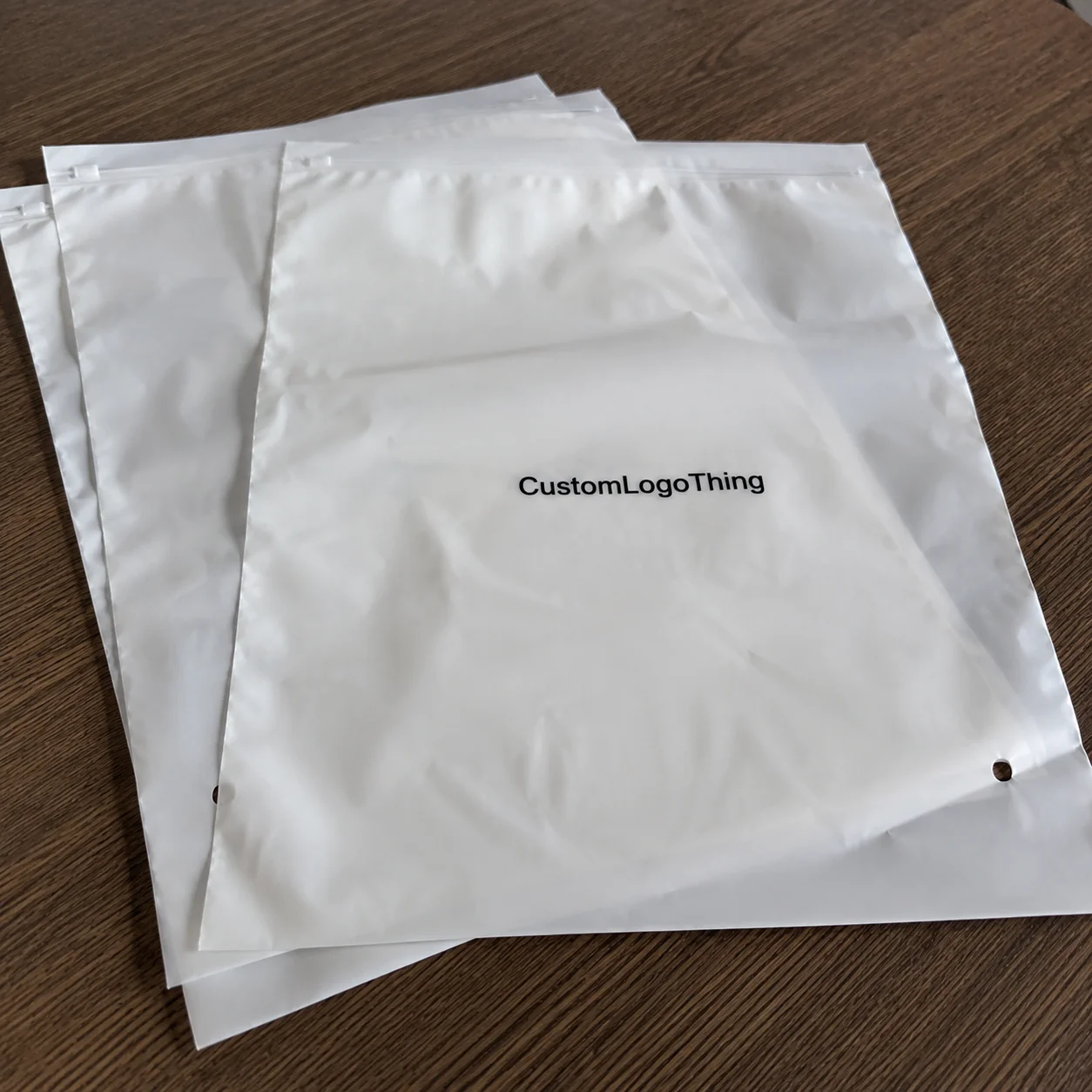
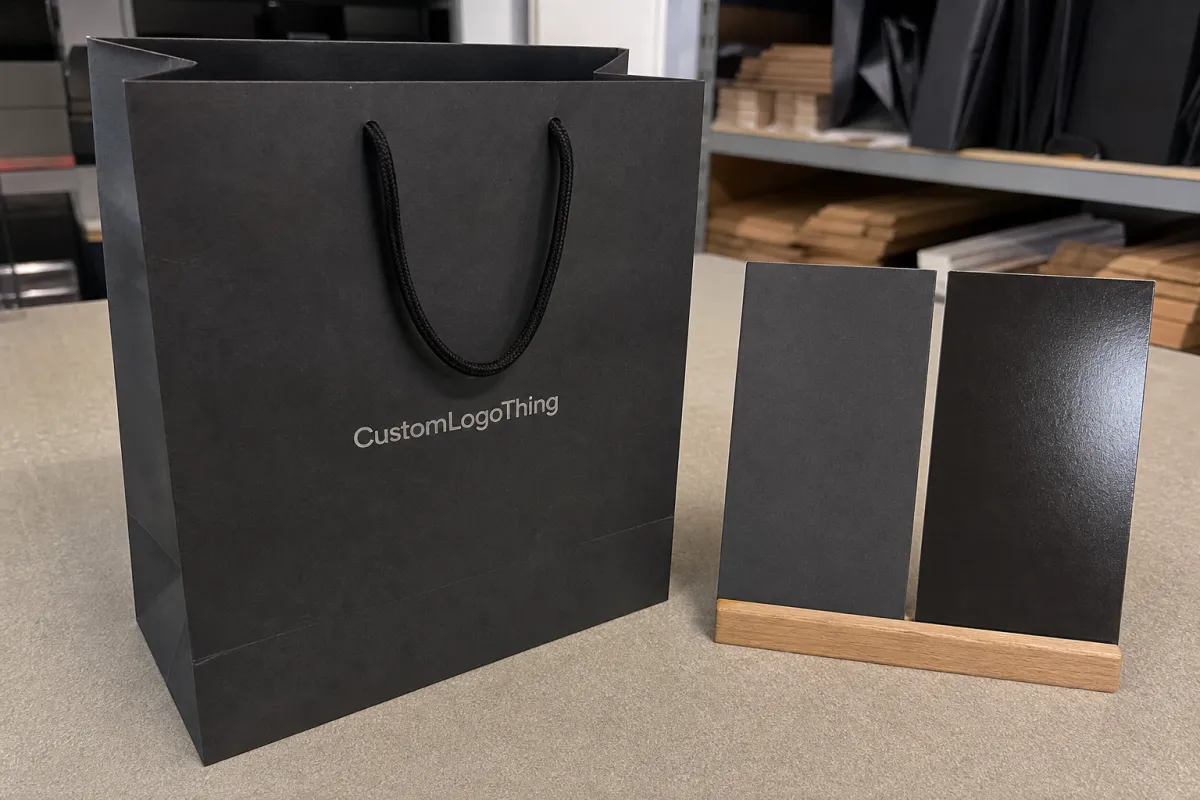
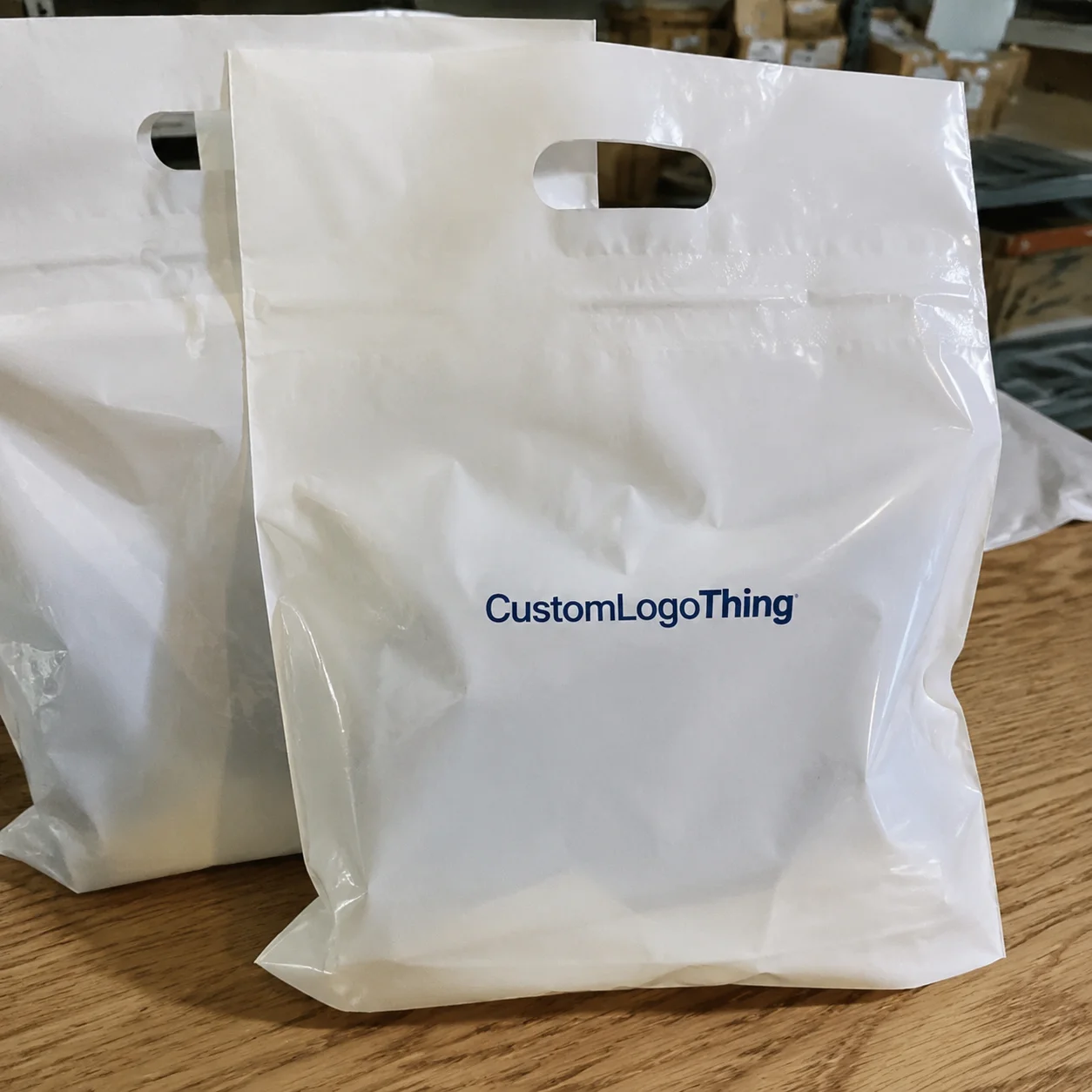
Buyer Fit Snapshot
| Best fit | Your Packaging Budget projects where brand print, material claims, artwork control, MOQ, and repeat-order consistency need to be specified before quoting. |
|---|---|
| Quote inputs | Share finished size, material target, print colors, finish, packing count, annual reorder estimate, ship-to region, and any compliance wording. |
| Proofing check | Approve dieline scale, logo placement, barcode or warning zones, color tolerance, closure strength, and carton packing before bulk production. |
| Main risk | Vague material claims, crowded artwork, missing packing details, or unclear freight terms can make a low unit price expensive after revisions. |
Fast answer: Your Packaging Budget: Material, Print, Proofing, and Reorder Risk should be specified like a repeatable production item. The safest quote records material, print method, finish, artwork proof, packing count, and reorder notes in one written spec.
Production checks before approval
Compare the actual filled-product size with the drawing, then confirm tolerance on folds, seals, hang holes, label areas, and retail display edges. Reserve space for logos, QR codes, warning copy, and material claims before decorative graphics fill the panel.
Quote comparison points
Review material grade, print process, finish, sampling route, tooling charges, carton quantity, and freight assumptions side by side. A quote is only useful when the supplier can repeat the same color, closure quality, and packing count on the next order.
Why Most Businesses Get Their Packaging Budget Wrong (And How to Fix It)
Three years ago, a skincare company in Portland called me. They'd just launched a new product line, and their packaging costs were eating up nearly 35% of their revenue. When I asked how they'd arrived at their budget, the founder told me they'd simply doubled what they'd spent on packaging for their original launch. "We figured more product meant we'd need more boxes," she said. That kind of guesswork is exactly why most businesses I work with initially stumble with their packaging budget planning.
The reality is that learning how to choose your packaging budget requires understanding that your packaging spend isn't just about the box itself. It's about protection, branding, shipping costs, and the entire customer experience your product represents. When these businesses finally take a structured approach to budget planning, they often discover they've been overspending by an average of 23% on materials alone, according to what I commonly see in our facility assessments.
What follows in this guide will help you avoid those same pitfalls. I'll walk you through the actual cost components, show you how to build a realistic timeline, and share the exact questions I ask clients when we're working through their packaging budget for the first time. Whether you're launching a new product or reassessing an existing line, this framework will give you the clarity you need.
Understanding What Goes Into Your Packaging Budget
Before you can learn how to choose your packaging budget wisely, you need a complete picture of what actually makes up those costs. Most people initially think it's just the price of the box or bag. The actual picture is much more detailed, and missing any component means your budget will fall short when the invoices arrive.
Material Costs
Material expenses form the foundation of your packaging budget, but not all materials are created equal. Corrugated cardboard ranges widely in price depending on thickness and flute type—32 ECT single-wall corrugated costs around $0.45 to $0.65 per square foot, while 44 ECT double-wall can run $0.85 to $1.20 per square foot. Kraft paper for wrapping or inserts typically runs $0.25 to $0.40 per sheet depending on weight and finish. Molded pulp, which I've seen used increasingly for electronics and fragile goods, often costs $0.35 to $0.75 per unit depending on the complexity of the mold. Plastic options remain common despite sustainability pressures, with PET trays ranging $0.15 to $0.40 per unit and PVC blister packaging at $0.10 to $0.30 per unit.
Design and Tooling Expenses
New businesses frequently get caught off guard here. Custom packaging almost always requires tooling that gets amortized across your first order. Dielines for custom boxes typically cost $150 to $500 depending on complexity. Printing plates for flexographic printing run $75 to $150 per color per plate, and if you're running a four-color design plus coatings, that's five plates right there. Custom molds for rigid boxes or specialty inserts can range from $500 to $2,500 depending on the complexity and the manufacturer.
During a supplier trip to Shenzhen, I watched a client nearly have a panic attack when their $1,800 tooling invoice arrived alongside their first box order. They'd budgeted only for the boxes themselves and hadn't planned for this upfront investment at all.
Labor and Assembly Considerations
If your packaging requires manual assembly—adding tissue paper, stickers, ribbon, or inserts—you need to factor that labor cost. Assembly labor in the United States typically runs $12 to $18 per hour, and an experienced packer can assemble about 60 to 80 units per hour depending on complexity. This means assembly can add $0.15 to $0.30 per unit to your budget for products requiring manual finishing.
Shipping Weight and Dimensional Impact
Your packaging budget doesn't end at the factory. Heavier boxes mean higher shipping costs from your manufacturer. More importantly, oversized packaging means Dimensional Weight Charges from carriers like UPS and FedEx. A box that's 2 inches too large in each dimension can double your shipping cost per unit. I've seen clients save $0.40 per unit on shipping alone just by redesigning their boxes to fit their products more efficiently.
Minimum Order Quantities and Their Effect on Per-Unit Pricing
MOQs directly impact how to choose your packaging budget because they determine your upfront cash requirements. Standard corrugated boxes might have an MOQ of 1,000 units, while rigid setup boxes often require 2,500 to 5,000 minimum. Some manufacturers offer low-MOQ options at premium pricing, sometimes starting at 250 to 500 units but at 30% to 50% higher per-unit cost. Understanding these breakpoints is essential when calculating your actual budget needs.
When planning your branded packaging budget, remember that unit cost is only half the equation. Setup fees, tooling, and shipping can sometimes exceed the actual material costs, especially at lower volumes.
The Real Costs: What Actually Drives Your Packaging Expenses
Beyond the obvious material costs, specific technical factors determine whether your packaging budget will stretch far or fall short. Understanding these drivers gives you an advantage when negotiating with suppliers and designing your packaging program.
Material Grade and Thickness: Why ECT Ratings Matter
Edge Crush Test ratings aren't just technical specifications—they're cost drivers. A 32 ECT box might work for lightweight products, but if you're shipping anything over 30 pounds, you'll need at least 40 ECT, which means thicker walls and more material. I learned this lesson painfully with a client who was shipping ceramic planters. They chose a budget box that looked identical to a heavier-duty option but collapsed during shipping, resulting in $8,000 in damaged goods and returns within the first two months. The premium they'd have paid for proper ECT rating was about $0.08 per unit—far less than the damage they'd absorbed.
Print Method Comparison: Flexographic vs. Digital Printing Costs
The printing method you choose affects both upfront costs and per-unit pricing significantly. Flexographic printing offers lower per-unit costs once setup is complete—typically $0.08 to $0.15 per box for standard designs—but requires plates ($350 to $600 total for a typical 4-color design) and longer print runs to be cost-effective. Digital printing has minimal setup costs and no plates required, making it ideal for smaller quantities and frequent design changes, but per-unit costs run $0.25 to $0.45 higher than flexographic at typical volumes.
Volume Breaks and Pricing Tiers
Almost every manufacturer offers volume discounts, but the breakpoints vary. Here's a general breakdown I use when advising clients on Custom Printed Boxes:
| Order Quantity | Per-Unit Cost (Standard Corrugated) | Typical Savings vs. 1,000 Units |
|---|---|---|
| 1,000 units | $0.85 - $1.10 | Baseline |
| 2,500 units | $0.65 - $0.85 | 20-25% |
| 5,000 units | $0.50 - $0.70 | 35-40% |
| 10,000 units | $0.40 - $0.55 | 45-50% |
These numbers illustrate why understanding how to choose your packaging budget requires knowing your volume upfront. Ordering 10,000 units instead of 5,000 might mean a larger upfront investment, but the per-unit savings often justify carrying the extra inventory.
Setup Fees and Their Amortization
Setup fees exist because every production run requires machine time for setup, cleaning, and calibration regardless of how many units you're ordering. These fees typically range from $250 to $500 for standard runs but can reach $750 to $1,500 for specialty processes like foil stamping or embossing. The key is understanding that these fees spread across more units means lower effective cost per unit—but only if you have the storage space and capital to absorb the larger order.
Hidden Costs Most Beginners Miss
Three hidden costs consistently surprise new packaging buyers. First, waste allowance: manufacturers typically build in 3% to 5% spoilage into their quotes, but if your packaging is complex or requires tight tolerances, actual waste can run higher. Second, damaged goods in transit due to inadequate packaging often exceeds the savings from choosing cheaper materials. Third, returns processing costs—each return can cost $15 to $25 in labor, shipping, and inspection alone before accounting for the product damage.
A Step-by-Step Timeline for Planning Your Packaging Budget
One of the most common questions I get is "how long does this actually take?" Learning how to choose your packaging budget means also understanding the timeline required so you can build in proper buffers. Rushing the process almost always leads to budget overruns from rush fees, expedited shipping, or costly mistakes.
Weeks 1-2: Product Assessment and Dimension Gathering
Start by documenting everything about your product that affects packaging. Measure your product dimensions to the millimeter—height, width, depth, and any irregular features like handles or spouts. Record the weight of your product with all components included. Identify any special requirements: fragility, temperature sensitivity, liquid containment, or regulatory requirements for your industry (food, cosmetics, and pharmaceuticals each have specific packaging requirements).
During this phase, I also recommend photographing your product from multiple angles and noting any surface features that might require special handling or protective inserts.
Weeks 3: Research Material Options and Supplier Comparisons
With your product specs in hand, research the packaging materials and styles that fit your needs. A mailer box might work perfectly for subscription products, while a setup box with lift-on lid better serves luxury retail packaging. Compare at least three suppliers, asking for their standard material offerings, MOQs, and any certifications they hold (ISTA, ASTM, FSC certification if sustainability matters to your brand).
Weeks 4: Request Quotes and Evaluate Sample Quality
This is where many businesses try to cut corners, but samples are non-negotiable if you want to avoid budget surprises. Request physical samples from each supplier under consideration. Evaluate the material quality, print sharpness, and structural integrity. Ask for sample packs that include the actual unit you'll receive, not just a generic example box.
Weeks 5-6: Finalize Design and Approve Proofs
Once you've selected a supplier, work through your final design with their art department. Review proofs carefully—check that all colors match your brand standards, that text is legible at the box size, and that any barcode or tracking information is accurate. This stage often requires two to three rounds of revisions, each taking three to five business days.
Production Timeline: What to Expect from Factory to Delivery
After design approval, standard lead times for custom corrugated boxes run 15 to 25 business days depending on complexity and current factory loads. Rigid boxes typically require 20 to 30 business days. Add five to ten business days for international shipping if you're working with overseas manufacturers. Specialty processes like soft-touch lamination, foil stamping, or spot UV coating can add an additional one to two weeks to production timelines.
Buffer Time: Why You Need 4-6 Weeks Minimum Before Launch
A critical point many entrepreneurs miss: your packaging needs to be in hand before you need it. Building a buffer of four to six weeks beyond your "need by" date accounts for shipping delays, quality issues requiring reprints, and the inevitable questions that arise during first production. When I worked with a client launching at a major retail trade show, we built their entire timeline around having finished goods in warehouse two weeks before their booth setup. Sure enough, the first production run had a color registration issue that required reprints. Because of the buffer, they still made their deadline without paying rush fees.
Discovering a packaging problem during sampling rather than after you've shipped to customers saves thousands in potential losses.
How to Choose the Right Budget Range for Your Business
Now you understand the components and timeline. The next step in learning how to choose your packaging budget is determining what budget range makes sense for your specific business situation. There's no universal answer—what's appropriate depends on your product value, market positioning, and business stage.
Small Businesses: $0.50-$2.00 Per Unit for Basic Packaging
If you're running a small business or startup, your packaging budget will likely fall in the lower per-unit range. At this level, focus on getting the fundamentals right: adequate protection, clear product identification, and basic brand elements. Stock packaging with your logo printed on one or two colors keeps costs manageable while still providing brand presence.
For a product with a $25 to $50 retail value, allocating $0.50 to $2.00 per unit for packaging represents about 2% to 8% of product cost—well within healthy margins for most categories.
Mid-Market Companies: $2.00-$5.00 Per Unit for Branded Solutions
Mid-market companies with established sales channels and growing revenue can justify investment in more sophisticated branded packaging. At this budget level, you can incorporate multi-color printing, premium materials like soft-touch lamination or spot UV coatings, and structural designs that enhance the unboxing experience.
This range works well for products in the $75 to $200 range, representing 3% to 10% of product cost. This is where custom printed boxes with full-color graphics become economically viable.
Enterprise Brands: $5.00+ Per Unit for Premium Unboxing Experiences
Premium brands in cosmetics, electronics, spirits, and luxury goods often allocate $5.00 to $15.00 or more per unit for packaging that creates a memorable customer experience. At this level, you're likely including elements like rigid setup boxes, custom inserts, tissue paper, embossed or foil-stamped graphics, and perhaps even custom fragrance or magnetic closures.
This investment makes sense when packaging serves as a key differentiator in your market—when the unboxing experience itself becomes a marketing asset shared on social media and discussed in reviews.
Calculating Your Total Packaging Spend as a Percentage of Product Cost
The industry standard, often called the 10% rule, suggests your total packaging spend should represent approximately 10% of your product cost. However, this varies significantly by category. High-margin products like cosmetics and luxury items often allocate 15% to 20% to packaging because the packaging contributes substantially to perceived value. Commodity products in competitive markets typically stay under 10% to preserve margin.
To calculate your target: determine your product cost (materials, labor, overhead), multiply by your target percentage, and that gives you your packaging budget ceiling. If your product costs $10 to manufacture, and you target 10%, your packaging budget is $1.00 per unit.
The 10% Rule: Industry Standard for Packaging as a Percentage of Revenue
Working from revenue, the same principle applies: packaging should represent roughly 10% of your total product revenue at scale. This 10% should cover materials, design, tooling, assembly, and shipping to your customers. Tracking this percentage monthly helps you spot budget drift early and adjust before small problems become budget crises.
How Do You Determine the Right Packaging Budget for Your Business?
Determining how to choose your packaging budget effectively requires balancing several competing priorities. Your product's physical characteristics, your brand positioning, your shipping requirements, and your profit margins all influence the appropriate investment level for your packaging program.
When budgeting for packaging, start by identifying your non-negotiables. What protection level does your product require? What brand impression do you need to create? What are your shipping cost constraints? These answers help you establish a baseline that prevents the under-budgeting that leads to damaged products or the over-spending that erodes margins.
The key is approaching your packaging budget as an investment rather than an expense. Well-designed packaging reduces damage claims, creates positive customer impressions, and can even serve as a marketing tool. A packaging budget that gets you adequate protection and basic branding might seem economical on paper, but if it fails during shipping or leaves customers underwhelmed, it's actually costing you more than a slightly higher investment would.
7 Common Mistakes When Setting Your Packaging Budget
Through two decades of working with packaging suppliers and clients across industries, I've identified the mistakes that most consistently lead to budget overruns. Avoiding these pitfalls will put you ahead of most businesses approaching their packaging budget for the first time.
1. Underestimating Shipping Costs Caused by Oversized Boxes
Dimensional weight pricing means a box that's one inch too large in each dimension can increase your shipping cost by 15% to 25%. Before finalizing your box dimensions, calculate the actual shipping cost using your carrier's dimensional weight formula. The cheapest box that doesn't fit your product properly is often the most expensive box overall.
2. Choosing Materials Based on Price Alone, Not Protection Needs
The lowest-cost material that doesn't adequately protect your product will cost you far more in damaged goods, returns, and customer dissatisfaction. Perform drop tests, compression tests, and vibration tests if your products face rough shipping conditions. A packaging engineer can help you identify the minimum specifications your package needs.
3. Ignoring MOQ Requirements from Manufacturers
Many business owners see an attractive per-unit price and don't read the fine print about MOQs. Ordering 2,500 units when you only need 1,500 means carrying excess inventory that ties up capital. Alternatively, ordering below MOQ often means paying a significant premium or being unable to place the order at all.
4. Forgetting About Seasonal Volume Fluctuations
If your business has seasonal peaks, your packaging needs will fluctuate accordingly. Planning a single MOQ that covers your peak season means overpaying during slower months. Instead, consider splitting your order: a larger order placed in advance of peak season for your high-volume period, with flexibility for smaller replenishment orders at higher per-unit cost during regular periods.
5. Not Factoring in Design Revision Costs
Your first design won't be your final design. Branding evolves, products change, regulations require updates. Build 10% to 15% of your design budget as a contingency for revisions. Each revision cycle—from brief to final approved proof—typically costs $150 to $400 depending on complexity and the supplier's art department rates.
6. Skipping the Sample Phase and Ordering Blind
Physical samples exist to prevent expensive mistakes. I've seen clients save thousands by spending a few hundred dollars on samples first. The sample phase catches problems with color accuracy, structural integrity, and material quality before you're committed to a full production run.
7. Focusing Only on Unit Cost Instead of Total Cost of Ownership
A box that costs $0.20 less per unit but requires manual assembly might actually cost more when you factor in labor. A cheaper material that results in higher damage rates might cost more over time than premium materials. Calculate total cost of ownership across your entire packaging program, not just the purchase price.
The cheapest packaging option is rarely the most economical choice when you factor in all the downstream costs.
Expert Tips for Maximizing Your Packaging Budget Value
Once you understand how to choose your packaging budget, the next question becomes how to maximize the value you get from every dollar spent. These strategies come from hands-on experience optimizing packaging programs for companies across different industries and scales.
Consolidating SKUs to Reduce Die Varieties and Setup Costs
Every unique box size or shape requires its own die and setup fees. If you're running five different product boxes, you're paying setup five times. I worked with a supplement company that consolidated from seven different packaging formats to three by using modular insert systems and standardized outer box dimensions. Their setup costs dropped by 40%, and per-unit pricing decreased significantly across all three remaining formats.
Using Modular Packaging Designs That Scale with Volume
Design your packaging to be volume-flexible. A single master carton design that works for single-unit retail, multi-pack display, and case shipments eliminates the need for multiple box programs. The incremental design investment pays for itself quickly through simplified purchasing and reduced inventory carrying costs.
Negotiating Annual Volume Commitments for Better Pricing
Suppliers prefer stable, predictable business. If you can commit to annual volume across all packaging needs, you'll negotiate better pricing than placing spot orders. I've seen clients lock in 10% to 15% better pricing simply by offering a volume commitment and being willing to work with a single supplier for their packaging program rather than chasing the lowest quote with each order.
Timing Orders to Avoid Rush Fees and Peak Season Surcharges
The packaging industry has predictable peak seasons: the fourth quarter for holiday retail, January for post-holiday inventory replenishment, and the weeks before major trade shows. Placing orders during these periods often means paying rush fees of 15% to 30% or being placed on allocation with longer lead times. Planning your budget calendar around these patterns saves money and ensures on-time delivery.
Building Relationships with Packaging Engineers at Manufacturing Facilities
Your account representative is valuable, but the packaging engineers who actually design and produce your boxes are even more so. When I developed relationships with engineers at our facility, they started alerting me to potential problems before orders were placed, suggesting cost-saving alternatives, and prioritizing my clients' work during busy periods. These relationships take time to build, but they provide ongoing budget benefits.
When to Invest More Upfront to Save on Long-Term Costs
Sometimes the right choice is spending more money initially. Investing in higher-quality printing plates that produce sharper output over longer runs, choosing a more durable material specification that resists transit damage, or paying for an engineering review of your box design before production—these upfront investments often pay for themselves within the first few orders.
Next Steps: Start Building Your Packaging Budget Today
You now have a comprehensive framework for understanding how to choose your packaging budget. The question is: where do you start? Here's a practical action plan to move from this article to a real packaging budget.
Download Our Free Packaging Cost Calculator Worksheet
We've created a downloadable worksheet that walks you through each cost component and calculates your total packaging investment based on your specific product dimensions, volume requirements, and material preferences. This tool helps you build a realistic budget before you begin requesting quotes.
Schedule a Free Consultation with Our Packaging Specialists
If you'd prefer guided support, our packaging team offers free consultations to help businesses develop their packaging budget strategy. We can review your current packaging approach, identify cost savings opportunities, and recommend specific material and supplier options for your situation. Visit our contact page to schedule a session.
Request Samples from 3 Different Suppliers Before Deciding
Physical samples give you the confidence to commit to a production order. Request samples from at least three different suppliers, comparing material quality, print accuracy, and structural performance. The slight investment in samples prevents costly mistakes.
Map Out Your Product Dimensions and Shipping Requirements
Before you can budget accurately, you need precise measurements. Document your product dimensions, weight, fragility level, and any special handling requirements. Then research your shipping carriers' dimensional weight policies to understand how box dimensions affect your shipping costs.
Set a Realistic Timeline: Minimum 8 Weeks from Concept to Delivery
Give yourself adequate time. From initial concept to having finished packaging in your warehouse should take a minimum of eight weeks for straightforward projects, and longer for complex designs or specialty processes. Build your launch timeline backward from your desired in-stock date to establish your design and ordering deadlines.
Remember: The Best Budget Is One That's Well-Researched, Not Just the Cheapest Option
As you develop your packaging budget, resist the temptation to choose the lowest quote without considering total cost of ownership. The cheapest box that doesn't protect your product properly, or the lowest-cost supplier with a history of quality issues, will cost you more in the long run than investing appropriately from the start. Your packaging budget should fund confidence—confidence that your products arrive intact, that your brand is represented well, and that your investment is protected.
Learning how to choose your packaging budget is a skill that improves with practice and proper frameworks. Use the guidance in this article as your foundation, and don't hesitate to reach out for expert support as you navigate your first or your next packaging program.
Frequently Asked Questions
What percentage of my product cost should go to packaging?
The industry standard ranges from 5% to 15% depending on your industry and product value. Premium products in cosmetics, electronics, and luxury categories often allocate 15% to 20% for the unboxing experience because packaging contributes significantly to perceived value. Commodity products typically stay under 10% to maintain healthy margins. Calculate your target by comparing competitors in your market and determining what brand perception you're trying to achieve.
How do I reduce my packaging budget without sacrificing quality?
Several strategies can reduce costs while maintaining quality. Optimize your box dimensions to reduce material waste and lower dimensional weight shipping charges—this alone can save $0.20 to $0.50 per unit depending on your current dimensions. Consolidate product SKUs to increase order volumes and qualify for better volume discounts. Choose lighter materials that still meet your protection requirements based on actual testing rather than over-engineering. Eliminate unnecessary design elements like specialty coatings or complex print patterns that add printing complexity and cost. Finally, consider stock packaging with simple customizations rather than fully custom designs if you're in early stages.
What's the minimum order quantity for custom packaging?
MOQs vary significantly by product type and manufacturer. Standard corrugated boxes often start at 1,000 units with most suppliers, though some offer 500-unit minimums at premium pricing. Rigid setup boxes typically require 2,500 to 5,000 units because the tooling and setup costs require longer runs to amortize effectively. Some manufacturers offer low-MOQ options at 15% to 30% higher per-unit costs for businesses that need smaller quantities or want to test a design before committing to larger volumes. Stock packaging with custom printing can sometimes start as low as 250 units, making it viable for startups and small businesses.
How long does it take to produce custom packaging?
Standard lead times range from 15 to 25 business days after design approval for most corrugated boxes. Complex designs with specialty printing, coatings, or structural elements may require 30 to 40 business days. Add five to ten business days for international shipping if you're working with overseas manufacturers. Always build a two-week buffer for potential revisions, unexpected delays, and quality issues that might require reprints. For products needing packaging before a launch event or retail deadline, plan backward from your deadline and add these buffer periods to establish your order date.
Should I choose sustainable packaging if I'm on a tight budget?
Sustainable packaging options often cost 10% to 30% more than conventional materials, depending on the specific materials and processes involved. However, there are ways to incorporate sustainability without major budget increases. Recycled content and mono-materials (single-material construction) can sometimes reduce costs compared to mixed laminates because they're easier to recycle and don't require specialty processing. Consumer preference for sustainability can also justify premium pricing in your market, potentially offsetting the higher material costs.
If you're working with a tight budget, consider starting with incrementally sustainable options rather than a complete redesign. Using recycled content corrugated, eliminating unnecessary plastic windows, or switching from mixed-material laminates to recyclable single-material constructions can all improve sustainability without dramatic cost increases. You can learn more about sustainable packaging standards from organizations like the Forest Stewardship Council and Packaging Association.