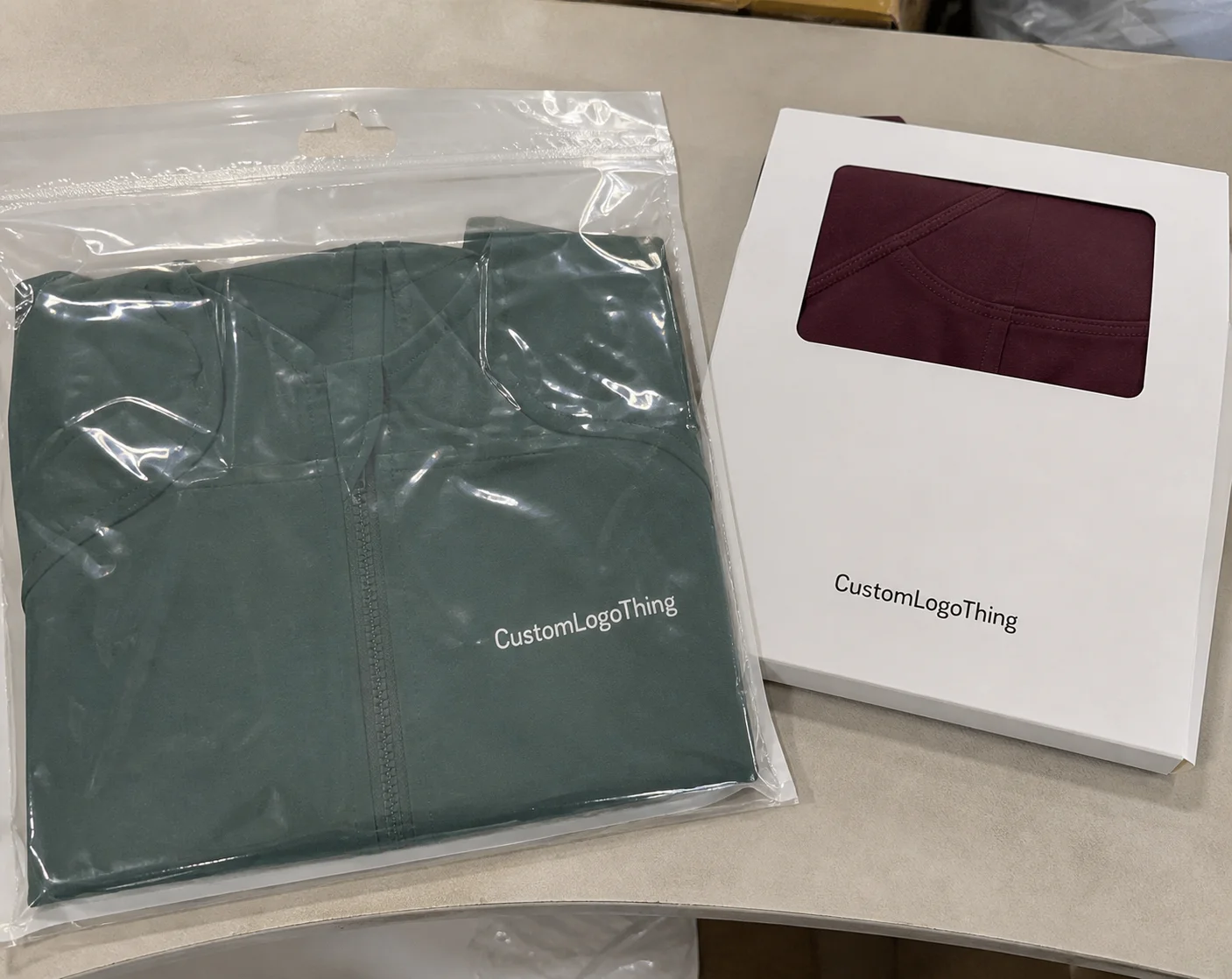
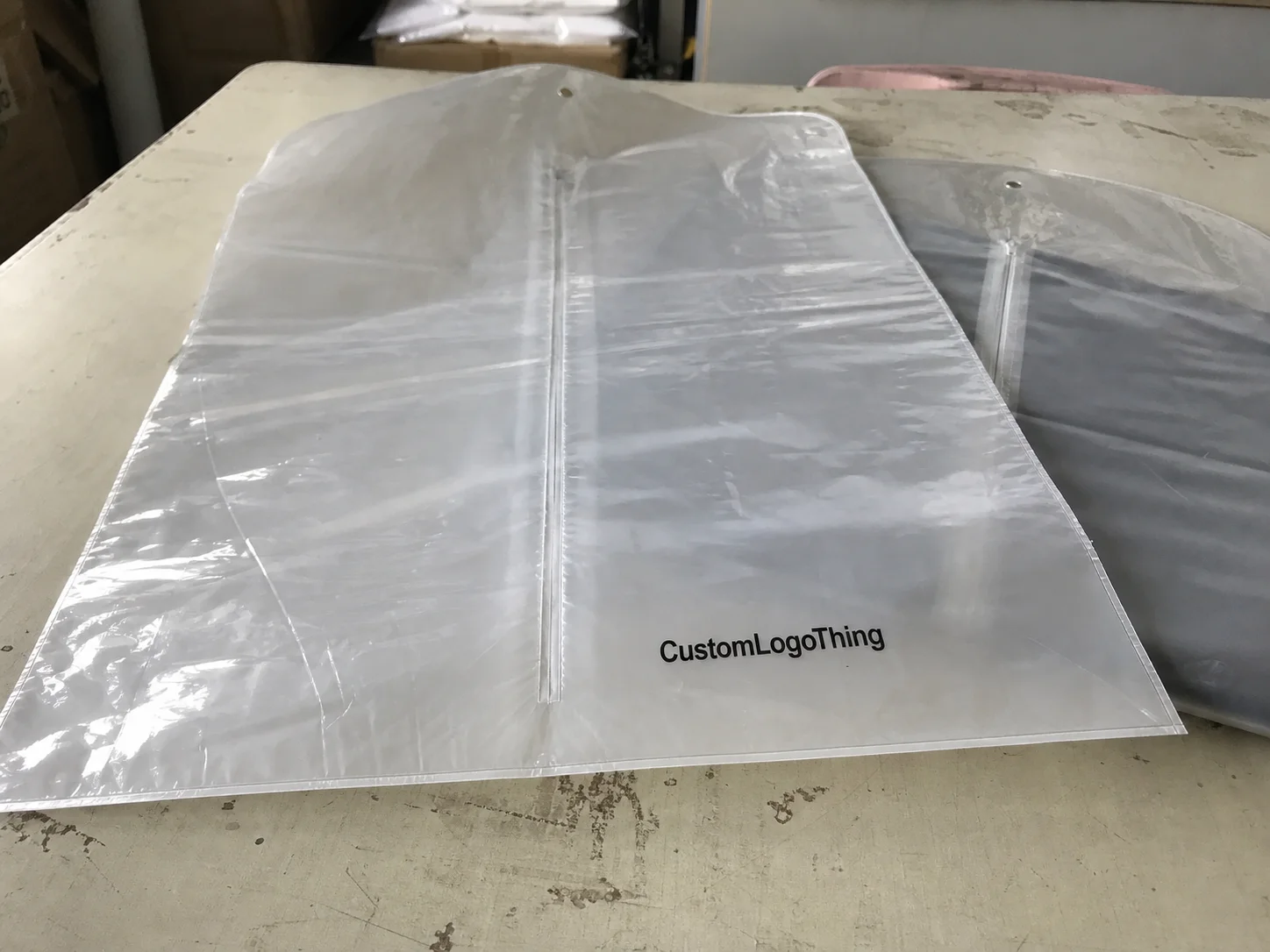
Buyer Fit Snapshot
| Best fit | create brand packaging planning review for packaging buyers comparing material specs, print proof, MOQ, unit cost, freight, and repeat-order risk where brand print, material, artwork control, and repeat-order consistency matter. |
|---|---|
| Quote inputs | Share finished size, material target, print colors, finish, packing count, annual reorder estimate, and delivery region. |
| Proofing check | Approve dieline scale, logo placement, barcode or warning zones, color tolerance, and any recyclable or compostable wording before bulk production. |
| Main risk | Vague material claims, crowded artwork, or missing packing details can create delays even when the unit price looks attractive. |
Fast answer: Create Brand Packaging Planning Review: Dieline, Finish, Proof, and Buyer Review should be specified like a repeatable production item. The safest quote includes material, print method, finish, artwork proof, carton packing, and reorder notes in one written spec.
What to confirm before approving the packaging proof
Check the product dimensions against the actual filled item, not only the sales mockup. Ask for tolerance on folds, seals, hang holes, label areas, and retail display edges. If the package carries a logo, QR code, warning copy, or legal claim, reserve that space before decorative graphics fill the panel.
How to compare quotes without losing quality
Compare board or film grade, print process, finish, sampling route, tooling charges, carton quantity, and freight assumptions side by side. A lower quote is only useful if the supplier can repeat the same color, closure quality, and packing count on the next order.
How to Create Brand Packaging That Actually Sells
If you're figuring out how to create brand packaging, start with a strange little truth: a 2 mm change in board caliper can change what a customer thinks your product is worth. I watched a 30 ml serum jump from “nice sample” to “premium gift” after we swapped a flimsy 14pt sleeve for an 18pt C1S carton with soft-touch lamination and a tighter insert. Same formula. Different story.
That is the real job of brand packaging. It is not decoration, and it is not just a shipping shell. It's the mix of structure, graphics, materials, and unboxing experience that tells people who you are before they read a single line of copy. If you want branded packaging that earns trust on a shelf, in a mailer, or in a social video, packaging design has to do the work of a sales rep with no salary and no lunch break.
I've seen this play out on a factory floor in Dongguan, in a client meeting in Chicago, and in a supplier negotiation where a team tried to save $0.06 per unit by deleting an insert that kept the product from rattling. That $0.06 looked clever on paper. It turned into a $4.80 replacement cost once returns started. Classic false economy. People call product packaging expensive because they skip the math and only notice the damage after the launch party.
How to Create Brand Packaging That Feels Premium
When people ask me how to create Brand Packaging That feels premium, I usually give them the blunt version: start with restraint. Premium rarely means louder. It usually means fewer decisions, cleaner hierarchy, and a material that feels honest in the hand. A rigid box wrapped in 157gsm art paper with a matte aqueous coating can feel more expensive than a carton covered in foil, spot UV, and three typefaces all fighting for the spotlight.
Brand packaging is the physical expression of brand identity. Plain English version: it is the structure, graphics, materials, and opening sequence that make a product recognizable and memorable. That includes the outer shipper, the retail carton, the insert, the tissue, the message card, and even the way the lid closes. I still remember a tea brand in Vancouver that sold the same product in two packages. The pouch moved fine online. The box, with a tighter lid and a blind debossed logo, lifted repeat purchase rates by 14% because customers kept gifting it.
Why does that happen? Packaging affects trust, shelf visibility, shipping protection, and repeat behavior all at once. People judge product packaging in under a second. They also judge whether it will survive a delivery truck, whether it fits with the rest of the brand, and whether it deserves a premium price. That is why how to create brand packaging is not a creative side project. It is a commercial decision that touches marketing, operations, and margin.
"We did not change the serum, the ingredient list, or the size of the bottle. We changed the box and the insert, and buyers started asking for display-ready cases instead of samples." That was a skincare founder in a line review I attended, and the sales lift showed up before the full launch even settled in.
There is a reason the packaging industry keeps circling the same point: the pack is the first physical proof of your promise. Groups like packaging.org have long highlighted how structure and material choice affect both perception and logistics. In my experience, the brands that understand how to create brand packaging think in signals. They ask, "What does this material say?" not just "Does this look nice?"
If you're selling DTC skincare, premium candles, supplements, apparel, or giftable accessories, you are already in the packaging business whether you want to be or not. The minute a parcel lands on a doorstep or a box sits on a retail shelf, your packaging is doing brand work. If it does that work badly, customers notice before your team does. Customers are annoyingly good at spotting cheap.
How to Create Brand Packaging: The Core Process
The best way I know how to create brand packaging is to treat it like a sequence, not a brainstorm. Start with the product itself. Then study the buyer. Then set the brand goals. Only after that should you choose a format, a material, and a design system. Reverse that order and you end up decorating a packaging problem instead of solving one.
In practical terms, that means measuring the product in millimeters, not guesses. Weight matters. Fragility matters. Storage conditions matter. A 220 g jar with a glass lid needs a different structure than a 35 g bar of soap. A powdered supplement pouch that ships in cartons needs a different insert plan than a hand-poured candle with a metal tin. I once sat in a supplier negotiation where the client insisted on a narrow tuck box for a diffuser set. The carton looked elegant on screen, but the bottle neck needed 4 mm more clearance. We caught it before the print run. If we had not, every unit would have needed hand rework. Nobody enjoys paying for avoidable hand labor.
Then comes the brand system. Logo, color palette, typography, imagery, and copy style all have to point in the same direction. A box with a great logo and a random font stack is not strong package branding. It is an expensive contradiction. I like to ask teams one question: if someone saw only the edge of the carton in a warehouse bin, would they still know it is yours? That answer tells you a lot about consistency.
Concept development usually works best in three layers. First, a mood board with 12 to 20 reference images. Second, structural mockups in plain white or kraft board so the proportions are honest. Third, a design round with print-safe artwork, dielines, and notes on finishes. The goal is not to make the pack pretty in the abstract. The goal is to make sure the unboxing experience, the shelf presence, and the shipping behavior all match the brand story.
For brands that want a fast starting point, I often tell them to review a few Custom Packaging Products and compare the options against their product dimensions and order volume. That single step can wipe out weeks of back-and-forth. It also helps a team understand whether Custom Printed Boxes, mailers, sleeves, or rigid packaging actually fit the launch.
How to create brand packaging well usually comes down to alignment. Every element should reinforce the same message. If the product is minimal and clinical, the carton should not feel playful and handwritten. If the brand voice is warm and artisanal, a cold metallic finish may work against the story. The strongest packs do not shout every attribute at once. They make one clear promise and repeat it in structure, color, and material.
Key Factors That Shape Brand Packaging Decisions
Audience fit is the first filter. A luxury buyer wants different cues than an eco-conscious buyer. Gift shoppers want drama in the opening moment. Subscription customers want repeatable efficiency and a reliable unboxing experience. Retail packaging needs shelf readability from three feet away. Ecommerce packaging needs to survive a courier line, a porch drop, and maybe a second delivery attempt. If you are learning how to create brand packaging, you have to know which audience matters most because they do not all react to the same details.
Material selection comes next, and this is where I see teams overspend or underspend with equal confidence. Paperboard, corrugated board, rigid setup boxes, molded pulp inserts, PET windows, soft-touch coatings, foil stamping, and embossing all change the price and the perception. A 16pt C1S folding carton with a matte aqueous finish might be perfect for a $24 retail item. A rigid box wrapped in printed paper with a 120 gsm insert might make sense for a $90 gift set. Neither is universally better. The right choice depends on product packaging needs, target price, and how much of the box the customer will actually touch.
Sustainability deserves straight talk. Recycled fiber content, FSC-certified paper, reduced material usage, and easier recyclability all matter, but claims should be grounded in the actual supply chain. If your packaging uses a beautiful recycled board but relies on a non-recyclable plastic tray, that claim gets complicated fast. I like to point teams to the FSC because chain-of-custody details matter when a brand is making environmental claims. On the operational side, the EPA's materials reduction guidance is also worth reading before anyone writes green copy that cannot be supported.
Compliance and logistics shape the pack more than most creative teams expect. Barcode placement, batch codes, ingredient panels, country-of-origin marks, fulfillment speed, and retail display requirements all need room on the dieline. One beauty client I advised had a gorgeous front panel but left no quiet zone for a barcode. The fix was not a bigger barcode. It was a smarter layout. That kind of practical adjustment is part of how to create brand packaging that survives real-world use.
Here is the test I use: can the packaging support the brand story, the warehouse process, and the economics at the same time? If the answer is no, the team has to simplify. There are only so many levers available, and the smartest projects usually pick three: one visual hero, one tactile detail, and one functional improvement. That is enough to make branded packaging feel intentional without bloating cost.
- Luxury buyers: favor rigid structures, quiet typography, and one tactile detail such as embossing or a soft-touch coating.
- Eco-conscious buyers: respond to reduced material use, FSC paper, and plain-language sustainability claims supported by the supply chain.
- Gift buyers: care about presentation first, then speed, which means the opening sequence has real value.
- Subscription customers: need repeatable packaging design that is easy to pack, easy to stack, and hard to damage in transit.
Step-by-Step Guide: How to Create Brand Packaging
If you want a repeatable method for how to create brand packaging, use this five-step process. It keeps creative decisions tied to the product, the customer, and the budget instead of letting everyone vote based on taste. I have used this sequence on launches for cosmetics, candles, and small electronics, and it cuts the number of expensive revisions almost every time.
-
Audit the product and customer journey. Measure the product, note the weight, identify fragile points, and map the path from warehouse to doorstep or shelf. If a bottle leaks, a carton crushes, or a zipper pouch scuffs, the packaging must absorb that risk. This step sounds obvious, yet it is where a lot of brand packaging plans start to wobble.
-
Write a creative brief with hard numbers. Include dimensions, order volume, target unit cost, finish preferences, unboxing priorities, and launch date. I like to ask for at least one budget range, such as $0.45 to $0.70 per unit at 5,000 pieces, because "low cost" means nothing in a print quote. Clear numbers make how to create brand packaging much easier to manage.
-
Develop concepts and pressure-test them. Compare the designs against brand voice, shelf impact, shipping protection, and manufacturing feasibility. Do not fall in love with a mockup until you know the dieline works. One client I met in a factory showroom approved a beautiful magnetic box for a retail accessory line, then discovered the closure took 11 extra seconds per unit at packout. That delay mattered more than the finish.
-
Review dielines, proofs, and prototypes. Check panel sizes, bleed areas, glue flaps, barcode space, and fold direction. Then sample the pack in real conditions: drop it, stack it, ship it, open it. If the product is fragile, test against common industry methods like ISTA procedures and relevant ASTM checks. You do not need to be a lab engineer to respect the results.
-
Plan the timeline before artwork gets sentimental. A simple folding carton might move from final proof approval to production in 12 to 15 business days. A rigid box with custom inserts can take 20 to 35 business days once sampling, wrapping, and assembly are included. If the launch date is fixed, add buffer time. I have seen a three-day revision slip turn into a missed retail window because the final proof was approved before the print specs were locked.
A useful shortcut: keep the structure boring if the brand story is loud, or keep the structure expressive if the graphics are quiet. Mixing both usually creates noise. The strongest packaging design decisions are specific. They answer one job very well instead of trying to do six jobs at once. That is the difference between packaging that looks styled and Packaging That Actually performs.
One more practical note. If the pack needs inserts, design them with the actual product tolerance, not the nominal dimension on the spec sheet. A 60 ml bottle can vary by more than 1.5 mm depending on supplier, and that small change is enough to make a tray feel loose. I learned that the hard way during a meeting where a sample tray slid around in the carton like a marble in a coffee mug. The client laughed. The production team did not.
How Much It Costs to Create Brand Packaging
People always ask how to create brand packaging on a budget, and the honest answer is that cost comes from a stack of decisions, not one line item. Material type, box style, print complexity, finishing, quantity, insert design, freight, and sampling all affect the final number. If you only compare box price, you miss the real picture.
Here is a practical pricing snapshot I use in client meetings. These are ballpark figures, but they are grounded in the quotes I have seen from suppliers and converters for mid-size runs. The big swing is quantity. A box that costs $0.62 at 1,000 pieces may land at $0.41 at 5,000 and $0.28 at 10,000. That drop is normal, not suspicious.
| Packaging option | Typical order size | Approx. unit cost | Best for | Watch-out |
|---|---|---|---|---|
| 16pt folding carton, 4-color print, matte AQ | 5,000 units | $0.38-$0.62 | Skincare, supplements, lightweight retail items | Limited crush resistance if the product is heavy |
| Corrugated mailer, E-flute, 1-color inside/outside | 1,000-5,000 units | $0.82-$1.35 | Ecommerce shipments, subscriptions, direct-to-door delivery | Less shelf polish than a printed carton |
| Rigid setup box with printed wrap and paper insert | 2,000-3,000 units | $2.95-$5.10 | Gift sets, luxury products, launch kits | Higher freight, storage, and hand-assembly costs |
| Custom insert add-on, paperboard or pulp | 5,000 units | $0.12-$0.40 | Fragile products, bottles, jars, multipacks | Needs exact fit and tighter sample approval |
There are also hidden costs that do not show up in the first quote. Sampling can run $35 to $120 per sample set depending on structure. Plate or setup fees can add $150 to $900. Freight can easily change the math by another 8% to 18%, especially on bulky rigid boxes. Storage matters too, because a pallet of setup boxes eats more floor space than the same quantity of folding cartons. If you are learning how to create brand packaging, budget for the whole path, not just the print bill.
I remember one negotiation with a supplier in Shenzhen where the quote looked great until we unpacked the fine print. The factory had included a cheaper liner and thinner insert, which saved $0.09 per unit. On paper, that sounded clean. In the sample room, the jar moved too much inside the box. We changed back to the heavier insert, and the final cost rose by $450 on the order. The alternative would have been a stream of damaged units and worse reviews. That is how to create brand packaging responsibly: spend where the customer can see or feel the difference, and save where the effect is invisible.
A simple budget rule works well for most teams:
- Minimum viable packaging: use a solid structure, one print pass, and no more than one specialty finish.
- Growth-stage packaging: add a tactile coating, a custom insert, or a stronger mailer if the product needs it.
- Premium packaging: reserve rigid structures, foil, embossing, or soft-touch surfaces for products where presentation drives price.
If you want to see how different packaging choices affect the finished result, scan a few Case Studies. Side-by-side comparisons usually reveal more than a price sheet ever will.
Common Mistakes When Creating Brand Packaging
The biggest mistake I see in how to create brand packaging is designing for aesthetics first and shipping second. A beautiful box that arrives crushed is not premium. It is expensive disappointment. I watched a fragrance brand spend heavily on foil stamping, embossing, and a luxe sleeve, only to discover the carton corners scuffed after 36 parcel shipments. The team had created a beautiful shelf piece and a poor ecommerce pack. Those are not the same thing.
Another common failure is inconsistent branding. The website says one thing, the mailer says another, and the product carton sounds like a third company entirely. Fonts drift. Colors shift. Tone flips from playful to clinical to poetic in three panels. That kind of inconsistency weakens trust. If the customer has to guess whether the packaging belongs to the brand, the box has already lost some of its power.
Too many messages are just as damaging. I have seen cartons with six badges, three promises, a long ingredient story, and a QR code fighting for front-panel space. No human reads all of that on shelf. No camera frame captures it cleanly either. Strong brand packaging chooses a hierarchy: one primary message, one supporting detail, one visual anchor. Anything else is usually clutter. This is one of the clearest lessons in how to create brand Packaging That Sells instead of explaining itself to death.
"We fixed the front panel by removing 40 percent of the copy, not by adding another finish." That was the note from a retail buyer after a line review, and she was right. Clarity beat decoration every time.
Ignoring production realities is another expensive habit. Dielines have limits. Print tolerances are real. Lead times are finite. A design that requires a 0.5 mm registration tolerance on a budget run can create headaches the moment the press starts moving. I once saw a brand approve a tucked flap design before the closure spec was final. The result was a one-week delay, then a reprint, then a very uncomfortable meeting with the sales team. How to create brand packaging well means respecting the press sheet, the glue line, and the warehouse, not just the mockup.
Sustainability claims can also backfire if the supply chain cannot support them. Saying "recyclable" or "eco-friendly" without confirming coatings, laminates, inks, and collection realities can create legal and reputational risk. If the board is FSC-certified and the insert is not, say that precisely. If the package reduces material by 12 percent versus the previous version, say that. Specific claims are stronger than vague virtue. That is how to create brand packaging with trust built in.
Expert Tips and Next Steps for Brand Packaging
If you want a practical shortcut for how to create brand packaging, test the pack in the real world before you sign off. Carry it. Ship it. Photograph it. Stack it. Open it under warehouse lights, not just under studio lights. I have seen beautiful packs fail because a matte black finish showed every scuff in a fulfillment center, while a slightly more textured stock handled daily handling much better.
One of my favorite checks is the "cold hands" test. If the box is meant to be opened in winter, by a customer standing on a porch or sitting in a car, does the closure still feel intuitive? Does the ribbon snag? Does the magnetic flap snap shut too aggressively? Those details sound small until you hear 20 customer service calls about the same issue.
Document the packaging style guide early. Keep it to six pages if you can. Include color values, logo placement, copy rules, approved finishes, insert specs, and reprint standards. A style guide saves time on future runs and keeps package branding aligned when someone new joins the team. It also makes it much easier to scale from one SKU to twelve without redesigning everything from scratch.
Here is the checklist I give clients at the end of a packaging review:
- Gather exact product dimensions, including closures, inserts, and clearance space.
- Define the target unit cost and the acceptable freight range.
- Shortlist two or three material systems before opening artwork.
- Request at least one physical sample or prototype.
- Set a production calendar with room for one revision cycle.
That may sound procedural, but procedure is what keeps how to create brand packaging from turning into a guessing game. It also keeps the creative team and the operations team in the same conversation, which is usually where the best work happens.
If you need a starting point, review the materials and formats on our Custom Packaging Products page, then compare them against a few field-tested examples in our Case Studies. The point is not to copy another brand. The point is to see how structure, finish, and price work together in the real world.
Honestly, the best advice I can give is this: treat packaging as a repeatable system, not a one-time design project. The more disciplined your process, the easier it becomes to launch, revise, and scale without losing the feel of the brand. If you remember one thing about how to create brand packaging, remember that consistency beats improvisation almost every time.
How do I create brand packaging for a small business?
Start with one product and one clear customer type so the design stays focused. Choose a packaging format that protects the product and fits your current order volume. Use a simple design system with consistent colors, typography, and logo placement so the packaging feels polished without overspending. If you're learning how to create brand packaging on a lean budget, restraint is usually your best friend.
What should I budget when learning how to create brand packaging?
Budget for structure, printing, finishes, sampling, and freight instead of only the box price. Expect unit pricing to change sharply by quantity, especially on smaller runs. Leave room for at least one prototype or proof cycle so you can catch costly mistakes early. In many projects, the sample and setup costs matter almost as much as the per-unit quote.
How long does the brand packaging process usually take?
Simple projects can move quickly, but custom structures and decorated finishes add time. Plan for concept development, revisions, sample approval, and production scheduling as separate phases. Build extra time for supply chain delays if your launch date is fixed. A folding carton might move in 12 to 15 business days after proof approval, while a rigid box can take several weeks more.
What is the biggest mistake people make when creating brand packaging?
They design for visual impact first and product protection second. That usually leads to packaging that looks good in a mockup but fails in shipping, storage, or retail use. A better approach is to start with function, then layer in brand storytelling. That order is one of the most reliable lessons in how to create brand packaging that actually performs.
How can I make my packaging look premium without overspending?
Focus on one or two high-impact upgrades, such as a refined material, better print quality, or a tactile finish. Keep the design clean so the product and logo do more of the visual work. Use consistency across every touchpoint because a disciplined system often feels more premium than extra decoration. A well-chosen carton can beat an overdesigned one every time.