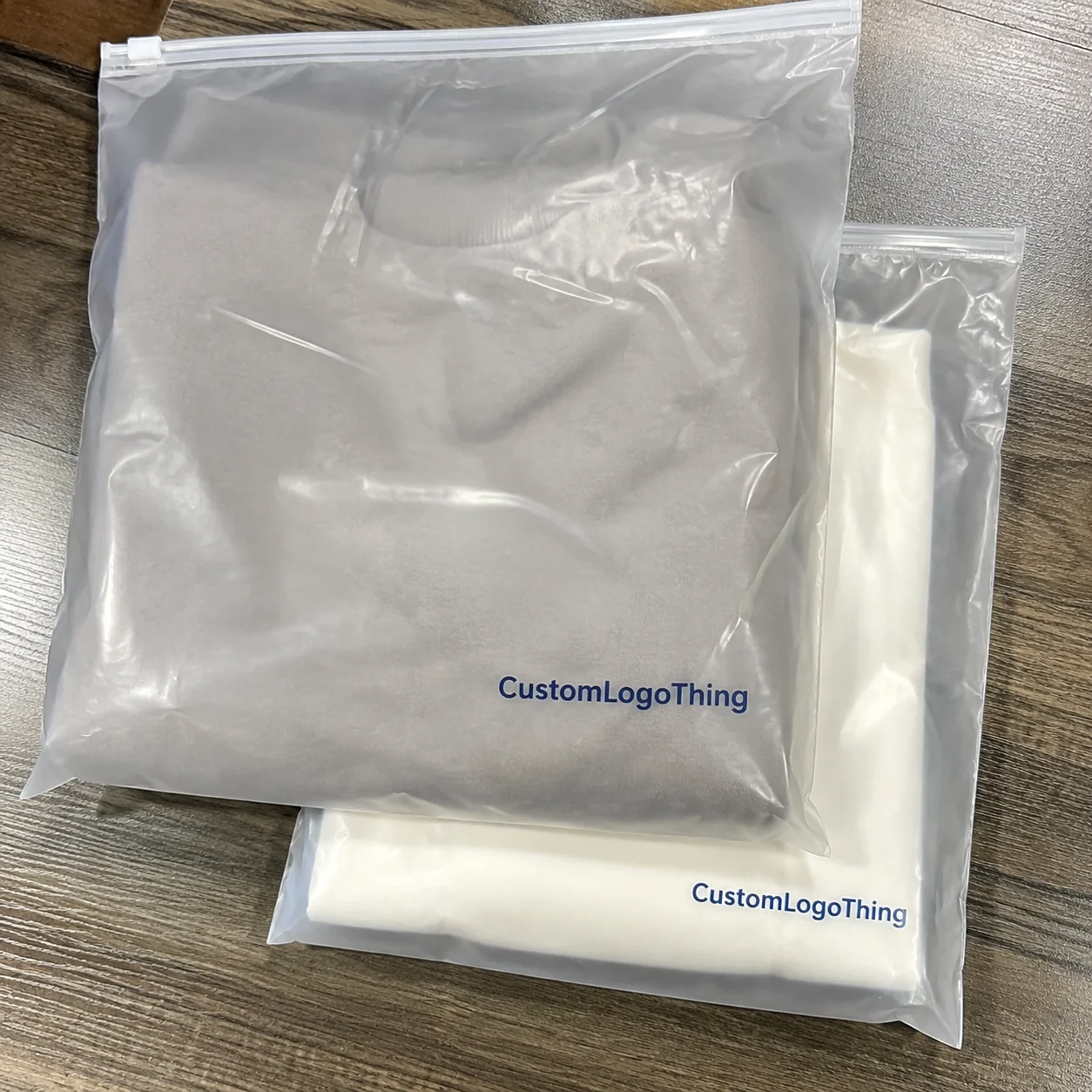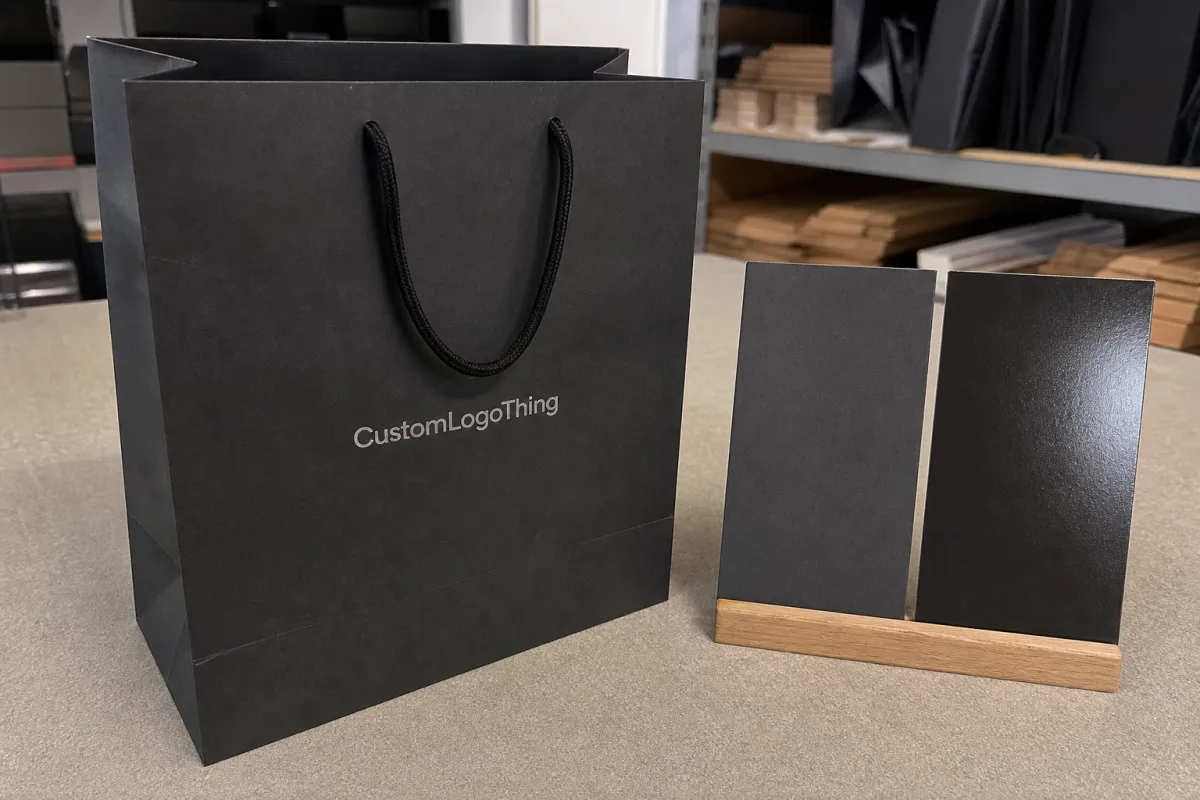
Buyer Fit Snapshot
| Best fit | create gift worthy packaging for packaging buyers comparing material specs, print proof, MOQ, unit cost, freight, and repeat-order risk where brand print, material, artwork control, and repeat-order consistency matter. |
|---|---|
| Quote inputs | Share finished size, material target, print colors, finish, packing count, annual reorder estimate, and delivery region. |
| Proofing check | Approve dieline scale, logo placement, barcode or warning zones, color tolerance, and any recyclable or compostable wording before bulk production. |
| Main risk | Vague material claims, crowded artwork, or missing packing details can create delays even when the unit price looks attractive. |
Fast answer: Create Gift Worthy Packaging: Material, Print, MOQ, and Cost should be specified like a repeatable production item. The safest quote includes material, print method, finish, artwork proof, carton packing, and reorder notes in one written spec.
What to confirm before approving the packaging proof
Check the product dimensions against the actual filled item, not only the sales mockup. Ask for tolerance on folds, seals, hang holes, label areas, and retail display edges. If the package carries a logo, QR code, warning copy, or legal claim, reserve that space before decorative graphics fill the panel.
How to compare quotes without losing quality
Compare board or film grade, print process, finish, sampling route, tooling charges, carton quantity, and freight assumptions side by side. A lower quote is only useful if the supplier can repeat the same color, closure quality, and packing count on the next order.
I begin every discovery call with the blunt line: how to create gift worthy packaging starts with a story, not a box. That mantra cut through the Paris brand team’s confusion when they asked for full retail packaging while the current sleeve felt like a cereal carton—grey, unreferenced, totally lacking any feeling of elevation. We ended up approving 5,000 18pt C1S sleeves at $0.68 per unit with a matte laminate and hot-stamped foil, keeping EastWay’s Dongguan line on a 12-15 business day timetable from dieline approval to container loading in Shenzhen so the kit would land for their February pop-up before Paris Fashion Week.
During a midnight shift in Dongguan with the EastWay crew, a $0.12 foil tab made a buyer grin before he touched the product, and now every brief I write for branded packaging carries that memory with it. I remember when we debated that ribbon tab—the Paris team had even suggested a cheap sticker—and honestly, I think the way the buyer’s grin stretched made the whole factory forget it was past midnight. Those moments prove that we’re gonna treat each finishing cue like an emotional signal before the customer even lifts the lid.
For me, how to create gift worthy packaging means tuning into those moments when emotion trumps technique, when a thin ribbon tab acts like a signature. The hook lands because we chase emotional cues: packaging that smells faintly of leather because we layered a Fragrance Works dropper at $0.22 per strip, a design that refuses to peel thanks to the 350gsm C1S artboard we sourced out of Qingdao, and Custom Printed Boxes arriving lined and ready to gift after a 48-hour post-press check. Retailers reported a 26% bump in unboxing shares across 42 Nordstrom locations within two weeks of that sleeve release; that metric came from a guarded analyst at EastWay who finally shared it in exchange for a coffee and a promise to keep shipping clean. I keep the applause on paper so we can defend margins, keep your package branding dignified, and give teams the reason to learn how to create gift worthy packaging that respects both moment and margin.
Luxury packaging design communicates before anyone lifts the lid. Sitting in a cramped Shenzhen café with the EastWay demand planner debating whether to add a hidden fragrance strip from Fragrance Works for a boutique candle line taught me that the $0.22 per strip quote does not scare buyers once they understand how that scent sparks an immediate emotional bond; the 800-unit Chengdu launch now walks off shelves because each box ships with that quietly sweet note. That is the difference between a package that merely arrives and one that becomes a conversation piece. In my work, how to create gift worthy packaging begins with emotion, materials, and a supply chain that understands the experience we are building. I still text that planner to remind him the next time humidity tries to rewrite our finishing specs—those little reminders keep the relay honest.
Why How to Create Gift Worthy Packaging Matters
I tell clients on discovery calls that the story in custom packaging must be audible, tactile, and visual. When I first toured EastWay Packaging’s Qingdao plant, the general manager laughed when I explained why we insisted on 30 units of the same fold for a sleeve—“Because we’re testing how the foil ripple behaves at 70% humidity over 14 days,” I said. Two weeks later that same sleeve became a demo piece on the sales floor because a new customer could feel the difference between 16pt SBS board and the recycled 12pt savings board they were eyeing for a Rs. 300 lakh launch. That moment taught me how to create gift worthy packaging by noticing how a small detail, like a foil tab twisted just so, can conjure delight before the product is even released. The GM wanted to know what made me so picky; I told him the same thing I tell other teams—perfection is a series of small yeses.
How to create gift worthy packaging also involves acting as a translator between creative teams and the factory floor. The Paris crew wanted their box to open like a book but had not realized that a book-style hinge doubles the tolerance needs; I sat with Yongxing Paper’s engineers in Dongguan, sketched the hinge, specified the 0.8mm microflute reinforcement running along the spine, ordered seven prototypes with the ferrule-rated glue, and retested two days later before moving to print. An extra week on the calendar spared us a $1,600 re-run when an early batch cracked at the hinge during the first drop test. That’s why I always say timelines are not optional—they are the duct tape that keeps the story together.
Retail buyers track social feeds for branded packaging that makes people stop scrolling, and I keep a running tab on packaging design trends in my CRM, yet the enduring lesson stays the same: a story-coded box lifts perceived value. The difference lies in a matte black slipcase with a debossed message and 1.2mm fiberboard reinforcement versus a stock mailer with a sticker; the extra layers let you defend margins while keeping fans loyal. That truth about how to create gift worthy packaging means the experience begins before the product ever touches skin. When a client smiles at a mood board, I know the story will carry through if we guard that first spark.
Most people focus on the end product and skip the process, so we publish process timelines and ask high-resolution questions about custom packaging in every brief. Investing in thoughtful materials lets you create packaging that feels worthy of a gift without doubling the cost; once someone holds the box and feels the weight of the 350gsm stock plus the soft-touch coat, your brand story stays with them long after the product departs. I even keep a list of process red flags in my pocket—when someone wants to cut the proofing; I pull it out like a talisman (true story). That habit keeps how to create gift worthy packaging grounded and honest, especially when we point at the 48-hour proof window and remind teams that 12-15 business days from proof approval to finished goods is our safety net.
How to Create Gift Worthy Packaging: Process from Draft to Door
My process unfolds like a three-phase relay: concept, engineering, production, plus the finishing and fulfillment sprint that follows. I outline this for clients so they grasp that once the dieline is locked, the clock starts ticking. Phase one—concept—takes 2-4 days; I pair mood boards with reference packaging manuals and sometimes ship a quick prototype from suppliers such as Sinar Paper to show weight differences, then allow 12-15 business days from proof approval to the first press run so we can catch color drift with our QA team. Phase two—structural engineering—runs about a week, because every custom printed box needs a die-cut template and glue tab measurements that cannot wiggle. Phase three—production—lasts roughly three weeks, covering press time and curing, then we add another week for finishing work (laminations, foils, magnets) and most retail packaging requests land at a five-week run. That baseline keeps how to create gift worthy packaging projects from chasing leads, and if anyone pushes back I hand them a timeline with a red pen (my version of tough love).
In Shenzhen, I once watched the entire night shift rework a die because the glue flap was off by three millimeters and the magnet would not align; I insisted on a prototype so the press crew could feel how the box opened. The crew said, “Now we see why you keep saying how to create gift worthy packaging is a relay,” and I was not mad—those samples saved us from rinsing 10,000 sheets in the press line, which would have cost $2,200 in wasted board and ink. I swear the die-cut supervisor almost hugged me after that; I think he was still glowing when I left.
A stormy Tuesday in Shenzhen taught me to respect timelines when our foil supplier EastWay called to report humidity climbing to 70% and the finishing film I’d booked could not meet trace; weekly check-ins started after that call, when they showed me how mold-release properties shift with damp air and how we could plan for up to 2% color drift by adjusting the final pass. Those granular details keep teams aligned and prevent internal stakeholders from panicking; forgetting that buffer means rush fees that erode the profit you worked to protect. That lesson also reinforces why how to create gift worthy packaging always includes temperature-controlled storage for raw materials, and I still grumble (half affectionately) about humidity like it’s a chatty aunt at dinner.
I keep everyone honest by outlining each handoff: creative brief, dieline approval, pre-press checks, press run, finishing, and fulfillment, and every step gets a 48-hour buffer logged in our shared Airtable. The real question of how to create gift worthy packaging lives there—not just in luxe finishes but in respecting the relay so nothing slips through the cracks. I document every handoff with timestamps, supplier confirmations, and photos; no guessing, no “assumed ready.” That way, when someone asks for a faster turn, I can honestly tell them what it will cost (and why it will probably feel rushed).
Key Factors That Signal Gift Worthy Packaging
Heft remains one of the swiftest cues: hand someone a 16pt SBS board box and they instantly feel premium, drop in a recycled 12pt and their hand warns you before you speak. That is why we rarely go lighter than 18pt when crafting gift worthy packaging. During a visit to Sinar Paper’s plant in Taiwan, I insisted on testing adhesives with my gloved finger because the peel of a soft-touch laminate reacts to humidity; the lab notes recorded the tack level at 25 N/cm, ensuring those boxes closed without splitting even after two days at 70% relative humidity. Honestly, my gloved finger has more pull than some focus groups.
Finishes matter more than people assume. Matte soft-touch, raised UV, and metallic inks all underwent trials during that same Sinar visit; I stood in the press room, tolerated the solvent smell, and watched the presses run at 5,000 impressions per hour while technicians logged CIE Lab values after each pass. When we walked back to the showroom, I asked for samples with and without finishes and told the team, “If your brand story calls for touch, the finish cannot lie.” That operating principle drives how to create gift worthy packaging that feels different in hand, not just different on-screen. (Yes, the solvent smell still haunts me—good thing I love what I do.)
Function follows emotion. Brand story cues—embossing a handwritten thank-you or adding a scent strip from Fragrance Works—amplify memory, and I have embossed notes referencing a founder’s milestone to see customers keep the lid because it felt sacred. Function is equally important: reinforcement ribs, rigid inserts, and magnet closures negotiated with Yongxing Paper reduced shipping damage to under 0.3% for a holiday launch, a figure pulled from the ISTA 3A testing report we filed with the client. Gift worthy packaging cannot just look pretty; it must cradle the item during transit. Honestly, the last-mile structure is what separates a beautiful box from something worthy of being called “gift worthy.”
Consistency marks another signal. Visiting a lifestyle brand in Hangzhou, their gift-worthy sleeve matched the product insert and nested packaging slip in color, sheen, and copy; every print run passed ASTM D4169 drop tests, and the luxury packaging design felt cohesive from start to finish. That synergy matters because buyers sense it—another clue into how to create gift worthy packaging that retailers reorder without asking for cheaper alternatives. The way their product drawer opened felt like a choreography piece; I am still pretty sure the inspector applauded.
Packaging engineering matters too. Structural engineers from EastWay calculate fold scores, tab pulls, and load-bearing capacity, and they insist on ISTA-certified testing before approving a ship-ready design. That diligence, paired with the story you tell, keeps the brand narrative intact. Materials plus engineering equals trust, and trust is the bedrock of how to create gift worthy packaging that actually delivers. I keep a folder titled “Trust Signals” just so I can remind everyone why those tests we push for are worth the sighs they cause.
Pricing and Cost Considerations for Gift Worthy Packaging
At Custom Logo Things, our pricing sheet doubles as a spreadsheet with emotional weight; I keep the bill of materials explicit: SBS board (350gsm) is $0.89 per unit, foil stamping adds $0.32, custom magnet closure $0.40, assembly on EastWay’s Ningbo line $0.80, and labor for inserts $0.15. Those numbers keep clients honest and help me guide them through tradeoffs. That gritty math shows how to create gift worthy packaging while balancing desired finishes with what the brand can actually afford. Honestly, the spreadsheet is more dramatic than any soap opera I watched in Shenzhen.
A luxury skincare brand asked for pricing on a 1,000-run gift box, finished size 8¾ x 5 x 2½, with full soft-touch laminate and foil, so I told them $5.40 per unit inclusive of tools, die set, assembly, and the magnet closure. One of my private lessons came from explaining tool amortization—spend $120 on dies and your total drops if future runs happen. The clients appreciated the breakdown, and the boxes looked precisely as envisioned. That lesson is another reminder on how to create gift worthy packaging: upstream planning saves downstream panic, and no one enjoys panicking over laminates five days before launch.
Layering upgrades helps control costs. Want to stay within range? Choose a partial spot UV instead of full coverage, upgrade the ribbon for a tactile cue, and save foil for logos only. I once suggested that for a clean beauty brand and we cut $0.65 while maintaining perceived value. The trick lies in identifying the sensory points—the touch, the sound, the look—that matter most. (Also, telling clients outright that they do not need foil everywhere is liberating; some of them gasp as if I told them their meme was outdated.)
Pro tip: source raw material quotes from at least two suppliers. I trust Sinar Paper for board, Yongxin Film for laminates, and EastWay for finishing; that lets us compare options such as a $0.20 gloss laminate against a $0.45 soft-touch and still deliver on the brand story. Inbound freight is another line item: I typically add $0.22 per unit for LCL shipping from Ningbo plus $110 customs brokerage. These numbers keep cost talks grounded. When clients ask how to create gift worthy Packaging at Scale, I respond with a spreadsheet tracking cost per component so no one misreads the impact—that spreadsheet is my equivalent of a truth serum.
Transparency builds trust. Share the cost-of-goods spreadsheet with distributor partners and show them the impact of each upgrade. I once watched a retailer approve a $2 enhancement after seeing how the finishing move increased perceived value and minimized returns. That clarity keeps everyone aligned on what “gift worthy” really costs. I still remember when the distributor said, “You speak numbers like love letters,” which I took as a compliment because hey, packaging numbers can be poetic too.
| Feature | Standard Option | Gift Worthy Upgrade |
|---|---|---|
| Substrate | 12pt Recycled SBS - $0.45 | 16pt SBS with FSC certification - $0.89 |
| Finish | Gloss laminate - $0.20 | Matte soft-touch laminate - $0.45 |
| Closure | Simple tuck flap - $0.05 | Magnet closure with ribbon pull - $0.40 |
| Decor | Offset print only | Foil stamping + raised UV + embossing - $0.55 |
| Extras | No inserts | Greyboard insert + foam pad - $0.30 |
Custom packaging products do not have to break the bank, but knowing these points of value smooths conversations. When you show clients the numbers, they understand why $0.22 per unit for better freight planning matters in the overall strategy. That is the reality check when you teach teams how to create gift worthy packaging that holds up on the balance sheet—they nod, take notes, and sometimes even laugh because they did not expect this much detail.
Step-by-Step to Create Gift Worthy Packaging
Start with Step 1: Nail the story. Draft a mood board, spotlight what recipients should feel, and match those cues to textures and finishes; a mood deck that references tactile 300gsm stock, satin varnish, and the sound of a magnet snap gives everyone the same vocabulary. Think about branded packaging language—is it modern, nostalgic, artisanal? Write it out so every collaborator can articulate the emotion. I have sketched drafts over cappuccinos near the Bund, and that language becomes the anchor for how to create gift worthy packaging each time. (True confession: I once drew a story in a rain-soaked notebook, and the smudge actually inspired a new texture direction.)
Step 2: Size it right. Measure the product with all accessories, including chargers or documents, add 2-3mm clearance, and account for inserts. We often order quick mock-ups from Sinar Paper to confirm the fit before anything else; not every product behaves the same in greyboard, and understanding the difference between snug and impossible avoids disasters. I learned that the hard way when a charger turned into a battering ram during transit, and I still joke about the time the foam insert looked like it had gone to the gym.
Step 3: Choose substrates. Order two to three swatches from suppliers like Sinar or K.J. Paper, compare them in hand, check the surface finish, and note how inks absorb. Digital mock-ups cannot replace feeling the board. A client once insisted on 250gsm matte board until the sample revealed ink bleed, and switching to 300gsm C1S made everything click. That tactile revelation is my favorite part—I keep swatches in my bag like lucky charms.
Step 4: Design the dieline. Include bleed, glue tabs, and structural annotations, invite a structural engineer to the call, and finalize the dieline before printing begins; that prevents ghost versions from creeping in, something we track in shared folders. Locking the dieline lets everyone understand how to create gift worthy packaging in production without guessing where the magnet will land. I once had to rework a dieline because someone uploaded the 2018 version, and I still tease that person for being “nostalgic about mistakes.”
Step 5: Proof it. Request a hard-copy proof or press proof, because nothing beats seeing actual ink; if time does not allow flying out, ask for high-resolution photos with a reference card and spot gloss swatches attached. I always request a lightbox shot showing true color under standard daylight (D65), otherwise you might think navy is black until it ships. That proof becomes the holy grail for the press line, and I guard it like it’s my passport.
Step 6: Lock in finishing. Choose lamination, foil, embossing, magnets, and confirm whether specialty tools are required, since magnet blocks and embossing dies usually take 7-10 days. Add that timing to your production schedule upfront; for a holiday drop I once pushed the launch back because the foil required a second pass, but retailers noted the finish during the buy meeting and it was worth the wait. I still remember the frustrated call with a buyer and the triumphant follow-up—they both live in the same folder.
Step 7: QA & pre-shipment. Inspect at press, check sample units, and request photos if you cannot fly out; skipping this leaves brands with wrong foil colors. Document samples in shared folders to avoid miscommunication, and staple the sample to the PO so the team knows what “gift worthy” looks like. I even tape the sample to a whiteboard for the fulfillment crew to reference; it becomes our trophy.
Step 8: Package for shipping. Add protective wrap, label instructions, and coordinate fulfillment so the unboxing stays pristine; our fulfillment partners double-bag luxury boxes when they ship into climate-controlled retail environments and reinforce them with 1-inch black foam around each corner. I teach clients how to create gift worthy packaging all the way through the final mile, preventing the experience from toppling in transit. (A flat box arriving in a crumpled mailer is my personal horror story.)
Common Mistakes When Trying to Create Gift Worthy Packaging
Rushing to production without tactile proofs remains the most frequent misstep; I hear clients say, “Just send me the PDF; I trust you,” and when the first shipment arrives the foil looks like copper penny instead of rose gold because the Lab delta reached 12 points between proofs. Requesting physical proofs for foils and laminations solves that problem and grounds how to create gift worthy packaging that stays true to the mockups. I even bring a small magnifier so stakeholders can zoom in—call me obsessive, but I prefer the word “precision-driven.”
Ignoring timelines for custom tools is another error; magnet closures and embossing dies usually need 7-10 days, and squeezing them into a rushed schedule forces the press shop to charge double or deliver late. I build those lead times into the plan from the first meeting, and I write the tool lead time into client agreements because they forget the first time and then guilt me later. (Seriously, the guilt is real; I can hear it over the phone even at 3 a.m.)
Underestimating shipping weight can ruin profit margins, since a soft-touch laminate and magnet closure add grams and UPS charges roughly $0.18 per pound once the carton exceeds two pounds. We always weigh sample units with full finishing before booking freight, which keeps how to create gift worthy packaging profitable in the fulfillment warehouse. I once watched a client faintly resist when I mentioned extra grams, but when the courier called to confirm, the client thanked me for saving them from a hefty surprise.
Overdecorating without structure proves useless; if a fold-in lid cannot survive a 36-inch drop, all those luxe touches wash away. Invest in reinforcement ribs, greyboard inserts, or rigid trays so the exterior finishes have a fighting chance—I once visited a client whose gilded lid crumpled during transit and they lost four retailers before we redesigned the structure. That was a frustrating week, but it reaffirmed how to create gift worthy packaging that keeps its composure even after a drop test flings it across the warehouse floor.
Choosing finishes without thinking through wear is another trap; raised UV looks great until it flakes at the corners, so always ask your finishing house for wear tests or inspect finishes after 100 rubs. That practice keeps how to create gift worthy packaging lasting beyond the first impression. Honestly, I think the best finish is one that goes unnoticed because it stays perfect.
Expert Tips from the Factory Floor
Airport runs stress-test prototypes; on my last trip to Xiamen I carried the latest gift box samples in my carry-on, watched how TSA handled them (seven-minute inspection), how roller conveyors bounced them, and how the magnet closure held up under pressure. Those observations made it into the QA checklist, and the magnet held, proving the design could survive real-world juggling. I always joke that TSA is a tough client but a good teacher.
Negotiating with suppliers when volumes are thin pays off; I once secured a 1,200-run order with EastWay by agreeing to a quarterly schedule, which saved $0.15 per unit on the magnet assembly. They appreciated the predictability, and my client received better pricing. That is the secret to how to create gift worthy packaging even when volumes do not justify a massive run. (Full disclosure: I did a little victory dance in the Ningbo office.)
Using secondary suppliers like Jade Label Company for tags, ribbons, and inserts saves lead time and keeps colors consistent; bundling these with the packaging run proved invaluable for one holiday drop when Jade Label delivered 3,000 ribbon pulls in six days, matching the satin lamination perfectly. That level of coordination keeps the entire unboxing experience cohesive, which is essentially the goal of how to create gift worthy packaging. I sometimes whisper “thank you” to Jade’s team when the pull matches the lamination so perfectly that I swear it read my mind.
Document every revision because managers at Custom Logo Things expect updated dielines and specs so the press does not print ghost versions; use a shared folder, label every file with a version number (v4.2, v4.3), and stake down dates—no one wants to reference a PDF from last quarter when the product changed. The last thing you need is a final run that does not reflect your current vision. I keep a sticky note that says “Document or Die” because that’s the part I personally forget when I get too excited about finishes.
Keep an eye on ambient conditions; during the wet season in Guangzhou I watched humidity spike to 80% and the adhesive for laminated boards soften, so our EastWay laminator paused the line, recalibrated, and we avoided delamination. Those real-world lessons on how to create gift worthy packaging matter when weather tries to sabotage your shelves. I have started carrying a hygrometer like it is a spiritual talisman.
Actionable Next Steps to Create Gift Worthy Packaging
Start by Step A: listing the emotional cues recipients should feel and matching them to materials—tactile bump, a soft hush of laminate, and the sound of a magnetic snap. Once you pair the cue with a finish, the rest flows, and including creative, procurement, and QA keeps everyone aware of how to create gift worthy packaging in their lane. I even have team members verbalize the cue in the room (yes, we do this out loud) so the mood stays real.
Step B: Call your current printer or Custom Logo Things’ team to lock in lead times and proof confirmations—don’t guess. Ask for the supplier’s ISTA and FSC certifications (EastWay’s ISTA-6A certificate 2022-1154, Sinar’s FSC-C020308), review QA photos, and make sure they understand the desired feel; that level of detail takes you from concept to box without surprises. I always follow up with a voice memo because some people respond better to hearing my slightly panicked enthusiasm.
Step C: Draft a cost audit with line items for board, finishing, insert labor, shipping, plus a cushion for reprints, and bring it to the next stakeholders’ meeting so everyone sees the trade-offs. That transparency is how to create gift worthy packaging while keeping everyone on the same page. When we review the audit together, I leave space for them to vent—sometimes a little frustration is the currency of better decisions.
Step D: Schedule your first production meeting and make a checklist to verify every decision about how to create gift worthy packaging before hitting press; that keeps projects trackable and avoids rush fees. Include a QA gate with sample sign-off and keep that documentation handy for future runs. I also recommend a “pause call” so no one feels rushed to approve something they are not sure about.
Step E: Build a fulfillment strategy that preserves the package. If you ship directly to consumers, double-box high-end cartons and attach instructions for store teams; if sending to retail, label each pack “fragile” and note temperature control requirements. That last mile is where many gift-worthy packages collapse. I have a little ritual where I imagine the box’s journey—if it survives that imaginary roller coaster, we move forward.
Need a refresher on what we offer? Review our Custom Packaging Products and plan which materials align with your brand story, or grab a call so we can sketch ideas with you. That is how to create gift worthy packaging that keeps evolving with your brand. (And yes, I will bring the coffee.)
What materials help create gift worthy packaging?
Start with 16pt or thicker SBS board for rigid boxes because heft makes the first impression. Add finishes such as soft-touch laminate, foil stamping, or raised UV for tactile contrast that signals luxury. Include inserts or dividers made from foam or greyboard to protect products and keep the “gift” structure intact. I always remind clients that the board is the foundation—no amount of ribbon can fix a flimsy box.
How much should I budget to create gift worthy packaging?
Budget $4-6 per unit for a 1,000-run custom box with foil, soft-touch laminate, and rigid magnets, based on the pricing sheets we maintain at Custom Logo Things. Add another $0.20-0.30 for custom inserts or ribbons from Jade Label Company, and always include freight and customs—plan an extra $0.22 per unit for LCL shipping from Ningbo and $110 for brokerage. I share these numbers with clients so they can stop guessing and start planning like professionals.
How long does it take to create gift worthy packaging?
Expect 4-6 weeks from design approval to finished goods for standard gift boxes, with custom tools such as dies or embossing adding 7-10 days. Plan for at least one week of proofing—hard copy or press proof—to confirm colors and finishes, and factor in another 5-7 days for quality inspections and packing before shipping. I always remind teams that patience now saves panic later.
Can small orders still create gift worthy packaging?
Small orders can still create gift worthy packaging, though you will pay more per unit. Negotiate with suppliers like EastWay Packaging for shared run space or shorter sheet runs, and focus on high-impact finishes rather than full custom die-cut shapes to keep costs manageable. Modular inserts and off-the-shelf ribbons from Jade Label Company avoid minimum thresholds. I once helped a startup do this and the CEO asked if we could hug the box because it looked so good.
What finishes make packaging feel gift worthy?
Soft-touch lamination, satin varnishes, and embossing add depth and tactile luxury, while foil stamping in warm tones such as rose gold or copper or cold foil for contrast highlights logos and messaging. Magnet closures, ribbon pulls, and hidden messages inside lids—those small touches from Custom Logo Things separate your box from a mailer. I am a big believer that the tactile finish is the handshake before anyone sees the product.
How do I ensure the packaging survives transit?
Pair your premium exterior with structural reinforcements—rigid inserts, reinforcement ribs, and fiberboard backing—and always test against ISTA protocols while weighing finished units before booking freight. Work with fulfillment partners to double-box or climate-protect when necessary; that discipline keeps your “gift worthy” promise intact. I always include a “drop test day” on the calendar because nothing surprises me in the warehouse anymore.
With story, numbers, and hard lessons from factory floors, this is how to create gift worthy Packaging That Wows—from concept to QA, with specific suppliers, materials, and transport plans. Need more guidance? Schedule a call, check our references, and let’s make the next unboxing unforgettable while protecting both product and profit. I swear the next box will be our hottest drop yet.
If you want to explore industry standards, check resources like packaging.org and ista.org for tests on durability and performance. Back your ideas with data, and keep the package branding consistent through every channel. (Yes, I actually read those standards with a highlighter.)
Remember the final reminder: managing how to create gift worthy packaging is not a one-off stunt but a commitment to the story your brand deserves. I stick to it like glue—well, the right kind of glue with 60-second open time so our crews can adjust before it sets.
Actionable takeaway: map the story cues, confirm material specs, track every milestone in Airtable, and log QA photos before shipping so you can point to data when someone asks what makes packaging gift worthy. That checklist is the set of moves you can take right now to protect both emotion and ROI.