Boutique Hotel Paper Gift Bags Reorder Plan for Daily Guest Moments
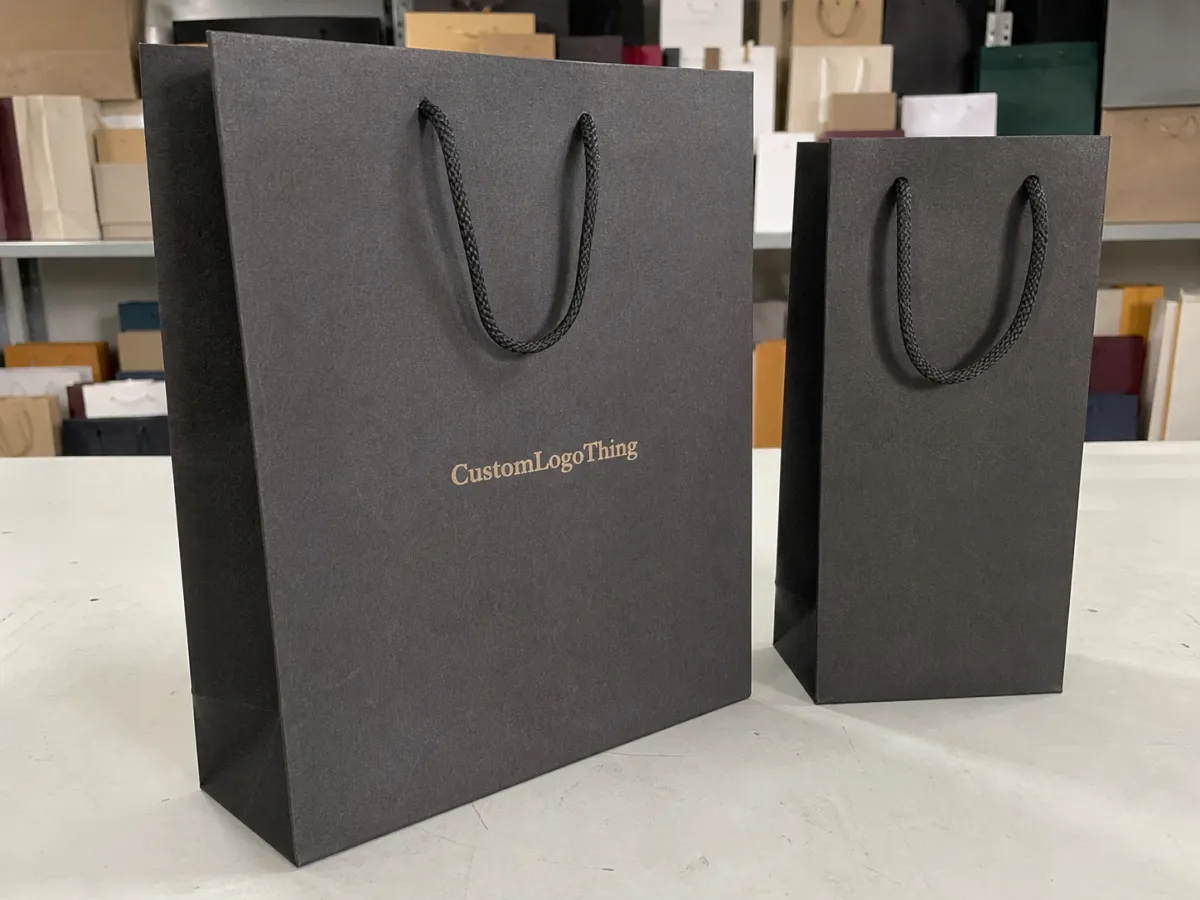
Most bag shortages are not caused by one missed purchase order. They come from a quieter problem: weekend occupancy, spa retail, welcome amenities, wedding arrivals, minibar bundles, and local event traffic all pulling from the same untracked carton stack. A boutique hotel paper gift Bags Reorder Plan turns that shared supply into something measurable.
A branded paper bag may sit on a purchasing sheet as a small packaging line. Guests see it as part of the stay. It might hold a robe and slippers, a candle from the lobby boutique, local chocolate, a room-drop amenity, spa products, or wedding welcome items waiting at check-in. If staff run out and substitute a blank white shopper or a mismatched retail bag, the presentation drops fast.
That small failure has a commercial edge. Consistent bag inventory protects the property’s visual standard, reduces front-desk improvisation, and helps avoid premium rush freight. The freight piece is easy to underestimate. Paper bags ship by carton volume as much as weight, so expedited air service on bulky packaging can cost more than anyone expected.
Custom Logo Things helps buyers plan reorders around approved specifications, usage patterns, and real production steps rather than vague calendar reminders. The goal is plain: keep the right bags available before peak demand hits, without burying back-of-house shelves in overstock.
Practical rule: if gift bags are used by more than one department, treat them like a shared operating supply, not a retail-only packaging item.
Paper Bag Styles That Fit Boutique Hotel Retail, Amenities, and Events
Hotels usually need fewer bag styles than they think. A clean system often starts with one core size for everyday use and one secondary size for larger retail or event items. That keeps reorders simpler, protects brand consistency, and avoids six half-used sizes turning into a storage puzzle.
Luxury Paper Shopping Bags work well for boutique retail, spa purchases, room gifts, and VIP amenities. These are often made from coated paper or art paper in the 180gsm to 250gsm range, with reinforced top folds and bottom boards when the bag must carry heavier goods. Rope handles feel more polished in the hand, especially on matte laminated or soft-touch bags.
Compact rope-handle gift bags suit smaller guest moments: key-card gifts, two-piece toiletry sets, travel-size skincare, chocolates, or a handwritten welcome card. Sizes around 5 x 3 x 7 inches or 6 x 3 x 8 inches are common starting points. The correct size still depends on the actual product depth, not only the front-panel look.
Natural Kraft Paper Bags fit wellness-driven properties, rustic lodges, coastal inns, and hotels that want a warmer, less polished presentation. Natural kraft typically prints best with one or two darker ink colors. White ink can be produced on some stocks, but expectations need to be realistic because the fiber tone affects the perceived color.
Laminated art paper bags deliver the most finished presentation. Matte lamination reduces glare, gloss lamination increases shine and color pop, and soft-touch lamination gives a velvety surface that feels premium. Ribbon handles read more gift-forward. Twisted paper handles are practical and often preferred for recyclable-minded programs. Die-cut handles work best for lighter contents.
| Bag Style | Best Hotel Use | Typical Material | Practical Note |
|---|---|---|---|
| Luxury rope-handle shopper | Spa retail, boutique purchases, premium amenities | 200gsm-250gsm coated or art paper | Good hand feel; often needs reinforced top and bottom for heavier items |
| Compact gift bag | Key-card gifts, toiletries, small welcome items | 150gsm-210gsm kraft or coated paper | Efficient for daily guest gifting and easier to store by carton |
| Natural kraft bag | Wellness, eco-minded, local market, casual gifting | 120gsm-180gsm natural kraft | Works best with simple graphics and darker ink colors |
| Laminated art paper bag | Weddings, VIP arrivals, polished retail presentation | 210gsm-300gsm art paper | Higher perceived value; lamination affects recyclability options |
Size should follow the contents. Small bags fit key-card gifts and travel-size toiletries. Medium bags suit candles, skincare, folded apparel, and boutique purchases. Large bags are better for robes, slippers, event packs, or departure gifts. In practice, one medium bag plus one larger event bag covers a large share of boutique hotel use without making storage unmanageable.
Specifications to Lock Before Repeat Bag Orders
The best reorder system starts with a locked specification sheet. Small changes in paper weight, handle color, lamination, or logo placement can be obvious at the front desk, even when two quotes look nearly identical. Repeat orders should begin with the same baseline specs unless the buyer intentionally approves a change.
Confirm the finished size, paper stock, GSM, handle type, handle length, print method, logo colors, finishing, carton pack count, and shipping destination. Basic details create most repeat-order confusion. A 9 x 4 x 7 inch bag and a 10 x 4 x 8 inch bag may look close in an email, yet carton counts, unit price, shelf fit, and product fit can all change.
Paper weight should match the job. Lighter kraft in the 120gsm to 150gsm range can work for small amenities, stationery, and light retail. Heavier art paper from 200gsm to 250gsm gives better structure for premium purchases. For heavier hotel gifts, reinforced top folds, bottom boards, and stronger handle attachment matter more than the logo treatment.
Print choices affect consistency between runs. Spot color printing is efficient for clean logo work and strong brand colors. Full-color CMYK works better for gradients, photography, or illustrated patterns, but color can shift slightly across production lots and paper types. If brand color is strict, include Pantone references, approved production photos, and tolerance notes.
Finishing deserves the same discipline. Matte lamination, gloss lamination, soft-touch finish, foil stamping, embossing, debossing, and spot UV all change appearance and production timing. Foil on textured stock behaves differently than foil on smooth coated paper. Embossing needs the artwork and pressure area checked against the bag panel, fold lines, and handle placement.
Keep approved artwork files, dielines, Pantone references, carton labels, and previous production photos in one place. If your team has a shared purchasing folder, put the bag spec sheet there. If not, send those materials with the reorder request so the quote and proofing process starts from evidence rather than memory.
Be precise with sustainability language. FSC-certified paper is different from “recycled-looking kraft.” Buyers can review certification basics through the Forest Stewardship Council, and recyclability should be discussed in relation to paper type, lamination, handle material, adhesives, and local collection rules.
Pricing, MOQ, and Unit Cost Factors for Hotel Paper Bags
Price is not just a size question. The main cost drivers are paper grade, handle style, print coverage, number of colors, finishing, reinforcement, order quantity, packaging method, and shipping distance. A plain one-color kraft bag and a soft-touch laminated art paper bag with foil stamping are not in the same cost lane.
MOQ, or minimum order quantity, exists because Custom Paper Bags require setup, material prep, printing, converting, handle attachment, inspection, and carton packing. Once that setup is spread across more units, the unit cost usually drops. For many custom paper gift bags, practical starting quantities often fall around 500 to 1,000 pieces for simpler styles. More specialized constructions or finishes may make better economic sense at 2,000 to 5,000 pieces.
As a rough planning range, a simple small kraft logo bag might land around $0.35-$0.75 per unit at moderate quantities, depending on size, print, and freight. A heavier laminated rope-handle bag can move into the $0.90-$2.25 range. Premium finishes such as foil, embossing, or soft-touch lamination can push that higher. These are planning ranges, not fixed quotes, because paper markets, carton volume, and delivery location all matter.
Storage is the counterweight to lower unit cost. A 5,000-piece order may price better than 1,000 pieces, but boutique hotels often have tight back-of-house space. Cartons need to stay dry, flat, and accessible. If staff have to move eight cartons every time they reach towels or banquet supplies, the lower unit cost starts to lose its shine.
Ask for tiered pricing at two or three quantities. Compare 1,000, 2,500, and 5,000 pieces, for example. Purchasing can then weigh cash flow, storage limits, reorder frequency, and freight efficiency. A clear tiered quote also helps if ownership, operations, and marketing all need to approve the spend.
Rush orders, split shipments, multiple designs, specialty finishes, and strict color matching can affect both timing and cost. A working reorder plan reduces those surprises because the buyer can choose an efficient production window instead of paying extra to recover from low stock.
Price the bag as part of the full guest presentation. A slightly stronger bag may prevent handle failures, crushed corners, staff double-bagging, replacement gifts, and brand inconsistency. Buyers sometimes focus too tightly on the lowest line-item cost and miss the operational cost of a weak bag.
Process and Timeline From Artwork Approval to Delivery
A repeat order should feel controlled. The usual sequence is straightforward: confirm existing specs, review any artwork or branding updates, approve the quote, confirm the proof, schedule production, complete quality checks, pack cartons, and ship. Reorders are usually faster than first-time orders because the approved dieline, artwork, and production notes are already on file.
Typical timing depends on construction and finish. A simpler printed kraft or coated paper bag may need about 10-15 business days after proof approval. Laminated art paper bags, foil stamping, embossing, or special handles may require 15-25 business days, sometimes longer during peak gifting periods. Transit is separate and can range from a few business days to several weeks depending on service level and destination.
Delays often come from preventable details: missing vector artwork, unclear color references, changes to bag size, new finishes, slow proof approval, holiday capacity, or freight congestion. A logo screenshot from a website is rarely enough for clean production. Vector files such as AI, EPS, or production-ready PDF are better, especially for foil, embossing, and spot color work.
Build the reorder trigger around usage and lead time, not anxiety. If a hotel uses 250 bags per week and the reorder cycle is four weeks from approval to delivery, the property needs at least 1,000 bags just to cover that window. Add booked events. Then add a safety buffer. A practical buffer is often 10%-20%, though storage space and demand volatility can change the number.
Here is a simple planning logic:
- Average weekly bag use: 250 bags
- Production and transit window: 4 weeks
- Known wedding and event demand: 600 bags
- Safety buffer: 300 bags
- Suggested reorder trigger: around 1,900 bags on hand
That trigger may feel early to someone staring at full cartons. It protects the property from the familiar trap of opening the last carton while a new order is still in proofing. The trigger point should be visible to operations, purchasing, and any department that draws from the same stock.
Quality checks should not be vague. For repeat runs, review size tolerance, panel alignment, logo placement, print clarity, handle attachment, lamination condition, bottom-board fit, carton count, and any visible scuffing or crushing. If bags will carry heavier gift packs or shipped hotel merchandise, review transport-testing concepts through ISTA, especially for carton handling, compression, and distribution stress.
Inventory Planning for Occupancy Peaks, Weddings, and Local Events
Boutique hotels rarely use paper gift bags in a smooth line. Demand rises around holiday stays, wedding blocks, corporate retreats, wellness weekends, restaurant openings, local festivals, and retail promotions. A quiet Tuesday in shoulder season tells you little about a sold-out Saturday with 80 welcome bags at check-in.
Separate normal weekly usage from event-driven usage. If a wedding weekend uses 300 extra bags, do not treat that spike as the new baseline. Track it as booked event demand. That keeps the forecast honest and avoids over-ordering after one unusually busy period.
Count cartons by location, not just total stock. Front desk may have two open cartons, spa retail may have one, housekeeping prep may keep bags for room drops, and the events team may have a separate stack for group arrivals. Hidden stock distorts reorder timing in both directions. One manager may think the hotel is out while another department has three cartons under a prep table.
A useful formula is: average monthly use plus booked event demand plus buffer stock, compared against current on-hand inventory and supplier lead time. If the monthly baseline is 900 bags, booked event demand is 700, and buffer stock is 300, the hotel should protect 1,900 bags for that planning window before calculating any extra retail push.
Storage conditions matter. Keep cartons dry, flat, and away from high humidity. Paper bags can absorb moisture, handles can soften, lamination edges can curl, and crisp corners can lose their shape. Avoid stacking heavy cartons on top of large-format laminated bags for long periods because compression can mark the panels.
If guest gifting is unpredictable, keep one approved emergency substitute. That might be an unprinted kraft bag in a neutral size or a single-color logo bag with a practical twisted handle. It will not replace the primary branded presentation, but it can prevent staff from buying random retail bags during a peak weekend. For seasonal properties, the backup decision belongs in the reorder plan before panic starts.
How Custom Logo Things Keeps Reorders Consistent
Custom Logo Things supports repeat orders by keeping attention on the details that affect the finished bag: saved specifications, artwork review, material guidance, quantity planning, production coordination, and clear communication before the next run starts. That is the practical work behind a reliable reorder.
Paper stock, handle construction, lamination, and finishing choices all affect durability and presentation. A rope handle needs the right attachment and reinforcement. A laminated bag needs the finish checked against folding and creasing. A foil logo needs enough clean surface area and the correct artwork format. These are not decorative afterthoughts; they influence how the bag performs in a guest’s hand.
For repeat orders, the team can help match previous bag dimensions, confirm whether artwork still fits the dieline, check handle and finish availability, and flag changes that may affect lead time. “Same as last time” should be backed by specs and artwork, not just a photo in a phone gallery.
Adjustments between runs are possible. A hotel may want a seasonal logo color, a wedding welcome message, a different handle shade, or a refined size for a new retail product. The key is to keep the base packaging system consistent enough that staff still understand what to order, where to store it, and which guest moment it supports.
The aim is not to oversell luxury. The bag should look intentional, hold properly, match the brand standard, and arrive before the hotel needs it. Buyers who want broader purchasing support can review Wholesale Programs for quantity planning and repeat-order options.
Building a Reorder Schedule Before Stock Runs Low
Start with a physical count. Count current inventory by carton, not by guess. Note how many bags are in each carton, how many cartons are open, and where they are stored. Then estimate average weekly use from the last several weeks, separating normal guest use from events, retail promotions, and one-time room drops.
Next, list upcoming occupancy peaks. Include weddings, corporate blocks, spa promotions, holiday weekends, local festivals, and planned amenity programs. Confirm the approved bag specs: size, paper, GSM, handle, print method, finish, carton count, and delivery address. Identify the date new cartons must be on site, then work backward using supplier lead time, transit time, and internal approval time.
For a faster quote, send previous order details if available, clear bag photos, size, paper preference, handle style, logo file, quantity target, delivery address, and any firm in-hand date. If the reorder must match the previous run exactly, say so. If small substitutions are acceptable to protect timing or cost, say that too.
Ask for two or three quantity options. A 1,000-piece run may fit storage better, while a 2,500-piece or 5,000-piece run may lower unit cost. The right answer depends on carton space, cash flow, brand standards, and demand pattern. If internal questions come up, the general FAQ can help your team gather the basic information before requesting a quote.
Set the reorder reminder before the final carton is open. Use supplier lead time plus transit time plus internal approval time, then add a modest buffer. With a boutique hotel paper gift bags reorder plan in place, purchasing teams can protect the guest experience, control cost, and keep branded packaging ready for every stay, sale, and special arrival.
FAQs
How often should a boutique hotel reorder custom paper gift bags?
Most hotels should review stock monthly and reorder when inventory reaches a trigger point based on average usage, production lead time, transit time, and upcoming events. A practical starting point is enough stock to cover normal demand plus a 10%-20% buffer for weekends, weddings, holidays, and retail promotions. If several departments use the same bags, track carton counts by location so hidden stock does not distort timing.
What information is needed for a hotel paper gift bag reorder quote?
Send the bag size, quantity, paper type, handle style, print colors, finishing details, delivery address, and preferred in-hand date. For a repeat order, include the previous order number, approved artwork, or clear photos of the current bag. Also state whether the reorder must match the previous run exactly or can accept small material or handle substitutions.
What MOQ should boutique hotels expect for custom paper gift bags?
MOQ depends on bag construction, paper stock, print method, finish, and setup requirements. Simple Printed Kraft Bags may be practical at lower quantities, while laminated bags with foil, embossing, specialty handles, or custom sizing often make better sense at higher volumes. Higher quantities usually lower the unit cost because setup, proofing, and production preparation are spread across more bags.
Can a boutique hotel update artwork during a paper bag reorder?
Yes, artwork can usually be updated before proof approval, including logo placement, seasonal messaging, event details, or color adjustments. Changes may require a new proof and can affect timing if the design needs to be checked against the dieline. Changes to bag size, handle type, paper stock, or finish are more than artwork edits and may require a revised quote.
How can a boutique hotel avoid rush fees on paper gift bag reorders?
Set a reorder trigger before the final carton is opened, using average weekly usage plus supplier lead time and transit time. Keep approved artwork, dielines, color references, and previous specifications organized so the reorder can move quickly into proofing and production. Build extra time around peak travel periods, holiday gifting, and large event blocks because those periods can increase both packaging demand and freight pressure.
Why does a boutique hotel paper gift bags reorder plan matter for guest experience?
A boutique hotel paper gift bags reorder plan keeps branded packaging available for daily sales, welcome amenities, VIP gifts, spa purchases, and special arrivals. It also helps purchasing avoid rushed decisions, mismatched substitutes, and avoidable freight costs. The guest may not know the GSM or handle type, but they do notice whether the bag feels intentional and belongs to the property.

