Buyer Fit Snapshot
| Best fit | Customize Poly Mailers on Budget projects where brand print, material claims, artwork control, MOQ, and repeat-order consistency need to be specified before quoting. |
|---|---|
| Quote inputs | Share finished size, material target, print colors, finish, packing count, annual reorder estimate, ship-to region, and any compliance wording. |
| Proofing check | Approve dieline scale, logo placement, barcode or warning zones, color tolerance, closure strength, and carton packing before bulk production. |
| Main risk | Vague material claims, crowded artwork, missing packing details, or unclear freight terms can make a low unit price expensive after revisions. |
Fast answer: Customize Poly Mailers on Budget: Material Claims, Seal Quality, and Freight Cost should be specified like a repeatable production item. The safest quote records material, print method, finish, artwork proof, packing count, and reorder notes in one written spec.
Production checks before approval
Compare the actual filled-product size with the drawing, then confirm tolerance on folds, seals, hang holes, label areas, and retail display edges. Reserve space for logos, QR codes, warning copy, and material claims before decorative graphics fill the panel.
Quote comparison points
Review material grade, print process, finish, sampling route, tooling charges, carton quantity, and freight assumptions side by side. A quote is only useful when the supplier can repeat the same color, closure quality, and packing count on the next order.
If you’re figuring out how to customize poly mailers on budget, the first thing to understand is that a mailer does not have to be flashy to earn its keep. I’ve watched a two-color printed bag outperform a pricier box simply because the customer remembered the logo, the color, and the tidy delivery experience. That is the real heart of how to customize poly mailers on budget: spend where the brand can actually be seen, and avoid paying for extras that never help the shipment or the sale, especially when a standard 10 x 13 inch LDPE mailer can often do the same job as a much pricier rigid package.
I remember standing on a packing floor in Dongguan where the hum of the sealers was so loud you had to lean in to hear anyone speak, and the supervisor pointed to a pallet of custom mailers and said, “These are doing more branding than our ads this month.” He was only half joking. That kind of thing sticks with you. During a visit to a contract packout line outside Shenzhen, the crew was moving 18,000 soft goods orders a week in mailers that looked plain from a few feet away, yet still carried enough branding to lift repeat recognition. That balance matters. How to customize poly mailers on budget comes down to a few practical decisions—size, print method, ink count, and whether labels can do the job better than direct printing. Get those right and the packaging budget starts working like a tool instead of a leak.
How to Customize Poly Mailers on Budget: Why Small Branding Choices Matter
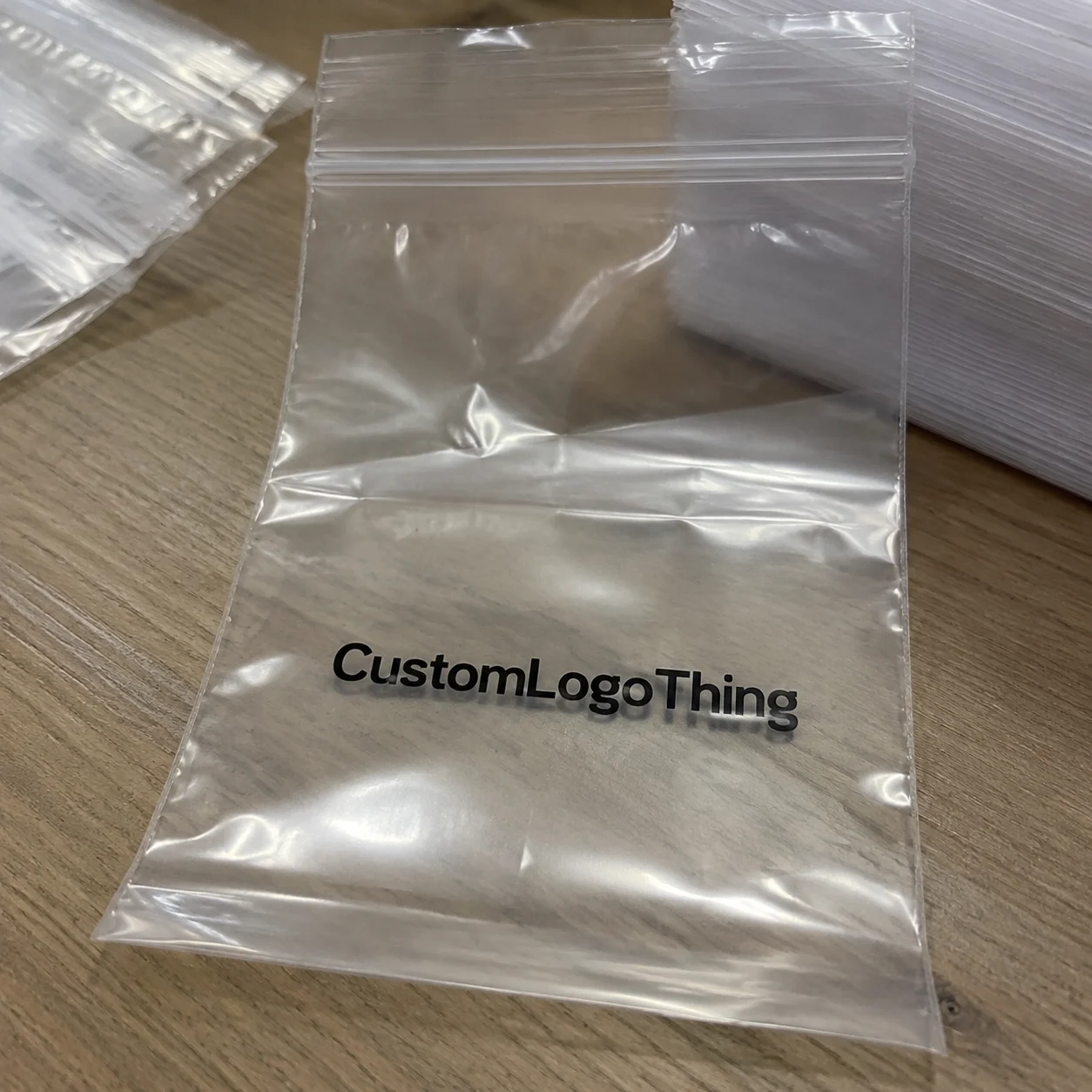
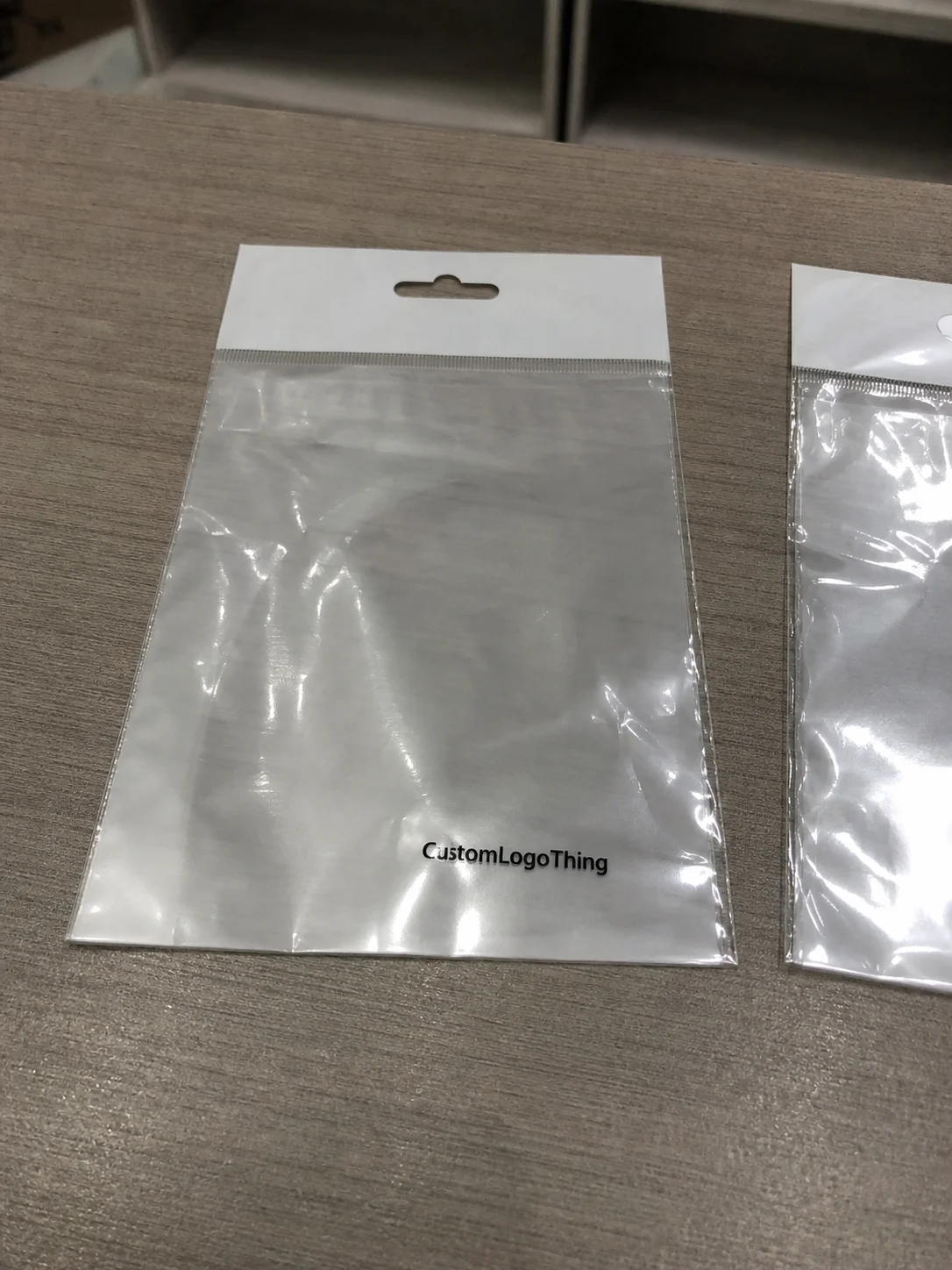
A poly mailer is a lightweight shipping bag made from polyethylene film, usually LDPE or a co-extruded structure, with a pressure-sensitive adhesive seal strip. Nothing fancy there. Once printed, though, it becomes a moving ad that travels from warehouse to porch to customer feed, and the effect is larger than many buyers expect. I’ve seen brands spend $0.42 to $0.68 per unit on retail boxes that barely survive transit, while a $0.12 to $0.28 customized mailer carries the same order, keeps freight lighter, and puts the logo straight into the customer’s line of sight. That is why how to customize poly mailers on budget matters for both brand memory and shipping economics, especially for apparel, cosmetics, and accessories that ship out of facilities in Los Angeles, Dallas, and Guangzhou every day.
Customized poly mailers can carry a single-color logo, a short message, a return address, a QR code, a repeating pattern, or a full-surface design. Some buyers want matte black with white ink. Others prefer a white bag with a bold front panel. A few only need a branded label and nothing more. The goal is not to turn a shipping pouch into a luxury box. The goal is recognition, trust, and consistency, using a design that can be printed cleanly on 60-micron or 80-micron film without pushing the quote into specialty territory.
A lot of brands overspend because they confuse “premium” with “complicated.” Honestly, I think that’s one of the most expensive habits in packaging. A mailer that arrives intact 95% of the time and looks distinct on a porch can do more for the brand than a full-coverage design that adds plate fees, longer lead times, and a higher reject rate. That tradeoff sits at the center of how to customize poly mailers on budget: every added color, every extra square inch of ink coverage, every special finish changes the cost stack, and in a factory in Wenzhou or Ningbo that change shows up immediately on the production sheet.
On a supplier call last year, a DTC apparel client asked for metallic ink, a soft-touch surface, and two custom sizes for a launch of 12,000 units. I gave them the straightforward answer: the design looked nice, but freight and setup would chew through most of the savings they thought they had. We pared it back to one size, two ink colors, and a standard gloss film. Unit cost fell by nearly 22%, and the package still looked intentional. That is the practical side of how to customize poly mailers on budget, and it is why so many experienced buyers in Ho Chi Minh City and Shenzhen start with a standard stock bag before asking for anything decorative.
The real trap is that the cheapest quote is rarely the lowest total cost. If a flimsy bag splits in transit, you pay for the mailer twice, then again for replacement shipping, customer support, and the occasional refund. If the artwork is off and the order needs a reprint, the savings disappear fast. Smart planning is the budget move. Cheap can get weirdly expensive, which is one of those annoying truths that packaging likes to teach repeatedly, especially when the problem could have been prevented with a 2.75-mil or 3.0-mil spec instead of a thinner film chosen only for the headline price.
How the Printing and Ordering Process Works
The workflow is simple enough on paper. Choose the size and film gauge, prepare the artwork, select a print method, approve a proof, then place the order. Simple sequence, yes. Simple outcome, not always. The details decide whether how to customize poly mailers on budget stays efficient or gets buried under avoidable charges, especially once you add freight from a factory in Yiwu or a consolidator near the Port of Long Beach.
For short to mid-size runs, digital printing is often the easiest starting point. It needs fewer setup steps and works well for shorter runs, variable designs, or frequent updates. Flexographic printing tends to make more sense at higher volumes because the plate setup gets spread across more units. Label-based customization also earns a place here, especially for smaller brands or seasonal campaigns. If you only need 500 to 2,000 mailers and the artwork changes often, labels can keep upfront costs low, sometimes holding total decoration cost to $0.03 to $0.08 per unit depending on label stock and application labor.
Design complexity changes the bill faster than most buyers expect. One clean logo in one color is cheaper to set up than a full-bleed design with gradients, tiny text, and multiple registration points. Every color adds work. Every revision can trigger another proof cycle. If you’re serious about how to customize poly mailers on budget, build artwork around print efficiency, not just visual taste, and keep the design aligned with the printer’s safe area, usually 3 to 5 mm from the bag edge and seal strip.
Proofing is where a lot of orders either stay on track or go sideways. I’ve sat through meetings where a brand approved a PDF in five minutes, then spotted the logo too close to the edge after the bags were already produced. I still get a little twitchy thinking about that one. A physical sample or a fully dimensioned mockup catches bleed, safe area, and seal-strip interference before money gets locked in. That step is not decoration. It saves real cash, and in a plant outside Suzhou it can save a full day of press time if the file needs correction before the plates are locked in.
Typical timeline from artwork to shipment
For many orders, the timeline looks like this: 1 to 3 days for artwork prep, 1 to 2 days for proofing, 5 to 12 business days for production depending on the print method, and 3 to 7 days for freight depending on destination and service level. Imported production can take longer, especially if ocean freight or consolidated freight is part of the plan. Rush work can cut time, but the fee often chips away at the very savings behind how to customize poly mailers on budget. For a 5,000-piece order approved on Monday, many factories in Zhejiang or Guangdong will quote delivery in about 12 to 15 business days from proof approval, with an extra 4 to 6 days if the shipment moves by air from Shanghai or Shenzhen to the U.S. West Coast.
Before you commit, ask vendors three direct questions: What proof format will you send? How many revisions are included? Are the mailers shipping flat, or are they already converted and packed in cartons? Those details affect lead time, storage space, and carton counts. One buyer I worked with lost four days because they assumed “shipping” meant carton-packed and pallet-ready. It did not. The poor person on the receiving end was not amused, and honestly, neither was I.
For quality and transport expectations, it helps to look at recognized standards and testing guidance. Packaging Association resources at packaging.org and transit testing guidance from ista.org can help you ask better questions about performance, especially if your shipments are fragile or move through rough handling. If your bag is carrying liquid pouches, glass accessories, or heavy knitwear, those standards help you match the film spec to the real shipping abuse the product will see.
Key Cost Factors When You Customize Poly Mailers on Budget
If the economics get boiled down to a few levers, they are these: material thickness, print coverage, number of colors, size, closure type, and order volume. Once those pieces are clear, how to customize poly mailers on budget becomes less of a guess and more of a pricing model, whether the bags are being converted in Dongguan, Ningbo, or a contract facility near Ho Chi Minh City.
Material thickness is usually measured in mils or microns, depending on the supplier. A 2.5-mil mailer can work well for apparel, while heavier goods may need 3.0 mil or more. Thicker film usually costs more, though not always by much. The bigger issue is matching the gauge to the product so you do not pay for material you never needed. Standard sizes tend to cost less because the vendor already has the tooling and film widths in place, and many factories quote a lower rate on 10 x 13, 14.5 x 19, and 19 x 24 inch stock patterns than on fully custom dimensions.
Print coverage drives cost in a way that is easy to miss on a quote sheet. A front-panel logo with generous negative space is usually much cheaper than a full-coverage design that wraps the whole bag. Color count matters too. One-color printing is generally simpler to run and cheaper than four-color work. If you’re serious about how to customize poly mailers on budget, think in terms of “brand signal per dollar,” not “design features per dollar.” A white logo on a deep navy bag in a single pass can look far more intentional than a busy four-color layout printed across the whole surface.
Order volume changes everything. At 5,000 units, a mailer might land around $0.18 to $0.30 depending on size and print method. At 20,000 units, the same item may fall to $0.10 to $0.18. That discount is real. It only helps if you can store the inventory and keep cash flow healthy. I’ve watched companies buy 50,000 units because the price looked too good to ignore, then sit on half the stock for 14 months. That is not a savings plan. That is warehouse rent in disguise, especially in cities where storage runs $12 to $18 per pallet per month.
Cost comparison at a glance
| Option | Typical Unit Cost Range | Best For | Main Tradeoff |
|---|---|---|---|
| Blank poly mailers + branded labels | $0.08 to $0.20 | Very small batches, changing campaigns | Less polished look, more manual application |
| One-color printed mailers | $0.12 to $0.28 | Stable branding, moderate volumes | Limited visual complexity |
| Two-color printed mailers | $0.16 to $0.35 | Stronger brand impact without overdoing it | Slightly higher setup and press time |
| Full-surface print or specialty finish | $0.25 to $0.55+ | Large campaigns, premium presentation | Higher minimums, more setup, more waste risk |
Hidden costs matter too. Artwork setup can be free, or it can run $30 to $150 depending on the supplier. Flexo plates may add $75 to $300 per color. Samples, freight, carton changes, and rush fees can all change the final math. I’ve seen a buyer brag about a low unit quote, only to find freight added 19% to the invoice. That is why how to customize poly mailers on budget only works when you compare landed cost, not just the factory quote, and why a quote for 5,000 pieces at $0.15 per unit can still become a $1,050 order once air freight and export cartons are included.
There is also a materials angle worth tracking. If you need recycled content, compostability claims, or FSC-certified paper inserts for a mixed packaging system, the spec can shift both pricing and sourcing time. For environmental guidance, the EPA’s packaging and waste resources at epa.gov are a useful starting point when the goal is to reduce waste without making claims you cannot support. In a blended packaging line, even a 30% recycled-content film can affect resin availability and add several days to sourcing if the supplier is buying from a different extrusion line in Jiangsu.
How to Customize Poly Mailers on Budget: Step-by-Step Budget Customization
If you want a method that actually holds up, start with the shipping need, not the artwork. Too many people pick the design first and the bag size second. That is backwards. The smartest version of how to customize poly mailers on budget starts with product dimensions, weight, handling risk, and shipping zone, then works back toward the print spec and the quote sheet.
- Audit your shipping profile. Measure the product at its widest point, then add room for inserts or return goods. A 10 x 13 inch mailer may work for a folded tee, but not for a hoodie with a thick polybag inside. If the item weighs 14 to 18 ounces, test a 2.5-mil bag before moving to a heavier 3.0-mil film.
- Pick the brand element that matters most. Choose one: logo, color, tagline, QR code, or return address. If you try to feature all five, the design usually gets crowded and more expensive. A single white logo on a matte black film often does the job for far less than a full-panel print.
- Build a simple print-ready file. Use vector artwork, keep text above 8 pt for readability, and limit yourself to one or two colors if you can. That is where how to customize poly mailers on budget stops being theory and starts becoming useful, especially when the art is prepared in CMYK or Pantone terms before the factory sends a proof from Shenzhen or Guangzhou.
- Request a mockup or sample. Check seal strength, color accuracy, logo placement, and how the material feels when folded. A cheap-looking matte can still work, but only if the print stays crisp. A physical sample often costs $25 to $60 with courier shipping, and that is far cheaper than redoing a 10,000-piece order.
- Compare quotes on identical specs. Ask each vendor for the same size, film thickness, color count, and quantity. Otherwise, you are comparing apples to oranges, and the lowest quote may be hiding a thinner gauge or separate freight. A vendor offering 350gsm C1S artboard for inserts is not the same conversation as a supplier quoting plain bag stock, so keep the spec sheet tight.
- Run a test order first. If possible, order 500 to 1,000 units before scaling to 5,000 or 10,000. Test transit performance, scuff resistance, and how the package looks on arrival. A small pilot batch moving through a UPS hub in Louisville can tell you more than a glossy mockup ever will.
That sequence sounds careful because it is. Caution costs less than reprints. One e-commerce client I worked with wanted to skip samples to save $90. Their first run came back with a dark navy background that printed unevenly under the factory’s press settings. The reprint cost them more than $700, not counting the time lost. The sample would have caught the issue immediately, and the correction would have taken perhaps two extra days instead of two extra weeks.
If your packaging system needs to stay simple, pair mailers with other formats from Custom Packaging Products only where needed. A subscription box might justify one premium outer package, while regular replenishment shipments can run in economical mailers. That split approach is often the hidden answer to how to customize poly mailers on budget, especially for brands shipping from multiple warehouses in California, Texas, and New Jersey.
For brands that want a direct starting point, the category page for Custom Poly Mailers is a practical place to review size options, print possibilities, and quantity ranges before requesting pricing. If you are comparing suppliers, ask for the same material, same dimensions, and same ship-from location so the quote from a factory in Xiamen can be judged fairly against one from a converter in Bangkok.
Common Mistakes That Make Poly Mailer Customization More Expensive
The priciest mistake usually is not a bad design. It is a bad assumption. Buyers assume the quote includes everything, or they assume a smaller bag will save money, or they assume tiny details on screen will print cleanly on film. That is where budgets quietly unravel, often after the first deposit is already wired to a supplier in Zhejiang or the freight booking has been locked.
Too many colors is a classic mistake. Each added color may mean another plate, another setup pass, and another chance for alignment variation. A gradient that looks beautiful on a monitor can turn muddy on polyethylene. If you are trying to sort out how to customize poly mailers on budget, use fewer colors and stronger contrast. Black on white. White on navy. One sharp accent, not six competing shades.
Wrong size is another money leak. A mailer that is two inches too large may cost a bit more in material, but a bag that is too small creates product wrinkling, seal stress, and sometimes damage. I remember a brand in a client review session choosing a mailer “just to be safe” that was 20% larger than needed. Their freight went up because the carton count changed. One sizing mistake touched three cost lines, not one, and the final landed cost climbed by nearly 14%.
Skipping proofing can hurt badly. A logo centered on a digital canvas may not sit correctly once the seal strip, gusset fold, and shipping label are in place. Misspelled URLs happen more than people admit. So do low-resolution logos pulled from old web graphics. If your supplier offers a formal proof, review it line by line. The same logic applies to any custom packaging project, whether you are ordering mailers or broader Custom Packaging Products. A 24-hour proof review is much cheaper than a 10,000-unit reprint.
Chasing the lowest quote without checking extras is another trap. I have seen an apparently cheap order become expensive because plates were separate, sample freight was billed, and delivery stopped at port. By the time the client got product into the warehouse, the “deal” had lost its shine. If you want how to customize poly mailers on budget to hold up in a real purchasing cycle, ask for landed cost, ask for carton dimensions in centimeters, and ask who pays customs brokerage if the bags ship from Asia.
Ignoring durability may be the worst error of all. A thin, under-specified mailer can split at the seams or puncture in transit. Then you pay for replacement goods, customer service, and reputation damage. A bag that costs two cents more but survives the shipment is usually the cheaper choice, especially if it uses a co-extruded film with a stronger outer layer and a reliable adhesive strip.
For buyers worried about transit performance, pairing the order review with recognized testing methods such as those referenced by ISTA can reduce expensive surprises. It is not glamorous work, but it beats shipping refunds.
Expert Tips to Customize Poly Mailers on Budget and Still Look Premium
If you want the mailer to feel polished without spending like a luxury brand, restraint is your friend. That is the real secret behind how to customize poly mailers on budget. A clean layout and sharp print always read more expensive than a cluttered design with too many effects, whether the bags are packed in Vietnam, printed in Guangdong, or shipped through a converter in Mexico City.
Use one strong brand color. I have seen a simple black mailer with a single white logo outperform a complicated multi-color design because it looked deliberate. The eye understands contrast faster than detail, and monochrome layouts tend to be easier on print budgets. A one-color job can often stay under $0.20 per unit at 5,000 pieces, while a second color may nudge the quote up by $0.03 to $0.07 depending on the shop.
Keep the front panel dominant. Put the logo and message on the front, then leave the back mostly quiet. That reduces coverage while keeping the brand visible during delivery. In practical terms, it helps how to customize poly mailers on budget without making the bag feel bare, and it leaves enough room for a return label or barcode on the reverse side.
Use stickers or seasonal labels strategically. If promotions change every six weeks, a permanent full-print mailer may be the wrong move. A plain branded bag with a campaign sticker lets you adapt without throwing away inventory. I have used this method with fashion and beauty brands that needed flexibility for holiday launches, influencer drops, and flash sales, often buying 1,000 blank bags for $0.09 to $0.14 each and adding a $0.02 to $0.05 label on top.
Choose finishes with caution. Matte often feels more premium to the touch, though it can cost more than gloss depending on the supplier and film. Sometimes the difference is worth it. Sometimes it is not. Ask for samples and compare them under the same lighting. A finish that looks expensive in a studio may read flat on a warehouse dock, especially under fluorescent lighting in a packing center outside Atlanta or Dubai.
Ask about stock-color options. Some vendors keep standard bag colors in inventory, which can shorten sourcing delays and sometimes lower cost. White, black, pink, gray, and silver are common. If your brand can work within one of those, you may improve how to customize poly mailers on budget more effectively than by special-ordering a custom film color. Stock colors can shave three to five days off production when the base material is already slit and ready for printing.
“A mailer does not have to shout to be remembered. In our plant reviews, the bags that performed best were usually the simplest ones with one clear logo, good contrast, and a consistent seal.”
Another useful move is designing for repeatability. A mailer that can stay in circulation for six months, not six weeks, spreads artwork and setup costs across more orders. That decision often changes the economics more than a slightly cheaper ink choice. A stable packaging system usually beats a flashy one. I learned that standing beside a converting line while operators adjusted registration by fractions of a millimeter, often on a press running 8,000 to 12,000 bags per hour.
If you want a package system that stays on budget across several product lines, build around a standard mailer footprint and vary only labels or inserts. That model keeps SKU count down and makes reordering easier to manage. It also makes how to customize poly mailers on budget much easier to repeat quarter after quarter, especially when your team reorders in 3,000- to 5,000-piece intervals instead of chasing different bag sizes every month.
What to Do Next: Build a Budget-Friendly Poly Mailer Order Plan
Now for the part that turns research into action. Before you contact suppliers, create a one-page plan. It does not need to be fancy. It does need to be specific. The best version of how to customize poly mailers on budget removes ambiguity before money starts moving, whether your supplier is in Guangzhou, Shenzhen, or a domestic converting shop in Ohio.
Start with a checklist:
- Mailer size: exact dimensions, including gusset if needed
- Material thickness: target gauge or film spec
- Quantity: 1,000, 5,000, 10,000, or more
- Artwork: logo file, colors, bleed, and safe area
- Print method: digital, flexo, or labels
- Target unit cost: a realistic ceiling, not a wish
- Delivery timing: proof deadline, production window, shipping method
Then request at least three quotes using identical specifications. If one supplier comes in lower, check what changed. Is the film thinner? Is freight excluded? Are there plate fees? Are the bags shipping flat or boxed? A quote only means something when the spec sheet is controlled. That is a basic but powerful rule in how to customize poly mailers on budget, and it keeps a quote for 5,000 pieces from being mistaken for a complete landed-cost plan.
Next, write a short design brief. Keep the branding consistent, but minimal. For example: “White poly mailer, one-color navy logo on front, return address in small type, no full-coverage print, standard adhesive flap, no metallic ink.” That level of clarity makes quoting easier and cuts revision cycles down. In many factories, a clear brief means one proof instead of three, which can save two to four business days.
Set a deadline for proof approval. Waiting three extra days for internal sign-off can push the order into a later production queue, which may trigger rush freight or a missed campaign launch. I have seen that happen during a product drop where the packaging arrived after the inventory. The team had to use blank bags for the first 1,200 orders. Not ideal, and definitely not the kind of surprise anyone wants after staying late to prep a launch.
Once the shipment arrives, review it against a simple quality checklist: seal strength, print registration, color consistency, bag thickness, carton count, and transit damage. Document any issues before you reorder. That feedback loop is one of the smartest parts of how to customize poly mailers on budget, because it keeps the same mistake from showing up twice, and it gives you real data for the next order instead of relying on memory.
When you are building out a wider packaging program, keep your custom mailers aligned with the rest of your material strategy. The best savings often come from consistency across formats, not from squeezing one supplier for a nickel. That is where the larger packaging mix matters, whether you are pairing bags with inserts printed on 350gsm C1S artboard or using a single shipping format across multiple warehouses.
In my experience, the brands that win on cost do three things well: they choose standard specs, they keep artwork disciplined, and they plan reorders before inventory gets thin. That is the real playbook for how to customize poly mailers on budget without giving up brand impact.
Frequently Asked Questions
How do I customize poly mailers on budget without making them look cheap?
Use one or two colors, a clean logo layout, and a standard mailer size. Focus on readability and placement instead of full-coverage graphics. Choose one premium detail, like a matte finish or a strong brand color, rather than stacking multiple upgrades into the same order. A clean one-color print on a 2.5-mil or 3.0-mil bag often looks more polished than a crowded design with three extra effects.
What is the cheapest way to customize poly mailers on budget for a small business?
Blank mailers plus branded labels or stickers are often the lowest-risk entry point. Short-run digital printing can work if you need direct branding without a huge minimum order. Start with simple artwork to avoid setup and revision fees that can push the price up faster than expected. In many cases, 500 blank bags at $0.09 to $0.14 each plus a $0.03 label beats a custom print run with plate fees.
How long does it take to customize poly mailers on budget?
Timing depends on artwork approval, print method, and order size. Samples and proof revisions can add days, while production and freight can add more time. Simpler designs and faster proof approval usually shorten the timeline, especially if the supplier already stocks the material size you need. A typical run often takes 12 to 15 business days from proof approval, plus 3 to 7 days for shipping depending on route and service.
What affects the price most when I customize poly mailers on budget?
Quantity, print colors, material thickness, and total print coverage are the biggest drivers. Setup costs, freight, and rush charges can change the final price dramatically. Standard sizes and simpler artwork usually help keep costs down because they reduce both production complexity and waste. A 5,000-piece order with one-color print can be far easier to price than a custom size with four colors and special finish.
Should I use printed poly mailers or labels if I want to customize poly mailers on budget?
Labels are cheaper and flexible for small batches or changing promotions. Printed mailers are better for consistency and a more polished brand look. The right choice depends on order volume, design needs, and how often your branding changes. For many smaller brands, labels are the practical first step, especially when the goal is to keep total decoration under $0.10 per unit.
If you’re serious about how to customize poly mailers on budget, the answer is not “buy the cheapest bag.” It is choose a standard size, keep the print simple, compare landed costs, and avoid waste at every step. That is the formula I have seen work on factory floors in Guangdong, in supplier negotiations in Ningbo, and in client meetings where every cent mattered. Do that well, and your mailers will do more than ship products—they will reinforce your brand for pennies per order, and they will do it without creating a mess you have to clean up later.