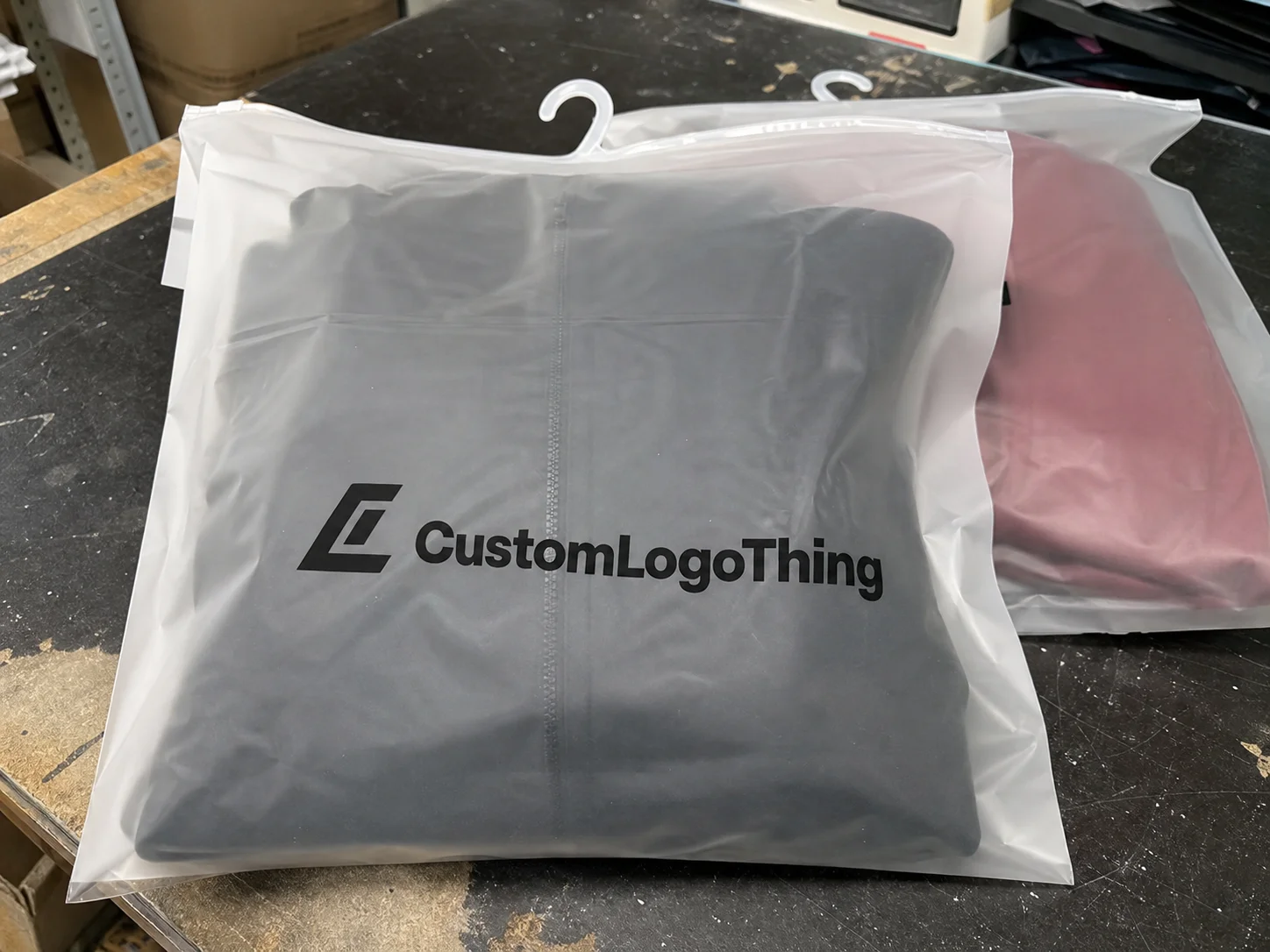
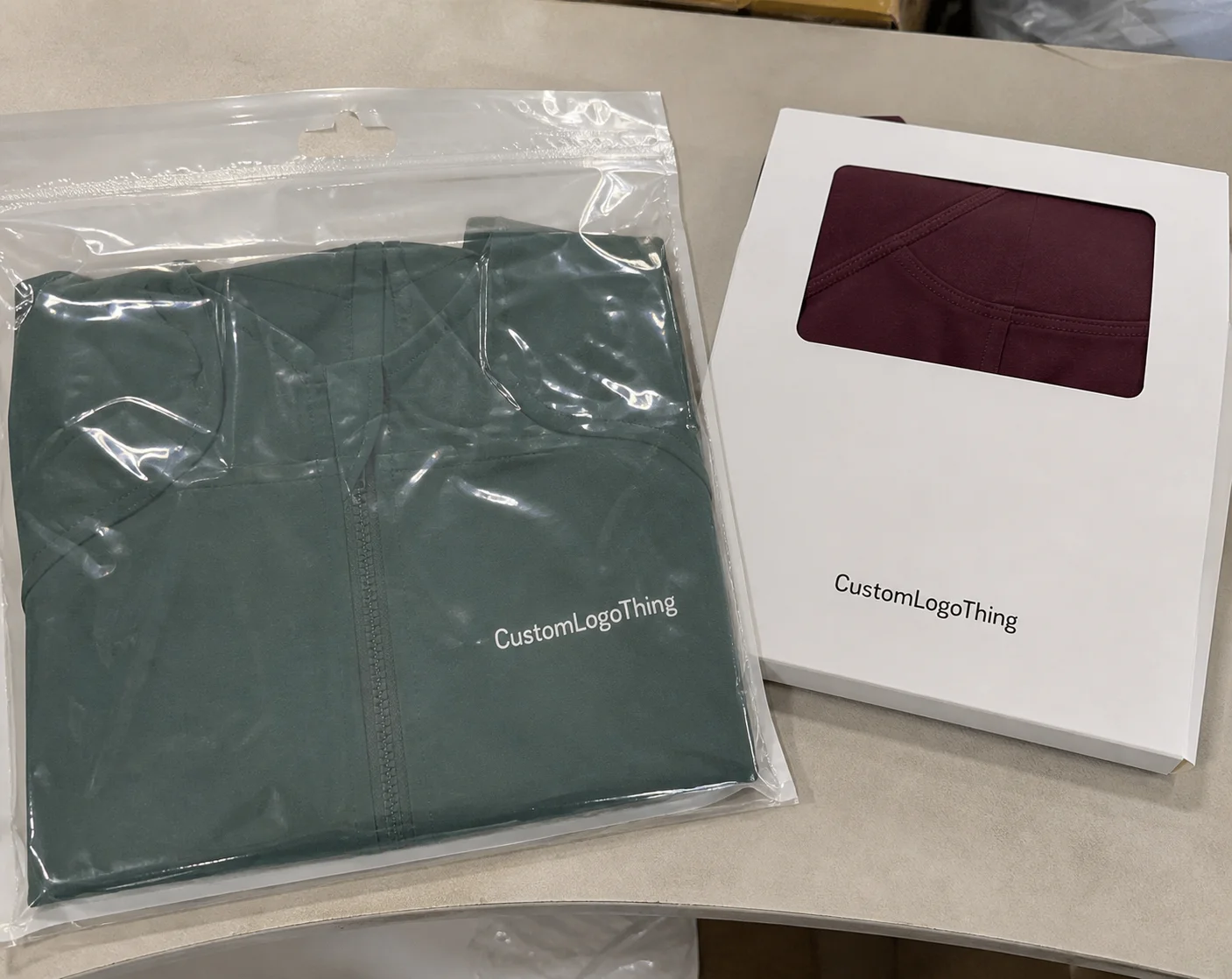
Buyer Fit Snapshot
| Best fit | Design Custom Packaging on Budget projects where brand print, material claims, artwork control, MOQ, and repeat-order consistency need to be specified before quoting. |
|---|---|
| Quote inputs | Share finished size, material target, print colors, finish, packing count, annual reorder estimate, ship-to region, and any compliance wording. |
| Proofing check | Approve dieline scale, logo placement, barcode or warning zones, color tolerance, closure strength, and carton packing before bulk production. |
| Main risk | Vague material claims, crowded artwork, missing packing details, or unclear freight terms can make a low unit price expensive after revisions. |
Fast answer: Design Custom Packaging on Budget: Artwork Proof, Packing Count, and Landed Cost should be specified like a repeatable production item. The safest quote records material, print method, finish, artwork proof, packing count, and reorder notes in one written spec.
Production checks before approval
Compare the actual filled-product size with the drawing, then confirm tolerance on folds, seals, hang holes, label areas, and retail display edges. Reserve space for logos, QR codes, warning copy, and material claims before decorative graphics fill the panel.
Quote comparison points
Review material grade, print process, finish, sampling route, tooling charges, carton quantity, and freight assumptions side by side. A quote is only useful when the supplier can repeat the same color, closure quality, and packing count on the next order.
How to Design Custom Packaging on Budget: What It Really Means
If you want how to design custom Packaging on Budget to actually work, start with the part everyone loves to skip: the biggest money leaks I’ve seen on factory floors usually came from over-design, not the board itself. I remember one client in Shenzhen asking for foil, embossing, a window cutout, and soft-touch lamination on a box for a $19 skincare jar. I looked at the spec sheet and thought, wow, this box is doing more than some employees. Then the margin showed up and screamed. The factory manager just shook his head and said, “You are spending champagne money on a soda bottle.” Brutal. Also accurate.
Budget-friendly packaging means making deliberate tradeoffs. Protect the product. Keep the brand recognizable. Skip the decorative circus that adds $3,000 here and $6,500 there before anyone notices. That’s the real answer to how to design custom packaging on budget: not cheap packaging, but cost-controlled packaging that still looks intentional. For a 5,000-piece folding carton order, I’ve seen the difference between a basic one-color build at $0.21 per unit and a dressed-up version with spot UV and foil at $0.68 per unit. Same structure. Very different invoice.
Honestly, I think most brands get this wrong because they treat structure, print method, and quantity like separate decisions. They are not separate. They’re married. A complex dieline, a special coating, and a low order quantity can multiply each other like bad ideas at a group meeting (and yes, I have sat through that meeting). If your MOQ is 1,000 pieces in Guangzhou, and the same box drops to $0.15 per unit at 5,000 pieces, that’s not a minor detail. That’s the whole budget.
Budget matters. So does the product. The real question is whether your product packaging protects the item, supports the brand, and fits your margin. If the answer is yes, you’re on the right track. If the box looks expensive but your profit looks sick, the packaging did its job exactly backwards. Cute box. Terrible math. I’d rather ship a clean kraft mailer from Dongguan that lands at $0.74 per unit than a fancy rigid box from Ningbo that eats 18% of the gross margin.
I learned this the hard way during a supplier visit in Dongguan in 2023. A client wanted “premium unboxing,” which is corporate code for “make it expensive, but don’t tell finance.” The product was a small skincare jar going into an e-commerce mailer. We simplified the structure, switched to a 350gsm C1S artboard insert, and cut the print from four colors to two. The unit price dropped from $1.12 to $0.71 on 8,000 pieces, and the factory quoted a 12-15 business day production window after proof approval. Same product. Better margin. Less drama. My favorite kind of outcome.
How Custom Packaging Works Without Blowing the Budget
How to design custom packaging on budget starts with understanding the workflow. Packaging isn’t just “design a box and print it.” It moves through concept, dieline development, proofing, sampling, production, finishing, and shipping. Every stage has a cost. Every stage has a place where brands get a little too creative and pay for it later. In one case I reviewed with a printer outside Suzhou, the “small” changes added three extra rounds of proofing and about 9 days to the timeline. Nine days sounds harmless until your launch date is fixed and your warehouse slot is not.
Concept is usually cheap. A good packaging designer might charge $150 to $800 depending on the scope, but if the concept ignores structure, you’ll pay for revisions later. Dieline work is another line item. Some suppliers include it. Others charge $50 to $300, especially if you need a fully custom insert or a weird mailer size. Proofing sounds harmless until you’ve gone through three digital rounds because someone decided the logo should move 8mm to the left. That delay isn’t free. It costs time, and time turns into rush fees. I’ve seen a project in Dongguan lose a full production slot over a 2.5mm barcode shift. Ridiculous, but real.
Sampling is where many teams suddenly remember they have standards. Good. Standards are useful. But a sample set can cost $40 to $250 depending on the material and printing method. If you want foil, spot UV, soft-touch lamination, and rigid board, the sample cost climbs quickly. A simple kraft mailer sample might land at $38, while a fully wrapped rigid sample can hit $180 before freight. If you approve a bad sample because you’re rushing to a launch date, production mistakes get a lot more expensive than a sample run ever was. I’m not being dramatic. I’ve seen it. I’ve also seen the invoice, which was worse.
The production step is where the real money sits. Order quantity matters because setup costs get spread across each unit. A 2,000-piece run almost always costs more per box than a 10,000-piece run, even if the design is identical. That’s just math. A flexographic line might be efficient for simple artwork, while offset printing becomes the better answer for sharper imagery and larger volumes. Digital printing is often the easiest for short runs, but short runs rarely win on unit cost. For example, a 2,500-piece digitally printed carton might come in at $0.93 per unit, while a 10,000-piece offset run using the same board can drop to $0.31 per unit in a factory in Foshan.
Here’s a simple way to compare common options I’ve quoted for clients. These numbers vary by supplier, region, and exact specs, but they’ll give you a real-world feel for how to design custom packaging on budget without guessing.
| Packaging Option | Typical Use | Estimated Unit Cost | Best For | Budget Risk |
|---|---|---|---|---|
| Digital printed folding carton | Short runs, launches | $0.55–$1.20 | Small brands, testing | Low setup, higher unit cost |
| Offset printed paperboard box | Mid to high volume | $0.18–$0.62 | Retail packaging, steady SKUs | Needs volume to pay off |
| Kraft mailer box | E-commerce shipping | $0.42–$1.05 | Branded packaging with simple print | Decorative extras raise price fast |
| Rigid setup box | Luxury presentation | $1.80–$5.50 | High-end product packaging | Structure and wrapping add cost |
Comparing quotes matters too. I’ve seen one printer quote a mailer box at $0.74 and another at $0.89, and the cheaper one turned out to exclude internal print, corrugated grade, and freight to the port. That’s not a bargain. That’s a trap with a nice font. When you’re working on how to design custom packaging on budget, ask for apples-to-apples pricing: same stock, same print method, same coating, same shipping terms. In one quote comparison I did in Shenzhen, the “low” price ignored die charges worth $220 and export packing worth another $140, so the final landed number was actually higher by $0.09 per unit.
Minimum order quantities can also mess with your budget. A supplier may ask for 3,000 units on a custom printed box, while another wants 10,000. Smaller quantities usually cost more per unit because setup fees, plate charges, and machine prep are spread over fewer boxes. If your order is under 1,000 units, expect digital production or a stock box with custom labels to be the least painful path. Not glamorous, but neither is overspending. A stock white mailer in Zhejiang can run about $0.28 per unit, and a custom sticker adds only $0.03 to $0.06, which is a lot easier to swallow than paying for a fully custom structure at 800 pieces.
Key Cost Factors in Custom Packaging
If you want how to design custom packaging on budget to stay practical, You Need to Know which levers actually move price. There are five big ones: material, print method, finishing, size, and freight. Everything else is a side character pretending to be important. I’ve watched teams obsess over ribbon color while ignoring board thickness and shipping mode. That’s how you end up with pretty packaging and a sad profit report.
Material choice is the first lever. Corrugated board is usually the best value for shipping boxes and ecommerce packaging. Kraft paperboard is often ideal for natural or eco-friendly branding. Rigid boxes look premium, but they cost more because of wrapped chipboard, labor, and more complicated assembly. Recycled stocks can be affordable, but price depends on availability and supplier mill grade. I’ve paid as low as $0.11 per sheet for a standard kraft stock in Dongguan and as high as $0.39 for a specialty FSC-certified sheet with tighter fiber consistency. Certifications matter, but they’re not free, and nobody should pretend they are.
Print method changes the whole cost structure. Digital printing works well for short runs and variable artwork. Offset printing is better for clean, consistent color on larger orders. Flexo printing is often used for corrugated packaging and simple graphics. If you’re building branded packaging on a budget, one or two spot colors can save real money because you avoid full-process CMYK setup and some press calibration time. A two-color kraft carton in Shenzhen can come in around $0.19 per unit at 5,000 pieces, while a four-color full-bleed version may push closer to $0.34 before finishing.
Finishing is where budgets go to die if nobody is paying attention. Foil stamping can add $0.08 to $0.30 per unit, sometimes more. Embossing or debossing usually adds die charges and press time. Soft-touch lamination feels great, but it can add $0.12 to $0.28 per box depending on size. Gloss or matte lamination is usually cheaper, but even that can push the quote higher than expected. Special coatings also complicate recycling, which matters if your customer base cares about package branding and sustainability at the same time. In one case, switching from soft-touch to matte varnish saved $0.16 per unit on 7,500 boxes made in Guangzhou.
Box size and structure complexity are sneaky cost drivers. A box with extra flaps, locks, inserts, windows, or magnetic closures takes longer to die cut and assemble. I once reviewed a luxury candle box with six separate inner components. The brand loved it. The margin did not. We simplified the insert and removed a foam cradle that cost $0.31 per unit. The packaging still looked polished, and the freight carton count dropped by 14%. Less air. Less waste. Less money burned. Less nonsense, too. A cleaner straight tuck end carton at 162 x 102 x 48 mm can save more than a fancy sleeve that adds 12 seconds of assembly time per box.
Freight, storage, and import fees also raise total cost, and people forget them because they don’t show up in the render. A box that costs $0.63 at the factory can become $0.91 landed after ocean freight, customs clearance, inland trucking, and warehouse handling. If your packaging ships from overseas, your planner should look at landed cost, not just ex-factory cost. I’ve had clients celebrate a low quote, then get shocked when the forwarder adds another $1,200 in fees. That’s not a surprise. That’s bad budgeting wearing a fake mustache. A pallet from Ningbo to Los Angeles can spend 28 to 35 days on the water, and that clock matters when your launch date is fixed.
For sustainability claims, it helps to check established standards instead of guessing. The FSC system is useful if you need responsible sourcing claims, and the EPA has solid guidance around materials and waste reduction. If your shipping performance matters, ISTA testing is worth understanding too. I’ve seen boxes fail drop tests because someone chose a lighter board just to shave $0.04. That $0.04 can turn into $40 in product damage. Excellent trade. Truly inspirational behavior from the spreadsheet crowd. A 32 ECT corrugated board or a 350gsm C1S artboard is often a better starting point than guessing and hoping physics feels generous.
How to Design Custom Packaging on Budget: Step-by-Step
The easiest way to approach how to design custom packaging on budget is to work from the product outward, not from inspiration boards inward. Pretty mockups are fun. Broken shipments are not. I say this as someone who has unboxed enough crushed cartons in factories around Shenzhen and Huizhou to develop trust issues.
Step 1: Start with product and shipping needs. Measure the product, then measure it again with any inserts, tissue, or accessories. If the item ships Direct to Consumers, test a drop height of at least 24 inches for typical courier handling. If it sits on a retail shelf, think about shelf face, barcode placement, and how the carton will hang or stack. You don’t need a theatrical box if a simple structure does the job. For a serum bottle that’s 48 mm wide and 120 mm tall, a snug carton with 2 mm clearance on each side is usually more efficient than a dramatic oversized box that burns paper and freight.
Step 2: Choose the simplest structure that works. A straight tuck end carton, mailer box, or standard folding carton is often enough. In one client meeting in Guangzhou, a founder wanted a two-piece rigid box for a $28 face cream. I asked what retail problem the box was solving. Silence. Real silence. The kind that makes everyone suddenly very interested in their water glass. After a pause, we moved to a folding carton with a paperboard tray and saved nearly 38% on unit cost. That’s the kind of decision that makes how to design custom packaging on budget real instead of theoretical. The final quote dropped from $1.42 to $0.88 at 6,000 pieces, which is the kind of math I happily defend in a meeting.
Step 3: Limit print complexity. Start with one strong color and a clean logo lockup. If you need more, add a second ink color before jumping into full-coverage graphics. A crisp black logo on kraft board can look sharper than a badly managed four-color design. The issue is not always cost. Sometimes it’s visual clarity. I’ve seen brands cram ten claims, three taglines, and a QR code onto a tiny panel, then ask why the box looks crowded. Because it is crowded. Packaging is not a ransom note. A one-color black print on 350gsm C1S artboard can often hold up better than a noisy CMYK layout that costs an extra $0.11 per unit.
Step 4: Build artwork from the dieline early. This is where many teams bleed cash. They design first and try to force artwork onto the structure later. Bad move. Work inside the dieline from day one so folds, glue tabs, and bleed zones are already accounted for. A revised dieline can cost time, and time can cause you to miss a production slot. I’ve paid $180 for a rework that could have been avoided with one careful measurement session and about five fewer ego-driven revisions. If your supplier in Dongguan sends a revised file at 9:20 p.m., don’t pretend that’s a good sign. It usually means the first file was fantasy.
Step 5: Approve samples with discipline. A sample is not just a preview. It’s your chance to catch print shifts, cut alignment issues, and assembly problems before the full run. Don’t approve based on emotion. Approve based on fit, color tolerance, and shipping performance. If the sample has a bad crease, fix it before production. If the lamination feels greasy or the logo appears muddy under certain lighting, say so. A small issue in sampling becomes a large expense at scale. I’ve seen a $56 sample prevent a $4,800 reprint, and that is the sort of boring win I’ll take every day.
Here’s a clean way to think about what to prioritize first when you’re figuring out how to design custom packaging on budget:
- Protection — the product must survive handling.
- Fit — the box should not be oversized.
- Brand clarity — the customer should identify the product in two seconds.
- Print efficiency — keep color count and special finishes under control.
- Scalability — choose a setup that works for reorders.
I also tell clients to keep one eye on the future. If you plan to reorder every quarter, standardize the dimensions. If your box family can share one board size and a few insert variations, you reduce setup complexity. That’s one of the smartest ways to win at how to design custom packaging on budget without making the product look generic. Modular systems are boring to describe and excellent for margin. A shared structure across three SKUs can cut tooling from three sets to one, which saves both money and headaches in places like Shenzhen and Foshan.
Process and Timeline: From Concept to Delivery
A realistic timeline keeps how to design custom packaging on budget from turning into an emergency fee machine. I’ve seen “urgent” packaging orders inflate by 15% to 30% just because someone waited until the launch was already booked. That is a preventable tax, and yes, it still annoys me every time. A project that starts in March for a June launch usually has room for one revision cycle. A project that starts on a Tuesday for a Friday event has room for exactly one emotion: panic.
For a simple project, a typical timeline might look like this: 2 to 4 days for brief and structure review, 3 to 7 days for dieline and artwork setup, 5 to 10 days for sample production, 2 to 5 days for approvals, and 12 to 20 business days for manufacturing after proof approval. Shipping adds its own clock. Air freight can move fast at a higher cost; ocean freight can save money, but it rarely respects your calendar. If you’re exporting from Shenzhen to Long Beach by sea, plan on roughly 18 to 28 days transit, plus clearance and inland delivery.
Delays usually come from three places. First, approvals. Someone in marketing wants to review one more version. Second, material sourcing. The exact kraft stock or rigid wrap you want may not be in inventory, especially if you need FSC or a specific texture. Third, shipping. Customs inspections, port congestion, and container booking delays all exist, because apparently the universe enjoys making packaging people slightly miserable. I’ve had a job in Ningbo stall because a matte film roll was 1,200 meters short and the supplier needed two extra days to replenish it.
Rush jobs are expensive for a reason. A supplier may need overtime labor, dedicated press time, and faster freight. You may also lose material flexibility. I once had a client insist on a five-day turnaround for custom printed boxes with matte lamination and foil. The factory could do it, but only by using a stock size and dropping one finish. We cut the foil, kept the matte look, and saved about $0.19 per unit. That was the only sane option. Not glamorous. Effective. The plant in Dongguan still had to run a night shift, and that’s exactly why rush pricing exists.
If you’re coordinating with a supplier, give them a launch calendar, not a vague “ASAP.” Good suppliers can help, but they are not mind readers. Share your product arrival date, marketing deadline, warehouse receiving window, and backup dates. The more specific your timeline, the better they can quote accurately. That’s one of the simplest tactics in how to design custom packaging on budget: stop forcing a normal production process to behave like a fire drill. A complete brief with dimensions, target quantity, and target shipping city can shave 1 to 2 revision rounds off the process.
When I’m working with teams on retail packaging, I also recommend building in one buffer week. Not because everyone is incompetent. Because somebody will change something. Usually at 6:40 p.m. on a Friday. It happens like clockwork, and somehow the printer is always the one blamed. A seven-day buffer is cheap insurance compared with a $350 air freight upgrade from Shanghai to Chicago because someone “just tweaked” the carton copy.
Common Mistakes That Make Packaging More Expensive
Most expensive packaging problems are self-inflicted. That sounds harsh, but I’ve spent enough time on press floors in Guangdong to know the pattern. People make a design decision in a meeting room, then the production team has to survive it. If a quote jumps from $0.29 to $0.47 per unit, there is usually a reason buried in the spec sheet.
The first mistake is overcomplicated structure. Fancy tuck styles, hidden magnets, layered inserts, and tiny die cuts all raise labor and tooling costs. If the box opens beautifully but costs too much to make, you’ve built a stage prop, not a scalable packaging system. A cleaner structure is usually the smarter answer for how to design custom packaging on budget. A plain mailer with one insert is often worth more to the business than a five-part luxury box that takes 70 seconds to assemble.
The second mistake is too many ink colors. Each additional color can increase setup time and risk color variation. I’m not against good design. I’m against five-color art on a packaging size that barely has room for a logo and a product name. One strong brand color and a clean type hierarchy often outperform a crowded palette anyway. A two-color print run in Foshan can save roughly $0.06 to $0.14 per unit compared with a four-color layout, and that adds up fast at 8,000 pieces.
The third mistake is obsessing over social media shots before operational fit. Pretty packaging photos may help sales, but if the carton doesn’t stack well, won’t protect the product, or causes warehouse pick issues, the beauty tax becomes a supply chain problem. I’ve seen a brand spend extra on a satin interior because it looked nice in a reel, then discover the inserts scratched the product label in transit. That’s an expensive content strategy. A box that looks perfect in Los Angeles studio lighting can still fail miserably in a warehouse in Chicago.
File setup errors also cost more than people think. Wrong bleed, low-resolution artwork, missing fonts, and unlinked images can all delay production. I once watched a proof stall for four days because the designer exported the wrong dieline version. Four days. That’s the kind of delay that turns a normal quote into a rush quote. If you’re serious about how to design custom packaging on budget, treat file prep like a production step, not a creative afterthought. A clean PDF/X file and the correct dieline version can save a whole round of back-and-forth with the factory in Shenzhen.
Premium finishes are another trap. Foil, embossing, spot UV, and soft-touch all have their place. They are not default settings. If the product margin is thin, start with clean print and good structure first. Add upgrades only when you can prove they increase conversion or perceived value enough to justify the spend. Otherwise you’re paying for a shiny surface on weak economics. Which, frankly, is a very expensive way to feel fancy. On a 5,000-piece run, dropping spot UV and switching to matte varnish can save around $0.10 to $0.18 per unit, which is actual money, not decorative noise.
“We thought foil would save the box. What it really saved was the designer’s ego.” — a very honest founder I worked with after we reworked their carton from a $1.40 rigid style to a $0.63 folding carton
That founder learned a useful lesson. Better packaging is not always more packaging. Sometimes it’s just better decisions. That’s the difference between branded packaging that performs and branded packaging that just photographs well. A solid carton made in Guangzhou can outperform a premium box made in a rush if the dimensions, board grade, and print setup are right.
Expert Tips to Keep Packaging Costs Low and Quality High
If you want how to design custom packaging on budget to deliver real savings, start by standardizing wherever possible. Standard sizes reduce tooling headaches. Modular box families reduce the number of unique parts you need to manage. If your boxes can share one base dimension with different printed sleeves or inserts, you gain efficiency without making every SKU look identical. A standard 200 x 120 x 60 mm carton used across three product lines is easier to source than three custom sizes with three different cutter sets.
Use a simple visual system. One brand color. One strong font pairing. One clear hierarchy. That’s enough for many packaging design projects, especially if the shelf or unboxing experience is already doing some work for you. I’ve seen a kraft carton with black ink outsell a glossy, over-finished competitor because it looked cleaner and felt more believable. Customers don’t always reward the loudest box. They reward the clearest one. A 1-color design on 350gsm C1S artboard can look more expensive than a messy four-color layout that cost 22% more to print.
Batching orders helps too. If you know you’ll need 12,000 units over four months, ask whether a larger run lowers the unit cost enough to justify storage. Sometimes it does. Sometimes it doesn’t. That depends on warehouse space, cash flow, and product shelf life. This is where honest math matters more than optimism. I’ve had one client save $0.14 per unit by moving from 3,000-unit batches to one 12,000-unit run. Their storage cost ate some of the savings, but they still came out ahead. Their warehouse in Los Angeles charged $18 per pallet per month, and the savings still worked.
Forecasting matters because stockouts punish your budget from both sides. You pay rush fees to replenish, and you lose sales while you wait. That’s why I always suggest ordering reprints before the last pallet disappears. If your lead time is 18 business days and your sales trend is stable, reorder early. Your future self will thank you. Maybe not politely, but definitely. For one client in April, we reordered at 30% inventory remaining and avoided a 14-day air freight scramble from Shenzhen that would have added $0.22 per unit.
Supplier negotiation can save money if you ask the right questions. Don’t just ask for “best price.” Ask for pricing tiers at 1,000, 3,000, 5,000, and 10,000 units. Ask what happens if you switch from soft-touch lamination to matte varnish. Ask whether a standard board thickness can replace a custom one. Ask if there’s a lower-cost insert material that still passes your test. Real savings usually come from one of those levers, not from begging harder. I wish it were more magical. It isn’t. One factory in Dongguan quoted $0.49 per unit with a custom insert and $0.33 without it, which tells you exactly where the money was hiding.
Use real testing standards if the packaging has to travel. ISTA testing is not glamorous, but it helps. Packaging that passes a drop or vibration test can prevent returns that destroy margin. If you’re shipping fragile items, ask your supplier how they validate box strength and transit performance. The point is not to make the box indestructible. The point is to avoid paying for customer damage, refunds, and replacement shipments. A 24-inch drop test and a simple vibration check can save hundreds of units from being written off later.
Here’s a quick supplier checklist I use when I’m helping teams figure out how to design custom packaging on budget:
- What is the unit cost at 1,000, 3,000, and 10,000 pieces?
- What is included in the quote: dieline, plates, tooling, samples, freight?
- Which material is the cheapest acceptable option?
- Can we reduce print colors from four to two?
- Can the insert be simplified or removed?
- What is the exact production time after proof approval?
- What shipping method is assumed in the quote?
If you want a place to start, take a look at Custom Packaging Products and compare the structure options before you design anything fancy. A good starting point saves more money than a clever redesign later. Also, please don’t approve a luxury finish just because the sample looks nice under a showroom light. I’ve stood under those lights. They lie. A sample under LED strips in a Guangzhou showroom can look 15% richer than it will under warehouse lighting in New Jersey.
One last thing: keep the packaging aligned with the product category. Beauty, food, electronics, and apparel each have different expectations. Custom printed boxes for cosmetics don’t need the same construction as boxes for supplements or accessories. A good packaging design respects the product, the customer, and the budget. That’s the whole game. A tea box made in Hangzhou, for example, can use lighter board and still feel premium, while a phone accessory mailer in Shenzhen needs more crush resistance and less decoration.
So if you’re mapping out how to design custom packaging on budget, keep it simple: Choose the Right material, cut the structure down to what you actually need, limit print and finish upgrades, and ask for quotes that break out every cost. I’ve seen brands save $4,000 to $12,000 on a single launch just by making smarter decisions early. That’s real money, not design theory. And yes, how to design custom packaging on budget is absolutely possible if you treat packaging like part of operations, not a last-minute art project. In one case, a brand cut total packaging spend from $14,800 to $9,600 by moving production from a rigid box in Shanghai to a simpler folding carton in Dongguan, and nobody missed the extra foil except the designer. So the takeaway is simple: start with a standard structure, lock the dieline early, keep finishes to a minimum, and compare quotes on landed cost, not wishful thinking. That’s how you save money without shipping a sad-looking box.
FAQ
How do I design custom packaging on budget without looking cheap?
Use a clean structure, one or two print colors, and a strong logo placement instead of expensive finishes. Choose a material that matches the product category, not the fanciest stock available. Spend money on proportions and print clarity before adding decorative extras. A 350gsm C1S carton with a matte varnish often looks more polished than a flashy box that costs twice as much.
What is the cheapest way to start custom packaging design?
Start with a standard box style, a simple dieline, and digital proofing before committing to a full run. Limit custom inserts and special coatings until you know the packaging performs well. Request quotes for multiple material options so you can compare real unit costs. For 500 pieces or fewer, a stock mailer plus custom label is often the cheapest workable setup, especially if you’re shipping from a warehouse in Southern California or New Jersey.
How much does custom packaging usually cost per unit?
The price depends on quantity, structure, material, print method, and finishing. Smaller runs usually cost much more per unit because setup and tooling are spread across fewer boxes. Ask suppliers for a quote breakdown so you can see where the money is going. A simple folding carton might land at $0.18 to $0.35 per unit at 10,000 pieces, while a rigid presentation box can sit between $1.80 and $5.50 depending on wrapping and inserts.
How long does it take to make custom packaging?
A simple project can move quickly if artwork is ready and the structure is standard. Sampling, revisions, and material sourcing often add the most time. Rush production is possible, but it usually raises cost and reduces flexibility. A typical schedule is 12-15 business days from proof approval for printing and converting, plus another 5-10 days for ocean or air freight depending on whether the goods are shipping out of Shenzhen, Ningbo, or Guangzhou.
What should I ask a packaging supplier to stay on budget?
Ask for alternate materials, pricing at different quantities, and the cost impact of each finishing option. Request a timeline that includes proofing and sample approval so there are no surprise delays. Confirm shipping, packaging, and any tool charges before approving the order. If the quote doesn’t show board grade, coating, freight terms, and MOQ, assume the number is incomplete and ask again.