Buyer Fit Snapshot
| Best fit | Poly Mailers Comparison projects where brand print, material claims, artwork control, MOQ, and repeat-order consistency need to be specified before quoting. |
|---|---|
| Quote inputs | Share finished size, material target, print colors, finish, packing count, annual reorder estimate, ship-to region, and any compliance wording. |
| Proofing check | Approve dieline scale, logo placement, barcode or warning zones, color tolerance, closure strength, and carton packing before bulk production. |
| Main risk | Vague material claims, crowded artwork, missing packing details, or unclear freight terms can make a low unit price expensive after revisions. |
Fast answer: Poly Mailers Comparison: Choose the Right One Fast should be specified like a repeatable production item. The safest quote records material, print method, finish, artwork proof, packing count, and reorder notes in one written spec.
Production checks before approval
Compare the actual filled-product size with the drawing, then confirm tolerance on folds, seals, hang holes, label areas, and retail display edges. Reserve space for logos, QR codes, warning copy, and material claims before decorative graphics fill the panel.
Quote comparison points
Review material grade, print process, finish, sampling route, tooling charges, carton quantity, and freight assumptions side by side. A quote is only useful when the supplier can repeat the same color, closure quality, and packing count on the next order.
I watched a brand burn through nearly $8,400 in damage claims because they chose the cheapest bag in their poly mailers comparison and never tested seam strength. The bags were 2.25 mil, shipped from a supplier in Dongguan, and looked fine in the sample room. Then they hit a humid warehouse in Atlanta in August, the returns hit, the support tickets stacked up, and the “savings” vanished faster than a sample pack on a Friday morning. I still remember the operations manager rubbing her forehead and saying, “We saved nine cents and lost a week of our lives.” Honestly, she was not wrong.
A proper poly mailers comparison is not about chasing the fanciest film or the flashiest custom print. It’s about matching the mailer to the product, the packing line, and the shipping route. I’ve seen a $0.11 mailer outperform a $0.08 option because the first one held up in a humid warehouse in Houston while the second split at the seal after 17 seconds of abuse testing and 25 pull cycles on a handheld gauge. That’s the kind of detail that matters. Not vibes. Not buzzwords. And definitely not the kind of “looks fine to me” judgment that always seems to come from someone who has never taped 400 parcels before lunch.
At Custom Logo Things, I’d rather help you pick the right bag once than sell you the wrong one twice. So this poly mailers comparison covers the real stuff: thickness, closure style, print quality, protective performance, and the ugly little cost pieces people forget until finance starts asking questions. I’ve been in those meetings in Chicago and Dallas, and the mood shift is immediate. One minute everybody’s nodding. The next, somebody is asking why the “cheap” packaging line item somehow turned into a mini disaster.
Poly Mailers Comparison: What Actually Matters
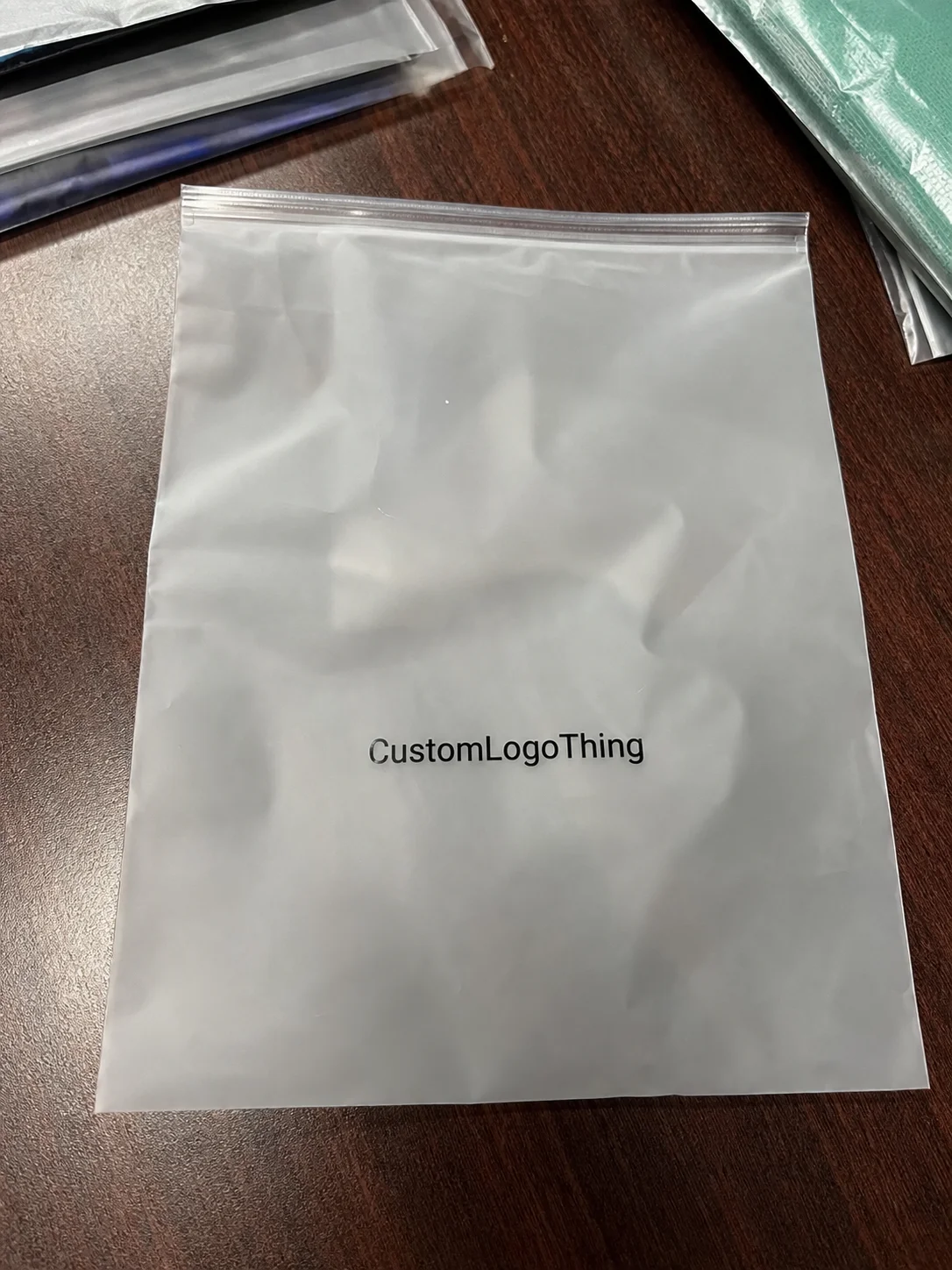
Poly mailers are Lightweight Shipping Bags made from plastic film, usually polyethylene, and they’re built to send soft goods without paying box-and-void-fill tax. A basic poly mailers comparison usually starts because a business wants three things at once: lower shipping cost, better protection, and a nicer customer experience. That trio is where decisions get messy, because one choice usually pokes the other two in the eye. A 9 x 12 inch bag with a 1.5 inch flap can be a hero for one SKU and a headache for another.
Standard poly mailers suit apparel, socks, swimwear, and other flexible items. Padded poly mailers add a cushioning layer for small breakables like jewelry or cosmetics. Recycled Poly Mailers appeal to brands that want a greener story, though recycled content is not a magic shield, and some eco bags feel flimsy enough to make your warehouse staff sigh on sight. Custom printed versions sit on top of all that, because branding can turn a plain shipping bag into a repeat-recognition tool. I have seen customers post their mailers on Instagram more than once, which is either marketing genius or proof that people will celebrate almost anything if the logo is cute enough.
In my experience, the best poly mailers comparison starts with the product, not the mailer. A 12-ounce knit top and a glass skincare jar are not cousins. They do not need the same packaging. I once helped a client in Los Angeles switch from 2.5 mil stock mailers to 3.0 mil custom Printed Poly Mailers after we measured a 14% split rate on a bulkier hoodie line. Their cost went up by $0.024 per unit, and the new bags were produced in Shenzhen with a 14-business-day lead time from proof approval. Their claims dropped by 81% in the first two months. That math is not glamorous, but it pays rent. It also saves you from the weird little panic that starts when returns pile up and nobody can explain why every third package looks like it lost a fight with gravity.
Set your expectations right. This isn’t about finding the “best” mailer in a vacuum. It’s about the best fit for your budget, your pack speed, and your delivery method. If your orders ship ground in 2 to 5 days, your priorities are different than if you’re sending high-value items with returns built into the business model. A serious poly mailers comparison should reflect all of that. I’m biased, sure, but I’d rather see a buyer choose a boring, durable mailer than a flashy one that turns into an expensive apology.
“The wrong mailer always looks cheaper on paper. Then the shipping team, the customer service team, and your margin all pay the bill.”
How Poly Mailers Work in Real Shipping
A poly mailer usually has a few core parts: a film body, a heat-sealed or folded seam, and a pressure-sensitive adhesive strip that closes the top flap. Some versions include a tear strip, a second adhesive strip for returns, or a bubble lining. That simple setup is why a poly mailers comparison can get tricky so fast. Tiny differences in film composition, adhesive quality, and seam construction change how the bag behaves in real shipping, especially when the route runs from a warehouse in Memphis to a porch in Orlando.
The film is typically layered. One layer gives flexibility, another gives tear resistance, and sometimes a darker outer layer adds opacity so items stay private. When I visited a supplier in Shenzhen, the line manager showed me two rolls that looked almost identical from five feet away. One was 2.8 mil with a stronger sealant layer. The other was 2.8 mil in name only and failed when we pulled the seam at an angle. Same label. Different reality. I still remember thinking, “Well, that label is doing an impressive amount of lying.” That’s why a shallow poly mailers comparison is basically a coin toss.
Mailers protect well against dirt, dust, light rain, and light puncture risk. They do not protect like a corrugated box does under heavy compression. If your route includes pallet stacking, rough cross-dock handling, or a product with rigid edges, you need to be honest about the limitations. ASTM and ISTA test protocols exist for a reason. If you want to dig deeper into shipping and distribution standards, ISTA is a good place to start.
Thickness matters more than people think. You’ll hear suppliers throw around “heavy-duty” like it means something by itself. It doesn’t. Ask for mil thickness. Ask for seam strength. Ask for puncture resistance. In a real poly mailers comparison, 2.25 mil and 3.0 mil are not the same animal, especially if you’re shipping items with zippers, buttons, or hard corners. I’ve seen a batch of fashion returns mailers fail because the brand packed rigid belt buckles into a film that was fine for T-shirts and terrible for hardware. The packaging looked innocent. The buckles, naturally, disagreed.
Closure style affects pack speed too. A wide adhesive strip is faster for high-volume fulfillment than fiddly closures that need re-pressing. Dual-seal return mailers can reduce reverse logistics pain because the customer doesn’t need a second bag. That may not sound exciting, but if your support team handles 300 returns a week, it’s not a tiny detail. It’s a labor cost. And labor costs pile up faster than sample invoices. I’ve literally watched a packing line slow down because one adhesive flap refused to behave for the third time in a row, which is a special kind of warehouse-based frustration.
Custom printing changes the whole conversation. Once you add logo placement, ink coverage, and color matching, you need proofs, plates or digital setup, and a production timeline that is longer than stock inventory. In a poly mailers comparison, custom printed bags often win on brand impact but lose on speed. For some brands that’s fine. For urgent replenishment orders, not so much. The final choice depends on whether you care more about looking polished or getting the next shipment out the door before somebody in operations starts muttering under their breath. A standard printed run from proof approval to dispatch is typically 12 to 15 business days in Guangzhou or Ningbo, while a stock order may leave in 2 to 4 business days.
Poly Mailers Comparison: Key Factors to Judge
If you want a clean poly mailers comparison, start with cost, durability, size, print quality, and sustainability claims. That’s the stack. Ignore one of those, and you’ll usually pay for it somewhere else. I wish that were just a tidy theory. It’s not. It’s the reason so many packaging spreadsheets end in someone saying, “Wait, why are we replacing all these orders?”
Cost and pricing should include more than the unit quote. I’ve seen buyers celebrate a $0.03 lower unit cost and then lose $1.20 per damaged order in reshipment, support labor, and lost goodwill. That is fake savings. Ask for setup fees, freight, duties, and packaging conversion costs. If you’re comparing custom printed options, a quote of $0.18 per unit for 5,000 pieces can be better than $0.15 for 10,000 if the smaller run preserves cash flow and reduces overstock risk. A real poly mailers comparison weighs all of it, not just the shiny headline number. Personally, I’d rather pay a little more than explain a hundred avoidable replacements to a very annoyed client.
Durability includes tear strength, seam integrity, stretch, and puncture resistance. A 3.15 mil mailer with a weak seal can still fail before a 2.5 mil mailer with better film structure. That’s why I keep telling clients to request sample testing with actual packed goods. A stack of glossy brochures is not the same as a pair of sneakers with metal eyelets. In one supplier negotiation in Yiwu, I asked for the seal failure rate on 200 random pulls. The factory gave me a number. Then I asked for their test method. Silence. That silence told me more than the number did. It also told me I was probably about to waste half a day on a quote that looked better on paper than in reality.
Size and fit are a bigger deal than most teams admit. Oversized mailers cost more to ship and create sloppy packs. Too-tight bags split, especially on products with irregular shapes. Measure your item in its packed state, not just the product dimensions. If your hoodie becomes a 12 x 10 x 2 inch bundle after folding, use that measurement. It sounds obvious, but people skip it and then act surprised when the seam gives up. In a proper poly mailers comparison, fit is not a minor variable. It is the difference between a clean shipment and a mailer that looks like it was attacked by a very determined raccoon.
Print quality and branding matter if the mailer is part of the unboxing experience or the customer sees it before they ever touch the product. On glossy film, dark inks can look rich, but fine type can fill in if the press operator is sloppy or the artwork is too thin. On matte film, logos can look cleaner, but you may need stronger contrast. I’ve stood on press floors in Guangdong where a client’s logo went from sharp to muddy because they used a 0.5 pt stroke on a white-on-black print file. That’s not the printer being magical or terrible. That’s bad art prep. A smart poly mailers comparison should include proof quality and color tolerance. And yes, I have complained aloud about tiny fonts more than once. Rightly so.
Sustainability claims need scrutiny. Recycled content is good, but check how much post-consumer recycled material is actually in the bag. Check whether the material can be recycled locally. A mailer marked “recyclable” is not automatically recyclable in your customer’s curbside stream. If you want a baseline for packaging and waste considerations, the EPA recycling guidance is a better reference than a marketing claim on a supplier brochure. I’ve had buyers tell me they wanted “eco mailers,” then discover their preferred option had worse puncture resistance and generated more waste through replacements. That’s not eco. That’s expensive guilt.
| Option | Typical Unit Cost | Best For | Main Tradeoff |
|---|---|---|---|
| Standard poly mailer | $0.08 to $0.18 | Apparel, soft goods, low breakage risk | Minimal cushioning |
| Padded poly mailer | $0.18 to $0.42 | Books, cosmetics, accessories, small fragile items | Higher cost and bulk |
| Recycled poly mailer | $0.10 to $0.25 | Brands with sustainability messaging | Performance varies by resin blend |
| Custom printed poly mailer | $0.12 to $0.30+ | DTC branding and repeat recognition | Setup fees and longer lead times |
Poly Mailers Comparison by Product Type and Use Case
The easiest way to simplify a poly mailers comparison is to map the mailer to the product. Not the other way around. A mailer that works for a cotton tee can be a disaster for a ceramic candle jar. I know, shocking: packaging should actually fit the product. I say that with affection, but also with the faint exhaustion of someone who has seen too many “close enough” decisions turn into returns.
Standard poly mailers are the workhorse option. They’re light, low-cost, and fast to pack. I like them for T-shirts, leggings, scarves, and similar soft goods. If you sell 1,000 units a week, shaving even $0.02 per bag matters. But only if the bag doesn’t fail. In a poly mailers comparison, standard bags win when the product is flexible and the route is not brutal. They are not glamorous. They are just dependable, which, frankly, is underrated.
Padded Poly Mailers make sense for jewelry boxes, cosmetics, small electronics accessories, books, and gifts that need a little more shock absorption. They’re not a replacement for a proper protective ship test, but they can reduce damage versus a plain bag. In one client meeting in Austin, a skincare brand insisted on standard mailers for glass dropper bottles because they looked “cleaner.” Two weeks later, broken bottles and customer complaints changed their opinion very fast. I don’t love saying “I told you so,” but there it is. I also don’t love sticky glass shards in a returns bin, which somehow made the whole argument feel less theoretical.
Recycled or Eco-Friendly Poly Mailers can be a solid fit if your brand story includes lower-waste packaging. Just don’t confuse a marketing claim with performance. Ask for resin composition, PCR percentage, and sealing specs. In a good poly mailers comparison, eco options are judged by both environmental story and field performance. If one bag saves 10 grams of virgin plastic but increases damage rates by 2%, you may have created a bigger footprint, not a smaller one. That tradeoff is annoying, but it’s real.
Custom Printed Poly Mailers are strong for DTC brands, subscription boxes, fashion labels, and any business that wants recognition before the customer opens the parcel. I’ve seen a printed bag turn a plain fulfillment experience into free repeat advertising because the customer reused the bag or posted the shipment on social media. If you want to browse options, our Custom Poly Mailers page is a good starting point, and our broader Custom Packaging Products catalog covers other packaging formats too. My honest take? If branding matters and your order volume is steady, printed mailers can pull more weight than most people expect. A 350gsm C1S artboard insert card can also help reinforce brand identity when the outer bag is plain.
Specialty options deserve a mention. Tamper-evident mailers help for documents or sensitive goods. Double-seal returns mailers make reverse logistics less annoying. Opaque mailers protect privacy for personal items. In a serious poly mailers comparison, specialty features are not extras. They solve specific operational problems. The wrong feature set can slow the pack line or create customer friction. The right one disappears into the workflow and saves time. That is usually the best kind of packaging: the kind nobody complains about because it simply does its job.
Step-by-Step Poly Mailers Comparison Process
Here’s the process I use when a buyer asks for a practical poly mailers comparison and wants an answer that won’t embarrass them in three months.
- List every product by size, weight, and fragility. Measure the packed version. A folded sweatshirt is not the same as a shirt on a hanger, and a 14 oz candle set is not the same as a 6 oz tee.
- Rank your priorities. Pick the top two: lowest cost, strongest protection, best branding, fastest packing, or sustainability. You cannot win every category at once. Sorry.
- Request samples from at least three suppliers. Test them with the real product, a real seal, and real warehouse handling. If possible, ask for samples from factories in Shenzhen, Wenzhou, or Ho Chi Minh City so you can compare both price and build consistency.
- Compare identical specs. Same dimensions, same thickness, same print colors, same closures, same quantity. Otherwise your poly mailers comparison is junk data.
- Separate production time from freight time. I’ve seen “14-day turnaround” become 14 days to make and 21 days to move. That math matters.
- Run a pilot order. Track damage rate, pack speed, and customer feedback for the first 500 to 2,000 shipments.
That pilot step saves money more often than it costs money. I once worked with a health and beauty brand that was ready to place a 50,000-unit order for printed padded mailers at $0.29 each. We ran a 1,000-unit pilot first and found the adhesive tab failed in high heat after 48 hours in a warehouse corner near the loading dock in Phoenix. The corrected version cost $0.31 each and was quoted with a 12 to 15 business day production window after proof approval. They would have rather paid the extra $0.02 than explain 600 re-ships to their CFO. A disciplined poly mailers comparison catches that kind of problem before it becomes expensive theater. And yes, the CFO was thrilled in the way only a CFO can be: by not having to talk about it later.
When you ask suppliers for quotes, get the following in writing: film thickness in mils, seam type, print method, turnaround time from proof approval, minimum order quantity, and shipping terms. If the vendor says “standard” without defining the spec, keep moving. “Standard” is not a spec. It’s a shrug dressed up as a quote. A supplier in Ningbo might define a 9 x 12 inch bag as standard, while a plant in Guadalajara might mean a different gusset depth entirely.
I also recommend a simple scorecard. Rate each option 1 to 5 on cost, protection, branding, and timeline. Then assign weights. For example, an apparel brand might weight cost at 40%, branding at 30%, protection at 20%, and timeline at 10%. A cosmetics brand may flip that. That simple matrix keeps the poly mailers comparison from turning into a group chat argument disguised as procurement. I’ve seen more than one team spend forty minutes debating a mailer that nobody had actually touched yet, which is a special kind of corporate performance art.
Common Mistakes in Poly Mailers Comparison
The biggest mistake is buying on price alone. People see $0.01 or $0.02 difference and think they’ve won procurement. Then a weak seal causes returns, customer service gets louder, and finance gets grumpy. A true poly mailers comparison includes the cost of failure, not just the cost of papering over it. I know “hidden cost” sounds boring, but boring is usually where the money lives.
Another common mistake is choosing the wrong size. Oversized bags waste material and look sloppy. Tight bags split. I’ve seen both in the same warehouse on the same morning in Charlotte. The pickers were fighting two different problems because the packaging team had guessed instead of measuring. Do not guess. Measure. Guessing is how you end up with a pallet of mailers that are technically usable and practically irritating.
Adhesive strength gets overlooked all the time. If your cartons and bags sit in a hot trailer or a warm warehouse, the adhesive can soften. Then the flap starts lifting. That’s not a glamorous failure, but it’s a very real one. Good poly mailers comparison work includes heat exposure if your route needs it. I once saw a flap peel open on a summer delivery run and thought, “Well, that bag has emotionally given up.”
Eco claims can be sloppy too. “Recyclable” without context tells you almost nothing. “30% PCR content” is better, but still not the full story. Ask how the material performs, whether the inks are compatible, and what local recycling systems accept. A mailer that checks a marketing box but fails in shipping is just future landfill with a nicer headline.
Proof approval gets skipped far too often. Then the logo is too small, the black is too dull, or the print is half an inch off-center. That’s a self-inflicted wound. In a custom printed poly mailers comparison, proofing is not optional. It is the difference between a brand asset and an expensive typo. And yes, nobody ever notices proofing when it goes right, which is deeply unfair and also exactly why people skip it.
Expert Tips for Better Poly Mailers Comparison Results
Ask suppliers for real technical details. Not adjectives. I want mil thickness, film structure, seam construction, adhesive type, and if possible, photos from actual production lots. If they can’t give that, you’re not comparing suppliers. You’re comparing sales scripts. And I have enough respect for your budget to say that plainly.
Compare landed cost, not just quoted unit cost. Freight from Asia to the U.S. can swing by thousands depending on container space, season, and shipping terms. A supplier quoting $0.14 per unit with high freight can beat another supplier at $0.12 if the landed number is lower and the damage rate is cleaner. I’ve seen clients save $2,700 on paper and lose $4,100 in total cost because they ignored shipping and duties. That’s a painful little lesson. Also a very avoidable one, which makes it extra irritating.
Build a scoring sheet. Keep it simple. Columns for price, timeline, durability, print quality, and supplier communication. Then give each one a score from 1 to 10. The best poly mailers comparison is one your team can repeat next quarter without starting over from scratch. If the sheet looks like a tax form with ambitions, you’ve probably overcomplicated it.
Test the bags where they’ll actually live. Hot docks. Cold rooms. Fast pack stations. Stacked cartons. If your warehouse runs at 88°F near the outbound lane and 64°F in storage, test both conditions. Real-world handling exposes weaknesses that lab samples hide. I learned that the hard way after a factory sample passed every hand test in air conditioning and then started misbehaving in a sunlit distribution center in Texas. The air conditioning was lovely. The shipping reality was not.
If custom printing is part of the order, confirm artwork specs early. Ask about bleed, safe zones, file formats, and setup fees. A little extra prep can save hundreds. I’ve paid $75 for a revised proof on a small run and gladly paid it because it prevented a much bigger reprint. A sharp poly mailers comparison should include art costs, not just bag costs. Nobody ever gets excited about bleed lines until the logo lands three millimeters too low and suddenly the whole design looks like it’s sliding off the bag.
For sustainability-minded brands, ask for third-party claims and supplier documentation. FSC is more relevant to paper components than plastic bags, but suppliers who understand certifications usually understand documentation discipline too. If you want packaging standards beyond the supplier pitch deck, Packaging Institute resources are useful for broader industry context. Documentation matters. A lot. The paper trail is annoying, yes. Also very useful when someone asks six months later why the “green” option didn’t reduce waste the way the sales deck promised.
What to Do After Your Poly Mailers Comparison
Once your poly mailers comparison is done, narrow the list to two or three winners. Then request final samples with your actual product packed inside. Do not rely on empty-bag impressions. A mailer can feel strong in your hand and still fail once it’s stuffed with a bulky return item or a sharp-edged product insert. That’s one of those truths that sounds obvious until a test batch fails and everyone suddenly rediscovering the concept of “real use” becomes a team sport.
Get a written quote that includes quantity, thickness, print method, turnaround time, and shipping terms. If the supplier sends you a half-finished PDF with “approximately” in five places, ask for revision. You want a spec sheet you can hand to your operations team without a translation layer. In packaging, ambiguity is not charming. It is expensive.
Document the winner in a one-page order spec. Include dimensions, mil thickness, closure type, print artwork version, and approved supplier name. That stops future orders from drifting because somebody in purchasing found a cheaper “similar” option. Similar is how mistakes start. I’ve seen “almost the same” become a very real customer complaint, and that is not a fun message to read first thing in the morning.
Place a pilot order and track damage rate, packing speed, and customer comments for the first few hundred shipments. If damage stays under 1%, pack speed improves, and customer service reports fewer complaints, you’ve got useful evidence. If not, go back to the shortlist. A good poly mailers comparison ends with data, not with a stack of assumptions. That part is less exciting than a dramatic procurement victory, but it’s a lot cheaper.
Then reorder before you’re desperate. Emergency buying always costs more. Air freight, rush setup, and bad decisions all show up when stock runs low. I’ve watched brands spend an extra $1,900 on expedited freight because they waited until they had two weeks of stock left. Don’t do inventory drama. It’s boring, and boring is cheaper. Frankly, boring packaging planning has saved more businesses than flashy ideas ever did.
One more thing: save the samples. Label them. Tape a note to each one with date, supplier, thickness, and print method. Three months from now, that sample drawer will be the fastest way to settle an internal debate without reopening every email thread since March. Yes, I speak from experience. Yes, the drawer looked ridiculous. It still saved us time. I have no shame about that drawer. Well, almost none.
What is the best way to compare poly mailers?
How do I compare poly mailers without overpaying?
Compare landed cost, not just the unit price. Include freight, setup fees, duties, and replacement costs from damaged shipments. If one supplier quotes $0.14 and another quotes $0.16, the cheaper one is not automatically cheaper once freight and failure rates are included. Keep the specs identical so the poly mailers comparison is truly apples-to-apples.
What thickness should I look for in a poly mailers comparison?
Use thicker films for heavier, sharper, or more valuable items. Standard apparel bags often sit around 2.0 to 2.5 mil, while heavier-duty options can run 2.75 mil or higher. Ask for mil thickness and seam strength, not just a vague “heavy-duty” label. In a real poly mailers comparison, the numbers matter more than the marketing.
Which is better: standard or padded poly mailers?
Standard poly mailers are better for soft, non-fragile products like shirts, leggings, and scarves. Padded mailers are better when the item needs extra cushioning without moving to a box. Choose based on fragility and route risk, not on what looks more premium. A good poly mailers comparison starts with the product, not the packaging mood board.
How long does a custom poly mailers order usually take?
It depends on artwork approval, production queue, and shipping method. Custom printed orders usually take longer than stock mailers because proofing and setup add steps. Ask for separate production and freight timelines so you know the real delivery date; a typical schedule is 12 to 15 business days from proof approval for production in places like Shenzhen or Dongguan, plus ocean or air freight time. That’s the only way a poly mailers comparison stays useful for planning.
Are eco-friendly poly mailers really worth it?
They can be, if they match your brand values and still protect the product well. Check recycled content, recyclability claims, and actual performance before ordering at scale. A greener mailer that fails in transit is not sustainable. It is just expensive trash with better branding. That’s the unglamorous truth a lot of poly mailers comparison articles skip.
If you want the right mailer, don’t rush the decision and don’t let a three-cent difference drive the whole plan. The best poly mailers comparison balances protection, print quality, packing speed, and shipping cost with enough discipline to survive a real warehouse floor. I’ve seen brands save money the smart way, and I’ve seen others pay for shortcuts in claims, returns, and reprints. Choose the bag that fits your product, test it with real shipments, and lock the spec before you reorder. That’s how you stop guessing and start shipping like you mean it.