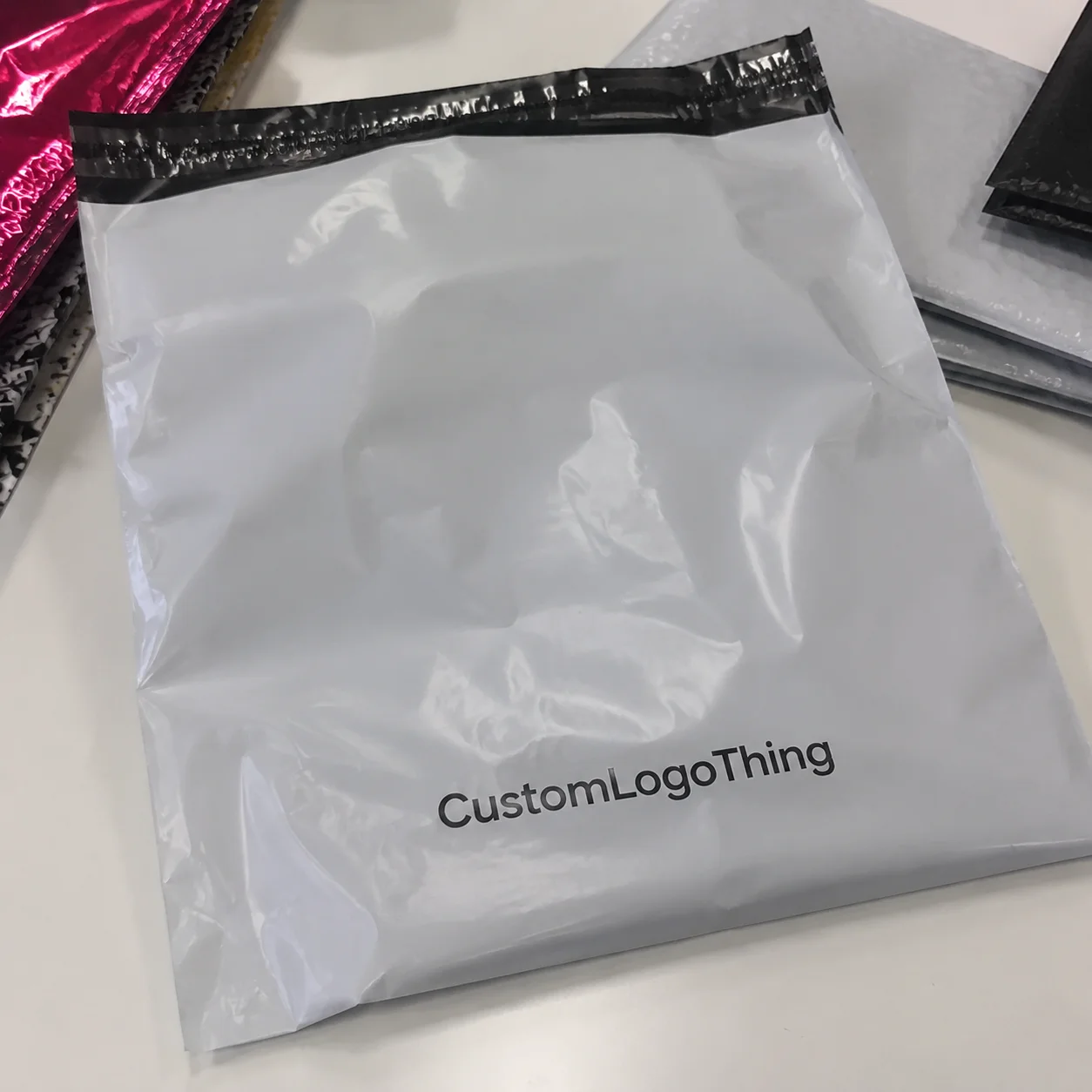
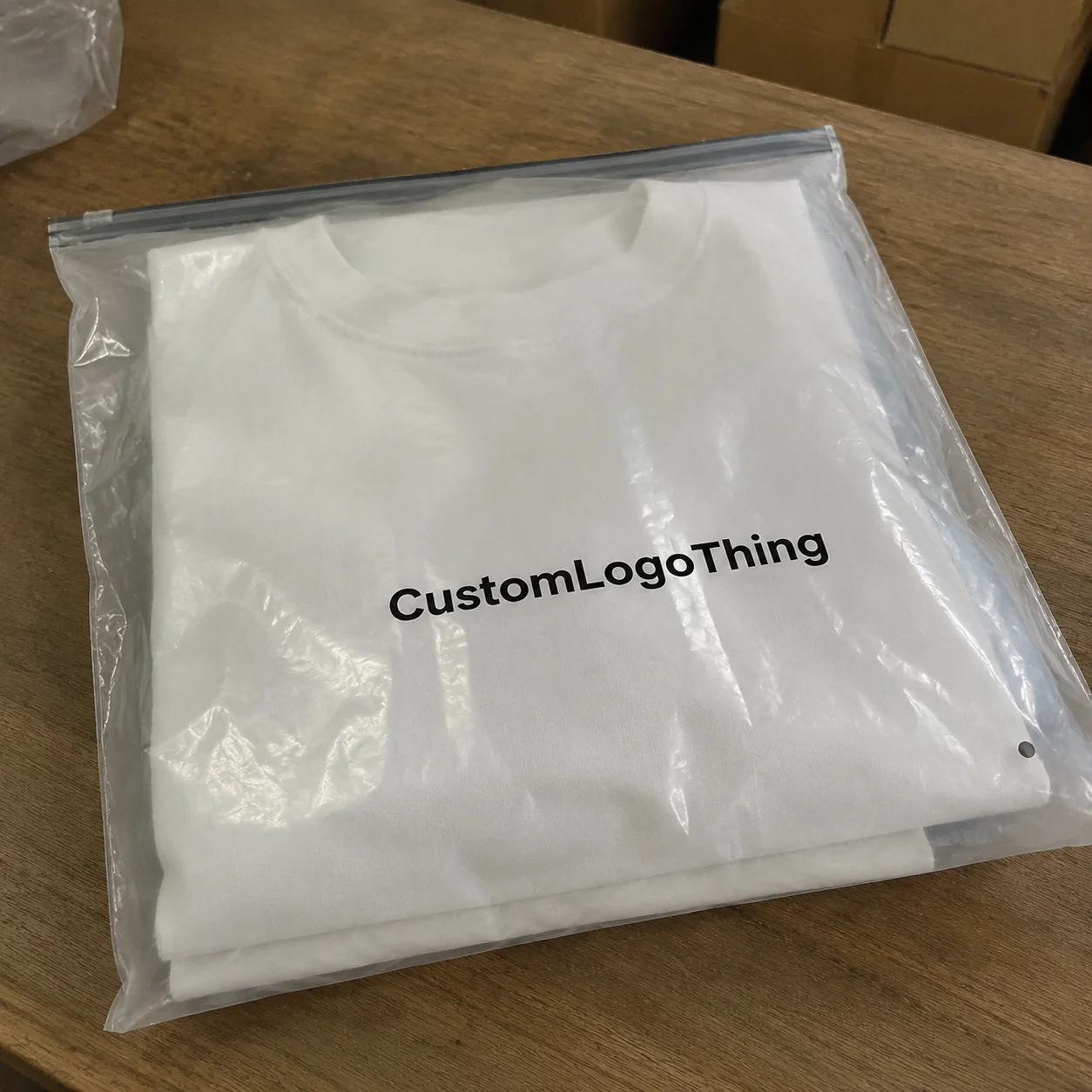
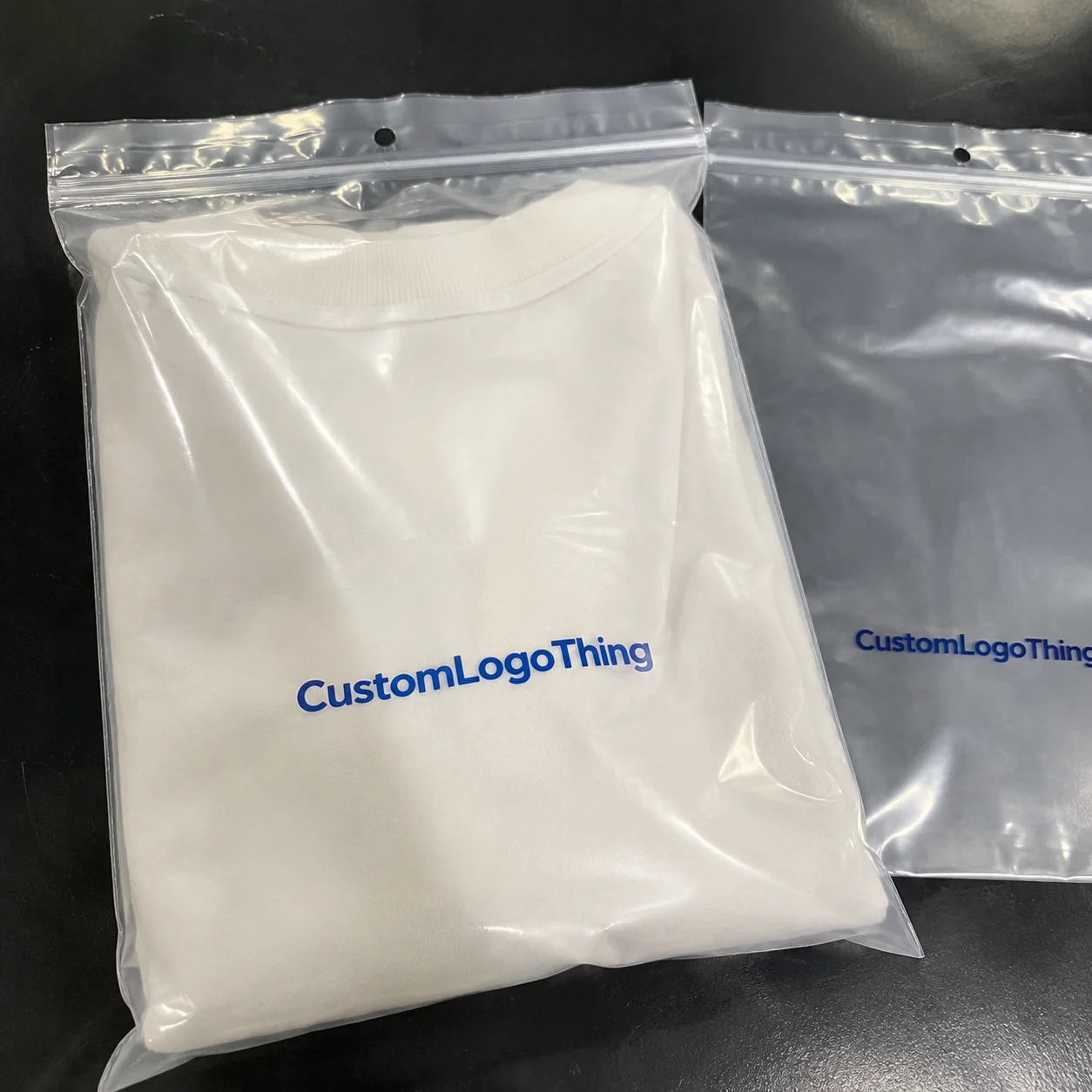
Buyer Fit Snapshot
| Best fit | Design Packaging for Food Products projects where brand print, material claims, artwork control, MOQ, and repeat-order consistency need to be specified before quoting. |
|---|---|
| Quote inputs | Share finished size, material target, print colors, finish, packing count, annual reorder estimate, ship-to region, and any compliance wording. |
| Proofing check | Approve dieline scale, logo placement, barcode or warning zones, color tolerance, closure strength, and carton packing before bulk production. |
| Main risk | Vague material claims, crowded artwork, missing packing details, or unclear freight terms can make a low unit price expensive after revisions. |
Fast answer: Design Packaging for Food Products: Material, Print, Proofing, and Reorder Risk should be specified like a repeatable production item. The safest quote records material, print method, finish, artwork proof, packing count, and reorder notes in one written spec.
Production checks before approval
Compare the actual filled-product size with the drawing, then confirm tolerance on folds, seals, hang holes, label areas, and retail display edges. Reserve space for logos, QR codes, warning copy, and material claims before decorative graphics fill the panel.
Quote comparison points
Review material grade, print process, finish, sampling route, tooling charges, carton quantity, and freight assumptions side by side. A quote is only useful when the supplier can repeat the same color, closure quality, and packing count on the next order.
I still remember a snack brand walk-through in our Shenzhen facility, where the carton looked gorgeous on press sheets and then the first case pack showed a weak seal line and warped corners after 18 hours in a humid warehouse at 28°C and 82% relative humidity. That’s the part people forget when they ask me how to design Packaging for Food products: the package has to survive reality, not just a mockup on a laptop. If it can’t handle heat, moisture, stacking, and the occasional rough shove from a warehouse worker who is clearly having a day, it is not good packaging. It is expensive paper with confidence issues.
Food packaging design is not one thing. It’s structure, materials, graphics, compliance, and user experience all fighting for space in the same rectangle. If you’re figuring out how to design Packaging for Food products, you need shelf appeal, safety, production constraints, and cost to all play nicely together. Pretty is useless if it collapses in transit. I’ve seen that happen with a glossy pouch that bruised at the bottom gusset and a label that peeled right off under condensation after 48 hours in refrigerated storage. Expensive lesson. Very common, unfortunately. Honestly, I think a lot of people fall in love with packaging before they understand the product. That order of operations causes chaos.
At Custom Packaging Products, I’ve helped brands choose everything from custom printed boxes for baked goods to laminated pouches for frozen snacks. The brands that win are usually not the ones with the fanciest art. They’re the ones that understand what the package must do on day one, in a freezer at -18°C, on a pallet, and on a grocery shelf under bad lighting in Chicago, Dallas, or Manchester. I remember a founder telling me, with a straight face, that “the shelf will forgive the finish.” No, it will not. The shelf is ruthless.
How to Design Packaging for Food Products Without Guesswork
Start with the product, not the art. Shocking, I know. People love to begin with colors and fonts because that feels creative. But if the salsa is high-acid, the granola is oily, or the soup is going into refrigerated distribution from a facility in Guangdong or New Jersey, the structure and barrier matter before a designer touches the headline. I’ve sat in too many meetings where someone points at a pretty mockup and says, “Can we just make it pop more?” Sure. And can it also keep oxygen out, survive transit, and not turn into a soggy science experiment? Helpful priorities.
On one client visit in Dongguan, I watched a founder insist on a matte kraft sleeve for a chilled dessert cup. Beautiful idea. Wrong environment. The sleeve bled, curled, and turned gray where condensation hit it after only 90 minutes in a refrigerated display case. We switched to a coated paperboard label with moisture resistance, and the whole thing finally behaved. That’s how how to design Packaging for Food products works in practice: function first, then visual polish. The best packaging doesn’t just look good in the render. It behaves in the wild.
Food packaging design includes five moving parts: the packaging structure, the substrate or material, the graphics, the regulatory copy, and the unboxing or opening experience. That last one gets ignored too often. A tamper-evident seal that tears cleanly matters. A zipper pouch that reseals without a wrestling match matters. A carton that ships flat and pops cleanly in packing line conditions matters. I have strong feelings about this because I’ve watched brands spend $3,800 on beautiful graphics and then hand customers a package that needs scissors, a prayer, and a minor engineering degree to open.
Here’s the truth most people get wrong: packaging is not decoration. It protects the product, signals quality, and helps a customer decide in about three seconds whether your item belongs in the basket. If you’re learning how to design packaging for food products, don’t ask, “What looks nice?” Ask, “What will protect the food, satisfy compliance, and still sell?” Different question. Better result. Much less hand-wringing later.
“We thought the package was the brand. Then the pallet test told us otherwise.” That’s a line I heard from a frozen dessert client after a shipping failure cost them two weeks and roughly $8,400 in rework and freight from a run that shipped out of Suzhou.
This piece is for founders, marketers, and operators who need product packaging that performs in the real world. Not just in a mockup. Not just in a deck. Real-world packaging is affected by carton compression, moisture migration, barcode placement, FDA labeling basics, and the simple fact that warehouse workers are not gently handling your masterpiece like it’s glass in a museum. (If they were, I’d be more worried.)
How Food Packaging Design Works From Concept to Shelf
The workflow for how to design packaging for food products is usually predictable, even if the details get messy. First comes the product brief. Then format selection. Then dieline setup. Then artwork. Then prototyping. Then testing. Then production. Then shipping. Skip any of those steps and you usually pay for it later with rush fees, bad print alignment, or a warehouse issue nobody wants to own. I’ve seen projects try to “save time” by skipping sampling, and then somehow spend twice as long fixing the fallout. Very efficient. Terrible.
Primary packaging touches the food directly. Think pouches, jars, tubs, sachets, wrappers, trays, and cartons with liners. Secondary packaging groups primary packs together. Think retail cartons, sleeves, display boxes, and multipacks. Tertiary packaging is the logistics layer: shipper cartons, corrugated cases, stretch wrap, palletization. If you’re serious about how to design packaging for food products, you need to understand all three. A pretty retail box means little if the shipper carton crushes at 26 pounds of top load or a corrugated case is spec'd below 32 ECT for a 12-pack of jars. I learned that one from a protein bar client in Taizhou who thought the outer carton was “just for transport.” Right. Until product arrived looking like a collapsed accordion.
Print method changes the entire conversation. Flexographic printing on flexible film has different artwork constraints than offset printing on paperboard. Digital printing can be excellent for short runs and quick samples, but unit cost changes as volume increases. Closures matter too. Heat seals, induction seals, pressure-sensitive labels, child-resistant caps, resealable zippers, tear notches, all of it affects design decisions downstream. And yes, all of it shows up in the quote later, usually after someone has already fallen in love with a finish that adds $0.09 per unit on a 5,000-piece run.
Different food categories also behave differently. Dry goods like coffee, cereal, and seasoning need moisture and aroma control. Frozen foods need cold-chain durability and inks or adhesives that won’t fail in subzero conditions. Refrigerated products need resistance to condensation. Shelf-stable items often need strong branding and clear labeling, but still require barrier protection if oxygen or light exposure matters. So if you’re asking how to design packaging for food products, the real answer depends on the food itself, not your favorite mockup style. The product gets the final say. Always.
How design choices affect manufacturing
Every choice has a cost ripple. A special metallic ink may add $0.04 to $0.07 per unit. A soft-touch coating can add another $0.06 to $0.12 depending on run size. A custom die for a structural shape can bring a tooling charge of $300 to $1,500, while a new insert tool for molded pulp can run $600 to $2,200 depending on cavity count. That’s why how to design packaging for food products is partly a manufacturing conversation disguised as a branding exercise. The art matters, sure. But the factory is the place where the bill gets written.
I once negotiated with a paper converter in Foshan who wanted to push a 5-color job with a heavy coating onto a short run of 3,000 cartons. The quote came in at $1.14 per unit. We trimmed one ink, removed the coating, and changed the carton style. It dropped to $0.67. Same brand story. Much better business decision. That’s the kind of adjustment you only see when you understand how retail packaging gets made. Also, the converter acted personally offended, which was hilarious considering they were about to overcharge for decorative ambition.
Key Factors in How to Design Packaging for Food Products
If you want to get how to design packaging for food products right, there are six factors you need to balance. Ignore one, and the whole package can wobble. Here’s where most first-time brands get tripped up. And yes, I’ve watched smart people trip over the same issues more than once. The pattern is depressingly consistent.
Material selection
Material choice depends on the product and the sales channel. Paperboard works well for cartons, sleeves, and some frozen food boxes. Corrugated board is ideal for shipping strength. Flexible film is common for pouches and flow-wrap applications. Glass and plastic are more typical for sauces, spreads, and beverages. Hybrid structures show up when brands need barrier performance plus print quality. In my experience, choosing the right substrate is the most underrated piece of packaging design. Everyone wants to talk about color. Fewer people want to talk about grease migration or oxygen transmission rates like 25 cc/m²/day. That’s a mistake.
For example, a granola brand may use a 350gsm C1S artboard carton with a poly liner for shelf appeal and decent protection, while a frozen dumpling brand may need a metallized film pouch with a resealable zipper to maintain product integrity. Different food. Different material. Different risk. I remember one sourcing call in Guangzhou where a buyer wanted “the strongest and greenest option” in one package. Lovely goal. Vague as fog. We got there eventually, but only after talking through barrier needs, print expectations, and freight realities like grown-ups.
Food safety and compliance
Food packaging has to support regulatory copy, allergen callouts, nutrition panels, ingredient statements, barcodes, net weight, and sometimes lot codes or date coding. Depending on the market, you may also need tamper evidence or materials approved for direct food contact. If you’re studying how to design packaging for food products, compliance isn’t a boring appendix. It’s part of the design brief. Treat it like an afterthought and the project will punish you for it later.
Standards matter here. I’ll often point clients toward the basics from the Institute of Packaging Professionals or guidance tied to the product category. For transport testing, ISTA protocols are useful. For fiber sourcing, FSC certification can support paper-based claims. If your packaging touches environmental claims, the EPA has resources on waste reduction and materials. None of that replaces legal review, but it keeps the project grounded. And frankly, it keeps me from having the same “we assumed that claim was fine” conversation again.
Branding and shelf impact
Color contrast matters more than people think. Typography matters more than people admit. In crowded retail aisles in Toronto, Osaka, or Melbourne, your product gets maybe two seconds before it’s compared to the item beside it. If your brand name disappears against a busy background, you just paid for artwork that hides the product. That’s bad math. I’ve stood in retail aisles with clients who swore the color was “premium,” then watched the SKU vanish next to three louder competitors. Premium is great. Invisible is not.
Good package branding uses a clear hierarchy. Product name first. Flavor or variant second. Benefit or differentiator third. Any embellishment after that. One client in the snack category was convinced a giant badge would increase premium perception. It did. Unfortunately, it also buried the flavor name. Sales reps kept hearing, “What is this?” That’s not a slogan you want on repeat. Also not a great look in front of the grocery buyer, who already has zero patience and a clipboard.
Functionality
Resealability, stackability, ease of opening, and shipping durability all belong in the design phase. If the package is awkward to open, people blame the brand. If it doesn’t stack well in the back of a refrigerator display, retailers notice. If it ruptures in transit, operations notices very fast. How to design packaging for food products is partly about user comfort and partly about keeping the logistics team from hating your SKU. I say that with love. Mostly because I’ve seen the emails when a package design makes the warehouse team miserable.
Sustainability tradeoffs
This part gets messy because the marketing story and the manufacturing reality do not always match. A compostable material may sound great, but if the product is oily or frozen, performance might suffer. A recyclable paperboard carton may be a better fit if the coating and liner are chosen carefully. Sustainability claims need substance. They also need to be honest. Pretty green messaging won’t save a weak package. And yes, people will notice when the “eco-friendly” pack fails after two days in a damp cooler in London or Vancouver.
Cost and pricing
Material choice, color count, finishing, MOQ, and structural complexity all drive unit price. A simple kraft carton at 10,000 units may cost under $0.40 each. A full-color, laminated, foil-stamped box with a custom insert can jump above $1.20 each fast. If you’re mapping how to design packaging for food products, build pricing into the decision tree early. Design mistakes are expensive when they become tooling changes. I’ve had enough conversations that start with “Can we just tweak this a little?” to know that “a little” usually has a price tag attached.
Here’s a quick comparison I use with clients who are deciding between common food packaging options:
| Packaging option | Best for | Typical unit range | Main pros | Main tradeoffs |
|---|---|---|---|---|
| Paperboard carton | Dry goods, bakery items, frozen sleeves | $0.28–$0.72 | Good print quality, retail-friendly, lightweight | Lower moisture resistance unless coated |
| Flexible pouch | Snacks, coffee, powders, frozen foods | $0.18–$0.95 | Lightweight, efficient shipping, barrier options | Recycling can be complicated depending on structure |
| Corrugated shipper | Bulk transport, e-commerce, case packs | $0.85–$2.40 | Strong protection, good pallet performance | Not designed for shelf branding alone |
| Rigid jar or tub | Sauces, spreads, supplements, chilled foods | $0.45–$1.80 | Strong presence, reusable, product visibility | Heavier freight and more breakage risk |
That table is not gospel. It changes with quantity, supplier, coating choice, and where the product is shipped. But it gives you a starting point for how to design packaging for food products without pretending every SKU has the same economics. And honestly, pretending everything is the same is how budgets go to die.
Step-by-Step Process for Designing Food Packaging
Here’s the exact process I prefer when a client asks me how to design packaging for food products from scratch. It keeps the project organized and stops people from designing the art before the structure exists. Which, frankly, happens way too often. I have lost count of the number of times someone sends a full artwork concept before we even know whether the package is a pouch, carton, or tub. That’s not strategy. That’s wishful thinking with a Pantone palette.
1. Start with the product brief
Write down ingredients, shelf life, storage conditions, serving size, distribution channel, target customer, and price point. A refrigerated soup in a 12-ounce cup has different needs than shelf-stable trail mix sold in an Amazon FBA subscription box or a wholesale warehouse in Rotterdam. Be specific. “Healthy snack” is not enough. “Oat-based snack sold in Amazon FBA and refrigerated in some retail accounts” is better. The more detail you give up front, the fewer weird surprises show up later.
2. Choose the format
Pick the package structure before the visual design. Pouches, cartons, trays, tubs, wrappers, and multipacks all create different constraints. If you’re learning how to design packaging for food products, the format determines the dieline, the panel sizes, the seal areas, and the usable real estate for branding.
I once had a client bring me artwork for a 4-panel carton when they had only approved a 3-panel structure. That missing panel turned the entire layout into a mess. No amount of “Can you just move things around?” fixes that. Structure first. Always. I wish I had a dollar for every time someone tried to bend geometry with optimism.
3. Build the dieline and place required copy first
The dieline is the map. Put barcode zones, ingredient copy, nutrition panel, allergen text, legal marks, and any production codes in place before you start decorating. That way the design fits the manufacturing reality. If you’re serious about how to design packaging for food products, leave margin for real-world print shifts and folding variance, usually 1.5 mm to 3 mm depending on the supplier and substrate.
4. Develop the artwork hierarchy
After compliance copy is locked, layer in the brand name, flavor callout, benefit statement, imagery, and secondary claims. Make sure the product reads fast. On shelf, the eye scans top to bottom and left to right, but not in a neat little textbook way. Strong contrast and clear type do the work. Honestly, I think clarity beats cleverness almost every time. Clever can live in a campaign. The package has a job to do in three seconds.
5. Prototype early
I can’t stress this enough. Get a sample. A plain white sample, a digital proof, or a hard mockup will tell you more than 50 Zoom comments. Test for fit, closure behavior, moisture exposure, and stacking. A package that looks good flat might buckle under weight, and that’s usually when the warehouse team sends the angry photo. Which, by the way, always arrives at 7:42 p.m. on a Friday. Classic.
6. Review proofs like you mean it
Check bleeds, spelling, UPC readability, color expectations, and alignment against the dieline. If you’re learning how to design packaging for food products, proofing is where expensive mistakes get prevented. I’ve seen brands lose a full production slot because one barcode was too small and the scanner rejected it on receiving. That is a particularly annoying way to learn the value of a ruler.
7. Prepare production files
Send exact file specs. Include font outlines, linked images, color values, overprint settings, varnish layers, and any special instructions. The factory should not be guessing what you want. Guessing is how errors get expensive. If you want cleaner communication, ask for a production proof or hard sample before final approval, especially on high-value or fragile foods. It feels slower. It is actually faster than fixing a bad run.
That process sounds simple, but it prevents the most common failures. If you need support building custom printed boxes or food-safe retail packaging, ask for clear specifications upfront instead of improvising later.
Food Packaging Costs, Pricing, and Timeline Expectations
Cost is where dreams meet invoices. If you’re figuring out how to design packaging for food products, you need a realistic budget before you get attached to premium finishes and custom structures. I’ve seen brands fall in love with foil stamping, soft-touch lamination, and custom inserts, then discover their landed cost doubled. That moment is always awkward. Usually there’s a long pause. Then someone says, “Can we make it more affordable?” And that is exactly the question we should have started with.
What affects pricing most? Material, print run, number of colors, coatings, specialty finishes, packaging style, and tooling. A simple straight-tuck carton in two colors might be fairly economical. Add a custom shape, inside printing, matte lamination, and a foil accent, and suddenly you’re in a different pricing bracket. Low MOQ orders usually cost more per unit because setup is spread across fewer pieces. That’s not the supplier being difficult. That’s math. Annoying math, but still math.
Here’s a realistic timeline framework I use with clients:
- Concept and brief: 2–5 business days
- Dieline and structural review: 3–7 business days
- Artwork development: 5–12 business days depending on revisions
- Sampling and prototyping: 5–10 business days
- Production: typically 12–15 business days from proof approval for standard paperboard cartons, or 18–25 business days for laminated pouches and rigid packaging
- Shipping: 3–30 days depending on location and freight method
That means a straightforward project can move in a few weeks, but only if decisions stay locked. Delays usually come from late artwork changes, compliance edits, or material shortages. One client in the refrigerated category lost nine business days because the ingredient panel changed after legal review. That one edit affected the dieline, the proof, and the print slot. Tiny move. Big delay. I remember staring at that email and thinking, “Well, there goes everyone’s weekend.”
For startups, I usually recommend keeping the first run simpler and spending where the customer can actually feel the value. An extra $0.08 per unit can be worth it if it reduces breakage or improves shelf conversion. On a 10,000-unit run, that’s $800. If it prevents a 2% damage rate on a $7 item, the math often justifies the spend. That’s the kind of decision that makes how to design packaging for food products smarter, not flashier.
One frozen foods client paid about $0.11 more per unit for a stronger seal layer on a run of 20,000 pouches. Sounds annoying. It saved them from a 3% leakage rate that would have cost more than $4,000 in returned product and replacement freight. I’d take the extra eleven cents every time. No drama. No drama at all, which is rare enough to celebrate.
Common Mistakes in How to Design Packaging for Food Products
The biggest mistake in how to design packaging for food products is designing for Instagram and ignoring the grocery shelf or delivery box. The package has to work in fluorescent lighting, on a shelf with nine competitors, after a driver tosses it into a van, and again when the customer opens it with wet hands after a trip home in the rain. Romance dies fast under those conditions. So does cardboard, if you pick the wrong one.
Another common mistake is ignoring moisture, grease, temperature, or freezer conditions until after the first production run. I’ve watched labels peel in condensation, inks scuff inside case packs, and adhesive failure show up on refrigerated items within 72 hours. That’s why sample testing matters. A digital rendering can’t tell you if a pouch zipper actually closes on line. It also can’t tell you that your “matte premium finish” starts looking like a sad napkin when it meets condensation. I wish I were exaggerating.
People also overload the front panel. Too much text. Too many claims. Too many badges. If the product name competes with five other messages, nobody remembers the SKU. Good branding packaging is about hierarchy, not clutter. Give the eye a clear path. Make the shopper’s brain do less work, not more.
Late legal copy is another classic mess. If someone says, “We’ll fit the nutrition panel later,” I already know we’re about to lose time. Regulatory text, net contents, ingredient statements, and allergen declarations need a home early. If you’re figuring out how to design packaging for food products, put the mandatory content in first, then let design work around reality.
Sustainability-only thinking causes problems too. A compostable laminate may sound great in a pitch deck, but if it fails grease resistance or barrier requirements, the product has no chance. Sustainable packaging has to be sustainable in use, not just in advertising. Sometimes a recyclable paperboard carton with an FSC-certified fiber source is the more responsible choice. I know that is less glamorous than the “earth-friendly” sticker parade, but reality tends to be annoyingly relevant.
Skipping prototypes still ranks near the top of the dumb ways to burn money list. Beautiful mockups do not equal functional packaging. Not even close.
“The mockup was lovely. The sample was a disaster.” I heard that in a buyer review meeting after a premium sauce jar label warped in an ice bucket display in Vancouver.
Expert Tips and Next Steps for Packaging That Sells
If you want better outcomes from how to design packaging for food products, start with a checklist before you ask for quotes. I use one every time, because it keeps scope from drifting and saves everyone from the “Wait, we needed tamper evidence too?” conversation. There’s nothing like discovering a missing requirement after everyone has already fallen in love with the first proof. Very motivating. Not in a good way.
- Product dimensions and fill weight
- Shelf life and storage conditions
- Direct contact or non-contact packaging
- Closure type or seal type
- Print method and color count
- Quantity and reorder expectations
- Compliance and label copy requirements
- Shipping method and warehouse handling
Then test one variable at a time. Change the coating, not the structure and the copy and the finish all at once. Otherwise you won’t know what improved the result. I learned this the hard way on a bakery carton project in Shanghai where we changed board stock and finish together. The samples looked better, but the crease cracking got worse after 10 fold cycles. We had to isolate the issue and retest. Annoying? Yes. Useful? Also yes.
Get samples from at least two suppliers. Compare more than price. Check lead times, communication, sample quality, and whether they actually understand food packaging constraints. A supplier quoting $0.31 with a six-week delay may not beat a supplier quoting $0.38 with reliable production and better consistency. Price matters. So does the headache factor. Trust me, headaches have hidden fees. So do vague answers and suspiciously enthusiastic promises.
If your product is high risk or high value, ask for a production proof or hard sample before final approval. I’ll say it plainly: if a box or pouch failure could cost you thousands in returns, don’t approve off a screen alone. Screens lie. Samples talk. And samples, unlike sales decks, do not care about your mood.
Here’s a simple action plan for brands trying to move from idea to launch:
- Collect product specs and shelf-life details.
- Choose the format that fits the food.
- Request two quotes and a dieline.
- Build the artwork with compliance first.
- Review a sample under real storage conditions.
- Lock the file and approve production.
If you keep those steps tight, how to design packaging for food products becomes a process you can actually control. And that’s the whole point. Good packaging should make the product safer, easier to sell, and harder to ignore. If it does all three, you’re in a strong position.
I’ve spent enough time on factory floors in Shenzhen, Dongguan, and Foshan to know that the difference between average and strong packaging is rarely luck. It’s a few smart choices, a few honest tests, and a supplier who can explain what happens when a sealing jaw is off by 1.5 millimeters. That’s the unglamorous side of package branding, but it’s the side that keeps you out of trouble. I’d rather fix the issue in sampling than hear about it from a furious distributor later.
For brands building custom printed boxes, pouches, or shelf-ready food cartons, how to design packaging for food products is really about balancing cost, compliance, and shelf appeal without pretending any of those things can be ignored. Do that well, and the packaging becomes part of the product value instead of an afterthought. Do it badly, and you get a beautiful problem. Those are the worst kind.
The clearest takeaway is simple: define the food, the storage conditions, and the sales channel before you touch the artwork. Then choose the structure, lock the required copy, and test a sample under real conditions. That sequence saves money, cuts rework, and gives you packaging That Actually Works outside the render file.
FAQ
How do you start how to design packaging for food products if you only have a rough product idea?
Start with the product itself: ingredients, shelf life, storage needs, and where it will be sold. Then pick the package format after that, not before. If you request a dieline and a basic quote early, you’ll see layout constraints and cost pressure before the design gets too far down the wrong road. I always tell founders: get the boring facts first, then make it pretty.
What materials are best when learning how to design packaging for food products?
The best material depends on the food type: dry goods, frozen items, refrigerated products, or shelf-stable foods. Paperboard works well for many cartons, while flexible film is common for pouches and lightweight packs. A 350gsm C1S artboard carton may be ideal for dry snacks, while a laminated PET/PE pouch can make more sense for freezer storage. Prioritize barrier performance and food safety first, then compare sustainability Options That Actually fit the product. Don’t let the packaging slogan choose the substrate for you.
How much does it usually cost to design packaging for food products?
Cost depends on material, print run, colors, finishing, and whether you need custom tooling. Simple packaging can be relatively affordable, while specialty finishes and low quantities push the unit price up. For example, a 5,000-piece paperboard carton run might come in around $0.34 to $0.58 per unit, while a laminated pouch with a zipper can land closer to $0.42 to $0.95 depending on barrier specs. Budget for samples and revisions, because the cheapest first quote often becomes expensive once the real details show up. I’ve seen that movie. I do not recommend it.
How long does the packaging design process usually take?
A straightforward project can move through concept, sampling, approval, and production in stages, with revisions affecting timing. For standard cartons, production is typically 12-15 business days from proof approval; complex pouches or rigid packs may take 18-25 business days. Delays usually come from artwork changes, compliance edits, or waiting on sample approval. Plan extra time for testing if your product is moisture-sensitive, refrigerated, or shipped long distances. The fastest path is usually the one with the fewest surprises.
What is the biggest mistake brands make when figuring out how to design packaging for food products?
The biggest mistake is designing for looks only and ignoring function, safety, and production realities. Brands also forget to test the package with the actual product, which is how leaks and crushing problems happen. Good packaging has to protect, inform, and sell at the same time. That’s the job. Everything else is just decoration with a budget.