Buyer Fit Snapshot
| Best fit | Minimalist Custom Packaging Boxes projects where brand print, material claims, artwork control, MOQ, and repeat-order consistency need to be specified before quoting. |
|---|---|
| Quote inputs | Share finished size, material target, print colors, finish, packing count, annual reorder estimate, ship-to region, and any compliance wording. |
| Proofing check | Approve dieline scale, logo placement, barcode or warning zones, color tolerance, closure strength, and carton packing before bulk production. |
| Main risk | Vague material claims, crowded artwork, missing packing details, or unclear freight terms can make a low unit price expensive after revisions. |
Fast answer: Minimalist Custom Packaging Boxes: Structure, Print Proof, Packing, and Reorder Risk should be specified like a repeatable production item. The safest quote records material, print method, finish, artwork proof, packing count, and reorder notes in one written spec.
Production checks before approval
Compare the actual filled-product size with the drawing, then confirm tolerance on folds, seals, hang holes, label areas, and retail display edges. Reserve space for logos, QR codes, warning copy, and material claims before decorative graphics fill the panel.
Quote comparison points
Review material grade, print process, finish, sampling route, tooling charges, carton quantity, and freight assumptions side by side. A quote is only useful when the supplier can repeat the same color, closure quality, and packing count on the next order.
Tips for Minimalist Custom Packaging boxes tend to sound simple on a sales call. “Use fewer colors,” someone says. “Keep it clean,” says someone else. Then the first proof arrives, and suddenly the logo is too small, the kraft tone looks muddy under store lights, and the box feels more unfinished than refined. I remember one folding-carton line in Shenzhen where a brand team thought they were buying simplicity. What they were actually asking for was discipline. And a very patient prepress team. Good Tips for Minimalist Custom Packaging Boxes are not about stripping everything away. They are about deciding, with precision, what deserves to stay. On that Shenzhen run, the carton spec was 350gsm C1S artboard with matte varnish, and even then we spent two extra proof rounds getting the logo height right at 24 mm.
Minimalist custom packaging boxes are packaging that reduces visual noise while still communicating brand identity, product value, and protection. That sounds tidy on paper. In practice, it means every visible choice carries more weight: the board grade, the white space, the font size, the finish, the fold quality, and the exact placement of a logo that may only be 22 mm high. Brands choose minimalism for a reason. It often uses less ink coverage, creates a cleaner shelf presence, scales more easily across SKUs, and can feel premium without shouting. But there’s a catch. Fewer elements means every element matters more. If the typography is off by 2 pt, people notice. If the coating is wrong, the whole box feels cheap. That is why the best Tips for Minimalist custom packaging boxes are equal parts creative and technical. For a 5,000-piece run in Dongguan, a simple one-color carton might land around $0.15 per unit, while a rigid box with an EVA insert and foil logo can jump to $0.95 to $1.30 per unit.
For Custom Logo Things, the practical question is never “Can we make it plain?” It’s “Can we make it look intentional, protect the product, and stay within budget?” That distinction separates polished branded packaging from generic product packaging. The rest of this piece is built around that idea. And yes, the difference between “plain” and “intentional” is usually a 2 mm margin, a better board spec, and a supplier who knows the difference between Guangzhou daylight and warehouse LEDs.
Why Tips for Minimalist Custom Packaging Boxes Matter
Minimalism looks easy because the finished box often has fewer graphics, fewer colors, and fewer messages. But the design discipline underneath is tighter than what I usually see in loud, illustration-heavy retail packaging. A crowded box can hide weak spacing. A minimalist box cannot. On a recent client meeting for a cosmetics line in Los Angeles, the founder brought two comps: one with six callouts, one with only a centered logo and a small product descriptor. The second one looked more expensive immediately, but only because the board, soft-touch lamination, and logo proportion were all aligned. The carton spec was 400gsm CCNB with a 20% recycled content claim, and the proofing cycle still took 3 rounds. That’s the part people miss. Tips for Minimalist Custom Packaging boxes are really tips for disciplined decision-making.
Minimalist Custom Packaging boxes also solve a few practical business problems. If you’re running 8 SKUs, a restrained system is easier to scale than a highly illustrated layout that changes with every scent, flavor, or size. Fewer colors can mean fewer print stations and less setup complexity. A simplified package branding system can also help with recognition. Customers remember repeated cues: a matte black sleeve, a centered silver logo, a consistent margin, a specific paper texture. After a while, that visual rhythm becomes the brand. That is why strong custom printed boxes often look “quiet” from a distance and unmistakable up close. In one supplier quote from Ningbo, a three-color sleeve cost 18% less than a six-color version because it dropped one plate pass and cut setup time by about 45 minutes per run.
There’s another reason the subject matters: waste. Minimalist packaging often supports lighter ink coverage, smaller embellishment footprints, and more efficient material choices when the design is planned correctly. The EPA has long pushed businesses to think about source reduction and material efficiency in packaging and waste streams, and packaging teams feel that pressure every time freight rates climb or a retailer asks for sustainability data. For broader context, I often point readers to the EPA recycling and source reduction resources and to industry standards discussions at the ISTA site. In practical terms, switching from a fully flooded dark print to a one-color kraft layout can reduce ink coverage by roughly 60% on a 2,000-box run.
Here’s the tension at the heart of minimalist packaging: fewer elements, bigger consequences. Material, color, typography, and finish all take on more importance because there’s nowhere to hide. Minimalism is not the same as plain. It is not the same as cheap. Honestly, I think that confusion is one of the biggest mistakes in packaging design. The best tips for minimalist custom packaging boxes start with a mindset shift: restraint is strategic, not lazy. A clean box built on a 300gsm board with a weak dieline is still a weak box. It just looks expensive for three seconds.
“The cleanest boxes I’ve approved were usually the hardest to get right. Every millimeter mattered.”
That line came from a converter supervisor I worked with during a rigid box run for a premium tea brand in Suzhou. The file had only two inks and one foil color, but the finish tolerances were tighter than the candy boxes we’d done the week before. Simpler design. Harder execution. Packaging loves that kind of irony. The final approval took 4 sample rounds and 14 business days after the first proof, because the lid wrap needed a 1.5 mm correction to avoid a visible seam.
How Minimalist Packaging Works in Branding and Print
Minimalist packaging works by making hierarchy do the heavy lifting. Instead of using graphics to explain the product, the box uses spacing, type, and surface quality to guide the eye. The logo might sit 18 mm above center. The product name might use a 10 pt serif. The secondary text might be grey rather than black. Those choices sound minor. They are not. On a finished box, they decide whether the design feels premium, clinical, playful, or forgotten in a warehouse corner. On a 150 x 90 x 40 mm carton, a 3 mm shift in logo placement can change the entire read.
When I visited a print facility handling luxury skincare cartons in Guangzhou, I saw a design team reject three otherwise well-made proofs because the whitespace looked uneven when folded. The box was technically correct. Visually, it felt off. That’s how minimalist packaging behaves. There is less decoration to distract the eye, so spacing, alignment, and print registration become the story. Good tips for minimalist custom packaging boxes always account for the way the box is assembled, not just the way it looks on screen. A dieline that looks perfect in Adobe Illustrator can still fail once the glue flap and tuck closure are folded on a Heidelberg line.
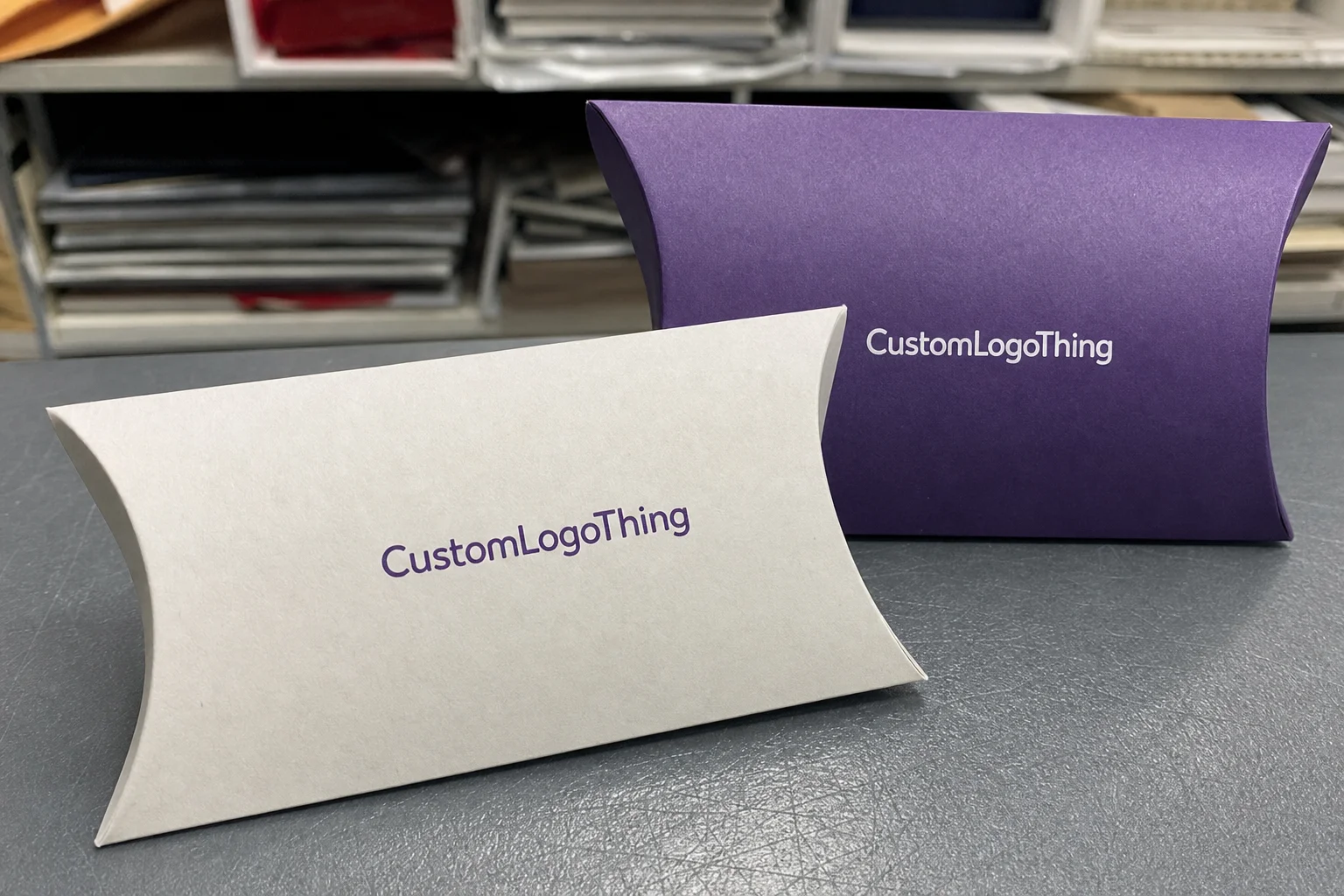
Print methods and finishes can add depth without clutter. Foil stamping can create a small, deliberate highlight. Embossing and debossing can make the logo tactile. Spot UV can create contrast without another ink color. A soft-touch coating can give the surface a velvety feel that suggests care even before the box opens. I’ve seen a 350gsm SBS carton with nothing but black type and a blind emboss outperform a full-bleed CMYK design in perceived value, simply because the tactile finish was more memorable. That’s not always the case, but it happens often enough to matter. In fact, a blind emboss on a 28 mm logo often costs less than a full foil pass, especially on runs under 3,000 units in Shenzhen or Dongguan.
Minimal designs also demand better brand assets. If your logo spacing is inconsistent, if your typography changes from one product line to the next, or if your color palette shifts between files, minimalist boxes expose the inconsistency fast. Dense graphics can conceal weak brand systems. Minimalist packaging cannot. It forces brand discipline. That’s why package branding teams who want minimalism often need a style guide before they need artwork. A one-page spec with logo clear space, Pantone values, and type sizes can save 2-3 revision rounds.
There’s a production angle too. Fewer graphics sometimes mean fewer print complications, but simplified art can expose defects more clearly. A hairline registration shift, a scuff in the coating, or a board warp that would disappear in a busy illustration suddenly becomes obvious. In one supplier negotiation in Hangzhou, I watched a buyer ask for a “simple white box” on a narrow budget. The converter warned them that white on uncoated board would reveal transit marks from the final pack-out process. They changed the board spec to a better-coated paperboard and saved themselves a messy launch. That is the practical side of tips for minimalist custom packaging boxes: clean looks require cleaner execution. A switch from uncoated stock to 350gsm C1S artboard added only $0.03 per unit on a 10,000-piece order, but it cut visible scuff complaints almost immediately.
Compared with densely printed boxes, minimalist versions usually feel calmer and more premium, but they can also feel less forgiving. Loud designs hide edge variation. Minimal ones highlight it. That is why production quality matters so much for retail packaging that aims to be restrained. A 0.5 mm corner crush on a busy carton might pass unnoticed; on a white box with one black logo, it looks like a mistake someone decided to keep.
Key Factors Behind Effective Minimalist Custom Packaging Boxes
Material choice is the first big decision. Kraft, rigid board, corrugated, and paperboard each tell a different story. Kraft can signal natural, honest, and lower-impact, but it can also make light colors look muted. Rigid board gives you structure and a premium feel, which is why I often see it used for electronics, skincare sets, and gift packaging. Corrugated works well for shipping-focused mailers, especially when the brand wants protection and a clean exterior. Paperboard is versatile and cost-efficient for many custom printed boxes, especially if the goal is a lighter retail carton that still looks polished on shelf. In practical sourcing terms, a 350gsm C1S artboard carton from Dongguan may be ideal for cosmetics, while a 1.5 mm grayboard rigid setup from Foshan suits a higher-end gifting run.
Color strategy comes next. In minimalist packaging, one to three colors often outperform a full-color approach because the eye reads the message faster. I’m not saying every brand should avoid CMYK. Sometimes a complex formula requires it. But if the product can be represented with a tight palette, the result often feels sharper. Black, white, kraft, one accent tone. That combination can do more than six colors packed into a busy layout. The visual simplicity also helps keep production proofs easier to approve, which can save time when you are juggling multiple suppliers. A one-color black-on-white carton can often be produced for $0.12 to $0.20 per unit at 5,000 pieces, while a four-color process job may add $0.05 to $0.09 per unit depending on the press setup.
Typography matters more than people expect. I’ve watched beautiful packaging fail because the font looked elegant on a monitor but collapsed in a 7 pt print size. Minimalist boxes need a strong hierarchy: brand name, product line, key descriptor, and perhaps one compliance line. Nothing should fight for attention. A sans serif can feel modern and direct. A serif can feel refined and editorial. Pairing two typefaces is fine, but three often becomes too busy unless the system is exceptionally controlled. One of the best tips for minimalist custom packaging boxes is simple: if the font cannot be read at arm’s length in a dim aisle, it is not doing its job. On shelf tests in Singapore and Hong Kong, I’ve seen 8 pt gray text vanish entirely under warm retail lighting.
Structural format contributes to minimalism without relying on decoration. A tuck-end carton can feel crisp and economical. A mailer box gives you a broad canvas for a centered mark and a neat inside print. A sleeve over a tray can create a layered reveal without adding graphics. Rigid Setup Boxes work well when the product needs gift-level presentation or repeated handling. The structure itself becomes part of the branding, which is why many premium systems use restrained printing and let the form speak. A mailer with a 3 mm E-flute insert can feel perfectly premium for DTC orders, especially when the outside uses a single-color logo and the inside stays unprinted.
Pricing is where people sometimes get surprised. Simpler art can reduce some printing costs, especially if you cut color count or avoid heavy ink coverage. But premium board, custom dies, foil, embossing, and specialty coatings can offset those savings. I’ve quoted jobs where a minimalist carton with one ink and matte varnish landed around $0.18/unit at 5,000 pieces, while a rigid box with a custom insert and foil logo jumped above $1.10/unit at the same volume. The design looked simpler in the first case, but the total package was more economical because the structure was basic and the finish was restrained. Price depends on board, size, run length, and tooling. If you add a custom insert in EVA or molded pulp, expect another $0.10 to $0.40 per unit depending on the cavity count and factory location.
Sustainability is another reason brands pursue minimalism. Less print coverage can support easier recycling in some packaging formats. Lighter packs may reduce shipping footprints. Recycled board can align well with a stripped-back aesthetic, especially if the design lets the natural fiber show through. Still, not every “eco” box is automatically better. A low-ink carton made with poor-quality material can create more damage and more replacement shipments. That’s not sustainable. The smart version of minimalism uses materials intentionally, not just visually. For broader packaging and recycling context, the Forest Stewardship Council provides a useful reference point for responsibly sourced fiber content. In Guangzhou and Shenzhen, many converters can source FSC-certified board with a 7 to 10 business day procurement window if the paper mill has stock.
| Packaging option | Typical visual style | Relative cost | Best use case |
|---|---|---|---|
| Kraft paperboard carton | Natural, warm, understated | Low to moderate | Subscriptions, wellness, eco-positioned retail packaging |
| Soft-touch rigid box | Premium, quiet, tactile | Moderate to high | Gift sets, cosmetics, luxury product packaging |
| Mailer box with one-color print | Clean, direct, e-commerce friendly | Low to moderate | Shipping, DTC unboxing, branded packaging |
| Uncoated white tuck-end carton | Simple, clinical, flexible | Low | Lightweight SKUs, supplements, small consumer goods |
If you’re evaluating material options, I usually tell clients to compare them against three questions: Does the structure protect the product, does the surface support the design, and does the price hold up at scale? If one of those answers is weak, the box will feel incomplete no matter how good the artwork is. That is one of the most overlooked tips for minimalist custom packaging boxes. A clean carton that crushes in transit is not minimalist. It’s just underbuilt.
Step-by-Step Process and Timeline for Minimalist Packaging
The process starts with the job, not the artwork. Ask what the box has to do. Is it retail packaging sitting on a shelf for 60 days? Is it a shipping box that needs to survive transit drops? Is it a gifting carton where opening the lid is half the brand experience? If you do not define the purpose first, the design will drift. I’ve seen teams spend weeks arguing about shade differences while nobody had confirmed whether the product needed a dust flap or a shipper insert. On a 2,500-unit skincare launch in Atlanta, that missing detail added an entire week because the team had to rework the insert spec after sampling.
Step two is the brand audit. Decide what must appear on the box. For some brands, it’s logo, product name, and a simple tagline. For others, especially regulated products, there are legal copy requirements, batch codes, warnings, or storage instructions. Minimalist custom packaging boxes are not blank canvases. They still have obligations. The challenge is fitting required content into a restrained layout without making the design look crowded. A supplement box in California may need UPC placement, supplement facts, and lot coding zones, all while keeping the front panel clean.
Step three is structural development. Before you polish artwork, build the dieline and check the box style. A mailer, sleeve, or rigid setup box changes how the graphics read. Fold lines can cut through a logo. The closure can interrupt a sentence. Inner panels can become surprise branding opportunities if you plan them. I once sat in a sample room in Dongguan where a client discovered that their logo landed 4 mm too close to a flap fold. On a screen, it looked fine. In hand, it felt sloppy. That sort of problem is why prototyping matters. Even a 0.8 mm shift in flap allowance can change how the lid closes.
Step four is the minimalist layout. Set clear rules: one dominant focal point, two supporting text zones, and consistent margins around all edges. If the box is large, use whitespace aggressively. If the box is small, do not overfill it with tiny copy. Minimalist packaging works best when the eye knows where to land first. The design should feel calm in 2 seconds, not explain itself in 20. For a 120 x 120 x 35 mm mailer, I often recommend at least a 12 mm outer margin so the front panel doesn’t feel crowded after folding.
Step five is sampling. Request physical mockups, not just digital renderings. I want to see how the box folds, how the logo sits under store lighting, and whether the finish photographs well in a hand-held shot. That last point matters more than it used to because packaging now lives in product pages, social feeds, and unboxing clips as much as it does on shelf. A finish that looks rich in person but dull on camera may not be the right choice. A proof that looks slightly stark on a monitor may come alive under natural light. Most suppliers in Shenzhen or Xiamen can turn around a paper sample in 3 to 5 business days if the dieline is approved.
Step six is approval and production timing. Simple designs often move faster, but not always. A minimalist box with a standard dieline and one-color print can move through design, sampling, and manufacturing in roughly 12 to 15 business days from proof approval if the materials are in stock. Add custom foil, embossing, a unique insert, or multiple SKUs, and the timeline can stretch significantly. That’s normal. Production is a chain, not a switch. Every change introduces another check. A rigid setup box with foil stamping in Dongguan may take 18 to 22 business days, especially if the factory needs to order special paper or magnetic closures.
The cleanest timing plans I’ve seen usually leave room for revisions. One round of artwork edits. One round of samples. One final quality check. If you’re ordering custom printed boxes for a launch, build that cushion in from the beginning. It costs less than rushing air freight later. A last-minute air shipment from Shenzhen to Chicago can erase any savings from a low-cost print quote in under 48 hours.
Common Mistakes When Designing Minimalist Custom Packaging Boxes
The first mistake is mistaking empty space for weak design. Whitespace is not leftover space. It is a design element. If it feels accidental, the box will feel unfinished. The best minimalist packages use whitespace with intention, balancing margins and focal points so the customer senses order rather than absence. On a 100 x 60 mm carton, even a 5 mm shift in margin can make the front panel feel lopsided.
The second mistake is using too many finishes. I’ve reviewed boxes where someone added embossing, foil, spot UV, and a matte laminate all at once. The result was not premium. It was cluttered with expensive choices. Minimalism falls apart when every available effect gets used simply because the budget allows it. One finish, maybe two, is usually enough if the structure and typography are already strong. A soft-touch laminate plus a blind emboss is often cleaner than soft-touch, foil, spot UV, and a metallic ink trying to get along in the same 140 mm panel.
Hierarchy gets ignored more often than people admit. A box can look clean and still confuse a buyer if the brand name competes with the product name, or if the model number is louder than the product benefit. On a shelf, confusion costs sales. In e-commerce, it costs clicks. In both cases, the box should answer the customer’s first question in one glance. If the shopper has to read three lines before they understand what’s inside, the box is doing too much and saying too little.
Practical copy is another weak spot. Minimalist packaging still needs the essentials. Shipping labels, warnings, ingredients, barcode zones, origin details, and carton spec text may be required depending on the product. Removing too much text can create compliance headaches or retailer rejections. That is not a design issue anymore. It becomes a business problem. For supplements sold in the U.S., the back panel often needs a specific legal hierarchy, and that can’t be hand-waved away by a pretty mockup.
Choosing thin or flimsy materials to save money is a false economy. A low-cost board may collapse corners, scuff at the edges, or buckle in transit. Even a beautifully printed design will feel disappointing if the box has no strength. I once saw a brand try to “go minimalist” by switching to a lighter carton without testing pack-out pressure. Their returns rose in the first month because the lids crushed in the warehouse. A cleaner look is not worth it if the product arrives damaged. A jump from 280gsm stock to 350gsm C1S artboard would have cost them about $0.02 per unit and saved a warehouse headache in Dallas.
Skipping samples is another shortcut that causes trouble. On-screen colors, spacing, and logo placement almost never match the final physical box exactly. A 1 mm shift in print registration can be invisible in a busy design and obvious on a minimal one. That is why the sampling stage is non-negotiable for serious package branding. If your supplier says, “We can skip the sample,” what they mean is, “We’d like to discover the problem after you’ve paid for 10,000 units.”
Finally, too many brands design only for aesthetics. The box must also stack, ship, and photograph well. Unboxing matters, yes. So does aisle visibility and transit strength. If the customer likes the box but the warehouse hates it, the project will suffer. The strongest tips for minimalist custom packaging boxes account for all three environments: shelf, shipper, and camera. A package that looks great in a studio but fails a 1-meter drop test is a future refund.
Expert Tips for Minimalist Custom Packaging Boxes
Use one bold brand cue. Just one. It could be a centered logo, a color block, a texture shift, or a line of foil on the lid. A single cue can do more than a crowded layout because the customer actually remembers it. I’ve seen a plain white rigid box with a blind debossed logo outperform a heavily illustrated competitor in perceived sophistication, especially after the unboxing moment. That is not luck. It is restraint. On a 3,000-piece run in Suzhou, that single deboss added only $0.06 per unit and did more for brand recall than a full sleeve of extra graphics.
Treat material as design. Kraft, matte board, uncoated stock, and soft-touch finishes each communicate something before the graphic system even begins. In one supplier negotiation in Foshan, a beauty brand wanted to add another ink color to “make it richer.” I asked whether they had considered moving to a smoother board instead. They tested both. The smoother board won, and they saved a print pass. That is a real-world example of why tips for minimalist custom packaging boxes should include substrate thinking, not just layout thinking. A 400gsm matte laminated carton can feel more premium than a busy six-color sheet ever will.
Limit decisions by systemizing them. Create rules for logo size, safe zones, palette, type hierarchy, and finish placement. That makes multi-SKU packaging easier to manage because you are not redesigning from scratch each time. If your brand grows from three products to twelve, a system beats improvisation every time. It also keeps branded packaging consistent across seasonal runs and replenishment orders. A proper template can reduce artwork revisions from 4 rounds to 1 or 2, which is a gift to everyone involved.
Design for photography. Minimalist boxes need to look good in a 1:1 product image, a vertical unboxing video, and a thumbnail on a marketplace listing. Thin lines can disappear. Pale gray text can wash out. Gloss can reflect too much. Ask your photographer, or at least your packaging supplier, how the box will behave in different light. That small step prevents a lot of disappointment later. If your box is destined for Amazon, TikTok, and a retail shelf in Chicago, you need a finish that works in all three places, not just under studio strobes.
Think in contrast, not clutter. Matte with gloss. Dark with light. Smooth with textured. Flat with raised. Contrast adds depth without creating noise. I often recommend one tactile contrast and one visual contrast, then stop. That balance keeps the design elegant and readable. A matte white carton with a gloss logo varnish and a 1.5 mm embossed edge can feel much more finished than a logo surrounded by four different special effects trying to prove a point.
Order samples before committing to scale. A production test of 100 or 250 units may seem like a delay, but it is cheaper than reworking 10,000 boxes after a print issue shows up. I’ve seen teams skip the sample because the proof “looked perfect.” Then the first full run arrived with a tone shift that only showed up under retail LEDs. The sample would have caught it. Painful lesson. Cheap correction. In practical terms, a 250-unit sample batch from Dongguan might add $120 to $180, which is laughably small compared with a pallet of rejects.
Build flexibility into the design. If you know a product line may expand, create a packaging framework that can handle variant names, different sizes, or color-coded sub-lines without starting over. That is especially useful for subscription brands and growing DTC labels. The right system lets you add SKUs without exploding your artwork budget. A single master dieline with interchangeable front-panel copy can save weeks when a new flavor, fragrance, or size launches later.
If you are sourcing materials or product packaging support, a practical starting point is our Custom Packaging Products page, where you can compare formats before finalizing the structure. That one step can save weeks later, especially if you are debating mailers versus folding cartons versus rigid presentation boxes. It also helps you spot where a 350gsm artboard carton makes more sense than a heavier rigid build.
My honest opinion? Minimalism works best when the brand already knows what it stands for. If the identity is fuzzy, the box will be fuzzy too. The strongest tips for minimalist custom packaging boxes are not visual tricks. They are strategic filters. If your packaging team cannot define the product promise in one sentence, the box should not pretend to do it for them.
Action Steps to Launch Minimalist Packaging the Right Way
Start with a final checklist. Confirm the product name, logo placement, material choice, finish, compliance copy, and box purpose. If any one of those is unresolved, pause. That small discipline avoids expensive rework. I’ve seen launch teams approve packaging before they had chosen the exact substrate, then spend two weeks rethinking the color after the sample arrived. It’s avoidable. Also, deeply annoying. A 20-minute checklist in the morning can save a 10,000-unit headache in the afternoon.
Create a comparison matrix for two or three packaging options. Compare cost, durability, visual fit, and lead time side by side. For example, a tuck-end carton might win on price, a mailer box might win on unboxing, and a rigid setup box might win on premium feel. The right answer depends on the product and the margin. Not always the same answer. Not even close. If the product sells for $18, a $1.05 box can be fine. If it sells for $4.99, you need a much tighter structure.
Request physical samples and evaluate them in three settings: under store lighting, in shipping conditions, and in product photography. That triad reveals different weaknesses. Store lighting shows reflectivity. Shipping shows structural weakness. Photography shows contrast and spacing. A box that passes all three is usually a strong box. I like to test samples in a warehouse in Shanghai, near a window, and under an LED shelf light, because the color shift between those three conditions can be brutal.
Approve only after checking every angle. Front panel, side panel, lid, inside print if applicable, and bottom panel. Minimalist designs can look great head-on and awkward from the side if the text wraps poorly or the seam lands in the wrong place. I’ve had clients fall in love with a front view only to realize the side panel looked like an afterthought. That mistake is cheap to catch early and expensive to fix late. A 6 mm side seam misalignment may sound small until the box sits in a retail tray for six months.
Roll out one product line first. Don’t launch every SKU at once unless the system is already proven. A controlled rollout lets you verify print consistency, pack-out speed, shipping performance, and retailer response. Once the structure and artwork system work for one line, expanding becomes much easier. A pilot run of 1,000 to 2,000 units in Shenzhen or Xiamen is often enough to spot the issues before you commit to a 15,000-unit reorder.
The best tips for minimalist custom packaging boxes are the ones that cut noise while protecting the product, the brand, and the budget. Minimalism is not about removing effort. It is about putting effort in the right place. If you do that, the box feels calm, the brand feels intentional, and the customer feels the difference before they ever open the lid. If you need one practical rule to carry forward, use this: pick one visual cue, one structural decision, and one finish, then test them physically before you approve anything in bulk.
FAQ
What are the best tips for minimalist custom packaging boxes for small brands?
Start with a strong logo, one or two colors, and a simple structure. Use material quality and typography to create premium perception instead of adding more graphics. For small brands, the smartest tips for minimalist custom packaging boxes usually focus on consistency across every SKU, because repetition builds recognition fast. A 350gsm C1S carton with a one-color print in Dongguan can often keep the unit cost around $0.14 to $0.20 at 5,000 pieces.
How do tips for minimalist custom packaging boxes help reduce costs?
Fewer colors and less ink coverage can lower printing complexity, especially on larger runs. However, premium board, special finishes, and custom structures can still raise the final price. Cost control works best when the visual system and the material spec are planned together. For example, a one-color foldable carton from Guangzhou may cost $0.15 per unit at 5,000 pieces, while adding foil and embossing can push that above $0.40 per unit fast.
What box style works best for minimalist custom packaging boxes?
Mailer boxes, rigid boxes, and simple tuck-end cartons often work well because they offer clean surfaces. The best choice depends on product weight, shipping needs, and the brand’s shelf presence. A light cosmetic item may fit neatly in a paperboard carton, while a gift set may need a rigid setup box to feel complete. In Foshan or Shenzhen, many brands choose a mailer with E-flute or a 350gsm carton for the best balance of cost and presentation.
How long does it usually take to produce minimalist custom packaging boxes?
Simple designs usually move through sampling and production faster than highly decorated packaging. Lead time still depends on dielines, approvals, materials, and whether custom finishes are included. A straightforward job can move in roughly 12 to 15 business days after proof approval if materials are available, while more complex systems need longer. If you need a rigid box with foil stamping from Dongguan, plan for 18 to 22 business days instead.
Can minimalist custom packaging boxes still feel premium?
Yes. Premium feel often comes from texture, structure, spacing, and finish rather than heavy graphics. A restrained design can look more expensive when every visible detail is intentional. That is one of the core tips for minimalist custom packaging boxes: make each decision count, and the result will feel deliberate instead of bare. A blind emboss on a soft-touch carton from Suzhou can feel far richer than a busy full-color box from a cheaper line.