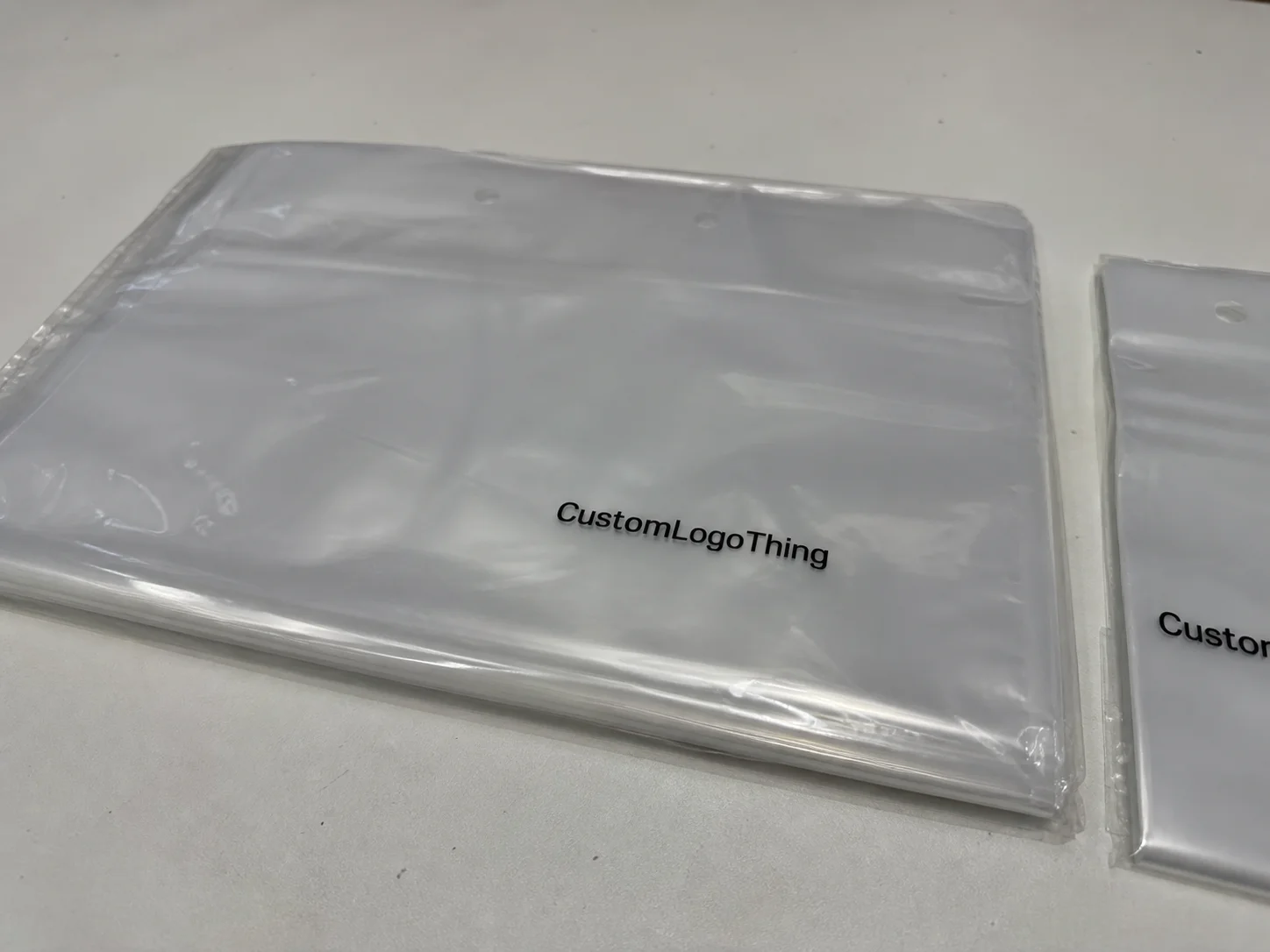
Buyer Fit Snapshot
| Best fit | Optimize Packaging Supplier Performance Effectively projects where brand print, material claims, artwork control, MOQ, and repeat-order consistency need to be specified before quoting. |
|---|---|
| Quote inputs | Share finished size, material target, print colors, finish, packing count, annual reorder estimate, ship-to region, and any compliance wording. |
| Proofing check | Approve dieline scale, logo placement, barcode or warning zones, color tolerance, closure strength, and carton packing before bulk production. |
| Main risk | Vague material claims, crowded artwork, missing packing details, or unclear freight terms can make a low unit price expensive after revisions. |
Fast answer: Optimize Packaging Supplier Performance Effectively: Material, Print, Proofing, and Reorder Risk should be specified like a repeatable production item. The safest quote records material, print method, finish, artwork proof, packing count, and reorder notes in one written spec.
Production checks before approval
Compare the actual filled-product size with the drawing, then confirm tolerance on folds, seals, hang holes, label areas, and retail display edges. Reserve space for logos, QR codes, warning copy, and material claims before decorative graphics fill the panel.
Quote comparison points
Review material grade, print process, finish, sampling route, tooling charges, carton quantity, and freight assumptions side by side. A quote is only useful when the supplier can repeat the same color, closure quality, and packing count on the next order.
I still remember the Thursday morning a missed corrugate flute callout cost one brand $48,600 in seven days. The spec said C-flute, 32 ECT minimum, but a mixed lot arrived closer to light B-flute behavior and failed edge crush at receiving. By Monday, pallets were leaning, ship cases were buckling in a humid 78% RH warehouse, and the team was paying expedited LTL just to keep shelves stocked. If you’re serious about how to optimize packaging supplier performance, that story is the point: tiny spec drift in product packaging can trigger expensive operational chaos fast.
Most teams I audit reduce supplier performance to two numbers: on-time delivery and unit price. Then complaint rates climb from 0.8% to 2.4% in one quarter and everyone acts surprised. Real performance includes quality consistency, reaction speed during line issues, adherence to dieline and print tolerances, engineering collaboration, and total landed cost across freight, handling, and damage returns.
I’ve sat in enough cross-functional war rooms to know the pattern. Procurement asks for a $0.03 reduction. Operations asks for schedule stability. Quality asks for tighter AQL controls. Finance flags expedite spend. Brand escalates color mismatch on shelf-facing retail packaging. Every team is right, and every team is kinda frustrated with the others. That’s exactly why how to optimize packaging supplier performance is not a procurement-only project; it’s a business control system tied to margin, service, and trust.
You’ll get a practical framework here: scorecards, governance cadence, corrective action discipline, and methods to improve output without turning supplier relationships adversarial. I’ll also share tactics we used in Shenzhen folding-carton plants, a rigid-box program in Dongguan, and a corrugate conversion partner in Ohio where we cut damage claims by 41% in two review cycles.
How to Optimize Packaging Supplier Performance: Why It Matters More Than Most Teams Realize
One missed tolerance can ripple through an entire network. A 1.5 mm deviation in slot width on an auto-bottom carton sounds minor during prepress approval, but on lines running 120 units per minute, it can trigger feeding jams every 18-22 minutes. Each jam can burn 6-10 minutes of downtime plus labor reset. Across three shifts, your “small” issue just consumed roughly 14-18 production hours in a week.
Teams working on how to optimize packaging supplier performance usually discover the same truth: OTIF at customer level improves when upstream process controls improve first. Fulfillment failures are often born in board selection, print registration control, adhesive cure windows, and unmanaged spec changes, not at the warehouse dock.
I remember a beverage client where everyone blamed carriers for transit dents. We traced a defect spike from 0.9% to 3.1% over six weeks and found the root cause wasn’t rough handling. It was a quiet substitution from 350gsm SBS to 330gsm FBB with lower stiffness, approved informally in email without engineering sign-off. That’s what weak governance around how to optimize packaging supplier performance looks like in real life (and yes, that email thread had 43 replies and no clear owner).
Performance also includes innovation, not just compliance. Strong suppliers recommend board optimization, pallet cube improvements, and print-layout revisions that cut ink coverage by 6-9% without hurting visual quality. I’ve seen suppliers save $0.018 per unit on a 220,000-unit run by reworking panel nesting and reducing trim waste from 11% to 7.4%. Those gains matter more than headline unit pricing in isolation.
Cross-functional stakes are straightforward:
- Procurement: contract stability, index-linked raw material terms, supplier risk exposure.
- Operations: line uptime, changeover efficiency, launch timing, inventory accuracy.
- Quality: defect PPM, CAPA closure rates, repeat incident prevention.
- Finance: margin protection, premium freight reduction, claim avoidance.
- Brand/Marketing: color consistency (Delta E), finish quality, package branding integrity.
The quickest way I explain how to optimize packaging supplier performance: treat packaging suppliers like manufacturing partners, not order takers. Teams that only issue POs spend their year reacting. Teams that run shared KPIs and technical reviews prevent issues before receiving ever sees them.
How Packaging Supplier Performance Works Across the Real Supply Chain
Better outcomes start with a failure map. A standard flow is brief -> structural engineering/dieline -> prototype sample -> material qualification -> artwork and color proof -> production run -> final QA release -> freight booking -> receiving inspection. Every handoff carries risk, and how to optimize packaging supplier performance depends on controlling those handoffs with explicit criteria.
I’ve watched launches derail at sample approval because the approved sample was dry-tested only. Once filled product sat 72 hours at 68% humidity, panel warp moved from 1.2 mm to 3.9 mm and failed shelf presentation standards. Approval conditions should mirror real use conditions, not lab-perfect snapshots. If packaging works only in perfect weather, it doesn’t work.
Lead times hide another common trap. Paperboard lead times can run 10-28 days depending on grade and region. Specialty coatings often add 5-7 days. Foil or emboss tooling rework can add 4-8 days. Corrugate sheet availability for B-flute vs C-flute shifts with mill schedules, especially around holiday peaks. Teams that ignore those dependencies often label normal constraints as supplier underperformance. I get the frustration, but physics and mill calendars don’t negotiate.
A practical control stack for how to optimize packaging supplier performance includes:
- SOP-driven stage gates with signed approvals.
- PPAP-like documentation for high-risk SKUs (material certs, first-article records, process settings).
- First-article inspections tied to measurable specs (ECT, BCT, glue bond strength, color Delta E).
- Lot traceability by production date, shift, press, and operator line.
- Change-control logs requiring dual approval from buyer and supplier quality lead.
At one Suzhou factory I visited, lot-level QR traceability on every pallet label allowed the team to isolate a print-scuff defect in 40 minutes instead of quarantining a full 160,000-unit batch. That speed kept 87% of inventory shippable and prevented unnecessary scrap.
Prototype-to-production transitions deserve extra attention. I recommend a formal transition window with at least one pilot at commercial speed, one receiving-site packaging line trial, and one post-trial engineering review. Skip those steps and delays compound: a 3-day approval slip can become a 2-week launch miss once production slots are gone.
Teams building stronger branded packaging programs can’t fake process discipline. Good packaging design performs only when substrate, print process, and logistics conditions are aligned from day one. And if your goal is supplier scorecards that actually change behavior, this discipline is the prerequisite.
Key Factors to Optimize Packaging Supplier Performance Consistently
The pillars below determine how to optimize packaging supplier performance over the long term, not just during one fire drill.
Quality system maturity
A mature supplier runs layered controls: incoming material verification, in-process checks every 30-60 minutes, and final AQL inspections (often ANSI/ASQ Z1.4). For corrugate shippers, I like to see ECT per lot, periodic compression checks, and humidity-conditioned validation where needed. For folding cartons, Delta E tolerance often lands around 2.0-3.0 depending on brand sensitivity and substrate.
Operational reliability
OTIF is baseline, but I also track schedule adherence, unplanned downtime at supplier facilities, changeover duration, and backup tooling readiness. One Custom Printed Boxes supplier kept duplicate die sets in separate locations, cutting outage recovery from five days to under 36 hours after a tooling crack.
Communication performance
Response-time SLAs matter. Critical issues should be acknowledged within two hours, with a containment plan inside 24 hours. Weekly tactical calls keep line-level details visible; monthly business reviews expose trends. Shared dashboards reduce arguments about numbers and keep teams on actions.
Commercial clarity
Contracts should spell out paper index movement rules, freight assumptions, tooling amortization (for example, a $1,200 die spread across the first 80,000 units), MOQ breakpoints, and payment terms. Ambiguity creates conflict. Clear rules support stronger execution of how to optimize packaging supplier performance.
Continuous improvement behavior
The strongest suppliers run quarterly Kaizen events and defect Pareto analysis. They don’t send apology emails and call it done; they show cause trees, corrective verification data, and sustained results at 30 and 60 days. We used 5 Whys on recurring glue failures and found viscosity drift caused by storage near a 31°C heat vent. Relocating adhesive inventory and adding temperature checks cut failures by 73%.
If you need third-party references for internal buy-in, use ISTA for transit test protocols and FSC for responsible fiber sourcing claims. Standards won’t run your supplier program for you, but they do tighten accountability.
Step-by-Step: How to Optimize Packaging Supplier Performance in Your Operation
Here’s the field-tested sequence I use with teams asking how to optimize packaging supplier performance across multiple SKUs and suppliers.
Step 1: Baseline 6-12 months of performance data
Collect OTIF, defect PPM, complaint rate, lead-time variability, expedite freight spend, and packaging-related line stoppages. Assign one owner per metric. I prefer monthly trend lines plus a rolling 3-month average to remove noise. A baseline may show OTIF at 89%, defect at 2,800 PPM, and expedite spend at $22,000 per quarter. That is your reality, whether anyone likes it or not.
Step 2: Build a weighted supplier scorecard
Set weights by business impact. A common model: quality 35%, delivery 25%, cost/TCO 20%, responsiveness 10%, innovation 10%. Define each metric precisely. Example: OTIF counts only complete PO lines delivered in the agreed window, not partial shipments. Soft definitions turn scorecards political, and political scorecards are worse than useless.
| Metric | Definition | Weight | Target | Red Threshold | Data Source |
|---|---|---|---|---|---|
| OTIF | On-time and in-full by PO line | 25% | >= 96% | < 92% | ERP receiving log |
| Defect PPM | Defective units per million received | 35% | <= 1200 | > 2500 | QA inspection records |
| Lead-time Adherence | Actual vs agreed lead time variance | 10% | <= +2 days | > +5 days | PO + ASN timestamps |
| Responsiveness SLA | Issue acknowledgment and action timing | 10% | 2h/24h | >4h/>48h | Email ticket logs |
| TCO Variance | Unit + scrap + freight vs plan | 20% | <= +1.5% | > +4% | Finance dashboard |
Step 3: Standardize specifications and approval gates
Document board grade, caliper range, ECT/BCT targets, ink system, coating type, glue standard, seal strength, pallet pattern, and label format. Replace vague words like “premium” with measurable tolerances. Control samples should be photo-logged and physically retained; I typically require two sealed references per SKU at both buyer and supplier sites.
Step 4: Set communication cadence
Weekly tactical call (30 minutes): open PO risk, capacity, defects in containment, artwork blockers. Monthly business review (90 minutes): KPI trends, cost actions, forecast updates, launches. Quarterly performance review (2-3 hours): capability upgrades, strategic alignment, and commercial terms.
Step 5: Launch joint improvement plans on top three recurring problems
Pick no more than three issues at a time. Assign owners, dates, and success criteria. If carton crush repeats, actions may include board requalification, pallet corner board additions, and revised stretch-wrap force settings (for example, increasing pre-stretch from 55% to 65%). Verify with post-change testing, not verbal reassurance.
Step 6: Build risk controls
Dual-source critical SKUs where volume supports it. Define safety-stock policy by risk class, such as two weeks for top revenue SKUs and one week for slower movers. Secure surge-capacity commitments in writing, including max additional volume and lead-time impact. Keep a contingency freight playbook with named carriers and approval thresholds.
Step 7: Tie performance to outcomes and incentives
Preferred status, volume allocation, and longer commitments should follow consistent performance. Repeated misses should trigger structured corrective terms, not emotional escalation. If you want a practical answer to how to optimize packaging supplier performance, this is it: make consequences predictable and data-based.
“After we switched to weighted scorecards and monthly governance, our defect rate dropped from 3,200 PPM to 1,450 PPM in five months, and expedite freight spend fell by 38%.” — Operations Director, mid-size consumer goods brand
If you’re scaling retail packaging assortments, this structure keeps complexity manageable. If you need broader format coverage, map your sourcing mix against current requirements on our Custom Packaging Products page and align each supplier to clear capability lanes.
Cost and Pricing Levers That Improve Supplier Performance Without Cutting Corners
Teams working on how to optimize packaging supplier performance often start with price cuts. I start with total cost of ownership. A carton that is $0.02 cheaper can still lose money if it increases jams, transit damage, or reprint rates.
Use a TCO model including unit price, setup scrap, line downtime, rework labor, return claims, inventory carrying cost, and premium freight. I’ve reviewed a program that looked cheaper at $0.26/unit versus $0.28, then added $31,000 per quarter in damage-related credits and expedited replenishment. Real cost was higher despite the lower unit price.
Performance-linked pricing can work if it’s fair. Example: a 1.5% quarterly rebate when OTIF stays above 97% and defect PPM stays below 1,200. Apply penalties only after repeated misses and failed CAPA closure, not one-off force majeure events.
Should-cost modeling keeps negotiations technical. For folding cartons, break cost into board grade, sheet utilization, print coverage, setup waste, run length, finishing steps (foil, UV, emboss), and pack-out configuration. For rigid boxes, include wrap paper, greyboard thickness (1.5 mm vs 2.0 mm), hand-assembly labor, and added hardware like magnets or ribbons.
Forecast quality is a huge lever. Suppliers run better with stable 12-week visibility and tighter variance bands. In one case, improving forecast accuracy from +/-35% to +/-12% reduced changeovers by 22% and improved service levels by six points.
Batch-size strategy should balance working capital and service risk. Running 50,000-unit lots may reduce setup cost but tie up cash and increase obsolescence if artwork changes. Running 8,000-unit lots improves agility but raises setup frequency and unit cost. There is no universal best answer; demand variability and shelf-life constraints decide it.
Guardrails are non-negotiable. Any cost initiative tied to how to optimize packaging supplier performance should prohibit silent downgrades in board grade, burst strength, adhesive type, or coating system without formal approval and revalidation testing. I’m blunt here because I’ve seen tiny swaps wreck quarterly results.
For teams comparing custom printed boxes and shipping formats, align options early through the Custom Packaging Products catalog so engineering and sourcing stay synchronized. That’s how you improve supplier collaboration before pricing discussions get tense.
Common Mistakes That Hurt Packaging Supplier Performance (and How to Fix Them)
Mistake one: choosing suppliers on unit price alone. Fix it with multi-metric scorecards and TCO reporting. I’ve seen a “lowest bidder” choice add 11 stockout incidents in one quarter because reliability was poor.
Mistake two: vague specs. If a spec says “high-quality print,” conflict is guaranteed. Define measurable standards: Delta E tolerance, minimum rub-resistance cycles, glue-bond pass criteria, ECT/BCT thresholds, and allowable scuff area in square millimeters.
Mistake three: no formal escalation path. Use a tiered model:
1) line-level owner within 2 hours,
2) plant manager and buyer within 24 hours,
3) executive review for repeats or severe impact within 72 hours.
Mistake four: infrequent reviews. Quarterly-only check-ins are too slow for most packaging categories. Monthly KPI governance is the minimum cadence I recommend for how to optimize packaging supplier performance.
Mistake five: over-customization. If every SKU uses unique dimensions, substrate, and finish, lead times stretch and single-point failures multiply. Modular architecture—shared footprints and common board specs—reduces complexity while keeping shelf differentiation.
Mistake six: weak launch planning. Pilot runs, line trials, and receiving-site readiness checks should be mandatory for major changes. On one cosmetics launch, a skipped receiving trial meant pallet overhang conflicts were discovered only after 14 containers shipped. Rework exceeded $60,000. I wish I could say everyone stayed calm on that call. They did not.
Good fixes are documented, assigned, and verified. That’s the operating core of how to optimize packaging supplier performance.
Expert Tips and Actionable Next Steps to Optimize Packaging Supplier Performance
These are habits I trust because I’ve watched them work on real factory floors from Monterrey to Ningbo.
Do regular go-and-see floor walks
Twice a year is the minimum for key suppliers. Watch setup practice, ink-mixing control, board storage, and final pack-out. One visit revealed stacked pallet loads exceeding recommended height by 18 cm, which explained recurring bottom-layer crush claims.
Run pre-shift quality huddles for active programs
A 10-minute start-of-shift check reduces surprises. Review previous-shift defects, critical specs, and the day’s highest-risk jobs. This helped one supplier cut first-hour defect spikes by 34%.
Use a photo-based defect library
Create a shared folder with defect names, limits, and annotated examples: fish-eye coating, cracked score lines, flap misalignment, color drift, glue stringing. Faster alignment means faster containment.
Execute a 30-60-90 day action plan
- First 30 days: clean KPI definitions, baseline data, identify top three loss drivers.
- Days 31-60: launch CAPAs, enforce weekly cadence, pilot scorecards with top suppliers.
- Days 61-90: implement commercial incentives, confirm risk controls, present trend improvements to leadership.
Use a practical checklist for next week
- Validate top 10 revenue SKUs for spec accuracy and latest approved artwork.
- Confirm ECT/BCT or structural targets for all shipper formats.
- Start one scorecard pilot with one primary and one backup supplier.
- Schedule monthly KPI review and quarterly executive alignment.
- Open CAPA on the highest-cost repeat issue with closure inside 45 days.
When you report upward, tie supplier metrics to business outcomes: service level, margin protection, complaint reduction, and customer experience scores. Don’t just show OTIF lines; show that OTIF improvement from 90% to 97% reduced expedite freight by $18,400 and improved fill rate by 4.2 points.
If your team is expanding into new SKUs for branded packaging or updated package branding campaigns, align design ambition with supplier capability before launch. You can map requirement-to-format fit using our Custom Packaging Products lineup and avoid late-stage surprises.
One honest disclaimer from experience: no framework eliminates all packaging failures. Weather events, mill outages, port congestion, and sudden promo demand can still hit hard. But if you run this system consistently, you’ll detect risk earlier, contain issues faster, and recover cheaper. That’s the difference between a tough quarter and a broken one.
Final takeaway: if you want to know how to optimize packaging supplier performance, start Monday with three actions—lock metric definitions, launch a weighted scorecard for your top two suppliers, and open one CAPA on the single most expensive repeat defect. Keep that rhythm for 90 days. You’re gonna see whether your supplier program is truly controlled or just busy.
How to Optimize Packaging Supplier Performance: Frequently Asked Questions
What KPIs should I track to optimize packaging supplier performance?
Track OTIF, defect PPM, lead-time adherence, CAPA closure rate, and responsiveness SLA as your core set. Add business-impact metrics like expedited freight spend, damage/return rate, and packaging-related line stoppages. Keep definitions fixed month to month so trends remain comparable.
How long does it take to optimize packaging supplier performance?
Most teams see early movement in 30-90 days after scorecards and review cadence are in place. Structural gains—repeat-defect prevention, lead-time compression, and better commercial terms—typically require 2-3 review cycles. Timing depends on spec clarity, supplier maturity, and internal decision speed.
How can small businesses optimize packaging supplier performance with limited resources?
Start lightweight: 3-5 KPIs, one monthly supplier review, and a focus on top revenue SKUs. Use standardized spec sheets and photo-based acceptance criteria to remove ambiguity quickly. A basic spreadsheet plus a disciplined 60-minute monthly meeting can produce meaningful gains.
Can better pricing terms help optimize packaging supplier performance?
Yes, if terms are tied to outcomes such as OTIF thresholds, defect targets, and forecast quality. Transparent cost breakdowns and stable volume commitments usually drive better cooperation than blunt price pressure. Avoid forcing cuts that create material downgrades or unstable schedules.
What is the best process for handling repeated supplier quality issues?
Use formal CAPA: immediate containment, verified root cause, corrective action, and effectiveness checks after implementation. Escalate by severity with clear timelines and executive visibility for repeats. Require objective evidence—inspection records, training logs, and process-control data—before closure.