Buyer Fit Snapshot
| Best fit | Reduce Packaging Costs for Business projects where brand print, material claims, artwork control, MOQ, and repeat-order consistency need to be specified before quoting. |
|---|---|
| Quote inputs | Share finished size, material target, print colors, finish, packing count, annual reorder estimate, ship-to region, and any compliance wording. |
| Proofing check | Approve dieline scale, logo placement, barcode or warning zones, color tolerance, closure strength, and carton packing before bulk production. |
| Main risk | Vague material claims, crowded artwork, missing packing details, or unclear freight terms can make a low unit price expensive after revisions. |
Fast answer: Reduce Packaging Costs for Business: Material, Print, Proofing, and Reorder Risk should be specified like a repeatable production item. The safest quote records material, print method, finish, artwork proof, packing count, and reorder notes in one written spec.
Production checks before approval
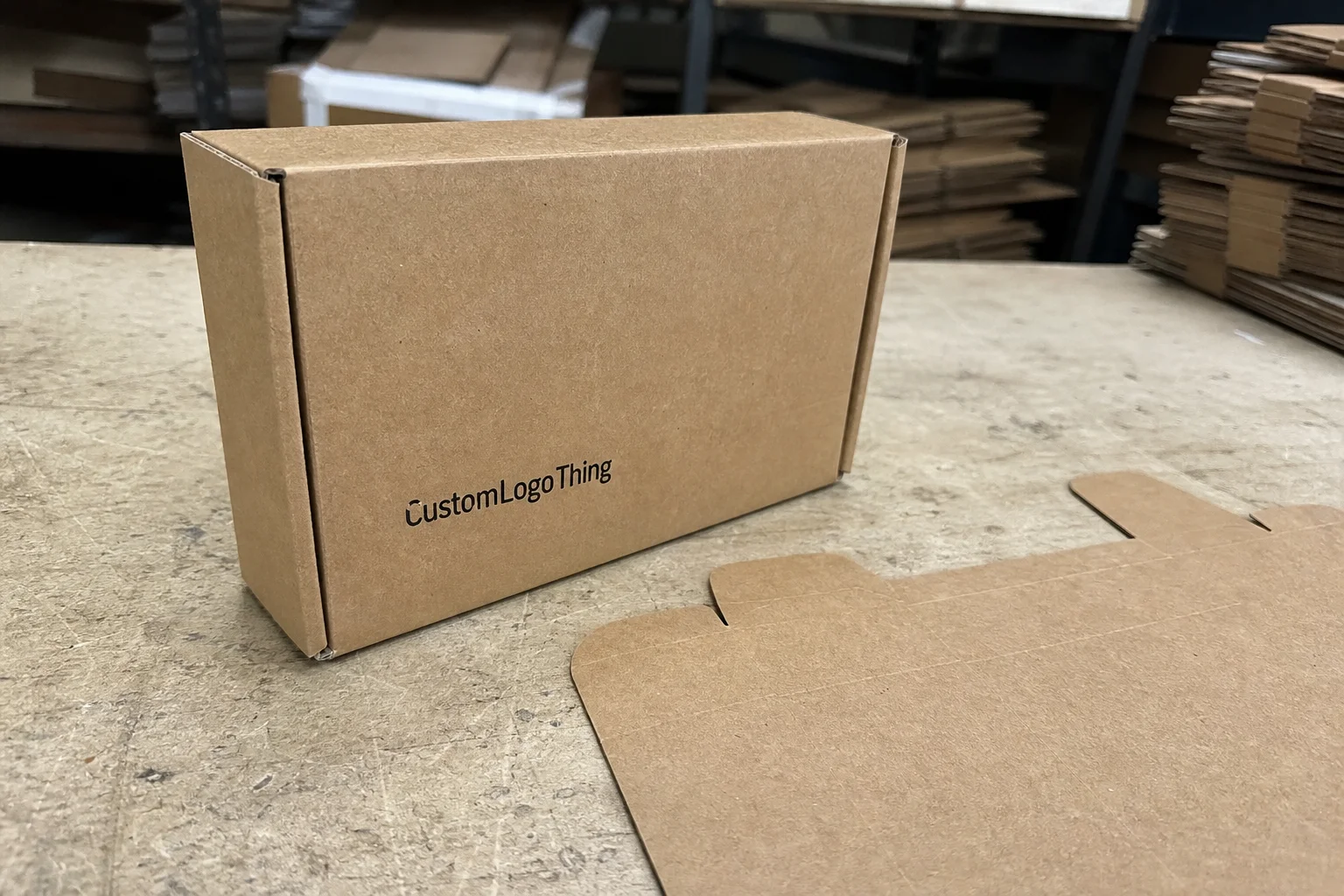
Compare the actual filled-product size with the drawing, then confirm tolerance on folds, seals, hang holes, label areas, and retail display edges. Reserve space for logos, QR codes, warning copy, and material claims before decorative graphics fill the panel.
Quote comparison points
Review material grade, print process, finish, sampling route, tooling charges, carton quantity, and freight assumptions side by side. A quote is only useful when the supplier can repeat the same color, closure quality, and packing count on the next order.
I still remember standing on the corrugate floor in Shenzhen while a brand owner held a carton sample under the fluorescent lights and realized that one extra millimeter of board, plus a glossy finish nobody truly needed, was quietly adding thousands of dollars each month to freight, storage, and rework. That is usually where the real work begins for how to Reduce Packaging Costs for business: not with the cheapest quote on paper, but with a careful look at what each specification is doing to margin, damage rates, and cash flow. Physical goods never travel alone; packaging is part protection, part product packaging, and part brand presentation all at once, whether you are filling 3,000 units a month or 80,000.
At Custom Logo Things, I’ve watched smart buyers cut real spend by changing a carton spec instead of chasing a bargain-bin supplier. A 1.5 mm reduction in box depth, a move away from soft-touch lamination toward aqueous coating, or a shift from full flood print to a restrained two-color build can make a measurable difference in landed cost. How to reduce packaging costs for business gets a lot easier once emotional design preferences are separated from the requirements that actually matter in production and shipping. Honestly, I think that’s the part people resist most, because everyone wants the box to feel “nice” and nobody wants to be the person who says, “We’re paying extra for a finish that looks great in a meeting and gets ignored by customers.”
There’s also a simpler truth that procurement teams learn the hard way: packaging costs rarely rise from one dramatic mistake. They creep up through tiny approvals, a thicker board here, a wider bleed there, and then suddenly the quarter closes with spend that looks weirdly out of line. I’ve seen that happen in plants from Dongguan to Dallas, and the pattern is almost always the same.
Why Packaging Costs Rise Faster Than Most Businesses Expect
I worked with a cosmetics client in Los Angeles who insisted their folding carton had to “feel premium” because they were fighting for attention in retail packaging. Fair enough. The trouble showed up when we opened the file: the board grade was heavier than the product required, the carton had oversized dust flaps, and the artwork used a full-bleed black with a heavy matte film on every panel. Each of those choices looked minor in isolation. On the factory floor in Dongguan, they compounded into a margin leak, and the answer to how to reduce packaging costs for business started with an honest conversation about what shoppers could actually see on shelf.
Most teams get tripped up by unit price alone. That figure is only one part of the story. A carton that costs $0.12 less per unit can still end up more expensive if it ships in a larger cube, takes longer to assemble, needs more void fill, or arrives with a higher damage rate. I’ve watched warehouse teams in Los Angeles and Chicago spend more on labor and replenishment than they saved on the box itself, which is why learning how to reduce packaging costs for business means looking at landed cost, not just the quote. I once had a buyer proudly show me a “cheap” carton deal, and I had to bite my tongue because the freight line item looked like it had been punched in the face.
The biggest hidden cost drivers tend to repeat across industries:
- Oversized boxes that inflate board usage and dimensional freight charges.
- Over-printed graphics that increase ink coverage, setup time, and color matching complexity.
- Unnecessary lamination that adds material cost and slows finishing.
- High freight cube that eats into parcel and pallet efficiency.
- Low order predictability that forces smaller buys and higher per-unit pricing.
That last one gets ignored more often than it should. If forecasts swing from month to month, suppliers cannot plan substrate buys or machine time with confidence, and the quote reflects that uncertainty. I’ve sat through procurement meetings in Guangzhou and Dallas where the buyer wanted annual-program pricing, yet their order history showed three pack counts and two artwork changes in six months. Packaging design helps, but order discipline matters too, especially when your annual volume is closer to 12,000 units than 120,000.
Cutting cost is not the same thing as cutting quality. That is where a lot of teams lose money. They reduce board strength, then pay for crushed corners, customer complaints, and replacements. The stronger path for how to reduce packaging costs for business is to identify the spec elements that truly protect the product, support the shelf, and survive shipping, then trim only the pieces that do not carry their weight.
Production also matters. A design that is easier to cut, fold, glue, and pack will almost always cost less to make than one that asks the line to fight the material at every station. Converting the detail work into cleaner die lines, tighter blank dimensions, and fewer finishing steps lowers cost in ways a glossy mockup will never show. If you’ve ever watched a gluer jam three times in ten minutes at a plant outside Shenzhen, you know exactly how quickly “minor” design decisions turn into a very unfun afternoon.
“The most expensive packaging I see is usually not the prettiest one. It’s the one with avoidable waste built into the spec from the start.”
That is the lens I use every time I review a new quote. If you want how to reduce packaging costs for business to be more than a slogan, start by measuring the cost elements that actually hit profit: board, print, finishing, freight, labor, damage, and inventory carrying cost. A $0.08 unit savings can disappear fast if you are paying an extra $180 per pallet in dimensional shipping and another $65 in warehouse handling over a 5,000-piece run.
How to Reduce Packaging Costs for Business With Smarter Product Choices
The format you choose can save more money than any negotiation. For custom packaging, the usual options include folding cartons, mailer boxes, rigid boxes, labels, inserts, and sleeves, and each has a point where it performs well without wasting budget. If the product is lightweight and shelf-facing, a folding carton with clean print often gives the best balance of cost and presentation. If the item ships direct to consumer, a corrugated mailer from a plant in Dongguan or Xiamen may be the better path because it protects the product and cuts secondary packaging. That is a practical answer to how to reduce packaging costs for business without making the brand look cheap.
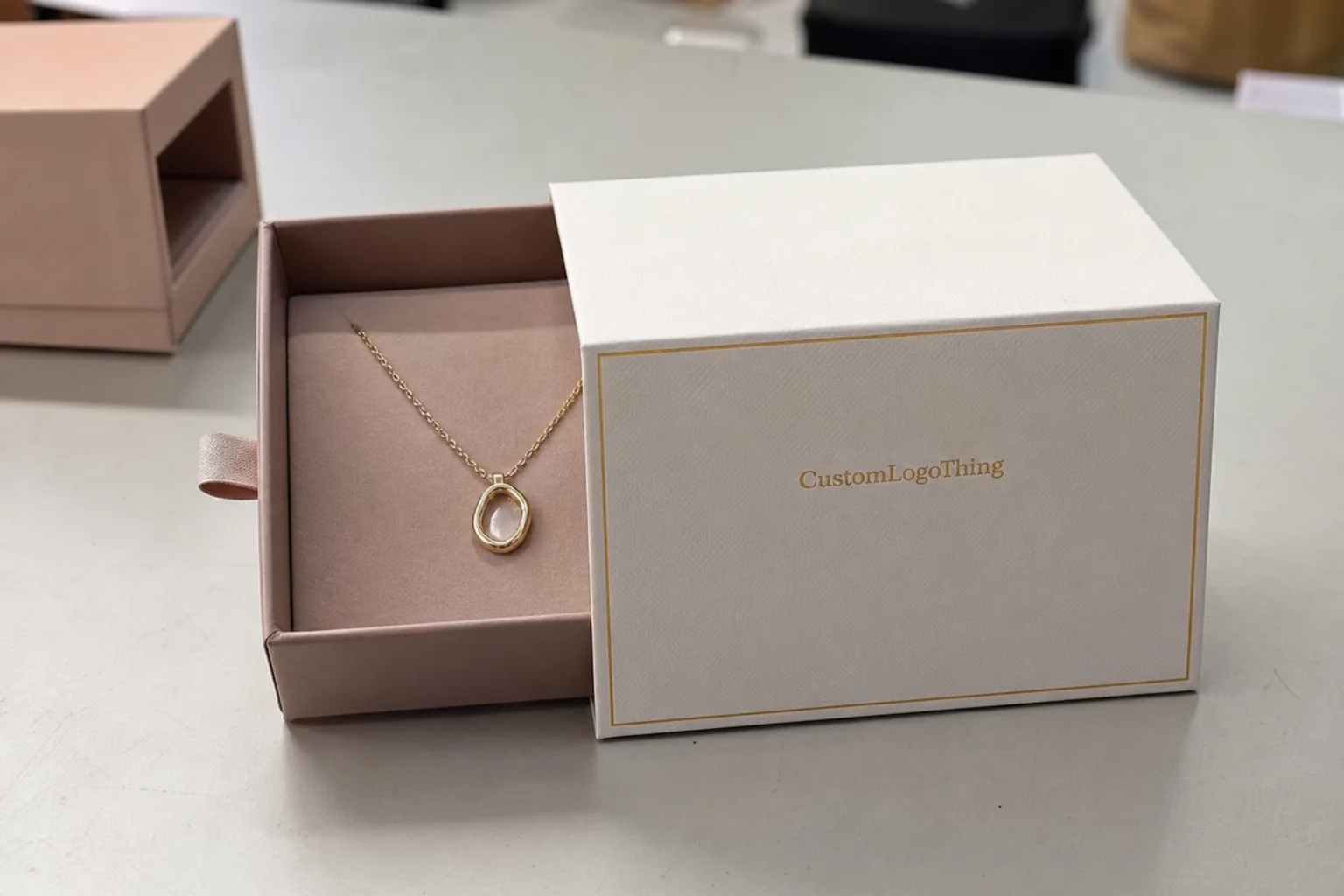
Folding cartons are often the most economical choice for retail-ready product packaging when the item does not need heavy crush resistance. A 14pt C1S or 16pt SBS board can be enough for many cosmetic, supplement, and small accessory products, especially when the insert is simple and the print area stays controlled. If you need more stiffness, 350gsm C1S artboard is a common upgrade for a cleaner shelf feel without jumping all the way to rigid construction. Rigid boxes, by contrast, bring more setup, more wrap labor, and more board weight, which only makes sense when the brand story or protection truly requires that structure. I’ve had clients move from rigid packaging to premium folding cartons and save 20% to 35% on the pack, while the shelf impression stayed strong because the artwork and finish were handled with care.
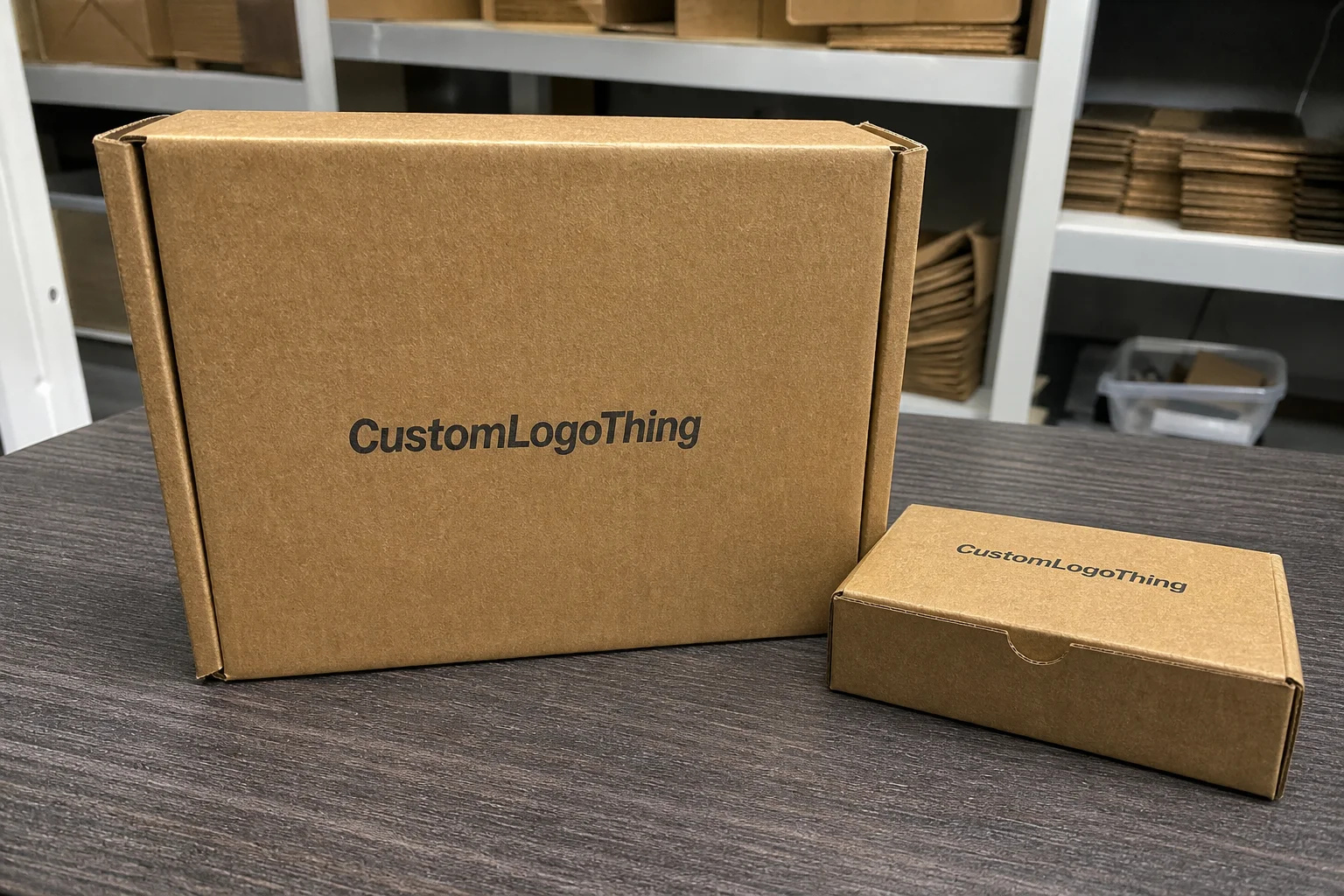
Mailer boxes and shipping cartons are where structural efficiency pays off quickly. A single-wall corrugated structure, paired with the correct flute and liner combination, can protect well without paying for unnecessary bulk. Standard flute options like E-flute at roughly 1.5 mm or B-flute at around 3 mm often work better than custom-heavy structures for eCommerce, especially when the product already sits in an inner carton. In practical terms, how to reduce packaging costs for business often means removing strength no one actually needs, rather than paying for 44ECT board when 32ECT would still cover the transit route from a Texas warehouse to a California customer.
Interior supports deserve the same scrutiny. A molded pulp insert, a simple paperboard cradle, or a well-dimensioned tuck-in divider can be enough in many cases. I’ve seen brands use foam because it felt safe, only to discover the foam was increasing freight cube and creating disposal headaches for customers. A smarter insert lowers cost, reduces waste, and improves package branding by making the unboxing cleaner. In a 10,000-unit run, a molded pulp tray priced at $0.11 per unit can beat a foam insert at $0.09 once disposal, storage, and damage reduction are counted honestly.
Finishes are worth a hard look too. Soft-touch lamination has a nice feel, but it adds cost and can complicate recycling. Aqueous coating, matte varnish, or a straightforward gloss coating can still look polished while keeping the budget under control. If the goal is premium presentation without the premium price tag, that is one of the fastest answers to how to reduce packaging costs for business. I’ve stood beside print operators in Suzhou who could tell within minutes whether a job would run cleanly or fight the press, and finishes often decide the difference.
Print process matters just as much. A one-color or two-color build can look elegant when the design system is disciplined. Full coverage black, metallics, and heavy gradients usually cost more because they require tighter control and more ink. Digital print can make sense for low quantities and frequent artwork changes, while offset becomes more attractive as volume rises and repeatability matters. The right answer depends on SKU count, how often artwork changes, and how much color drift is acceptable. There is no universal winner, only the better fit for the job at hand, whether you are ordering 1,000 prototype sleeves or 50,000 retail cartons.
| Packaging Format | Typical Cost Efficiency | Best Use Case | Common Cost Risk |
|---|---|---|---|
| Folding Carton | High for retail presentation | Lightweight consumer goods, cosmetics, supplements | Over-finishing and heavy board |
| Mailer Box | High for direct shipping | eCommerce, subscription packs, bundled kits | Oversized dimensions and excess print coverage |
| Rigid Box | Moderate to low | Luxury gifting, premium electronics, special editions | High material and assembly labor |
| Label or Sleeve | Very high for simple branding | Standard containers, jars, bottles, trays | Trying to do too much with too little space |
One beverage client I worked with moved from a custom rigid presentation box to a printed sleeve and a standard inner shipper. That change trimmed cost, reduced SKU complexity, and improved pallet efficiency by nearly 18% because the pack geometry became simpler. It is a textbook example of how to reduce packaging costs for business while keeping branded packaging intact, and the supplier in Ningbo was able to keep the lead time at 14 business days once the artwork was finalized.
Specifications That Control Cost: Materials, Dimensions, and Print
If you want to understand how to reduce packaging costs for business, start with the specification sheet, not the final invoice. The biggest savings often come from material grade, box size, flute type, print coverage, and finishing choices. Buyers sometimes focus on a supplier’s quote without realizing the quote is just the mathematical result of the spec they requested. Change the spec, and the economics change with it, often by 8% to 22% on the same production line.
The first items to review are board grade, caliper, GSM, flute type, box size, insert style, and print coverage. For paperboard cartons, a shift from a heavier board to a lighter one, if the product permits it, can reduce both raw material usage and freight cost. For example, moving from 400gsm SBS to 350gsm C1S artboard on a 120 ml skincare carton may save enough per unit to matter across a 25,000-piece run. For corrugated packs, choosing the correct flute and liner combination matters because a box that is stronger than necessary is just expensive dead weight. In corrugate plants I’ve visited in Dongguan and Foshan, the most common waste is not machine inefficiency; it is over-specification from the customer side.
Right-sizing is one of the quickest ways to reduce packaging costs for business. If a box is 8 mm larger in each direction than it needs to be, that extra space can increase board consumption, filler usage, and dimensional shipping charges. For ecommerce, carriers often price by dimensional weight, so even a small increase in empty space can punish the shipping budget. In retail packaging, oversizing also hurts shelf fit and warehouse storage density. There is no upside to empty air in a box unless the product genuinely needs cushioning volume, and a 180 x 120 x 45 mm carton usually costs less to ship than a 200 x 140 x 60 mm one across the same route.
Artwork changes can have a direct effect on cost as well. Every added color, metallic ink, or complex gradient can increase plate charges, setup time, and the risk of reprints during color correction. I’ve watched a job in Shenzhen go from smooth to messy because the buyer wanted a full wrap design with six spot colors and a foil element on a relatively low-volume SKU of 3,000 units. A cleaner design with fewer color separations would have delivered the same brand message at a better cost. That is a practical lesson in how to reduce packaging costs for business: simplify wherever the customer will not notice the difference.
Tolerances matter too. If your product requires a precise fit, then spec discipline is non-negotiable, because loose tolerances can mean damage in transit or a poor unboxing experience. For retail-ready packaging, a carton that is too loose can look careless. For ecommerce packs, a bad fit can lead to movement, scuffing, and returns. For products with inserts, the cavity depth and retention points need to be exact enough to protect the item but not so tight that packing labor slows down on the line. A tolerance of ±1 mm may sound tiny in a meeting, but on a high-volume folding carton it can decide whether the line runs at 35 cartons per minute or 48.
I also recommend standardizing a packaging library across SKUs. That remains one of the most underrated ways to reduce cost. If you have 40 SKUs and 16 different box footprints, procurement gets messy fast, inventory gets fragmented, and minimum order quantities become harder to manage. A tighter packaging family reduces SKU sprawl, simplifies reordering, and makes it easier to negotiate pricing with suppliers. For many businesses, how to reduce packaging costs for business is really about reducing variation before it turns into waste, especially if you can consolidate to 6 or 8 core dimensions instead of 20.
Here’s a practical checklist I use when reviewing specs with a buyer:
- Confirm the real product dimensions after filling or assembly.
- Check whether the board grade is stronger than needed.
- Review whether print coverage can be reduced without harming package branding.
- Question any finish that does not add visible or functional value.
- Compare freight cube and pallet pattern against the current design.
That process sounds simple, but it usually exposes the easy savings first. In packaging, the easy savings are the ones that actually get implemented, especially when a revised blank size trims board usage by 6% and shortens packing time by 10 seconds per case.
Pricing and MOQ: How to Compare Quotes the Right Way
Pricing is where many buyers get trapped, because they compare numbers that are not truly comparable. One supplier quotes a folding carton on 18pt SBS with aqueous coating, another quotes 16pt C1S with matte lamination, and a third includes freight while the others do not. If you are serious about how to reduce packaging costs for business, you need apples-to-apples quotes, not a spreadsheet full of misleading totals. A $0.19 quote and a $0.23 quote are not meaningful if one includes tooling, sampling, and delivery to Long Beach while the other excludes all three.
Unit price changes with volume, structure complexity, finishing, material availability, and print method. A higher quantity often lowers cost because setup and tooling get spread across more pieces, but that does not mean you should buy more than you can use. MOQ, or minimum order quantity, is a financial lever, not a magic number. If a supplier offers a lower unit price at 10,000 pieces but your monthly usage is 1,200 pieces, the extra inventory can tie up cash and increase storage risk. I’ve seen businesses save $400 on unit price and lose $2,000 in warehousing over the next quarter. That kind of math makes my eye twitch a little, frankly, especially when the cartons are sitting in a climate-controlled room in New Jersey collecting dust.
The best way to compare quotes is to control the variables. Ask every vendor to quote the same size, stock, print coverage, finishing, packaging configuration, and delivery terms. If one vendor is offering free samples, another is adding tooling, and a third is charging freight separately, you do not have a comparison yet. You have three different deal structures. Good procurement for how to reduce packaging costs for business depends on clarity, not optimism. I usually ask for a written spec sheet with dimensions, board grade, coating, quantity breaks, and incoterms before I review any pricing.
Here is the checklist I would use before approving a packaging purchase:
- Unit price at each quantity break
- Tooling and plate charges
- Sample or prototype cost
- Freight method and destination terms
- Lead time and rush surcharge
- Damage allowance or remake policy
- Payment terms
One of my more memorable client meetings involved a subscription brand in Austin that insisted on the cheapest quote in the room. Their new supplier was $0.06 lower per box, which looked good until the first shipment landed with weak corner performance and extra scuffing. The replacement work, customer service load, and rush air freight erased the savings in a matter of weeks. That is why I always say how to reduce packaging costs for business is not just about buying cheaper; it is about buying the right thing.
There are situations where a higher unit price is still the better decision. If a stronger corrugated structure prevents breakage, it can protect revenue far more effectively than a lighter box. If a slightly better finish improves sell-through in retail, that can outweigh the added cost on each unit. If a supplier has tighter quality control and better communication, you may avoid the hidden labor cost of chasing defects. Procurement should always look at the total picture, including a 2% damage rate that can quickly become more expensive than a $0.03 material upgrade.
Packaging industry standards matter here too. For shipping performance, ask whether your pack has been tested against relevant methods from organizations like ISTA. For material sourcing, some buyers need FSC-certified paperboard, which can matter for brand commitments and retailer requirements; the reference point is FSC. If you are building a serious packaging program, those references help separate claims from real performance. They do not automatically lower cost, but they do keep you from paying twice for noncompliant choices.
Higher MOQ can reduce unit cost. That only helps if demand is stable and the storage plan is real. If uncertainty is still part of the picture, start with a smaller run and validate performance first. The lowest quote is not always the lowest cost. I learned that the hard way years ago while staring at a warehouse full of unused cartons that were “cheap” on paper and expensive in reality.
Process and Timeline: From Estimate to Production
Speed has a cost, and packaging is no exception. A clean process usually saves money because fewer surprises show up on the factory floor. The workflow I prefer is straightforward: discovery, spec review, sampling, proofing, prepress, production, finishing, quality check, and shipping. When that sequence is respected, the answer to how to reduce packaging costs for business becomes much more manageable because fewer changes happen after tooling is locked. A well-run run from a Shenzhen or Dongguan supplier can move from final proof to finished cartons in 12 to 15 business days for standard paperboard jobs.
Approvals are where many timelines break down. Artwork revisions can add days, and structural sampling can add more if the product dimensions were not measured correctly at the beginning. I’ve seen a one-week packaging schedule stretch into three weeks because the buyer approved the dieline before checking the actual closure fit with the product fill. That kind of delay does not just cost time; it often creates rush charges, air freight charges, or expensive machine rescheduling. Early supplier involvement catches those problems before they become line items, and a $40 sample fee usually looks tiny next to a $650 air freight bill.
There is a strong cost advantage in bringing the supplier into the conversation early. When a packaging engineer or production manager reviews a design before tooling is finalized, they can often spot a better blank size, a simpler fold, or a more efficient print layout. That is one of the quietest ways to reduce packaging costs for business, because it avoids expensive rework later. On the factory floor, small changes made early are far cheaper than big changes made after plates are made and cartons are already in production.
Rush orders deserve their own warning. If you need an accelerated turnaround, expect the possibility of overtime, priority scheduling, expedited freight, and fewer options on material selection. A standard run might take 12 to 15 business days from proof approval, while a rush job compresses everything and can raise the price quickly. I always tell buyers that a rush should be treated like an exception, not a planning tool. The pressroom does not care about your calendar (I wish it did), and neither does the truck line.
Quality checkpoints should be visible and specific. On proper factory floors, we look at board inspection, color matching, die-cut accuracy, glue consistency, and compression performance for corrugated packs. If a vendor cannot explain where they check those details, that is a red flag. It is much easier to keep cost under control when defects are caught during production rather than after a shipment lands at your warehouse, especially if the receiving team in Chicago has to sort through 200 damaged cartons before noon.
EPA recycling guidance is also useful if your team is trying to align cost control with recoverability and waste reduction. A pack that is easier to recycle may not always be cheaper, but it can support broader brand and retailer requirements. In my experience, the strongest programs balance those needs instead of pretending one metric solves everything.
Why Choose Us for Cost-Effective Custom Packaging
Custom Logo Things is built for buyers who want cost control without guesswork. We do not treat packaging as a decorative afterthought, and we do not pretend every structure needs premium finishes to look good. Our approach to how to reduce packaging costs for business is practical: recommend the right material, the right structure, and the right quantity plan based on how the product actually ships and sells, whether that’s 2,500 units for a launch or 25,000 units for a replenishment cycle.
In my experience, the vendors that save clients the most money are the ones who understand production, not just sales. That means knowing how a die line behaves, where board waste accumulates, what print coverage does to setup time, and which finishing choices add value versus adding cost. When a buyer sends us a spec, we look at it the way a factory team would, because that is how waste gets spotted. A glossy presentation is nice, but a pack that runs cleanly and stores efficiently is what protects margin.
We work with custom printed boxes, branded packaging, retail packaging, sleeves, labels, inserts, and shipping formats, and the focus stays on fit and function first. If a lighter board grade will do the job, we say so. If a simpler insert will protect the product just as well, we recommend it. If a customer’s artwork is driving up cost without adding shelf value, we explain where the spending is going. That kind of honesty is part of the service, and it is one reason businesses come to us for repeat programs from Newark to Nashville.
Our team can help with structural recommendations, material sourcing, printing, die-cutting, gluing, and final inspection. That matters because each step influences the final unit economics. A design that looks fine in a PDF can still be expensive to manufacture if the fold sequence is awkward or the blank is oversized. Having production-minded guidance up front is one of the strongest answers to how to reduce packaging costs for business because it reduces waste before it starts.
We also give straightforward MOQ guidance. Sometimes a client is better off with a lower first order and a broader test. Sometimes the savings from a larger run make sense if demand is stable. There is no fake formula. The right answer depends on sales velocity, warehouse space, and changeover frequency. That kind of practical guidance has saved clients from buying too much too soon more than once, especially when a 5,000-piece test run tells you more than a polished slide deck ever could.
Honestly, the best packaging partner is the one that helps you say “no” to unnecessary cost. Not no to quality, just no to extras that do not serve the product. That is how you keep packaging design aligned with the business instead of letting the packaging design dictate the budget.
Explore our Custom Packaging Products if you want to compare structures and formats, or use the product range as a starting point for a quote brief. When the details are clear, the numbers get better, and a well-built quote can often come back within 1 to 2 business days.
Actionable Next Steps to Reduce Packaging Costs Now
If you want how to reduce packaging costs for business to turn into action this quarter, start with a packaging audit. List every SKU, every material, every size, every finish, and every print method you buy today. In a lot of companies, the waste is not hidden in one huge purchase; it is scattered across dozens of small decisions that nobody has revisited in two or three order cycles, which is how a $0.14 carton becomes a $0.21 carton without anyone formally approving the change.
Next, identify the three highest-cost items and compare them against standardized alternatives. Ask whether a lighter board, a smaller box, a simpler insert, or a different finish would deliver the same result. I’ve done this exercise with clients who were convinced their packaging had already been optimized, only to find two SKUs using different board grades for nearly identical products. That is a very common place to save money, especially when one carton is 210 x 150 x 50 mm and the other is 220 x 160 x 60 mm for the same fill volume.
Then request a sample review or structural recommendation based on product weight, shipping method, and branding needs. A good supplier can usually tell you whether the current pack is overbuilt, underbuilt, or simply too expensive for what it delivers. Samples matter because they reveal the real-world tradeoffs that specs alone cannot show. A box can look fine in a spreadsheet and fail in transit, or it can look luxurious and wasteful in the warehouse. A proper sample cycle usually takes 5 to 7 business days for simple forms and a little longer if a custom insert is involved.
It also helps to prepare one clean quote brief. Include dimensions, quantity ranges, artwork coverage, target budget, and timeline. If the supplier has to guess, the quote will carry a guess tax. If the brief is specific, you will get a more useful answer and a better shot at learning how to reduce packaging costs for business with fewer revisions. A brief that says “10,000 units, 16pt C1S, two-color print, aqueous coating, delivery to Phoenix” will usually get a sharper response than a one-line email asking for “something premium but affordable.”
Here is the simplest framework I give clients who want a fast improvement plan:
- Audit current packaging spend by SKU.
- Identify overbuilt structures and oversized dimensions.
- Reduce print and finishing where it does not add value.
- Compare unit price and landed cost side by side.
- Test the lower-cost version in a real shipping or retail environment.
- Standardize the winning spec across related products.
That process is not glamorous, but it works. I’ve seen manufacturers, subscription brands, and retail suppliers all improve margins with the same core moves: right-sizing, spec simplification, better procurement, and better communication with the factory. The fastest path to how to reduce packaging costs for business is to make data-driven changes to specs, supplier selection, and order planning, then verify the result in production and in transit.
If you do those things in order, the savings usually show up where they should: lower board usage, fewer shipping surprises, cleaner shelf presentation, and less money tied up in inventory. That is good packaging, and it is good business.
FAQ
How can I reduce packaging costs for business without lowering quality?
Focus on right-sizing, material selection, and simplifying print or finishing before you cut protection. Choose a structure that matches the product’s real shipping and display needs instead of overbuilding the package, and test samples to confirm the lower-cost option still performs in transit and on shelf. That is usually the safest route for how to reduce packaging costs for business, especially when a 16pt board or a 32ECT corrugated spec is enough instead of a heavier, more expensive build.
What packaging material is usually the cheapest for custom orders?
It depends on the application, but lightweight paperboard and standard corrugated structures are often the most economical. The cheapest option is usually the one that minimizes waste, freight cube, and damage, not just unit price. A supplier should compare material grades based on product weight, shipping method, and your packaging design goals, whether you are choosing 350gsm C1S artboard for a retail carton or E-flute corrugate for a mailer.
Does a higher MOQ always lower packaging costs?
Higher MOQ often lowers unit price because setup and tooling costs are spread across more pieces, but it can also increase storage costs and inventory risk if demand is inconsistent. The best MOQ is the one that balances unit savings with realistic usage, cash flow, and warehouse capacity. That balance is central to how to reduce packaging costs for business responsibly, especially when a 10,000-piece buy ties up more cash than a 3,000-piece pilot.
What should I compare when reviewing custom packaging quotes?
Compare the exact material, dimensions, print coverage, finishing, tooling, freight, and lead time. Make sure all vendors are quoting the same construction and not hiding cost differences in specs. Ask for landed cost, not just the box price, because freight and rework can change the real number fast. A $0.16 quoted carton can become a $0.24 landed carton once domestic freight and remakes are added.
How long does it take to switch to a lower-cost packaging design?
Timeline depends on sampling, artwork approval, and whether tooling already exists. Simple spec changes can move quickly, while new structural designs and printed samples take longer. A good supplier can usually suggest the fastest cost-saving changes before production starts, which helps you move sooner on how to reduce packaging costs for business. For a standard run, 12 to 15 business days from proof approval is a realistic planning window.
When I look back at the clients who improved margins the fastest, they were not the ones who chased the cheapest headline number. They were the ones who treated packaging as a measurable operating cost and asked the right questions about board grade, dimensions, finish, freight, and MOQ. That is the real answer to how to reduce packaging costs for business: make the spec smarter, make the order cleaner, and make the factory work with you instead of against you. Start with the current spec sheet, cut the waste that does not protect or sell the product, and then lock the winning version into a repeatable purchasing plan.