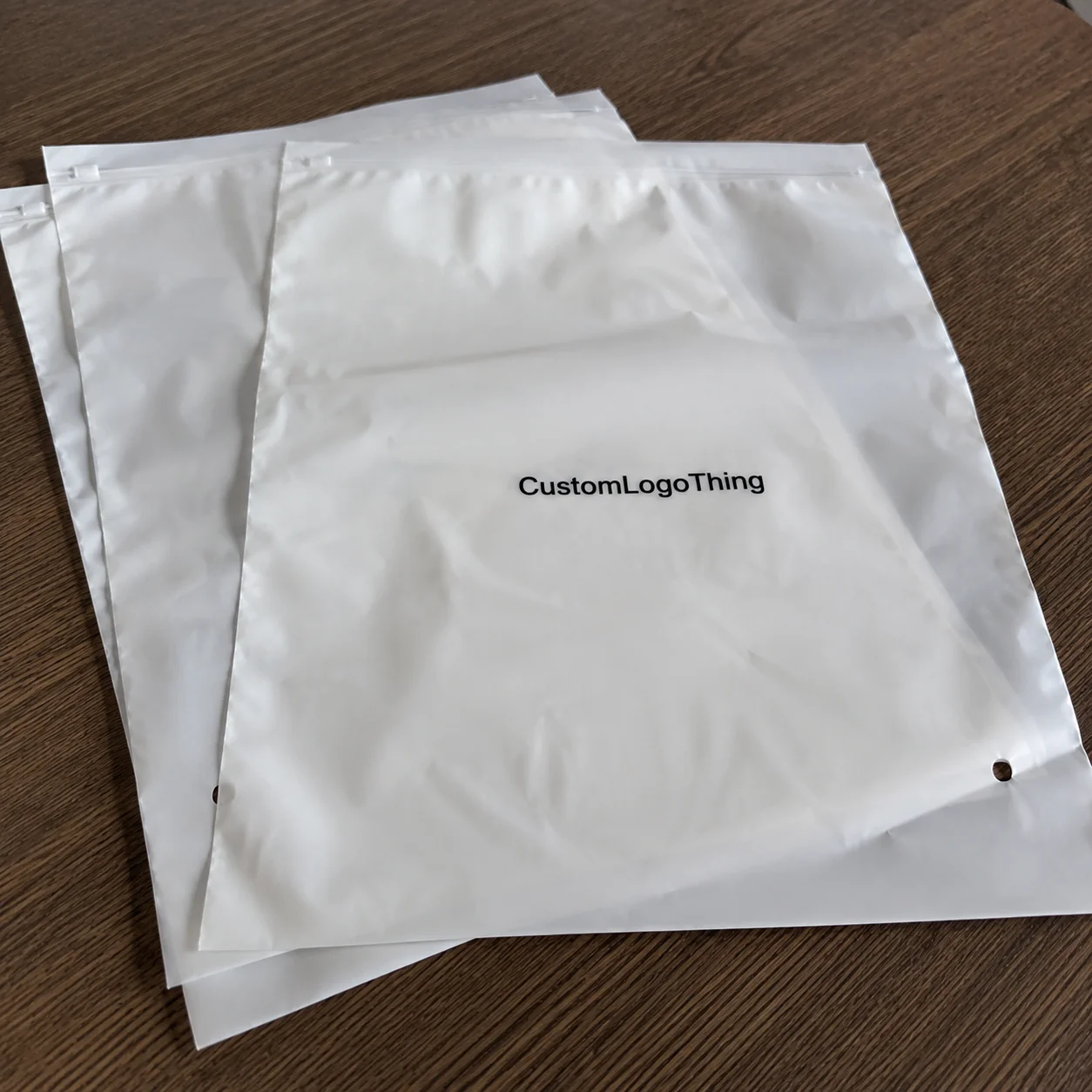
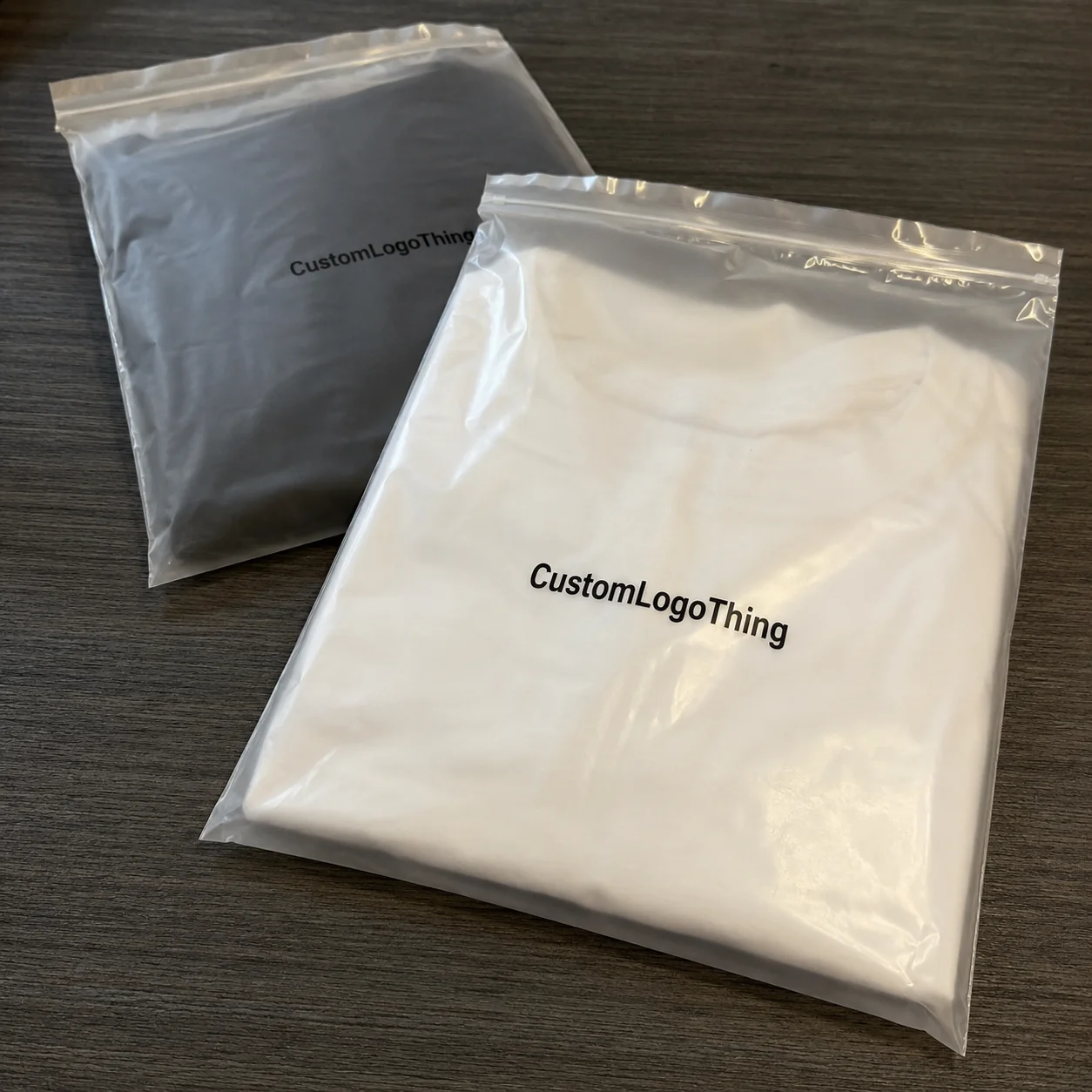
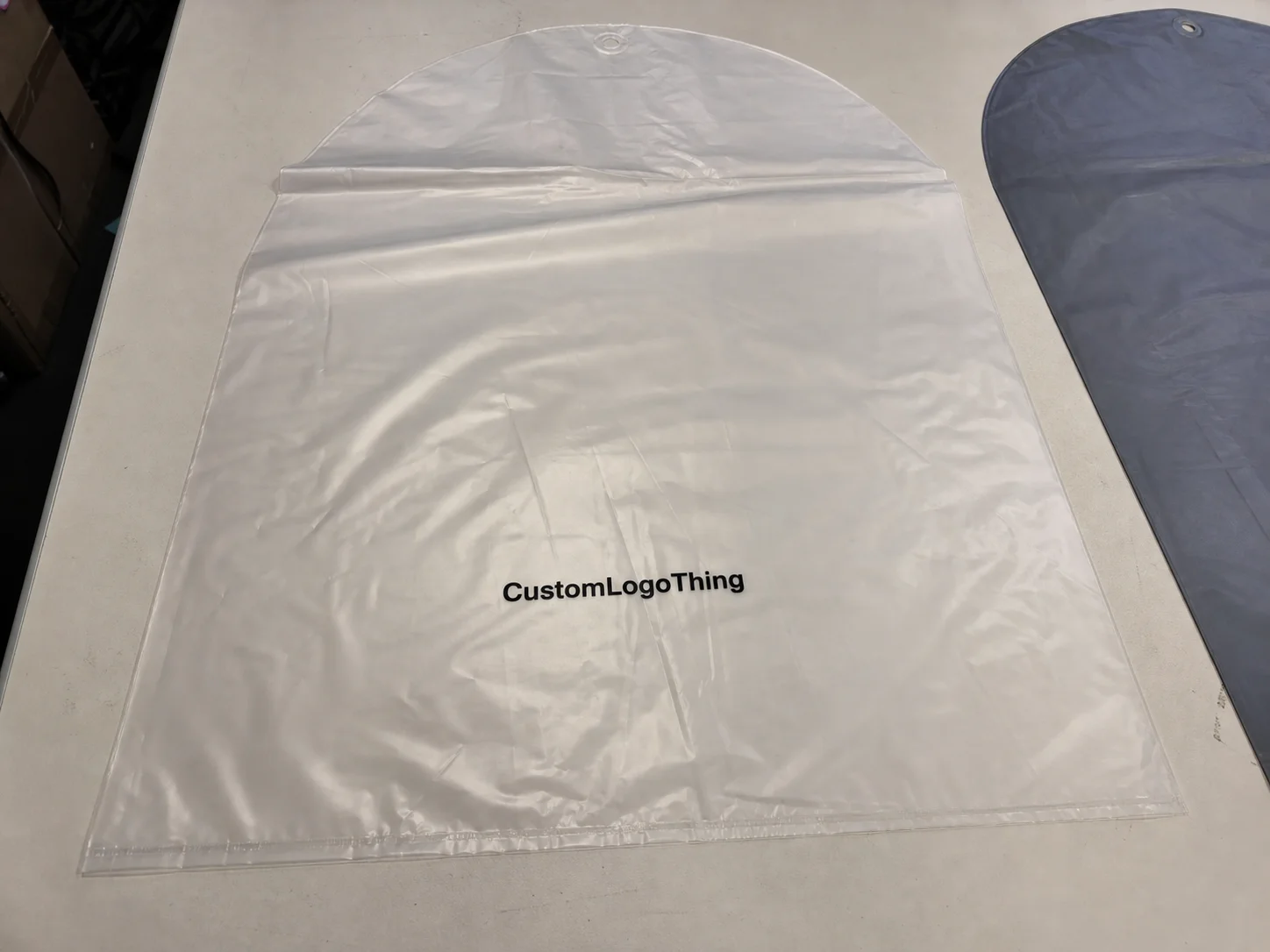
Buyer Fit Snapshot
| Best fit | Reduce Packaging Waste in Business projects where brand print, material claims, artwork control, MOQ, and repeat-order consistency need to be specified before quoting. |
|---|---|
| Quote inputs | Share finished size, material target, print colors, finish, packing count, annual reorder estimate, ship-to region, and any compliance wording. |
| Proofing check | Approve dieline scale, logo placement, barcode or warning zones, color tolerance, closure strength, and carton packing before bulk production. |
| Main risk | Vague material claims, crowded artwork, missing packing details, or unclear freight terms can make a low unit price expensive after revisions. |
Fast answer: Reduce Packaging Waste in Business: Artwork Proof, Packing Count, and Landed Cost should be specified like a repeatable production item. The safest quote records material, print method, finish, artwork proof, packing count, and reorder notes in one written spec.
Production checks before approval
Compare the actual filled-product size with the drawing, then confirm tolerance on folds, seals, hang holes, label areas, and retail display edges. Reserve space for logos, QR codes, warning copy, and material claims before decorative graphics fill the panel.
Quote comparison points
Review material grade, print process, finish, sampling route, tooling charges, carton quantity, and freight assumptions side by side. A quote is only useful when the supplier can repeat the same color, closure quality, and packing count on the next order.
Ask most teams how to Reduce Packaging Waste in business, and they’ll point to recycling bins, thinner cartons, or a supplier with a greener story. That’s part of it. But after walking factory floors in Dongguan, Dallas, and Guadalajara where a single extra inch added thousands to freight, I’ve learned the real waste usually hides in plain sight: oversized cartons, unnecessary void fill, poor pack-out habits, and packaging specs that were never built around the actual product. If your carton was designed around a “maybe someday” size, you are already paying for it.
I remember one plant visit in Suzhou where a stack of “temporary” boxes had become permanent because no one wanted to be the person who admitted the original size was wrong. Classic. I’ve also sat in a client meeting in Chicago where a 2.5-inch increase in carton height pushed several orders into a higher dimensional weight bracket with UPS and FedEx. That one change cost more than the outer packaging did. So yes, how to Reduce Packaging Waste in business is a sustainability question. But it is also a freight question, a labor question, a storage question, and a customer perception question. A messy one, too, if I’m being honest.
Honestly, I think a lot of companies attack the wrong problem first. They obsess over what a box is made from, when the bigger savings usually come from right-sizing, packaging design, and better pack-out discipline. Remove inefficiency, and you often cut waste, costs, and damage at the same time. That’s the part people miss because it’s less glamorous than putting a leaf icon on the carton or paying a little extra for paper that still arrives in a bloated shipper.
Why Packaging Waste Costs More Than You Think
Packaging waste is usually framed as a materials issue. That is too narrow. In business terms, packaging waste includes every gram, inch, and minute that doesn’t help a product arrive safely and efficiently. Think excess corrugated, oversized cartons, too much kraft paper, too much bubble wrap, duplicate labels, overprinting, and packers using three pieces of tape where one would do the job. I’ve seen that tape situation in a Monterrey warehouse. It looked like a crime scene and probably cost a few cents extra per order in materials alone.
Here’s the part people miss: waste compounds. A carton that is 1.5 inches too large may need more void fill, which increases pack time, which increases labor cost, which raises the package dimensions, which can trigger higher dimensional weight charges. One small spec decision can ripple across the whole fulfillment process. I’ve seen that happen in Shenzhen and in a Midwest 3PL in Indianapolis, and the math looked different, but the pattern was the same. The box changed. Then the budget cried.
That is why how to Reduce Packaging Waste in business cannot be separated from shipping economics. A poorly matched carton can use more truck space, reduce pallet density, and push a company to ship more partial pallets. More air in the box means more air on the truck. More air on the truck means fewer units per load. Fewer units per load means more deliveries, more fuel, and more emissions. The landfill impact is only the last line of the story, not the whole story. On a 40-foot trailer, even a quarter-inch change in pack height can affect how many cases fit per layer.
Custom packaging changes this equation fast. A properly engineered mailer or corrugated shipper can replace two or three stock sizes, eliminate unnecessary dunnage, and make pack-outs repeatable. That does not mean stripping packaging to the bone. I’m not here to recommend a product arrive in a sad little envelope with a prayer attached. It means removing inefficiency so the package works harder. In my experience, brands that get this right often improve customer perception too, because a neat, well-fitted package feels intentional rather than wasteful.
There’s also a branding angle. Retail packaging and direct-to-consumer product packaging are part of the same trust chain. A box that arrives stuffed with filler can make a premium brand feel sloppy. A box that crushes in transit does even more damage. So when we talk about how to reduce packaging waste in business, we’re really talking about removing the gaps between cost, protection, and presentation. In a premium skincare line I reviewed in Los Angeles, a 350gsm C1S artboard carton with a tight paperboard insert outperformed a heavier stock box simply because it eliminated the need for two layers of void fill.
“The best packaging is usually not the smallest box. It’s the box that fits the product, the shipping lane, and the customer expectation with the least amount of dead space.”
How Packaging Waste Reduction Works in a Business
The mechanics are simple, even if the organizational politics are not. First you measure what is being used. Then you find where waste enters the process. Then you redesign the packaging spec, the purchasing rules, and the packing workflow so the waste doesn’t return two weeks later. That is the practical answer to how to reduce packaging waste in business, whether you are shipping 500 units a month or 50,000.
At a basic level, every pack-out has inputs and outputs. Inputs include the carton, insert, mailer, tape, adhesive, label, and fill material. Outputs include shipped weight, external dimensions, damage rate, labor time, disposal volume, and customer experience. If you only review the unit price of a box, you are missing at least half the picture. Probably more. A carton priced at $0.29 can still be the expensive choice if it adds 18 seconds of pack time and triggers a higher parcel zone.
Right-sizing is the core move. When package dimensions are matched to the product’s actual size and fragility, you usually get three benefits at once: less empty space, lower void fill usage, and better pallet density. I once reviewed a subscription box program in Nashville where the team cut the carton height by 0.75 inches. That sounds tiny. It reduced the average shipped cube enough to pull a large percentage of orders out of a higher freight tier. Tiny change. Large effect. Freight bills are very rude that way.
Custom packaging also reduces waste by simplifying the SKU mix. Instead of keeping twelve stock cartons in circulation, a business may only need five custom sizes based on actual order data. That lowers inventory clutter, makes packers faster, and reduces the chance that someone grabs a “close enough” box that creates more waste later. Fewer box types can mean fewer mistakes. Fewer mistakes usually mean fewer returns. And fewer returns means fewer people in the office asking why the same issue happened again.
One reason how to reduce packaging waste in business works best cross-functionally is that packaging, procurement, and operations each see a different piece of the puzzle. Procurement sees unit cost. Operations sees speed and consistency. Packaging suppliers see material behavior and structural limits. If those teams are not looking at the same data, waste usually slips through the cracks. I’ve watched a team in Rotterdam argue over box price for 45 minutes and never mention the extra void fill per order.
For a deeper framework on packaging choices and formats, I often point teams to Custom Packaging Products because the right structure matters as much as the right material. A good supplier can often suggest a carton style, insert format, or print layout that reduces waste before production even starts. Which is nice, because discovering the problem after 40,000 units are already in the warehouse is not a fun hobby.
Key Factors That Influence Packaging Waste
If you want to understand how to reduce packaging waste in business, start by looking at the variables that create waste in the first place. There are five I see most often: material choice, dimensions, product shape, order profile, and the hidden cost of the current process. In a facility outside Ho Chi Minh City, those five variables were the difference between a clean $0.52 pack-out and a mess that cost nearly $0.91 per order after filler, tape, and rework.
Material choice
Corrugated board, rigid board, paper-based mailers, plastic, and hybrid systems all perform differently. A 32 ECT corrugated mailer may be perfect for light apparel, while a 200 lb test box might be more appropriate for a heavier accessory set. The wrong choice increases waste in one of two ways: too much material or too little protection. Both are expensive. In packaging design, the cheapest sheet price is not always the cheapest shipped package. People love a low quote right up until the claims start coming in.
Material also affects recyclability and customer perception. FSC-certified paper-based materials can support a sustainability story, but only if the package actually fits the product and survives transit. I’ve seen brands specify greener materials, then compensate with oversized box dimensions and three layers of filler. That is not reduction. That is just moving the waste around like a shell game. A 24 pt paperboard sleeve around a 350gsm C1S artboard tray can look premium and still cut corrugated usage by 15% if the product is stable enough.
Package dimensions
Dimensional size is where freight math gets ruthless. A box that adds even 1 inch in one direction can change the chargeable weight calculation, especially with parcel carriers. That is why how to reduce packaging waste in business often starts with a ruler, not a marketing brief. Measure the product, measure the protective clearance needed, and then build outward only as much as necessary. A 10 x 8 x 4 inch carton and a 10 x 8 x 5 inch carton do not look wildly different on paper, but carriers absolutely notice.
Oversized boxes also create more void fill demand. If the product shifts inside the carton, packers add paper, air pillows, foam, or bubble wrap to stabilize it. That raises material use, slows pack time, and usually looks less polished to the customer. Right-sized packaging tends to be cleaner to pack and better to receive. Less stuffing, less swearing, fewer regrets. I once watched a pack line in Birmingham burn through a 24-roll case of kraft paper in two days because the box library was three sizes too big.
Product fragility and shape
Irregular shapes are notorious waste creators. A bottle with an off-center neck, a metal component with sharp edges, or a luxury candle in a fragile vessel may all require inserts, collars, or custom partitions. If those elements are designed separately from the outer carton, waste creeps in through gaps and overcompensation. The better approach is to design the outer shipper and inner protection as one system. One carton plus one insert usually beats two cartons and a prayer.
I remember a supplier negotiation in Foshan where the client wanted to cut insert cost by 12%. We ran the tests with ASTM drop criteria in mind, and the cheaper insert failed twice on corner drops. The eventual fix was not a pricier insert. It was a slightly tighter carton and a different fold pattern that reduced the insert count. Better structure, same budget. Less drama. Everyone slept better. The final spec used a 28 E-flute outer and a single die-cut paperboard cradle instead of the original two-piece foam set.
Order profile
High-SKU operations often waste more because they try to force diverse products into a generic box library. That is convenient in theory and messy in practice. If your business ships 40 SKUs ranging from slim accessories to boxed sets, a one-size-fits-all system will almost always create waste somewhere. Custom packaging can reduce that waste by matching a few standard pack formats to the actual order profile, especially if you ship from a single site in Columbus, Ohio or a regional 3PL in Savannah, Georgia.
It is also worth looking at shipping channel. A retail packaging program headed into stores has different constraints than e-commerce mailers. What works for shelf presentation may be excessive for parcel shipping. What survives parcel rough handling may be overbuilt for palletized retail distribution. The lane matters. So does the person packing it, because humans do what they can with the tools you give them. If the product goes from a Shenzhen factory to a Los Angeles fulfillment center and then into Amazon FBA, the packaging has to survive three different handling standards, not one.
Cost and process
Unit price is often misleading. I’ve seen a carton that cost $0.04 less per unit create $0.18 more in labor, tape, and fill. Multiply that by 10,000 pieces and the “cheaper” option becomes a quiet budget leak. If you are serious about how to reduce packaging waste in business, calculate total cost per shipment, not just unit box price. A $0.15 per unit carton for 5,000 pieces can be the better deal than a $0.11 stock box if it removes void fill and lowers damage.
Timeline matters too. Custom packaging usually requires sampling, structural review, and approval. That can add 12 to 15 business days from proof approval, sometimes more if you are testing inserts or coatings. In a print run out of Shenzhen or Ho Chi Minh City, you may also need 3 to 5 business days for sample courier transit before final sign-off. But once implemented, the payback can be quick because the pack line becomes more consistent and the package itself requires less correction. It’s the kind of delay that annoys everyone now and saves everyone later. A fair trade, usually.
| Packaging option | Typical unit cost | Waste impact | Operational effect |
|---|---|---|---|
| Generic stock box | $0.32 to $0.68 | Often higher due to void fill | Fast to source, slower to pack |
| Right-sized custom carton | $0.41 to $0.79 | Lower cube and less filler | Cleaner pack-out, fewer mistakes |
| Custom carton with insert | $0.58 to $1.10 | Lowest waste for fragile goods | Best for fragile or premium product packaging |
The table above is not a universal rule. It depends on print coverage, board grade, order volume, and lane requirements. A 350gsm C1S artboard tray with a die-cut insert may cost more up front than a stock mailer, but it can still win if it trims 0.6 ounces of filler and 14 seconds of pack time. The low quote rarely wins the real comparison.
How to Reduce Packaging Waste in Business: Step-by-Step
If you want a real answer to how to reduce packaging waste in business, start with the work that gives you facts instead of guesses. I’ve watched teams save more in a month by measuring their current pack-out than by spending six months debating whether kraft paper is “better” than bubble wrap. Spoiler: the box does not care about your opinion. The shipment does. A clean 50-shipment audit in one afternoon can tell you more than a month of meetings.
Step 1: Audit current packaging
Pick a representative sample of orders, usually 50 to 100 shipments across your top SKUs. Track the carton size, fill material, tape usage, pack time, damage claims, and shipped dimensions. If you have access to WMS or carrier data, pull actual parcel weights and dimensional weight charges. This is the baseline. Without it, how to reduce packaging waste in business becomes guesswork dressed up as strategy. I like to print the last 30 days of shipments and mark the waste with a red pen. Not sophisticated. Very effective.
Step 2: Measure waste hotspots
Look for the obvious offenders first. Oversized cartons. Too much void fill. Duplicate packaging components. Excess tape. Excessive print coverage that requires larger sheets or extra finishing. On one manufacturing floor I visited in Monterrey, the packing station had four tape dispensers because each shift had developed its own habit. Standardizing to one dispenser per station saved time and reduced tape waste by a measurable amount in three weeks. Four tape guns. One station. I still think about that place whenever someone says “we probably don’t need a process review.”
Step 3: Match packaging to product needs
Segment products by size, weight, fragility, and shipping method. A small glass item should not follow the same packaging logic as a folded textile. A premium gift set may need branded packaging with stronger presentation, while an industrial part may need efficient protection above all else. Matching package structure to product reality is one of the fastest ways to reduce waste without lowering quality. If the product weighs 280 grams and the shipper is built for 900 grams, you have already found the problem.
Step 4: Redesign for right-sizing
Here is where custom packaging starts to pay back. Replace stock boxes where they create too much dead space. Design inserts and partitions around the actual product geometry. If the product is stable enough, consider mailers or slimmer cartons instead of larger shippers. A few millimeters of tolerance can eliminate a surprising amount of filler. That is the kind of detail that separates average packaging design from smart packaging design. A 1 mm change in insert height can be the difference between a snug lock and a sloppy rattle.
For many brands, custom printed boxes are not just about appearance. They can be sized more accurately than stock options and make the pack-out process simpler. The brand story still shows up, but the package is not carrying extra air just for the sake of a logo. Which, frankly, is a relief. I’d rather see a 2-color print on a correctly sized carton than a full-bleed masterpiece on a box that ships half-empty.
Step 5: Test for performance
Never cut waste first and test later. Run drop tests, compression checks, and ship trials. ISTA protocols are useful here, especially if your products face parcel handling, vibration, or mixed distribution. For materials, ASTM references can help establish board or closure performance. If sustainability claims matter to your team, FSC certification can support the paper sourcing story, but it does not replace performance testing. Protection comes first. Always. A package that fails on a 48-inch drop is not a sustainable solution, no matter how nice the paper feels.
I’ve seen a well-intentioned team switch to a thinner mailer and celebrate the material savings, only to see returns jump by 8% because corner crush increased in transit. The fix was not to abandon the project. It was to adjust the fold, strengthen the board, and reduce the unsupported span inside the pack. Annoying? Yes. Cheaper than pretending the problem would go away? Also yes. The final revision used a tighter lock tab and a stronger 26 ECT board instead of a weaker 32 lb paper mailer.
Step 6: Train the packing team
Even the best package can create waste if the pack-out process is inconsistent. Make the instructions visual. Keep them specific. A packing guide that says “use appropriate fill” is not a guide. A guide that says “use 2 sheets of 18-inch kraft paper for SKU A unless the insert sits proud” is useful. Standard operating instructions can reduce waste faster than new materials in some facilities, especially in sites with rotating shifts and five different supervisors. Human behavior is a packaging variable whether anyone likes it or not.
Step 7: Track results
Measure waste volume, freight spend, damage rate, and labor time before and after the change. If possible, track average package cube and the number of cartons per order. A good waste-reduction project should improve at least two of those metrics. If it only improves one, dig deeper. The package may look better but cost more elsewhere. A 10% reduction in cube with no freight savings is a clue, not a victory lap.
Here is a simple way to frame progress:
- Material usage: fewer square inches of corrugated or fewer grams of fill per shipment.
- Freight efficiency: lower dimensional weight or better pallet density.
- Labor efficiency: fewer steps at the pack station.
- Damage control: fewer breakages, returns, and re-shipments.
That is how to reduce packaging waste in business without making the process feel abstract. Numbers keep everyone honest. And, inconveniently, they also reveal the habits people hoped nobody noticed.
Common Mistakes Businesses Make When Cutting Waste
Most failures are predictable. I’ve seen them in client meetings, supplier reviews, and hurried internal rollouts in places like Taipei, Nashville, and Birmingham. The good news is that each one is avoidable if you slow down long enough to check the full system. Packaging mistakes are rarely mysterious. They are usually just untested assumptions with a purchase order attached.
Mistake 1: Choosing the thinnest material
People see a lighter board or thinner mailer and assume they’ve won. Sometimes they have. Often they have not. If a cheaper material increases damage, the return freight, repack, and replacement shipment wipe out the savings. That is not how to reduce packaging waste in business. That is how to move waste into another budget line. A carton that saves a few cents but causes a 2% damage spike is a terrible trade.
Mistake 2: Cutting too aggressively
There is such a thing as too little packaging. If the product starts failing drop tests or arrives scratched, you haven’t optimized; you’ve underprotected. I’ve seen brands save a few cents per unit and then spend ten times that amount on customer service recovery. Waste reduction should never increase churn. Saving pennies while creating angry emails is a terrible hobby. It also makes the finance team look suspiciously optimistic.
Mistake 3: Ignoring inserts and closures
The outer carton gets all the attention, but inserts, seals, and closures can produce just as much waste. Excess tape, plastic clips, oversized foam corners, and redundant inner wraps are frequent offenders. Packaging waste reduction has to include the inside of the box, not just the outside. If your insert is overbuilt by 15%, the outer carton doesn’t get to claim innocence.
Mistake 4: Buying in bulk before fitting the product mix
Bulk purchasing is helpful only when the sizes are right. If you buy 30,000 cartons that fit last season’s assortment but not the current one, the unused inventory becomes waste in storage before it ever reaches a shipper. Good purchasing follows product reality, not the other way around. I’ve seen pallets of obsolete cartons sit in a rack for 11 months in a warehouse outside Atlanta because the team “thought the assortment would come back.” It didn’t.
Mistake 5: Focusing only on recyclability
Recyclability matters. But a recyclable oversized carton still carries more air than necessary. A paper-based solution still needs to be the right size and the right strength. If you are serious about how to reduce packaging waste in business, you need to look at freight weight, labor, and storage footprint, not just end-of-life claims. A recyclable box that costs more and ships with 40% dead space is still wasteful.
Mistake 6: Failing to get operations buy-in
This one is underrated. If the packing team does not believe in the new system, they will improvise. Improvisation creates inconsistency, and inconsistency creates waste. I’ve watched a clean packaging redesign unravel because the line leads were not trained before rollout. A 20-minute huddle would have prevented a month of errors. Maybe two months, depending on how stubborn the room was. Operations teams do not need a speech. They need a carton that works and instructions that fit inside the shift schedule.
Expert Tips for Smarter Custom Packaging Decisions
If your goal is how to reduce packaging waste in business, think like a packaging engineer and a buyer at the same time. The smartest choices usually save money in more than one direction. I’ve negotiated enough supplier quotes in Shanghai and Monterrey to know the cheapest line item on a spreadsheet is usually trying to hide something.
Use a packaging spec sheet for each product category. Keep size ranges, material grades, closure types, insert requirements, and print rules in one place. This reduces ad hoc decisions and helps suppliers quote the same standard every time. It also makes package branding easier to control across product lines. A spec sheet with outer dimensions, board grade, and closure method beats a five-line email every time.
Consolidate box sizes carefully. Fewer sizes can simplify operations, but only if the range still fits the full order profile. I like to review shipment data by cube and weight before cutting the box library. If one box size covers 70% of orders without increasing filler, it may be worth standardizing. If it only covers 48% and forces sloppy packing, keep the extra size. Complexity is annoying. Waste is worse.
Ask suppliers for dieline reviews. A good supplier will spot wasted material before production starts. They may suggest a different flap, a changed tuck, or a smaller artwork area that improves material yield. In some cases, a tiny dieline adjustment can save hundreds of square feet over a production run. On a 10,000-piece order, even a small trim can matter when the board is 350gsm C1S artboard or heavy kraft stock.
Test paper-based alternatives where possible. If the product is not especially fragile, paper-based void fill can replace plastic fill and simplify disposal for customers. That can help sustainability goals and reduce complaint volume around confusing packaging disposal. But don’t assume paper is automatically enough. Product weight and movement matter. A paper pillow that looks cute and fails in transit is just expensive confetti.
Make print work harder, not heavier. Heavy ink coverage, oversized branding panels, and extra coatings all add complexity. Sometimes a cleaner package with one strong brand mark is more effective than a fully flooded box. Custom logo things should support the sale, not swallow material for no reason. Simple. Clean. Less likely to annoy the finance team. In print terms, a 2-color design on a 1,000-unit run can outperform a full-coverage layout without increasing board caliper or production time.
Compare total cost per shipment. The best packaging often looks slightly more expensive on the quote but cheaper on the invoice trail. Material, labor, freight, damage, storage, and disposal all belong in the same calculation. That is the only honest way to judge how to reduce packaging waste in business over time. If you’re ordering 5,000 pieces, ask for landed cost, not just ex-works pricing from the factory in Dongguan or Ningbo.
For businesses building new packaging programs, it helps to review structural options alongside branded packaging decisions and product packaging requirements at the same time. That keeps design, operations, and procurement from pulling in different directions. A 350gsm C1S artboard retail sleeve and a corrugated shipper should not be designed in separate rooms by people who never talk.
When I worked with a retailer moving from generic shippers to custom printed boxes, the biggest improvement came not from decoration but from consistency. The box sizes were standardized, the inserts were trimmed, and the average pack time dropped by 19 seconds per order. That kind of result matters when your team is shipping hundreds of units a day. It also matters when the line is backed up and nobody wants to be the reason orders missed pickup. The final run came out of a facility in Shenzhen, with proof approval to finished goods taking 14 business days.
If you want additional context on packaging and sustainability frameworks, two references worth keeping open are EPA recycling guidance and ISTA testing standards. They are not shortcuts, but they help anchor decisions in recognized practice. I’d rather trust a test standard than a supplier’s “we’ve never had a problem” line, which is somehow always said right before a problem appears.
Next Steps: Build a Waste-Reduction Plan That Sticks
Here is the simplest version of how to Reduce Packaging Waste in Business: audit first, target the biggest waste drivers, and change one product family at a time. Trying to overhaul every carton, insert, and filler at once usually creates confusion. Small wins create momentum. Momentum changes behavior. In a 5,000-piece pilot, that is usually enough to prove the point without blowing up the warehouse schedule.
A practical 30-day plan looks like this:
- Collect packaging data for your top 20 SKUs, including size, material, weight, and damage rates.
- Identify the top three waste sources, such as oversized cartons, void fill, or excessive tape.
- Request samples or dielines for one right-sized custom packaging option.
- Test the option with drop trials and at least 25 live shipments.
- Train the packing team with a one-page visual SOP.
- Review freight, labor, and damage results after 2 to 4 weeks.
Set targets that are measurable. For example: reduce void fill usage by 30%, cut average carton cube by 12%, lower damage claims by 15%, or reduce total carton count by 2 sizes. Those are the kinds of numbers that help leadership see progress without needing a sustainability report to explain everything. If your baseline shows 1.8 cubic feet of shipping volume per order, even a 10% improvement is easy to defend in a budget meeting.
Ownership matters too. Procurement should own purchasing discipline. Operations should own pack-out consistency. Packaging suppliers should own structural recommendations and testing support. If one team carries all the responsibility, the program usually stalls. Shared accountability is not a slogan here. It is how the system survives. A packaging change that starts in procurement but never reaches the floor is just paperwork.
I’d also recommend monthly reviews, even if they are only 30 minutes long. Product lines change. Carrier rules change. Shipping methods change. A packaging setup that worked beautifully for a 5,000-piece run may need adjustment when volume triples or a new SKU arrives with a different shape. Waste reduction is not a one-time project. It is a maintenance habit. The teams that keep a simple dashboard usually catch problems before they turn into full-blown rework.
So, if you are asking how to reduce packaging waste in business and want the shortest honest answer, it is this: treat packaging as a system, not a supply item. Measure the box, the filler, the freight, the labor, and the customer experience together. Start with the highest-volume products, right-size the worst offenders, and test before you lock in the spec. That is where the savings live. And that is where Better Custom Packaging starts to earn its keep. A modest per-unit improvement across a real order volume is not flashy, but it is real money. Real money usually wins.
Custom Logo Things can help you think through the structure, the branding, and the real cost of each packaging decision so your next packaging move reduces waste instead of relocating it.
Frequently asked questions
How can a small company reduce packaging waste in business without raising costs?
Start with right-sizing the most common products instead of redesigning every package. Replace oversized stock boxes with a few better-fit custom sizes. Measure savings in freight, damage reduction, and packing time, not just unit box price. Small companies often find the quickest gains in their top 10 SKUs, where even a small change per shipment adds up fast. A shop in Austin shipping 800 orders a month can see the difference in one billing cycle.
What is the fastest way to cut packaging waste in business operations?
Audit void fill and oversized cartons first because they are usually the easiest waste sources to spot. Standardize pack-out instructions for the most common SKUs. Test one product line at a time so changes are easier to manage and compare. In my experience, a 1-hour packaging audit can reveal enough waste to justify a redesign on its own. If the audit shows 2 extra inches of dead space and 3 ounces of filler, you already have a case.
Does custom packaging always reduce waste in business?
Not automatically. The design has to match the product and shipping method. Custom packaging reduces waste most when it replaces multiple stock sizes, excess fillers, or oversized cartons. Testing is essential to confirm protection, cost, and shipping efficiency. A custom box that looks smart but fails a drop test is not a win. If the board spec is wrong, the package is just a more expensive mistake.
How do I estimate the cost savings from reducing packaging waste?
Compare before-and-after costs for materials, dimensional weight, labor, and damage claims. Track how many inches or ounces you remove from each package and translate that into freight and material impact. Include disposal and storage savings when possible because they can be significant over time. If you reduce cube by 10% on a high-volume SKU, the freight effect can be bigger than the box-cost effect. A 10,000-order run can turn a small reduction into a four-figure monthly saving quickly.
What packaging changes help reduce waste and improve sustainability at the same time?
Use right-sized cartons, lighter materials, and paper-based void fill where protection allows. Reduce overprinting and extra components that do not support shipping or branding. Choose designs that are easier to recycle without sacrificing product safety. The most effective changes usually help both the cost sheet and the sustainability story, which is exactly where strong packaging design should live. A clean spec, a 12-15 business day production window, and a carton made in Shenzhen or Dongguan can still be a smart sustainability move if the math works.