Buyer Fit Snapshot
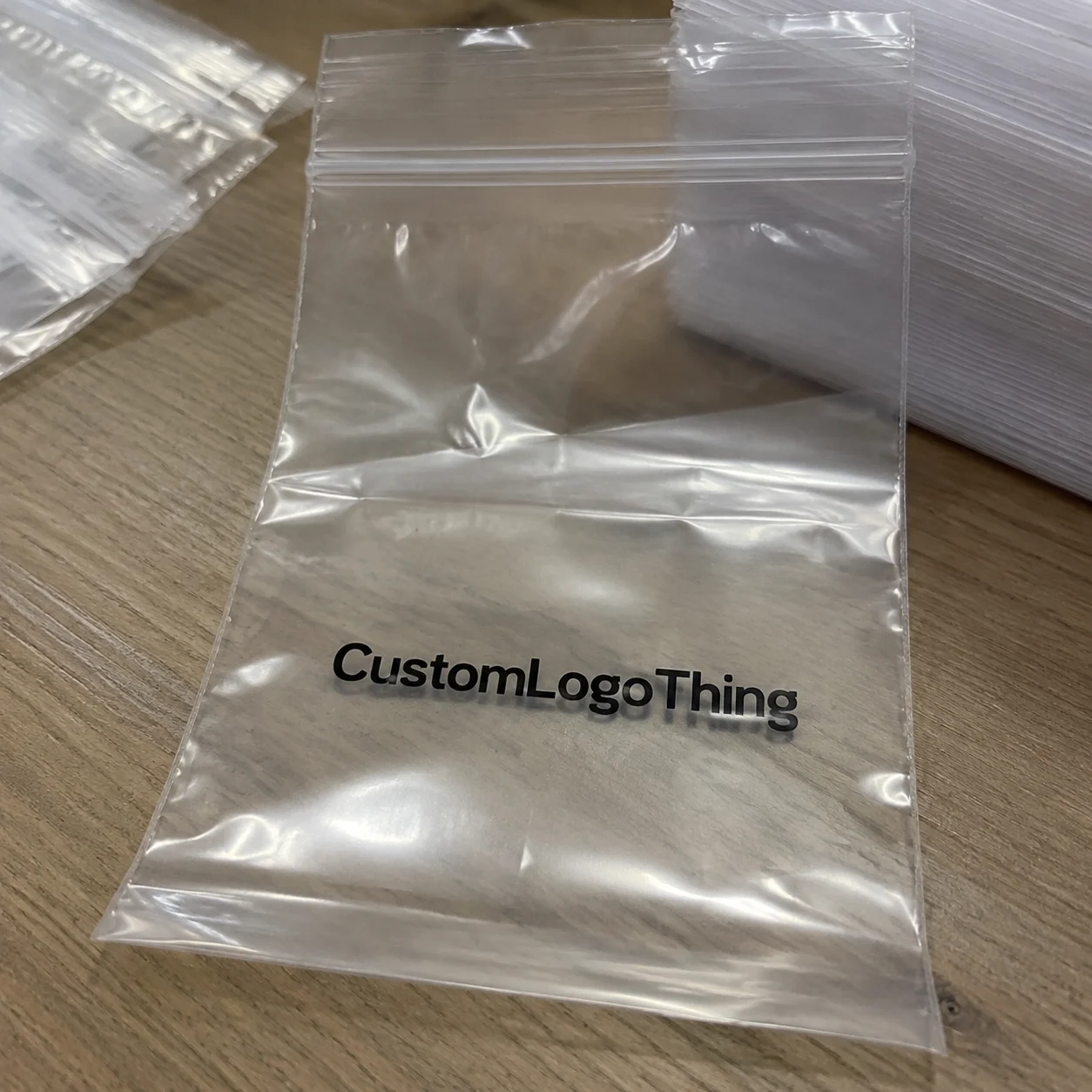
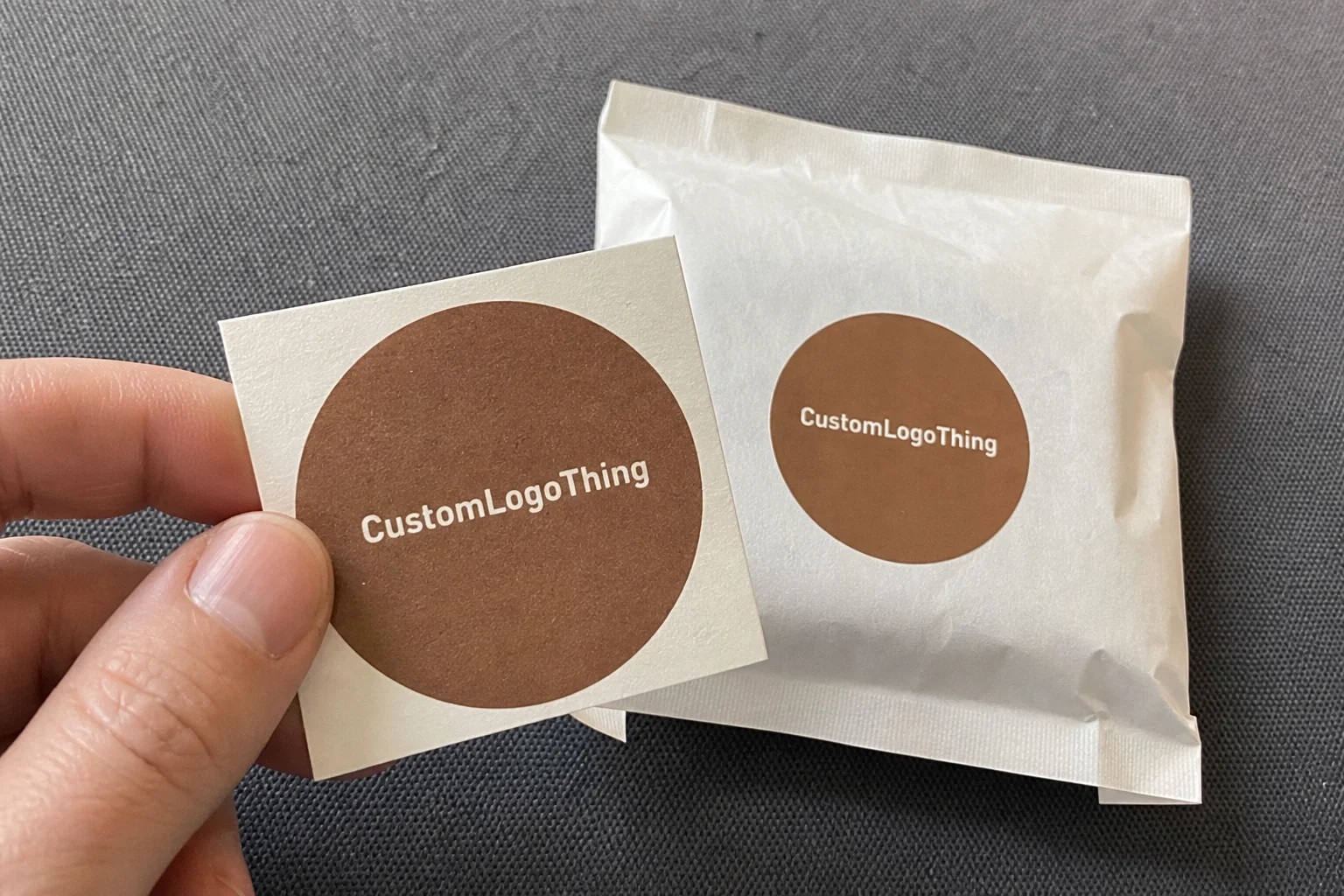
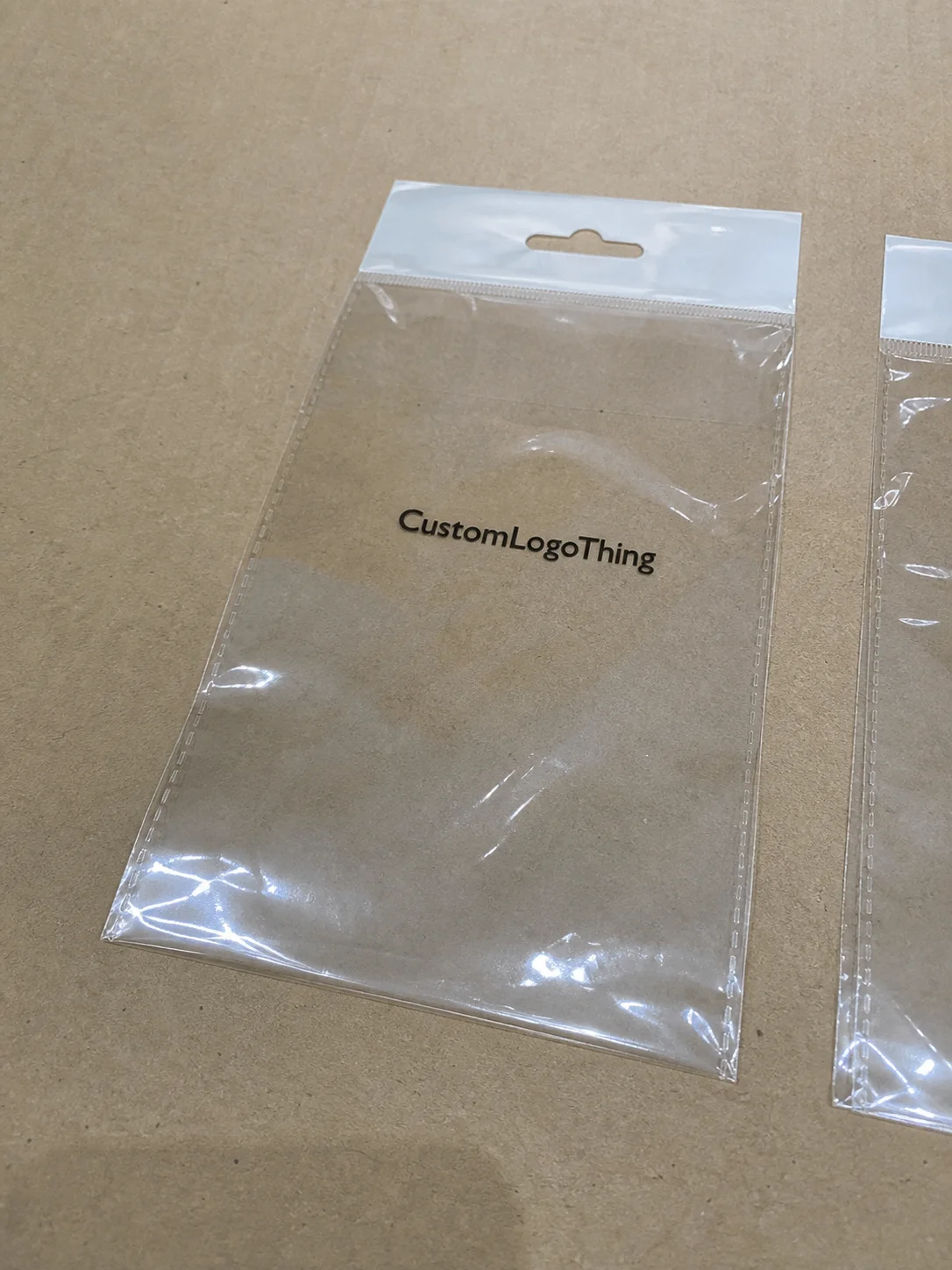
| Best fit | Reduce Packaging Waste in Business projects where brand print, material claims, artwork control, MOQ, and repeat-order consistency need to be specified before quoting. |
|---|---|
| Quote inputs | Share finished size, material target, print colors, finish, packing count, annual reorder estimate, ship-to region, and any compliance wording. |
| Proofing check | Approve dieline scale, logo placement, barcode or warning zones, color tolerance, closure strength, and carton packing before bulk production. |
| Main risk | Vague material claims, crowded artwork, missing packing details, or unclear freight terms can make a low unit price expensive after revisions. |
Fast answer: Reduce Packaging Waste in Business: Quote Scope, Sample Proof, MOQ, and Lead Time should be specified like a repeatable production item. The safest quote records material, print method, finish, artwork proof, packing count, and reorder notes in one written spec.
Production checks before approval
Compare the actual filled-product size with the drawing, then confirm tolerance on folds, seals, hang holes, label areas, and retail display edges. Reserve space for logos, QR codes, warning copy, and material claims before decorative graphics fill the panel.
Quote comparison points
Review material grade, print process, finish, sampling route, tooling charges, carton quantity, and freight assumptions side by side. A quote is only useful when the supplier can repeat the same color, closure quality, and packing count on the next order.
One packaging decision can quietly drain six figures from your P&L. I watched it happen in a New Jersey fulfillment center where a brand shipped candles in one “safe” box size for 42 SKUs and paid to move empty air on every truck. I remember standing near the dock, staring at half-full cartons, and thinking, we are literally paying freight for oxygen (not the premium kind). If you’re trying to figure out how to Reduce Packaging Waste in Business, the fastest gains usually come from operational choices you can control in weeks, not years.
How to Reduce Packaging Waste in Business Starts With One Hard Truth
The hard truth: most packaging waste in business gets locked in before the first order is packed. Not by bad intent. By defaults. “Bigger is safer.” One extra insert. Another tape strip. More void fill. Suddenly, a 280g product leaves the building wrapped in 410g of packaging.
I saw this with a personal care brand shipping 18,000 DTC orders per month from Ohio. They switched from a 12 x 10 x 6 RSC carton to a right-sized 10 x 8 x 4 tuck-top for their top three bundles. Corrugate use dropped about 27% in one quarter. The surprising part was freight: DIM-weight charges fell enough to cut parcel spend by roughly $0.34 per order. Monthly freight dropped by just over $6,000, with no carrier contract changes. That was the moment the room got quiet. Waste reduction stopped being a “nice sustainability slide” and became margin protection.
That’s why my answer to how to reduce packaging waste in business is never “go fully plastic-free overnight.” Sounds great on social media. In operations, it can backfire fast. In practical terms, packaging waste includes:
- Excess material use (oversized cartons, unnecessary inserts, over-taping)
- Void fill overuse (3 feet of kraft paper for a 6-ounce item)
- Damage-driven re-ships (double packaging and double freight on replacements)
- Low recyclability formats (multi-material packs with poor local recovery)
- Pack-out inconsistency (shift A uses one air pillow, shift B uses five)
Many leadership teams frame this as sustainability PR. That misses the bigger lever. Packaging waste hits margin through at least five channels: material spend, freight spend, labor minutes per order, warehouse cube, and return/replacement cost. Customer perception matters too. In a post-purchase survey I reviewed for a beauty brand, 31% of negative comments mentioned “too much packaging” or “box way too large,” even while product ratings stayed at 4.7/5.
So here’s the expectation I set with clients at Custom Logo Things: target measurable reduction. Not slogans. Not perfect-on-paper targets that break the floor. If your team wants a practical path for how to reduce packaging waste in business, start with current-state data and pick improvements that preserve service levels.
How Packaging Waste Happens Across the Supply Chain
Packaging waste is bigger than a warehouse problem. It starts upstream and compounds downstream. Think lifecycle: sourcing → converting → packing → shipping → returns → disposal/recovery. A mismatch in step one can snowball by step five.
Where do the biggest waste pockets show up?
- Oversized cartons that force extra void fill and trigger DIM charges
- Over-spec materials such as 44 ECT board where 32 ECT passes transit tests
- Inconsistent pack methods between teams and facilities
- Poor-fit inserts that allow movement and create preventable breakage
The hidden multiplier is damage. One damaged order is never just one unhappy customer. It creates replacement packaging, reverse logistics, extra pick-pack labor, another outbound shipment, and more emissions from duplicate transportation. A 2% damage rate may look manageable on paper. For 50,000 monthly shipments at an $11 all-in replacement cost, that’s $11,000 per month in avoidable leakage. I’ve had operators shrug at “just 2%” and then go silent when the monthly dollar figure hits the screen.
To solve how to reduce packaging waste in business, separate packaging layers and optimize each one differently:
- Primary packaging: touches product (bottle, pouch, inner tray). Prioritize material gauge, closure integrity, and recycling compatibility.
- Secondary packaging: customer-facing shipper or retail carton. Prioritize dimensional fit, structural performance, and print efficiency for branded packaging.
- Tertiary packaging: pallet wrap, corner boards, master cartons. Prioritize load stability and warehouse handling performance.
I usually introduce a four-metric dashboard before any redesign, because if you can’t measure it, the meeting turns into opinion ping-pong:
- Material intensity per order (grams/order)
- Cube utilization (product volume ÷ package volume)
- Damage rate by SKU family and carrier lane
- Recycling compatibility rate by destination region
Custom formats matter. Custom Packaging Products can reduce waste significantly when engineered for your actual SKU geometry, not forced from a generic dieline library. Right-size Custom Printed Boxes, tailored inserts, and smarter packaging design often cut material use and parcel charges at the same time.
If you keep asking how to reduce packaging waste in business, make this shift: stop treating packaging as a static purchase and treat it as an adjustable operating system.
Key Factors That Determine Packaging Waste Reduction Results
Two companies can run the same redesign and get wildly different outcomes. I’ve seen a mailer conversion save 22% for one apparel brand and flop for another. Product profile, channel requirements, operating discipline, and return behavior change the math.
Product profile drives structural reality
Fragility, weight, and geometry set hard limits. A 1.2 kg ceramic diffuser with a 6-inch glass neck needs a different strategy than a 300g textile item. Fragile SKUs may need molded pulp end-caps (2.5mm wall) or E-flute partitions instead of loose fill. Irregular geometry often benefits from custom cavities that can cut movement by 60%+ in drop tests.
Channel standards are not interchangeable
DTC, retail packaging, and B2B master-pack channels follow different rules. Retail tends to prioritize shelf presence and package branding; parcel DTC has to survive small-parcel impact cycles. I sat in a Chicago meeting where a team reused a retail carton as the shipper to remove one component. Damage jumped from 1.4% to 4.9% in two weeks. Savings vanished instantly. Big “saved pennies, lost dollars” energy.
Operations consistency matters more than most teams admit
You can design excellent product packaging and still burn material if pack-line behavior is inconsistent. I audited a Texas facility where tape use on the same SKU ranged from 6 to 24 inches because no visual SOP existed. Tape spend rose 18% quarter-over-quarter with no volume increase. A one-page visual standard fixed it in 10 days. Kinda ridiculous, but true.
Supplier capability determines speed and quality
Ask direct questions: MOQ by board grade, lead time from proof approval, in-house transit testing capability, and willingness to run two prototype rounds. A supplier quoting 350gsm C1S artboard with soft-touch lamination at $0.42/unit for 10,000 units may still be less useful than one offering 300gsm SBS at $0.38/unit with a 12-business-day turnaround and faster iteration cycles.
Customer behavior changes the economics
High-return categories need resealable, re-shippable design logic. If returns run 20%, a hard-to-open shipper creates extra tape use and repacking waste on the way back. Local recycling access also matters. A pack can be technically recyclable and still fail in reality if municipal programs rarely accept it. The EPA recycling resources are a useful baseline, though they’re not a substitute for checking your top shipping ZIPs directly.
Compliance and claims must be accurate
For transit performance, align with ISTA protocols where relevant (ISTA standards). For fiber sourcing claims, verify FSC chain-of-custody before printing certifications on-pack. Overstated claims create legal and reputational risk. I’m blunt here: one shaky claim can undo months of good operational work.
My prioritization lens for how to reduce packaging waste in business is straightforward: start with high-volume SKUs, then high-damage SKUs, then low-recyclability formats. That order usually produces the best mix of immediate savings and long-run gains.
Step-by-Step: How to Reduce Packaging Waste in Business Operations
If you need an execution plan for how to reduce packaging waste in business, use this six-step sequence. Same playbook I’ve used with subscription brands, electronics importers, and specialty food teams.
Step 1: Run a packaging waste audit by SKU and order type
Collect baseline metrics for at least four weeks of normal volume. Track:
- Packaging grams per order
- Void fill type and amount
- Damage percentage by SKU
- Return reason codes linked to packaging
- Average pack time in seconds
Use real pack-line sampling, not only BOM assumptions. I’ve seen BOMs call for one insert while packers used two “just to be safe.” I remember one supervisor telling me, “We don’t do that,” while I was literally holding the second insert in my hand. Data first, assumptions second.
Step 2: Segment SKUs into packaging families
Cluster by size, fragility, and channel so you avoid over-customization. A business with 180 SKUs might only need 12 packaging families. Build a dimensional matrix: product LxWxH, weight band, fragility score (1–5), and target package type. This move is one of the fastest in how to reduce packaging waste in business because it exposes redundant carton sizes quickly.
Step 3: Prototype alternatives and test transit performance
Test at least 2–3 structure options per family: mailers, fold-and-lock cartons, molded pulp inserts, mono-material formats. Document specs like flute type (E, B, C), board grade (32 ECT vs 44 ECT), and closure method. Run controlled drop, vibration, and compression testing before scale.
I visited a converting partner in Shenzhen where we tested a fold-and-lock structure replacing a two-piece rigid setup for accessories. Unit material cost fell from $0.74 to $0.49 at 20,000 units, and assembly labor dropped by 11 seconds per pack. Not glamorous, but those seconds add up fast.
Step 4: Standardize pack-out SOPs visually
Create station-level visuals showing exactly where product sits, how much void fill to use, where tape goes, and when to reject a damaged carton. Use photos instead of text-only SOPs. One client rollout cut void-fill usage by 34% in three weeks across two shifts. Also: laminate the SOP sheets. Paper SOPs near tape guns and water stations age like bananas.
Step 5: Pilot in one warehouse lane
Skip the all-site launch. Pilot one lane, one carrier mix, and 10–15 top SKUs. Track daily:
- Damage rate
- Pack time
- Material usage per order
- Customer feedback tags (“overpackaged,” “arrived damaged”)
This controlled approach is central to how to reduce packaging waste in business without creating service disruption.
Step 6: Scale with supplier scorecards and quarterly reviews
Use supplier scorecards that track on-time delivery, defect rate, response speed on changes, and cost variance. Run quarterly optimization reviews for top-volume families. Packaging is never finished; SKU mix shifts, carrier rules change, and design has to move with both. If someone says they “solved packaging forever,” they’re gonna disappoint you.
Typical timeline from audit to rollout
- 2 weeks: audit and baseline dashboard
- 3-4 weeks: design iterations and prototyping
- 2 weeks: transit testing and sign-off
- 4 weeks: pilot lane launch and monitoring
- Phased implementation: by warehouse or SKU family
Teams working on how to reduce packaging waste in business often underestimate change management. Train team leads first, then packers, then QA spot-checks for 10 business days after launch. That sequence prevents backsliding.
Costs, Pricing, and ROI: What Waste Reduction Really Saves
The biggest misconception I hear is simple: “If unit packaging cost drops, we win.” Not always. For how to reduce packaging waste in business, track total cost-to-serve per successful delivery.
Break cost into five buckets:
- Unit packaging cost
- Freight cost (especially DIM weight)
- Labor per packed order
- Damage/replacement cost
- Disposal or handling fees
| Scenario | Current State | Optimized State | Notes |
|---|---|---|---|
| Packaging unit cost | $0.62/order | $0.58/order | Right-sized corrugate, fewer components |
| Freight cost | $4.90/order | $4.43/order | Lower DIM volume on top 30 SKUs |
| Labor cost | $0.71/order | $0.63/order | 11-second pack-time reduction |
| Damage/replacement | $0.24/order | $0.14/order | Improved insert fit + SOP adherence |
| Total cost per shipped order | $6.47 | $5.78 | $0.69 savings/order |
Tooling and setup are real, especially for custom printed boxes, molded inserts, or new die-cuts. Typical ranges I see:
- Simple die-line updates: $0 to $350
- New cutting die: $250 to $1,200 depending on complexity
- Molded pulp tooling: $2,000 to $8,000
- Color proof + prepress setup: $120 to $450
Payback is usually faster than teams expect when high-volume SKUs are first in line. Use this formula:
ROI = (Annual Savings - Implementation Cost) / Implementation Cost
Example: $96,000 annual savings and $18,000 implementation cost gives ROI = 4.33 (433%). That’s why how to reduce packaging waste in business often turns into a finance story disguised as a sustainability project.
I’ve seen premium materials lower total cost too. One gourmet food brand moved from a low-cost uncoated board to a moisture-resistant option that added $0.06 per unit. Looks worse at first glance. Damage dropped from 3.1% to 1.2%, and replacement costs fell enough to improve contribution margin by 2.4 points. Full disclosure: that won’t replicate perfectly in every category, but the method does—test total system economics, not line-item price alone.
If budgets are tight, start with no-tooling edits: carton rationalization, tape length standards, void-fill limits, and revised pack instructions. Move to structural redesign after early wins are proven. For most teams learning how to reduce packaging waste in business, that phased path carries lower risk and is easier to approve internally.
Common Mistakes Businesses Make When Cutting Packaging Waste
Most failures are predictable. I’ve watched teams repeat the same six mistakes across beauty, electronics, supplements, and home goods.
Mistake 1: Material swapping without structural redesign
Switching plastic to paper without changing geometry can increase breakage. If impact zones aren’t managed, good intent gets erased by replacement volume.
Mistake 2: Designing for looks only
Beautiful branded packaging can still fail in transit. One premium cosmetics kit I reviewed had strong shelf presence but wasted 38% internal cube, which pushed DIM costs up.
Mistake 3: Ignoring line behavior
Even great packaging design fails without training. If one shift overfills and another underfills, your metrics become noisy and misleading.
Mistake 4: Skipping returns analysis
Returns data is a goldmine. “Arrived dented,” “seal broken,” and “box crushed” are direct clues for structural fixes. Many teams never connect CX tags to packaging families.
Mistake 5: Assuming recycling labels are universal
Infrastructure varies sharply by region. A material accepted in one city may be landfill-bound in another. That changes real end-of-life outcomes.
Mistake 6: Measuring tonnage only
Tonnage helps, but it’s incomplete. You need a systems view: waste volume, replacement loops, labor time, and cost per successful delivery. That is the core of how to reduce packaging waste in business with credibility.
Quick diagnostic checklist
- Is damage rate above 2% on any high-volume SKU family?
- Do more than 25% of orders use “default large box” logic?
- Do packers have visual SOPs at every station?
- Are you tracking grams/order weekly by SKU family?
- Do you review return reasons tied to packaging every month?
- Have you validated recycling compatibility by top destination region?
If you answered “no” to three or more, you likely have immediate opportunities in how to reduce packaging waste in business.
Expert Tips and Next Actions to Reduce Packaging Waste This Quarter
Need results inside one quarter? Put structure around decisions. Ad hoc packaging changes create confusion, rework, and mixed signals on the floor. I’ve seen teams burn a month because nobody owned final sign-off.
Create a cross-functional task force with one owner
Include operations, procurement, sustainability, CX, and finance. Assign one decision owner and one weekly dashboard. In one client sprint, a 30-minute Tuesday review prevented a six-week delay on insert approvals.
Prioritize the top-volume 20%
In many businesses, 20% of SKUs drive 75–85% of packaging volume. Start there for outsized impact. This is the most practical rule in how to reduce packaging waste in business.
Run supplier co-development sessions
Don’t ask only for “cheaper.” Ask for alternatives: lighter board grades, nested insert geometries, fewer components, faster erection designs. Request two prototype paths with pricing at 5,000 and 25,000 units.
Improve disposal guidance for customers
Add clear on-pack icons and QR codes for disposal instructions. Example: “Remove film before curbside recycling” or “Insert is paper-based, recycle with cardboard.” Better end-of-life behavior strengthens sustainability claims and reduces contamination in recycling streams.
Use this 30-60-90 day plan
- Day 1-30: Build baseline dashboard (grams/order, damage %, cube utilization, cost/order). Finalize top-SKU shortlist.
- Day 31-60: Decide prototypes by packaging family. Complete transit tests and SOP drafts.
- Day 61-90: Review pilot KPIs weekly. Approve scale plan by warehouse lane and supplier capacity.
“We thought this was a branding project. It turned into a margin project.” — COO, mid-market wellness brand after a 12-week packaging pilot
If you’re evaluating options now, review your current custom printed boxes and product packaging formats against real shipment data, not legacy assumptions. Benchmark retail packaging versus DTC requirements separately; one format rarely performs best in both without adjustment. Teams revisiting branded packaging and package branding strategy usually get stronger outcomes by pairing creative goals with shipping performance metrics.
Here’s your next 7-day plan for how to reduce packaging waste in business: pull 30 days of order and returns data, shortlist your top 15 volume SKUs, and send a one-page supplier brief requesting two right-size alternatives per SKU family with lead times and MOQ pricing. Then schedule a 45-minute internal review to pick one pilot lane and one KPI owner. One focused week gives you baseline visibility and testable options. That’s the actionable takeaway: start small, measure daily, and scale only what protects both margin and damage performance.
How to Reduce Packaging Waste in Business Quickly Without Raising Damage Rates?
Start with a controlled pilot on high-volume SKUs: right-size cartons, cap void fill per order, and enforce visual pack SOPs. Track three numbers daily—damage rate, grams of packaging per order, and total cost per successful delivery. If damage rises above baseline, adjust structure before scaling. If damage stays flat or drops while material intensity falls, expand lane by lane. This approach improves packaging optimization, supports sustainable packaging goals, and reduces supply chain waste without risking service levels.
FAQ
What is the fastest way to reduce packaging waste in business without disrupting shipping?
Start with right-sizing for top-volume SKUs and set clear void-fill rules (for example, max 12 inches of kraft per order for specific families). Pilot in one fulfillment lane, then scale. During rollout, track daily damage rate and carrier exceptions so problems are corrected before they spread.
How can small businesses reduce packaging waste in business on a limited budget?
Focus first on no-tooling changes: rationalize carton sizes, reduce tape usage with fixed-length dispensers, and train packers using visual SOPs. Consolidate components so purchasing can negotiate stronger pricing tiers. Run short tests (100–300 orders) before committing to large MOQs.
Does sustainable packaging always cost more when trying to reduce packaging waste in business?
No. Unit material cost may rise, while total landed cost still falls if DIM weight, labor time, and damage rates improve. Compare full cost-to-serve per successful delivery. Prioritize high-impact SKUs where savings are easiest to verify.
How long does a typical packaging waste reduction project take?
Most teams can move from audit to pilot in about 8–12 weeks, depending on SKU count and supplier speed. Transit testing and sample lead times are common bottlenecks. A phased rollout by lane or SKU family lowers risk while maintaining momentum.
Which KPIs should we track to prove we reduce packaging waste in business?
Track material grams per order, cube utilization, and void-fill usage rate by SKU family. Add damage and return rates tied to packaging type. Most important, monitor total Packaging Cost Per successful delivery plus recycling compatibility by destination region.