Buyer Fit Snapshot
| Best fit | Reduce Shipping Costs with Poly Mailers projects where brand print, material claims, artwork control, MOQ, and repeat-order consistency need to be specified before quoting. |
|---|---|
| Quote inputs | Share finished size, material target, print colors, finish, packing count, annual reorder estimate, ship-to region, and any compliance wording. |
| Proofing check | Approve dieline scale, logo placement, barcode or warning zones, color tolerance, closure strength, and carton packing before bulk production. |
| Main risk | Vague material claims, crowded artwork, missing packing details, or unclear freight terms can make a low unit price expensive after revisions. |
Fast answer: Reduce Shipping Costs with Poly Mailers: Film, Print, MOQ, and Carton Packing should be specified like a repeatable production item. The safest quote records material, print method, finish, artwork proof, packing count, and reorder notes in one written spec.
Production checks before approval
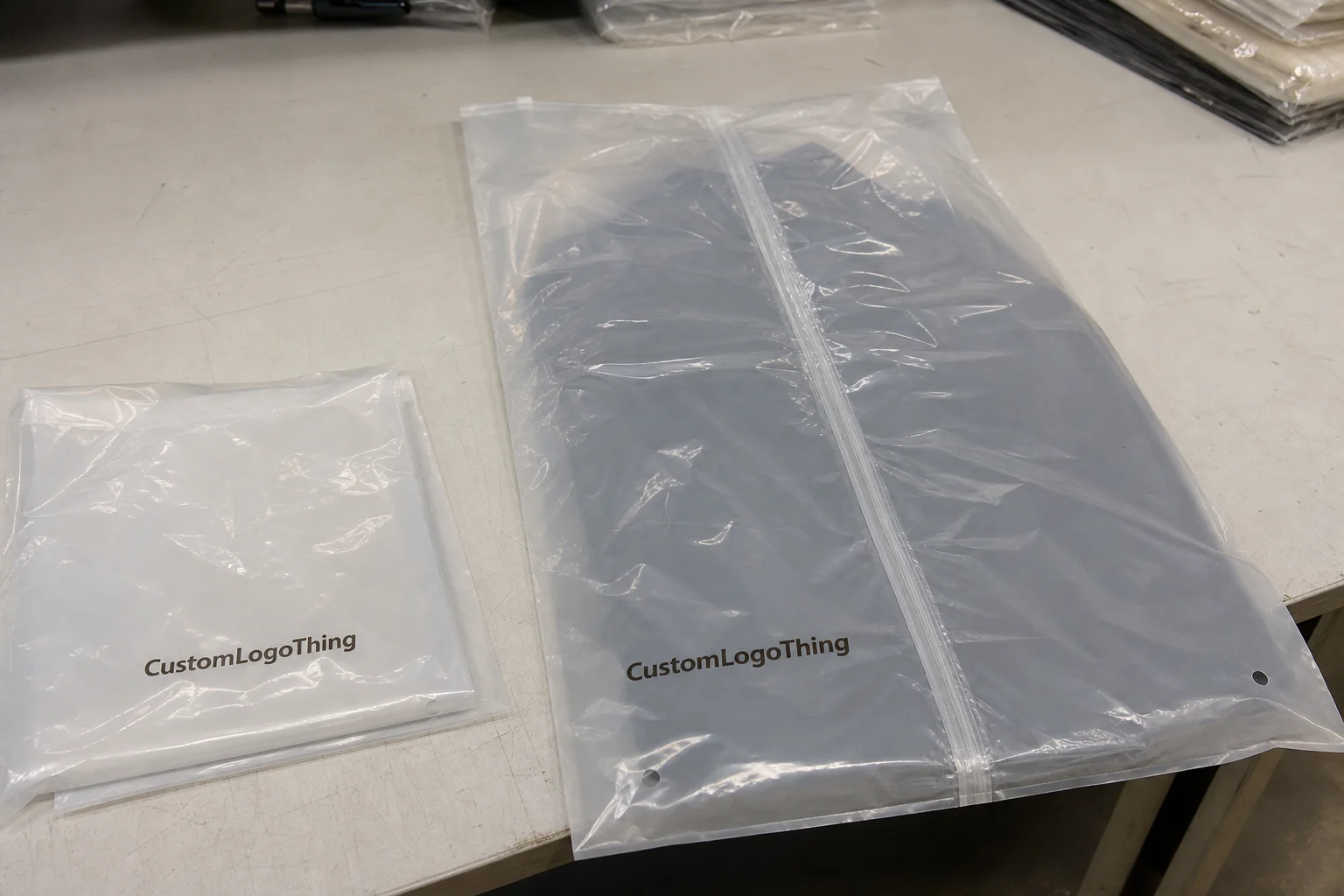
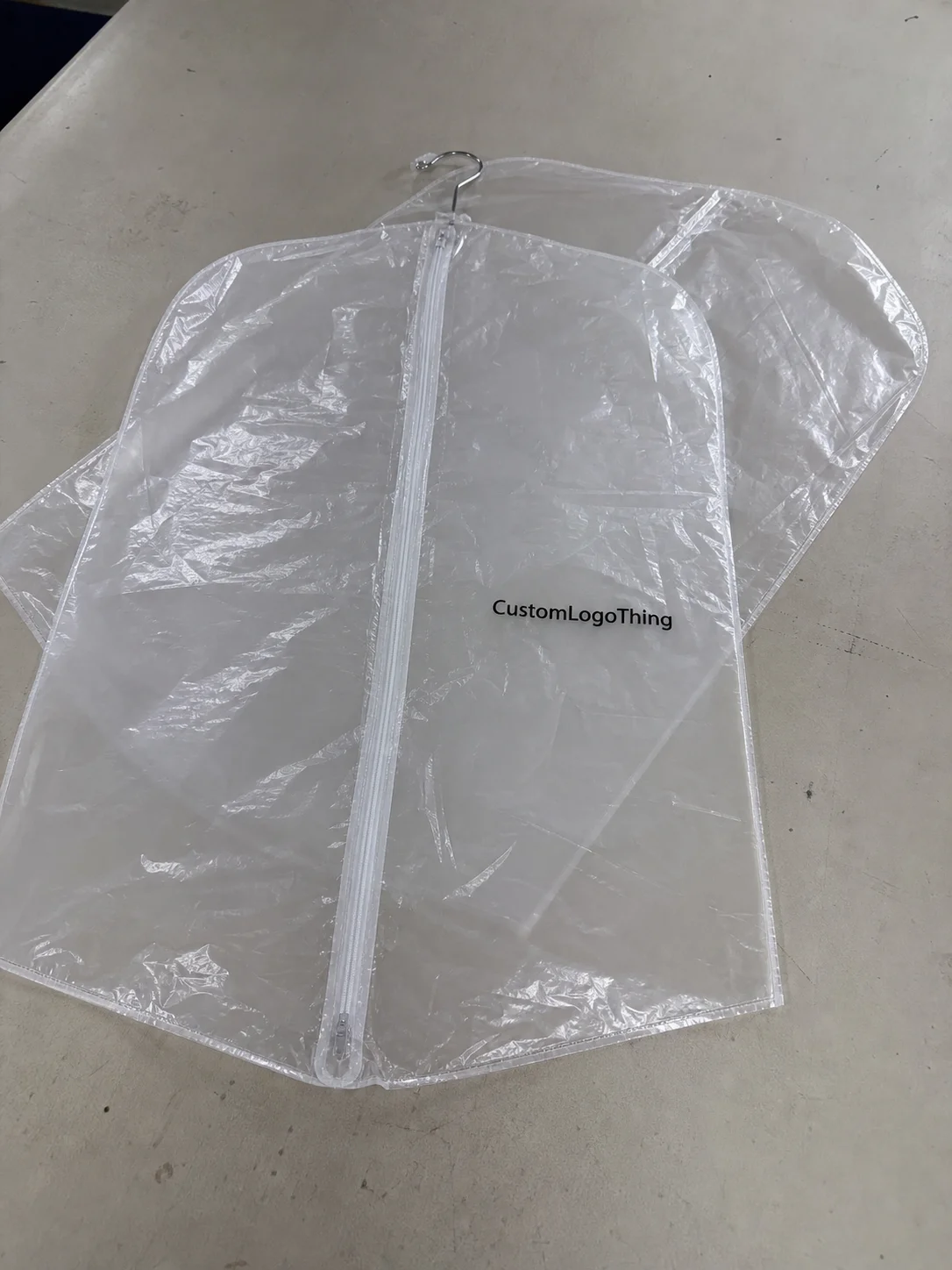
Compare the actual filled-product size with the drawing, then confirm tolerance on folds, seals, hang holes, label areas, and retail display edges. Reserve space for logos, QR codes, warning copy, and material claims before decorative graphics fill the panel.
Quote comparison points
Review material grade, print process, finish, sampling route, tooling charges, carton quantity, and freight assumptions side by side. A quote is only useful when the supplier can repeat the same color, closure quality, and packing count on the next order.
How to Reduce Shipping Costs With Poly Mailers: The Fastest Margin Win
I watched a DTC apparel client in Vernon, California replace 9x6x3 corrugated cartons with 10x13 co-extruded poly mailers during a three-week pilot, and landed shipping cost dropped $1.18 per order across 18,000 monthly shipments. That is not a projection from a deck. That is payroll-level money showing up in the P&L.
Anyone serious about how to reduce shipping costs with poly mailers has to face one uncomfortable truth early: for lightweight products, carriers often price the space you occupy more aggressively than the value of the item inside. You can sell a $68 hoodie, but once it ships in a box full of air, you’re paying freight on nothing useful.
I’m not interested in fluffy packaging theory. I care about measurable savings in four buckets: postage, packaging unit cost, labor minutes, and damage-related reship cost. After enough time on warehouse floors in Shenzhen, Dongguan, and New Jersey, I keep seeing the same miss—teams obsess over finishes and brand color while margin leaks out of the pack format decision.
Savings usually come from a few simple mechanics:
- Dead weight reduction: Typical small carton + tape + void fill = 78g to 130g. Typical 2.5 mil mailer = 14g to 32g.
- Cubic volume reduction: Less air means lower billed dimensional weight on many carrier service levels.
- Lower shipping materials spend: No carton assembly, less tape, often no void fill.
- Faster order fulfillment: Packers can seal a mailer in 6-12 seconds versus 25-45 seconds for small-box build, tape, and fill.
- Better slot density: One pallet can hold 4x to 8x more mailers than pre-erected cartons in many DC layouts.
Best-fit categories include apparel, soft accessories, textile bundles, small replenishment SKUs, and non-fragile products with low crush risk. Poor-fit categories include glass, rigid electronics without internal support, and gift-forward luxury products where unboxing presentation drives conversion.
I get asked whether this works for every brand. It doesn’t. Poly mailers are tools, not magic. High-return categories often need a second strip for reverse logistics. Sharp-corner products may need thicker film or a hybrid setup. A box still wins in plenty of lanes. Most mistakes around how to reduce shipping costs with poly mailers come from chasing unit price while skipping product-fit logic.
Use this decision framework and you sidestep the expensive detour:
- Product fit and risk profile
- Material and thickness spec
- Cost model (unit + postage + labor + defect)
- Pilot rollout timeline
- Supplier selection and QC gates
- Warehouse SOP enforcement
Quick benchmark template you can fill in right now:
- Current packaging cost/order: $_____
- Current average billable weight: _____ lb
- Current damage or open-in-transit rate: _____%
- Current average pack time/order: _____ sec
- Target savings/order: $_____
At Custom Logo Things, we build this model before you place a large PO. Share dimensions, monthly volume, and service zones; we return a spec recommendation plus a shipping-impact estimate. If the math is weak, I’ll tell you it’s weak. How to reduce shipping costs with poly mailers only works when the full operating model works.
Product Details: Which Poly Mailers Actually Reduce Shipping Costs
Not every poly mailer supports how to reduce shipping costs with poly mailers. I’ve seen teams buy “eco” mailers that tore at 1.8 mil and then burn $9,400 in two months on reships. Wrong spec, wrong application, predictable outcome.
Core mailer types and where each one makes financial sense:
Standard LDPE Mailers
Usually the lowest landed unit price at volume. At 10,000 units, plain stock 10x13 often lands around $0.045–$0.085/unit depending on gauge and freight mode. They work well for folded textiles and low-abrasion ecommerce shipments.
Co-Extruded Opaque Mailers
Two- or three-layer structures, often white outside with a black privacy interior. Puncture resistance is typically better than single-layer films with a similar hand feel. Custom-printed runs often sit in the $0.09–$0.21/unit range depending on size, color count, and MOQ.
Recycled-Content Mailers (PCR Blends)
A strong choice for brands that need sustainability claims backed by paperwork. Expect a price premium, usually 8% to 22% above virgin blends based on PCR percentage (for example, 30% or 50%). Seal behavior matters here—test adhesive on your actual line, not just at sample review.
Compostable Mailers
Useful in certain markets, with higher cost and a narrower performance window in humid lanes. I only recommend them after climate testing and plain-language disposal education for customers. If buyers don’t compost correctly, you pay more without getting the environmental result you expected.
Bubble-Lined Mailers
Good for light fragile accessories or cosmetics with surface-scratch risk. They can still support how to reduce shipping costs with poly mailers versus cartons when item profile is right, though added weight narrows postage gains.
Closure design has a bigger operational impact than most teams expect:
- Permanent self-seal: Fastest pack speed, lowest labor.
- Double adhesive strip: Easier returns; can trim reverse-logistics handling by 10-20 seconds per touchpoint.
- Tamper-evident seals: Useful for theft-sensitive categories; slightly higher unit cost that often pays back on high-claim routes.
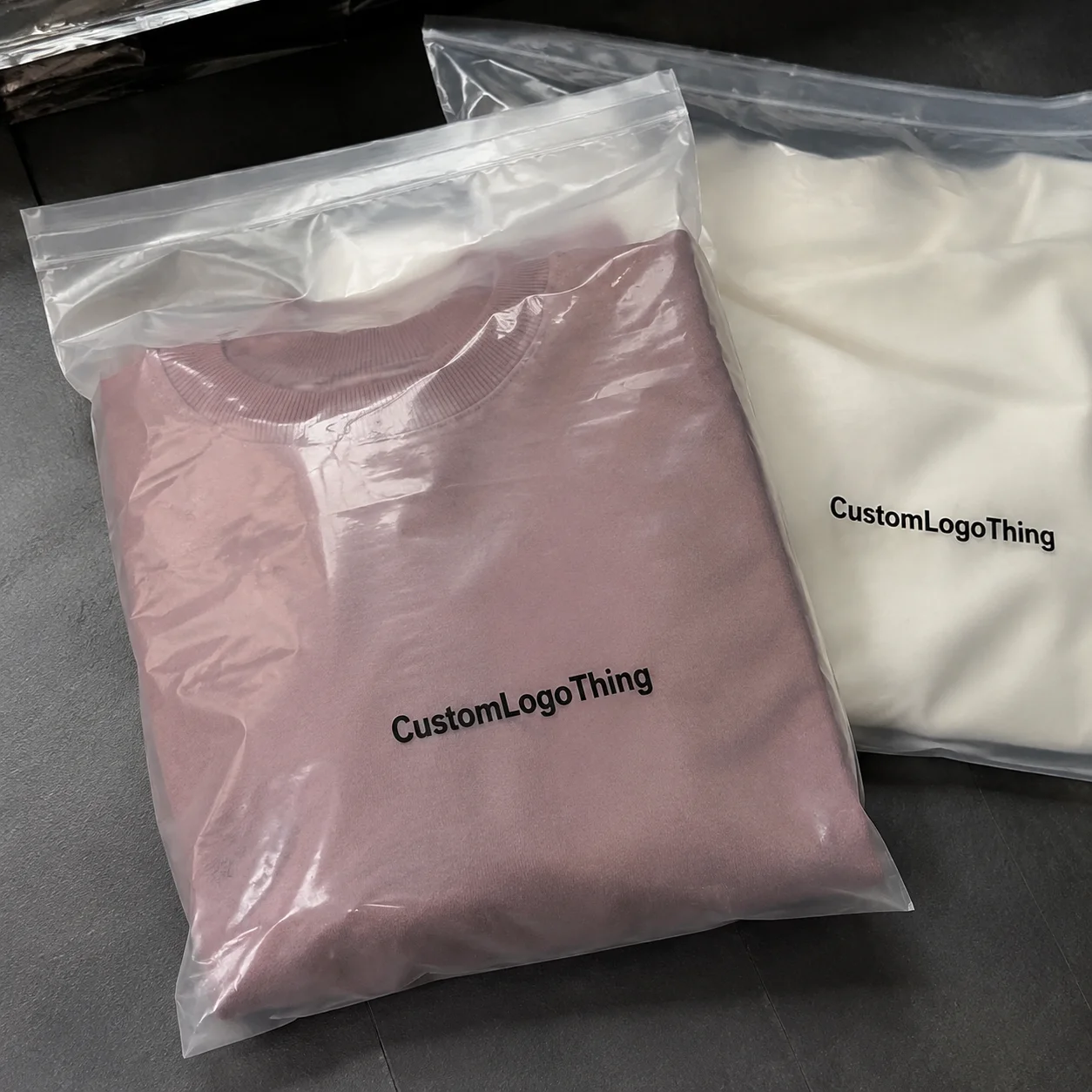
Branded print can improve operations instead of just looking nice. Clear barcode zones, handling icons, and SKU-family color coding cut mis-sorts and wrong-label events during busy 3PL shifts. One Midwest apparel brand reduced relabel exceptions from 2.4% to 1.1% after reworking print hierarchy. The visual style stayed similar; the information architecture got sharper.
If your packaging team is weighing full custom against stock, compare this against alternatives like Custom Shipping Boxes and test by SKU family. For many soft goods, Custom Poly Mailers deliver the cleaner total cost profile and more efficient parcel shipping performance.
Rule of thumb I use with clients: if an item passes a 1-meter drop and compression cycle without rigid support, a properly spec’d mailer is usually cheaper end to end. Usually, not always.
Specifications That Matter If You Want to Reduce Shipping Costs With Poly Mailers
Consistent results on how to reduce shipping costs with poly mailers come from specification discipline. “Send your best mailer” is how teams end up with random film, random seal, and random claims exposure.
Use this buyer checklist with procurement and ops:
- Finished size (W x H + flap), tolerance ±2mm or ±3mm
- Film thickness by mil and microns
- Material blend (virgin vs PCR percentage)
- Adhesive type and peel performance
- Tear and puncture targets
- Print method, ink coverage, and color tolerances
- Barcode quiet zones and scan contrast
- Tamper-evident requirement
- Recyclability label language
- AQL level and sampling method
Film Thickness Guidance
Most brands land in the 2.0 to 3.5 mil range. Lightweight tees and leggings can run 2.0-2.3 mil if edges are soft. Hoodies, denim, and mixed bundles often need 2.5-3.0 mil. Sharp-corner accessories or multi-item packs may need 3.0-3.5 mil. Overbuild erodes savings. Underbuild erodes customer trust.
Size Optimization
Right-size aggressively. A 12x15 mailer used for a 9x12 folded item creates excess air and can push billed volume in certain carrier structures. We usually map a size matrix by SKU family and cap free space at 10-20% based on rebound behavior.
Material Blend and Seal Integrity
Virgin resin often gives cleaner print and stable seal performance. PCR blends can perform well too, but request batch-consistency data. Weak adhesive is expensive: one beauty client saved $0.02 per unit on a lower-grade strip and absorbed a 1.6% open-in-transit rate. Net loss.
Print Specs That Affect Cost and Lead Time
Flexo stays cost-efficient for simple spot colors at medium to high volume. Gravure produces premium print quality with higher setup cost and longer prep cycles. Heavy coverage and full bleeds increase drying complexity and can raise MOQ. If your target is how to reduce shipping costs with poly mailers, keep artwork operational and intentional.
Security and Workflow Features
Add tamper slits or void labels for sensitive products. Reserve clean barcode zones. Add QR routing for returns if support teams handle high volume. Privacy categories benefit from black interior lining; I’ve seen complaint rates drop after switching because product silhouettes were no longer visible.
Compliance and Standards
Ask for documented PCR percentage, recyclability guidance, and test data. If sustainability claims are public-facing, align with references like EPA recycling guidance and chain-of-custody frameworks from FSC where relevant to broader packaging programs.
For transit performance, pilot validation aligned to ISTA-style handling conditions is a practical baseline. Testing references are available at ISTA.
| Spec Decision | Cost Effect | Risk if Under-Spec’d |
|---|---|---|
| 2.0 mil vs 3.0 mil film | Lower unit cost by $0.01–$0.04 | Splits, punctures, reships |
| Single strip vs dual strip closure | Dual strip adds $0.01–$0.03 | Higher return handling friction |
| Standard size vs custom right-sized | Custom may raise MOQ, lower postage | Paying to ship air, poor fit consistency |
| Low-coverage print vs full-bleed | Lower setup and faster runs | Overpaying for artwork with no ops value |
| Basic adhesive vs high-tack | High-tack adds minor unit cost | Open-in-transit claims and refunds |
Pricing & MOQ: Real Cost Models, Breakpoints, and Savings Math
Money math decides whether how to reduce shipping costs with poly mailers succeeds or fails.
Your real cost stack includes:
- Mailer unit price
- Print setup (plates/cylinders where relevant)
- Inbound freight to your warehouse
- Inventory carrying cost (cash tied up)
- Postage delta per shipment
- Labor delta per order
- Damage/reship delta
Sample Price Bands You Can Benchmark
These ranges reflect deals I’ve negotiated across Asia and US converters for mid-size runs. They are directional benchmarks, not fixed offers. Resin markets, print coverage, and freight conditions move numbers up or down.
| Format | Qty | Typical Unit Range | Notes |
|---|---|---|---|
| Plain stock LDPE mailer 10x13 | 5,000 | $0.06–$0.11 | Fastest lead times, low setup |
| Custom 1-color co-ex mailer 10x13, 2.5 mil | 10,000 | $0.09–$0.15 | Lower print complexity helps MOQ |
| Custom full-color mailer 12x15, 3.0 mil | 25,000 | $0.14–$0.24 | Higher setup and longer prep |
| PCR 30% custom mailer 10x13 | 10,000 | $0.11–$0.19 | Premium depends on resin availability |
Worked Savings Example
Client profile: 22,000 monthly orders, average parcel under 1.2 lb, US zone mix 2-8.
- Old setup: 9x6x3 carton ($0.42) + tape/void fill ($0.09) = $0.51 packaging/order
- New setup: 10x13 custom 2.5 mil co-ex mailer = $0.14 packaging/order
- Packaging savings: $0.37/order
- Average postage reduction due to weight/volume profile: $0.63/order
- Labor savings (18 sec faster at $18/hr loaded): $0.09/order
- Damage increase: +0.12% (negligible after thickness adjustment)
Net monthly improvement: about $23,980. That recurring improvement is exactly why teams keep asking about how to reduce shipping costs with poly mailers.
Hidden Costs That Kill Savings
Over-customization turns into expensive theater quickly. Six sizes for low-velocity SKUs create dead stock. Print effects designed for social content add lead time without shipping ROI. Emergency air freight after missed reorder points can erase weeks of gains—I’ve watched $6,800 disappear in a single week for that reason alone.
Supplier Negotiation Levers I Actually Use
- Consolidate dimensions from 7 sizes to 3 where possible
- Commit a rolling 90-day forecast to unlock better tiers
- Simplify artwork (fewer colors, lower coverage)
- Combine POs across product lines on Custom Packaging Products for freight efficiency
- Set resin-adjustment clauses so price swings are transparent
MOQ Strategy for Growing Brands
Start with your top two velocity SKUs. Validate savings through one full billing cycle, then expand. Avoid buying 100,000 units across five speculative sizes because the unit price looks tempting on paper. Cash flow discipline matters as much as freight savings.
Process & Timeline: From Dieline Approval to Warehouse Rollout
Sloppy execution turns how to reduce shipping costs with poly mailers into a warehouse fire drill. This is the operating flow we run to keep rollout controlled.
- Requirement intake (Day 1-2): SKU list, packed dimensions, packed weight, monthly volume, fulfillment method.
- SKU audit + size matrix (Day 3-5): Group by fold profile and edge risk.
- Quote + spec options (Day 6-8): Cost-focused and durability-focused versions.
- Plain sample fit test (Day 9-14): Confirm dimensions on actual pack lines.
- Printed pre-production sample (Day 15-20): Validate color, barcode zones, seal behavior.
- Pilot test (Week 4): Controlled lane and SKU trial.
- Production run (typically 12-15 business days): After final approval.
- Freight + receiving: Depends on mode, usually 5-25 days.
- SOP training + go-live: Packer cheat sheets and bin updates.
Most delays are boring and avoidable: missing weight files, low-resolution artwork, and conflicting approvals from multiple stakeholders. I once saw a launch pause for 9 days because marketing approved Pantone references ops never reviewed, which left barcodes on dark backgrounds that scanners couldn’t read reliably.
What You Should Submit Up Front
- Product dimensions in packed state (not product page dimensions)
- Packed weight by SKU in ounces/grams
- Monthly and peak weekly shipment forecasts
- Fulfillment environment (in-house, 3PL, semi-auto bagging)
- Compliance needs (PCR claims, recycling marks, privacy requirements)
Risk Controls During Transition
Keep 2-4 weeks of fallback packaging while ramping. Roll out by SKU family instead of flipping every order at once. Run incoming quality checks with agreed AQL and seal pull tests. During the first two shipping cycles, conduct random pack audits on every shift.
Warehouse Implementation Details That Save Real Money
Label bins clearly with photo examples. Add pack-station cards such as “SKU A-C use 10x13; SKU D-F use 12x15.” Track wrong-size usage daily for the first 14 days. A 6% wrong-size rate can wipe out expected gains from your how to reduce shipping costs with poly mailers initiative.
“We thought packaging conversion was just a purchasing task. After week one, we realized training packers was the actual win.” — Ops director, beauty subscription brand, Ohio
Why Choose Custom Logo Things for Poly Mailers That Cut Freight Spend
Short version: we optimize delivered cost, not just aesthetics. Plenty of suppliers can sell a bag. Fewer teams can model how to reduce shipping costs with poly mailers across postage, labor, and claims with assumptions that hold up under audit.
We coordinate directly with factory production teams, which improves QC visibility and reduces mystery substitutions. If film gauge drifts from 2.5 mil to 2.3 mil, we flag it. If adhesive lots underperform in hot-lane conditions, we stop shipment and recheck. That is how expensive surprises get avoided before they reach your pack stations.
What clients usually say they were tired of before switching:
- Quotes that hide setup fees until PO stage
- Lead times that shift without warning
- Adhesive that fails on overloaded holiday lines
- Run-to-run color inconsistency that confuses receiving teams
We support early-stage brands that need practical MOQs and enterprise teams running multi-SKU programs across multiple fulfillment centers. In both cases, approvals are documented, pre-shipment inspections are performed, and post-delivery performance is reviewed so your ecommerce shipping program remains stable.
One candid point from experience: the cheapest quote is often the most expensive decision. If you save $0.02 per unit and claim rate rises by 1%, margin goes backward. The target is predictable savings with reliable package protection, lower dimensional weight exposure, and a low invoice line item tied to real outcomes.
Action Plan: Implement How to Reduce Shipping Costs With Poly Mailers in 30 Days
You need execution, not another packaging lecture. Use this 30-day plan to implement how to reduce shipping costs with poly mailers without creating operational chaos.
Step 1: Pull 60-90 Days of Shipment Data
Export order-level data including package type, billed weight, zone, carrier service, damages, and returns. Identify your top 20 SKUs by volume and top 5 by claim cost.
Step 2: Run a Packaging Audit
Measure actual packed dimensions against current packaging. Calculate void ratio by SKU family. Flag any SKU where carton volume exceeds 35% empty space.
Step 3: Request Two Specs Per Candidate SKU
Request one cost-focused spec and one durability-focused spec. Example: 2.3 mil versus 2.8 mil, single strip versus dual strip. This step is central to how to reduce shipping costs with poly mailers because it reveals your real tolerance window.
Step 4: Run a Controlled Pilot
Pilot by lane or location, not across the entire network at once. Track four KPIs: postage per order, pack time per order, damage rate, and return handling time. Aim for at least 500-1,500 shipments per test cell to get usable signal.
Step 5: Approve Final Specs and Reorder Points
Lock your size matrix, adhesive, and film gauge. Set reorder triggers using lead time plus safety stock. If average usage is 8,000/month and lead time is 21 days, reordering at 2,000 is not a strategy.
Step 6: Update SOPs and Train Packers
Document packing rules with images and real examples. Train each shift lead. Audit wrong-size usage daily during month one. Good order fulfillment discipline protects savings from slow leakage.
Step 7: Review Full-Cycle Results and Expand
After one full billing cycle, compare baseline against new performance. Reinvest gains into the next optimization layer: more SKUs, improved print legibility, or upgraded return workflow.
If you want a fast start, send Custom Logo Things three inputs: SKU dimensions, monthly volume, and current package type. We’ll return a cost-reduction spec sheet and quote matrix built around how to reduce shipping costs with poly mailers with practical numbers instead of vague claims.
Final thought: how to reduce shipping costs with poly mailers is one of the few margin projects you can execute quickly without changing ad spend, retail price, or product formulation. Done well, it improves freight spend, labor efficiency, and shipping-material discipline in parallel. Done poorly, it creates claim tickets and internal friction. Process quality decides which outcome you get.
What Is the Fastest Way to Reduce Shipping Costs With Poly Mailers?
The fastest path is a controlled SKU-level pilot: identify soft, non-fragile products, right-size two poly mailer specs, test 500-1,500 shipments, and compare postage, labor time, damage rate, and return handling. Most brands see the biggest gains from lower package weight, reduced dimensional weight, and faster pack speed. Keep fallback packaging in place during rollout, then expand only after one full billing cycle confirms net savings.
FAQs
How do poly mailers reduce shipping costs compared with boxes?
They typically reduce package weight and cubic footprint, which lowers billable charges on many soft, non-fragile shipments. Material and labor also drop because carton build, tape application, and void fill are removed from the workflow. Best practice is lane-by-lane validation through a pilot before full conversion.
What thickness poly mailer is best to reduce shipping costs without damage?
Most operations find the balance in the 2.0-3.5 mil range, depending on product edges, item weight, and transit abuse. Under-spec drives splits and reships; over-spec adds cost without payoff. Choose the thinnest film that still passes your drop, puncture, and seal testing standards.
What is the typical MOQ for custom poly mailers and how does it affect savings?
MOQ varies by size, print complexity, and material structure. Standard dimensions with simple print usually carry lower MOQs, while custom sizes and heavy coverage push MOQ higher. Larger MOQs can lower unit price but raise inventory risk, so start with high-velocity SKUs.
Can branded poly mailers still help reduce shipping costs with poly mailers strategies?
Yes, if branding is engineered for operations. Smart print layouts improve scan reliability and reduce handling errors while preserving freight savings. Compare branded and plain options by delivered cost per order, not unit price alone.
How long does it take to switch from boxes to custom poly mailers?
A typical conversion includes spec definition, sampling, testing, production, and inbound shipping. Many teams complete an initial rollout in about 4-8 weeks depending on artwork readiness and freight mode. A phased launch with backup packaging helps avoid disruption.