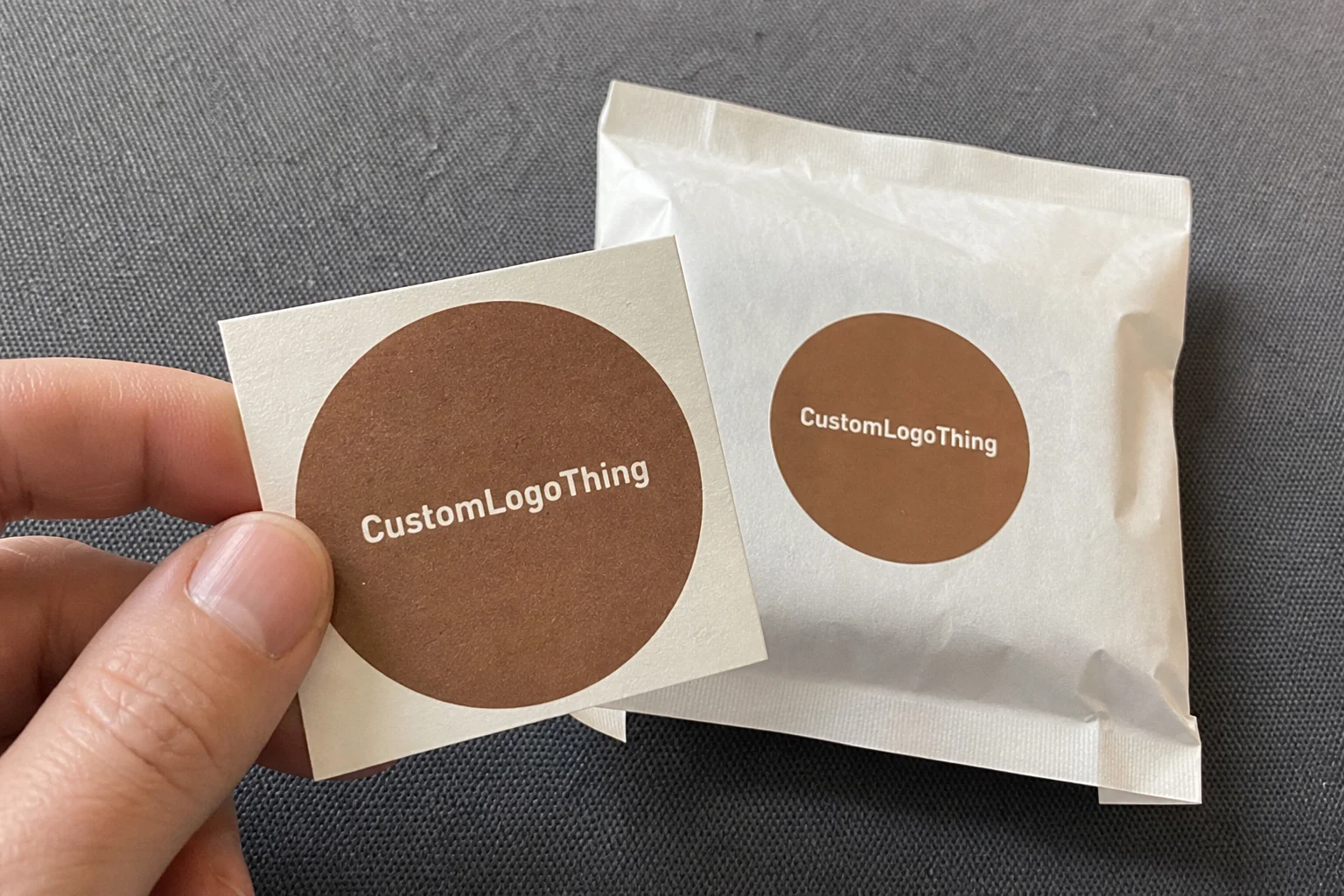
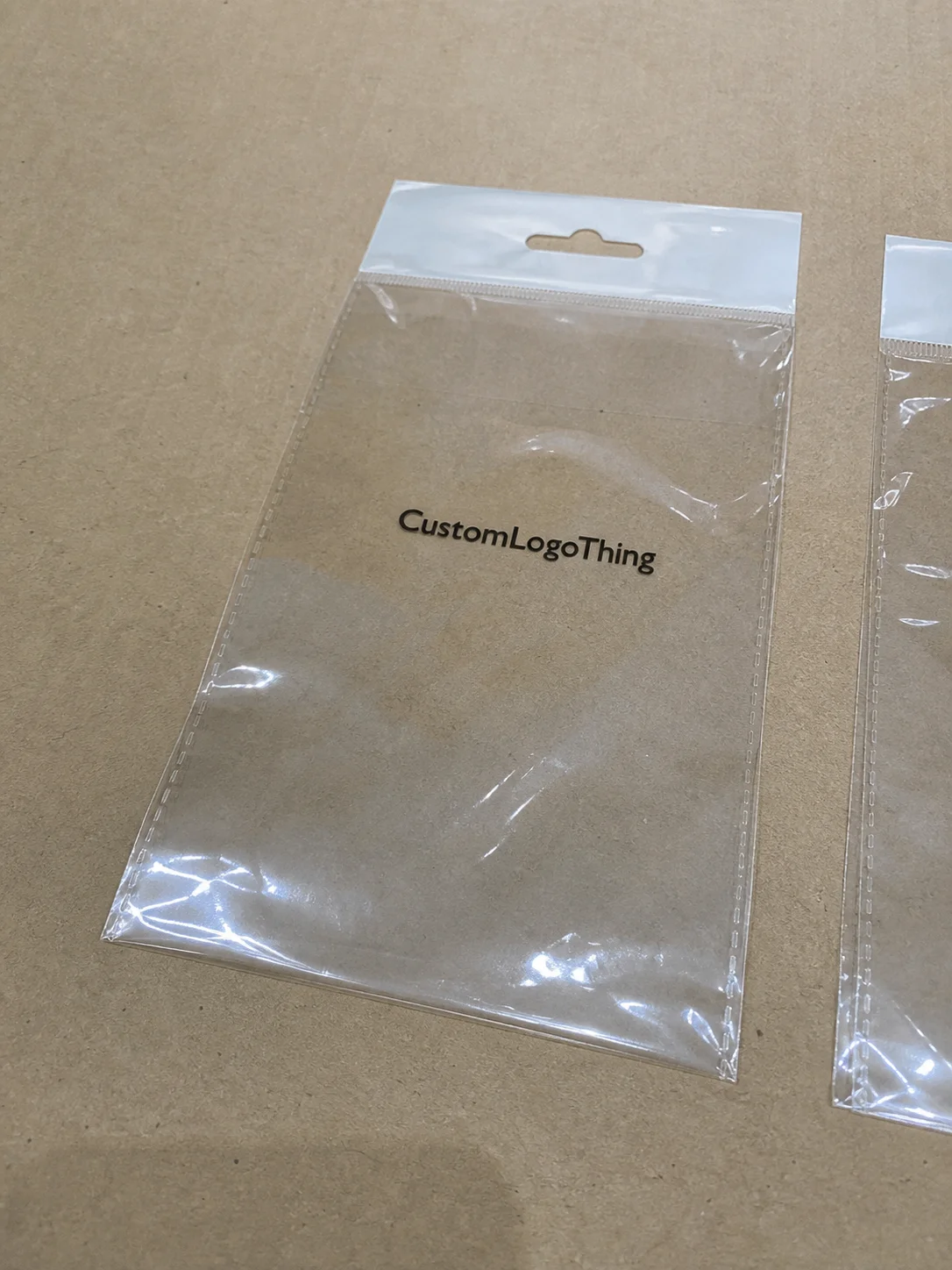
Buyer Fit Snapshot
| Best fit | source handmade paper wrapping for packaging buyers comparing material specs, print proof, MOQ, unit cost, freight, and repeat-order risk where brand print, material, artwork control, and repeat-order consistency matter. |
|---|---|
| Quote inputs | Share finished size, material target, print colors, finish, packing count, annual reorder estimate, and delivery region. |
| Proofing check | Approve dieline scale, logo placement, barcode or warning zones, color tolerance, and any recyclable or compostable wording before bulk production. |
| Main risk | Vague material claims, crowded artwork, or missing packing details can create delays even when the unit price looks attractive. |
Fast answer: Source Handmade Paper Wrapping: Material, Print, MOQ, and Cost should be specified like a repeatable production item. The safest quote includes material, print method, finish, artwork proof, carton packing, and reorder notes in one written spec.
What to confirm before approving the packaging proof
Check the product dimensions against the actual filled item, not only the sales mockup. Ask for tolerance on folds, seals, hang holes, label areas, and retail display edges. If the package carries a logo, QR code, warning copy, or legal claim, reserve that space before decorative graphics fill the panel.
How to compare quotes without losing quality
Compare board or film grade, print process, finish, sampling route, tooling charges, carton quantity, and freight assumptions side by side. A lower quote is only useful if the supplier can repeat the same color, closure quality, and packing count on the next order.
Two weeks into my consulting engagement with a boutique skincare brand in Portland, I watched their founder unwrap a shipment of mass-produced tissue paper and visibly deflate. The paper felt cheap, looked generic, and completely undermined the $78 price point of their rose hip serum. "This is what everyone uses," she said, almost apologetically. I told her there was a better way. That conversation changed how she thought about her entire unboxing experience, and it all started with learning how to Source Handmade Paper wrapping for her brand.
Over two decades working with packaging suppliers, mills, and emerging brands, I've discovered that most companies don't realize their unboxing moment is broken until someone shows them the alternative. Handmade paper wrapping isn't just a pretty option—it's a strategic differentiator that can transform your packaging from forgettable to photographable. The question isn't whether you should consider it; it's how to source handmade paper wrapping without losing your mind or blowing your budget.
Why Handmade Paper Wrapping Is Worth the Extra Effort
ROI drives every packaging decision, and that's exactly where I start with skeptical clients. The math often surprises them. Yes, quality handmade material costs $0.85 to $1.50 per sheet versus $0.08 to $0.15 for standard tissue, but you also eliminate the need for additional branding touches. When your wrapping paper already communicates craft and intentionality through texture and weight, you need less printing, fewer stickers, and less decorative clutter.
Sustainability claims have moved beyond marketing fluff. During a visit to a paper mill in Jaipur, India three years ago, I watched artisans pull sheets from pulped cotton rag and reclaimed agricultural fiber. The water recycling systems impressed me, but what really stood out was the consistency of their output. These weren't hobby-craft operations producing irregular sheets. Modern artisan mills have refined their processes over generations while maintaining the human elements that customers respond to emotionally.
Here's a real example. A specialty coffee company launching subscription boxes reached out, and the owner felt nervous about per-unit costs initially. After wrapping their first 500 boxes with custom-stamped lokta paper from Nepal, their unboxing photos tripled on Instagram within a month. Customer reviews specifically mentioned the wrapping. Perceived value increased enough that they successfully raised their subscription price by $8/month—more than offsetting the packaging upgrade within two subscription cycles.
Brands that win with handmade paper understand their customers. If you're selling artisanal chocolate, handmade ceramics, luxury candles, or premium teas, your buyer already values craft. Generic packaging tells them you don't understand your own product. Handmade paper wrapping signals that every detail matters, including the ones your customer never explicitly asks about.
Understanding Handmade Paper Wrapping: Materials and Styles
Effective sourcing starts with understanding what you're actually buying. Fiber source determines almost every characteristic of the final sheet—durability, texture, absorbency, and how well it holds printed designs. This is where most buyers go wrong. They treat "handmade paper" as a single category and then wonder why their lightweight hemp sheets shredded during shipping.
Cotton rag paper remains the gold standard for packaging applications. Mills in Nepal and India produce exceptional cotton handmade paper with 90+ gram weights that fold cleanly without cracking. During a packaging project with a jewelry brand, we tested cotton rag sheets against bamboo alternatives. The cotton consistently outperformed in tear resistance tests. Longer, more interlaced cotton fibers create stronger sheets even at lighter weights.
Bamboo paper has gained traction for environmental credentials. Bamboo reaches harvestable maturity in three to five years versus the 20+ years required for hardwood trees, spreading via root systems rather than requiring replanting. The texture tends to be more fibrous with visible strand patterns—beautiful for rustic brands but potentially too rough for refined luxury positioning. Bamboo sheets typically accept ink better than cotton alternatives, making them ideal for printed elements.
Kozo paper (also called mulberry paper) hails primarily from Japan and Korea. Long kozo fibers create sheets with remarkable tensile strength and distinctive translucency at lower weights. I've used 25-gram kozo paper for delicate wrapped items where contents should remain partially visible through the paper—it held together beautifully despite its ethereal appearance. High-end cosmetics brands gravitate toward kozo for this reason; it suggests fragility and preciousness without actually being fragile.
Recycled content papers vary enormously in quality and fiber composition. Some use pre-consumer cotton scraps; others blend post-consumer wood pulp with agricultural waste like banana fiber or coffee husks. Always request samples and test under actual conditions when evaluating recycled handmade paper. A paper with 80% recycled content sounds eco-friendly on paper, but if it tears at the fold or bleeds color when wet, it's not appropriate for your application regardless of its sustainability profile.
"The fiber source isn't just an environmental choice—it's a functional one. Match your paper's characteristics to your product's needs, and you'll eliminate half your quality problems before they start."
Texture options deserve equal attention. Deckled edges—irregular, feathery edges resulting from the papermaking frame—create an artisan aesthetic immediately recognizable. These sheets require more careful handling during wrapping and shipping but photograph exceptionally well. Embossed patterns—subtle textures pressed into the paper during formation—add visual interest without post-processing printing complexity. I've sourced both smooth and lightly embossed sheets from the same mill, and the embossed versions consistently generated more customer inquiries despite costing only $0.12 more per sheet.
Where to Find Reliable Handmade Paper Wrapping Suppliers
Trustworthy supplier discovery is where most small brands abandon the handmade paper concept. They search online, find dozens of options, get confused by minimum order requirements, and default back to standard tissue paper. After going through this process dozens of times, I can pinpoint exactly where to look and what questions to ask.
Direct mill relationships yield the best pricing and quality control, but require more legwork. Nepal has several excellent paper cooperatives that export internationally—most are listed through trade organizations and craft associations. When I visited the Federation of Handicraft Associations of Nepal, I made connections with three mills that I still work with today. The key involves establishing communication through email or trade platforms rather than cold-calling, as most mill owners prefer written inquiries they can review with their production teams.
Indian artisan mills cluster around Rajasthan and Uttar Pradesh, with Jaipur and Varanasi as particularly concentrated production areas. For larger volume needs, Indian mills often provide better pricing than Nepali alternatives, though quality consistency can vary more between batches. I've had success working directly with mills in Sanganer, a small town outside Jaipur that has specialized in papermaking for generations. Their cotton rag sheets consistently meet the specifications I provide, and they've accommodated custom sizing requests that larger operations couldn't or wouldn't handle.
Thailand has emerged as a significant player in the handmade paper market, particularly for bamboo-based sheets. Production standards are high, and many Thai mills have experience working with international buyers. Communication tends to be more straightforward than with South Asian suppliers, as English proficiency is generally higher in Thai export-focused businesses.
Italian mills produce exceptional cotton and linen blend papers, though at premium price points. For ultra-luxury brand positioning willing to pay $2.00 to $3.50 per sheet, Italian handmade papers offer refinement that Asian alternatives can't match. Fabriano, historically one of Europe's most prestigious paper towns, still produces specialty handmade sheets through artisan operations.
Trade shows offer invaluable discovery opportunities. I've met mill representatives from India, Nepal, Japan, and Italy at various packaging and craft industry trade shows. The Packaging Association connects buyers with verified suppliers, and craft-focused shows often feature paper producers. Seeing actual samples, discussing specific requirements face-to-face, and building relationships that translate into better service later represent the trade show advantage.
Import/export agents serve small brands well when order quantities don't justify direct mill relationships. A good agent handles communication barriers, manages shipping logistics, consolidates smaller orders into efficient shipments, and often negotiates pricing that smaller buyers couldn't achieve alone. I've worked with agents specializing in Southeast Asian and South Asian craft papers—their expertise navigating customs documentation alone has saved countless headaches.
Evaluating Quality: What to Look for in Handmade Paper
Quality evaluation separates successful sourcing from frustrating experiences. Beautiful samples have turned into unusable inventory because someone didn't test properly before committing to a bulk order. The evaluation process isn't complicated, but it requires discipline.
Fiber distribution reveals how evenly the mill's artisans distribute pulp during sheet formation. Hold sheets up to light and look for fiber bunching or thin spots. Quality handmade paper shows consistent translucency across the entire sheet. Thin areas will fail under stress, and overly thick areas waste material without adding structural benefit. I look for fiber distribution that's visibly uniform without being unnaturally perfect—some variation marks genuine handmade production.
Tear resistance testing is straightforward but essential. Grab a corner of a sample sheet and apply slow, increasing pressure until it tears. Note where the failure occurs, how much force was required, and whether the tear propagates easily once started. For packaging applications, you want paper that resists initial tearing but doesn't shred when it does fail. Paper that tears cleanly is more predictable for production; paper that shreds in fibrous strips creates mess problems during wrapping operations.
Fold durability matters more for packaging than most buyers realize. If your product requires folding the paper around edges (square boxes, cylindrical containers), test by folding sample sheets multiple times in the same direction. Quality handmade paper should fold cleanly without cracking or white fractures appearing along the fold line. I typically fold samples 20 times in each direction before evaluating whether the paper is suitable for high-volume operations where paper might be stress-folded repeatedly during production runs.
Color bleeding tests are non-negotiable for handmade paper with any pigment content. Place a damp white cloth on the paper for 30 seconds and check for transfer. Natural dyes from plant-based pigments behave very differently from synthetic colorants. Indigo-dyed papers may bleed dramatically when wet; mineral pigments tend to be more stable. For food packaging applications, I require color stability testing with both water and oil to ensure no contamination risks.
Request minimum three samples from each potential supplier before making purchasing decisions. Ask for samples from different production batches if possible—this reveals quality consistency. I've worked with mills where samples from one production run were excellent and the subsequent batch was noticeably different, indicating either quality control issues or raw material sourcing variations. Your sample evaluation should include sheets from at least two different production dates if the mill can provide them.
Understanding the Costs and Pricing Structure
Budget conversations with clients often reveal misconceptions about handmade paper pricing. When I explain that quality handmade sheets range from $0.35 to $2.00 per sheet depending on specifications, I usually see sticker shock—until we work through the actual value calculation.
Per-sheet pricing follows predictable patterns based on weight, fiber content, and production complexity. Cotton rag papers in standard weights (80-120 gsm) typically fall between $0.45 and $0.85 per sheet at standard retail packaging sizes (approximately 20" x 30"). Adding custom deckled edges increases pricing by 15-25% due to increased production waste and handling time. Specialty fibers like pure kozo or unique recycled blends command premiums of 20-40% above cotton rag equivalents.
Volume discounts become significant at higher order quantities. Most mills offer tiered pricing where 1,000 sheets might cost $0.75 each, 2,500 sheets drops to $0.62 each, and 5,000+ sheet orders can reach $0.48 to $0.55 per sheet. For a brand shipping 500 units monthly, a 6,000-sheet annual order often makes economic sense—and the price per unit approaches mass-produced tissue paper territory when you factor in eliminating additional branding steps.
Hidden costs catch many buyers off guard. International shipping from South Asia typically runs $0.15 to $0.35 per kilogram depending on carrier and service level. Customs duties in the United States and European Union classify most handmade paper under paper product categories with duty rates between 0% and 3%, but you need to confirm the specific classification for your product's HS code. Most mills require full payment before shipping, so factor wire transfer fees if ordering internationally. Warehouse storage costs in your unit economics matter more than most buyers initially assume—handmade paper requires climate-controlled storage to prevent humidity absorption that compromises quality.
| Paper Type | Typical Weight | Price Range per Sheet | Best Applications |
|---|---|---|---|
| Cotton Rag (Standard) | 80-120 gsm | $0.45 – $0.85 | Luxury packaging, jewelry, apparel |
| Cotton Rag (Heavy) | 150-200 gsm | $0.75 – $1.25 | Bags, heavier products, retail display |
| Bamboo Blend | 60-100 gsm | $0.35 – $0.65 | Sustainable brands, food packaging, mass artisan |
| Kozo (Mulberry) | 25-60 gsm | $0.55 – $1.40 | Delicate items, translucent wrapping, ultra-premium |
| Recycled Content | 70-110 gsm | $0.30 – $0.55 | Eco-conscious brands, budget-sensitive premium |
For startups and small brands, the strategy isn't always ordering the highest quality available. I've helped several early-stage companies source handmade paper wrapping by starting with bamboo-blend recycled content sheets at $0.38 per sheet, positioning them as sustainable without requiring luxury pricing. As their brand matured and margins improved, they upgraded to cotton rag without changing suppliers—building the relationship first and scaling up when financially appropriate.
How Long Does It Take to Source Handmade Paper Wrapping?
Patience is mandatory when sourcing handmade paper wrapping. Production timelines differ dramatically from standard packaging where you might receive custom-printed tissue within 10 days. Handmade paper operates on artisan timeframes, which means building realistic schedules into your packaging calendar from the start.
Initial contact and sample request typically takes one to two weeks. Mill representatives in Nepal and India often respond within 24-48 hours during business days, but production staff may need time to evaluate your specifications against their current capabilities. I always send detailed inquiries including exact size requirements, weight preferences, color specifications (with Pantone or CMYK references), quantity needed, and intended application. Vague requests get vague responses. The more specific you are upfront, the faster the quoting process proceeds.
Sample evaluation and feedback requires two to four weeks depending on how quickly samples arrive and how thoroughly you test them. I recommend testing samples under actual production conditions rather than just evaluating appearance. If you wrap products by hand, replicate that process with sample sheets. If you use automated equipment, run the paper through to identify feed issues or fold problems. Document your testing with photos and notes, then provide detailed feedback to your supplier—this communication directly influences the production quality of your eventual order.
Production lead times for standard handmade paper orders typically range from three to six weeks. Custom sizing, non-standard weights, or specialized color matching extends production timelines to six to eight weeks or longer. When I sourced custom-dyed lokta paper for a candle company last year, the color matching process alone required three sample iterations over four weeks before approval. Production then required an additional six weeks. Total timeline from initial inquiry to stock in our warehouse was fourteen weeks—we built that buffer into their packaging calendar from the start.
Shipping and delivery logistics add two to six weeks depending on origin and service level. Air freight from South Asia costs roughly four times sea freight but arrives in 7-10 days versus four to six weeks for ocean shipping. For initial orders with tight deadlines, I've recommended air freight despite the cost premium. For standing orders where you have lead time, ocean freight reduces per-unit costs substantially. Building relationships with freight forwarders who specialize in paper products helps navigate customs clearance more efficiently.
The total timeline from inquiry to having stock on your shelf usually runs 10-16 weeks for custom orders. For standard sheet sizes with mills maintaining inventory, you might receive delivery within six to eight weeks. I always advise clients to maintain minimum 8-12 weeks of stock as safety inventory once you've established reliable supply—this buffer protects against production delays, shipping disruptions, and quality issues that require reordering.
"Building buffer time isn't pessimism—it's professionalism. Your packaging calendar affects your production schedule, which affects your cash flow, which affects everything else. Treat lead time seriously from day one."
Common Mistakes When Sourcing Handmade Paper Wrapping
Brands make the same sourcing mistakes repeatedly over the years. Some are minor inconveniences; others result in unusable inventory and wasted capital. Understanding these pitfalls helps you avoid them.
Ordering without testing samples in real conditions ranks as the most common and costly mistake. A sample might look perfect in your office and feel wonderful in your hand, but that tells you nothing about how it performs under production stress. I once worked with a ceramics company that fell in love with a gorgeous handmade paper featuring embedded flower petals. The paper looked incredible and they ordered 5,000 sheets. Production revealed that the embedded botanicals created weak points that tore during high-speed wrapping. They'd ordered without testing their actual application, and it cost them $3,200 to learn that lesson.
Underestimating communication barriers with international suppliers leads to frustration and misaligned expectations. Response times differ by culture; what feels like an unreasonable delay to an American buyer might be normal turnaround in other business environments. I've found that establishing clear communication protocols at the start of the relationship—preferred contact method, expected response time, key contacts—prevents most misunderstandings. Visual references (photos, diagrams, samples) reduce language-based confusion more effectively than extended text explanations.
Ignoring cultural differences in production standards causes more subtle problems. Paper weights in Asian mills might be measured differently than you're accustomed to. A "100 gsm" sheet from a Nepali mill might measure slightly differently than the same specification from a European supplier. Always request actual weight measurements and test against your specifications rather than trusting labeled weight alone. I keep a gram scale at my desk specifically for this verification.
Natural variation between batches surprises buyers who expect uniform production. Handmade paper inherently varies more than machine-produced alternatives because human artisans form each sheet individually. Fiber distribution, color saturation, and sheet thickness show more variation between batches than mass-produced paper. I've had clients reject entire orders expecting machine-quality consistency from an artisan product. Understanding and accepting appropriate variation—while rejecting unacceptable deviation—requires judgment that improves with experience.
Failing to account for sustainability certifications when they matter to customers creates marketing problems. If your brand markets sustainability credentials, your handmade paper sourcing should align with those claims. Request documentation of fiber sourcing, production methods, and labor practices. Mills with legitimate sustainability programs can provide this documentation; those making hollow claims cannot. I've seen brands market "sustainable packaging" while sourcing from mills using questionable practices, creating reputational risk if anyone investigated their supply chain.
Expert Tips for Building Long-Term Supplier Relationships
Long-term supplier relationships transform your sourcing experience from transactional to strategic. A mill that knows your brand, understands your requirements, and values your business provides advantages that transactional ordering cannot match.
Consistent communication builds relationships faster than order volume alone. I stay in regular contact with my key mill contacts even when I'm not actively ordering—sharing market updates from my clients, providing feedback on past orders, and maintaining genuine professional interest in their business. This relationship base means when I have an urgent request or a problem requiring resolution, the response comes faster and the willingness to help runs higher.
Visiting mills in person when possible changes the relationship dynamic profoundly. I've visited paper mills in Nepal, India, and Thailand, and the impact of showing up in person cannot be overstated. Meeting the artisans who actually produce your paper, understanding their processes, and seeing their operation creates a personal investment on both sides. One client flew to Nepal specifically to visit their primary paper supplier, and that supplier subsequently prioritized their orders ahead of larger customers who had never visited.
Fair pricing that supports artisan livelihoods aligns your brand values with your supply chain practices. Handmade paper artisans deserve wages that reflect their skilled craftsmanship. I push back on clients who want to negotiate down to the absolute floor when the current pricing already represents fair value. Mills offering suspiciously low prices often achieve that through underpaying artisans or using low-quality fiber sources. Paying fair prices ensures consistent quality, reliable supply, and ethical production that you can honestly communicate to your customers.
Backup supplier relationships protect against disruptions. I've seen mill fires, transportation strikes, political instability, and simple production failures disrupt supply for brands with single-source dependencies. I maintain relationships with at least two mills capable of producing similar specifications. This isn't about playing suppliers against each other competitively—it's about ensuring your packaging continuity isn't vulnerable to single-point failures outside your control.
Next Steps: Start Your Handmade Paper Wrapping Journey Today
If you've read this far, you now have more practical knowledge about sourcing handmade paper wrapping than most packaging professionals. The question is what you do with that knowledge.
Define your specific requirements before reaching out to any suppliers. Write down your exact size needs, weight preferences, texture preferences, color requirements, quantity needs, and budget parameters. Vague requests yield vague responses. Specificity demonstrates professionalism and gets you accurate quotes faster.
Request samples from at least three different suppliers using your documented requirements. Compare fiber distribution, texture, weight, color consistency, and overall quality across the samples. Don't limit your evaluation to appearance—test the papers under your actual production conditions.
Test samples with your actual products before committing to bulk orders. This is where many buyers cut corners, and it's where quality problems reveal themselves. Wrap your actual products, simulate shipping stress, evaluate how the paper performs through your entire fulfillment process.
Calculate total landed costs including shipping, customs duties, storage requirements, and any quality issues that might require reordering. The per-sheet price is only part of your actual cost. Full-cost accounting reveals whether handmade paper wrapping makes sense for your business model.
Contact Custom Logo Things if you need assistance connecting with verified artisan paper suppliers or navigating the sourcing process. We maintain relationships with mills across multiple countries and can often accelerate your timeline or introduce you to suppliers matching your specific requirements faster than cold outreach.
The brands that succeed with handmade paper wrapping view it as a brand investment rather than a packaging expense. When sourced correctly, the right handmade paper becomes integral to your customer experience, your sustainability story, and your visual identity. The extra effort required to source it properly pays dividends in perceived quality, customer loyalty, and marketing opportunities that mass-produced alternatives simply cannot provide.
What is the minimum order quantity for handmade paper wrapping?
Most artisan mills require minimum orders of 500 to 1,000 sheets for standard sizes and colors. Some mills offer smaller starter quantities of 250 sheets, though you'll typically pay a 20-30% premium per sheet for reduced minimums. Custom sizes, non-standard colors, or specialized finishes usually increase minimum orders to 1,000 to 2,000 sheets. When negotiating with mills, remember that order quantities affect pricing per sheet more than almost any other factor—consolidating orders into larger quantities often yields meaningful per-unit savings.
How much does handmade paper wrapping cost compared to standard tissue paper?
Handmade paper typically ranges from $0.35 to $2.00 per sheet depending on material, size, and customization level. Standard tissue paper costs $0.05 to $0.15 per sheet in comparison. However, this per-unit comparison doesn't capture the full value equation. Handmade paper often eliminates the need for additional branding elements like stickers, printed tissue layers, or decorative embellishments. When factoring in total packaging design and production costs, the gap narrows significantly. For premium brands, the per-sheet cost difference becomes negligible against the perceived value increase and reduced need for supplementary packaging elements.
Can I customize handmade paper wrapping with my brand logo?
Yes, multiple customization options exist for branding directly onto handmade paper. Rubber stamping works well for small quantities and creates an authentic artisan appearance that complements handmade materials. Silk screen printing offers durability for higher volume orders and handles complex logos effectively. Embossing and debossing add dimensional texture that photographs beautifully and creates a premium tactile experience. Foil stamping in metallic or pigmented foils provides contrast and visual pop on the textured paper surface. Custom printing typically requires minimum orders of 2,000+ sheets and adds 4-6 weeks to production timelines, but the branded result elevates packaging significantly above plain handmade paper.
How long does it take to receive a custom handmade paper order?
Standard orders with mills maintaining inventory typically ship within 2-4 weeks from order confirmation. Custom colors, non-standard sizes, or specialized finishes extend production lead times to 6-12 weeks. Shipping time adds another 2-6 weeks depending on origin country and freight service level selected. Air freight delivers in 7-10 days but costs significantly more than ocean shipping. Total timeline from initial inquiry to having usable stock in your warehouse typically ranges from 8-16 weeks for custom orders. Planning for 12 weeks as a conservative baseline gives you adequate buffer for most international sourcing scenarios.
What are the sustainability credentials of handmade paper wrapping?
Most handmade papers offer genuine sustainability advantages over mass-produced alternatives. Production typically uses renewable fiber sources including cotton rag, bamboo, kozo, and agricultural byproducts rather than virgin wood pulp. The handmade production process requires significantly less water than industrial papermaking and often incorporates water recycling systems. Biodegradability is inherent in natural fiber papers, though specific fiber content determines decomposition timelines. Look for certifications like FSC (Forest Stewardship Council) for wood-based fibers, Fair Trade designation for ethical labor practices, or country-specific eco-labels that verify sustainable sourcing and production methods. Many mills serving international markets can provide documentation of their sustainability practices upon request.
Related packaging resources
Use these related guides to compare specs, costs, quality checks, and buyer decisions before making the final call.
- Display Boxes Wholesale: Pricing, Specs, and Process
- Custom Rigid Gift Boxes with Logo: A Practical Guide
- Custom Zip Pouches With Logo: Practical Packaging Guide
- Custom Kraft Gift Bags Bulk: Pricing, Specs, and Lead Times