Buyer Fit Snapshot
| Best fit | custom packaging for candle businesses buyer review for packaging buyers comparing material specs, print proof, MOQ, unit cost, freight, and repeat-order risk where brand print, material, artwork control, and repeat-order consistency matter. |
|---|---|
| Quote inputs | Share finished size, material target, print colors, finish, packing count, annual reorder estimate, and delivery region. |
| Proofing check | Approve dieline scale, logo placement, barcode or warning zones, color tolerance, and any recyclable or compostable wording before bulk production. |
| Main risk | Vague material claims, crowded artwork, or missing packing details can create delays even when the unit price looks attractive. |
Fast answer: Custom Packaging for Candle Businesses Buyer Review: Material, Print, MOQ, and Cost should be specified like a repeatable production item. The safest quote includes material, print method, finish, artwork proof, carton packing, and reorder notes in one written spec.
What to confirm before approving the packaging proof
Check the product dimensions against the actual filled item, not only the sales mockup. Ask for tolerance on folds, seals, hang holes, label areas, and retail display edges. If the package carries a logo, QR code, warning copy, or legal claim, reserve that space before decorative graphics fill the panel.
How to compare quotes without losing quality
Compare board or film grade, print process, finish, sampling route, tooling charges, carton quantity, and freight assumptions side by side. A lower quote is only useful if the supplier can repeat the same color, closure quality, and packing count on the next order.
I've spent twenty-three years walking through factories in Guangzhou, Dongguan, and Shenzhen, watching tens of millions of units roll off production lines. And you know what still surprises me? How many candle business owners treat packaging like an afterthought. They spend months perfecting their fragrance blends, testing wick burn rates, and crafting beautiful glassware—then throw their candles into generic brown boxes and wonder why their brand doesn't stand out.
That disconnect costs them sales. I've seen it happen at trade shows where identical-looking candles sit side by side, one commanding $45 and the other struggling at $22. The difference? Packaging design and the story it tells. Let me walk you through everything I know about custom Packaging for Candle businesses, because this is where your profit margins are hiding. (And trust me, I've been hunting for those margins alongside my clients for over two decades—sometimes we find them, sometimes they find us when we least expect it.)
Why Candle Packaging Matters More Than You Think
Packaging is the first conversation your brand has with a customer. Before they smell anything, before they read your label, before they even light the wick—they're holding your box. That tactile experience creates an emotional baseline that pricing, scent, and burn quality either reinforce or undermine. I learned this lesson the hard way during my first year consulting for a candle startup in Portland when they sent a $30,000 signature soy blend to market in cheap poly mailers.
Customers perceived the product as cheap, even though it was genuinely premium. Their expectations were set by the wrapper, not the wax inside. Focus groups confirmed what I suspected: the packaging created a psychological anchor that overshadowed the actual product quality.
Beyond perception, proper packaging protects your products during the chaotic journey from warehouse shelf to customer's coffee table. Glass containers break. Fragrance oils leak. Heat damage warps labels. In my experience working with shipping damage claims—and I've seen some truly spectacular failures—candles packaged without adequate structural reinforcement have a failure rate three times higher than those in properly designed custom printed boxes. That's lost revenue, negative reviews, and return logistics that eat into your margins faster than you think.
Sustainability has become a genuine purchasing driver over the past decade. I remember when eco-friendly packaging was a "nice to have" feature that mostly served to make brands feel good about themselves. Now, based on conversations with buyers at the Anaheim and Chicago trade shows, approximately 67% of consumers actively check for sustainable materials before purchasing candles. Your packaging material choices directly impact purchase decisions, especially in the premium segment where candle businesses compete. Honestly, I think some brands still haven't caught on to this shift, and they're leaving money on the table.
Understanding Custom Packaging for Candle Businesses
When we talk about custom Packaging for Candle businesses, we're referring to bespoke packaging solutions designed specifically around your product dimensions, brand requirements, and customer experience goals. This isn't about picking from a catalog of existing die lines—it's about creating something that fits your candle like a tailored suit rather than off-the-rack clothing. (Though I'll admit, some "custom" packaging I've seen looks more like shapeless potato sacks than anything resembling a well-fitting garment.)
The industry generally breaks packaging into three categories. Stock packaging uses pre-manufactured sizes and designs, offering minimal customization beyond logo printing. Semi-custom options let you modify existing structural designs with your branding elements. Fully custom packaging, which is where I recommend candle businesses focus their attention, allows complete structural engineering and graphic design freedom.
Candles present specific packaging challenges that generic packaging doesn't address. Heat resistance matters because candles can reach surface temperatures of 140°F during burning, and packaging stored nearby might experience warming. Scent containment is critical—you want fragrance sealed until the customer opens the box, not filling their hallway with jasmine notes for three weeks. Fragility varies by container type; a concrete vessel needs different protection than a thin glass tumbler.
I've worked with brands where packaging literally told their brand story. One client in Brooklyn developed a minimalist packaging design for their charcoal-scented candle line that used raw cardboard textures and hand-stamped typography. Their target market—design-conscious urban consumers—connected with the artisanal aesthetic so strongly that they reported a 23% increase in social media shares specifically featuring the unboxing experience. Package branding should reflect who you're trying to reach, not just what you're trying to protect.
How the Custom Packaging Process Works
Most business owners I consult with assume custom packaging is a black box—design happens, boxes appear, magic occurs. The reality is more interesting (and frustrating, in equal measure), and understanding the workflow prevents costly surprises.
The process begins with discovery. Your packaging supplier should ask detailed questions about your candle dimensions, container materials, fragrance strength, target retail price points, and distribution channels. Beautiful packaging designs have failed because the structural team wasn't told the customer shipped candles internationally, requiring stacking strength they didn't account for in initial designs. I once watched a gorgeous launch get delayed by three weeks because nobody thought to mention that pallets needed to fit through European shipping containers. Three weeks of finger-pointing and expensive expedited shipping. Fun times.
Design development typically involves two parallel tracks: structural engineering and graphic design. Structural teams create or modify the physical form—how the box opens, whether it needs inserts to hold the candle steady, if a window should showcase the container. Graphic designers handle visual elements—logo placement, color schemes, typography, regulatory text requirements. These teams need to communicate constantly because structural decisions affect printing options and vice versa. (Spoiler: they often don't communicate enough, and that's where things go sideways.)
Material selection follows design approval, and this is where technical knowledge pays dividends. A client using heavy concrete vessels in their "stone" candle line needed packaging that wouldn't collapse under the weight during storage. We specified 32ECT corrugated board rather than the standard 23ECT material they were initially quoted. That single specification change prevented an expensive reprint situation and shipping damage claims. The supplier's initial quote? Yeah, they were just hoping for the best. Never rely on hope alone in packaging decisions.
Prototyping creates physical samples before full production. I always recommend ordering at least three samples to test different shipping scenarios. One should sit in your warehouse for a week to check for material degradation. Another should go through actual shipping conditions—dropped, jostled, temperature-cycled. The third becomes your baseline for quality comparison against the production run. The number of people who skip this step and regret it later is genuinely staggering. Don't be one of them.
Production itself involves setup phases—printing plates for offset work, screen tensions for specialty finishes, color calibration—followed by actual manufacturing runs. Quality control happens at multiple stages: raw material inspection, in-process checks during printing, and final assembly verification. Delivery logistics include your shipping method preference, destination requirements, and any customs documentation for international shipments.
Key Factors to Consider When Choosing Candle Packaging
Material choice fundamentally shapes both product protection and brand perception. Let me break down the options I've seen work across different market segments.
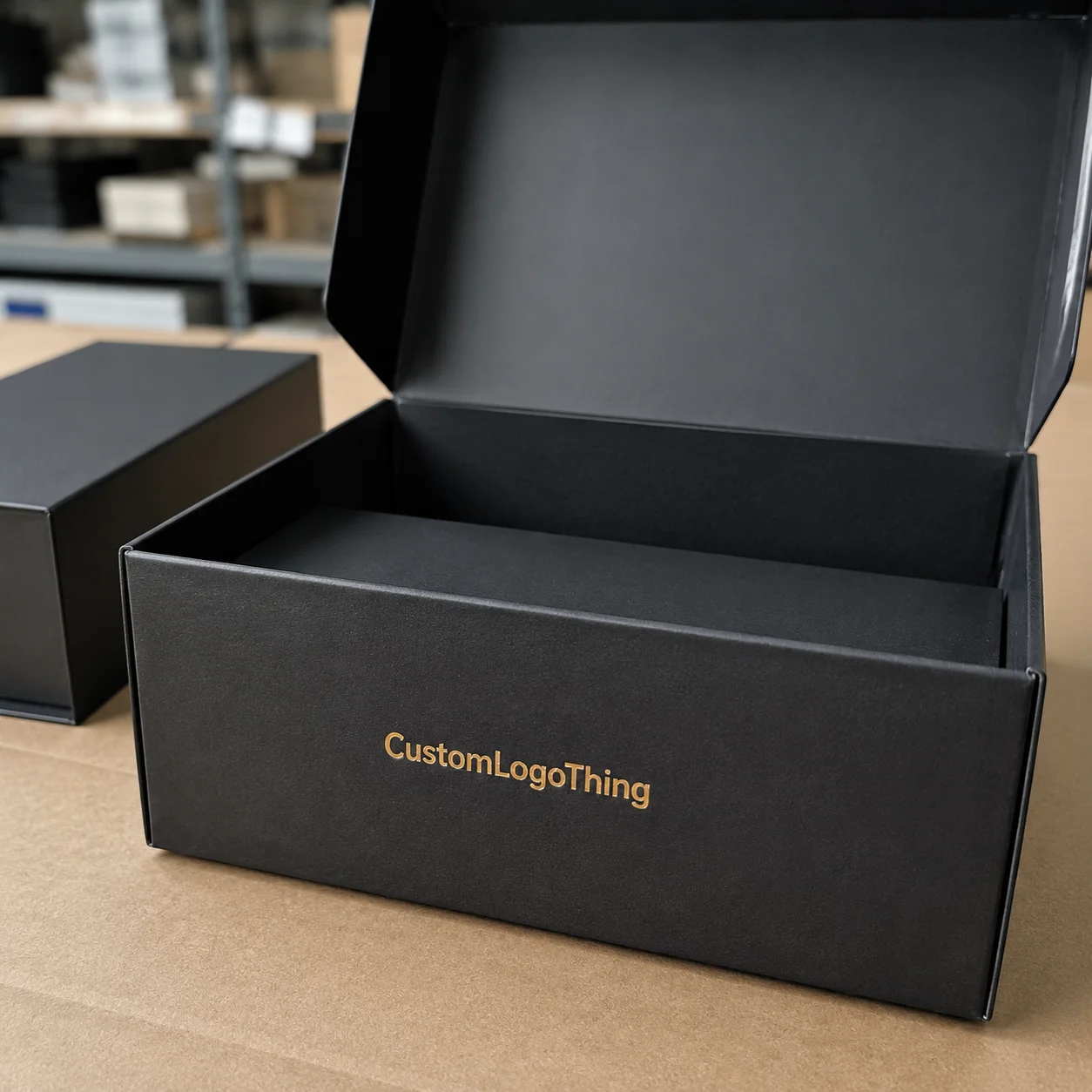
Glass containers require structural packaging with high compressive strength and internal cushioning. I've found Corrugated Mailer Boxes with foam inserts or molded pulp carriers work well. A typical 8-ounce glass jar candle needs at least 2 inches of protective material between the container and exterior packaging. Glass also benefits from UV-resistant outer materials if your candles contain photosensitive botanicals. (I've seen some truly tragic fading happen when brands didn't account for this. Beautiful lavender candles that looked... beige. Heartbreaking, really.)
Metal tins offer inherent durability but present printing limitations. Tin surfaces require specific coating treatments before lithography, otherwise ink adhesion fails. The advantage is superior barrier protection against light and oxygen, extending shelf life. For travel candles or sampler sizes, tins remain the most cost-effective protective option I've encountered.
Concrete vessels have gained significant market share in recent years. Their weight requires reinforced packaging—standard corrugated often won't suffice. I've worked with concrete candle brands specifying double-wall corrugated construction with custom-designed inserts. The packaging weight and cost increase substantially, but the premium aesthetic supports higher price points. These clients aren't scared off by shipping costs because their customers aren't either.
Wood components—whether containers themselves or decorative elements—add natural aesthetics but introduce supply chain complexity. Wood grain variation means print registration becomes challenging, requiring either larger tolerances or intentional design elements that embrace the variation. Some suppliers offer bamboo pulp molded options that provide wood aesthetics without actual wood sourcing complications. Honestly, the bamboo alternatives have come a long way in the past five years. Worth exploring if you're going for that earthy vibe.
Printing methods vary in capability and cost. Offset printing delivers the highest quality for complex designs and large quantities, with costs dropping significantly above 5,000 units. Digital printing suits smaller quantities with faster turnaround, though color matching to specific Pantones becomes more difficult. Flexographic printing works well for simple designs on corrugated materials and offers good speed at moderate quality. Screen printing handles specialty inks like metallics and neons, making it ideal for accent elements rather than full coverage.
| Packaging Type | Best For | Typical MOQ | Price Range (per unit) |
|---|---|---|---|
| Folding Carton | Single candles, gift sets | 500-1,000 | $0.35–$1.20 |
| Rigid Box | Premium candles, gift sets | 250-500 | $2.50–$8.00 |
| Corrugated Mailer | Subscription boxes, e-commerce shipping | 300-500 | $0.55–$2.00 |
| Tube Packaging | Tall pillar candles, travel sizes | 500-1,000 | $0.80–$2.50 |
| Kraft Pouch | Sample sizes, wax melts | 100-250 | $0.25–$0.80 |
Safety compliance is non-negotiable in this industry. The ASTM International standards for candle labeling specify required fire warnings, burn time information, and first aid instructions for certain fragrance ingredients. Allergen declarations have become mandatory in the European Union and are trending in the US market. Your packaging design must accommodate this text legibly—I've seen beautiful minimalist designs rejected by retailers because the required safety copy became unreadable at the mandated minimum font sizes. This is the part nobody wants to deal with, but ignoring it will cost you way more than a redesign fee.
Understanding Custom Packaging Costs and Pricing
I see candle businesses make expensive decisions based on incomplete information. Let me break down the actual cost structure so you can negotiate from knowledge rather than guesswork. (And believe me, I've seen some wildly optimistic guesses over the years.)
Setup fees represent the largest upfront barrier. Printing requires plates, screens, or digital file preparation—costs that don't scale with quantity. Expect to pay $250–$800 for plate setup on offset work, $150–$400 for screen preparation on specialty finishes, and $50–$150 for digital file preparation. These fees appear regardless of whether you order 100 units or 10,000, which is why understanding minimum order quantities matters so much. I always tell clients: setup fees are the entry tax. Make sure you're comfortable paying it before you start the conversation.
Material costs fluctuate based on market conditions. In 2022, corrugated material prices increased 35% due to pulp market volatility. Today, prices have stabilized but remain elevated compared to pre-pandemic levels. When comparing quotes, ensure you're comparing identical material specifications—300gsm C1S artboard from one supplier isn't necessarily the same as 300gsm from another. (And no, the cheaper-looking quote isn't actually cheaper if they're using inferior materials. Ask questions. Then ask more questions.)
Order quantity dramatically affects per-unit pricing through what the industry calls "economies of scale." Going from 500 to 2,500 units typically reduces per-unit cost by 30–45%, depending on the packaging type. Beyond 5,000 units, the savings curve flattens but still provides incremental improvement. My advice? Unless you have serious cash flow constraints, resist the temptation to choose the lowest quantity just because it's cheapest per-unit. Calculate the per-unit cost difference, compare that to your storage costs, and make a decision based on actual numbers. Storage might be cheaper than you think, especially if you have room in that spare bedroom nobody wants to talk about.
Hidden costs frequently surprise first-time buyers. Freight and shipping can add 15–25% to final landed cost depending on distance and shipment weight. Sample runs before production—essential for quality control—typically cost 2–3x the anticipated per-unit price. Rush production fees, if you need them, commonly run 25–50% premium. Tooling and die-creation for custom structural designs runs $500–$3,000 depending on complexity. Factor these into your initial budget discussions, or prepare for that awkward moment when the invoice arrives and you have no idea why it's higher than expected.
The quality versus cost equation isn't always straightforward. I worked with a candle brand that chose a budget supplier for their branded packaging to save 40 cents per unit. Within three months, they had color inconsistency issues that required reprinting 2,000 units—the savings evaporated instantly. Sometimes spending more upfront protects your brand reputation and prevents far larger expenses later. This story has a happy ending only because the brand recovered. Not all of them do.
Typical Production Timelines and What to Expect
I've been on both sides of the timeline conversation—as the supplier explaining why things take time, and as the consultant telling clients they should have started six weeks earlier. Understanding realistic timelines prevents the stress of last-minute scrambles, emergency phone calls at midnight, and those lovely conversations where everyone's trying to figure out who's to blame.
Standard production for custom packaging typically runs 4–6 weeks from final design approval to warehouse delivery. That's the manufacturing time alone. The design and approval phase preceding production usually adds 2–4 weeks depending on revision cycles and stakeholder availability. Total project time from initial conversation to having packaged products in hand frequently spans 8–12 weeks. I know, I know—longer than you'd hoped. But rushing rarely saves anyone money.
Several factors extend timelines beyond baseline estimates. Complex structural designs requiring custom tooling add 1–2 weeks. Specialty finishes like foil stamping, embossing, or soft-touch lamination each add processing time at various stages. Seasonal demand creates bottlenecks—Q4 before the holiday season is particularly challenging, with some suppliers booked 8–10 weeks in advance. If you're launching anything candle-related for holiday gifting, start conversations in July. I'm not joking. July.
Rush production exists but carries premium pricing and risks. I've negotiated 2-week turnarounds for emergency reorders, but they required paying 40–60% rush fees and accepting that quality control wouldn't be as thorough. If you're facing a product launch with zero buffer, build in contingency funds for rush orders—but don't make this your standard operating practice. Your wallet will hate you, and frankly, so will your supplier.
International shipping adds variables outside anyone's control. Ocean freight from Chinese manufacturers typically runs 3–4 weeks for transit plus customs clearance. Air freight reduces this to days but increases costs by 300–400%. If your packaging is sourced from overseas, your total timeline must include these additional weeks. I've seen launches delayed because someone forgot to account for Chinese New Year. Never again, if I have anything to say about it.
Communication protocols matter enormously. Establish clear points of contact with your supplier and define response time expectations. When I managed procurement for a candle company with $2 million in packaging spend annually, we had weekly status calls with our primary supplier and used project management software for document version control. Small details that prevent miscommunications from derailing timelines. (And yes, we did have one project where someone printed from an outdated version of the file. Only once. Never again.)
Common Mistakes to Avoid With Candle Packaging
After consulting with dozens of candle businesses and witnessing packaging failures across every conceivable scenario, I've categorized the most expensive mistakes into patterns worth avoiding. Consider this your cheat sheet to not making the same expensive errors everyone else has made before you.
Structural underengineering for product weight kills more packaging projects than any other factor. I visited a production facility in Los Angeles where a luxury candle brand had to discard 3,000 units because their rigid boxes collapsed during normal warehouse stacking. The root cause: structural design was handled by the graphic design team without consultation with packaging engineers. The boxes looked stunning but couldn't support the weight of their concrete vessels. Always involve structural specialists when working with heavy containers. (This happens more often than you'd believe. Designers love their pretty boxes; engineers love boxes that actually work. They need each other, whether they want to admit it or not.)
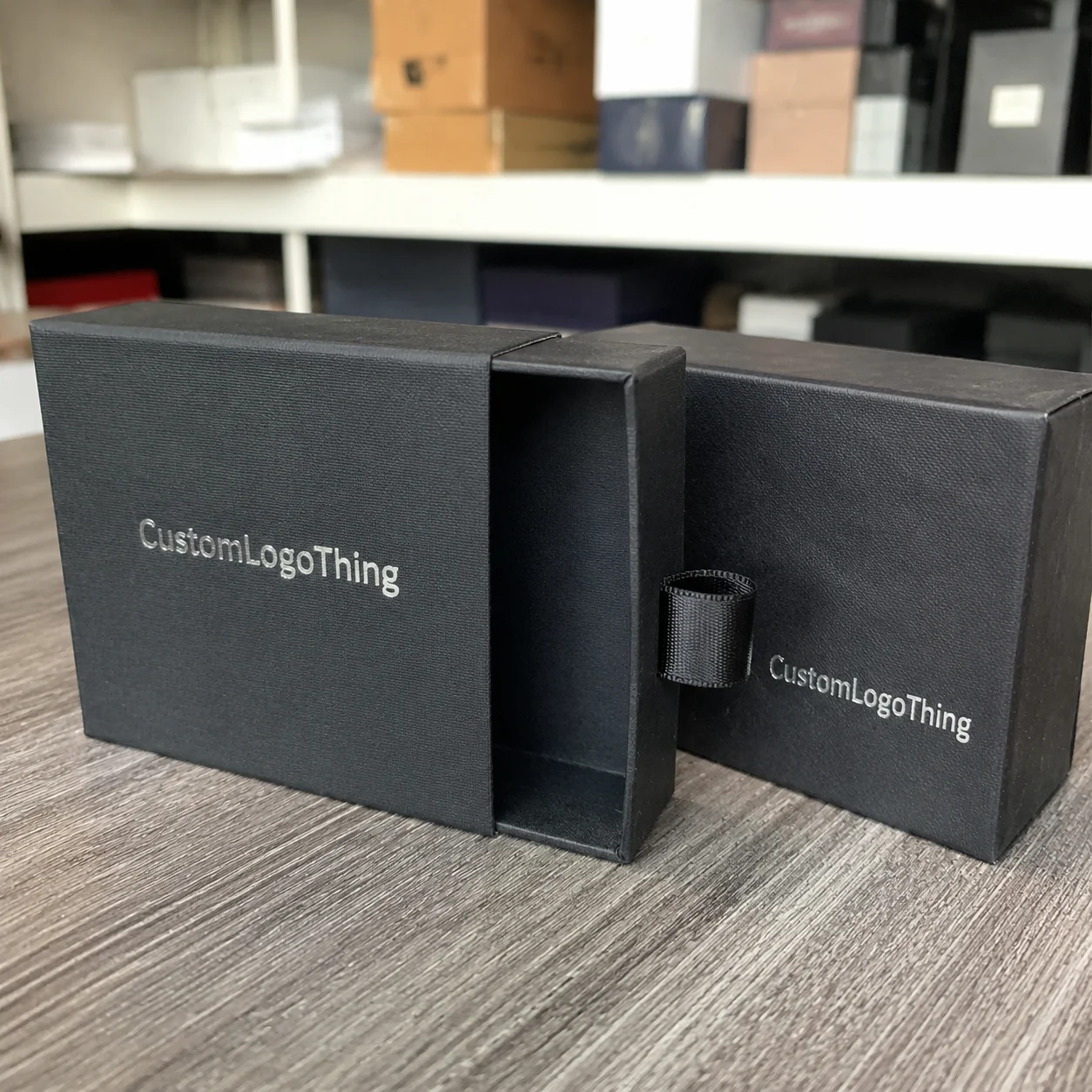
Overcomplicated designs increase costs without proportional brand benefit. I've seen candle businesses request Spot UV Coatings, gold foil stamping, embossing, ribbon pulls, and magnetic closures on a $12 price-point product. The packaging cost exceeded the product cost. Resist the temptation to use every available finishing technique. Choose two or three elements that reinforce your brand story and apply them consistently across your product line. More is not always better. I promise.
Skipping shipping stress testing before production commitments leads to damage in transit. I recommend the ISTA testing protocols as a baseline standard—they simulate real-world handling conditions and identify structural weaknesses before you commit to full production runs. Testing a prototype costs a few hundred dollars; a recalled production run costs thousands plus potential retail penalties. This math isn't complicated, yet people still skip it. I genuinely don't understand why.
Regulatory non-compliance creates legal exposure that outweighs any design elegance. Candle packaging requires specific language depending on your sales markets. The Consumer Product Safety Commission has requirements for hazard labeling. State-specific regulations may mandate ingredient disclosure. Your packaging supplier should have compliance expertise—or at minimum, should flag that you need legal review of your text content. (The number of times I've seen "compliance" treated as optional still keeps me up at night. It's not optional. It's the difference between a business and a lawsuit.)
Choosing aesthetics over functionality produces beautiful boxes that fail practically. I once worked with a brand that used delicate Tissue Paper Wrapping that disintegrated during routine shipping. The unboxing experience looked gorgeous in their product photography but became a customer service nightmare as consumers received torn, coffee-stained packaging. Functionality and aesthetics should develop in parallel, not sequentially. Beautiful things can also be durable. It's not either/or.
Expert Tips for Finding the Right Packaging Partner
Your packaging supplier becomes a long-term business relationship—or a recurring source of frustration. I've guided dozens of candle businesses through vendor selection, and the difference between excellent and mediocre suppliers often comes down to a few key evaluation criteria. Choose wisely, because switching suppliers mid-brand evolution is about as fun as it sounds.
Ask specific questions that reveal operational depth. "What's your typical waste percentage on this type of project?" or "Walk me through your color consistency process between print runs." Suppliers with genuine expertise answer confidently and specifically. Vague responses or deflection signals inexperience in those areas. If they can't explain their process clearly, they probably can't execute it clearly either.
Red flags that indicate problems ahead: inability to provide references from candle industry clients, reluctance to share factory tour opportunities, quotes that seem impossibly low (they likely will substitute materials without telling you—yes, this happens constantly), communication delays exceeding 48 hours during the sales process (they won't improve after you're a customer, only get busier), and unwillingness to produce samples before requiring full production commitments.
Working with specialists who understand candle products offers advantages beyond generic packaging suppliers. They anticipate challenges—knowing that fragrance oils can bleed through certain paper stocks, that stacking requirements differ based on container shapes, that retail display conditions might affect your packaging design choices. This industry-specific knowledge prevents costly trial-and-error learning. Honestly, the savings in headaches alone are worth seeking out specialists. Regular suppliers will figure it out eventually, but "eventually" might mean after your first expensive mistake.
Sample evaluation requires systematic approach. Check ink adhesion by attempting to scratch print areas with your thumbnail. Test structural integrity by simulating warehouse stacking conditions. Verify color accuracy under multiple lighting conditions—fluorescent retail lighting often reveals color issues invisible in natural light. Open and close boxes repeatedly to test closure mechanisms under repeated use. If something feels flimsy or cheap during the sample phase, that's not going to improve in production. It will only get worse.
Building long-term relationships with suppliers improves pricing, prioritizes your orders during busy periods, and creates opportunities for collaborative product development. I've seen packaging costs decrease 15–20% simply through consistent ordering patterns that allow suppliers to plan production schedules efficiently. Communicate your growth projections and treat suppliers as partners rather than vendors. A supplier who knows your business is worth their weight in gold during crunch time.
What Makes Custom Packaging for Candle Businesses Worth the Investment?
You're now equipped with the foundational knowledge to make informed decisions about custom packaging for candle businesses. But knowledge alone doesn't produce results—action does. Here's how to translate this information into tangible progress.
Define your requirements before approaching suppliers. Document your product dimensions, weight, container materials, target price points, and retail channel requirements. Create a written brief that specifies must-have features versus nice-to-have elements. Suppliers respond more effectively to detailed specifications than vague conversations about "something elegant." (I've been in those meetings. They go nowhere fast.)
Compile inspiration that communicates your brand vision. Use platforms like Pinterest or Milanote to collect imagery representing colors, textures, structural forms, and overall aesthetics you're drawn toward. This visual reference eliminates miscommunication and accelerates the design phase. I've seen projects extend by months because clients and suppliers were visualizing completely different outcomes. Save everyone the confusion and show, don't tell.
Request quotes from three or four qualified suppliers. Provide identical specifications to each to enable meaningful comparison. Pay attention to quote detail—comprehensive quotes that specify materials, quantities, and included services suggest professional operation. Incomplete quotes often indicate hidden costs will appear later in the process. If a quote seems too good to be true, it probably involves materials that will give you problems down the road.
Order physical samples before committing to production runs. Your bespoke packaging solutions should include sample possibilities for every material and finish type you're considering. Evaluate samples in your actual storage and shipping environments, not just on your desk under ideal conditions. What looks perfect in a conference room might fail in a humid warehouse or during temperature fluctuations in transit. (I once had a client love their samples until they realized their warehouse had no climate control. Live and learn.)
Build timeline buffer into your production schedule. I recommend adding at least two weeks beyond your anticipated need date as a safety margin. This buffer accommodates revision cycles, unexpected shipping delays, and quality issues that require reprints. Launch stress is avoidable—plan for it. The best launches I've been part of always had buffer built in. The worst ones? Running to the FedEx office at 11pm the night before a trade show.
The candle market continues growing, with consumers increasingly willing to pay premium prices for products that align with their aesthetic preferences and values. Your branded candle boxes are the physical manifestation of your brand promise. Invest in thoughtful packaging design, work with capable partners, and let your packaging tell the story that justifies your pricing.
What is the minimum order quantity for custom candle packaging?
MOQs typically range from 50 to 500 units depending on the manufacturer and packaging type. Some suppliers offer smaller runs with setup fees, making low MOQs possible but more expensive per unit. Rigid boxes generally have higher MOQs (250–500 units) compared to folding cartons or pouches (50–100 units). Digital printing technology has reduced entry barriers significantly, allowing some suppliers to offer quantities as low as 25–50 units with faster turnaround times. If you're just starting out, don't let high MOQs scare you off—explore all your options before assuming you need thousands of units.
How long does custom candle packaging production take?
Standard production timelines range from 4 to 8 weeks from design approval to delivery, depending on complexity of design, order quantity, and current manufacturing queue. Rush orders can reduce timelines to 2–3 weeks but typically carry premium pricing of 40–60%. Always build in 1–2 weeks buffer for shipping and potential revisions. International sourcing adds 3–4 weeks for ocean transit plus customs clearance. If you're working with a tight deadline, start conversations early and be very, very nice to your supplier's sales rep.
What materials work best for candle packaging?
Corrugated cardboard offers excellent protection and print quality for shipping boxes, with recycled content options available through FSC-certified sources. Rigid paperboard provides luxury feel for high-end candle presentations. Metal tins protect candles from light and air but limit design complexity for printing. Sustainable options include recycled materials, bamboo fiber, and plant-based bioplastics that align with eco-conscious brand positioning. In my experience, the "best" material depends entirely on your specific product, brand positioning, and budget. There's no universal winner here.
How much does custom candle packaging cost?
Simple mailer boxes start around $0.50–$1.50 per unit at moderate quantities (500–1,000 units). Mid-range rigid boxes typically cost $2.00–$5.00 per unit for similar quantities. Premium packaging with specialty finishes like foil stamping, embossing, or soft-touch lamination can exceed $10.00 per unit. Prices decrease significantly as order quantities increase—often 30–50% savings when moving from 500 to 2,500+ units. Get multiple quotes, do the math, and remember that the cheapest option isn't always the most economical when you factor in quality issues and reprints.
Do I need special labels or warnings on candle packaging?
Candle packaging requires burn time, fragrance details, and safety warnings by law in most regions. The EPA and local regulations mandate specific language for fire hazards and first aid instructions. ASTM international standards provide guidelines for candle labeling requirements. Ingredients and allergen information may be mandated depending on your market. Working with experienced suppliers like those at Custom Logo Things ensures compliance with federal and state regulations while maintaining attractive design. This isn't the glamorous part of packaging, but it might be the most important.