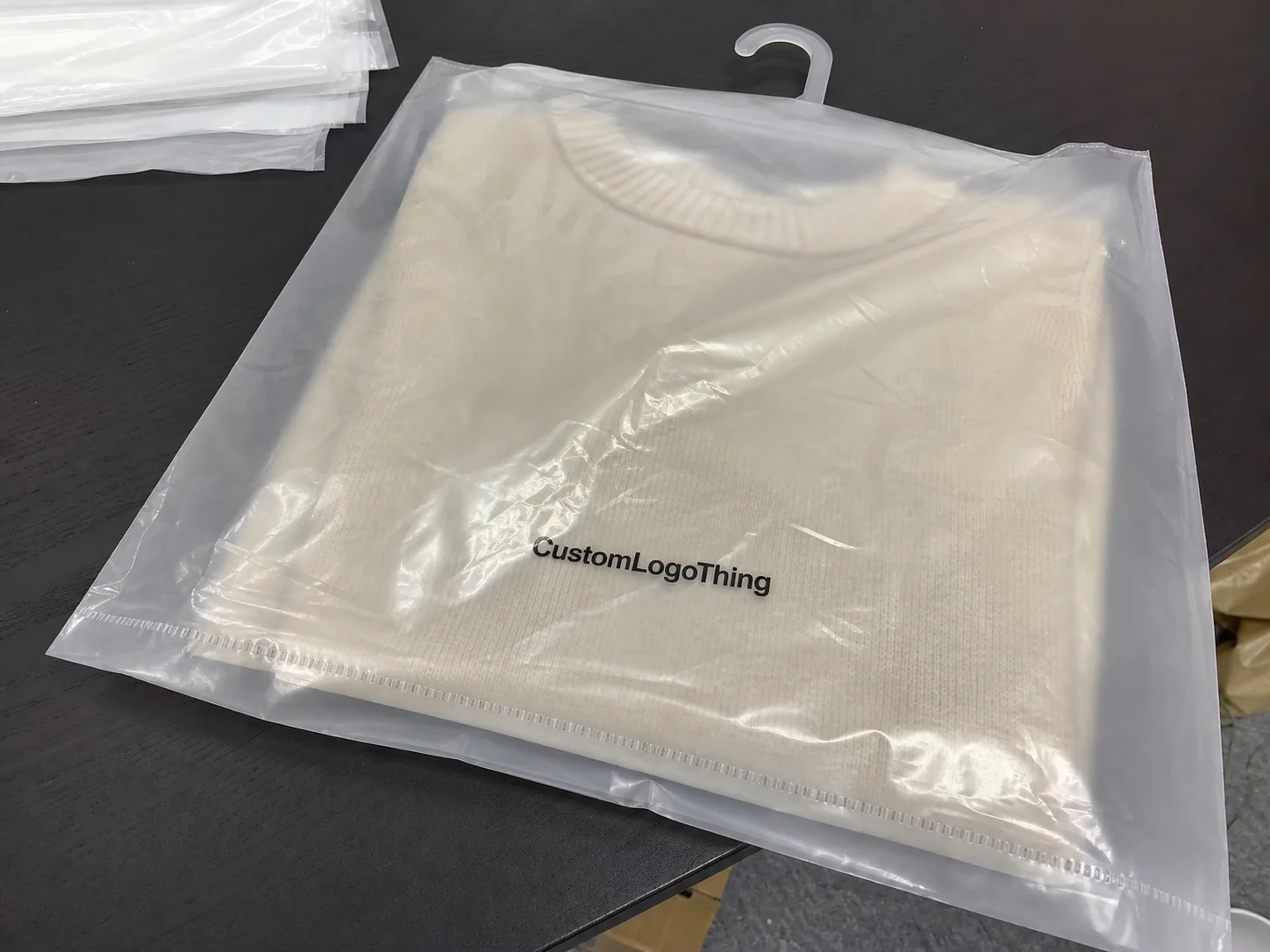
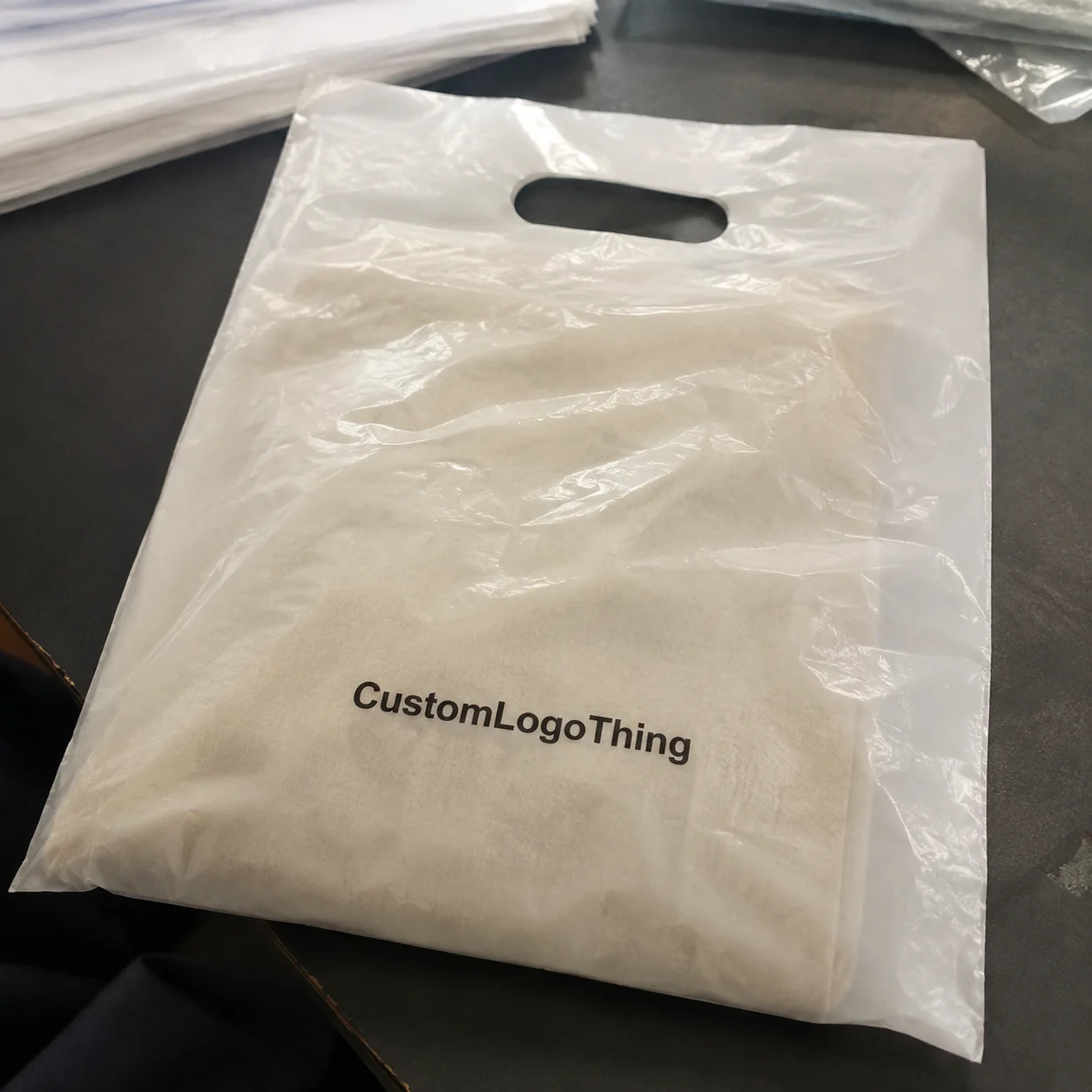
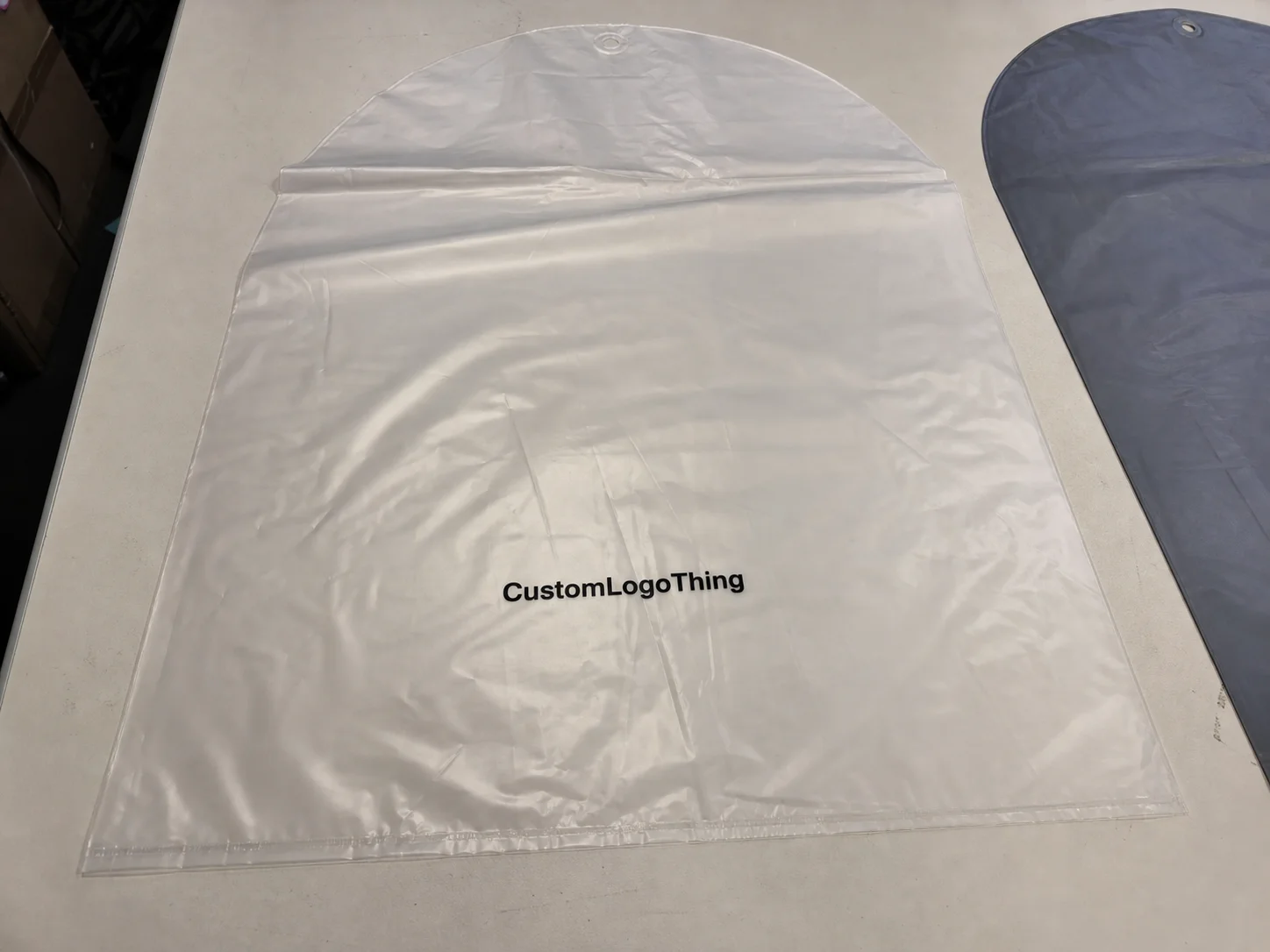
Buyer Fit Snapshot
| Best fit | Source Packaging from Manufacturers Without Getting Burned projects where brand print, material claims, artwork control, MOQ, and repeat-order consistency need to be specified before quoting. |
|---|---|
| Quote inputs | Share finished size, material target, print colors, finish, packing count, annual reorder estimate, ship-to region, and any compliance wording. |
| Proofing check | Approve dieline scale, logo placement, barcode or warning zones, color tolerance, closure strength, and carton packing before bulk production. |
| Main risk | Vague material claims, crowded artwork, missing packing details, or unclear freight terms can make a low unit price expensive after revisions. |
Fast answer: Source Packaging from Manufacturers Without Getting Burned: Material, Print, Proofing, and Reorder Risk should be specified like a repeatable production item. The safest quote records material, print method, finish, artwork proof, packing count, and reorder notes in one written spec.
Production checks before approval
Compare the actual filled-product size with the drawing, then confirm tolerance on folds, seals, hang holes, label areas, and retail display edges. Reserve space for logos, QR codes, warning copy, and material claims before decorative graphics fill the panel.
Quote comparison points
Review material grade, print process, finish, sampling route, tooling charges, carton quantity, and freight assumptions side by side. A quote is only useful when the supplier can repeat the same color, closure quality, and packing count on the next order.
I’ve spent 12 years in custom printing, walked factory floors in Shenzhen and Dongguan with ink on my shoes, and watched brands get burned because they treated packaging like an afterthought. If you’re trying to figure out how to Source Packaging from manufacturers, I can save you a few gray hairs and at least one bad invoice. The cheapest quote always looks lovely right up until someone realizes the “manufacturer” is a broker with a laptop and zero control over the print line. I’ve seen that movie. It’s not a feel-good film, and the sequel usually involves a missed ship date from Yantian Port.
How to source packaging from manufacturers sounds simple. It isn’t. Specs matter. Samples matter. Negotiation matters. Quality control matters even more. You’re not just buying boxes or mailers. You’re buying consistency, shelf appeal, shipping performance, and a package that doesn’t make your brand look cheap. That matters whether you’re ordering Custom Printed Boxes, tissue, inserts, pouches, labels, or rigid packaging. Honestly, I think a lot of people underestimate packaging because it sits quietly at the edge of the product. Then they get the first batch and realize quiet can still be expensive, especially when 5,000 cartons are printed in the wrong Pantone.
What It Really Means to Source Packaging from Manufacturers
People usually mean, “How do I find someone who can make this packaging, quote it fairly, and not vanish after I pay the deposit?” Fair question. How to source packaging from manufacturers includes finding suppliers, checking whether they actually manufacture in-house, requesting quotes, reviewing specs, sampling, and confirming production terms before a single sheet gets printed. In practical terms, that means you’re looking for a plant in places like Shenzhen, Guangzhou, Ningbo, Wenzhou, or Dongguan that has the printing, die-cutting, lamination, and gluing steps under one roof—or at least under one very organized roof.
Here’s the part that trips people up. A manufacturer owns the tooling, printing equipment, or converting line. A trader buys from actual factories and resells. A broker mostly connects you to other people and takes a margin. Sometimes that setup works. Sometimes it becomes a circus. If you need tight control over color, finish, or structure, how to source packaging from manufacturers starts with figuring out who actually owns the production process. If you skip that step, congratulations, you’ve bought a very expensive game of telephone, usually with three time zones and one very confusing WeChat thread.
I remember one client who came to me with a “great” quote for rigid gift boxes at $0.82 per unit for 5,000 pieces. Sounded beautiful. Too beautiful. We visited the facility in Dongguan, and the “factory” was basically an office plus two sample benches. The real production was outsourced to another plant 90 minutes away. That quote jumped to $1.14 after rework costs, and the lead time went from 14 days to 29 business days after proof approval. Classic. How to source packaging from manufacturers is partly about avoiding that exact nonsense. I still remember the client staring at the sample bench like it had personally betrayed him.
This applies to a lot of packaging types: retail packaging, shipping cartons, subscription mailers, poly mailers, paper bags, labels, hang tags, tissue paper, inserts, folding cartons, and rigid boxes. If your packaging touches product presentation or shipping protection, you’re in the right lane. And yes, branded packaging can make a $12 product feel like a $40 one. That’s not magic. That’s package branding done properly, usually with a 350gsm C1S artboard, clean fold lines, and print registration that doesn’t wander off like a tourist.
How to source packaging from manufacturers is never just email-and-pray. It’s research, sampling, and a little negotiation theater. I’ve sat across from factory sales reps in Dongguan while they tried to explain why a recycled board option would be “almost the same” as virgin SBS. It was not the same. Not even close. The board crushed in my hand before the coffee got cold. I laughed, then I didn’t, because the sample literally folded like stale toast after one bend test at the factory table.
“The best supplier is not always the cheapest one. The best supplier is the one that can repeat the same result 5,000 times without drama.”
How to Source Packaging from Manufacturers: The Basic Process
The basic flow for how to source packaging from manufacturers is straightforward once you stop trying to skip steps. You define your product packaging needs, gather a shortlist of suppliers, request quotes, review samples, approve artwork and structure, then move into production and freight. Simple on paper. Less simple when your team is still changing box dimensions after the dieline is already signed off. That kind of “small tweak” has a funny habit of turning into a two-week delay, especially if the plant in Zhejiang already booked the cutting line for 18,000 mailers.
A good manufacturer will ask annoying but useful questions. Dimensions. Weight. Product fragility. Print method. Finish. Volume. Storage conditions. If they don’t ask, that’s not efficiency. That’s laziness. In my experience, the best factories want the full picture because they know one missing detail can wreck the run. When I was visiting a folding carton plant outside Guangzhou, the production manager refused to quote until he knew the jar neck diameter. He was right. The insert spec changed the whole structure. I was annoyed in the moment. Later, I was grateful. That’s packaging sourcing: minor irritation, major payoff. Also, a 2 mm difference can be the difference between a snug insert and a carton full of rattling jars.
Here’s a simple RFQ flow for how to source packaging from manufacturers:
- Product brief — size, weight, quantity, shipping method, branding goals.
- Quote request — ask for unit price, tooling, sampling, lead time, and freight terms.
- Sample stage — digital proof, plain sample, or pre-production sample.
- Approval — lock artwork, materials, and tolerances.
- Production — confirm deposit, schedule, and inspection points.
- Delivery — plan customs, receiving, and storage space.
If you’re serious about how to source packaging from manufacturers, your RFQ should include exact dimensions in millimeters, target board stock, print side, finish, closure style, and estimated annual volume. “Need boxes for skincare” is not a spec. It’s a guess. Factories can quote guesses, but you’ll pay for that later. Usually in extra samples, extra time, or extra shipping. Sometimes all three. Lucky you. A proper RFQ for a lip balm carton might read: 68 x 42 x 132 mm, tuck-end style, 350gsm C1S artboard, 4/0 CMYK plus matte AQ, 8,000 units, delivery to Los Angeles, California, by week six.
Timelines vary. A stock mailer might move in 7 to 10 business days. A Custom Folding Carton with foil stamping, embossing, and a custom insert can take 18 to 30 business days after proof approval. Add freight, and your “quick project” suddenly eats half the quarter. That’s just reality. I’ve had clients say, “Can we do it faster?” Sure. If you also want it cheaper, prettier, and perfectly color-matched, we can start by asking the moon for a discount. For reference, a standard printed mailer from a Guangzhou supplier can ship in 12 to 15 business days after proof approval if you don’t change the artwork three times.
Delays usually show up in the same places: artwork approvals, dieline changes, sample revisions, and freight booking. If your team has six stakeholders and everyone thinks they’re the final decision-maker, how to source packaging from manufacturers will take longer. That’s not the factory’s fault. That’s meeting culture. I’ve watched a brand in Austin spend nine days debating whether a logo should sit 3 mm higher on a sleeve while the factory in Shenzhen waited with finished cutter files.
Key Factors That Affect Cost, Pricing, and Quality
If you want to get good at how to source packaging from manufacturers, you need to understand what actually drives price. People love asking for “best price,” then acting shocked when the quotation includes setup fees, tooling, and freight. Packaging is physical. Physical things cost money. Shocking, I know. Also, the factory does not accept “exposure” as a payment method, no matter how confident the buyer sounds on the phone from Brooklyn or Berlin.
The biggest pricing drivers are material, print complexity, minimum order quantity, tooling, insert structure, finish, and shipping method. A 350gsm C1S folding carton with one-color print and matte varnish is not priced like a rigid set-up box with gold foil, magnetic closure, and EVA foam insert. If one supplier quotes $0.22/unit and another quotes $0.41/unit, don’t just stare at the lower number like it’s the truth. Ask what changed. The answer is almost always hiding in the spec, the finish, or the thing nobody bothered to mention in the first email. For example, switching from 300gsm art paper to 350gsm C1S artboard can add stiffness, better ink hold, and about $0.03 to $0.06 per unit on a 5,000-piece run.
Here’s a quick comparison I’ve used in supplier negotiations for how to source packaging from manufacturers:
| Packaging Type | Typical Unit Price | MOQ | Lead Time | Common Tradeoff |
|---|---|---|---|---|
| Mailer box, kraft board | $0.38 to $0.72 | 500 to 1,000 | 10 to 18 business days | Lower price often means simpler print and fewer finishes |
| Custom printed folding carton | $0.18 to $0.55 | 1,000 to 5,000 | 12 to 20 business days | Cheap quotes may exclude plates or UV coating |
| Rigid box with insert | $1.10 to $3.80 | 300 to 1,000 | 15 to 30 business days | Better presentation, higher setup and labor cost |
| Printed labels | $0.02 to $0.15 | 1,000 to 10,000 | 5 to 12 business days | Material and adhesive choice can change performance fast |
Now the hidden costs. Tooling can add $80 to $400 depending on the structure. Foil plates, embossing dies, and custom cutters add setup. Freight can swing wildly; I’ve seen cartons look cheap at the factory in Ningbo and become expensive after ocean shipping, customs brokerage, and domestic delivery to Chicago. That’s why how to source packaging from manufacturers should always include landed cost, not just factory price. A quote that says $0.29 per unit means very little if freight adds $0.11 and duties add another $0.04.
Quality is where smart buyers separate themselves from expensive mistakes. Ask about board strength, color consistency, glue performance, and compression testing. If you’re shipping retail packaging through a fulfillment center, ask whether the box can survive stacking. If you’re doing food or cosmetics, ask about material compliance and odor. A beautiful box that smells like a tire fire is not a win. I wish I were joking, but I’m not. I once rejected a batch in Shenzhen because the solvent smell from the lamination lingered for 48 hours in the sample room.
For standard packaging, I like to compare product packaging options on total landed cost per finished unit. That means factory price, insert cost, packing, freight, duties, and average reject rate. A supplier quoting $0.26/unit with a 7% defect rate is often worse than a supplier quoting $0.31/unit with clean output and better communication. How to source packaging from manufacturers is math, not wishful thinking. If the reject rate rises above 3% on a 5,000-piece order, the “cheap” quote stops being cheap very quickly.
Material choice matters too. FSC-certified paperboard, recycled kraft, and virgin SBS each have different performance and sustainability profiles. If your brand cares about environmental claims, check the standards carefully. The Forest Stewardship Council explains certified sourcing well at fsc.org, and for waste and recycling considerations, the EPA has useful guidance at epa.gov. If you’re checking shipping performance, ISTA testing standards matter more than guesswork; see ista.org. If your box has a 1.5 mm board thickness and fails drop tests from 76 cm, no amount of branding will rescue it.
Step-by-Step Guide to Source Packaging from Manufacturers
If you want the cleanest path for how to source packaging from manufacturers, follow a process. Not a vibe. A process. I know “process” sounds boring, but so does a delayed launch email with seventeen people on the thread and nobody owning the mistake. The brands that move fastest usually have one packaging owner, one spec sheet, and one approval chain with names on it.
Step 1: Define your packaging requirements
Start with the product itself. Measure the item in millimeters. Note the weight, breakability, and any sharp edges. Decide whether you need shipping protection, shelf appeal, or both. If you’re ordering branded packaging for skincare jars, for example, your insert structure matters as much as the print. I’ve seen brands spend $8,000 on beautiful graphics and then ship jars loose in a carton with one sad paper insert. That’s not strategy. That’s regret. If the jar weighs 180 grams and the lid height is 24 mm, say that in the brief.
Step 2: Build a shortlist of manufacturers
Use Google, Alibaba, referrals, trade shows, and packaging directories. Yes, Alibaba still works if you know how to vet suppliers. Trade shows can be gold too; I met one of my best corrugated suppliers at a booth in Hong Kong where the sample wall was taped together with optimism and good lighting. You want 3 to 5 suppliers so you can compare response speed, pricing, and sample quality. How to source packaging from manufacturers gets easier when you have options. I like to mix one local supplier in California or Texas with two factories in South China, because price and communication speed can be very different.
Also check whether they specialize in your type of packaging. A plant that makes food-grade pouches may not be ideal for luxury rigid boxes. Different equipment. Different skill set. Different headaches. I’d rather work with a factory that knows its lane than one that claims it can do everything because, apparently, every machine is magical now. A factory in Wenzhou that runs labels all day is not automatically the best choice for a 4-color embossed box with a magnetic closure.
Step 3: Request quotes with a standardized spec sheet
Send the same brief to every supplier. That’s how you compare apples to apples. Include dimensions, board stock, print colors, finish, quantity, target price, packaging format, artwork files, and shipping destination. If you want accurate pricing for how to source packaging from manufacturers, don’t make suppliers guess whether you need litho laminate, direct print, or a special coating. A carton with spot UV on the logo and a soft-touch laminate can easily price 15% to 25% higher than a matte varnish version.
A strong spec sheet might include:
- Product size: 120 x 80 x 35 mm
- Box style: tuck-end folding carton
- Material: 350gsm C1S artboard
- Finish: matte AQ with spot UV logo
- Print: 4/0 CMYK plus one Pantone
- Quantity: 5,000 pieces
- Delivery deadline: 4 weeks after approval
Step 4: Order samples or prototypes
Never skip this. Ever. A digital proof is not enough if structure matters. For how to source packaging from manufacturers, I always tell clients to test samples under real-use conditions. Put the product in. Shake it. Stack it. Drop it from desk height if it’s a shipping box. Open it ten times if the closure is part of the customer experience. A pretty sample that fails in transit is just expensive trash. And yes, I say that with love. A sample approved in Shenzhen that arrives crushed in New Jersey is a very loud reminder that shipping containers do not care about your mood board.
One of my favorite factory-floor memories involved a client’s custom mailer that looked perfect until we loaded it with a 2.2-pound candle set. The side walls bowed like a cheap lawn chair. We changed the board grade from E-flute to B-flute, added a locking tab, and the problem disappeared. That’s why how to source packaging from manufacturers includes testing, not just approving artwork. The box didn’t care about our optimism. It cared about physics and a board spec that could hold 9 kg before crush.
Step 5: Negotiate terms
Price is part of the deal, but not the whole deal. Ask about lead time, payment terms, tolerances, replacement policy, and whether overages or underruns are allowed. If you’re doing custom packaging with special finishes, ask who pays if the spot UV misses the mark by 2 mm. I’ve seen that clause save a client $1,600 on a reprint. On a 10,000-piece job, a 2 mm registration tolerance can decide whether your logo looks premium or just off-center and sad.
Negotiate on total value. Sometimes a supplier can lower cost by switching from hot foil to metallic ink, or by adjusting the insert from EVA to paperboard. Other times the answer is just volume. If you can commit to 10,000 pieces instead of 3,000, the unit cost usually drops. That’s normal. How to source packaging from manufacturers gets better when you understand the levers. For example, a rigid box might drop from $1.48 to $1.19 per unit once you cross 5,000 pieces because labor and setup get spread across the run.
Step 6: Approve pre-production samples
This is your last clean checkpoint before the full run. Lock artwork, confirm color targets, verify die lines, and make sure everyone on your team signs the same version. I’m not being dramatic when I say multiple approvals can kill a project. I once watched a client approve a revised logo, then remember the old version was still loaded in their e-commerce render files. Fifty thousand labels later, they had a consistency problem that started with one missed email. The best part? Nobody wanted to own the mistake. Stunning behavior, truly. If the sample says PMS 186 C and your website still shows a brighter red, fix it before the press run.
Step 7: Plan shipping, customs, and receiving
Packaging doesn’t help if it arrives three days after your launch. Plan backward from the real deadline. Add time for ocean freight, air freight, customs clearance, and domestic delivery. If you’re importing larger quantities, make sure your warehouse has room for pallet count and cartons per pallet. How to source packaging from manufacturers includes logistics because boxes do not teleport. I checked. Repeatedly. A 20-foot container from Shenzhen to Long Beach can take 18 to 26 days on water, plus 3 to 7 days for customs and drayage if nothing goes sideways.
For teams managing multiple SKUs, I usually recommend building a simple calendar with quote due date, sample due date, approval date, production start, pickup date, and delivery buffer. A 10-day buffer can save you from a very awkward conversation with your fulfillment center. It also keeps you from discovering that 6,000 cartons have been delivered to the wrong dock in Dallas.
Common Mistakes When You Source Packaging from Manufacturers
The biggest mistake in how to source packaging from manufacturers is pretending packaging is just a box. It’s not. It’s a system. If you only list dimensions and forget product weight, fragility, and shipping environment, the supplier can’t recommend the right structure. Then everyone acts surprised when the carton collapses in transit. Wonderful. A masterpiece of preventable chaos. I’ve seen this happen with 250-gram candles, 500-gram supplements, and one very expensive ceramic mug set from Portland.
Another classic mistake is choosing the lowest quote and ignoring communication quality. If a supplier takes four days to answer a basic material question before you pay, don’t expect miracles after deposit. I’ve seen slow communicators become slower once production starts. How to source packaging from manufacturers should filter for responsiveness early. If they can’t answer a simple question now, they will absolutely disappear when the presses are running. A one-day reply from a factory in Guangzhou beats a three-day reply from a “great price” factory in another province every single time.
Skipping sample checks is another expensive habit. The first proof is not the final run. Color shift, glue issues, and registration drift can all show up after the sample stage. You need to inspect print alignment, finish, fold accuracy, and material feel. This is especially true for retail packaging where shelf appearance matters as much as protection. A gold foil logo that peels at the corners after 24 hours is not premium. It’s a complaint waiting to happen.
People also forget to ask about MOQ, overages, and artwork file requirements. If your supplier needs editable vector files and you send a flattened JPEG, that’s not “close enough.” That’s a delay. Same with overages. Some factories quote 5,000 but deliver 4,850 after sorting. You need that clarified before production starts. Otherwise you’ll be counting cartons and muttering into your coffee like the rest of us. I always ask for 2% to 5% overrun allowance in writing, especially on label jobs and folding cartons.
And then there’s freight. Oh, freight. One client once saved $620 on unit price and lost $1,900 to rushed air shipping because nobody asked how to source packaging from manufacturers with logistics in mind. Cheap factory price is useless if customs and domestic delivery eat the margin. Budget for every step, not just the factory. I’ve had more than one buyer learn that lesson with a very long face and a very short apology. A 40-foot container can erase the savings from a “great” price if you didn’t model duties, port fees, and last-mile delivery from the start.
Expert Tips for Sourcing Better Packaging Deals
Once you know how to source packaging from manufacturers, the next move is getting a better deal without wrecking quality. My first tip: use a comparison matrix. Score each supplier on price, responsiveness, certifications, lead time, sample quality, and production capability. Give each category a 1 to 5 score, then compare the totals. It sounds boring. It works. Boring is underrated. Boring is also how you avoid buying garbage in bulk from a factory that promised the moon and shipped you cardboard soup.
Ask for alternative materials. Sometimes you can drop cost by switching from soft-touch lamination to matte varnish, or from a heavy insert to a smarter folded paperboard insert. I’ve saved clients 12% to 18% just by changing the finish spec and keeping the design intent intact. That’s the kind of win people like, especially when they’re building package branding on a budget. On a 5,000-piece carton order, swapping a soft-touch film for aqueous coating can save around $0.04 to $0.07 per unit.
Negotiate on total value. If the supplier won’t budge on unit price, ask for sample credits, lower tooling fees, better payment terms, or a freight assist. I once negotiated a $280 tooling charge down to $90 because the supplier wanted a first-order commitment on reorders. That was a better deal than shaving two cents off the unit price. Two cents sounds nice until you realize the real savings were sitting in the setup fee the whole time. I’ve also had suppliers in Shenzhen throw in free plain samples for the next project just because we paid on time and didn’t waste their week.
Start with a pilot order if your volume is uncertain or the design is still changing. A 500-piece test run can reveal fit, print, and shipping issues before you commit to 10,000 units. For how to source packaging from manufacturers, small pilots are cheap insurance. Cheap insurance, unlike cheap packaging, is actually a good thing. If a supplier can produce 500 clean units in 10 business days, they usually understand the discipline needed for a larger run.
Keep a backup supplier. Not because you’re dramatic. Because factories get busy, machines go down, and raw material shortages happen. If you only have one source, you’re hostage to their schedule. I’ve watched brands miss launch dates by two weeks because their “reliable” supplier had a foil shortage and nobody had a backup plan. That email was ugly. The panic was uglier. Keep one second source in Jiangsu, Zhejiang, or even Mexico if your freight math makes sense.
Build relationships with specific people. Real names, real email threads, real accountability. The sales rep who remembers your carton spec from last quarter will usually move faster than the generic inbox. I’ve had production managers push a job ahead because they recognized the client from a prior order and knew we were organized. People do remember good customers. Shocking again. If you ordered 8,000 boxes in March and came back in August with the same dieline, that memory helps.
If you want a clean starting point, review the offerings on Custom Packaging Products and see what structure fits your brand before requesting custom work. And if you want to know who’s behind the company you’re working with, the background at About Custom Logo Things helps set expectations before you send a single spec sheet.
One more tip: ask about quality standards. For shipping performance, ISTA testing is a real benchmark, not decorative jargon. For paper sourcing, FSC matters if sustainability claims are part of the pitch. For material safety or waste reduction questions, EPA guidance is worth reading. How to source packaging from manufacturers gets easier when you speak the same language as the factory. It also gets easier when the factory realizes you actually read the specs instead of just forwarding the quote to finance. A buyer who can name the board grade and the tolerance range gets treated very differently from one who just says “make it nice.”
Next Steps: Build Your Packaging Sourcing Plan
If you’re ready to act on how to source packaging from manufacturers, build a one-page packaging brief today. Keep it simple and specific: dimensions, quantity, material, print colors, finish, budget, and delivery deadline. That single page will save you more time than another 40-minute internal meeting. Probably more honesty, too. If the brief says 120 x 80 x 35 mm, 5,000 units, 350gsm C1S artboard, matte AQ, and delivery in 4 weeks, everyone suddenly has less room to improvise.
Then send that brief to 3 to 5 manufacturers and compare their quotes, samples, and response speed. Don’t just look at the lowest number. Look at who asks smart questions, who provides exact specs, and who can explain why a material choice changes the outcome. Good sourcing is not a mystery. It’s disciplined comparison. And yes, it rewards the person who actually does the homework instead of winging it with a half-finished spreadsheet. A supplier in Guangzhou who replies in 8 hours with a clean quotation beats a bargain quote with missing finish details every time.
Set a realistic timeline before you promise anything to your team or customers. If your packaging needs two sample rounds and 20 business days of production, say that out loud now. Build in freight, customs, and receiving time. That’s how you avoid the “we launched but the boxes are still on the water” problem. I’ve seen it happen. It is not pretty. One launch I worked on had product ready, website live, ads running, and zero cartons on-site. That kind of silence from a warehouse is never a good sign. For ocean freight from Shenzhen to Los Angeles, I usually tell clients to budget 25 to 35 calendar days end to end, assuming no port drama.
Document every spec change. One line item. One version. One approval trail. That’s the difference between a controlled project and a very annoying blame session. If your team changes the coating from gloss to matte, write it down. If the insert depth changes by 3 mm, write it down twice. How to source packaging from manufacturers gets much safer when the paper trail is real. A simple version log with dates, owner names, and file numbers can save a reprint that costs $900 or more.
Pick one primary supplier and one backup, then schedule your first sample review and approval checkpoint. That gives you room to move without starting over from scratch if a delay hits. It also keeps your custom printed boxes and other product packaging moving on a timeline you can actually defend. If you’re buying 10,000 folding cartons, the difference between a 12-day and a 19-day production window is the difference between calm and a very annoying Friday.
Do it this way, and how to source packaging from manufacturers stops being a gamble. It becomes a repeatable buying process that supports your brand, protects your margins, and keeps your launch from turning into a supply chain soap opera. And honestly, that’s the whole point.
FAQ
How do I source packaging from manufacturers if I’m a small business?
Start with standard packaging formats and modest quantities instead of fully custom everything. Request quotes from 3 to 5 manufacturers and compare minimums, setup fees, and shipping costs. Choose a supplier that can explain materials and sampling clearly, not just the cheapest option. If you’re new to how to source packaging from manufacturers, simple is smarter than flashy. A 1,000-piece order for a tuck-end carton in 350gsm C1S artboard is usually a better first move than jumping straight into a 5,000-piece rigid box.
What information do I need before I contact manufacturers?
Have product dimensions, weight, packaging type, branding files, target quantity, budget range, and delivery timeline ready. Include special needs like eco-friendly materials, retail display, or shipping durability. A complete brief gets you faster and more accurate pricing. That’s a big part of how to source packaging from manufacturers without wasting a week on back-and-forth. If you can include the exact city for delivery, such as Dallas or Toronto, even better.
How long does it take to source packaging from manufacturers?
Simple stock packaging can move quickly, while custom packaging usually needs time for quotes, samples, revisions, and production. Expect extra time if you need custom tooling, structural testing, or specialty finishes. Freight and customs can add more time, so plan backward from your real deadline. That’s the honest answer to how to source packaging from manufacturers. For a basic printed mailer, 12 to 15 business days from proof approval is common; for a rigid box with foil and insert, 18 to 30 business days is more realistic.
How do I compare packaging manufacturer quotes?
Compare total landed cost, not just unit price. Check MOQ, setup charges, sample costs, lead time, payment terms, and shipping method. If one quote is much lower, ask what is missing before you celebrate. Smart comparison is the core of how to source packaging from manufacturers well. A quote at $0.19 per unit with no tooling and no freight detail is not better than $0.24 per unit with clear specs and a 14-business-day production window.
What are the biggest red flags when sourcing packaging?
Vague answers, inconsistent specs, poor sample quality, and pressure to pay before details are confirmed are all red flags. Lack of clear lead times or refusal to discuss tolerances and quality checks is a problem. If communication is messy early, production usually gets worse, not better. That’s why how to source packaging from manufacturers should always start with due diligence. If a supplier in Shenzhen can’t tell you whether the carton uses 300gsm or 350gsm board, walk away.