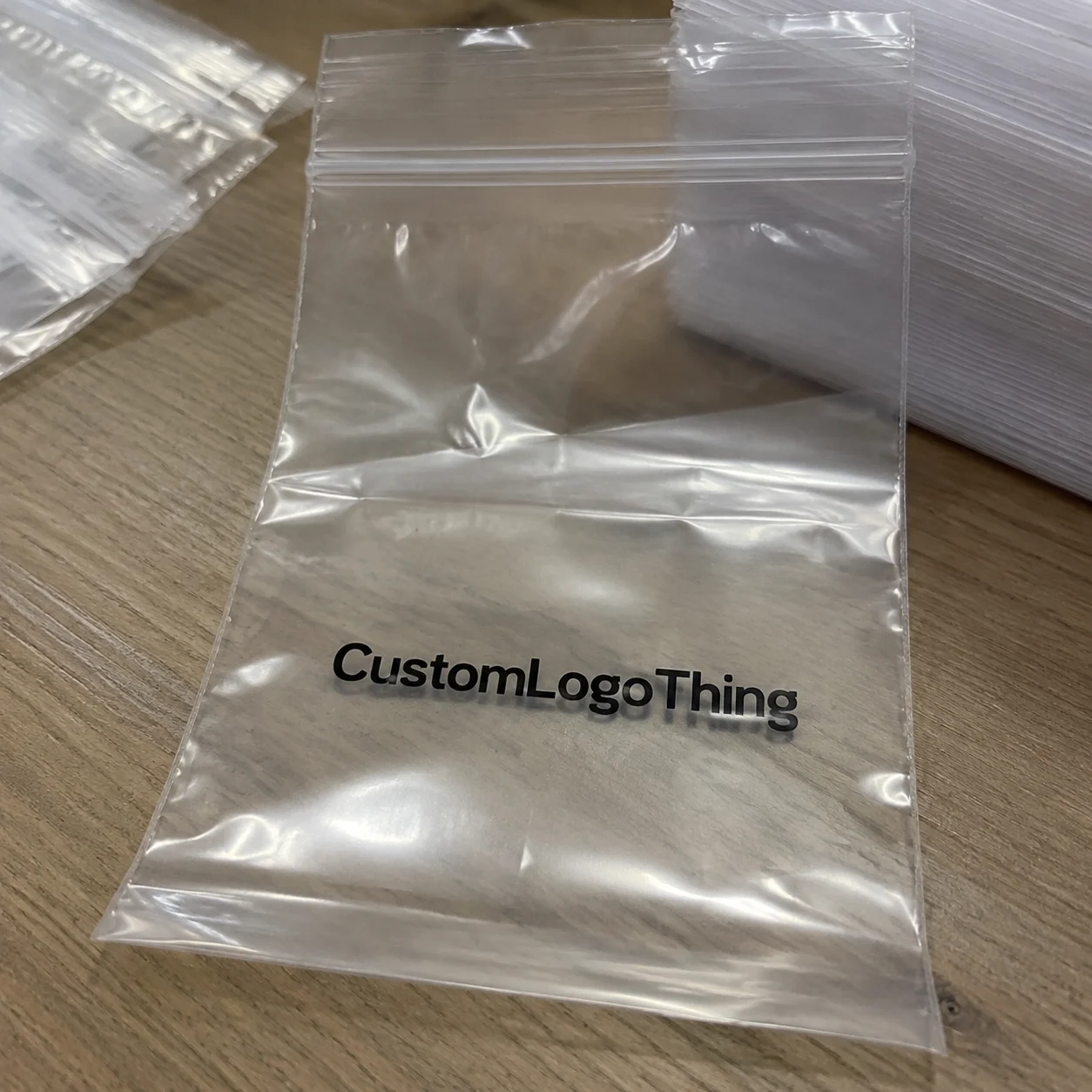
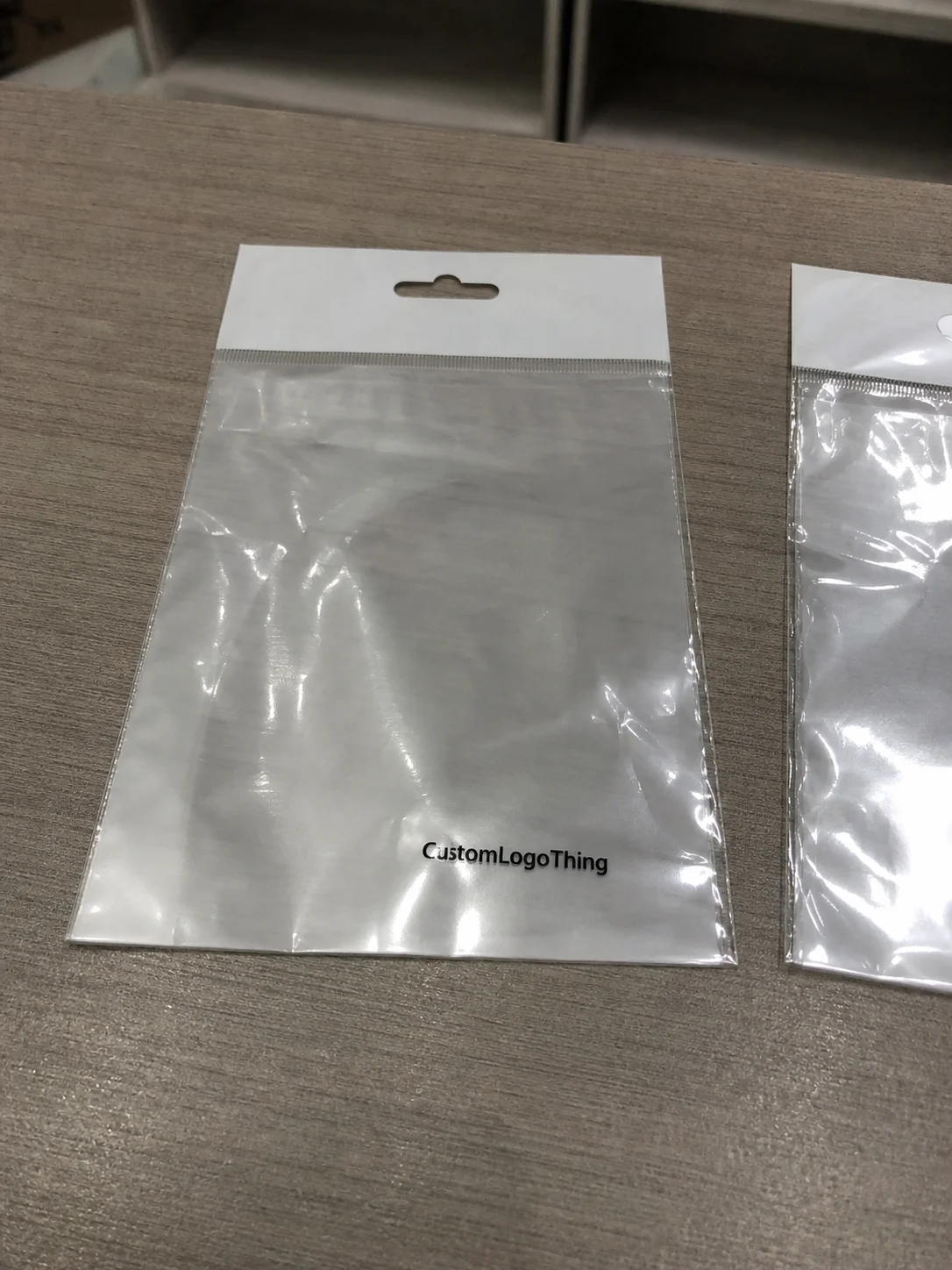
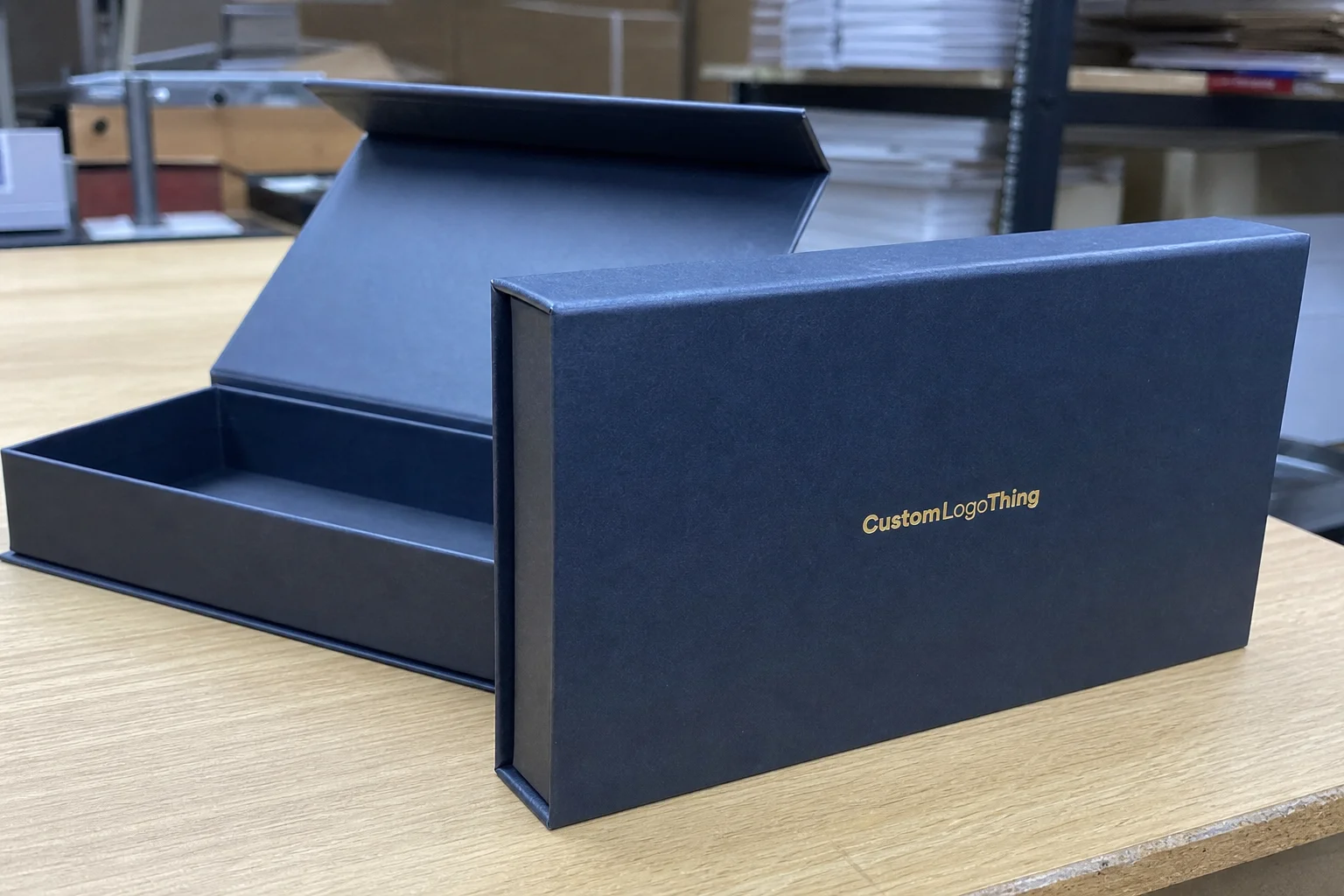
Buyer Fit Snapshot
| Best fit | Start Subscription Box Business projects where brand print, material claims, artwork control, MOQ, and repeat-order consistency need to be specified before quoting. |
|---|---|
| Quote inputs | Share finished size, material target, print colors, finish, packing count, annual reorder estimate, ship-to region, and any compliance wording. |
| Proofing check | Approve dieline scale, logo placement, barcode or warning zones, color tolerance, closure strength, and carton packing before bulk production. |
| Main risk | Vague material claims, crowded artwork, missing packing details, or unclear freight terms can make a low unit price expensive after revisions. |
Fast answer: Start Subscription Box Business: Artwork Proof, Packing Count, and Landed Cost should be specified like a repeatable production item. The safest quote records material, print method, finish, artwork proof, packing count, and reorder notes in one written spec.
Production checks before approval
Compare the actual filled-product size with the drawing, then confirm tolerance on folds, seals, hang holes, label areas, and retail display edges. Reserve space for logos, QR codes, warning copy, and material claims before decorative graphics fill the panel.
Quote comparison points
Review material grade, print process, finish, sampling route, tooling charges, carton quantity, and freight assumptions side by side. A quote is only useful when the supplier can repeat the same color, closure quality, and packing count on the next order.
The strongest how to Start Subscription Box Business guide begins with a simple truth: subscription boxes win because they sell consistency, not just products. I still remember watching a $29-a-month skincare box outpace a pricier competitor because the cadence felt dependable, the inserts were crisp, and the customer knew exactly what to expect every third Tuesday. If you’re building a box brand, the business model, the packaging, and the timing have to fit together before you spend a dollar on inventory, because once the box is in motion, it has a way of exposing every little shortcut you took. In practical terms, that means planning your first 500 to 1,000 units like a factory run in Dallas or Dongguan, not like a casual ecommerce test, because the minute you print labels and book freight, the clock starts moving in business days, not good intentions.
That’s the part many founders miss. They start with a charming concept, then discover that freight, inserts, box dimensions, and payment processing eat margin faster than expected. A practical how to start Subscription Box Business guide should help you see the whole machine: recurring orders, curated products, production lead times, and the unboxing moment that becomes part of the product itself. A custom mailer in a 9 x 6 x 3 inch size might cost $0.18 per unit at 5,000 pieces from a corrugated plant in Guangdong, but the same format can jump to $0.34 per unit at 1,000 pieces, and that difference compounds every month. And yes, that “moment” can make or break repeat purchases, which is a very polite way of saying the box has to earn its keep.
What a Subscription Box Business Actually Is
A Subscription Box Business is a recurring commerce model where customers are charged on a schedule—monthly, quarterly, or even weekly—and receive a curated shipment each cycle. That sounds simple until you watch the moving parts on a factory floor. I once stood in a packing room in Shenzhen where 8,000 units were being kitted for a beauty subscription brand, and one carton spec error added 12 mm of dead space to every box. The team didn’t just lose packaging efficiency; they paid more per shipment because void fill, freight weight, and breakage all shifted at once. That’s why any how to Start Subscription Box business guide has to begin with operations, not just branding. Otherwise, you’re basically decorating a problem and calling it strategy.
Here’s the clean distinction. A subscription box is not the same as a one-time bundle, a membership, or a replenishment order. A bundle is a single sale. A membership may include access, discounts, or content, but not always physical shipment. Replenishment usually means the same item ships again and again—think razors or pet food. Subscription boxes, by contrast, depend on curation, surprise, and a repeatable fulfillment cycle. That’s why packaging matters more here than in ordinary ecommerce. The box is not just a shipper. It is part of the product, part of the anticipation, and, if you’re honest, part of the reason people post it on Instagram before they even try the contents. A 350gsm C1S artboard insert with a matte aqueous finish can make a $14 set of samples feel like a $40 experience, especially when the unboxing sequence is designed around a 6-second reveal rather than a jumble of loose items.
Honestly, newer founders often underestimate the emotional side of the model. Customers are not only buying a serum, snack mix, or hobby kit. They’re buying the feeling that someone thought about them. If you want a practical how to start subscription box business guide, you need to understand that the customer pays for consistency, anticipation, and a little theater around delivery day. A box that arrives on time and feels considered is doing marketing work you would otherwise pay for in ads, and a brand that sends 2,000 boxes with a clean insert, a printed inside lid message, and a shipping window of 3 to 5 business days tends to earn more goodwill than a brand with a prettier website and a messy shipment cadence. That kind of consistency turns a product into a habit.
When I visited a small candle subscription operation in Columbus, Ohio, the owner told me the best month she ever had was not the month she added a new scent. It was the month she switched from a plain white mailer to a printed kraft mailer with a structured insert and a one-card story about the maker. Same candle fill. Higher perceived value. Lower churn. She paid $1.12 per mailer at 3,000 units and $0.27 per printed card, and her return requests dropped enough to offset the higher packaging bill within two cycles. That’s not magic. That’s packaging working as commercial strategy, which is far less glamorous and far more useful.
How a Subscription Box Business Works
A subscription box business runs on a cycle with six linked stages: product selection, sourcing, packaging design, billing, fulfillment, and retention. Miss one, and the rest feel it. If product selection is weak, churn rises. If packaging is sloppy, breakage rises. If billing terms are unclear, customer service gets flooded with questions. A reliable how to start subscription box business guide has to show you that the box is part retail, part logistics, and part media brand. And part psychology, frankly, because a subscriber who feels ignored will leave with surprising speed. A company shipping 1,500 boxes a month from a fulfillment center in Columbus or Nashville cannot afford to treat those stages as separate departments with no shared calendar.
Here’s a realistic timeline from sign-up to shipment. Day 1, a customer subscribes. Day 2 to 10, your team confirms inventory, packaging materials, and charge timing. Day 11 to 20, products are kitted, boxed, and labeled. Day 21 to 24, carriers pick up freight or parcel shipments. Day 25 onward, customers open boxes, post feedback, and decide whether to keep paying. That timeline depends on your supplier lead times, but for many brands, 12 to 15 business days from proof approval is a normal packaging production window if you’re using Custom Printed Mailer Boxes in a standard corrugated build. If the factory is in Shenzhen or Ho Chi Minh City and the carton uses four-color CMYK printing with a water-based varnish, you may also need 2 to 4 business days for prepress corrections before production even starts. I know that sounds tidy on paper; in real life, somebody always finds a missing approval email at 4:47 p.m. on a Friday.
Recurring revenue helps with forecasting. You can predict some cash inflow better than a one-off ecommerce store can. Yet the tradeoff is pressure. If 2,000 subscribers expect a March shipment on March 28 and your packaging arrives damaged on March 18, the whole calendar slips. I’ve seen one brand lose a full cycle because their custom inserts arrived with the wrong score line. They had to hand-fold nearly 5,000 units. Nobody calls that glamorous. I call it expensive, repetitive, and slightly soul-crushing. At about 18 seconds per fold, that mistake turned into more than 25 labor hours, which is the kind of detail that quietly eats a launch budget in a warehouse outside Atlanta or Reno.
The workflow also changes the moment a customer receives box one. Before first purchase, they are evaluating promises. After first purchase, they are evaluating consistency. That single shift affects retention and churn more than founders like to admit. If your box arrives on time with a neat unboxing sequence, they are more forgiving of a slightly plain product mix. If it arrives late or crushed, even a good product assortment won’t save the account. The first shipment is your audition; the second is your job interview. In a lot of cases, the customer is deciding in under 90 seconds whether your box feels worthy of a recurring $24.99 or $39.95 charge, which is a brutal little performance review.
For subscription brands, packaging components often include:
- Outer box: mailer box, rigid box, or corrugated shipper
- Internal protection: paper void fill, molded pulp, foam, or inserts
- Brand elements: tissue wrap, stickers, printed belly bands, thank-you cards
- Compliance items: barcodes, shipping labels, warning labels, return info
Those pieces must work together. If the box is too deep, products rattle. If the insert is too tight, assembly slows down. If the graphics are beautiful but the board grade is weak, the corners crush in transit. That’s where the operational side of a how to start subscription box business guide stops being theory and becomes unit economics. A B-flute corrugated mailer with a 32 ECT rating may be fine for a light snack kit, but a fragile candle or glass serum bottle often needs a stronger board specification or a molded pulp cradle, especially if the parcel is moving through UPS hubs in Louisville or FedEx sort facilities in Memphis. And unit economics, for better or worse, are where the enthusiasm gets asked to sit down and show its paperwork.
Key Factors That Determine Profitability
Profit in this business is built box by box. Your real formula includes subscription price, product cost, packaging cost, shipping, payment processing, fulfillment labor, and churn. If one of those numbers is fuzzy, your margin is fake. I’ve sat in client meetings where the founder proudly quoted a 60% gross margin, only to discover they had left out 18% for postage, 6% for inserts, and another 3% for transaction fees. The margin disappeared on the whiteboard before it ever reached the bank account. I still remember the silence in the room—very educational, deeply inconvenient. A box sold at $34.95 can look healthy until you add a $6.80 average parcel rate, a $1.40 pick-and-pack fee, and a $1.18 payment processing cost, and then the math starts speaking with much less charm.
Here’s a useful framework for a lower-cost box priced at $34.95. Let’s say product cost is $11.50, packaging is $2.10, shipping averages $6.80, fulfillment labor is $1.40, and payment processing is $1.18. That leaves $11.97 before overhead, refunds, and customer acquisition. If you spend $18 to acquire a subscriber, your payback depends on keeping that customer long enough to recover the cost. This is why retention matters more than first-order profit. In a strong how to start subscription box business guide, lifetime value is the star metric, not the launch-day sale. Launch day is exciting, sure, but it is also where people forget the boring math and then act shocked later when the numbers bite back.
Packaging can quietly wreck a budget. Custom Printed Mailer boxes often cost more than plain stock, but the cost difference may be justified if it reduces damage claims, increases social sharing, or lowers void fill expense. I’ve negotiated cartons at $0.18 per unit for 5,000 pieces from a supplier in Dongguan and watched the same brand spend $0.34 per unit when the order dropped to 1,000. That difference sounds tiny until you multiply it across 12 shipments a year. Tiny line items are very talented at becoming large annual headaches. If your insert is die-cut on a separate run in Suzhou at $0.15 per unit for 5,000 pieces, you should still ask whether a combined board structure in one carton could save labor on the packing table in Phoenix or New Jersey.
Below is a practical comparison I use with clients during planning:
| Option | Estimated Packaging Cost | Best For | Tradeoff |
|---|---|---|---|
| Plain stock mailer box | $0.95 to $1.40/unit | Early tests, low-budget launches | Lower shelf appeal and weaker brand recall |
| Custom printed corrugated mailer | $1.40 to $2.80/unit | Recurring boxes with brand differentiation | Higher MOQ and longer lead time |
| Rigid presentation box | $3.50 to $8.00/unit | Premium or giftable subscriptions | Higher shipping weight and storage cost |
| Mailer with custom insert | $1.85 to $3.25/unit | Fragile, curated, or multi-item boxes | More assembly time and design coordination |
Supplier minimums matter too. A carton vendor may require 3,000 units, while an insert supplier may require 2,500. Storage costs also stack up. If you rent a 500-square-foot storage unit at $1,200 a month just to hold packaging and backstock, that overhead can crush an early-stage business with 250 subscribers. Add seasonal demand swings—holiday spikes, summer slowdowns, churn after promotions—and the cash picture gets messy fast. I’ve watched brands make gorgeous boxes and then quietly panic when they realized the boxes themselves needed a home, usually a warehouse aisle in New Jersey or a third-party logistics center in Texas that charged by pallet position and not by sympathy.
If you want to pressure-test a box, ask three questions: Can I sell it profitably at full price? Can I survive a 10% increase in freight? Can I still make money if 15% of customers cancel after two cycles? That last one matters. A lot. Most people underbuild for churn, then wonder why acquisition feels like pouring water into a bucket with a hole in it. A serious how to start subscription box business guide must include churn math, not just product ideas. Otherwise, you are planning the party and forgetting the rent. If your first-cycle churn sits at 18% and your average customer stays 4.2 months, that number should shape every packaging and pricing decision you make.
For packaging standardization and test methods, I often point founders to resources from the International Safe Transit Association and the EPA’s sustainable packaging guidance. They won’t tell you how to build your brand voice, but they will help you avoid transit damage, weak materials, and wasteful choices. Plus, they are far more patient about testing protocols than most founders are after their third broken sample. If you are approving custom packaging from a factory in Vietnam, the extra hour spent on ISTA-style testing can save you three weeks of claims and replacements later.
How to Start Subscription Box Business Guide: Step-by-Step
The cleanest how to start subscription box business guide starts with niche selection. Choose a group with repeat demand and a specific reason to subscribe. That could be busy parents, hobby collectors, first-time pet owners, beard-care enthusiasts, or small-business teams that need office treats. The best niches are not just large. They are emotionally sticky. They have an identity signal or a recurring problem. If your niche makes people say, “Oh, that’s me,” you’re on to something. A box for remote sales managers in Austin is easier to retain than a generic “lifestyle box” with no clear monthly habit, because the buyer can picture exactly why the box belongs on the desk.
Step 1: Choose a niche with repeat demand. If your box only works as a one-time novelty, it is probably not a subscription business. I once advised a client who wanted to sell “surprise desk accessories.” Nice idea. Weak retention. We narrowed it to “executive desk resets for remote managers,” and suddenly the box had a use case, a buyer persona, and a cleaner packaging format. That kind of specificity can save thousands in launch waste, not to mention a few future headaches you’d otherwise earn the hard way. Once the theme was narrowed, the product set fell neatly into three SKUs, and the packaging could be designed around a 10 x 8 x 4 inch mailer instead of a bloated one-size-fits-all carton.
Step 2: Validate demand before buying inventory. Use surveys, waitlists, and preorder pages. A 200-person waitlist means more than a catchy pitch deck. You can also run a small pilot with 25 to 50 boxes and test shipping damage, product feedback, and packaging fit. A how to start subscription box business guide that skips validation is really a wish list dressed up as a plan. And wish lists, charming as they are, do not pay freight invoices. If your preorder page converts at 3.8% from a targeted list of 1,000 leads, you have something to measure; if it converts at 0.7%, you have a nicer concept deck than a business.
Step 3: Source products and packaging together. This is where many founders split decisions that should be made as one system. Product dimensions determine insert design. Insert design determines box size. Box size determines freight. Freight determines your margin. When I visited a contract packer in Shenzhen, the packaging engineer showed me three cartons that looked nearly identical from the outside. Inside, one saved 18% in cube efficiency because the insert layout was rotated by 90 degrees. Tiny change. Big money. The kind of detail people forget until they are staring at a spreadsheet wondering where the margin went. If a product supplier in Jiangsu can trim 5 mm from bottle height, that may let you switch from a 14-inch carton to a 12-inch carton and shave a full pound off dimensional freight on Zone 7 shipments.
Step 4: Set pricing, billing cadence, and shipping rules. Be explicit. If the subscription bills on the 1st and ships by the 20th, say that. If customers can skip a month, define the cutoff date. If shipping is included, say whether it applies to Alaska, Hawaii, or international addresses. Vague billing policy creates support tickets and chargebacks. A smart how to start subscription box business guide keeps billing boring and clear, because “mysterious recurring charge” is not the customer experience you want. A written policy that states “billing occurs on the 1st at 9:00 a.m. ET, skip requests close at 11:59 p.m. ET on the 25th, and carrier pickup occurs within 3 business days” is much easier to operate than a fuzzy promise.
Step 5: Build fulfillment and launch operations. Decide who picks, packs, labels, checks, and hands off the box. Even a low-volume brand needs a repeatable workflow. On one plant tour in Nashville, I watched a two-person team assemble 900 boxes using color-coded bins and printed work instructions with 14 checkpoint photos. That system cut packing errors by more than half compared with the previous month. Not fancy. Very effective. In fact, a little unglamorous—my favorite kind of operational improvement. At 45 boxes per hour per person, the team could finish a 900-box run in a single shift instead of dragging the order into the next morning.
Step 6: Test the first shipment with a small group. Your pilot should tell you three things: does the box fit, does the shipment survive transit, and does the customer feel excited opening it? If the answer to any of those is no, revise before scaling. It is cheaper to fix a box sample than to send 3,000 flawed shipments. I have seen teams skip this step and then spend the next month apologizing to customers, which is a very expensive way to learn humility. A 50-box pilot with a drop test from 30 inches and a 48-hour hold in a hot warehouse will tell you more than a polished keynote ever could.
Here is a compact planning sequence many teams use:
- Define the subscriber persona and pain point.
- Confirm demand with at least 100 sign-ups or preorder leads.
- Lock product list, dimensions, and monthly theme plan.
- Approve packaging structure and artwork.
- Test production samples, drop tests, and packing speed.
- Launch with a 1-cycle buffer in inventory and materials.
If your process feels too fast, it probably is. Most subscription businesses fail not because the idea is weak, but because the timeline is compressed. A good how to start subscription box business guide should leave room for proofs, revisions, transit delays, and a few human mistakes. Humans, unfortunately, remain involved in the supply chain. If your supplier says the packaging proof is ready in 48 hours and production takes 12 to 15 business days after approval, build your launch around that reality instead of hoping the calendar will bend for your campaign.
Packaging, Unboxing, and Brand Experience
Packaging does three jobs at once: it protects the product, supports operations, and sells the brand experience. If it only does one of those, you are leaving money on the table. A subscription box customer touches the packaging first, not the product. That makes the carton, tissue, insert, and print finish part of your value proposition. A cheap-looking box can make a $45 product feel like a $19 one. A thoughtful box can do the opposite, and I’ve seen that happen in real life more times than any marketing deck would like to admit. A box with a soft-touch exterior, a 1-color inside print, and a neatly cut insert can make a $27 monthly plan feel polished even before the first sample is opened.
The materials matter. Corrugated mailer boxes are common because they balance cost and durability. Rigid boxes feel premium but cost more and often require more storage space. Tissue paper, paper shred, molded pulp, and cardboard inserts each solve different problems. In my experience, the sweet spot for many brands is a 350gsm C1S artboard insert paired with a B-flute corrugated outer shipper, then tuned with soft-touch lamination or matte aqueous coating if the brand wants a more refined look. That blend is not always the cheapest, but it often protects margins by lowering damage and increasing repeat purchase intent. A 350gsm C1S insert from a printer in Suzhou can usually be die-cut cleanly for product walls and side tabs, while a B-flute outer in Ohio or Illinois keeps the parcel rigid enough for cross-country transit. The box feels finished, the contents stay put, and nobody has to wrestle with a pile of loose filler like it’s a craft project gone wrong.
There is a difference between attractive packaging and functional packaging. Attractive packaging gets photographed. Functional packaging keeps breakage below 2% and assembly time under 90 seconds per box. You need both. Customers will forgive a simple design if the box arrives intact and feels intentional. They will not forgive crushed corners, loose filler, or ink scuffing across a premium logo. I don’t care how beautiful the artwork is—if the corner collapse makes the box look like it survived a minor argument with a forklift, the customer notices. A box that survives a 36-inch drop test and a 200-pound compression check gives your brand a far better chance of earning that second renewal.
Brand cues do a lot of heavy lifting. A printed inside lid message, a color-consistent tissue wrap, a custom sticker seal, and a recurring insert theme can make a subscription box feel premium without driving costs into the stratosphere. The trick is restraint. You do not need foil everywhere. You need one or two memorable details that repeat across cycles. That’s one reason a strong how to start subscription box business guide should include packaging discipline, not just design inspiration. Too many details can make a box feel busy; one good detail can make it feel intentional. A $0.07 sticker and a $0.12 belly band can do more for repeat recall than a $1.10 full-coverage print treatment if the customer can recognize the brand in under three seconds.
Sustainability also affects perception and cost. Kraft mailers, recycled-content board, soy-based inks, and paper-based void fill can align with customer values, but they need to be chosen carefully. Sustainability that adds $1.20 per box without improving retention is not sustainability; it’s margin leakage. Sustainability that reduces dunnage, shipping weight, and complaint rates can be financially smart. The right answer depends on your category, customer expectations, and carrier damage profile. This is where packaging standards from organizations like Packaging Institute can be useful for context and material language. A recycled-content mailer printed in one color in a plant near Portland may be both easier to explain and cheaper to ship than a heavier glossy box coming from farther away.
One of my favorite client quotes came from a founder selling artisan snack boxes: “I stopped asking whether the box looked expensive and started asking whether it felt easy to open, hard to crush, and worth posting.” That shift improved her social media shares by 27% over two cycles. It also reduced replacement shipments. Packaging can do both jobs if you design it with the whole journey in mind, which sounds simple until you try to fit seven items, a scoop, and a handwritten card into one tidy carton. Once she moved from a loose-fill setup to a 350gsm insert with fixed pockets, her packing time dropped from 118 seconds to 82 seconds per box, and the savings showed up in labor before they ever showed up in marketing.
Common Mistakes New Subscription Box Owners Make
The first mistake is launching without unit economics. Founders often price the box based on what feels fair, then discover the real cost stack after they have promised free shipping and custom inserts. The numbers do not care about optimism. If your box costs $21.40 to deliver and you sell it for $24.99, you do not have a business. You have a stress test. Add a $0.22 polybag, a $0.19 label, and a $1.65 average chargeback reserve, and the illusion gets even thinner.
The second mistake is overbuying inventory. A 1,000-subscriber forecast does not justify 6,000 units of every item. I’ve seen a brand lock up $38,000 in seasonal inventory because they wanted better unit pricing. The result was a storage bill, a cash crunch, and a forced promotion that damaged perceived value. Inventory is oxygen. Don’t trap it in dead stock. Once it starts gathering dust, it becomes a very expensive reminder of what could have been. If the goods sit for 90 days in a warehouse in New Jersey or California, even a solid product can become a liability once the next season’s theme rolls in.
The third mistake is choosing packaging too late. If your products are already sourced, you may be forced into a box that is too large, too flimsy, or too expensive to ship. I’ve watched teams redesign the insert three times because the bottle neck height was off by 6 mm. That is why every serious how to start subscription box business guide should insist on packaging decisions early in the process. Late-stage packaging changes have a way of turning calm people into people who stare at sample boxes like they owe them money. A rushed box redesign can add 7 to 10 business days, and that kind of delay is enough to push a planned billing date into the next cycle.
The fourth mistake is ignoring churn. New subscribers are exciting. Retention is where businesses get paid. If you lose 30% of customers after the first shipment, your growth graph may still look good, but your economics can be rotten underneath. Track cancellation reasons, damaged box reports, and skip-month patterns from day one. If you don’t know why people leave, you’re just collecting disappointment in a dashboard. A churn report that shows “too many duplicate items” or “box arrived crushed” gives you concrete fixes, while a vague “not interested anymore” note tells you nothing useful unless it is followed by a real exit survey.
The fifth mistake is not mapping the timeline from sourcing to shipping. A box that ships late is more than an inconvenience. It can trigger support calls, negative reviews, refund requests, and higher churn. Build buffers into your calendar: 5 business days for art approval, 10 to 20 business days for packaging production depending on specification, 3 to 7 days for inbound freight, and at least 2 days for kitting and labeling. Those buffers are not luxury. They are insurance, and they cost less than a wave of refunds. If your cartons are moving by ocean freight from Vietnam, add another 18 to 28 days to the calendar instead of pretending customs will be in a hurry for you.
Expert Tips for Launching With Less Risk
Start narrow. One strong promise beats five weak ones. If you are selling to coffee lovers, choose a specific angle such as single-origin discovery, brewing gear, or workplace coffee gifts. A focused offer is easier to package, easier to explain, and easier to repeat. That kind of clarity is what a practical how to start subscription box business guide should encourage. Broad concepts often look exciting right up until they have to be fulfilled on schedule. A subscription built around one 12-ounce bag, one tasting note card, and one accessory has a much cleaner cost structure than a “coffee lifestyle” box with eight loosely connected items.
Use a pilot run before a full launch. A 50-box test can tell you more than a 50-slide deck. Watch how long assembly actually takes. Measure damage rates. Ask customers what they noticed first when opening the box. I once worked with a brand whose unboxing score improved simply because they shortened the thank-you card from 110 words to 38. People wanted better product flow, not a long speech. Fair enough—most of us don’t want to read a novel before lunch. Their pilot also revealed that a 4 mm wider insert slot reduced scuffing on glass bottles, which saved them from a much more expensive problem later.
Negotiate with suppliers early and specifically. Ask about MOQ, lead time, reprint tolerance, and sample turnaround. If a packaging vendor says 20 business days, ask whether that includes proof approval and transit. If a product supplier can shave 8 cents off a component but adds two weeks to replenishment, that tradeoff may not work for a subscription calendar. The best deals are not always the cheapest on paper. Sometimes the “cheap” choice is actually the expensive one after rush freight, rework, and a few gray hairs. A factory in Dongguan that quotes a carton at $0.21 per unit with a 2,500-piece MOQ may beat a cheaper quote from farther away if it ships a week earlier and avoids air freight.
Track the right metrics from shipment one. Your dashboard should include:
- Retention rate by cycle
- Refund rate and cancellation reason
- Damage rate in transit
- Average packing time per box
- Packaging cost per unit
- Customer feedback on unboxing and perceived value
Build a launch calendar with extra time. I like to see at least 10 days of buffer between final proof approval and expected inbound material arrival, then another buffer before your first billing run. Weather delays, carton reprints, carrier hiccups, and miscounts happen. A disciplined how to start subscription box business guide assumes the unexpected will show up and leaves space for it. If that sounds pessimistic, I’d call it professionally realistic. A brand shipping from a Philadelphia 3PL with custom printed boxes from California and inserts from Suzhou should always assume at least one shipment leg will arrive late.
One more thing: test your packaging under real transit conditions. Drop testing, compression testing, and vibration testing are not just for giant brands. If your box will go through parcel networks, it needs to survive stacked pallets, conveyor belts, and the occasional rough handoff. Reference methods from ISTA test methods are worth reviewing before you approve final packaging specs. A pretty box that fails transit is still a failed box, just with better typography. If your packaging survives a 30-inch corner drop and a 24-hour humidity cycle at 80% relative humidity, you can sign off with a lot more confidence.
“The box doesn’t just protect the product. It protects the promise.” — a founder I advised after her third damaged shipment forced a full packaging redesign.
I agree with that more every year. The subscription box model looks friendly from the outside, but the operational discipline behind it is real. The brands that last are the ones that treat packaging, fulfillment, and retention as one connected system. That is the heart of any credible how to start subscription box business guide. Get the system right, and the rest has a fighting chance. A brand that knows its carton spec, its freight zone, and its renewal cadence is usually better positioned than one that only knows its logo color.
FAQ
How do I start a subscription box business with low startup costs?
Begin with a narrow niche and a small pilot run instead of buying large inventory. Use lightweight custom packaging that fits your products closely to reduce shipping waste. Test demand through preorders or waitlists before committing to large packaging and product orders. A low-cost launch usually means fewer SKUs, simpler inserts, and a box format that keeps postage under control. I’d also keep the first version slightly boring on purpose; boring is allowed when your goal is profitable proof, not a museum piece. If you can start with 100 to 250 units and a packaging budget under $2.00 per box, you’ll learn much faster than a founder who prints 5,000 cartons before collecting a single preorder.
How much does it cost to start a subscription box business?
Costs usually include products, packaging, shipping, website tools, and fulfillment setup. Packaging can change your budget significantly because custom boxes, inserts, and protective materials add up quickly. A precise cost model should be built per box, not just as a total startup estimate. In many cases, a first viable box can be tested with a few thousand dollars, but the exact number depends on your category, MOQ, and freight. I’d treat every quote as a starting point, because someone, somewhere, will forget to include a charge you absolutely will be billed for later. For a 500-unit pilot, it is not unusual to see $1,200 to $2,500 in packaging, $3,000 to $6,000 in product, and another few hundred dollars in labels, inserts, and sample freight before launch.
What is the best packaging for a subscription box business?
Choose packaging based on product size, fragility, and brand experience. Mailer boxes work well for many subscription models because they balance protection and presentation. If your box is premium, custom printing and inserts can improve perceived value and retention. For fragile products, pair the outer box with an insert or molded protection so the contents do not shift during transit. The “best” package is the one that survives the route, fits the math, and still feels like a treat when the customer opens it. A 32 ECT corrugated mailer can be enough for light goods, but heavier glass or ceramic items often need stronger board, tighter inserts, or a molded pulp tray.
How long does it take to launch a subscription box business?
The timeline depends on sourcing, packaging production, and fulfillment setup. A small pilot can move faster than a fully branded launch because it needs fewer custom components. Build in extra time for sample approvals, packaging revisions, and shipping tests. For many first-time founders, a realistic launch window is several weeks to a few months, depending on custom packaging lead times and inventory readiness. If you’re rushing because you “just want to get it out there,” pause and count to ten; that impulse has caused more unnecessary reprints than I care to remember. A custom box made in Guangdong with printed proofs can be ready in 12 to 15 business days after approval, but only if the artwork is locked and the freight plan is already in place.
What are the biggest mistakes in a subscription box business plan?
Underpricing the box by forgetting shipping, packaging, and transaction fees is one of the biggest mistakes. Launching before testing demand or packaging fit is another. Not planning for churn can make growth look stronger than it really is. A good subscription box business plan should show per-box margin, retention assumptions, and a clear timeline from sourcing to shipment. If those numbers feel squishy, the plan is squishy, and the market is not especially kind to squishy plans. A plan that includes a $34.95 price, a $12.40 landed product cost, a $2.10 packaging budget, and a 20% first-cycle churn assumption is far more useful than a polished deck with no calendar attached.
If you’re building from scratch, keep this how to start subscription box business guide close and treat each number like it matters, because it does. The box is not just a container. It is your cost structure, your brand cue, and your retention tool in one. I’ve seen smart founders win by making one better carton decision, one better insert choice, and one better shipping plan. That is usually where the profit hides, quietly waiting behind the packaging drawer. If your next packaging quote comes back at $0.15 per unit for 5,000 pieces or your proof turnaround is 48 hours, that is the kind of detail that can shape your launch more than any slogan ever will.