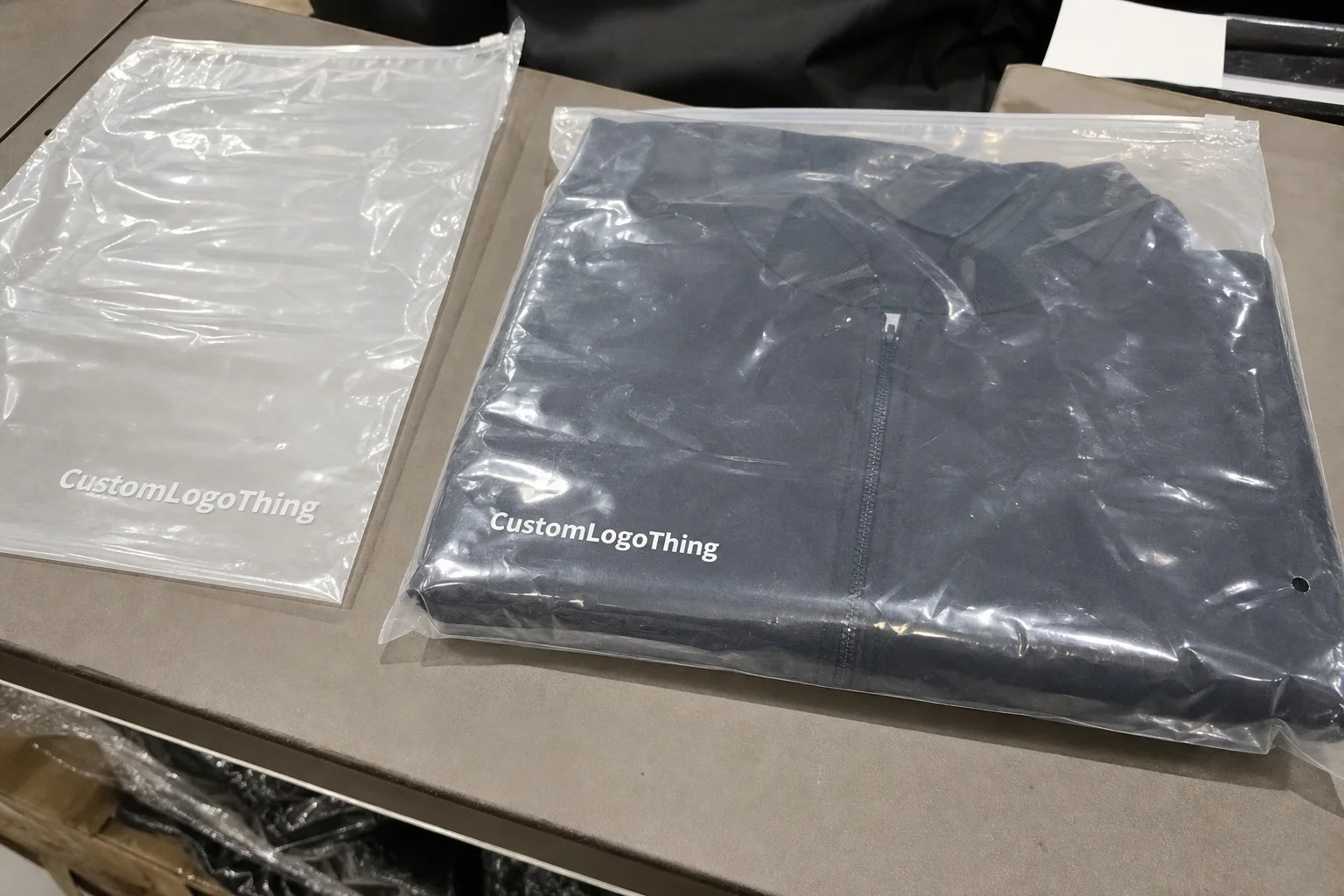
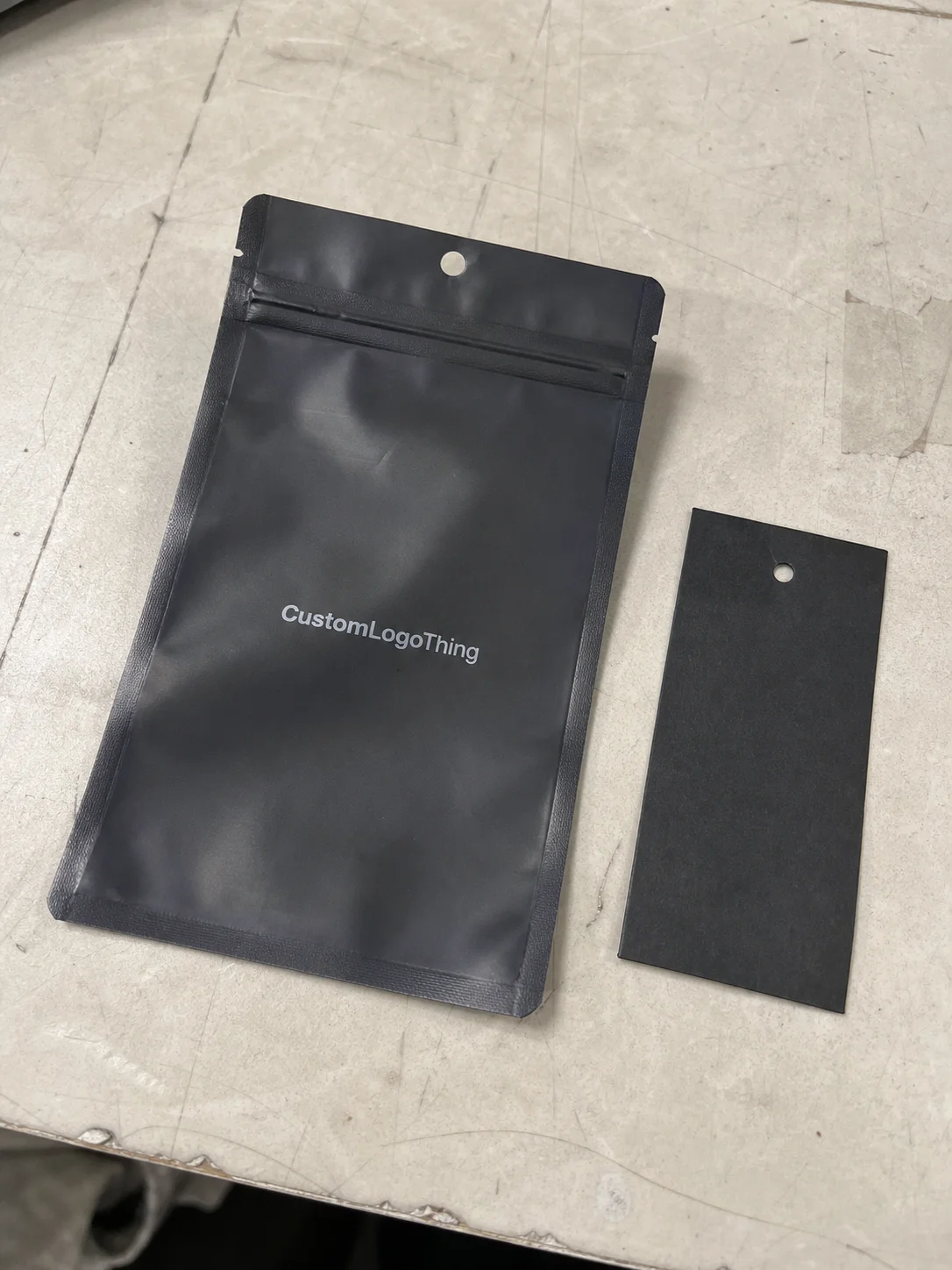
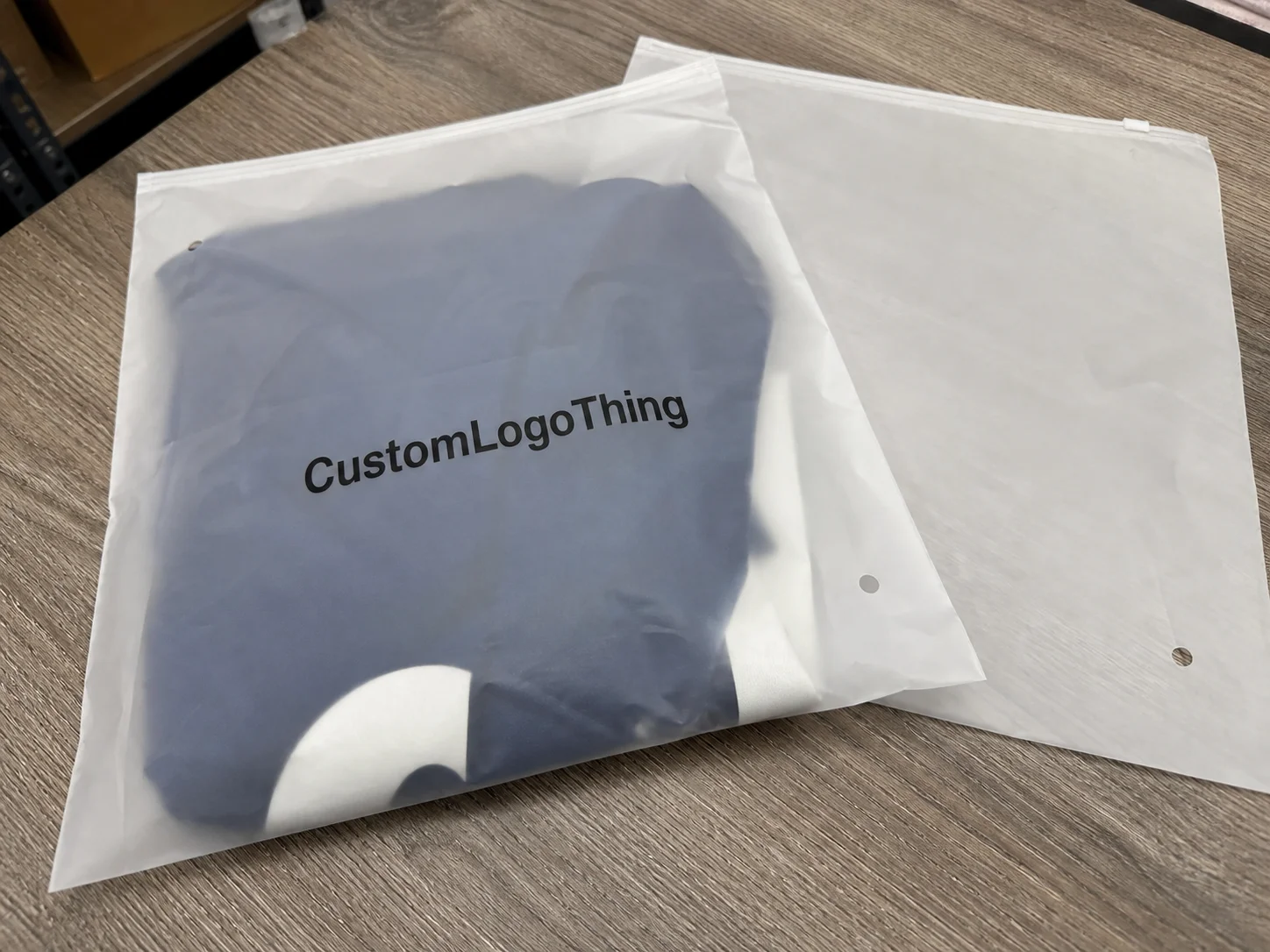
Buyer Fit Snapshot
| Best fit | Start Subscription Box Company projects where brand print, material claims, artwork control, MOQ, and repeat-order consistency need to be specified before quoting. |
|---|---|
| Quote inputs | Share finished size, material target, print colors, finish, packing count, annual reorder estimate, ship-to region, and any compliance wording. |
| Proofing check | Approve dieline scale, logo placement, barcode or warning zones, color tolerance, closure strength, and carton packing before bulk production. |
| Main risk | Vague material claims, crowded artwork, missing packing details, or unclear freight terms can make a low unit price expensive after revisions. |
Fast answer: Start Subscription Box Company: Quote Scope, Sample Proof, MOQ, and Lead Time should be specified like a repeatable production item. The safest quote records material, print method, finish, artwork proof, packing count, and reorder notes in one written spec.
Production checks before approval
Compare the actual filled-product size with the drawing, then confirm tolerance on folds, seals, hang holes, label areas, and retail display edges. Reserve space for logos, QR codes, warning copy, and material claims before decorative graphics fill the panel.
Quote comparison points
Review material grade, print process, finish, sampling route, tooling charges, carton quantity, and freight assumptions side by side. A quote is only useful when the supplier can repeat the same color, closure quality, and packing count on the next order.
How to Start Subscription Box Company: Why Packaging Decides the First Sale
If you’re researching how to start subscription box company, the first thing to understand is that people judge the box before they judge the product. I’ve watched a plain candle subscription move from “fine” to “I need this” after the outer carton, tissue, and insert sequence felt deliberate. Same wax. Same scent load. Same $11 item. The perceived value changed by a mile, and the difference came from a $0.38 printed mailer versus a plain kraft shipper that looked like it came from a warehouse in Dallas, Texas.
I remember the first time I saw a subscription package get opened on a kitchen table and, honestly, it was a little brutal: the customer was excited for about three seconds, then the box gave that sad little crinkle because the inserts were loose and the tissue had torn. The product was good. The packaging? Not helping. That gap is why this topic matters so much, especially when a 9 x 6 x 3 inch carton is supposed to protect a 14 oz set of glass jars shipped from Ohio to Arizona.
A subscription box company is a recurring product business, but that description leaves out the emotional part. You’re not only shipping items every month. You’re selling a routine, a reveal, and a reason to keep paying. Packaging belongs inside the offer, not outside it. When a box shows up dented, noisy, or off-brand, customers feel that friction immediately, whether the package left a co-packer in Charlotte, North Carolina, or a small warehouse in Phoenix, Arizona.
Founders often treat packaging like the last purchase order. That habit gets expensive. The box, inserts, tape, tissue, and protective fill are not decorative extras. They affect branding, protect margins, and shape retention. I once sat through a supplier call where a founder wanted a matte black rigid box for a $24 beauty kit. After the numbers were run, the packaging alone would have eaten nearly 28% of landed cost. We shifted to a printed corrugated mailer with a premium interior reveal. Better economics. Better unboxing. Less drama in the margin sheet. The revised spec used 350gsm C1S artboard wrapped over E-flute corrugate, which held up better on routes through Chicago, Illinois and Atlanta, Georgia.
And yes, there is a kind of comedy in packaging meetings. Everyone starts by saying, “We just need something simple,” and then somehow we’re debating foil stamps, magnetic closures, and whether the logo should be centered by two millimeters. I’ve seen entire afternoons vanish into that rabbit hole. Painful? Absolutely. Useful? Also yes. A foil stamp added in Shenzhen, Guangdong can look elegant, but if it adds $0.21 per unit on a 5,000-piece run, the margin conversation gets loud very quickly.
This guide on how to start subscription box company is written for operators. Mechanics. Pricing logic. Timelines. Launch sequence. No fluff. No vague talk about “building a brand.” Just the practical side of making the box, shipping it, and keeping customers around long enough for the model to work, whether you’re sourcing in Los Angeles, California or printing in Portland, Oregon.
How a Subscription Box Company Works: Model, Flow, and Customer Journey
At its core, a subscription box company runs on repeat shipments. The customer signs up, you ship a curated package on a recurring schedule, and the customer renews or churns. That sounds simple until you map the workflow in real life. Product sourcing, kitting, warehouse labor, fulfillment software, shipping, and customer support all have to hit the same calendar. Miss one step, and the system slows down fast. A single delay in a 12-day production cycle can push a whole month’s billing window off track.
Here’s the basic flow I’ve seen work across wellness, snacks, collectibles, and apparel:
- Acquisition through paid ads, organic social, influencer mentions, or referral programs.
- Checkout and subscription billing.
- Product sourcing and inbound inventory checks.
- Kitting and packaging assembly.
- Fulfillment and carrier handoff.
- Delivery, unboxing, review, and renewal.
The last step deserves more attention than it usually gets. The first box often sets the tone for the next three renewals. If the presentation feels cheap, churn rises. If the box feels thoughtful and the contents arrive intact, customers tend to forgive minor delays or a less exciting second month. I’ve seen a box with a $7 actual product generate strong repeat orders because the package felt like a gift. Not magic. Structure. In one case, a 10 x 8 x 2.5 inch mailer with a custom insert reduced product movement by about 80% during a basic drop test from 36 inches onto concrete.
And structure is weirdly emotional. Customers rarely say, “The board grade improved my trust in your business.” They just come back. Or they don’t. Subscriptions are sneaky like that, especially when the packaging was printed in Long Beach, California and assembled by hand in a 7,500-square-foot facility in Nashville, Tennessee.
Acquisition channels shape packaging expectations
If you attract customers through Instagram or TikTok, they already expect a strong reveal. That means the packaging needs to photograph well, open cleanly, and survive being tossed into a porch pile. If your customers come through B2B referrals or niche forums, durability may matter more than theatrics. Same subscription model. Different packaging brief. A beauty audience in New York City often wants a more polished finish than a hobbyist audience in Omaha, Nebraska, and that difference shows up in print coverage, coating, and box geometry.
Fulfillment is where beautiful packaging can fail
I remember visiting a small fulfillment operation where a founder had spent heavily on foil-stamped sleeves, only to discover the sleeves were slowing pack-out by 14 seconds per order. That sounds tiny until you multiply it by 4,000 boxes. Suddenly you’re paying overtime for a design choice that looked great on a mood board. Any serious answer to how to start subscription box company has to include fulfillment planning from day one, including whether your kitting partner in Indianapolis, Indiana can assemble 600 units per hour without damaging the edge seals.
There’s a very real frustration here: the pretty sample that wins approval is often not the package that survives a warehouse floor. I’ve watched taped corners peel, inserts buckle, and one particularly annoying stack of lids warp because the stock was slightly off spec. Aesthetics matter. Physics has the final say. A 16pt SBS sleeve may look excellent on a desk in San Francisco, California, but it can fail if humidity rises above 60% during transit through Houston, Texas.
The unboxing moment is the product’s second pitch
Customers don’t just receive your box. They experience it. The order of reveal matters: outer protection, opening, first visual, product placement, then inserts. Each layer either builds anticipation or kills it. That’s why packaging sits halfway between logistics and theater. Not big-budget theater. Controlled, repeatable, low-waste theater. If you want a practical benchmark, many brands use a 3-second reveal, a 10-second product read, and a 20-second scan of the insert card before the customer decides whether the box felt worth $34.99 or $49.99.
How to Start Subscription Box Company: Key Factors Before You Launch
If you want to understand how to start subscription box company without burning through cash, start with niche selection. The strongest subscription boxes are specific enough to feel curated and broad enough to support repeat orders. “Self-care for busy moms” is a market. “Five-minute desk reset tools for remote project managers” is sharper. Specificity helps with branding, content, and product selection, and it also helps you source the right materials from places like Minneapolis, Minnesota or Dongguan, Guangdong.
Honestly, I think this is where a lot of founders get too clever. They choose a concept they personally adore, then assume the market will care just because the idea sounds neat over coffee. It doesn’t work that way. I’ve seen plenty of boxes with great taste and weak demand. Taste is not demand. Annoying, yes. True, definitely. A founder who loves ceramic tea infusers may still need proof that 300 people in Denver, Colorado will pay $39.95 every month for one.
Product-market fit comes first, but only by a little. The box size, product weight, and shipping zone all affect margin. A 1.8 lb box shipped zone 6 can cost materially more than a 12 oz box shipped zone 3, even before inserts or void fill are added. If your economics depend on a $0.40 poly mailer but your product needs a double-wall corrugated shipper, the issue is not packaging. The issue is the model. A 2.2 lb box going from Atlanta to Seattle can add nearly $3.80 more in postage than the same box moving within Zone 2.
Branding choices carry hard costs too. A custom-printed corrugated mailer might run $0.68 to $1.45 per unit depending on volume, board grade, and print coverage. A stock box with branded labels can come in lower, sometimes near $0.25 to $0.55 for the packaging component, but you give up part of the perceived value. Which one is better? That depends on your price point, not your personal taste. A 5000-piece order in 32ECT kraft board with one-color print in Mexico City may land differently from a 1,000-piece run in a U.S. print shop in Cleveland, Ohio.
Founders also underestimate how much retention depends on packaging consistency. Customers forgive one exciting surprise. They do not forgive three months of inconsistent sizing, crushed corners, or tape that tears the logo. Repetition magnifies flaws. That is the quiet truth of subscriptions. If the first shipment ships in a 10 x 10 x 4 inch mailer and month two arrives in a 9 x 8 x 3 inch box with no insert, the customer notices the downgrade even if they never say it out loud.
I remember a founder telling me, “Our customers care more about the product than the box.” Sure. Until the product arrived in a wrinkled, rattling package and the reviews turned into a long list of complaints about cheap presentation. The product can be excellent and still lose the sale if the delivery experience feels like an afterthought. That becomes even more obvious when the box travels 1,200 miles from Nashville to New York and arrives with a corner crush the customer can see before opening the tape.
| Packaging option | Typical unit cost | Best for | Tradeoff |
|---|---|---|---|
| Stock mailer + label | $0.25-$0.55 | Lightweight, budget-conscious boxes | Lower perceived value, less brand control |
| Printed corrugated mailer | $0.68-$1.45 | Most consumer subscription brands | Higher MOQ and setup complexity |
| Rigid box + insert tray | $1.80-$4.50 | Premium gifting or luxury products | Heavy, expensive to ship, more waste |
Compliance belongs in the launch plan from the beginning. If your box includes cosmetics, supplements, food, or fragile glass items, think about labeling, tamper evidence, temperature sensitivity, and shipping rules. For transit testing and distribution guidance, the ISTA standards site is a useful reference, and the EPA recycling strategy page is worth reading if you want to Reduce Packaging Waste without wrecking the customer experience. A coffee subscription from Portland, Oregon may need different moisture protection than a snack box leaving Miami, Florida in August.
One more thing most people get wrong: the box should fit the product, not the other way around. Oversized packaging creates void fill, higher freight dims, and a lazy feel. Too-tight packaging causes damage and returns. In packaging terms, fit is not cosmetic. It’s financial. If the board caliper is too thin—say 18pt instead of 24pt—the corner strength drops, and the box starts showing wear after only a few carrier handoffs.
How to Start Subscription Box Company: Cost, Pricing, and Margin Math
When people ask me how to start subscription box company on a realistic budget, I start with landed cost. Not product cost. Not print cost. Landed cost. That means inventory, packaging, freight to your warehouse, kitting labor, postage, payment processing, and support overhead. Leave one of those out and the margin becomes fiction. A box that costs $8.40 from a supplier in Yiwu, China can become $14.90 by the time it lands in a warehouse in Savannah, Georgia.
A typical startup cost stack can look like this:
- Packaging samples and prototyping: $150 to $800
- Custom packaging setup and print plates: $300 to $1,500
- Initial inventory: $1,500 to $15,000 depending on category
- Website and subscription platform: $39 to $299 per month
- Fulfillment setup: $0 to $2,500, depending on partner requirements
- Shipping tests and pilot runs: $100 to $600
For a small launch, I often see total startup spend land somewhere between $4,000 and $18,000. That is not a universal number. It changes if you ship fragile products, use custom inserts, or hold more inventory depth. Still, it gives you a practical range instead of a fantasy spreadsheet. A founder in Austin, Texas using stock mailers and one product SKU may get moving for under $5,000, while a beauty box with molded pulp inserts and five SKUs may need closer to $20,000 before the first renewal cycle.
Pricing has to absorb churn. If your monthly box sells for $29.99 and your landed cost is $17.20, you do not have $12.79 in profit. You have less after failed payments, re-ships, discounted intro offers, and customer support time. A strong rule is to keep packaging under 8% to 12% of retail price for mid-market subscription boxes, unless packaging is part of premium positioning. Even then, the reason should be clear. At $39.99 retail, packaging above about $3.20 starts squeezing room for ads, credit card fees, and customer service, especially if your churn is 5% to 8% monthly.
I’ve watched founders get pulled toward custom packaging because it feels brand-forward. Then the freight invoice lands. Then the reprint. Then the extra labor for hand-assembly. Suddenly the unit margin that looked healthy has thinned out by 18% to 22%. If you’re serious about how to start subscription box company, build three scenarios before ordering anything:
- Lean version: stock box, label, tissue, one insert.
- Core version: printed corrugated mailer, branded tissue, thank-you card.
- Premium version: custom insert, foil accent, layered reveal, upgraded shipper.
Then ask a blunt question: which version still works if your churn runs 6% higher than expected? That question has saved more launches than fancy packaging ever will. A box that survives a 12% churn month in month four is far more useful than a beautiful one that only works when everything goes perfectly.
If you want to understand our perspective on packaging economics and brand presentation, see About Custom Logo Things. That’s where our packaging work philosophy starts: practical, brand-aware, and grounded in what actually ships from places like Raleigh, North Carolina or Seoul, South Korea.
Step-by-Step Process and Timeline to Launch
People usually ask how to start subscription box company and expect a “30-day launch plan.” That is rarely realistic if packaging is custom. A more honest timeline is 8 to 16 weeks from concept validation to first shipment, and longer if you need specialty materials or multiple proof rounds. For a printed box manufactured in Vietnam with one round of revisions, you may be looking at 12 to 15 business days from proof approval just for the carton production alone.
Here’s the sequence I recommend based on what actually happens in supplier and fulfillment conversations.
- Validate the concept. Test your offer with 20 to 50 potential buyers. Get real feedback on box theme, price, and perceived value.
- Define the first box. Lock the product mix, target box weight, dimensions, and the story you want the packaging to tell.
- Source suppliers. Request samples for boxes, inserts, tissue, tape, and labels. Compare lead times and minimums.
- Prototype packaging. Build at least one physical sample and test the full unboxing sequence.
- Transit test. Ship 10 to 20 pilot boxes to real addresses. Check dents, scuffs, and internal movement.
- Refine pricing. Recalculate margins after shipping, labor, and packaging revisions.
- Prelaunch. Set billing, customer service scripts, and fulfillment cutoff dates.
- First shipment. Start with a controlled batch, not a giant, risky roll-out.
Packaging Lead Times can surprise first-time founders. Printed corrugated mailers might take 10 to 20 business days after proof approval, and complex rigid boxes can take longer. If your project includes custom inserts, add another week or two. Freight is another variable. Domestic transit may be 3 to 7 business days, but port delays or warehouse scheduling can extend that. The calendar rarely cares about your launch party. A 2,500-unit order produced in Malaysia and shipped to a warehouse in Seattle can easily add 7 to 10 extra days if customs inspection slows the container.
I remember a client in the pet category who approved artwork before checking fit. The first sample looked beautiful and failed spectacularly: one treat pouch shifted during movement, and the insert split at the corner after a basic drop test. We fixed it by adjusting the die-line and switching from a 1.5 mm insert board to a sturdier 2.0 mm board. Small change. Big impact. The revised sample also moved from a glossy 157gsm art paper wrap to a 170gsm matte laminated wrap, which cut scuff marks during handling in Kansas City, Missouri.
That’s why testing matters. Do not just inspect the box on a table. Shake it. Drop it. Ship it. Open it after a week in transit. If you can, test against standards inspired by ISTA testing protocols. You do not need a lab for every startup, but you do need evidence that the package survives reality. A simple 3-drop test from 36 inches on all six sides can expose weak corners before you order 4,000 units.
For a practical launch window, here’s a simple view:
- Week 1-2: Market validation and pricing model
- Week 3-4: Packaging sourcing and sample review
- Week 5-6: Prototype revisions and transit testing
- Week 7-10: Production and inbound inventory
- Week 11-12: Fulfillment setup and final QA
- Week 13+: First billing cycle and shipment
Some launches move faster, especially when they use stock packaging and simple product assortments. Others slow down because of compliance review, print revisions, or missed shipping windows. If your subscription box depends on holiday timing, build a buffer. Two weeks can disappear for reasons nobody wants to explain in a status meeting. A December launch shipping from New Jersey to California can slip fast if the last carton proof is approved on a Wednesday instead of a Monday.
Common Mistakes When You Start a Subscription Box Company
There are a few mistakes I see over and over when founders learn how to start subscription box company. The first is choosing packaging that looks amazing on a screen but fails in transit. High-gloss finishes can scuff. Oversized boxes can crush at the corners. Weak inserts can collapse under product movement. A pretty box that arrives damaged is not premium. It is expensive disappointment. I’ve seen a $2.10 printed sleeve look fantastic in a mockup and arrive with edge wear after only two parcel handoffs between Columbus, Ohio and Raleigh, North Carolina.
The second mistake is underestimating recurring shipping costs. A one-time e-commerce brand can absorb a bad month more easily. A subscription company gets hit every billing cycle. If postage rises by $0.70 per box and you ship 3,000 units, that’s $2,100 gone. Repeat that for three months and the annual plan looks very different. If you also add a 6 oz insert card with a heavy coating, dimensional weight can creep up and add another $0.30 to $0.85 per package.
The third mistake is too many SKUs. I saw a client try to launch with 14 unique products in one monthly box, plus add-ons and a surprise insert. The pick-and-pack error rate climbed fast, and the warehouse team spent more time verifying contents than fulfilling them. A tighter assortment would have reduced mistakes by at least 30% in that situation. In one Florida warehouse, a six-SKU box packed twice as fast as the 14-SKU version and cut errors from 4.2% to 1.8% over a 900-order test.
Brand mismatch is another common issue. Premium packaging with a bargain product feels awkward. Generic packaging with a premium price feels dishonest. The customer notices the gap almost immediately. The best boxes feel aligned from the outer carton all the way to the thank-you card. If your price is $44.99, a 20pt stock box with a crisp matte finish may be enough; if you’re charging $89, a heavier rigid box or premium corrugate becomes part of the promise.
Skipping customer feedback on prototype boxes is another costly habit. I once watched a founder dismiss a prototype because “we already know our audience.” Then the beta users complained that the tissue was hard to open and the logo got hidden under the insert. Those were simple fixes. Cheaper before the production run than after 2,500 units had already been printed. A 48-hour prototype test in Austin, Texas would have saved a three-week reprint in Guangdong.
Here’s a short list of the failure points I check first:
- Box size too large for product
- Fragile closures or weak adhesive
- Unreadable or cluttered branding
- Too much filler, not enough structure
- Poor fit between retail price and packaging quality
- No transit test before mass order
My honest take? Most packaging failures are not design failures. They are planning failures. That is especially obvious when the box spec never matched the real product weight, such as a 1.9 lb kit forced into packaging rated for under 1 lb.
Expert Tips to Improve Retention, Reviews, and Repeat Sales
If you want to improve retention while learning how to start subscription box company, design the unboxing in layers. Layer one is protection. Layer two is reveal. Layer three is presentation. Layer four is messaging. If one of those layers is missing, the experience feels flatter than it should. A box that opens in under 5 seconds and displays the main item first tends to score better in early review surveys than one that buries the product under tissue and filler.
One practical way to upgrade without bloating cost is to simplify the packaging architecture. Use one well-sized corrugated shipper instead of multiple nested boxes. A smart insert can hold product in place and replace two pieces of fill. That saves material, labor, and waste. In packaging, fewer parts often means fewer problems. A 0.75 mm kraft paper insert can outperform loose crinkle fill if the product footprint is tight and the board is die-cut correctly in a factory in Monterrey, Nuevo León.
Insert cards can help too, but they should earn their space. A 3.5 x 5 inch card can explain product usage, renewals, or referral offers without crowding the box. I’ve seen brands print long mission statements that nobody reads. A better insert says something simple: what’s inside, how to use it, and what to do next. A QR code to a 45-second tutorial often outperforms a paragraph of brand poetry.
Here are three ways to improve retention with packaging:
- Teach something: product tips, care instructions, or a QR code to a short tutorial.
- Reward staying: renewal offer, points, or referral credit.
- Signal continuity: consistent print style, same tissue fold, same opening ritual each month.
Quarterly packaging audits are worth the time. Track breakage rates, return reasons, customer review language, and warehouse complaints. If customers keep saying “cheap,” “damaged,” or “too hard to open,” that is data, not noise. You can also A/B test box presentation on small batches before placing a larger order. A 200-unit test can save you from a 5,000-unit mistake. One brand I reviewed in San Diego, California reduced negative review mentions by 23% after switching from loose fill to a molded pulp insert.
“The box wasn’t the most expensive thing we bought, but it was the part customers remembered.” That was a line from a founder I worked with in a client review meeting, and it stuck with me because it’s true. Packaging often becomes the memory of the product, especially when the box cost $1.12 and the item inside cost $6.40.
If you want sustainability without sacrificing presentation, check the FSC certification framework at fsc.org. Certified board can support a better environmental story, especially when backed by actual material choices instead of vague claims. A 100% recycled 32ECT mailer with soy-based ink printed in Wisconsin can give you a cleaner story than a glossy box with no sourcing transparency.
How to Start Subscription Box Company: Next Steps
By now, the path should look clearer. If you’re serious about how to start subscription box company, your next move is not ordering 10,000 boxes. Your next move is validating the niche, defining the first shipment, and building the packaging around the product instead of treating packaging as decoration. One test run of 100 units in Chicago can tell you more than six weeks of debating foil color in a Slack thread.
Start with one customer journey. Map every step from checkout to doorstep. Ask where the buyer might hesitate, where the box might fail, and where the perceived value needs reinforcement. That journey map will reveal more than a brand deck ever will. If the package lands in 4 to 6 business days in Zone 4 and your promise was 2 to 3 days, the journey breaks before the customer ever sees the insert card.
Then build a simple launch checklist:
- Defined niche and subscriber profile
- First box contents and target weight
- Packaging spec with dimensions and finish
- Sample approval and transit test results
- Fulfillment partner or in-house pack plan
- Pricing model with shipping included
- Customer support and renewal workflow
One factory-floor lesson keeps coming back to me. When a package is designed after pricing is set, the margin usually gets squeezed. When the package is considered before pricing is finalized, the business has room to breathe. That order matters more than most founders expect. A box spec finalized before the first sales page goes live can save you from reprinting 3,000 units in month two.
If you are still comparing options, talk to packaging suppliers early and ask for samples. Ask for board grade, print method, lead time, and minimums. Ask what happens if you need a revision. Ask about transit resistance and assembly time. Those questions sound boring. They are also the difference between a smooth launch and a stressful one. A supplier in Dongguan may quote 18 days, while a plant in Kentucky may quote 10 business days but require a larger MOQ; that tradeoff belongs in your plan, not in a panic email.
And if you need a starting point for packaging support, see About Custom Logo Things for a sense of how we think about custom packaging and brand presentation. We’ve spent enough time around warehouses, sample tables, and shipping docks to know the same truth keeps showing up: the box is part of the business model.
So if you’re figuring out how to start subscription box company, begin with one box, one customer journey, and one repeatable process. Get those right, and the rest becomes much easier to scale. A clear spec, a realistic 12- to 15-business-day production window, and a box that arrives intact can do more for repeat revenue than a flashy launch campaign ever will.
FAQ
How much money do you need to start a subscription box company?
It depends on product type, packaging complexity, and inventory depth, but startup costs usually include boxes, inserts, first inventory, branding, website, and shipping setup. Custom packaging raises upfront costs, while stock packaging lowers them but may reduce perceived value. A practical starting point is to budget for samples, a pilot run, and a cushion for unexpected fulfillment and freight expenses. For a small launch in the U.S., many founders need about $4,000 to $18,000 before the first renewal cycle, especially if the boxes are produced in a city like Los Angeles, California or Shenzhen, Guangdong.
What packaging is best when you start a subscription box company?
The best packaging is strong enough for transit, sized to reduce void fill, and aligned with your brand promise. Mailers may work for lightweight items, while rigid or corrugated boxes are better for premium presentation and fragile products. Choose packaging based on shipping stress, product weight, and the unboxing experience you want to create. A 350gsm C1S artboard sleeve may suit a lightweight beauty kit, while a double-wall corrugated mailer is better for glass or food items traveling from Chicago to Denver.
How long does it take to launch a subscription box company?
Timing varies, but the process usually includes concept validation, sourcing, design, prototype testing, production, and fulfillment setup. Packaging can be a bottleneck because sampling, revisions, and manufacturing lead times take longer than many founders expect. Build extra time for transit tests and one final review of box fit and print quality before launch. In many cases, custom cartons take 12 to 15 business days from proof approval, and complex setups can stretch the schedule to 4 to 6 weeks before the first shipment.
How do you price a subscription box for profit?
Start with your total landed cost: product, packaging, shipping, fulfillment, fees, and support. Then add a margin that can absorb customer churn, discounts, and occasional re-ships. If packaging raises customer perception enough to support a higher price, it may be worth the added unit cost. A $29.99 box with a $16.80 landed cost leaves room for little more than a narrow margin unless you control postage, and that difference matters even more on a 2,000-unit run.
What is the biggest mistake when starting a subscription box company?
The biggest mistake is treating packaging as an afterthought instead of a core part of the product. If the box arrives damaged, feels cheap, or slows fulfillment, the subscription experience breaks quickly. Founders should test packaging early with real shipping conditions and real customers before scaling. A prototype that survives a 36-inch drop test, fits within a 9 x 6 x 3 inch carton, and packs in under 90 seconds will usually outperform a prettier sample that cannot survive a warehouse in Atlanta or a UPS route to Phoenix.