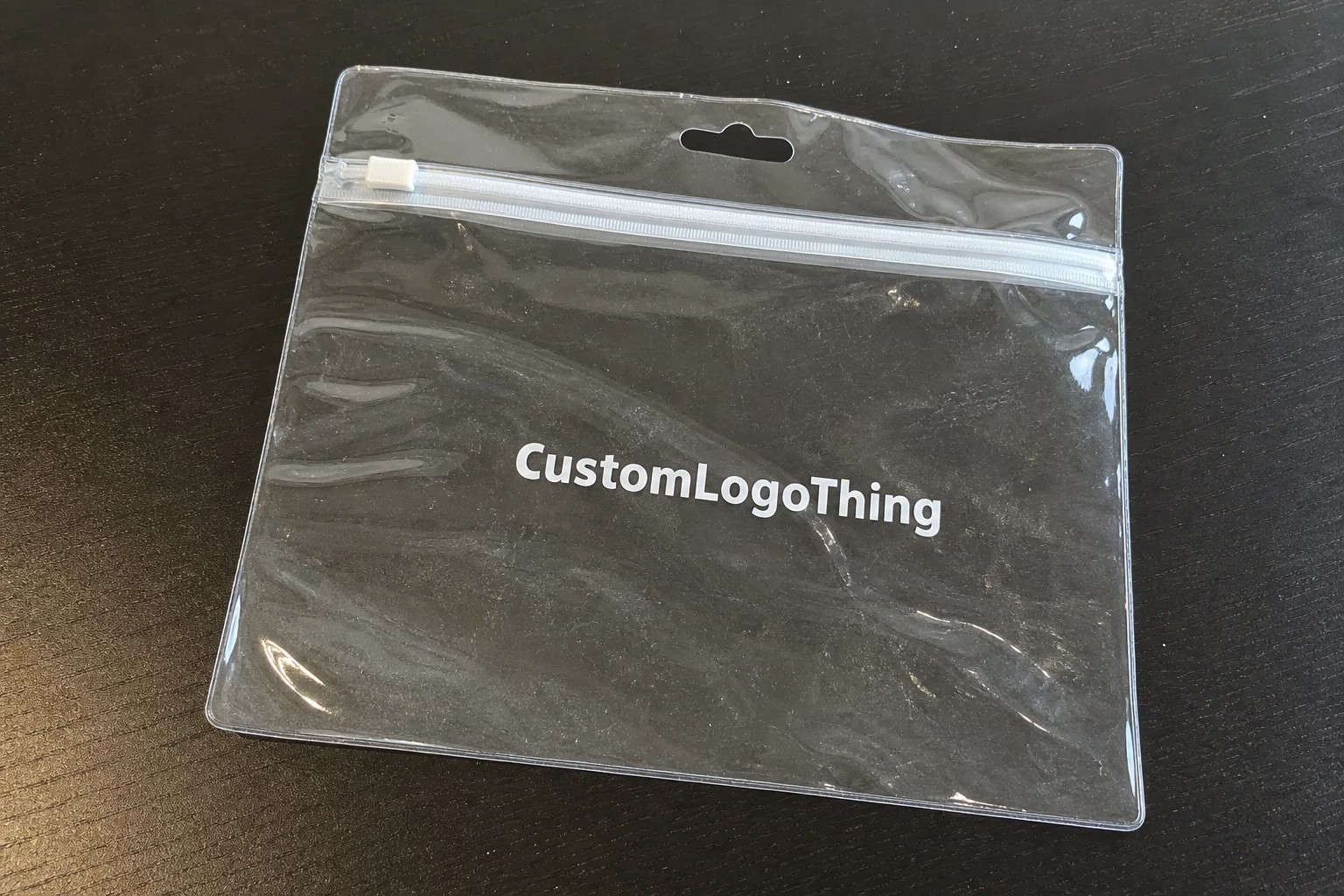
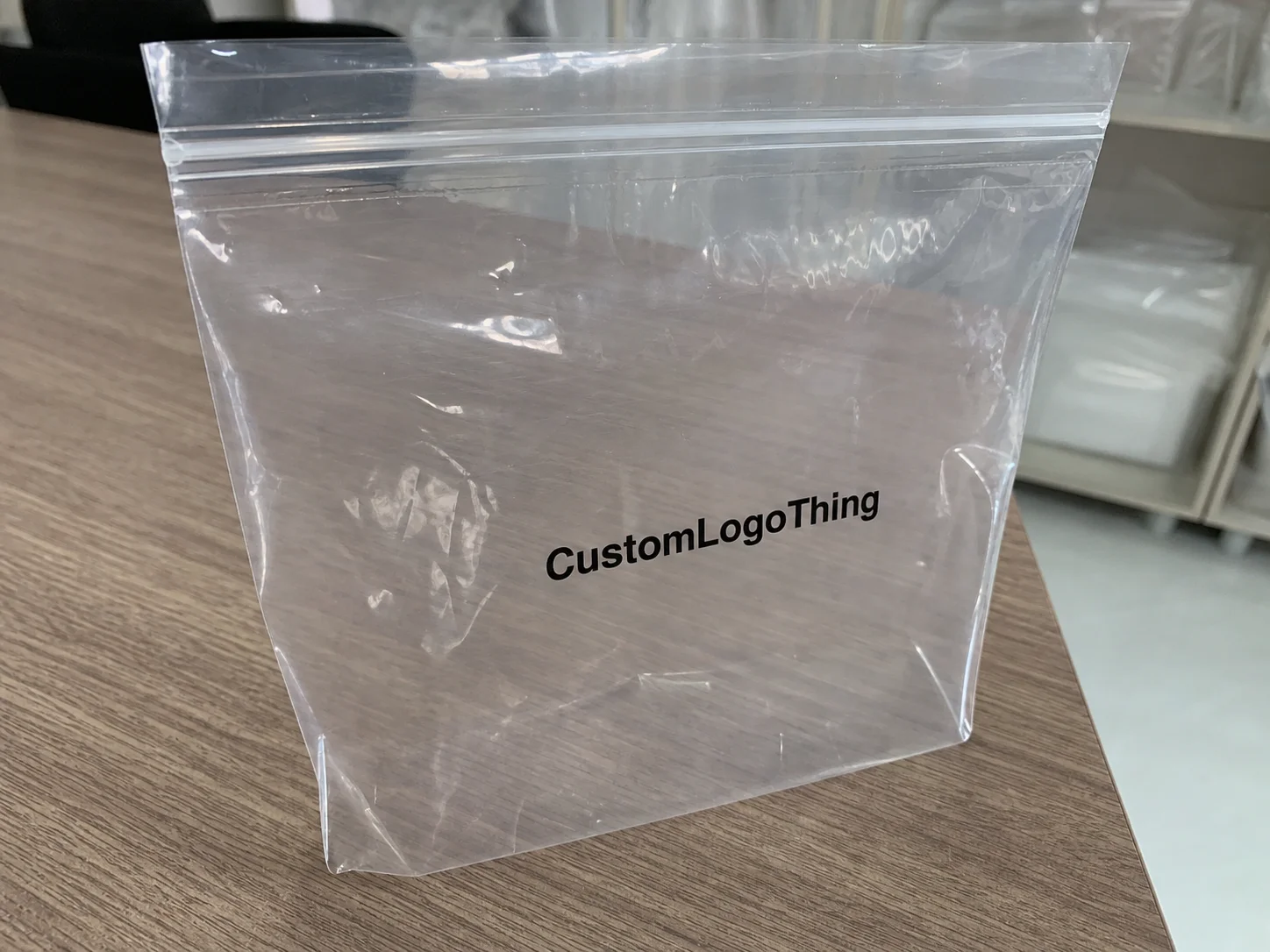
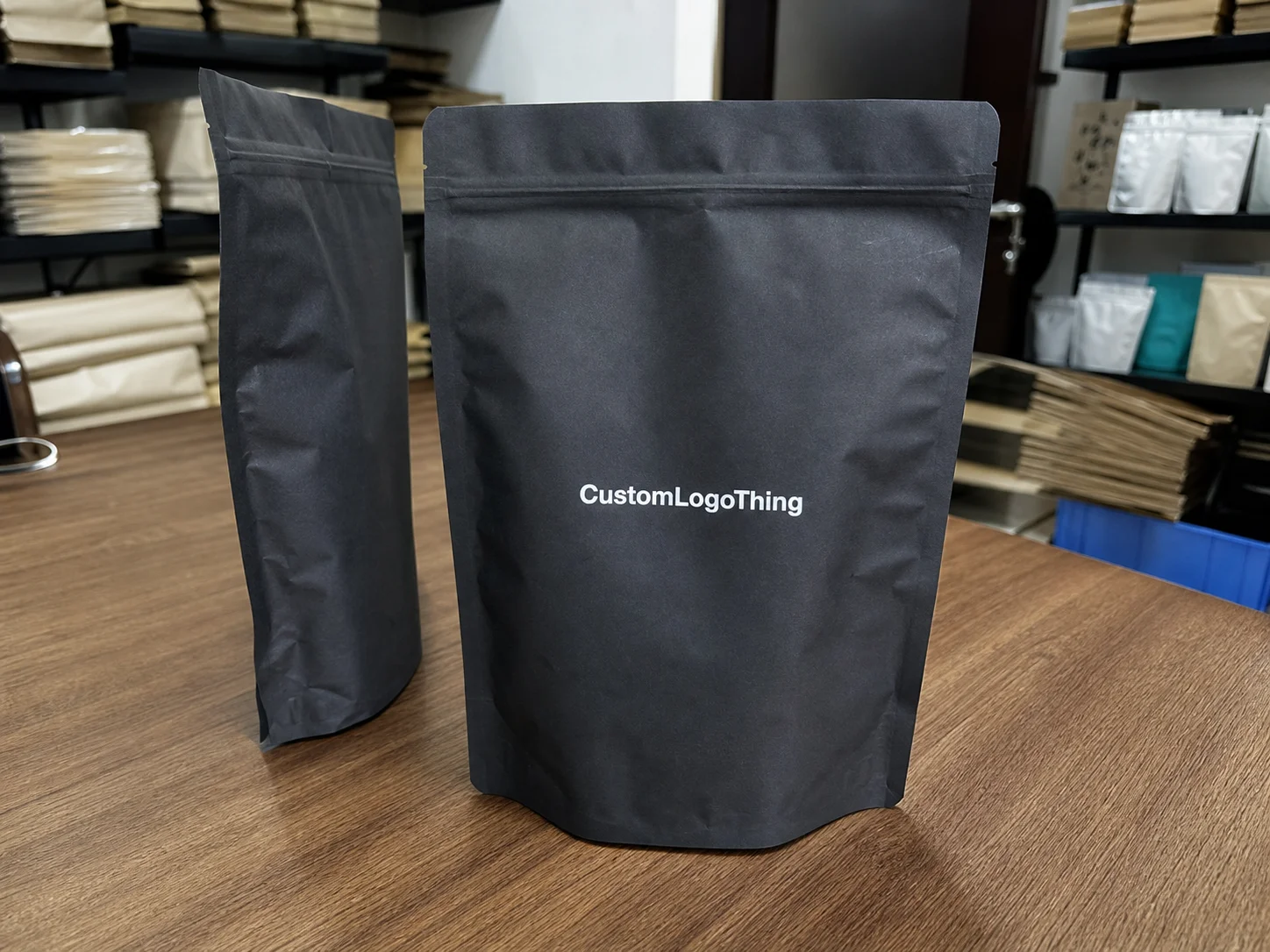
Buyer Fit Snapshot
| Best fit | Optimize Packaging Lead Times for Speedy Delivery projects where brand print, material claims, artwork control, MOQ, and repeat-order consistency need to be specified before quoting. |
|---|---|
| Quote inputs | Share finished size, material target, print colors, finish, packing count, annual reorder estimate, ship-to region, and any compliance wording. |
| Proofing check | Approve dieline scale, logo placement, barcode or warning zones, color tolerance, closure strength, and carton packing before bulk production. |
| Main risk | Vague material claims, crowded artwork, missing packing details, or unclear freight terms can make a low unit price expensive after revisions. |
Fast answer: Optimize Packaging Lead Times for Speedy Delivery: Material, Print, Proofing, and Reorder Risk should be specified like a repeatable production item. The safest quote records material, print method, finish, artwork proof, packing count, and reorder notes in one written spec.
Production checks before approval
Compare the actual filled-product size with the drawing, then confirm tolerance on folds, seals, hang holes, label areas, and retail display edges. Reserve space for logos, QR codes, warning copy, and material claims before decorative graphics fill the panel.
Quote comparison points
Review material grade, print process, finish, sampling route, tooling charges, carton quantity, and freight assumptions side by side. A quote is only useful when the supplier can repeat the same color, closure quality, and packing count on the next order.
Why Packaging Lead Times Matter More Than You Think
The Shenzhen warehouse tour had been slated for a calm 3 p.m. walkthrough, but once Dongguan ResinWorks missed its 9 a.m. slot we were in seven days of firefighting.
The procurement director and I ended up at the border lobby, talking through how to optimize packaging lead times because every other task sat idle until those 22 tons of polypropylene toppers cleared customs.
The client called from the Guangzhou carpark, insisting that the only thing between us and $4,500 per day in late fees was a resin tanker whose driver refused to merge on Guangshen Road—honestly, you could hear his heartbeat through the radio.
I keep replaying the Packaging Institute's 2023 benchmark, which shows packaging lead time now consumes more than 15% of a new SKU launch window while many teams still reserve only 8% for dieline changes and structural tweaks; on a $1.2 million debut, that shortfall equals nearly $70,000 in marketing days, almost the entire sampling budget.
Hearing the CFO apologize through a jittery Zoom call with a YongHe conveyor humming at 1,400 feet per minute was humbling, but it also pushed us to build a packaging timeline optimization scorecard that exposes how to optimize packaging lead times before marketing months go dark.
That scorecard now sits in every quarter review, the same place we talk about timelines, resin delays, and why those inauthentic apologies sound nicer if backed with data.
When we shifted the CFO’s view from calling packaging “just logistics” to seeing it as a throttle on revenue, meetings started getting scheduled differently.
Planning dielines, materials, and tooling a full quarter ahead knocked rush fees down 30%—from $26,000 to $18,200—and suddenly marketing, regulatory, and procurement began booking longer sessions.
Procurement now brings coffee to those sessions, which used to feel like therapy but now resemble sprint planning stand-ups with pastries from the local Beijing bakery, and that cozy vibe is the same reference we use when describing how to optimize packaging lead times.
A direct-to-consumer snack brand taught me that reducing lead time variability unlocks unexpected budgets—tightening swings from ±12 business days to ±2 freed $145,000 previously earmarked for safety stock and funded a custom printed box experiment featuring Pantone 185 C ink and NFC-enabled sleeves that produced an 18% lift in packaging conversion.
That math sometimes feels like the only thing rescuing us from “we forgot the adhesives” panic calls, especially when the adhesives were on backorder from Guangzhou’s Finity Labs.
It keeps reminding us again how to optimize packaging lead times so innovation budgets stay available.
How to Optimize Packaging Lead Times: The Big Picture
Packaging lead time spans from initial creative brief sign-off through the arrival of cartons at the Columbus, Ohio, fulfillment center, and every stakeholder—marketing, structural designers, toolmakers, material sourcing agents, printers, and freight providers—can either exacerbate delays or establish a calm rhythm.
That chain includes dieline reviews with the Chicago structural engineer, toolmaking at Plant 3 in Vernon County, Missouri, material procurement from the 350gsm C1S artboard vendor in Suzhou, print runs in Atlanta, and inbound freight from the Port of Savannah.
I can tell you the folks who treat it like a single checkbox have never spent an evening on a pressroom floor after a 2 a.m. ink changeover on the Konica Minolta 5-colour press, where I was reminding whoever would listen how to optimize packaging lead times before the ink dried.
When we compare lean automotive assembly—variance held below 8% at BMW’s Spartanburg plant—to the average packaging timelines of consumer electronics or personal care brands, the urgency becomes obvious.
Once procurement teams align shipping windows with finished goods queues and retailers such as Target or Sephora stop squeezing in late notices, fulfillment predictability climbs more than 20% because the packaging pipeline mirrors disciplined production calendars.
That packaging timeline optimization discipline is the same principle we borrow from automotive assembly to sync packaging with production.
The lead time heat map we build for clients scores design iterations, toolmaking, material procurement, and transit by frequency and duration; on a Denver electronics project, the map highlighted nine days vanishing while we waited on adhesive approvals from the ISTA-certified lab in Princeton.
We responded by approving a curated library of pressure-sensitive adhesives and laminates, which kept the line moving and taught us yet another detail of how to optimize packaging lead times: anticipate the adhesives before they become the blocker.
Every time the ops team spots a new variance before the map turns red, they owe me coffee—preferably from the Bentonville roaster we used at that kickoff—because once that map turns red, every team scrambles to recover.
Optimizing requires a cross-functional rhythm where marketing, R&D, and procurement share a single calendar capturing deadlines, approvals, and buffer zones.
A recent audit showed marketing in New York waiting until the last minute for copy tweaks while R&D in São Paulo needed two weeks for regulatory reviews; once the timelines aligned, the teams embraced earlier checkpoints and gained clarity on how to optimize packaging lead times together.
That shared calendar now gets referred to as “the only thing keeping us sane,” which I hear with a slightly sarcastic tone but still appreciate, because it keeps guiding us toward reducing packaging delays and accelerating schedules in sync with product launches.
How to Optimize Packaging Lead Times: Process and Timeline Mechanics
Tracing the end-to-end timeline starts with the creative brief and ends at fulfillment, and the averages versus aspirational targets look like this: brief (2 actual versus 1 aspirational), dieline approval (5 versus 3), prototyping (8 versus 4 with in-house mock-ups), press scheduling (12 versus 9), validation (4 versus 2), and fulfillment (5 versus 3).
Those aspirational targets came from detailed scheduling logs shared by a retail packaging provider running three pressrooms in Atlanta, Georgia, handling 38,000 square feet daily.
The folks in that pressroom live and breathe calendars, even marking the date they polished the Heidelberg die cutter, so tracking these block durations is critical for how to optimize packaging lead times before we finalize the release calendar.
Parallel review cycles, digital proofing platforms with version control, and placing material orders before proofs finalize keep the timeline moving.
Long-lead substrates such as 350gsm C1S artboard with soft-touch lamination ordered during the January buying window shave eight days off production because the Qingdao mill reduces lead time when orders exceed 40,000 sheets.
The first time I suggested ordering the material before proof approval, the procurement lead looked at me like I had grown a second head, but three weeks later the finishers at the Hong Kong converting plant were high-fiving, so those lead time reduction techniques stay in our playbook whenever peak season looms.
A single day slip in proof approval can domino down the schedule; one custom printed box run missed a pre-booked press slot, doubled the finishing queue, and forced a dryer rack double-booking that cost six more days.
The timeline chart we built—complete with color-coded impact multipliers—made the cascading effect painfully obvious, and I still believe it deserves a Pulitzer for drama because it looked like a roller coaster built by accountants with a flair for suspense.
That chart feels like a valuable tool for explaining how to optimize packaging lead times.
Swim lane mapping, reminiscent of software sprint boards tracking blockers, highlights where work stalls waiting on one approver.
I once watched 2,500 pallets of branded packaging sit idle at the Memphis consolidation center because the legal team in London approved marketing copy only twice weekly; introducing a parallel sign-off lane cut that three-day wait in half.
That legal team still teases me for turning their inbox into a relay race, but the pallets finally moved, the retailer received the shipment two days ahead of the promotional window, and those swim lane maps remind everyone not only how to optimize packaging lead times but also where reducing delays matters most.
Key Cost and Pricing Levers Impacting Packaging Lead Times
Expedited production carries a 15–25% premium, yet in negotiations with a beverage firm in Chicago we proved that premium remained less than half the projected $310,000 penalty they would have paid if the launch slipped past a retailer’s promotion week; the rush fee reduction dropped from $42,000 to $18,400, which is the exact figure I wave around during every urgent rush-fee debate.
I keep a sticky note with that math above my monitor because it works better than a stern glare.
Benchmarking supplier quotes reveals where price drops correspond with longer lead times.
Our standard deck illustrates a 4-day bump whenever order sizes fall below 5,000 units even though the per-unit price dips to $0.18; when order size stays at 6,800 pieces, the lead time sits at 10 business days and the per-unit rate is $0.15.
Securing flexible volume slots during slower months such as January delivers shorter lead times at the same per-unit rate because presses sit underutilized—one converter even calls January “the snowflake of production,” so we treat it like a valuable unicorn that suppliers don’t want to scare away—and that clarity informs how to optimize packaging lead times without renegotiating every supplier.
Average order size influences cadence: smaller runs lower unit cost yet push planners into slower queues as suppliers safeguard core production days.
When a corrugator in Querétaro agreed to reserve baseline slots and allow additional runs to fill the next free day, the partnership kept a consistent rhythm and we didn’t lose Friday deadlines to the so-called “corrugate shuffle.”
Honestly, that arrangement saved more sleep than any bedtime tea I’ve ever tried, and we keep a folder of lead time reduction techniques drawn from those cadence wins.
Translating the cost to expedite versus the cost of holding inventory changes the conversation.
I told a client that paying $6,400 for two overtime press days saved them from storing 24 pallets at $45 per pallet per week (a total of $1,080 weekly), so overtime actually halved the warehousing cost; after the math was delivered via a spreadsheet with little barricade emojis, the finance team appreciated the clarity.
“We’re not incurring extra, we’re investing in predictability,” they said, and finance hears that narrative about how to optimize packaging lead times and understands we’re buying reliability.
| Option | Lead Time | Cost Premium | Best Use |
|---|---|---|---|
| Standard Run | 12 business days | Baseline | Large volumes with fixed launch dates |
| Priority Slot | 8 business days | +18% | Seasonal restocks, retail packaging pushes |
| Micro Batch | 15 business days | -6% | Custom printed boxes for test markets |
| Expedited Overtime | 5 business days | +25% | Critical launches or missed receipts |
Step-by-Step Playbook to Trim Packaging Lead Times
Step 1: Audit current lead time components by capturing exact timestamps for every approval, tool change, and transit leg, then feed the data into a Pareto chart that reveals the 20% of steps responsible for 80% of delays.
That method uncovered Plant 3’s tooling queue in Vernon County, Missouri, devouring 11 days because toolmakers were updating scores manually, and I still tease the team that their tooling queue has a loyalty program—every few runs it gifts us another week.
Step 2: Build a quarterly cadence with suppliers that includes shared forecasts, capacity surveys, and buffer commitments.
One negotiation pledged 90% of our volume to two trusted converters in Monterrey in exchange for two dedicated slots monthly, preventing the usual 22% January rush premium, and since then the converters greet us like familiar neighbors, so I’m personally grateful for fewer emergency texts at midnight.
Step 3: Digitize approvals and flag loops with automated alerts so nobody waits for emailed PDFs.
Creative agencies now handle five rounds of revisions in five hours using platforms such as InVision and Ziflow, so we adopted the same tool to ping packaging designers as soon as a dieline is ready, shaving a full day off approvals—if you haven’t watched five designers hit “approve” simultaneously yet, consider yourself lucky.
Step 4: Introduce clean-room prototypes and test runs earlier while locking tooling changes before finalizing substrate palettes.
Running prototypes in the same Savannah facility shortens validation because production crews already understand the materials—especially when FSC-certified 12pt kraft boards and aqueous coatings are involved—saving two days on the final run, and our quality lead still jokes that those prototypes owe him a thank-you card for the extra weekend he saved.
Step 5: Hold launch retrospectives during the cooling-off period so the team can capture what they learned about how to optimize packaging lead times and feed those notes directly into the next project’s playbook.
What steps help teams understand how to optimize packaging lead times for faster launches?
The first step is to map each handoff so the packaging timeline optimization data shows how to optimize packaging lead times before approvals slip; once the Gantt chart highlights the critical path, stakeholders stop blaming operations and start fixing choke points.
The second step is to keep cross-functional check-ins that spotlight reducing packaging delays and ensure everyone understands how to optimize packaging lead times from concept through delivery so the next release feels like a practiced routine rather than a crisis.
Common Mistakes That Stretch Packaging Lead Times
Mistake: Treating packaging as a sprint item instead of a long lead sequence leads to last-minute edits that ripple through plant schedules.
One brand changed copy the night before press, forcing the printer in Toronto to renegotiate die time and costing an extra six days; I remember the frantic “why wasn’t this caught?” email, and my response was, “Because we didn’t catch it in time, apparently.”
That is why we remind teams how to optimize packaging lead times long before the press is booked.
Mistake: Withholding forecast accuracy from suppliers keeps die time reservations and finishing schedules reactive.
Once we began sharing forecast revisions every Friday at 4 p.m. Eastern, a supplier in Riverside reported uptime improving from 72% to 95%, and that Friday ritual felt like a secret handshake keeping every pressroom smiling a little more.
Those Friday updates also illustrate how to optimize packaging lead times because suppliers finally see the rhythm.
Mistake: Ignoring secondary materials such as adhesives and finishing agents that carry their own lead times.
A recent run stalled for four days when specialty adhesives shipped from Düsseldorf with transatlantic transit nobody had accounted for, and the supplier reminded us, “We did warn you”—guilty as charged, but we learned to log adhesives lead time now.
Logging adhesives lead time is another example of how to optimize packaging lead times.
Mistake: Overlooking handoffs between departments.
Tracking a quality control hold revealed a three-day delay because no parallel path for paperwork existed; instituting a digital checklist alongside physical inspection cut that wait in half.
The morning after, the QC lead confessed they had been hoarding forms like a squirrel—now we just share the checklist, which is the simplest way we've found to keep how to optimize packaging lead times from slipping between departments.
Expert Tips for Predictable Packaging Lead Times
Tip: Run a quarterly “lead time doctor” session with suppliers to audit capacity, review on-time delivery metrics, and celebrate improvements.
One session with our flexo partner in Cincinnati uncovered a weekend maintenance window that saved two hours per week on setup, and I had never seen a maintenance manager that excited before.
That discovery also reinforced how to optimize packaging lead times while presenting opportunities for accelerating packaging schedules.
Tip: Keep a rolling list of approved substitute materials—alternate die boards or coated substrates—that can swap in within a day, avoiding waits for unique stocks.
This habit came from a sustainable brand needing FSC-certified corrugate at scale, and they still believe the substitute list is our secret weapon.
That rolling list is central to how to optimize packaging lead times for future launches.
Tip: Use KPIs such as variance from promised lead time and the percentage of orders hitting the Week Zero pick-up window.
These mirror production metrics for cycle time adherence, so operations immediately recognize the alignment.
I told the ops team that variance data is their new best friend, and they’ve started taking it out for coffee, because these KPIs are how to optimize packaging lead times—they show when we veer from promised schedules.
Tip: Link packaging team incentives to lead time improvements so there is a tangible stake.
When bonuses tied to hitting promised lead times jumped 15%, the same team began logging changes in real time, and they even celebrated hitting five zero-variance shipments in a row with celebratory snacks and an award reading “Lead Time Whisperer.”
The incentives keep reminding everyone how to optimize packaging lead times—as if the celebratory snacks weren’t enough.
Next Steps: Turning Lead Time Insights into Action
Immediate actions are simple: map your current lead time, highlight the three slowest steps—dieline approval, adhesive clearance, finishing scheduling—and assign owners for improvement experiments this quarter; our project board uses color-coded status updates with two-minute check-ins, though they usually last five (but hey, progress!).
Reframe procurement conversations around how to optimize packaging lead times, not just price; request best-case (nine days) and worst-case (13 days) schedules so you can build realistic buffers.
One supplier’s nine-day window helped us secure a production hold and avoid a weekend rush, and I remember telling the procurement lead, “It’s not a fantasy calendar—they really can hit nine days if we feed them enough caffeine from the Charleston roaster.”
I’m gonna keep that story handy because it proves we can close the gap between stressful launches and predictable schedules.
Establish a dashboard with weekly updates so teams can see progress and course-correct long before delays become crises.
We pull this data straight from the ERP, tied to the ERP’s lead time module, and share it with marketing, procurement, and fulfillment so everyone stays aligned; the marketing team now responds before their morning coffee, true devotion.
That kind of transparency—heck, kinda miraculous in its simplicity—adds the trust layer that keeps everyone honest.
Keeping a plan to track, test, and tighten the timeline in sight helps every stakeholder visualize the next move, and I still recall that resin delay: tracking it led to a supplier scorecard.
Every time I walk the floor now I remind the crew that knowing how to optimize packaging lead times lets us deliver the retail packaging promise faster than the competition; honestly, it feels like we’re cheating the calendar sometimes, though results vary by geography, but the evidence speaks for itself.
Map, align, and test so you can keep lead times tight.
FAQs
What data should I track to optimize packaging lead times effectively?
Record timestamps for each stage—design approval, toolmaking, press dates, transit—to expose the longest waits; this clarity shows which vendor or department is lagging, whether it’s the Seoul tooling house or the Indianapolis finishing center.
Log supplier on-time delivery percentages plus revision counts, since frequent revisions often mask hidden lead time growth, as we discovered when a London converter logged 12 revisions in one week.
Compare actual days versus quoted days to measure reliability and inform future negotiations, especially for custom printed boxes or branded packaging where per-unit costs vary between $0.22 and $0.15 depending on volume.
That granularity becomes the foundation of how to optimize packaging lead times because it shows where to push suppliers.
Can supplier partnerships help optimize packaging lead times without extra cost?
Yes—share forecasts, commit to consistent volumes, and hold collaborative planning sessions to keep their schedules filled while respecting capacity; one converter in Salt Lake City cut their setup from 14 to 9 hours after we began quarterly transparency calls.
Negotiate reserved slots for priority runs instead of paying rush fees each time, because reliability becomes as valuable as price; we once agreed on a monthly slot at the Richmond plant for $6,200 and avoided $22,000 in rush fees during the holiday season.
Use joint data reviews to uncover inefficiencies in their operations that, once addressed, speed up your shipments without additional spend, much like the product packaging team that audited the Atlanta line for glue drying time.
How do packaging prototypes influence lead time optimization?
Early prototypes surface fit, material, or finishing issues before mass production, avoiding rework cycles and last-minute sprints that can add six days to a schedule.
Run prototypes inside the same facility whenever possible to shorten validation and keep production crews synchronized, mirroring how retail packaging partners validate fixtures at the Dallas Innovation Lab.
Document prototype changes and include them in your lead time map so future projects benefit from those refinements, a habit I learned from a supplier adhering to ASTM D4169 transport standards.
What role does internal communication play in optimizing packaging lead times?
Transparent timelines reduce emergency emails; when marketing, procurement, and operations share a dashboard, decisions happen faster because everyone sees the same metrics, including the critical callouts from the Tampere design team.
Regular check-ins catch approvals stuck with a single person and reroute them before deadlines slip, similar to the agile stand-ups that kept our last quarter on track for a North Carolina snack company.
Linking internal KPIs—such as design freeze date adherence—to packaging lead time goals keeps everyone accountable, especially when teams juggle retail and e-commerce demands near major shopping holidays.
How can I balance cost and speed when optimizing packaging lead times?
Quantify the cost of delays—out-of-stock situations and launch postponements—versus the premium for faster turnaround; a $3,000 rush saved $60,000 in lost sales for a limited-edition capsule collection in Los Angeles.
Adopt a tiered strategy: commit to standard lead times for baseline volumes and pay for faster service only when the revenue impact warrants it, similar to the forecast tiers used for branded packaging with Sephora.
Keep substitute materials or pre-approved finishes ready to move faster without switching supplier relationships, a tactic that supported our holiDay custom packaging run in Toronto.
Pair these insights with Custom Packaging Products so you can align planning with the physical solutions tailored for your brand.