Buyer Fit Snapshot
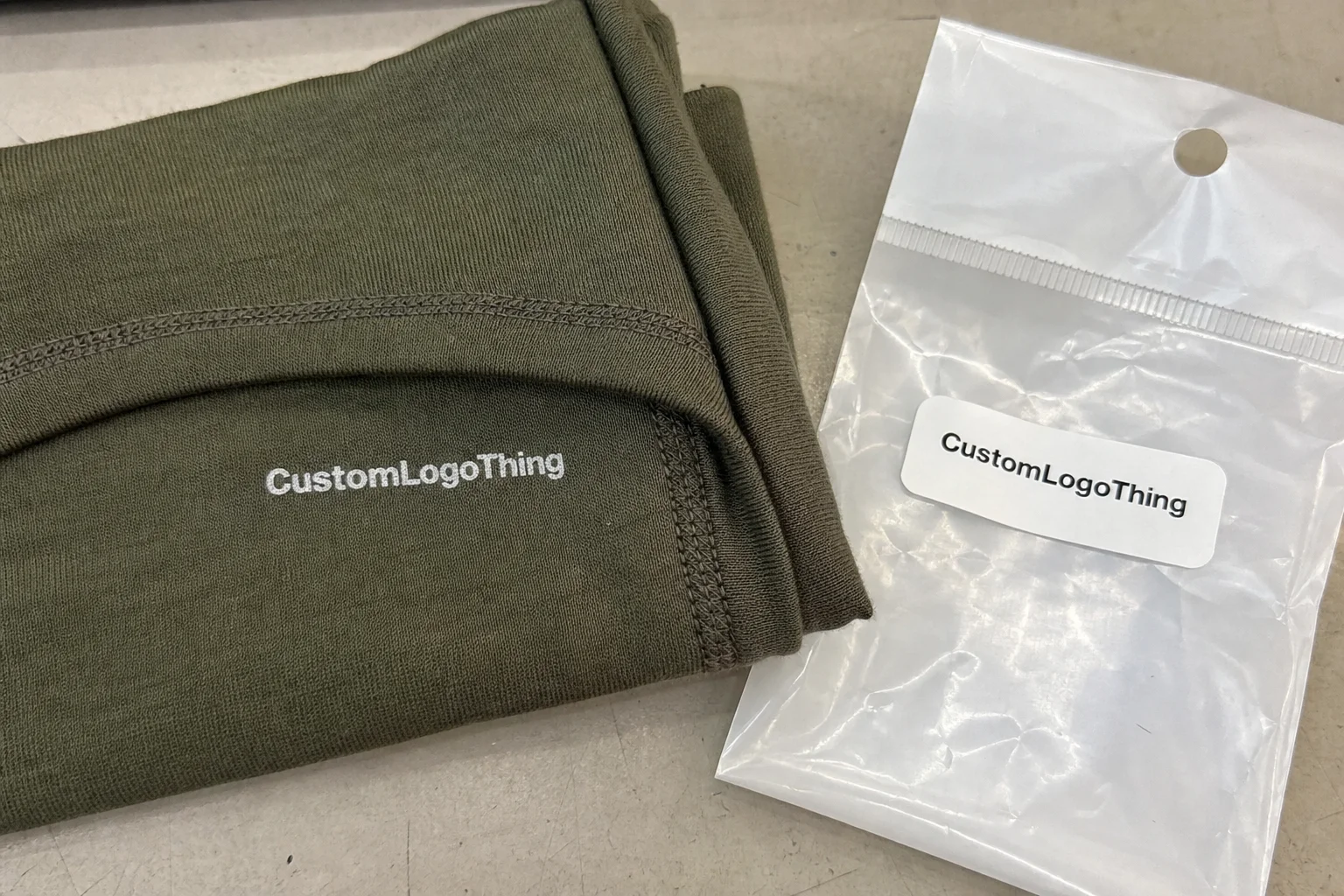
| Best fit | Lightweight Mailers for Apparel Shipping projects where brand print, material claims, artwork control, MOQ, and repeat-order consistency need to be specified before quoting. |
|---|---|
| Quote inputs | Share finished size, material target, print colors, finish, packing count, annual reorder estimate, ship-to region, and any compliance wording. |
| Proofing check | Approve dieline scale, logo placement, barcode or warning zones, color tolerance, closure strength, and carton packing before bulk production. |
| Main risk | Vague material claims, crowded artwork, missing packing details, or unclear freight terms can make a low unit price expensive after revisions. |
Fast answer: Lightweight Mailers for Apparel Shipping: Material, Print, Proofing, and Reorder Risk should be specified like a repeatable production item. The safest quote records material, print method, finish, artwork proof, packing count, and reorder notes in one written spec.
Production checks before approval
Compare the actual filled-product size with the drawing, then confirm tolerance on folds, seals, hang holes, label areas, and retail display edges. Reserve space for logos, QR codes, warning copy, and material claims before decorative graphics fill the panel.
Quote comparison points
Review material grade, print process, finish, sampling route, tooling charges, carton quantity, and freight assumptions side by side. A quote is only useful when the supplier can repeat the same color, closure quality, and packing count on the next order.
Lightweight Mailers for Apparel Shipping: What They Are and Why Brands Use Them
I once stood on a packing line in Newark, New Jersey, and watched a women’s basics brand cut its outbound parcel weight by 38% after switching from bulky boxes to Lightweight Mailers for Apparel shipping. No fancy software. No dramatic rebrand. Just a smarter piece of shipping packaging, and the carrier invoice got a lot less rude. I still remember the operations manager’s face—half relief, half “why did we not do this six months ago?”
That story is why I still push lightweight mailers for apparel shipping when the product is soft, foldable, and not allergic to being packed efficiently. These are thin, flexible shipping materials made for clothing, socks, swimwear, leggings, loungewear, and basic accessories. Typical specs include 2.5-mil to 3.0-mil poly film, a self-seal adhesive strip, and widths like 10 x 13 inches, 12 x 15 inches, or 14 x 17 inches. They do one job very well: keep the item contained while reducing material cost and shipping weight. That’s the kind of practical decision that saves a brand more money than a flashy packaging pitch ever will.
And yes, that matters. You’re paying to ship product, not air. I’ve seen brands burn margin because they insisted on a rigid box for a 6-ounce t-shirt order. Then the carrier charged them on dimensional weight, because the box had the volume of a small apology. Lightweight mailers for apparel shipping help you get around that nonsense by keeping the parcel compact. A UPS or FedEx dimensional-weight jump can add several dollars to a single package once the carrier divisor math kicks in, and carrier math, as always, has the emotional range of a toaster.
These mailers are not padded envelopes for fragile electronics. They are not a miracle cure for bad fulfillment. They are not the right answer for every SKU either. Lightweight mailers for apparel shipping work best for folded garments that don’t need hard-sided package protection. In practice, that means tees, leggings, undergarments, knit scarves, and lightweight hoodies packed with a flat fold and a clean seal.
In apparel ecommerce, the real conversation is bigger than cheap packaging. It’s about order fulfillment speed, brand perception, transit packaging, and the total landed cost of getting one shirt from your warehouse to a customer’s door in Austin, Atlanta, or Oslo. Lightweight mailers for apparel shipping can help on all four fronts if you choose them for the right product. I’ve watched that play out in tiny startups and six-figure operations alike, from 200-order weekends to 8,000-order holiday spikes, and the pattern is stubbornly consistent.
When I’m advising a brand, I usually start with the basics: what are you shipping, how often, how expensive is each shipment, and what does the customer actually expect when they open the parcel? A $14 tee can tolerate a plain poly mailer. A $240 cashmere set? Different story. Same channel, different packaging decision. Same warehouse floor, too—just with a lot more nervous energy. In one Chicago operation I reviewed, the answer changed once the average order value crossed $68 and returns started clustering around wrinkled presentation rather than damage.
How Lightweight Mailers for Apparel Shipping Work
At a practical level, lightweight mailers for apparel shipping reduce cost in two ways. First, they lower the package’s actual weight. Second, they often reduce dimensional weight charges because the parcel takes up less space in the carrier network. That second one is where people get surprised. Carrier math is not emotional. A box that looks “small enough” can still get billed up if it’s bulky relative to the product, especially once a carrier starts applying a 139 divisor on domestic ground shipments.
Most lightweight mailers for apparel shipping are made from a single-layer or multi-layer poly film. Depending on the spec, you’ll see a seal strip, tear notch, opacity treatment, and sometimes enhanced puncture resistance or water resistance. In the factory, I’ve watched operators load folded hoodies into 2.5-mil and 3.0-mil poly mailers all day long, and the difference in feel is obvious in your hand. One feels like a bare-minimum utility item. The other feels like someone at least thought through the customer experience. A good version might use coextruded film, 100% opaque black PE, or a recycled-content blend with 30% post-consumer resin. That little difference matters more than people think, which is mildly annoying if you’ve spent years defending “just a bag.”
The workflow is simple, which is part of the appeal. Fold garment. Insert into the mailer. Push out excess air. Seal. Apply label. Ship. That speed matters in order fulfillment because shaving even 3 to 5 seconds per parcel adds up fast when your team is moving 1,500 units a day. At that pace, a 4-second savings per packer can reclaim more than 1.6 labor hours on a 1,500-unit shift. I’ve seen a warehouse in Los Angeles save enough labor time to cover a full-time picker just by simplifying their shipping materials. Not glamorous. Very real.
Lightweight mailers for apparel shipping also hold shape just enough to protect contents during transit without becoming bulky. That’s the sweet spot. Too flimsy, and the package tears when it gets shoved onto a belt conveyor. Too rigid, and you’ve defeated the purpose. The best versions strike a balance between flexibility and usable package protection. For many brands, that means choosing a 2.8-mil or 3.0-mil mailer for daily ecommerce traffic, then moving to 3.5-mil or reinforced side seams for heavier bundle orders.
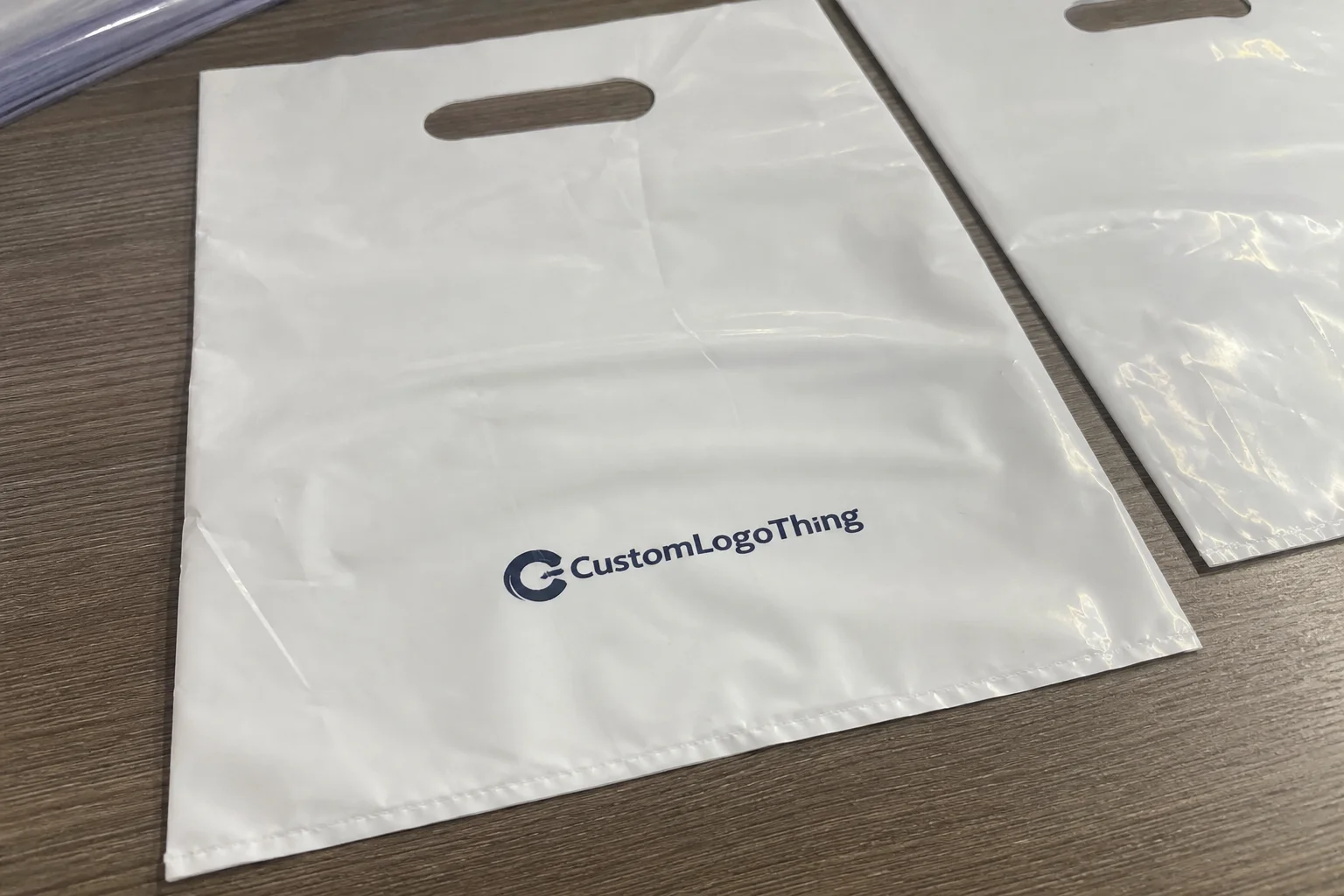
Custom print changes the equation a bit. A plain white or black mailer is functional. A custom-printed mailer can become a brand touchpoint that feels intentional. I’ve had clients use simple one-color logos and a bold return address panel, then skip the extra insert card entirely. That saved them about $0.07 to $0.12 per order depending on volume, which is not glamorous but absolutely real money. On a 25,000-unit run, even a $0.09 savings works out to $2,250. I’m a little suspicious of anyone who says packaging can’t affect profit if the savings are “only pennies.” Pennies add up. Terribly.
Here’s how lightweight mailers for apparel shipping compare with other common options:
| Packaging Type | Best For | Typical Cost Impact | Protection Level | Brand Feel |
|---|---|---|---|---|
| Lightweight mailers for apparel shipping | Tees, hoodies, leggings, socks, loungewear | Low material cost; lower dimensional weight | Basic to moderate | Clean, efficient, can be premium with print |
| Custom poly mailers | Similar apparel categories, more branding control | Moderate; print and setup can add cost | Basic to moderate | Stronger brand presence |
| Paper mailers | Light soft goods, eco-positioned brands | Often higher than basic poly | Basic; depends on grade | Natural, minimalist |
| Custom shipping boxes | Premium sets, outerwear, gifts, rigid items | Higher material and freight cost | High | Premium, structured |
If you’re building a packaging program, I’d also look at Custom Packaging Products and compare them with Custom Poly Mailers or Custom Shipping Boxes. The right answer usually isn’t romantic. It’s arithmetic. And if the spreadsheet makes everyone at the table go quiet for a second, that’s often a good sign.
Key Factors That Decide If Lightweight Mailers Fit Your Brand
The first filter is product type. Lightweight mailers for apparel shipping are ideal for folded soft goods, but not every garment behaves the same. A t-shirt in a poly bag is easy. A chunky fleece hoodie, a suede skirt, or a structured jacket may need more space, a stronger seal, or even a different packaging format altogether. I’ve seen brands try to force oversized outerwear into mailers because the CFO liked the margin math. The result was wrinkled product and angry customer service emails. Nobody wins there—not finance, not fulfillment, not the poor person answering tickets at 8:12 a.m.
Size selection is the second big one. Too big, and you waste material plus invite movement in transit. Too small, and packing slows down because your team has to wrestle the product into the mailer like it owes them money. With lightweight mailers for apparel shipping, the correct size is usually based on folded dimensions, not the size tag. A medium tee might fold down to 10 by 12 inches, while a women’s hoodie may need 14 by 16 inches or more. In a 12 x 15 inch mailer, a standard sweatshirt can sit flat with enough room for a label and a straight seal.
Thickness, or gauge, changes performance and feel. Thinner mailers are cheaper and lighter, but they can scuff, stretch, or puncture more easily. Heavier-duty versions improve tear resistance and often feel more premium in hand. I’ve negotiated at a factory in Guangdong where the jump from a 2.2-mil film to 3.0-mil added about $0.018 per unit at 10,000 pieces. That doesn’t sound like much. Multiply it by 50,000 orders and suddenly your “tiny upgrade” is a four-figure decision. A 350gsm C1S artboard insert can cost much more, so film choice remains one of the cleaner places to control packaging spend.
Branding matters too. Lightweight mailers for apparel shipping can be opaque white, black, gray, or fully custom printed. Add your logo, a pattern, a QR code, or a simple thank-you message. Don’t get cute with tiny details. Flexible film is not a billboards-and-brochure marriage. Fine line art often turns into blurry regret. Bold layouts print cleaner and look intentional. I learned that the hard way after approving a design mockup that looked gorgeous on a laptop and very questionable on a real mailer in a Philadelphia proof room. One-color graphics and 60% ink coverage usually hold up better than delicate gradients.
Sustainability expectations are where brands get sloppy fast. Some lightweight mailers for apparel shipping use recycled content. Some are recyclable where local systems accept that film. Some are just lighter, which means less material and lower transport emissions. That’s a valid story, but don’t overclaim. If your supplier says “recyclable,” ask for documentation. I’ve seen brands get called out online because they repeated a supplier’s sales pitch without checking local recycling reality. The internet is very patient about waiting for you to embarrass yourself. Then it posts screenshots.
Cost is more than unit price. You need to account for MOQ, print setup, freight, warehousing, and the effect on packing labor. A mailer that costs $0.11 at the factory can become $0.19 landed after ocean freight, carton pack-out, and domestic delivery. If the same order saves you $0.42 in carrier charges by avoiding a box, that’s a solid trade. If not, keep shopping. In some California and New Jersey programs, a custom mailer with a 5,000-piece MOQ can still come out ahead because freight lanes are shorter and domestic turnaround is faster.
When I audit a brand’s shipping materials, I usually break it into six checkpoints:
- Product weight and folded dimensions
- Required privacy or opacity level
- Seal strength and puncture resistance
- Print quality and brand impression
- Landed cost per shipment
- Warehouse speed in real packing conditions
Step-by-Step: Choosing Lightweight Mailers for Apparel Shipping
Step 1: list the garments you ship most. Don’t start with the fanciest SKU. Start with the 20% of items that create 80% of your order volume. Measure folded dimensions, because apparel size labels tell you almost nothing useful for packaging. A small women’s sweatshirt can take up more space than a men’s medium tee. The box doesn’t care about your merchandising hierarchy. A tape measure does, and it will tell you whether the folded bundle is 9 x 11 inches or closer to 13 x 15 inches.
Step 2: define the protection you actually need. Do you need water resistance because your parcel might sit on a loading dock in Miami? Do you need privacy because the product includes intimate apparel? Do you need just enough package protection to survive a USPS sack or a FedEx sort? Lightweight mailers for apparel shipping can do all three to different degrees, but the spec has to match the job. If you guess here, you usually pay for it later, and not in a fun “learning experience” way. A 3.0-mil opaque mailer behaves very differently from a 1.8-mil stock bag when the weather turns wet in Houston or Portland.
Step 3: compare material and finish options. Clear, white, black, matte, glossy, and printed versions all behave differently. White hides scuffs better. Black hides the contents and can feel more premium. Matte finishes look modern, but too much ink coverage can crack if the film is cheap. One client in Texas switched from a glossy stock to a matte custom-printed film and saw their packers complain for two weeks because the gloss version slipped less on the table. That’s the kind of detail people ignore right up until it slows the line. If you want to compare print fidelity, ask for a strike-off on the exact film gauge before approving the production run.
Step 4: request samples and test them in real workflow. Don’t judge samples sitting in a conference room. Put them on the actual fulfillment line. Have the team fold, insert, seal, label, and stack 50 units. Watch for sticking, tearing, and awkward hand feel. I once watched a sample that looked beautiful fail because the seal strip pulled unevenly at room temperature. Pretty on paper. Annoying in a warehouse. And yes, there was a collective groan. We all had it coming. A 15-minute test with 25 sample pieces can expose more issues than a polished sales deck ever will.
Step 5: estimate total landed cost. This is where lightweight mailers for apparel shipping often win. The unit price is only part of the picture. Add freight, customs if applicable, storage, and the cost of slower packing. A “cheap” mailer that adds five seconds per parcel is not cheap if your labor rate is $18.50 per hour and you ship thousands of orders weekly. That math gets ugly fast. At 3,000 parcels a week, an extra five seconds is more than four labor hours, or roughly $74 a week before benefits and overhead.
Step 6: map the timeline. Stock mailers can be fast. Custom lightweight mailers for apparel shipping usually need artwork proofing, sampling, and production time. In my experience, you might be looking at 12 to 15 business days after proof approval for standard production, plus transit. If you need color matching or special finishes, add more buffer. Peak season does not care about your launch calendar. A factory in Dongguan or Yiwu may quote three weeks on paper, but proof revisions can push the actual launch date back by another 4 to 7 business days.
Step 7: pilot before you scale. I like a 500- to 1,000-unit test run when the order volume allows it. Track damage rates, seal failures, customer complaints, and packing speed. If the team loves the mailer and the carrier damage rate stays flat, you’re probably in good shape. If not, adjust size or thickness and test again. A pilot ordered at 1,000 pieces can often reveal whether the finish, opacity, and seal strip hold up in a real warehouse in Chicago, Atlanta, or Phoenix.
“We saved on freight, but we also stopped hearing from customers who hated the oversized box for a single sweatshirt.” That came from a founder I worked with in Chicago, and honestly, she was right. Sometimes packaging wins because it removes annoyance, not because it looks fancy.
For brands that want to compare choices, I usually put the options into a simple decision grid. It keeps everyone honest.
| Decision Factor | Stock Lightweight Mailers | Custom Lightweight Mailers | Custom Boxes |
|---|---|---|---|
| Unit cost | Lowest | Moderate | Highest |
| Brand visibility | Low to moderate | High | High |
| Speed in order fulfillment | Fastest | Fast | Slower |
| Dimensional weight impact | Low | Low | Higher |
| Best use case | Testing, low-brand emphasis, cost control | Scaled ecommerce shipping with brand presence | Premium presentation and rigid protection |
Common Mistakes with Lightweight Mailers for Apparel Shipping
Mistake 1: choosing the smallest size possible. I get why people do it. They want to cut material cost by two cents. But if the team has to wrestle every order into the mailer, you just created labor waste and a higher chance of seam stress. Lightweight mailers for apparel shipping should make packing easier, not audition for a wrestling match. In one Texas warehouse, upsizing from 10 x 13 inches to 12 x 15 inches cut pack time by 11% because sleeves stopped snagging on the corner.
Mistake 2: ignoring seal quality. A weak closure leads to popped packages and awkward customer service tickets. If you’re shipping a 1.8-pound hoodie bundle, you need a seal that stays shut under movement. Test seal strength with real product, not empty air. Air is obedient. Garments are not. A decent adhesive strip should hold through a 36-inch drop test and a conveyor shake without lifting at the corners.
Mistake 3: buying on headline price only. I’ve seen a buyer celebrate a $0.09 quote and then discover the freight, storage, and smaller MOQ penalties pushed the landed cost to $0.16. That’s not savings. That’s a spreadsheet trick. Lightweight mailers for apparel shipping should be evaluated on total cost, not just factory price. I wish I had a dollar for every time someone fell in love with the cheapest line item and ignored the rest of the invoice. On a 10,000-piece order, that $0.07 gap is $700 before the first carton even hits a warehouse in Ohio or California.
Mistake 4: making premium apparel look cheap. A $180 jacket shipped in a flimsy unbranded mailer sends the wrong signal. Even if the garment arrives fine, the unboxing experience can feel mismatched. For premium programs, a better finish, darker color, or custom print often makes lightweight mailers for apparel shipping feel intentional instead of bare-bones. I’ve seen a black matte mailer with a single silver logo outperform a plain white bag simply because it matched the product’s price point.
Mistake 5: making sustainability claims you can’t back up. If the film contains recycled content, ask for certification or supplier documentation. If the mailer is recyclable in theory but not in your customer’s local system, say that carefully. Don’t oversell. People notice. Regulators notice more. A supplier saying “30% PCR” without a spec sheet is not a sustainability strategy.
Mistake 6: skipping sample testing. A sample that seals beautifully at 72 degrees can behave differently in a cold warehouse or humid dock area. I had one project where the adhesive strip was fine in office conditions but failed when the receiving area hit high humidity in summer. We lost a week fixing a problem we could have found in a one-hour test. In a Miami-area dock, the same issue showed up within 90 minutes.
Mistake 7: ordering too late. People wait until they’re down to the last pallet and then panic-call the supplier. That works about as well as you’d expect. If your custom lightweight mailers for apparel shipping need artwork proofing, color approval, and ocean transit, plan early. Real lead times beat wishful thinking every time. If your launch date is October 1, order by mid-August, not the week before Labor Day.
Here’s the short version: lightweight mailers for apparel shipping are a tool, not a personality trait. If the tool matches the job, great. If not, stop forcing it.
Expert Tips to Get More from Lightweight Mailers for Apparel Shipping
My first tip is boring and useful: if your fulfillment team packs mixed apparel orders, choose a slightly larger size. A few extra millimeters can save more labor than the tiny unit-cost increase hurts. I’ve watched teams spend 20 seconds per order trying to jam a long-sleeve tee and socks into a mailer that was technically close enough. Close enough is how you create bad shifts. It’s also how you make everybody in the building start muttering under their breath. A 12 x 16 inch mailer often works better than a tighter 10 x 13 inch option once bundles include a beanie or second garment.
Second, use custom print to reduce inserts. If your return address, logo, and care message are already on the outer mailer, you may not need a separate branding card. That can save $0.05 to $0.15 per order depending on print method and insert stock. I’ve negotiated with suppliers like Uline, PAC Worldwide, and a few Shenzhen converters who all priced the same idea differently based on film thickness and color count. Always ask for tiered pricing at 5,000, 10,000, and 25,000 pieces. On one 10,000-piece quote, the unit price dropped from $0.18 to $0.15 simply by moving up a tier, and the freight per unit barely moved. The breakpoints matter more than the sales pitch.
Third, order with storage in mind. Bulk buying can lower unit cost, but warehouse space is not free. A 50,000-piece run of lightweight mailers for apparel shipping can eat more pallet space than the buyer expected, especially if the cartons are packed loosely. I’ve seen brands save $1,200 on unit price and then spend half of it on extra offsite storage because nobody did the pallet math. That kind of “savings” deserves a sarcastic golf clap. In a New Jersey distribution center, six pallet positions can disappear faster than a finance team expects if carton pack counts are low.
Fourth, keep the artwork simple. Bold logo, strong contrast, maybe one secondary graphic. That’s enough. Tiny fonts and detailed patterns look fuzzy on flexible film, especially when the package bends in transit. If you want a premium look, use one or two confident design elements instead of five competing ones. A black mailer with a white 2-inch logo often prints cleaner than a full-wrap gradient that eats ink and muddies at the edges.
Fifth, standardize packing behavior. Folding method, insertion, sealing pressure, label placement. All of it. Inconsistent pack-out creates inconsistent customer experience. When I visited a facility in Chicago, the fastest line had a one-page packing sheet taped to the wall and a supervisor who actually enforced it. Fancy? No. Effective? Very. The difference between a 6-second pack and a 9-second pack becomes very real over 2,000 orders.
Sixth, ask for samples from multiple suppliers before you commit. Compare stock options and custom runs from vendors such as Uline, PAC Worldwide, and dedicated custom packaging manufacturers. If you want a broader packaging strategy, pair that with other shipping materials from Custom Packaging Products. Sometimes the best answer is a mailer for one SKU and a box for another. Different products need different transit packaging. A factory in Guangdong may be best for lower unit cost, while a converter in New Jersey or California can cut turn time by a week.
For brands shipping apparel at scale, I’d also pay attention to carrier behavior. USPS, UPS, and FedEx all handle parcels differently in sortation. Lightweight mailers for apparel shipping can hold up well, but the exact performance depends on film strength, seal quality, and how rough your route tends to be. A parcel going regional ground inside one state has a different risk profile than a cross-country shipment with three touches and a weather delay. A package moving from Atlanta to Dallas is one thing; a winter route from Minneapolis to Boston is another.
One more thing: if you’re unsure whether a mailer should be stock or custom, ask your supplier for a side-by-side quote that includes print setup, freight, and lead time. I’ve watched buyers stare at a $0.13 custom quote next to a $0.09 stock quote and miss the fact that the custom option removed a $0.06 insert and improved conversion on social media unboxings. Not always. But often enough to matter. If the production run takes 12 to 15 business days from proof approval in Yiwu or Dongguan, that timing should be part of the comparison from the start.
What to Do Next Before You Order
Before you place an order for lightweight mailers for apparel shipping, I’d build a simple checklist. Keep it to one page. List the garments you ship most, your target cost per shipment, the level of privacy you need, whether you want print, and what kind of package protection matters in transit. If you can’t define the use case in a few lines, you’re not ready to buy yet. That’s not me being dramatic; that’s me trying to save you from a very annoying reorder. If your landed target is $0.15 per unit for 5,000 pieces, write that down before you talk to a supplier.
Then request samples in the exact fold size your team uses. Don’t guess. Put the sample on the packing table and have the fulfillment team test it during normal working hours, not on a polished demo day with everyone standing around pretending to be helpful. You’ll learn more in 30 real minutes than in a two-hour sales call. If the sample arrives from a plant in Shenzhen or Dongguan, ask for the actual film gauge, seal width, and print proof, not just a photo.
Get quotes from at least three suppliers and compare more than the headline unit cost. I want to see MOQ, freight, production lead time, and whether the supplier can actually match your print requirements. A quote is only useful if it tells the whole story. If a supplier refuses to separate freight from manufacturing, that’s usually not a good sign. I’ve had more than one “great” quote turn into a headache once the boxes and port fees showed up like uninvited relatives. A clean quote should also list whether the film is 2.5-mil, 3.0-mil, or 3.5-mil.
Build your timeline backward. Start with inbound stock date, then production, then proof approval, then sample sign-off. If you need custom lightweight mailers for apparel shipping, do not wait until inventory hits the floor before you order. That’s how people end up panic-buying a mediocre substitute and paying extra for air freight. I’ve watched that movie. The ending is expensive. If your go-live date is November 1 and the supplier says 12 to 15 business days from proof approval, your proof should be locked well before mid-October.
After your pilot run, measure three things: return rate, packing speed, and customer feedback. If the numbers are clean, scale with confidence. If not, change size, film thickness, or print spec and test again. Packaging is not a religion. It’s a working system. A boring one, sometimes, but boring is excellent when the cartons are stacking correctly. One apparel brand I worked with in Atlanta moved from 2.5-mil to 3.0-mil after a 1.7% damage rate showed up on thin seams, and the fix paid for itself in a single quarter.
When lightweight mailers for apparel shipping are chosen well, they save money, protect garments, and make the brand look sharper instead of cheaper. That’s the whole point. I’ve seen them reduce dimensional weight pain, speed up ecommerce shipping, and simplify order fulfillment without turning the package into a sad afterthought. That’s a pretty good trade for one piece of shipping packaging, especially when a 10,000-unit order can move through a warehouse in less than two weeks of packing shifts.
FAQ
Are lightweight mailers for apparel shipping strong enough for t-shirts and hoodies?
Yes, for folded soft goods like tees, hoodies, and socks they usually work well. If you’re shipping heavier garments or mixed orders, choose a thicker film or reinforced seal. I’d always test lightweight mailers for apparel shipping with your actual product weight and fold size before buying in bulk. A 3.0-mil opaque mailer is often a better starting point than a thin 2.0-mil option for hoodies or two-piece bundles.
How do I choose the right size for lightweight mailers for apparel shipping?
Measure the folded garment dimensions, not the retail size tag. Leave enough room for a clean insert and seal without too much empty space. If your catalog varies a lot, pick one or two standard sizes that cover most SKUs. That keeps fulfillment simpler and faster. For many brands, 10 x 13 inches works for tees and socks, while 12 x 15 inches handles hoodies and leggings more comfortably.
What do lightweight mailers for apparel shipping usually cost?
Stock options can be very low cost per piece, while Custom Printed Mailers usually cost more because of setup and print runs. Freight, MOQ, and film thickness can change the real landed cost a lot. Ask for tiered pricing at multiple quantities so you can compare breakpoints honestly. At 5,000 pieces, one supplier might quote $0.15 per unit while another lands closer to $0.19 after freight and packaging cartons.
How long does it take to produce custom lightweight mailers for apparel shipping?
Timeline depends on artwork approval, sampling, production capacity, and freight method. Stock mailers move faster than custom-printed versions. Build in extra time for revisions, especially if you need color matching or special finishes. If you’re ordering ahead of peak season, give yourself more buffer than you think you need. A typical custom run from proof approval can take 12 to 15 business days before transit, especially if the supplier is manufacturing in Dongguan, Yiwu, or Shenzhen.
Can lightweight mailers for apparel shipping be sustainable?
Some options use recycled content or lighter material to reduce shipping weight. Sustainability claims should be verified carefully because recyclability depends on local systems. If sustainability matters to your brand, ask suppliers for documentation instead of trusting marketing fluff. Lightweight mailers for apparel shipping can support a lower-material strategy, but the claim has to be accurate. A mailer with 30% post-consumer recycled content, for example, should come with a spec sheet or certificate from the manufacturer.