Buyer Fit Snapshot
| Best fit | Lip Balm Boxes with Window Wholesale for Brands projects where brand print, material claims, artwork control, MOQ, and repeat-order consistency need to be specified before quoting. |
|---|---|
| Quote inputs | Share finished size, material target, print colors, finish, packing count, annual reorder estimate, ship-to region, and any compliance wording. |
| Proofing check | Approve dieline scale, logo placement, barcode or warning zones, color tolerance, closure strength, and carton packing before bulk production. |
| Main risk | Vague material claims, crowded artwork, missing packing details, or unclear freight terms can make a low unit price expensive after revisions. |
Fast answer: Lip Balm Boxes with Window Wholesale for Brands should be specified like a repeatable production item. The safest quote records material, print method, finish, artwork proof, packing count, and reorder notes in one written spec.
Production checks before approval
Compare the actual filled-product size with the drawing, then confirm tolerance on folds, seals, hang holes, label areas, and retail display edges. Reserve space for logos, QR codes, warning copy, and material claims before decorative graphics fill the panel.
Quote comparison points
Review material grade, print process, finish, sampling route, tooling charges, carton quantity, and freight assumptions side by side. A quote is only useful when the supplier can repeat the same color, closure quality, and packing count on the next order.
I remember standing on a packing floor in Dongguan, holding two lip balm cartons side by side while a buyer squinted at them like she was deciding between two tiny luxury cars. Same product. Same brand. Different box. She picked the one with the clear window in about three seconds flat. That is exactly why Lip Balm Boxes with window wholesale keeps showing up in cosmetic sourcing conversations: people want to see what they’re buying, and retailers want packaging that helps sell the product before anyone opens the flap.
At Custom Logo Things, I’ve watched natural balms, flavored balms, tinted balms, and Holiday Gift Sets move faster once the customer can verify the tube color, label position, or finish through the carton. A window is not just decoration. It changes how the product is judged at shelf level, in checkout displays, and in subscription bundles where people often buy three or six units at once. That is the practical appeal of Lip Balm Boxes with window wholesale: lower unit cost at volume, with presentation that still feels premium enough for impulse buying. On a 5,000-piece run, the unit price can start around $0.15 per unit for a basic kraft build with a simple die-cut opening, while a coated carton with PET window film and foil stamping will land higher.
If you have ever stood beside a folding-glue line in a Shenzhen carton plant, you already know the difference between a carton that merely contains and a carton that sells. Honestly, I think a lot of brands miss that part. They obsess over print and then act surprised when the structure does all the work. Lip Balm Boxes with Window wholesale works because the packaging lets the tube speak for itself before the consumer even opens the top flap, and that matters whether the plant is in Dongguan, Shenzhen, or Guangzhou.
Lip balm boxes with window wholesale: Why the window sells the product
On factory line checks, a clear die-cut window often reduces hesitation because buyers can verify the balm color, the finish of the tube, and even the cap style before opening the carton. I’ve seen that same detail help natural brands selling beeswax balm, mint balm, tinted lip conditioner, and gift-ready sets that ship in twos or threes. When people can see the product, they trust the purchase a little faster, and trust is half the sale on a crowded shelf in places like Los Angeles, Chicago, or Toronto.
That is especially true for lip balm Boxes with Window wholesale orders placed for retail racks, countertop displays, and subscription bundles. A small window lets the buyer compare shades and textures without damaging the package, which matters when the product is sitting near checkout candy trays, mini skincare displays, or seasonal beauty endcaps. In my experience, the brands that do best are usually the ones that make the packaging do a specific job rather than trying to make it shout like a teenager with a megaphone. A 25 mm x 40 mm reveal can be enough to show the cap and label without weakening the front panel.
Wholesale packaging also changes the economics. Once you move from short-run retail prototypes to lip balm boxes with window wholesale, the Cost Per Unit drops because printing setup, die cutting, and window tooling are spread over more cartons. I’ve quoted enough cosmetic launches to know that brands can keep the premium look without paying boutique-unit pricing, which is a huge advantage for private label lines and holiday promotions. A 10,000-piece reorder with the same dieline often reduces tooling waste enough to shave cents off each box.
“We had buyers keep asking to open the carton at trade shows until we switched to a window design. After that, the product sold itself on the table.”
Window cartons work particularly well for lip balm boxes with window wholesale programs where product visibility supports conversion. That includes natural balms with minimal branding, flavored balms in color-coded tubes, tinted balms where shade matters, and gift sets where the presentation inside the box is part of the appeal. I visited a private label cosmetics packout in Guangdong where the sales team moved from opaque cartons to windows, and their rep told me the returns from “wrong color expectations” dropped noticeably because the customer could see exactly what they were getting. In one shipment of 8,000 cartons, the team also saved time on customer service because fewer buyers complained about receiving the “wrong” shade.
There is also a shelf-management benefit. Retailers like cartons that sit square, stack cleanly, and show enough of the product to make the section look organized instead of cluttered. A well-planned lip balm boxes with window wholesale program can deliver that look without using expensive display trays or extra signage. If the carton height is 82 mm and the window starts 14 mm above the fold, the front panel can still carry a clean logo lockup and a neat ingredient line.
Product details: What makes lip balm boxes with window wholesale different
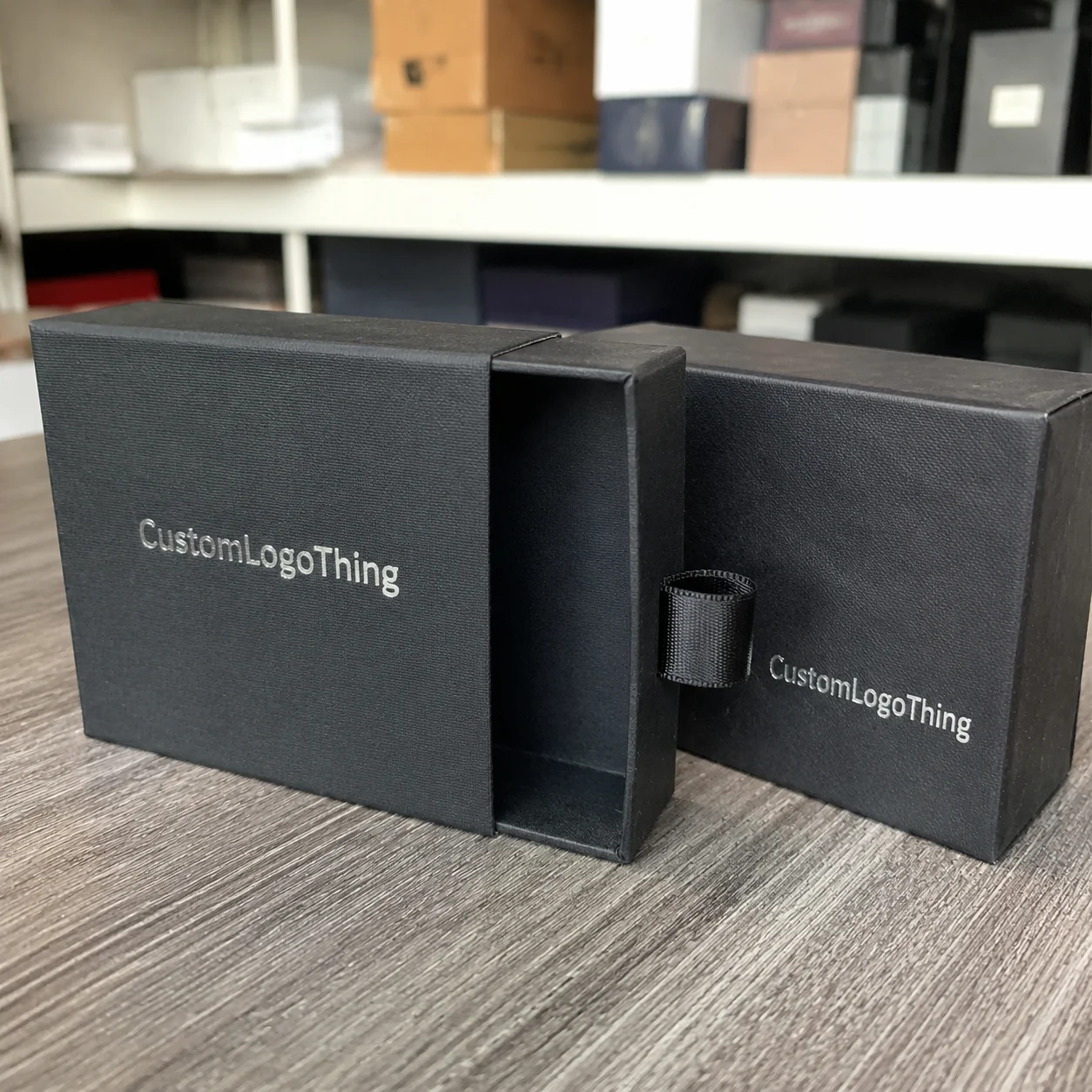
The structure matters as much as the print. Most lip balm boxes with window wholesale jobs use tuck end, reverse tuck end, auto-lock bottom, or sleeve styles, and each one performs differently depending on the tube shape, product weight, and retail display plan. A single balm in a slim tube might fit neatly in a reverse tuck end carton, while a two-pack or three-pack set often benefits from an auto-lock bottom because the base needs extra support during stacking and shipping. A sleeve on a 3-pack set can also save material when the insert does the stabilizing.
For sleeves, the window area often becomes the hero zone. I’ve seen brands use a kraft sleeve with a cutout over the balm cap, then pair it with a printed insert that keeps the tube centered. That style is practical for lip balm boxes with window wholesale because it gives you a premium feel without overbuilding the package. If the carton is going into a mailer or shipper, the insert also helps keep the tube from rattling, which prevents that cheap hollow sound buyers notice the second they pick it up. A 350gsm insert board can be enough for lighter tubes, while heavier sets may need 400gsm or a double-layer insert.
Window options vary more than many buyers expect. You can use PET, acetate film, or leave a clean die-cut opening with no film when dust exposure is low and the product is going straight to retail in a controlled environment. For lip balm boxes with window wholesale, PET is usually the cleaner choice when you want clarity and better scratch resistance, while acetate can work for lighter presentation applications. PVC is still seen in some packaging runs, but many brands prefer alternatives based on environmental or retail requirements. PET films commonly range from 0.2 mm to 0.3 mm for cosmetic cartons.
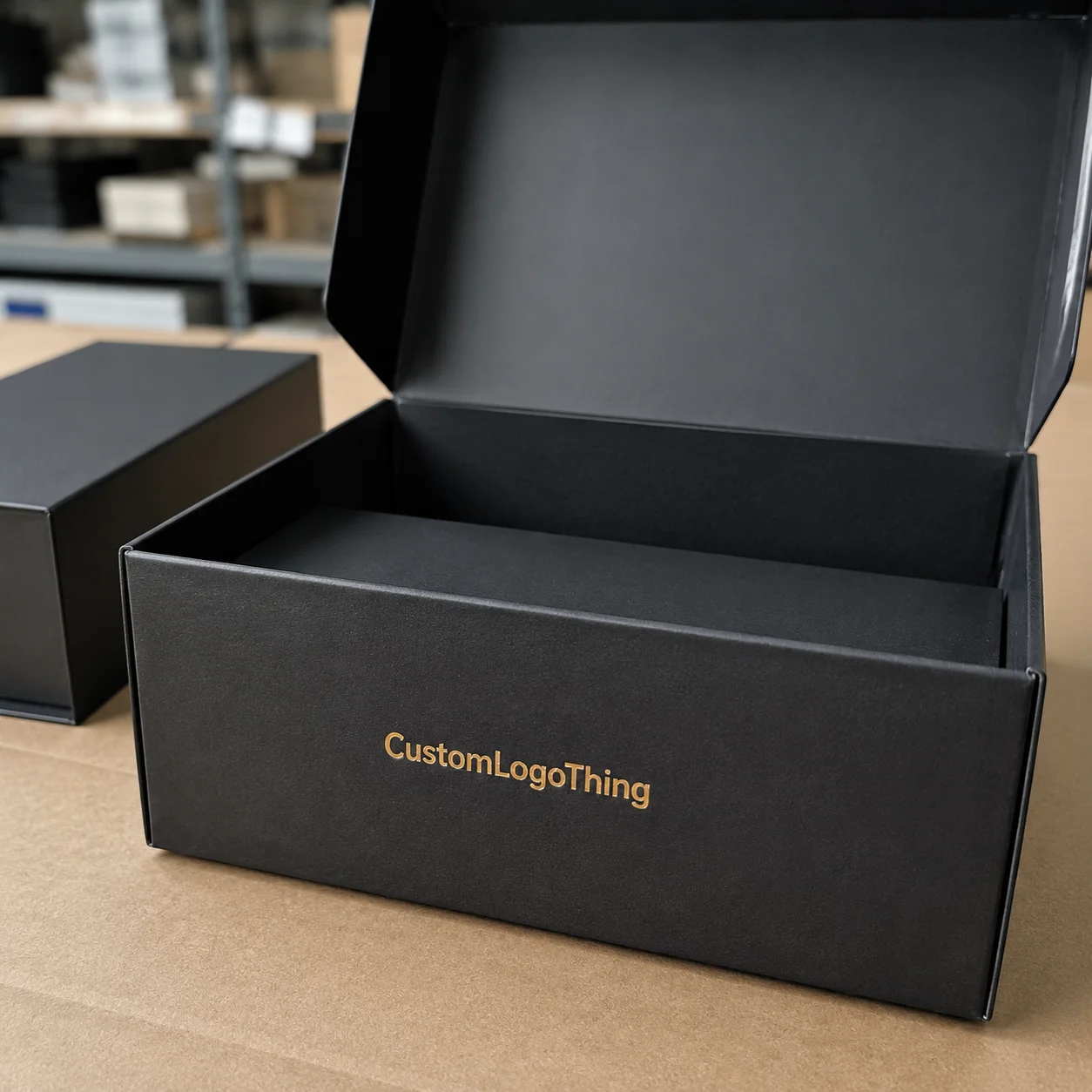
Print finishes also change the perception of the product. CMYK printing gives you full-image flexibility for botanical graphics, flavor cues, and color gradients. Pantone spot colors are useful when a brand needs tight control over a signature shade, especially for a logo or an exact lip color cue. On higher-end lip balm boxes with window wholesale orders, soft-touch lamination adds a velvety feel that pairs well with matte foil stamping, while gloss varnish can make fruit or candy themes look brighter under store lighting. A matte black box with a gold foil logo and a 30 mm window can look far more expensive than the material cost suggests.
Here is what I usually tell clients in the first call: the window should support the brand story, not fight with it. If your line is all about clean ingredients and minimalism, a kraft board with a simple die-cut opening may be enough. If your tubes use metallic accents or a glossy cap, a window with foil and embossing can make the carton feel more finished. That is why lip balm boxes with window wholesale is never just a print job; it is a structure-and-brand decision. On a 16pt C1S artboard, even a small emboss can change how the front panel catches light under retail LEDs.
Common use cases include retail shelves, e-commerce kits, private label lip care lines, promotional bundles, and holiday gift packaging. A branded sleeve with a window can work beautifully inside a subscription box, while a tuck carton with a film patch can protect the balm from dust during warehouse handling. I’ve seen lip balm boxes with window wholesale used for sets of three flavored balms in a display tray, and the conversion lift came from the buyer being able to see the color family without opening the pack. For holiday bundles sold in New York or Miami, a 6-piece gift set often benefits from a larger window plus an internal insert to keep the tubes centered.
Specifications for lip balm boxes with window wholesale orders
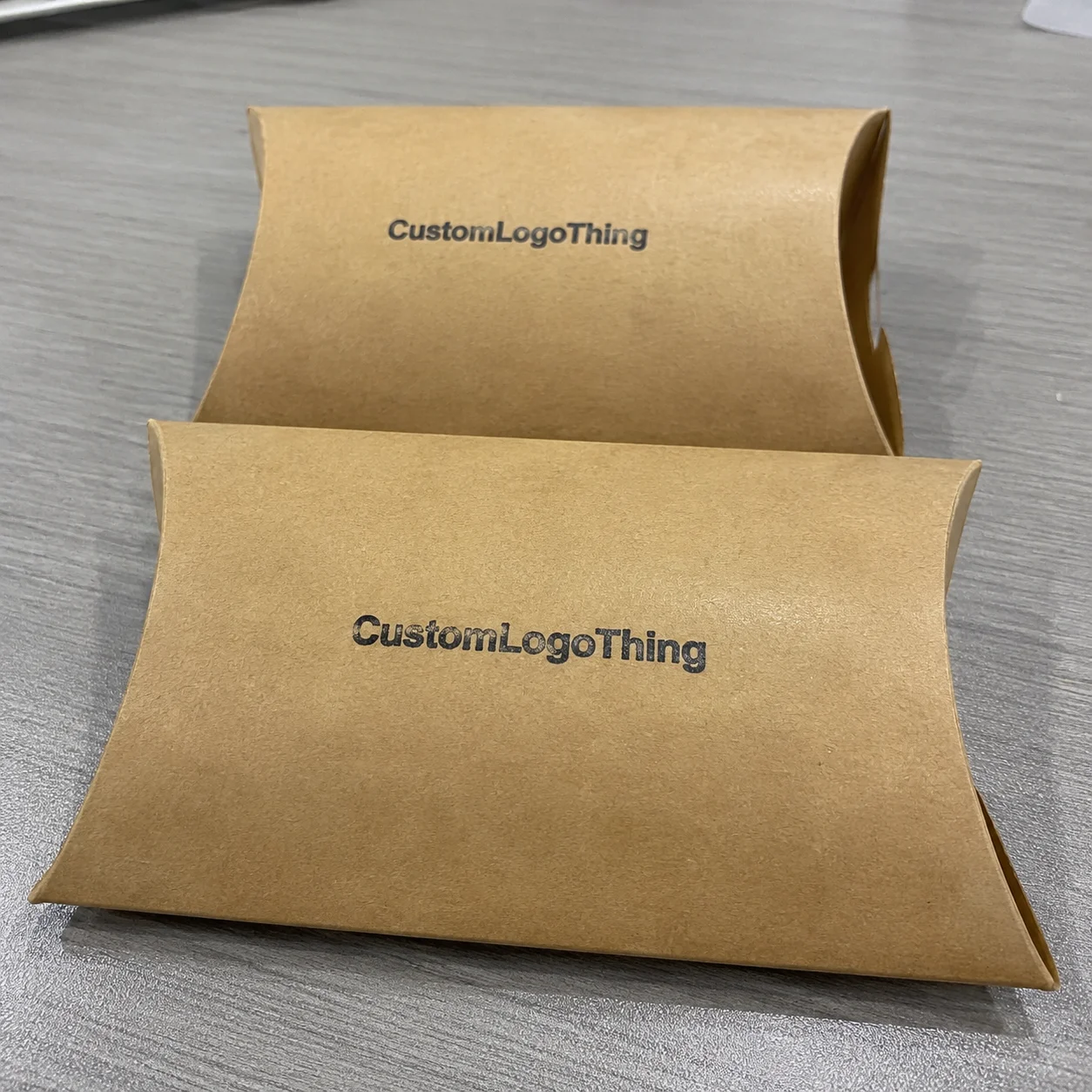
Material choice is where the technical side starts to matter. For most lip balm boxes with window wholesale orders, 14pt, 16pt, or 18pt SBS board is a common starting point because it prints sharply and folds cleanly. SBS gives a smooth white surface that handles fine text, ingredient panels, and logos well, while kraft stock is a better fit for natural or eco-focused brands that want a warmer, earthy look. If the set is heavier, or if the cartons are going into a shipper repeatedly, corrugated mailer options may be more suitable than lightweight paperboard. Many buyers also ask for 350gsm C1S artboard when they want a printable face with a slightly sturdier feel.
Size is not guesswork. A single balm carton might be built around a 70 mm to 80 mm tube, while a duo pack or three-pack sleeve needs enough internal clearance to prevent rubbing. For lip balm boxes with window wholesale, I always recommend measuring the full assembled product, including cap height and any label wrap, because a tube that is technically “standard” can still vary by one or two millimeters from one supplier to another. That small difference affects window placement, insert fit, and how much resistance the product feels when it slides into the carton. A 76 mm tube from one factory in Shenzhen may need a different cavity than a 78 mm tube from a plant in Dongguan.
Structural details should be spelled out early. Bleed is usually set at 0.125 inches on print-ready artwork, safe zones should stay clear of fold lines, and locking tabs need enough tolerance to close without tearing the board. Hang tabs can be added for peg display, and perforations are useful if the product will be opened for sampling or multi-pack separation. For lip balm boxes with window wholesale, insert compatibility matters too, because a tube that shifts during transit can make the window look off-center even if the print is perfect. A 1.5 mm crease tolerance can make a noticeable difference in how the carton closes.
Compliance is another area where experienced buyers save time. Ingredient labeling space, barcode placement, batch coding, and retail-ready panel layout all need to be planned before the proof stage. I have seen artwork delayed because a barcode sat too close to a fold and the scanner could not read it cleanly on press samples. That is avoidable with better prepress review, and it is why lip balm boxes with window wholesale projects move faster when the buyer sends complete dieline information up front. For U.S. retail, many brands reserve a 38 mm x 25 mm barcode zone on the back panel to keep scanning consistent.
Print files should be supplied as layered AI, PDF, or EPS with fonts outlined and images at proper resolution, usually 300 dpi for most carton work. Proofing often starts with a digital mockup, and if the structure is complex, a physical sample is worth the extra day or two because it shows whether the window sits exactly where the balm cap lands. For lip balm boxes with window wholesale, a sample can prevent an expensive reprint if the brand later decides the window should reveal more of the label or less of the tube body. A hardcopy proof usually adds 2 to 4 business days before mass production starts.
| Option | Typical Material | Best Use | Typical Look |
|---|---|---|---|
| Single balm tuck carton | 14pt SBS or kraft | Retail singles and checkout displays | Lightweight, clean, low cost |
| Two-pack sleeve with window | 16pt SBS | Bundles and subscription sets | Balanced, premium, easy to stack |
| Auto-lock bottom carton | 18pt SBS | Heavier sets or taller tubes | Stronger base, better shipping performance |
| Corrugated mailer | E-flute or similar | Direct-to-consumer shipments | Protective, sturdy, more utilitarian |
That table reflects what I have seen repeatedly across cosmetic pack-outs, but the right choice still depends on the tube weight, the retail channel, and how much shelf time the carton needs to survive. For lip balm boxes with window wholesale, one brand may need a simple 14pt structure, while another needs a heavier board with reinforced tabs because the packaging is being shipped in master cartons across multiple distribution centers. If the carton is moving through a hub in Chicago and then a regional warehouse in Dallas, the base strength matters more than the mockup suggests.
Pricing and MOQ for lip balm boxes with window wholesale
Pricing for lip balm boxes with window wholesale depends on five main drivers: material thickness, box size, window style, finish complexity, and order quantity. Shipping method matters too, especially for international deliveries, but factory cost usually starts with the board and the print spec. A plain kraft carton with a simple die-cut window can come in much lower than a coated SBS carton with foil stamping, embossing, soft-touch lamination, and a PET patch, because every extra process adds setup and handling time. A basic 5,000-piece run in Guangdong may price very differently from a 20,000-piece order shipped out of Jiangsu.
In practical terms, wholesale pricing improves as the run gets larger. The first order often carries the weight of dieline setup, plate charges, die cutting, and sample approval, while later reorders usually cost less because the production tools already exist. I’ve sat through enough supplier negotiations to know that buyers sometimes compare only the unit price and miss the bigger picture. For lip balm boxes with window wholesale, a quote that looks higher on the surface can be cheaper overall if it includes more stable tooling, better color consistency, and fewer rejected cartons. On a 10,000-piece reorder, a supplier might quote $0.12 per unit for a simple build, while a premium finish can push the number into the $0.20 to $0.35 range.
MOQ ranges can vary by supplier and by structure. Smaller cosmetic brands may need flexible runs for launch testing, while established private label lines often benefit from higher volume pricing. In many cases, a buyer might see a starting point around 1,000 to 3,000 pieces for a custom window carton, while larger recurring programs can move into 5,000, 10,000, or more per style. The real issue is not just the minimum; it is whether the MOQ supports the economics of lip balm boxes with window wholesale without forcing the brand to overstock a design that may change after the first retail season. A 3,000-piece MOQ can be perfect for a regional launch in Texas or California, but it can be too small for a national roll-out.
There is a smart middle ground for brands watching budget closely. If the line is built around natural ingredients, a kraft stock with a clean window can look honest and modern without expensive finishing. If the line is aimed at gift sets or seasonal promotions, a coated board with foil and embossing may justify the higher cost because the carton itself becomes part of the purchase decision. That is the tradeoff I explain most often in lip balm boxes with window wholesale consultations: spend where the shelf impact matters, not on effects the customer will never notice. A matte kraft carton in a 5,000-piece run can be priced around $0.15 to $0.18 per unit, while a foil-stamped gift box may be closer to $0.28 per unit.
Ask for quotes that separate unit price, tooling, sampling, freight, and any special finishing. That is the only way to compare suppliers accurately. I’ve seen a few jobs where one supplier appeared cheaper until the buyer added overseas freight and window patch charges, and suddenly the “low price” wasn’t low at all. A clear quote on lip balm boxes with window wholesale should tell you exactly what each part of the order costs, including window film at roughly $0.02 to $0.04 per unit on mid-volume runs. If a supplier in Dongguan refuses to break out those numbers, I’d treat that as a warning sign.
Here is a practical pricing comparison:
| Build | Typical Cost Driver | Best For | Budget Impact |
|---|---|---|---|
| Kraft with die-cut window | Simple print, low finishing | Natural and eco lines | Lower |
| SBS with window film | Board quality plus film patch | Retail singles and gifts | Moderate |
| SBS with foil and embossing | Extra finishing passes | Premium cosmetic brands | Higher |
| Corrugated mailer with insert | Higher board weight and assembly | E-commerce and subscription | Moderate to higher |
That kind of pricing map helps brands make a cleaner choice. If you need the product to look premium in a boutique chain, go for the upgraded finish. If your customer mainly wants ingredient transparency and a lower shelf price, keep the structure simple and let the product stay visible. For lip balm boxes with window wholesale, the smartest budget is the one aligned with the sales channel. A boutique brand in Manhattan may justify a soft-touch finish, while a value-driven line sold in Phoenix may not need it at all.
Process and timeline for wholesale custom lip balm boxes
The order flow usually starts with inquiry, then dieline confirmation, artwork submission, digital proofing, and, when needed, a physical sample. After approval, production moves through printing, laminating, die-cutting, window patching or opening, gluing, inspection, and carton bundling. That is the standard path for lip balm boxes with window wholesale, though the exact route depends on whether the design uses a film patch, an insert, or a special cut shape. A clean process in a factory near Shenzhen can be a lot smoother than a rushed one in a plant that is trying to handle three product categories at once.
Lead time changes based on what the carton requires. A straightforward SBS structure may move faster than a design with foil, embossing, and a custom PET window, because each added process needs its own setup and inspection. In a well-run plant, the offset press, laminator, die cutter, and folding-glue machine all have to stay in sync, or a small delay in one area can ripple through the rest of the line. I’ve seen jobs lose two days just because the artwork had a barcode too close to a fold, which is exactly why prepress review matters for lip balm boxes with window wholesale. A basic run can often move from proof approval to packing in 12 to 15 business days.
Factory stages are easy to underestimate until you stand beside the line. First comes offset printing, then lamination if the spec calls for it, then die cutting and window creation, followed by patching, gluing, and bundling. On some runs, the crew checks carton squareness every few hundred pieces because a slightly off fold can make the tube sit crooked behind the window. That is one of those invisible details that buyers only notice when it goes wrong, so good lip balm boxes with window wholesale suppliers pay attention before the pallets leave the floor. In Dongguan, I watched operators pull random cartons every 300 pieces just to check alignment against a steel ruler.
Rush orders can be handled, but not every structure should be rushed. If the line needs a custom insert or a special window shape, the sample and tooling steps still require enough time to avoid waste. Standard production may take around 12 to 15 business days after proof approval for a simpler job, while more complex work can take longer depending on materials and finishing. International transit is separate from factory time, and for lip balm boxes with window wholesale, that distinction is crucial because air freight, ocean transit, and customs clearance can add days or weeks after the cartons are already packed. A shipment from Shenzhen to Los Angeles by air can land much faster than a 20-foot ocean container headed to Rotterdam.
Good prepress work saves money. Bleed settings, barcode contrast, and fold accuracy should all be checked before plates are made. One cosmetic client I worked with had gorgeous artwork, but the barcode was printed on a metallic panel that failed scanner tests. We fixed it, but that correction cost them a week. If you are ordering lip balm boxes with window wholesale, do not treat proofing as a formality; it is the step that protects your schedule. A corrected proof before plate making is cheaper than a pallet of misprinted cartons in a warehouse in Atlanta.
For buyers who want a clearer supply chain view, our Wholesale Programs page outlines how repeat orders, sampling, and volume planning are handled, and our Custom Packaging Products page shows other carton styles that can be paired with Lip Balm Packaging if you are building a wider cosmetic line.
Why choose us for lip balm boxes with window wholesale
We approach lip balm boxes with window wholesale as a manufacturing job first and a visual job second, because the package has to survive production, shipping, shelf display, and customer handling. That mindset matters. A nice-looking carton that buckles at the corner or misaligns at the window is not premium packaging, no matter how good the mockup looked on a screen. I’ve seen a carton go from “beautiful” to “garbage” the moment the corner crease split on a line in Foshan.
Our quality control checks are built around the things that fail in real factories: window alignment, glue seam strength, carton squareness, color matching, and insert fit. I’ve stood beside operators testing whether a flap opens too tightly and whether a glued seam holds under stacking pressure, and those little checks are the difference between a clean retail run and a messy rework. If a supplier claims expertise in lip balm boxes with window wholesale, they should be able to talk comfortably about board caliper, die tolerance, and fold memory, not just ink colors. A 16pt board that sounds great on paper can still fail if the crease depth is wrong by half a millimeter.
One of the biggest advantages of working with a supplier who understands cosmetic cartons is the ability to manage dielines, branded inserts, and multiple finishes without bouncing the job between three different vendors. That saves time and removes guesswork. I’ve had a client come in with a glossy marketing vision, then learn the hard way that a deep emboss on a thin board made the window frame warp. A good partner helps catch that before production, which is why experienced buyers tend to stay with suppliers who know the realities behind lip balm boxes with window wholesale. It is easier to fix a weak panel on a proof than on 8,000 finished cartons.
Clear communication also matters. A trustworthy wholesale partner should tell you when a design is overbuilt, when the window is too large for the panel strength, or when the label area may become unreadable because the artwork is too busy around the cutout. That kind of honesty saves brands from expensive mistakes. Honestly, I think that is what clients remember most: not the pitch, but the moments when someone told them the truth about what would and would not work for lip balm boxes with window wholesale. A direct answer in the first email can save three rounds of revisions later.
We also support sample development and reorder consistency, so a packaging line can stay stable across multiple launches. If you need one run for a seasonal set and another for a standard retail carton, the goal is to keep the print tone, board feel, and window position aligned from order to order. That stability is especially valuable for lip balm boxes with window wholesale because cosmetic customers notice even slight differences when they buy the same product again. I’ve seen a shade difference on a blush-pink carton trigger complaints from repeat buyers in just one season.
For buyers who want industry reference points, packaging durability and transit testing standards are often discussed in relation to organizations such as ISTA, while board sourcing can be evaluated against forestry and material stewardship criteria associated with FSC. If your cartons ship through distribution centers, those standards help frame what “good enough” really means in practice. A carton that survives a 48-inch drop test in Ohio is usually a better retail bet than one that only looks polished on a render.
How to place an order for lip balm boxes with window wholesale
Start by gathering the tube dimensions, desired quantity, artwork files, finish preferences, and target ship date. If you already know whether the carton needs a window film, a die-cut opening, or a partial reveal of the product, include that too. Those details let us quote lip balm boxes with window wholesale accurately the first time, instead of revising numbers after the die line is drawn. A quote for 5,000 pieces in Vancouver is a lot more useful when the supplier knows the exact tube height and cap diameter.
Decide how much of the product should show. Do you want the window to expose the full balm tube, just the cap, or a branded silhouette that frames the center label? That choice affects structure, print layout, and shelf impact. I have seen one brand increase clarity simply by shortening the window height by 6 mm so the label sat exactly in the visible zone, and that small adjustment made the lip balm boxes with window wholesale design look far more intentional. Six millimeters sounds tiny until it changes the entire front-panel balance.
Request the dieline, sample, and quote together if you want to shorten approval time. That way, your team can review structure, artwork fit, and cost in one pass instead of moving through three separate decision cycles. It also helps avoid the classic revision loop where the design looks good in PDF form but lands badly on a physical carton. For lip balm boxes with window wholesale, speed usually comes from better preparation, not from skipping steps. A hardcopy sample approved on Monday can keep a 12-15 business day production schedule on track.
Compare pricing using total landed cost, not just the box price. Freight, duty, finishing, insert assembly, and sampling all belong in the math. One buyer I worked with switched suppliers after realizing the cheaper carton price came with higher shipping and a less stable insert, which erased the savings entirely. With lip balm boxes with window wholesale, the cleanest comparison is the one that includes everything from the printing floor to your receiving dock. A carton that costs $0.14 at the factory and $0.11 to land is not actually cheaper than one that costs $0.17 all-in from a better supplier.
Once the proof matches your retail plan, approve it, schedule production, and confirm the shipping window. If the launch date depends on a trade show, subscription drop, or seasonal promotion, tell your supplier early so the schedule can be locked around that date. The carton has to support the sale, not create last-minute stress, and that is exactly why we treat lip balm boxes with window wholesale as a planning conversation, not just an order form. If your launch is set for the first week of November, you do not want your cartons leaving the factory in the last week of October.
If you are ready to move ahead, confirm your tube size, choose your board, review the window style, and approve the proof before production begins. That is the simplest path to reliable lip balm boxes with window wholesale packaging that looks good on the shelf and performs the way a cosmetic carton should. A clean specification today beats a rushed reprint tomorrow.
FAQs
What is the best material for lip balm boxes with window wholesale orders?
Most cosmetic brands use 14pt to 18pt SBS because it gives a smooth print surface for logos, ingredients, and fine detail. Kraft stock is a strong option for natural or eco-focused lines, especially when the brand wants a more earthy presentation. If the carton needs extra stiffness, better stacking strength, or a heavier shelf feel, I usually recommend going up in board thickness rather than trying to solve the issue with more print effects. For premium runs, 350gsm C1S artboard is also a practical choice.
Can I order lip balm boxes with window wholesale in a small MOQ?
Yes, many suppliers can support lower MOQs for new brands, sample launches, and seasonal runs. The tradeoff is simple: lower quantities usually cost more per box because setup, dielines, and finishing costs are spread across fewer units. For early-stage brands, that can still be the right move if the design needs market testing before a bigger commitment. In many factories, a 1,000-piece custom run is the starting point, while 5,000 pieces often brings better per-unit pricing.
Do window cartons need a plastic film for lip balm packaging?
Not always. Some designs use a clean die-cut opening, while others add PET or acetate to keep dust off the product or protect it during shipping. A film is helpful when the balm will sit in a humid retail environment, move through distribution centers, or be included in a mailer where abrasion is more likely. If the product is sold in a controlled display, a plain opening can be enough. PET film at 0.2 mm is a common middle-ground choice.
How long does it take to produce custom lip balm boxes with a window wholesale?
Timeline depends on proof approval, printing method, finishing, and whether you need a sample before mass production. A simpler order may move through production quickly once artwork is approved, while more complex cartons with foil, embossing, or custom window shapes can take longer. Factory time and shipping time should always be planned separately, because cartons may be finished long before they arrive at your warehouse. For a straightforward job, production typically takes 12 to 15 business days from proof approval.
What should I prepare before requesting a quote for lip balm boxes with window wholesale?
Have your tube dimensions, quantity, artwork files, finish preference, and packaging style ready so the quote is accurate. If possible, include barcode needs, retail panel requirements, insert preferences, and whether you want a window film or a die-cut opening. The more complete the brief, the faster we can price the job and move it into dieline review without extra back-and-forth. Exact sizes and quantities also help us quote landed pricing, not just factory pricing.