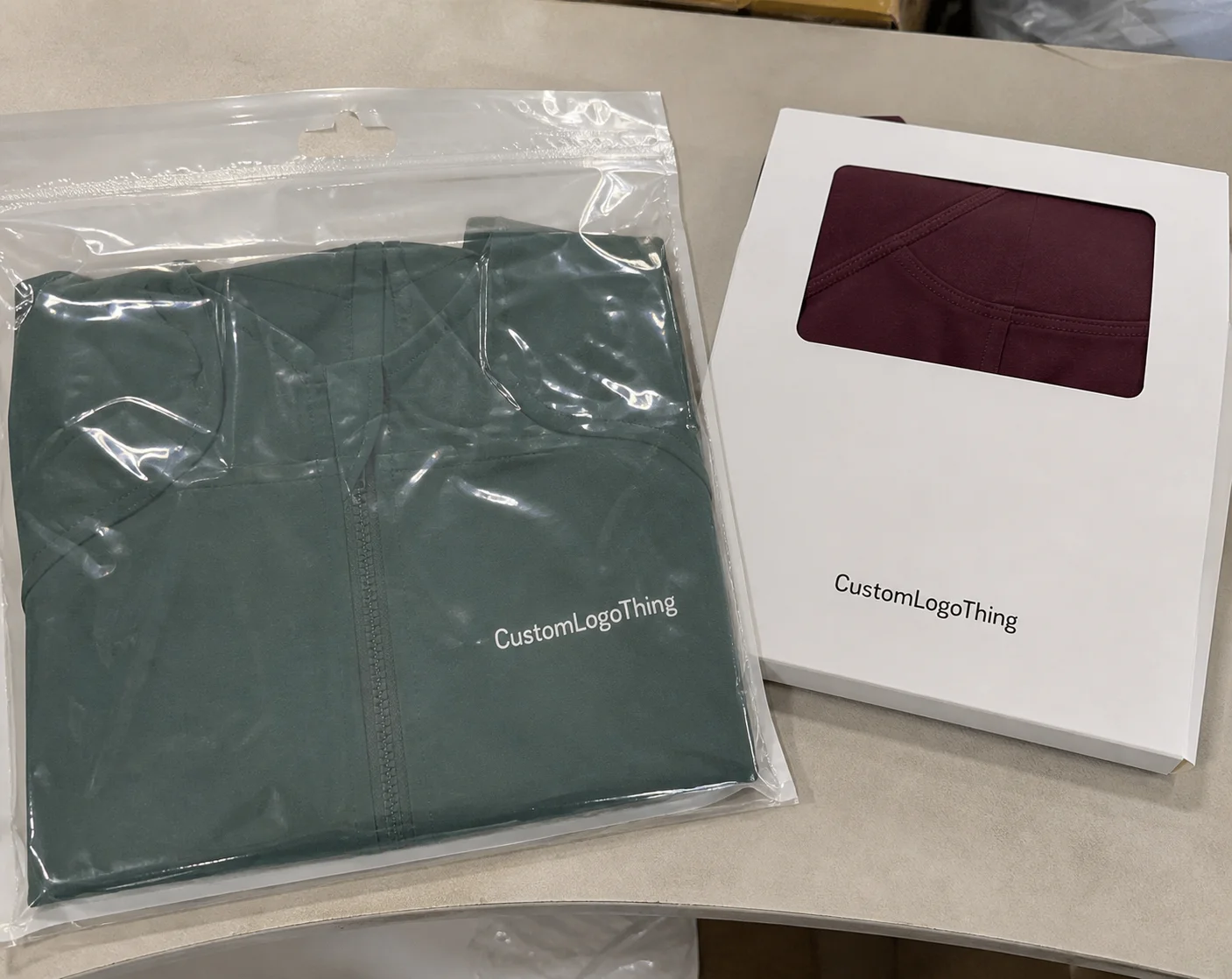
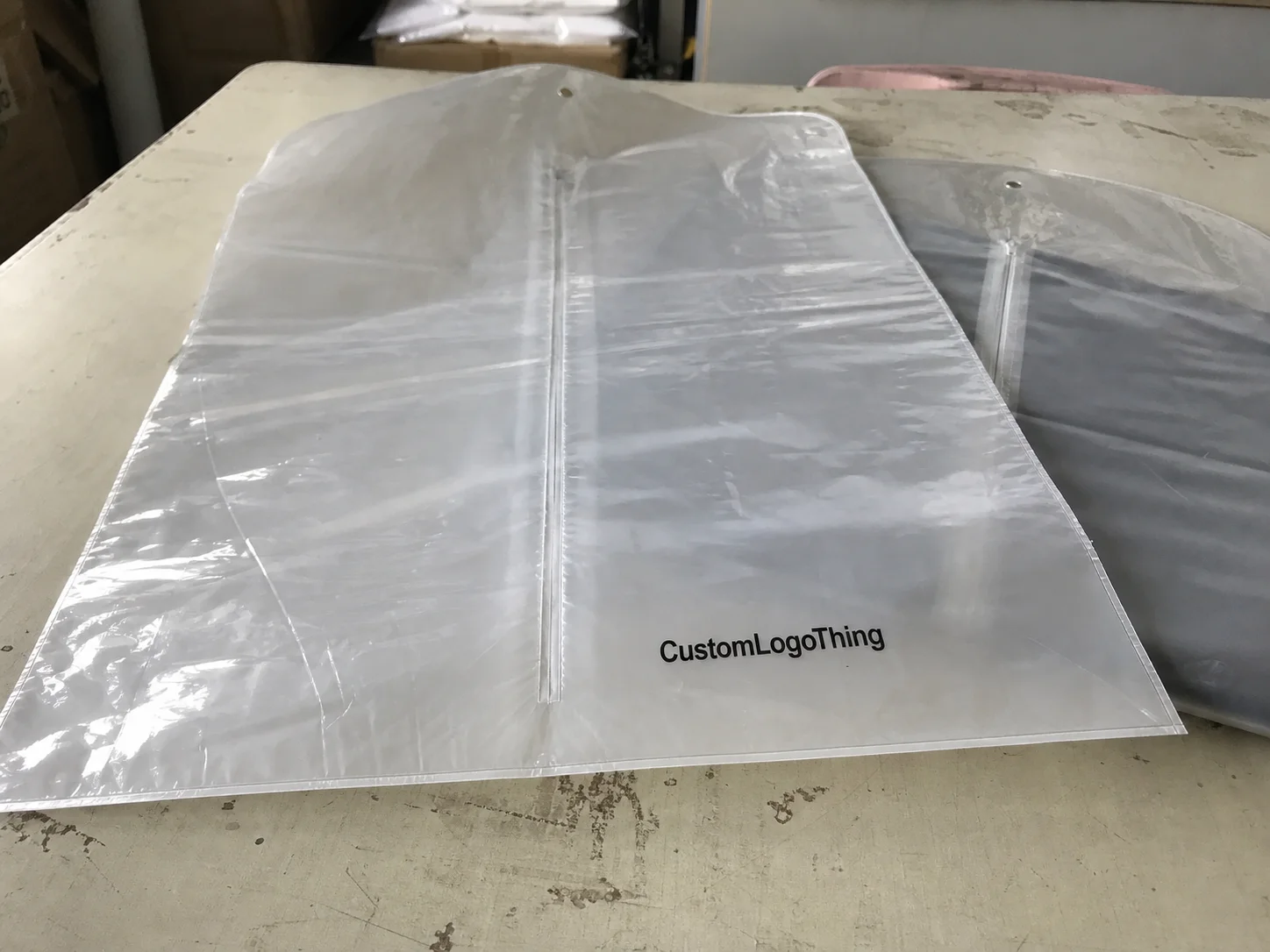
Buyer Fit Snapshot
| Best fit | Logo Packaging Design Brands Stand Out projects where brand print, material claims, artwork control, MOQ, and repeat-order consistency need to be specified before quoting. |
|---|---|
| Quote inputs | Share finished size, material target, print colors, finish, packing count, annual reorder estimate, ship-to region, and any compliance wording. |
| Proofing check | Approve dieline scale, logo placement, barcode or warning zones, color tolerance, closure strength, and carton packing before bulk production. |
| Main risk | Vague material claims, crowded artwork, missing packing details, or unclear freight terms can make a low unit price expensive after revisions. |
Fast answer: Logo Packaging Design Brands Stand Out: Material, Print, Proofing, and Reorder Risk should be specified like a repeatable production item. The safest quote records material, print method, finish, artwork proof, packing count, and reorder notes in one written spec.
Production checks before approval
Compare the actual filled-product size with the drawing, then confirm tolerance on folds, seals, hang holes, label areas, and retail display edges. Reserve space for logos, QR codes, warning copy, and material claims before decorative graphics fill the panel.
Quote comparison points
Review material grade, print process, finish, sampling route, tooling charges, carton quantity, and freight assumptions side by side. A quote is only useful when the supplier can repeat the same color, closure quality, and packing count on the next order.
Logo Packaging Design Tips That actually move product usually start with a rude little truth: a $0.18 change per unit can beat a clever concept that costs three times more and still looks confused on the shelf. I remember standing on a carton line in Shenzhen, coffee in one hand and a sample in the other, while a client argued that the logo needed another 8 mm of breathing room on a 350gsm C1S folding carton. We made the adjustment, switched from gloss flood to matte aqueous coating, and suddenly shoppers grabbed that box first in the first 3 days of launch. Funny how a tiny decision can do the heavy lifting while the "big idea" sits there looking proud of itself. If you care about branded packaging, product packaging, or custom printed Boxes That Sell instead of just posing for photos, you need logo packaging design tips that treat logo, structure, color, and finish like one decision. Not four separate fights.
Logo Packaging Design Tips: Why Small Details Sell Bigger
The smartest logo packaging design tips rarely involve making the logo bigger. They involve making the package easier to read in 2 seconds, from 6 feet away, or from a phone screen where the thumbnail is barely wider than a postage stamp. I learned that in a buyer meeting for a candle brand in Los Angeles, where the "too plain" sample sat ignored until we added a tiny 1.5 mm blind emboss and shifted the logo one panel over by 4 mm. That tweak cost about $0.09 per unit at 5,000 pieces, and the box suddenly felt pricier without shouting. Honestly, I love when the simplest fix does the most damage. In a good way.
Packaging is not decoration. It is the first salesperson on the shelf, in a shipping carton, and in a marketplace listing where the photo does half the selling. Good logo packaging design tips help you control the first thing people notice: the brand name, the product name, or the actual offer. If the package screams "premium" but the structure looks flimsy, shoppers catch the mismatch instantly. I have seen that with a 350gsm C1S carton printed in Dongguan that looked fine in mockups and then fell apart visually under harsh retail lighting because the logo had weak contrast and the supporting copy got buried under a decorative pattern. The client called it "subtle." The shelf called it "what am I looking at?"
There is a boring part here that people like to skip. You are not designing art for a frame. You are designing package branding that has to survive handling, stacking, shipping, and one distracted shopper who is already halfway to the next aisle. The logo packaging Design Tips That matter most are the ones that keep the design readable after a forklift, a courier bag, and fluorescent shelf lights have done their worst. If you want a place to compare structures before you lock anything in, browse our Custom Packaging Products and see how much the box shape changes the way a logo reads. I have lost count of how many times a brand fell in love with a flat render and then looked at the real box and said, "Oh. That's not the same thing."
"The buyer does not forgive confusion. If the box takes more than two seconds to understand, they move on." That is what a retail manager in Chicago told me after we went through twelve sample packs over coffee and a pile of corrugated shippers from Ningbo.
I agree with her. A lot of logo packaging design tips fail because people treat packaging like a logo poster. Wrong job. The box has to carry the brand, protect the product, and still make the customer want to touch it. That matters in retail packaging and ecommerce packaging, where the same carton may need to look sharp on a shelf, survive ISTA 3A-style drop testing, and photograph cleanly against a white background in a studio in Guangzhou. I have seen beautiful boxes fail because the first courier looked at them the wrong way. Not a joke. Just a very expensive joke-shaped problem.
What Are the Best Logo Packaging Design Tips?
The best logo packaging design tips are simple: keep the logo readable, keep the hierarchy clear, and make sure the material supports the story. Start with legibility at arm's length, then test the box in a real photo, then check it in hand. If the logo disappears, the package loses its job. If the finish overwhelms the message, the package looks expensive and confusing, which is not a compliment. I have watched brands spend weeks debating a decorative pattern and then fix the whole thing by moving the logo 5 mm and switching to a cleaner stock. That is usually the part nobody wants to hear. It is also usually the part that works.
Good logo packaging design tips also respect the difference between shelf presence and screen presence. A package has to read in a retail aisle, on an ecommerce product page, and in a tired customer photo shot under bad lighting. That means your logo, product name, and supporting copy need a clear order. If everything competes, nothing wins. And if nothing wins, the box becomes background noise with a barcode.
One more thing: a good package is not just "pretty." It should be printable, repeatable, and cheap enough to reorder without a headache. I am saying this because I have seen brands fall in love with a special effect that required three extra setup steps and a prayer. That is a fun mood for a sample round, not for a second production run. The strongest logo packaging design tips keep the design intent intact even when a different press crew, different paper batch, or different supplier is running the job six months later.
How Logo Packaging Design Works From Brief to Box
Good logo packaging design tips start with a real brief, not with color arguments in a group chat that never should have existed. I want product dimensions, target audience, channel, quantity, and a real budget range before anybody opens Illustrator. If the product is 92 mm wide, 48 mm deep, and 130 mm tall, the logo placement should follow the dieline, not get improvised after the structure is already approved. That sounds obvious until you watch a brand force a centered logo onto a side panel that is only 24 mm wide. I have sat through that meeting in Shanghai. It is exactly as painful as it sounds.
The workflow usually runs through five steps: brief, dieline, layout, sample, and production. The brief sets the business goal. The dieline locks the physical shape. The layout decides where the logo sits, what the customer sees first, and how much breathing room the product name gets. Then comes sampling, where the difference between a flat PDF and a real carton gets exposed fast. On one corrugated mailer project in Ho Chi Minh City, the logo looked balanced on screen, but the first sample showed the side seam cutting through the lower right of the mark. We fixed it by moving the mark 6 mm left and narrowing the legal line by 4 pt. That kind of fix feels tiny until you realize it saves the whole run from looking like a printer sneezed on it.
Timeline matters too. A simple folding carton with one color and no special finish can move from approved proof to production in about 12 to 15 business days after proof approval. Add foil stamping, embossing, or a soft-touch laminate, and you are usually looking at another 3 to 5 business days for tooling and curing. A custom structure with new cutting dies can push the schedule into the 4 to 6 week range, especially if the client changes dimensions after the sample round. I had a skincare brand in Austin lose eight days because they changed the bottle height after the first mockup. That was not bad luck. That was a decision made with all the grace of a forklift in a china shop.
Most bottlenecks show up in the same three places. Artwork arrives late and the printer waits on a corrected PDF. The product size changes after sampling, which means the dieline no longer fits. A brand approves a finish like spot UV or debossing without understanding that those effects can alter both cost and lead time. If you want logo Packaging Design Tips That save time, send clean vector art, exact measurements, and one person with final approval authority. Five opinions and no owner is how a 10-day job turns into a 30-day mess. I wish that was hyperbole. It is not.
Key Factors Behind Strong Logo Packaging Design
Logo scale is the first fight. Too small, and the brand disappears. Too large, and the package starts feeling like a billboard with a product hiding inside. One of the better logo packaging design tips I give clients is to check legibility at arm's length, not only on a 27-inch monitor. If the box is a 50 mm cosmetics carton, the logo might need to stay within a 22 to 28 mm height zone just so it can breathe around the product name and ingredient callout. A rigid gift box gives you more room, but the rule still holds: clarity wins. I would rather see a logo that behaves than one that tries to win an ego contest with the packaging.
Color contrast comes next. Uncoated kraft stock gives a warm, natural feel, but it can dull bright logo colors by 10 to 20 percent once ink hits the fibers. Matte laminated artboard reads cleaner and more modern, but it can flatten texture if the palette is already soft. I remember a coffee client in Seattle who insisted on cream ink on brown kraft. On screen it looked "organic." On the sample, it was barely readable from 3 feet away. We switched to a darker brown logo with a 0.25 pt outline and the whole thing got stronger. That is the kind of practical fix logo packaging design tips are supposed to give you. Not poetry. Just results.
Finish should support the mark, not smother it. Foil, embossing, spot UV, and debossing are useful tools when they pull the eye toward the logo or the product name. They are ugly when every square inch gets the same treatment. I once visited a plant in Shenzhen where a cosmetics brand wanted foil on the logo, foil on the pattern, foil on the tagline, and a glossy flood coat on top. It looked expensive in the wrong way. The whole carton reflected store lights like a cheap car wrap. A cleaner version with a single foil logo and a matte soft-touch laminate cost $0.14 more per unit, but it read as controlled instead of noisy. And controlled is usually what sells premium.
Audience and category fit matter just as much. Luxury candle packaging does not use the same visual language as snack box packaging, and skincare cartons should not copy tech accessory sleeves. A seed oil brand may want earthy stock, muted colors, and package branding that feels handmade. A protein bar needs sharp contrast, short copy, and fast recognition. Strong logo packaging design tips always ask one question: what category am I trying to signal before the customer even reads the details? If the answer is "I’m not sure," the box is already in trouble.
Substrate changes everything, and anyone who pretends otherwise has probably never stood next to a press crew at 6 a.m. in Dongguan. A 16pt SBS carton prints differently from a 350gsm C1S board, and a rigid box wrapped in art paper behaves differently again. If your packaging needs to feel premium but still remain recyclable, I would rather see a carefully chosen board and a restrained finish than a pile of decorative tricks fighting the material. If sustainability is part of your brand story, check the Forest Stewardship Council's chain-of-custody standards at FSC before you lock the paper spec. Saves you from that awkward moment where "eco-friendly" turns into "we guessed and hoped for the best."
Logo Packaging Design Tips on Cost and Pricing
Pricing is where a lot of packaging dreams get mugged by reality. The main cost drivers are size, material, print colors, quantity, finishing, and whether the structure needs a custom die. If you are comparing quotes for logo packaging design tips, ask each supplier for the same thing: unit price at 1,000, 3,000, and 5,000 pieces, sample cost, tooling cost, and what is included in the proofing round. A quote that looks cheap on page one can get ugly once plates, dies, and freight show up on page three. I have seen those "cheap" quotes turn into a scavenger hunt for hidden fees. No thanks.
I have negotiated with converters in Guangzhou who shaved $0.07 per unit just by dropping a fifth ink and switching from soft-touch lamination to matte aqueous coating. On 20,000 cartons, that saved $1,400. Not pocket change. I have also seen a brand choose the lowest quote from a supplier in Ningbo and then pay extra for a second sample, a corrected die, and a rushed reprint because the first proof clipped the logo by 5 mm. Cheap gets expensive fast when the file is wrong. The printer does not care that the logo is floating in a weird place because "the brand team felt it needed drama." They care that the box fits and the press runs.
Here is a simple comparison I use in client meetings when the budget is tight but the expectations are not. I keep this list on hand whether I am quoting a launch in Dallas or a second run out of Dongguan, because the numbers behave the same even if the accents do not. These are ballpark ranges, not hard promises. Paper markets, labor, shipping, and exchange rates can shift a quote faster than a brand team changes its mind.
| Option | Typical Unit Price | Best For | Watch-Out |
|---|---|---|---|
| Folding carton, 1-2 colors, no special finish | $0.18-$0.32 at 5,000 pieces | Starter retail packaging, simple branded packaging | Can look flat if the logo and product name fight each other |
| Kraft mailer with 2-color print and matte varnish | $0.35-$0.62 at 5,000 pieces | Direct-to-consumer shipping and subscription boxes | Kraft can mute light brand colors by 10 to 20 percent |
| Rigid setup box with foil and embossing | $1.80-$4.20 at 2,000 pieces | Luxury sets, gift packaging, premium launches | Tooling and hand assembly add real time and labor |
| Corrugated retail shipper with 4-color print | $0.72-$1.40 at 10,000 pieces | Heavy products, ecommerce, shelf-ready outer cartons | Print detail can soften on rough flute surfaces |
The other pricing trap is comparing the wrong quantities. A unit price at 1,000 pieces can be twice as high as the 5,000-piece price, and that is normal because setup costs get spread out differently. If you only ask for one quote level, you are either leaving money on the table or buying inventory you do not need. I usually ask for 500, 2,000, and 10,000 units so the client can see the slope of the pricing curve, not just the headline number. One line item never tells the full story, and anyone who says it does is trying to sell you something.
Logo packaging design tips should also include sample costs, because samples are not free magic. A plain printed mockup might cost $25 to $60, a structural sample can run $40 to $120, and a finished pre-production sample with foil or embossing can hit $80 to $150 depending on tooling. If a supplier says sample approval is included, ask whether shipping, rework, and one revision are covered. The extra $35 on paper matters less than the $7,500 reprint that follows a bad assumption. I once watched a team in Toronto celebrate a "free" sample, then discover the supplier had quietly excluded the revised die. The celebration lasted about as long as a sneeze.
Step-by-Step Logo Packaging Design Tips for a Cleaner Workflow
The cleanest packaging workflows start with honest inputs. I want the product size, target customer, selling channel, and budget before I talk about logo placement. A direct-to-consumer brand shipping 2,000 units a month in Portland needs different logo packaging design tips than a retail brand chasing a 40-store launch in Chicago. The first one cares about shipping durability and pack-out speed. The second cares about shelf read from 10 feet away and how the box stacks next to competitors. Same word count, very different job.
Then I build the layout in layers. First comes the logo and its safe area. Then the product name. Then the supporting line, ingredients, claims, and legal copy. Last comes color and finish. That order matters because too many brands start by choosing a texture or a foil effect and then try to squeeze the message into whatever is left. I have seen that go sideways on a 2-piece rigid box where the logo was gorgeous but the product name sat so low it got lost in the fold line. Gorgeous and useless is still useless.
When I review mockups, I check three environments: warehouse light, retail light, and a phone screen. The same carton can look rich in a studio render and muddy under the wrong LED tone. A snack brand I worked with approved a bright blue carton online, then hated the first sample because the ink shifted slightly green on uncoated board. We corrected the Pantone target, adjusted the saturation by 6 percent, and reprinted before the full run. That is a painful step, but it is cheaper than 9,000 bad boxes. Painful now beats painful forever. I have enough gray hair already.
If you want a smarter production flow, use a small preflight checklist before anything goes to press. I keep mine to six items: dieline version, logo file in vector format, color mode, bleed, barcode placement, and legal copy. I also ask for one decision-maker, not four opinions and a "let's see what everyone thinks" email chain. If you need a source for actual box options while you plan, the custom printed boxes section can help you compare formats without guessing. Guessing is adorable until it becomes a purchase order.
For shipping-heavy projects, I also reference packaging test standards early, not after the box fails in transit. If the outer carton is going into ecommerce, I check drop, vibration, and compression expectations against ISTA guidance. That does not mean every project needs a laboratory-grade test plan. It does mean You Should Know whether your package branding is trying to survive a 1-meter drop, a warehouse stack, or just a retail shelf. I have seen teams discover that question after launch, which is a very expensive time to become curious.
- Logo files: vector AI or PDF, outlined fonts, black text at 100% K.
- Color prep: Pantone references for spot inks, CMYK values for process print, and one target proof.
- Measurements: final product dimensions with a 2-3 mm tolerance window.
- Copy block: short claims, barcodes, regulatory text, and country-of-origin line.
- Approval: one final sign-off email with date, version number, and sample notes.
Common Logo Packaging Design Mistakes to Avoid
The biggest mistake is making the logo too small because someone is afraid of "overselling." That usually turns the package into a whisper. Logo packaging design tips should not tell you to hide the brand. They should tell you to place it where it can do its job. If the logo disappears from 1.5 meters away, the customer sees a random box instead of a brand. I watched that happen with a tea carton where the mark sat on the side panel, low and tiny, while the front panel was packed with pattern. The product sold, but nobody remembered the label. Great if you sell tea. Terrible if you want repeat recognition.
The second mistake is over-finishing. A box can absolutely have foil, emboss, spot UV, and a premium feel, but not all at once on every surface. One beauty client in New York asked for gold foil, silver foil, raised varnish, and a textured laminate on a 75 mm carton. The sample looked like it had been dressed for a costume party. We pulled it back to one foil logo, one matte board, and clean white negative space. The price dropped by $0.11 per unit, and the box looked more intentional. The client called that "simpler." I called it "finally something I can look at without blinking twice."
The third mistake is designing for a screen and forgetting the real stock. Colors shift. Paper absorbs. Ink behaves differently on coated board, uncoated kraft, and corrugated fluting. If you approve a pale gray logo on a white monitor, then print it on a warm-toned board, the mark can vanish by 15 to 25 percent visually. That is why logo packaging design tips always include a sample check. The test is not "does it look nice on Figma?" The test is "does it still read in hand?" Real paper is rude like that. It does not care about your mood board.
The fourth mistake is making Instagram the only audience. Pretty boxes are easy. Durable, legible, and reorderable boxes take more thought. I have seen brands spend $600 on mockup photography and then ignore shipping crush resistance, only to reprint 3,000 sleeves because the mailer dented in transit. A design that photographs well but fails in a courier bag is not clever. It is expensive. And yes, I have heard the "but the unboxing video looked amazing" line. Cool. The product still arrived looking like it lost a fight.
The fifth mistake is forgetting repeat production. If the first run depends on a special foil from one supplier in Taipei, or a hand-applied sticker nobody can source again, you are building a future headache. Better logo packaging design tips make room for scale. They think about a second order, not just launch day. That is where the money lives. Launch-day drama gets attention. Reorderability pays the bills.
And yes, some mistakes get solved with one real conversation. A client once asked me if their logo could be stamped in a dark ink on black board because "it would feel subtle." I told them the same thing I tell every brand trying to be clever with unreadable packaging: subtle is fine, invisible is dumb. We switched the board to deep charcoal, kept the black mark, and added a 0.5 mm gloss keyline. Small move, huge difference. The box went from "why bother?" to "oh, that's good."
What To Do Next With Your Logo Packaging Design
If your current packaging feels flat, start with a simple audit. Ask where the weakest point is: logo size, readability, cost, structure, finish, or shipping durability. Do not try to fix all six at once. One clean change at a time is how you get reliable results. I have saved clients thousands by changing only the panel hierarchy or the coating, not the entire concept. Wholesale reinvention sounds fun until you see the invoice.
Then collect evidence. Put three competitor packages on your desk and add one of your own best-selling products beside them. Compare height, contrast, logo placement, and shelf presence. If your box looks quieter than the cheapest rival and more complicated than the premium one, you have a positioning problem, not just a design problem. That is exactly where practical logo packaging design tips earn their keep. I like this part because it cuts through the nonsense. The box either holds its own or it does not.
After that, ask a printer for three things: the dieline, a sample quote, and one physical mockup. If they cannot provide a dieline without vague answers, you are not far enough along to approve art. If the sample quote hides finishing charges, keep asking until the line items are clear. And if you need a range of package options while you compare, our packaging lineup is a useful place to start without overcommitting to a structure too early. No guesswork, no drama, less regret later.
My approval checklist is short and boring, which is exactly why it works. I verify size, color, logo placement, barcode, legal copy, and shipping durability. Then I look at the box in hand, not just in a mockup. If it still feels balanced under a 5000K light and the logo reads in 2 seconds, I move it forward. If it does not, I fix it before the printer makes 8,000 copies of the problem. There is nothing glamorous about catching mistakes early, but there is a lot of money in it.
For brands that want cleaner package branding, the next move is not more decoration. It is better decisions. Use stronger hierarchy, choose a stock that matches the story, and keep finishes honest. Good logo packaging design tips do not just make the box prettier. They make the whole product easier to understand, easier to sell, and easier to reorder without drama. If you remember one thing, make it this: the logo should guide the package, not shout over it, and the smartest logo packaging design tips are the ones that help the box do its job on the shelf, in the mail, and in the customer’s hand. Start there, and you are already ahead of half the market.
How do I start with logo packaging design for a small brand?
Start with one product, one audience, and one sales channel so the box has a real job. If your first run is 1,000 units, keep the structure simple, choose one strong finish, and follow logo packaging design tips that prioritize readability over decoration. A clean folding carton or mailer often beats an overbuilt premium box when the budget is under $2,000, especially if your MOQ from a factory in Shenzhen or Dongguan sits near 500 to 1,000 pieces. I have seen smaller brands try to look "big" and end up looking like they borrowed someone else’s clothes. Cute idea. Bad result.
What affects logo packaging design cost the most?
Size, quantity, material, and finishing usually move the price fastest. A 2-color carton at 5,000 pieces might sit near $0.18 to $0.32 per unit, while foil, embossing, or rigid construction can jump that price several times over. A 350gsm C1S artboard carton with matte aqueous coating is usually cheaper than a rigid setup box wrapped in 157gsm art paper and hand-assembled in Guangzhou. Artwork complexity matters too, because each revision and structural change adds setup time and more back-and-forth. Every extra special effect sounds harmless until the quote turns into a novella.
How long does the logo packaging design process usually take?
Simple jobs can move from concept to production in a few weeks, especially when the dieline is standard and the art is ready. Custom structures, special coatings, or multiple sample rounds can stretch the schedule by 2 to 4 weeks. For a basic folding carton, production is often 12 to 15 business days after proof approval; for foil stamping or embossing, add another 3 to 5 business days, and for a new cutting die in Ningbo or Dongguan, plan for 4 to 6 weeks. In practice, approval is usually slower than printing, so clear feedback saves more time than almost anything else. I have watched a project stall for four days because nobody wanted to own the final yes. That is not a process. That is a group therapy session.
Should my logo be the biggest element on the package?
Not always. The logo should be visible and recognizable, but the product name and main selling message still need room to breathe. If the logo dominates everything else, the package can feel nice but confusing, which is a very expensive way to waste shelf space. On a 60 mm cosmetic carton or a 95 mm snack sleeve, I usually prefer the logo to sit high and clean rather than take over the whole front panel. The better logo packaging design tips balance hierarchy instead of turning the box into a billboard. A box that shouts everything usually communicates nothing.
What should I ask a printer before approving the artwork?
Ask about bleed, dieline accuracy, material stock, color shifts, sample costs, and how finishing affects the timeline. Also ask what happens if the first proof misses the mark, because reprint policy matters when the artwork looks great on screen and strange on board. I always ask for a corrected proof number, the paper spec, and a final sign-off trail before production starts. If the supplier is in Shenzhen, Shanghai, or Ho Chi Minh City, I also ask who checks the barcode and barcode quiet zone before the plates are made. That little paper trail has saved me from more headaches than I care to count.