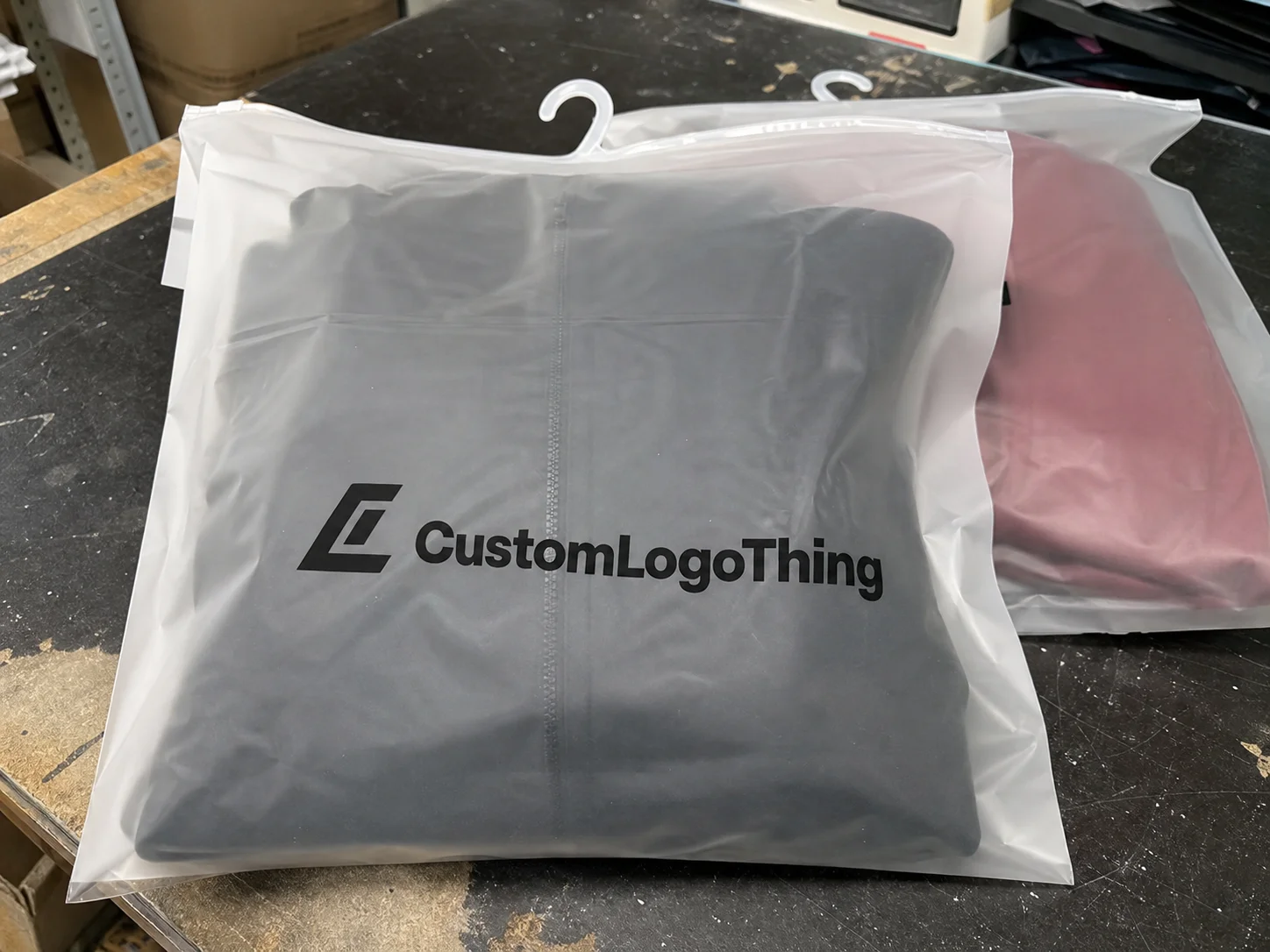
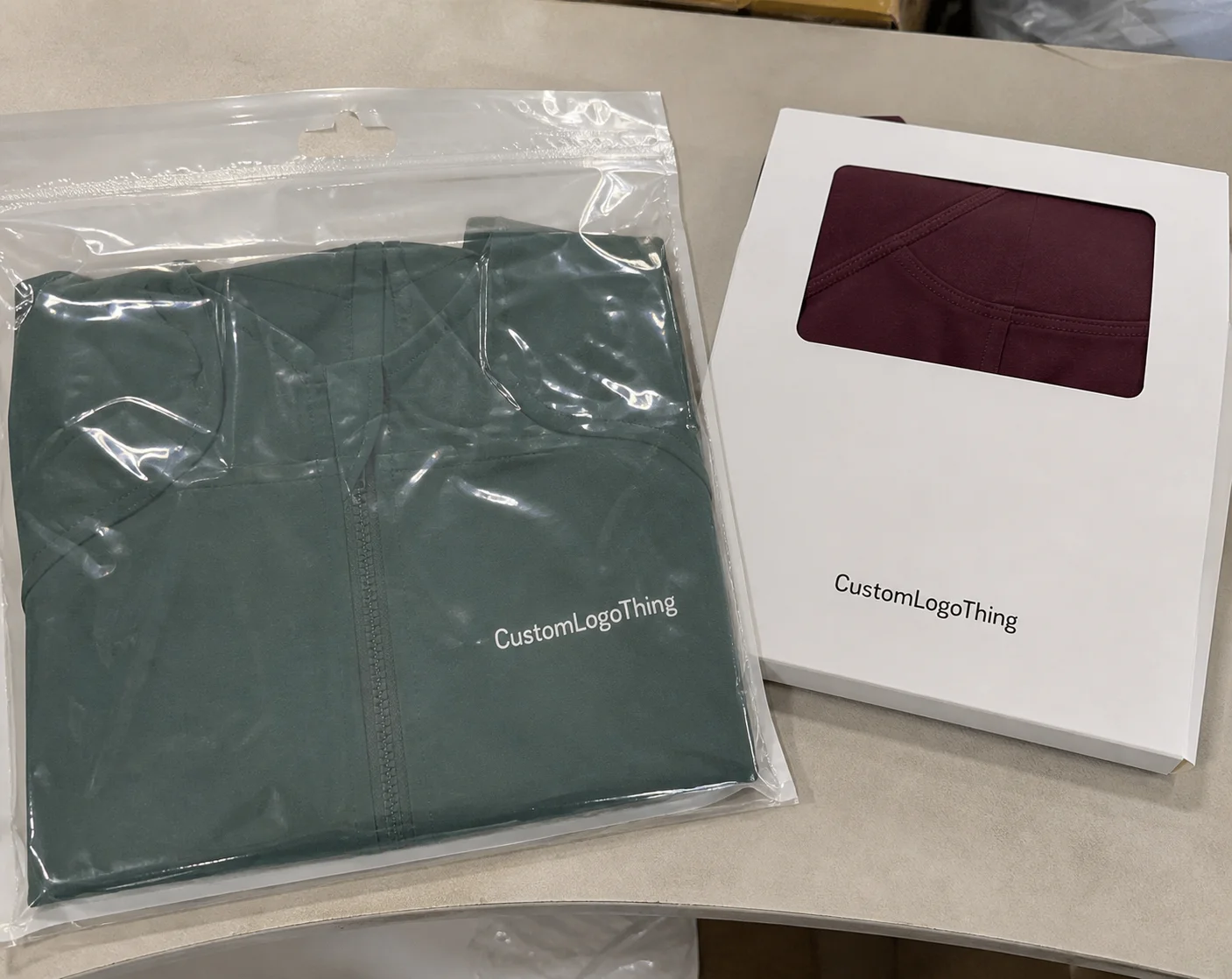
Buyer Fit Snapshot
| Best fit | Custom Retail Bags Wholesale Price projects where brand print, material claims, artwork control, MOQ, and repeat-order consistency need to be specified before quoting. |
|---|---|
| Quote inputs | Share finished size, material target, print colors, finish, packing count, annual reorder estimate, ship-to region, and any compliance wording. |
| Proofing check | Approve dieline scale, logo placement, barcode or warning zones, color tolerance, closure strength, and carton packing before bulk production. |
| Main risk | Vague material claims, crowded artwork, missing packing details, or unclear freight terms can make a low unit price expensive after revisions. |
Fast answer: Custom Retail Bags Wholesale Price: Production Spec, Color Control, and Delivery Risk should be specified like a repeatable production item. The safest quote records material, print method, finish, artwork proof, packing count, and reorder notes in one written spec.
Production checks before approval
Compare the actual filled-product size with the drawing, then confirm tolerance on folds, seals, hang holes, label areas, and retail display edges. Reserve space for logos, QR codes, warning copy, and material claims before decorative graphics fill the panel.
Quote comparison points
Review material grade, print process, finish, sampling route, tooling charges, carton quantity, and freight assumptions side by side. A quote is only useful when the supplier can repeat the same color, closure quality, and packing count on the next order.
Custom Retail Bags Wholesale Price: What You Should Know
If you are budgeting for custom retail bags wholesale price, the trap shows up fast. Two bags can sit side by side, look almost identical, and still land in very different cost brackets because of paper grade, handle style, coating, and finish. I have watched buyers save $0.02 per unit on a paper shopping bag, then pay for it later when twisted handles pulled loose or the coating scuffed after 48 hours on the sales floor. That is not theory. I have seen it on factory floors in Shenzhen and Dongguan, in supplier meetings in Guangzhou, and during negotiations where a quote looked great until freight, plates, and sample fees walked in with muddy boots.
I keep the conversation practical. You need a way to judge custom retail bags wholesale price against strength, print quality, and store presentation, not against the lowest number in a spreadsheet. The sections that follow break down where the money goes, which specs matter, and how to ask for a quote that actually compares to another quote. I also share the details I ask for before I give anyone a price, because a sloppy spec sheet can distort custom retail bags wholesale price more than most people expect. Honestly, a messy email chain pretending to be a spec sheet can ruin a 5,000-piece order faster than bad weather in Ningbo. If your retail packaging has to hold up on a sales floor, in a shipping carton, and in a customer selfie, the price only matters after the bag survives the job.
Why do custom retail bags wholesale price quotes vary so much?
A low custom retail bags wholesale price only helps if the bag still does the job. That sounds obvious, yet buyers keep comparing unit price as if a 20-cent bag and a 26-cent bag were the same product. They are not. A bag made with 140gsm kraft, narrow handles, and a one-color print can be far cheaper than a bag built with 350gsm C1S artboard, a reinforced top edge, and foil stamping. The first one may be fine for a lightweight accessory brand. The second may be the only sensible choice for cosmetics, candles, or shoes. I have seen people argue over six cents like it was a moral issue, then approve a $650 air freight bill without blinking. Humans are funny like that.
The part most people miss is the landed cost. A low custom retail bags wholesale price can be followed by setup charges, plate fees, artwork edits, sample charges, pallet freight, or export paperwork. That is how a quote that looked 12% cheaper ends up costing more. I saw this with a boutique chain that ordered 8,000 paper bags from a low-cost vendor in Yiwu. The bags arrived on time, but the matte coating scuffed badly under store lights in the first week. They reordered from another supplier within three weeks and paid freight twice. Expensive lesson. Clean lesson, too. I still remember the buyer staring at the damaged bags and saying, very calmly, "Well, that was a stupid way to save $280."
Smart buyers treat custom retail bags wholesale price like a sourcing decision, not a bargain hunt. Ask what the bag must carry, how it will be handed to customers, whether it needs to support premium retail packaging, or whether the print has to match a strict Pantone target. If a supplier cannot explain how the quote was built, the price is still hiding part of itself. And hidden costs are never shy; they always show up later with a clipboard and a freight invoice from Foshan.
"The cheapest bag is expensive the moment it fails on the sales floor." A chain-store buyer said that to me after a shipment of 180gsm gusset bags snapped at the bottom of a busy checkout lane in Shanghai.
The real goal is control. Once you know what drives custom retail bags wholesale price, you can decide whether the money should go into structure, finish, or volume. That beats chasing a number with no context. It also keeps everyone from pretending a premium look can survive on discount construction. It cannot. I have watched that movie in factories outside Dongguan, and the ending is always the same: returns, complaints, and somebody sighing in a warehouse office at 7:40 p.m.
Bag Styles, Materials, and Finish Options That Shape Value
Bag style changes presentation and cost. It also changes custom retail bags wholesale price faster than many buyers expect. Paper shopping bags are still the workhorse for retail packaging, especially in 250 x 320 x 100 mm and 320 x 420 x 120 mm sizes. Laminated bags sit in the premium middle, especially when a brand wants sharper color and a firmer feel. Boutique bags with rope handles, rigid inserts, or specialty paper stocks sit higher on the price ladder. Reusable non-woven bags, meanwhile, win on durability and repeated impressions, which is why I see them used for trade events in Guangzhou, Shenzhen, and Shanghai more often than one-time handoffs.
Material choice matters because each substrate behaves differently. 120gsm kraft paper gives a natural look and keeps costs under control. Coated paper prints brighter and feels more polished. 350gsm C1S artboard can create a more elevated retail packaging result, especially with lamination or foil. Reusable PP or non-woven materials are better for durability and weight, but they are not the answer for every brand. For a small jewelry label, a heavy non-woven tote may feel off. For a hardware store in Chengdu, it may be exactly right. I have had clients fall in love with a fancy material because it looked "premium" in the sample room, then hate it later because it clashed with the actual product. Sample rooms are liars sometimes. Beautiful liars, but still liars.
The real question is not "What looks expensive?" The better question is "What fits the product and the traffic?" I remember standing beside a folder-gluer in our Shenzhen facility while a client compared two sample bags with the same logo. One had glossy lamination and gold foil. The other had a clean kraft body with a bold two-color print. The foil version looked richer under spotlights. The kraft version looked more confident on a crowded shelf. The client picked the kraft version because it matched the store's package branding and reduced custom retail bags wholesale price by $0.07 per unit at 5,000 pieces. That was the right call, and I said so then.
Finish options are where quotes drift apart. Matte lamination cuts glare and gives a calmer feel. Gloss lamination adds punch, though it can show scratches more easily. Soft-touch coating creates a velvety handfeel, but it usually raises custom retail bags wholesale price because it adds another coating step and more time on press. Foil stamping, embossing, and spot UV all add visual lift, but they need to earn their place. If the bag is for daily checkout traffic and ends up in shopping carts in a mall in Guangzhou or Bangkok, durability needs to win before decoration does. I am not anti-decoration. I am just anti-overcooked packaging that looks great in a deck and tired in real life.
| Bag Type | Typical Use | Approx. Wholesale Price Range | Main Cost Driver |
|---|---|---|---|
| Kraft paper shopping bag | Apparel, gift shops, general retail | $0.15-$0.30/unit at 5,000 pcs | Paper weight and handle style |
| Coated paper boutique bag | Beauty, accessories, premium retail | $0.26-$0.52/unit at 5,000 pcs | Print coverage and lamination |
| Laminated gift-style bag | Luxury and seasonal promotions | $0.40-$0.88/unit at 5,000 pcs | Foil, embossing, and rigid feel |
| Reusable non-woven bag | Events, promotions, heavier items | $0.20-$0.46/unit at 5,000 pcs | Fabric weight and print method |
Those numbers are working ranges, not promises. They still show how a material change or finish change can move custom retail bags wholesale price more than a tiny artwork edit. If your brand sells lightweight apparel, a strong kraft bag may give the best balance. If you sell fragrances or premium candles, a coated or laminated build may earn its cost because the bag is part of the package story. I have yet to meet a product category that ignores presentation entirely. Even people who say they do care usually care five minutes later, once they see a weak bag in a customer selfie taken under LED lights at 6:15 p.m.
For buyers comparing options, I often point them to Custom Packaging Products alongside the bag conversation, because the same brand may need boxes, inserts, and bags that work together. Consistency across branded packaging usually matters more than one flashy piece. A bag that fights the box is not a brand system; it is an argument, and I have seen enough of those in Ningbo conference rooms to last a lifetime.
Custom Retail Bags Wholesale Price: What Changes Your Unit Cost
Three variables move custom retail bags wholesale price faster than the rest: size, print complexity, and quantity. Size affects paper use, die cutting, and shipping volume. A 200 x 250 x 90 mm bag may use far less board than a 260 x 350 x 120 mm bag, and that gap grows across 10,000 units. Print complexity matters because each extra color, screen, or plate adds labor and setup. Quantity matters because setup costs spread across more pieces as the run gets larger. A 2,000-piece order can carry the same prepress burden as a 20,000-piece order. That is why the unit price falls as volume rises.
Think of it this way. A clean two-color logo on one standard size is easy to price. A bag with full-bleed artwork, metallic ink, inside printing, and a custom rope handle asks the line to do more work, and custom retail bags wholesale price follows that work. I once negotiated with a paper mill in Zhejiang for a cosmetics buyer who wanted a very specific warm ivory board, 310gsm, with a natural texture. The mill could source it, but only in a larger lot. The quote looked high until we standardized the bag size and removed a decorative inside print. That Cut Waste, reduced setup complexity, and brought the price back into a sane range. Sane is underrated in sourcing. I would happily put that on a T-shirt if anyone asked.
Structure is another lever. A reinforced top edge, a cardboard bottom insert, or double-layer handles improves strength. It also increases material use. Sometimes that extra cost is worth every cent. A candle retailer I worked with had customers carrying 1.2 kg glass jars across a mall in Hangzhou. After one month of failures, they changed to a heavier bottom board and wider handles. Their custom retail bags wholesale price rose by $0.04 per unit, but complaint volume fell sharply and replacement costs vanished. That beats winning a quote battle and losing margin later. I would rather explain a slightly higher price once than explain broken handles six hundred times.
Artwork can nudge the number too. If your logo uses four spot colors, the print method may need extra passes or different plates than a simple one-color mark. If your Pantone target must be exact, ink matching may need extra testing. If the design uses large solid areas, especially on coated paper, spoilage allowance may rise. None of that is drama. It is normal production reality, and it belongs in a real custom retail bags wholesale price discussion. A good buyer does not flinch at reality; they plan for it.
What can lower the number without hurting the brand
Standardizing bag size, reducing to two print colors, and choosing a stock handle instead of a custom one can trim custom retail bags wholesale price without making the bag look cheap. I have also seen buyers save money by removing artwork from the side gussets, where it adds little visibility but still costs press time. A cleaner layout often looks more premium than an overworked one. Honestly, I think some brands add extra print elements just because the blank space makes them nervous. Blank space is not an emergency, even if the marketing team behaves like it is one.
If you want a benchmark, ask for a quote on a defined spec: 250 x 320 x 100 mm, 180gsm kraft, twisted paper handle, two-color print, 5,000 pieces, shipped to one destination in Los Angeles or Rotterdam. Then request a second quote with foil or lamination. Seeing the gap side by side is more useful than asking for a vague estimate of custom retail bags wholesale price. Vague estimates are how teams convince themselves they have a budget when they really have a rumor.
For transport-sensitive projects, I also look at ISTA testing standards. A bag that looks good in a mockup is not automatically fit for a long freight chain or heavy retail use. Testing discipline protects presentation and profit at the same time. That is not exciting, but neither is paying for damage no one measured. A 48-hour scuff test in a Guangzhou sample room is a lot cheaper than a customer complaint thread on Monday morning.
Specifications You Must Confirm Before Ordering
If you want an accurate custom retail bags wholesale price, start with the specification sheet. Not a sentence in an email. A real spec sheet. I ask for seven items before I quote anything serious: bag size, depth or gusset, material type, thickness, handle style, reinforcement, and print method. If those are missing, the quote is only a guess with a polished wrapper. And I have seen plenty of polished wrappers in procurement. They tend to hide chaos well, usually right next to a spreadsheet with three tabs labeled "draft_final2."
Precise measurements matter more than people think. A 5 mm change in width can alter board use across an entire run. A deeper gusset can change how the bag folds in cartons. Handle placement affects die-cut alignment. Shipping volume changes too if the bag no longer nests efficiently. That is why vague requests like "medium bag with nice print" do not help shape custom retail bags wholesale price with confidence. Nice is not a dimension. Neither is premium, high-end, or sleek, no matter how many times someone puts it in an email subject line.
Artwork requirements should be spelled out as well. I want bleed, safe area, logo placement, color mode, and any Pantone callouts. If your brand needs exact color matching, say so early. If you can accept a close visual match, say that too. The answer affects ink choice and proofing time, which in turn affects custom retail bags wholesale price. I have seen projects stall for seven business days because nobody clarified whether a deep navy logo had to match a swatch card or just the website header. That week felt longer than it should have, which is saying something because factory weeks already run on a different clock.
A clear specification sheet also shortens sampling cycles. The first physical sample is often where assumptions fall apart. I remember a cosmetics client whose bag looked elegant in digital proof form but lost legibility once the matte coating softened the contrast. We adjusted the logo stroke width from 0.3 mm to 0.5 mm and fixed it before bulk production. That saved time and rework. It also kept the final custom retail bags wholesale price inside target because nobody had to restart print plates. Nobody likes redoing plates. Nobody. The plates never apologize.
A simple spec sheet should include
- Exact finished size in mm or inches
- Paper or fabric type, plus thickness or gsm
- Handle style, handle color, and attachment method
- Print colors, print coverage, and any inside printing
- Finish details such as matte lamination, gloss, foil, embossing, or spot UV
- Packaging quantity per carton and target delivery location
That list looks basic because it is. It is also the fastest way I know to stabilize custom retail bags wholesale price and cut back-and-forth. Clear specs mean cleaner samples, steadier factory lines, and fewer surprises for the buyer. Suppliers appreciate it too, even if they complain a little first. A clear brief is cheaper than guesswork every single time, especially when the order is 10,000 pieces and the ship date is already tied to a store launch in Seoul or Dubai.
For brands that care about fiber sourcing and responsible material choices, FSC certification is worth checking. It will not magically reduce custom retail bags wholesale price, but it can support your retail packaging story and give procurement teams a cleaner audit trail. That matters more than people admit in meetings, especially when the compliance team wants a PDF and the buyer wants a ship date.
Pricing, MOQ, and What a Wholesale Quote Should Include
MOQ exists because the factory has real setup costs. Plates need making, machines need adjustment, paper needs staging, and waste needs control. That means custom retail bags wholesale price on 500 pieces is usually much higher per unit than the same bag at 5,000 or 10,000 pieces. This is not a trick. It is production economics. A supplier who ignores setup burden is either leaving something out or planning to recover it later. I have never trusted the magical quote that appears too low to be true and somehow still claims to cover everything. It never does.
A real wholesale quote should show unit price, tooling or setup charges, sample policy, lead time, freight estimate, and payment terms. If any of those are missing, ask why. I compare suppliers only when they quote the same size, the same quantity, and the same destination. Otherwise the conversation turns into noise. A bag that looks cheaper in one quote may simply exclude freight or use a lighter material. That can distort custom retail bags wholesale price in a meaningful way. I once had three quotes on my desk that looked wildly different until I realized one supplier priced FOB Ningbo, one priced EXW Guangzhou, and one quietly forgot to include carton packing. Very convenient. Also very annoying.
Here is a practical example. At 5,000 pieces, a plain kraft shopping bag with a one-color logo may land around $0.18-$0.24 per unit. Add a second color, and it may move to $0.22-$0.30. Add matte lamination, rope handles, and a heavier 200gsm board, and the figure can move into the $0.36-$0.58 range. Add foil or embossing, and the top end can climb further. Those are not fixed numbers, but they show how quickly custom retail bags wholesale price reacts to design choices.
Negotiation should focus on value, not only the unit number. Larger volume usually improves price. Flexible timing can help because the factory can schedule the run more efficiently. Simplified artwork lowers press work. Standard sizes reduce waste. One client wanted a special odd-size bag for a seasonal promotion, but the quantity was small at 2,500 pieces. We suggested a standard format with a redesigned layout. That kept the brand image intact and trimmed custom retail bags wholesale price enough to keep the campaign profitable. The client was happy, the factory was happy, and I did not have to hear, "Can we just make it a little smaller?" twenty-seven times.
| Quote Element | Why It Matters | Red Flag |
|---|---|---|
| Unit price | Gives the first cost signal | No spec details attached |
| Setup/tooling | Covers plates, die cuts, and prep | Listed as "TBD" with no estimate |
| Sample policy | Shows proofing cost and timing | Sample charge revealed after approval |
| Freight | Impacts landed cost directly | No destination or shipment method stated |
That table is the fastest way I know to separate a real offer from a vague one. If a supplier cannot explain each line, the custom retail bags wholesale price is not ready for comparison. Good suppliers usually like that question because the logic is where trust lives. Bad suppliers hate it for the same reason. The silence is usually louder than the price.
If you are building a broader sourcing plan, our Wholesale Programs page can help frame how bags fit into a larger ordering strategy that may also include boxes, inserts, and other custom printed boxes that support the same brand system.
Production Process, Proofing, and Delivery Timeline
The production flow for a retail bag is more methodical than many buyers expect. It usually starts with inquiry and spec review, then moves to mockup, sampling, approval, production, inspection, and shipment. Each step affects custom retail bags wholesale price in a small way, especially if revisions show up late. A rushed proof can save a day. A bad proof can cost a week. And yes, I have seen both happen on the same project in a factory outside Dongguan.
Most delays happen before bulk production, not during it. Incomplete artwork is the most common cause. Slow proof approvals are second. A client once delayed sign-off for six business days because the logo file was embedded in a presentation deck instead of sent as a proper vector file. The factory was ready. The artwork was not. That single delay pushed the shipment window and increased air freight pressure, which changed the effective custom retail bags wholesale price for the whole project. I still remember the buyer asking why the factory "couldn't just use the image from the slide." I had to blink twice before answering, because the answer was already sitting in the file extension.
Sample timing depends on complexity. A straightforward paper bag sample may take 3-5 business days after artwork confirmation. A bag with foil, embossing, or a special coating may need 7-10 business days. Bulk production can run 12-15 business days after proof approval for standard paper bags, while larger orders or more detailed finishes can stretch to 18-22 business days. If a buyer needs a faster turnaround, the best path is not pressure. It is preparation. Final artwork, exact dimensions, and a complete spec sheet keep custom retail bags wholesale price predictable while protecting the schedule.
Quality control should cover color, structure, and carton packing. I always want a visual check against the approved proof, a test of handle attachment, and a review of folding and stacking behavior in cartons. That sounds simple until you are loading a mixed pallet in a warehouse in Shanghai or Qingdao. A bag can look perfect flat and behave badly once packed. That is where retail packaging discipline separates a good supplier from a lucky one. Luck is not a production plan, no matter how often people wish it were.
Fast orders are possible, but only with clear inputs. If the artwork is final, the spec is stable, and the approval response is quick, the schedule can stay tight without getting reckless. That is how you protect timing and custom retail bags wholesale price at the same time. I have seen a 4,000-piece job move from proof approval to carton packing in 14 business days because the buyer responded within four hours and the factory in Guangzhou had already reserved the paper stock.
"Send the exact size, finish, quantity, and delivery city first. We can price quickly after that." A long-time production manager in Foshan told me that years ago, and it still holds up because it removes guesswork from the process.
Why Choose Us and the Best Next Steps
At Custom Logo Things, the value is not just the bag. It is the clarity around custom retail bags wholesale price, the consistency of print quality, and the way the spec gets protected from the first quote to final shipment. Good packaging suppliers do more than print logos. They help buyers Choose the Right material, the right finish, and the right quantity so the brand looks credible and the margin survives. That matters whether you are ordering paper shopping bags, premium gift bags, or coordinated branded packaging across a full retail line.
In my experience, the best sourcing relationships are the ones where the supplier tells you what not to buy. I have told clients to skip foil when the logo already reads well in two-color print. I have recommended kraft over laminated stock when the product story is earthy and direct. I have also pushed back on oversized bags that inflate freight for no real gain. That kind of advice may lower the immediate order value, but it usually protects the customer more than a bigger invoice ever could. It also keeps custom retail bags wholesale price tied to actual business goals instead of vanity.
If you are ready to request quotes, start with five details: bag style, finished size, material, print colors, and quantity. Add artwork files if you have them, or at least a vector logo and a rough layout. Then ask two or three suppliers to quote the exact same specification. That is the cleanest way to compare custom retail bags wholesale price without getting pulled into different assumptions. If one offer is much lower, check whether it excludes setup, freight, or finish work before you celebrate. I have seen "cheap" turn expensive enough to make everyone in the room stare at the invoice like it insulted their family.
For many buyers, the best next move is simple: define the bag, define the use, and define the budget ceiling. Then request a like-for-like quote and review the landed cost, not just the unit price. If you need a broader packaging mix, our Custom Packaging Products and Wholesale Programs pages can help you plan beyond a single bag order. That matters when your retail packaging, product packaging, and package branding all need to work together across shelves, events, and shipping lanes from Shenzhen to Chicago.
If you want an accurate custom retail bags wholesale price quote, send the exact size, material, print count, finish, quantity, and delivery location. That is the fastest path to a number you can actually use. And if you want the cheapest number, ask for that too. Just make sure you understand what the number leaves out before you place the order. Cheap is fine. Surprise fees are not. I have watched a $0.19 bag become a $0.31 bag after freight, cartons, and a second proof, and nobody looked thrilled about it.
What affects custom retail bags wholesale price the most?
Size, material thickness, print coverage, finish, and order quantity usually drive the biggest price swings. A 260 x 350 x 120 mm bag in 200gsm coated board with foil costs more than a 200 x 250 x 90 mm kraft bag with one-color print. Setup fees and shipping can also change the final landed cost even when the unit price looks low, so a quote should always show both production and freight details.
What is a typical MOQ for wholesale retail bags?
MOQ depends on bag type and production method, but larger, more customized bags usually require higher minimums. A simple kraft shopping bag may start at 2,000 pieces, while a laminated gift bag with foil may need 5,000 pieces or more. If you need a lower MOQ, ask whether the supplier can standardize size, color count, or finish to reduce setup burden and keep the custom retail bags wholesale price under control.
How long does custom retail bag production usually take?
Timing depends on sampling, approval speed, and order size, but production generally takes longer when finishes or multiple print colors are involved. A plain paper bag can move through sampling in 3-5 business days and bulk production in 12-15 business days after proof approval. The fastest timelines happen when artwork is final and the specification sheet is complete before quoting, because the factory can move from proof to bulk production without rework.
Can I get an exact quote without final artwork?
Yes, if you provide the bag size, material, print colors, finish, quantity, and target delivery location. Final artwork may still affect the quote if it changes the number of colors, plates, or print setup, but a solid spec sheet is usually enough for a reliable estimate. If the logo must hit a Pantone 186 C or a very specific navy, include that upfront so the quote reflects the real print process.
Which bag material gives the best value for retail use?
Kraft and coated paper often offer strong value for general retail use because they balance presentation and cost. A 180gsm kraft bag with twisted handles can work well for apparel, while a 350gsm C1S artboard bag may suit beauty or premium gift items. The best choice depends on what you sell, how heavy the contents are, and how premium you want the bag to feel, which is why the right custom retail bags wholesale price is always tied to use case.
How can I compare suppliers fairly?
Ask each supplier to quote the same bag dimensions, same material, same print count, same finish, and same destination. If one quote is much lower, check whether it excludes setup, freight, sampling, or carton packing, because those omissions can make the first number look better than the real landed cost. I usually ask suppliers to price the same 5,000-piece run to the same city so I can compare apples to apples instead of apples to someone's sales pitch.