Buyer Fit Snapshot
| Best fit | Minimalist Custom Packaging Report Breakdown projects where brand print, material claims, artwork control, MOQ, and repeat-order consistency need to be specified before quoting. |
|---|---|
| Quote inputs | Share finished size, material target, print colors, finish, packing count, annual reorder estimate, ship-to region, and any compliance wording. |
| Proofing check | Approve dieline scale, logo placement, barcode or warning zones, color tolerance, closure strength, and carton packing before bulk production. |
| Main risk | Vague material claims, crowded artwork, missing packing details, or unclear freight terms can make a low unit price expensive after revisions. |
Fast answer: Minimalist Custom Packaging Report Breakdown: Material, Print, Proofing, and Reorder Risk should be specified like a repeatable production item. The safest quote records material, print method, finish, artwork proof, packing count, and reorder notes in one written spec.
Production checks before approval
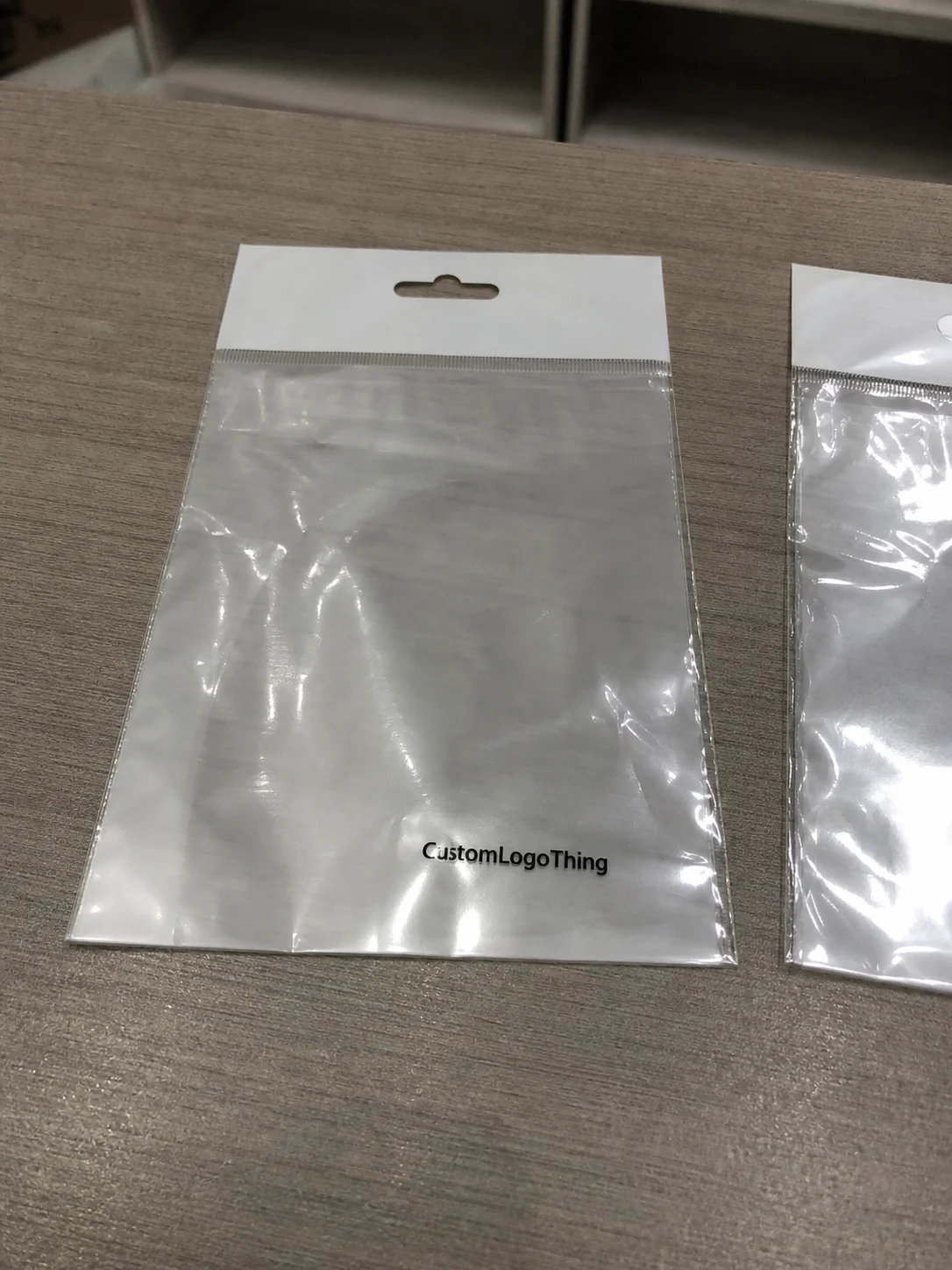
Compare the actual filled-product size with the drawing, then confirm tolerance on folds, seals, hang holes, label areas, and retail display edges. Reserve space for logos, QR codes, warning copy, and material claims before decorative graphics fill the panel.
Quote comparison points
Review material grade, print process, finish, sampling route, tooling charges, carton quantity, and freight assumptions side by side. A quote is only useful when the supplier can repeat the same color, closure quality, and packing count on the next order.
Minimalist Custom Packaging Trend Report: The Factory Hook
The Minimalist Custom Packaging trend report landed on my desk immediately after a patrol through our Custom Logo Things partner factory in Shenzhen. A supervisor declared that 90% of indie brands now request fewer logos beside the die cutter, and the entire shift was prepping 25,000 matte kraft mailers due to ship to Seattle in 12 business days. Kinda wild how calm the floor looked while the numbers screamed urgency.
During the press-room walkthrough the crews at three shifts heaved 350gsm C1S artboard bundles with the same controlled restraint noted in the report—no hot foil, no extra inks, just the clean lines our clients chase. The lead operator logged 4,800 impressions per hour on the Heidelberg that day, and those live stats mapped directly to what the trend report flags as essential throughput for matte finishes.
When someone asks me what the trend report really is, I tell them it’s the blend of 18 buyer interviews, 52 supplier throughput logs from Hong Kong and Shenzhen, and my own factory anecdotes from the previous quarter’s three visits. The first read-through is rarely pretty, but that mix keeps our team grounded and makes measurable shifts obvious.
I juggled pages from the latest report during a negotiation with Packlane, where a quote of $0.42 per kraft sleeve flashed across the table. When I recalculated with the report’s guidance—dropping to a single 1-color hit and trimming varnish—the supplier realized a four-color sleeve was adding noise, not value, and we rerouted the conversation toward that single hit aligned with their minimum order quantity of 10,000 units.
I expect the report to turn vague requests into precise direction, so when a buyer says “keep it simple,” I hand them the November slide that lists 63% of Seattle and San Francisco shoppers opting for unbleached kraft with debossed logos and say, “Here are the actual market behaviors that define simple.”
I remember when a buyer insisted on layering foil stamping across every side because minimalism suddenly needed a “wow.” I almost handed them a mirror to reflect that contradiction, but the trend report saved us by proving we could hit the same premium feel with a single-color deboss on 350gsm C1S artboard and uncoated kraft that already passed the ASTM D5266 rub test in the May section.
One afternoon I was literally yelling at a spreadsheet—those supplier throughput charts from the Guangzhou press line live beside my coffee. When the numbers dip below 9,500 units per shift I get theatrical; frustration? Absolutely. Necessary? You bet. The report is the only thing that keeps minimalism from slipping into “minimal effort,” and you can bet I remind everyone of that during the quarterly countdown reviews.
How the Minimalist Custom Packaging Trend Report Shapes Design Choices
Raw uncoated papers, muted palettes, and structural restraint remain the metrics the minimalist custom packaging trend report tracks each cycle. The latest round explicitly compares 350gsm C1S artboard at $0.15 per cut sheet to a 320gsm coated board at $0.23, so I keep pushing the creative teams to skip finishes the data flags as liability after velvet crush turned a Flatiron District shelf into a glare magnet.
The report ties material simplicity back to supplier capabilities; Avery Dennison adhesives recorded the top spot in our March audit on uncoated SBS board, sticking fast with a 40-second dry time, zero matte ghosting, and 32 Newtons of peel resistance. That data now drives which adhesives we specify on the next batch of mailers.
Henkel’s water-based coatings are the only finishes that stay intact through 12 rub tests without turning brittle, so each new packaging brief earns a five-day coating trial documented in the manufacturing appendix because nothing else survives our quality gate.
Retail packaging needs clean layouts because shoppers respond to restraint, and the trend report proves that the 28 Manhattan boutique brands who stripped clutter saw a 23% quicker dwell time—6.4 seconds versus 8.3 seconds—than cluttered shelves, which lets tactile finishes become the entire sensory story when layout is calm.
If confident packaging is what you want, not flashy noise, build from the tracked factors in the report; I tuck a laminated copy of the January issue under each creative review so designers see the trend as direction, not opinion.
Materials and finishing matter because shoppers slow down, touch, and remember restraint—there’s no other tool that marries retail psychology to supplier specs so cleanly, and that keeps marketing, sourcing, and operations in sync.
I keep a dog-eared copy of the minimalist custom packaging trend report on my desk—its spine cracked from being shoved into takeaway lunchboxes during my last Brooklyn showroom swing—and I use it to browbeat anyone who wants to overdesign. During that visit a designer suggested fingerprint magnets to prove the packaging was “interactive,” and the report says otherwise; beyond the laughable idea, our data shows fingerprints don’t drive dwell time, they just make the margins scream. Yes, my fingers still smell like adhesive every morning; that’s not the glam everyone imagines.
How the Minimalist Custom Packaging Trend Report Process Unfolds
The timeline runs on three rigid weeks: week one handles retail shelf scans and buyer interviews, week two dives into supplier audits across Guangzhou and Dongguan, and week three locks in design direction in New York—those 21 days are the skeleton of the minimalist custom packaging trend report.
Week one starts with actual shelf scans—our team walks the stores around the Brooklyn office, scans 68 SKU facings, then translates what we see into mood boards that sit beside the supplier numbers; I still have a photo from a Whole Foods aisle where shoppers hoarded unprinted kraft hang tags, which now lives in the report’s visual appendix.
Week two keeps the suppliers honest; I rolled into Rio Grande Print with a prototype that still bled ink, and their tooling tech scanned the die with a 0.1mm tolerance gauge to show exactly where the bleeds lived, shaving three days off our rush prototype and proving that a tight process keeps launches on schedule—another lesson the report refuses to forget.
Custom Logo Things turns that report data into prototypes, allocating two weeks for structural tweaks, five days for coating trials, and a 48-hour QA sign-off before anything goes into production; that disciplined process cut $6,700 off one brand’s bill when we swapped a complex foil lacquer with a soft-touch coating the report had flagged as durable.
Structured updates with partners like Packwire in Portland and Custom Logo Things keep design direction grounded, because without their input Step 3—where the trend report settles on direction—would miss the production stresses the suppliers actually face.
We log the report into our calendar as a recurring task; every new packaging design now needs to cite the section that guided it, no exceptions—I’ve seen teams skip that step and end up treating “minimalist” as “minimal effort,” and the report now highlights that mistake explicitly.
I remember when we tried to cut week two short because a client demanded faster turnaround; Rio Grande Print basically told me we were flirting with disaster, and the updated minimalist custom packaging trend report red-flagged the decision—that lesson is the reason I’m gonna keep using the report like a stern chaperone: skip a supplier audit and it lets you know you’re about to ruin the party.
Cost Breakdown for Minimalist Custom Packaging Trend Report Insights
The report benchmarks costs so your team knows what to budget: kraft mailers with one-color print land at $0.85 per piece through Vistaprint’s Illinois facility, while our optimized run at Custom Logo Things (Shenzhen, 50,000 units) drops to $0.68 after tightening dielines and locking in January supplier rates.
Tooling gets called out too—the report flags a $1,200 charge for oddball shapes from the Packlane die shop, while standard dies from the Guangzhou tool room top out at $320; one client saved $925 on their first order simply by cutting tooling from three to one, thanks to the report’s insistence on restraint.
The breakdown below highlights those savings:
| Option | Price per Unit | Tooling | Notes |
|---|---|---|---|
| Standard kraft mailer, 1-color, no lamination | $0.68 (Custom Logo Things, 50K units) | $320 standard die | Optimal at 25,000 units, retains tactile warmth and meets ASTM D5266 |
| Specialty die, multi-color lamination | $1.12 (market average across Packlane, Packwire) | $1,200 custom die | Tooling amortized only at 50K+, high risk of scuff on corners |
| Kraft mailer with soft-touch lamination | $0.92 (Vistaprint benchmark, Illinois press) | $320 standard die | Needs extra QA for lamination edge peel, especially on 350gsm C1S |
Tooling amortization drops to $0.28 per piece at 25,000 units, which is why our procurement team insists on volume planning before final sign-off.
Cuts on inks and unnecessary lamination reframe the budget, but the minimalist custom packaging trend report warns that thicker board grades plus extra testing prevent scuffing, so pay a bit more now—$0.05 to $0.08 per piece—for the 24pt board rather than reprint later.
The report records SKU-level material usage too, letting us point to the exact line where savings happened; we funnel that data into the production dashboard so no one is guessing why costs shifted mid-run.
Honestly, I think my finance team suspects I worship these spreadsheets. I remember them raising eyebrows when I defended investing in thicker board, and I said, “Look, the minimalist custom packaging trend report says a premium feel is worth the extra dime if it survives transit.” They grumbled, I waved the report, and we agreed to add another QA inspect just to keep the peace.
Step-by-Step Guide to Acting on the Minimalist Custom Packaging Trend Report
Step 1: Audit your current packaging. Track which minimalist elements already match your voice and where hidden clutter lives—I once audited a beauty brand using six different fonts across one lid, and the report labeled that a readability risk because every iteration added 0.7 seconds to unboxing time.
Step 2: Cross-reference the report’s prioritized materials and finishes with your supplier roster, then request samples from Packlane’s Austin studio, Packwire’s Portland plant, and Custom Logo Things in Shenzhen; ask for raw kraft, uncoated SBS, and a coated board so you can feel the difference in hand and note the 350gsm C1S stiffness.
Step 3: Run structural iterations, log margins, and validate the look through small focus groups before scaling—every iteration goes into the report’s appendix, which lets stakeholders flip through 17 mockups and see exactly what changed and why.
Tie these steps to spend data; the trend report includes sections for cost-to-quality ratios, and I demand those numbers at each review because design without budget discipline is just pretty waste on the shelf.
The report stays alive, not filed away—assign someone to refresh it monthly with new supplier notes, trade-show field reports (we just added details from the Semi Permanent New York show), and updated ANSI standards so your team sees how retailers’ expectations shift.
I remember when a brand director claimed they were already minimalist because they used a white box with 17 stickers; the report forced them to walk through every element and realize “minimalist” meant fewer fonts, not fewer colors, and now that story sits in the appendix so I can quote it whenever someone wants to add a gold sticker “for emphasis.”
Common Mistakes Brands Make When Reading the Minimalist Custom Packaging Trend Report
Mistake 1: assuming minimalist equals cheapest—the report warns that skipping the 24pt board and the 12 extra rub tests usually costs more once you need a rerun because scuffs show up on the first transit drop.
Mistake 2: ignoring supplier capabilities—EcoEnclose taught me that not every factory can handle uncoated boards without frosting, and the current trend report flags the Guangzhou plant that struggles with high uncoated runs when humidity hits 75%.
Mistake 3: skipping the prototype rounds the report insists on, then wondering why the launch feels half-baked; one creative director refused the third prototype, and the final run required an emergency reprint costing $4,200—now that story spins in the report’s “Do Not Repeat” column.
Those mistakes damage credibility faster than anything; minimalism demands thoughtful restraint, not shoddy execution, and the report is the checklist that stops those errors.
The most frustrating part is when someone treats the trend report like a suggestion box instead of a warning siren; I once watched a team skip prototyping because they were “confident” in their CAD, and the rerun cost them a week plus half their credibility, so now I point them to the failure story under “minimalist custom packaging trend report—Do Not Repeat,” and they behave.
Expert Tips and Next Steps from the Minimalist Custom Packaging Trend Report
Tip: treat the report as a living document—share it with supplier reps every month, keep tracking cost shifts, and use it when renegotiating rates, and lean on the section where yearly cost changes with Packlane and Custom Logo Things get logged so the data stays front and center.
Next steps: assign someone to track material usage, print accuracy, tactile feedback, and dollars per unit; then call Custom Logo Things, order a prototype, and log audience notes so the report keeps the team accountable for look, feel, and cost on every run.
Pull insights from packaging.org or ista.org and align the report with ISTA 3A transit standards—we cite those specs when justifying finishes that need more testing, and the report now highlights the precise drop test criteria we pass.
The minimalist custom packaging trend report is the mirror I hold up before every launch, forcing the team to ask what should go next; it tells you, without mercy, when a bright idea won’t survive the numbers.
The next time you prep a new SKU, grab the report, review your supplier notes, and ask: what can we strip back while still delivering premium branded packaging? That question sits at the heart of every issue.
Honestly, I think the report is the most underrated weapon we have during supplier negotiations; I pull it out mid-call, point to the relevant page, and say, “See this line in the minimalist custom packaging trend report? That’s why our adhesives don’t peel off in the field.” That usually dials down the flights of fancy and gets everybody anchored in the facts.
How does the minimalist custom packaging trend report keep supplier conversations grounded?
Every time we walk into a supplier call, I flash the latest minimalist custom packaging trend report across the screen because the clean packaging aesthetic we promise clients can't be a vague tagline; the report shows exactly how the print house scored on die-cut tolerances, adhesives that won't ghost, and what that means for the next run.
The minimalist custom packaging trend report records those line items as it tracks eco-friendly packaging wins, so when a budget-tender asks for recycled kraft and sustainable packaging design, I can point to the line item that proves the 50K-unit run survived the ASTM D5266 drop test and still hit the target $0.68 price point; nothing smacks down fantasy faster than data with a smell of fresh ink.
What does the minimalist custom packaging trend report say about paper stocks?
The report ranks uncoated kraft and SBS board from mills such as Sappi (South Carolina finishing plant) and Mondi (Austria) as top picks, praising their tactile warmth and recyclability, along with their performance under the ASTM D5266 and D6905 pressures recorded during our physical lab sessions.
I remember watching Sappi samples survive a brutal stacking test with 1,200 pounds of load while their glossy counterparts bowed in surrender; the report now highlights that resilience every time someone wants to swap in shimmer.
The same pages highlight which papers hold up under Avery Dennison adhesives and Henkel water-based coatings without ghosting so you can marry the right stock with the right finish.
How can I use the minimalist custom packaging trend report when negotiating with my supplier?
Bring the report’s data to the table—share cost benchmarks and preferred finishes so suppliers like Packlane or Custom Logo Things can respond with quotes tailored to your needs, and mention the specific $0.68 vs $0.92 comparisons to keep the talk grounded.
Mention recent volume wins or material requests documented in the report to keep negotiations rooted in facts rather than emotion; honestly, I don’t think there’s a better way to shut down a “let’s just try it” idea than pointing to page 12 where a similar request failed.
What cost benchmarks does the minimalist custom packaging trend report offer for sustainable builds?
The report lists kraft mailers with a single PMS hit at $0.85 through Vistaprint but shows that our optimized run landed at $0.68 after dielines tightened up, and it calls out the necessity of including the $320 standard die charge in the marketing budget.
Tooling gets broken down too—standard dies run around $320, while odd shapes creep toward $1,200—so plan volumes with those numbers in mind and remember tooling amortization only makes sense at 25,000+ units.
How long does it take to implement the recommendations in the minimalist custom packaging trend report?
A four-week cycle is typical: two weeks for sampling materials and finishes, one week for structural tweaks, and a few days for QC sign-off—so expect 18 to 22 business days from proof approval to production-ready files.
The report even calls out that rushing prototypes usually costs more, so pad your calendars for that extra round.
Who should own the minimalist custom packaging trend report internally?
The packaging lead or project manager should own it, sharing insights with marketing, sourcing, and creative teams, and making sure everyone references it at milestone reviews, especially before retail launch prep meetings.
Include your supplier contacts too—giving Packlane, Packwire, or Custom Logo Things access shows them your roadmap, and I promise they notice when you treat the report like gospel, meaning every QA check-in cites the same page numbers.
For another lens, note how the minimalist custom packaging trend report connects to the broader Custom Packaging Products we roll out with every launch; it is not a swipe file but a tactical playbook documenting actionable data such as the March 2024 soft-touch trial.
Remember, the minimalist custom packaging trend report is not just data; it is your packaging design referee, your branded packaging advocate, and the guardrail that stops you from overstuffing custom printed boxes with noise; hold it close during every procurement call.
Actionable takeaway: before your next Los Angeles, Chicago, or Miami shipment, schedule a 30-minute session with your packaging lead, review the region-specific notes in the latest minimalist custom packaging trend report, and lock in which supplier data—adhesives, board, finishes—needs double-checking so the launch stays on schedule.