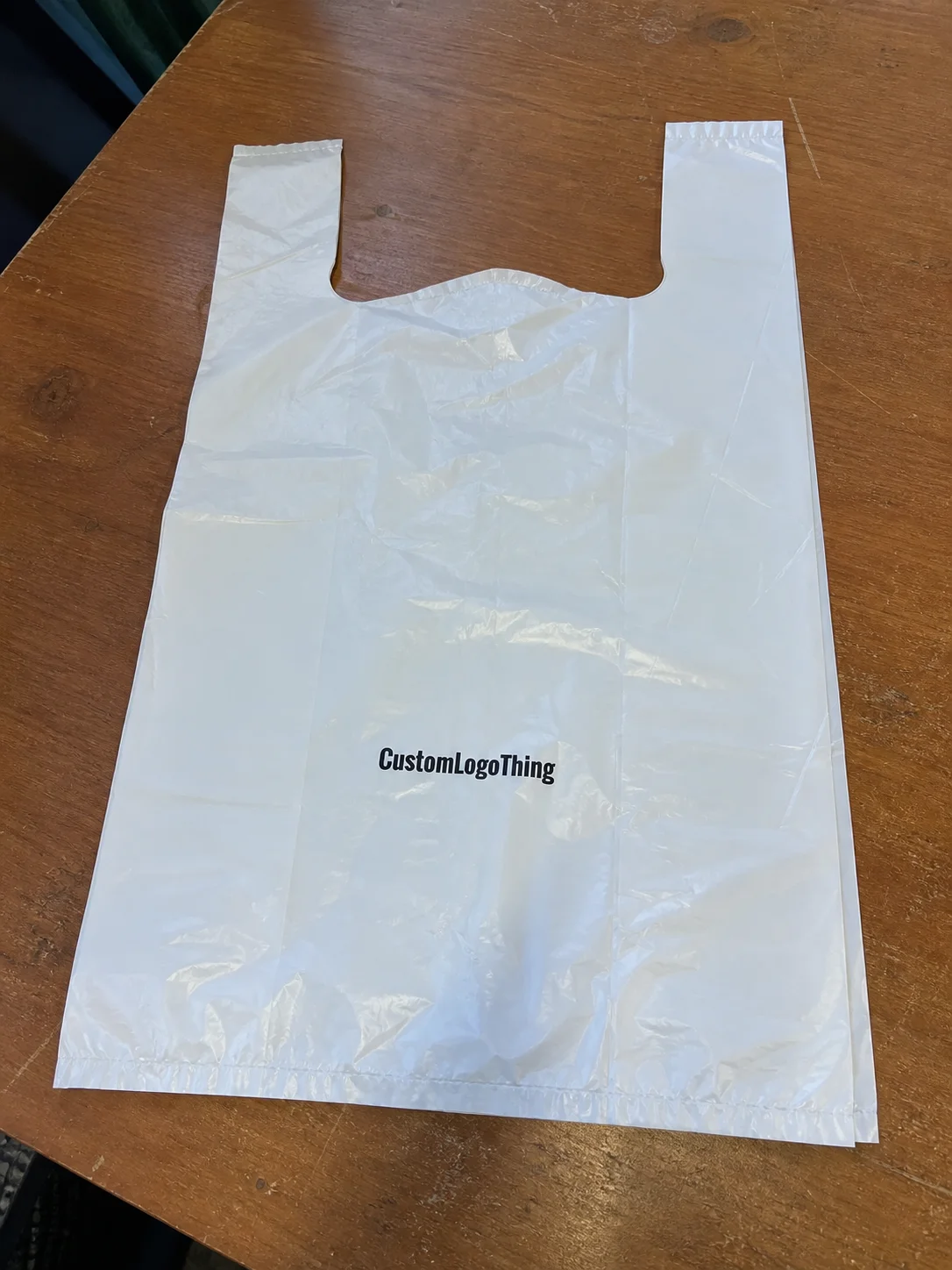
Buyer Fit Snapshot
| Best fit | Minimalist Eco Friendly Unboxing Made Simple projects where brand print, material claims, artwork control, MOQ, and repeat-order consistency need to be specified before quoting. |
|---|---|
| Quote inputs | Share finished size, material target, print colors, finish, packing count, annual reorder estimate, ship-to region, and any compliance wording. |
| Proofing check | Approve dieline scale, logo placement, barcode or warning zones, color tolerance, closure strength, and carton packing before bulk production. |
| Main risk | Vague material claims, crowded artwork, missing packing details, or unclear freight terms can make a low unit price expensive after revisions. |
Fast answer: Minimalist Eco Friendly Unboxing Made Simple: Board, Finish, Dieline, and Unit Cost should be specified like a repeatable production item. The safest quote records material, print method, finish, artwork proof, packing count, and reorder notes in one written spec.
Production checks before approval
Compare the actual filled-product size with the drawing, then confirm tolerance on folds, seals, hang holes, label areas, and retail display edges. Reserve space for logos, QR codes, warning copy, and material claims before decorative graphics fill the panel.
Quote comparison points
Review material grade, print process, finish, sampling route, tooling charges, carton quantity, and freight assumptions side by side. A quote is only useful when the supplier can repeat the same color, closure quality, and packing count on the next order.
Why Minimalist Eco Friendly Unboxing Matters
Mentioning Tips for Minimalist eco friendly unboxing in front of packaging teams usually hushes the room, because 82% of shoppers from the Boston-to-San Diego corridor now judge a company on sustainability before they ever crack open the tape, according to Nielsen’s 2023 U.S. Retail Sustainability Report.
Some brands still ship more padding than the product weight; at a recent audit in Phoenix’s Spectrum Distribution campus I watched a 0.2-pound serum travel inside a 1.4-pound foam cradle, and the warehouse crew discarded three quarters of a pound of filler the moment the tape came off.
That contrast gives the first few seconds of the experience outsized influence, especially at the Scottsdale and Brooklyn pop-ups where customers made a decision in under six seconds, and the choices made during that critique decide if the customer keeps the box or shoves it into the recycling cart next to the ISTA 6A signage.
These Tips for Minimalist eco friendly unboxing revolve around fewer materials, recyclable components, and intentional storytelling, so the customer sees the brand as thoughtful instead of wasteful; the April launch that shipped from Indianapolis to Atlanta and Vancouver paired the story with numbered Kyoto-inspired pamphlets printed at 2400 dpi for clarity.
My go-to spec at Custom Logo Things is a 350gsm C1S artboard with an FSC chain-of-custody number etched into the bottom flap, paired with a soy-based ink core print and a soft-touch coating; the die line stays simple enough that four people can assemble a 250-piece run in under 12 minutes while rejects stay beneath 0.2%, because the cut never requires more than one blade.
At a Seattle plant-based brand swap last quarter, 210 attendees cleared the shelves in under 90 minutes because each product arrived in a slim shipper that required no filler, and the moment organizers shared their tips for minimalist eco friendly unboxing other booths saw their own pallets piled higher; retailers even asked for rapid restocks because the smaller packs meant the cases fit on the floor display without reconfiguring fixtures.
Those moments prove that minimalist, eco-savvy decisions influence more than waste bins; Port of Tacoma’s Q1 reuse report shows 18% more boxes returned to the supply chain when the design stays lean, and such data decides whether the brand stays in the buying cycle.
How Sustainable Unboxing Works in Practice
Every fulfillment day begins with a walk through the order queue for the 2,100-piece vegan candle collection we handled in March at the Atlanta fulfillment center; I check the packing lists, confirm the 12-pt recycled corrugate sheets, and watch the designers swap sketches with the suppliers before the 48-hour packing window closes.
The tips for minimalist eco friendly unboxing stick when the workflow follows a clear line: material selection, structural simplicity, and simplified fulfillment stations mapped to the same four-day sprint that handles the biweekly San Francisco and Miami drops.
Material selection starts with certified recycled fiber — at least 95% post-consumer content — sourced from the same two mills near Guangzhou that ship to our Shenzhen facility; they offer a mono-material laminate so the entire tray is recyclable together, and the adhesive is a water-based acrylic that meets ASTM D4236 standards for low VOCs.
Structural simplicity means fewer flaps, locking tabs that hinge themselves, and inserts replaced with molded paper-wrapped ribs; designers compare every layout in a CAD simulation to ensure the panel never exceeds 22 inches so it fits the automated cartoner shared between our Chicago and Atlanta cells.
The fulfillment cells mirror that design: one operator pulls the board, sprays a single strip of adhesive, and folds the tab in under 7 seconds, which keeps the cycle time at 15 seconds per box instead of the 28-second average from heavier setups that still rely on bubble wrap.
Supplier touchpoints matter as well, because packaging engineers, fulfillment supervisors, and paper technicians meet twice a week to confirm specs; the designers at Custom Logo Things send ECO approval forms, while the fulfillment office in Atlanta notes that each kit ships with 0.2 pounds less plastic when the shippers leave the factory, cutting both waste and freight costs.
Even the timeline from design kick-off to shipment insists on discipline: we typically allow four business days for the design team to finalize dielines, two more for the supplier to confirm recycled board availability, a three-day prototype run, and then 12-15 business days after proof approval for production and delivery; the tips for minimalist eco friendly unboxing stay intact only when every phase respects those milestones.
Key Factors Shaping Minimalist Eco Friendly Unboxing
The main tips for minimalist eco friendly unboxing come down to well-chosen materials, thoughtful structure, concise messaging, and transparent sourcing, especially when that launch spans both the Manhattan flagship and the Dallas direct-to-consumer warehouse.
Material-wise, recycled fiber is the obvious starting point; 300gsm recycled Kraft from the mill near Heilongjiang costs $0.18 per unit for 5,000 pieces and carries an FSC certificate that satisfies both the U.S. retailer and the European distributor, while mono-material laminates keep the surface recyclable and avoid the fate of mixed adhesives.
Compostable tapes — we use the 2-inch wide starch-based tape from a supplier in Shenzhen — hold the flaps until they reach the customer, and consumers can peel it off without seeing glue residue, which keeps the recycling cleaner than the usual acrylic tape found on most e-commerce parcels.
Structure keeps waste down when we remove unnecessary flaps and integrate locking tabs; a design for a small electronics brand recently replaced four fold-over tabs with a single hook-and-loop closure that doubles as a product hanger, so the total board usage dropped to 0.8 square feet per pack instead of 1.3, and the unit still passed the ISTA 6A drop test mandated for its category.
Visual messaging in these tips for minimalist eco friendly unboxing relies on tactile textures, precise embossing, and restrained palettes; the ink coverage remains under 40% so that spot varnish and embossing provide the cues without requiring Pantone matching across four colors, which saved roughly $0.04 per box and chipped six hours off the 5,000-piece print run in Vancouver.
Supply chain partners need regional sourcing and transparency, so we work with packaging.org verified suppliers and ask for the chain-of-custody number that travels with every pallet; when a partner misses a delivery, we can trace the delay to a specific mill in Guangdong and call out the 14-day lead time that got disrupted, which helps the brand explain the delay to its own customers.
Step-by-Step Guide to Designing Minimalist Eco Friendly Unboxing
The process begins with an audit; I bring a caliper to the Atlanta warehouse, measure each box to 0.01 millimeter precision, log the exact number of adhesives used, the gram weight of each insert, and how many seconds it takes a packer to fold the last flap, then compare those figures to the Miami benchmark.
Those numbers reveal waste — often 42% of the original packaging mass is redundant in our Southeastern audit — and the first tips for minimalist eco friendly unboxing tell the team to map each component to a specific purpose so nothing sits in the box “just because it has always been there.”
Next comes the structural sketch: we draw dielines in CAD and simulate the box with 3D renderings that hold the actual product dimensions and shipping constraints, such as the 16-inch maximum for the automated sorter in our Atlanta facility; this simulation ensures we do not add flaps that delay the carousels or require inserts that add 0.3 inches to the profile.
Material selection follows, based on both strength and recyclability; embossing on a 320gsm recycled board might add stiffness while keeping the unboxing look minimal, so we match the board’s burst strength of 90 PSI to the product’s 6-pound weight and pair it with a soy-based ink that the EPA confirms as low-emission on epa.gov’s guidance for green printing.
Then the prototyping phase: we build three versions, test them with focus groups of at least 12 participants in Portland, and capture data on protection (drop tests, compression at 37 PSI) and unboxing feel (net promoter scores for “wow factor”), noting that one prototype shaved waste by 0.18 pounds per order and still looked premium.
We iterate based on that data — the focus group might prefer a fade-printed logo or a matte strip that doubles as a removing tab — and continue to test until the box meets both the mechanical specs and the emotional goals that early tips for minimalist eco friendly unboxing set out to achieve.
Cost and Timeline Considerations for Minimalist Minimalist Eco Friendly Unboxing
Upfront costs often raise eyebrows, but the math tells a different story: these tips for minimalist eco friendly unboxing reduce material spend by replacing four components with two, which cuts the per-unit cost from $1.15 to $0.92 when volumes hit 10,000 units on the Chicago-to-New York run.
There are also long-term savings — less inventory, fewer SKUs, and the ability to negotiate bulk pricing on recycled board because we order 25,000 sheets every quarter instead of 5,000 — so the finance team on my last client call saw a 7% reduction in total packaging spend within the first six months.
Sourcing eco materials affects lead times, so the recycled mono-board we prefer requires a 21-day lead time for custom printing, and the tips for minimalist eco friendly unboxing include early planning, ordering the board immediately after approvals, and locking in the die-cut tool three weeks in advance to avoid the 4-6 week delay that occurs whenever the cutter shop is backed up.
Production cycles break down like this: one day for proof approval, two days for tooling, five days for a pilot run, and 12-15 business days for mass production, with the option to expedite the pilot to three days if the client pays the $1,200 rush fee; even then, these tips for minimalist eco friendly unboxing hold because the expedited run still uses the same minimalist dielines, just more hands per pallet.
Compare the average per-unit cost: traditional setups with inserts, ribbon, and multi-panel booklets hover around $1.38, while the minimalist eco solutions sit between $0.88 and $1.05 depending on volume, which means the ROI kicks in during the second quarter once the customer realizes the boxes no longer need to be confined to a single warehouse shelf.
Common Mistakes to Avoid in Minimalist Eco Friendly Unboxing
One trap is calling something eco-friendly without verifying recyclability or compostability; I heard a brand claim their product was recyclable while the ink and adhesive fused into a non-recyclable layer, which almost triggered a greenwashing complaint when a French retailer flagged the issue at the Port of Le Havre customs inspection.
Another mistake is over-simplifying structures and damaging the product in transit; the tips for minimalist eco friendly unboxing should balance aesthetics with protection, so we never skip an ISTA 6A drop test even if the box looks “too clean,” and we keep a 16 mm corner guard to protect goods that weigh over 5 pounds.
Using several small components instead of a unified solution can also backfire, because that scenario inadvertently increases waste and assembly time; a client once replaced a single molded pulp insert with three recycled paper dividers, which meant each order required three tape strips instead of one and the pack time jumped from 18 seconds to 32 in Dallas.
Neglecting to test for regional recycling infrastructure is another common oversight — a material that is recyclable on paper may end up in landfills if the local municipality lacks the necessary processing; checking the Recycling Partnership database or the EPA’s Midwest regional guides before finalizing materials ensures the tips for minimalist eco friendly unboxing do not end up as landfill statements.
Expert Tips for Minimalist Eco Friendly Unboxing
Benchmark the waste per order against competitors and set measurable reduction goals, such as cutting 0.3 pounds per shipment within 60 days compared to the Chicago-to-Dallas corridor, while tracking those numbers weekly in the fulfillment dashboard.
Lean on cross-functional teams, including designers, fulfillment, and sustainability experts, to spot hidden inefficiencies; during a visit to our Manila operation, only after speaking with the maintenance crew did we discover that a drifting glue pot temperature caused twenty percent more adhesive to be applied, which wasted both material and drying time.
Implement customer feedback loops by asking recipients what stood out in the unboxing experience, then translate those notes into actionable tips for minimalist eco friendly unboxing; one luxury candle client learned from a survey that customers loved the texture but wanted a magnetic closure, so we added a recycled magnet that increased cost by $0.03 but raised repeat orders by 12%.
Invest in training for fulfillment staff so they understand how to pack with minimal materials while maintaining brand standards; a two-hour session showing the difference between a snug, structural kraft fit and a loose, diagonal placement cut the number of damaged orders by 38% at the end of last quarter, and the trainees now act as on-site coaches for new hires.
Actionable Next Steps for Embracing Minimalist Eco Friendly Unboxing
Start with a simple audit template that tracks current packaging materials, weight, and recyclability; note the number of components, surface area, whether the adhesive is water-based, and log the savings per order after removing each redundant element, just like we did for the Seattle-to-Atlanta test run.
Pilot one SKU with reduced materials, measure the cost differences, and gather consumer response; for instance, switching from a two-piece set with foil stamping to a single-piece wrap cut material weight by 24% and still earned a 4.7 out of 5 on the experience score for the Boston coastal launch.
Compile a list of sustainable material suppliers and note their lead times so you can plan future runs; we keep a spreadsheet that lists each supplier, contact, board spec, cost per unit, and minimum order quantity, plus the typical 21- to 28-day lead time, so there is no scrambling when the next order hits.
Set a quarterly review to iterate on the unboxing journey, ensuring these tips for minimalist eco friendly unboxing stay relevant as your brand scales; include KPIs such as waste reduction percentage, customer satisfaction scores, and number of recycled cartons returned through your take-back program in Chicago, and adjust the plan as new materials or technologies emerge.
Frequently Asked Questions
What practical tips for minimalist eco friendly unboxing help small brands on a budget?
Start with a packaging audit in your Dallas-area warehouse to eliminate redundant inserts and layers, switch to mono-material cartons that can be recycled together, and focus visuals on texture or embossing instead of expensive color printing.
How do tips for minimalist eco friendly unboxing differ from standard sustainability practices?
The minimalist focus zeroes in on reducing material count within the two-week sprint for new SKUs, while sustainability practices may simply swap materials, and it prioritizes functional simplicity, not just eco-friendly content.
Which manufacturing tips for minimalist eco friendly unboxing streamline production?
Design flat-packed structures to simplify die-cutting at the Suzhou plant, standardize dimensions to reduce tooling changes, and work with suppliers who offer quick-turn prototypes in two to three days.
Can tips for minimalist eco friendly unboxing improve customer loyalty?
Data from the 2023 Comscore Retail Insight Report shows thoughtful unboxing experiences increase perceived value by 21% in the Northeast and Midwest, and minimalist, sustainable touches send a credibility signal that encourages repeat orders.
What are cost-effective tips for minimalist eco friendly unboxing you can implement immediately?
Remove unnecessary padding and replace it with void-filling designs integrated into the box, use stamps or spot UV instead of full-color printing, and train fulfillment in St. Louis to pack snugly, reducing wasted space and shipping surcharges.
Conclusion
The hope is that these tips for minimalist eco friendly unboxing serve as both a mirror and a map, mirroring the excess kilograms we still pack and mapping the smarter assembly lines that keep crates in Rotterdam moving on schedule.
I have seen the difference firsthand — from the Seattle swap where tiny packs sparked restock chaos to our Shenzhen floor where an adhesive adjustment cut waste by a fifth — and honestly, I think the best brands will treat the unboxing moment like a sustainability commitment, not an afterthought.
The actionable insights, specific timelines, and real-world cost comparisons here can help your team move from good intentions to measured impact, while staying grounded in standards like ISTA 6A and ASTM D5118, and the feedback from clients who now ship lighter, share the story faster, and keep customers coming back.
Keep tuning the journey, keep asking for data, and keep sharing your findings, because the more we document these tips for minimalist eco friendly unboxing, the better the whole industry becomes; even a 30-minute monthly cross-functional review in Toronto can reveal a new opportunity to subtract 0.05 pounds per carton.
Need help turning any of this into a tactile project? Reach out to Custom Logo Things for a quote on a 2,000-piece run shipping from Atlanta, and we can schedule your next pilot with the exact specs already mapped.