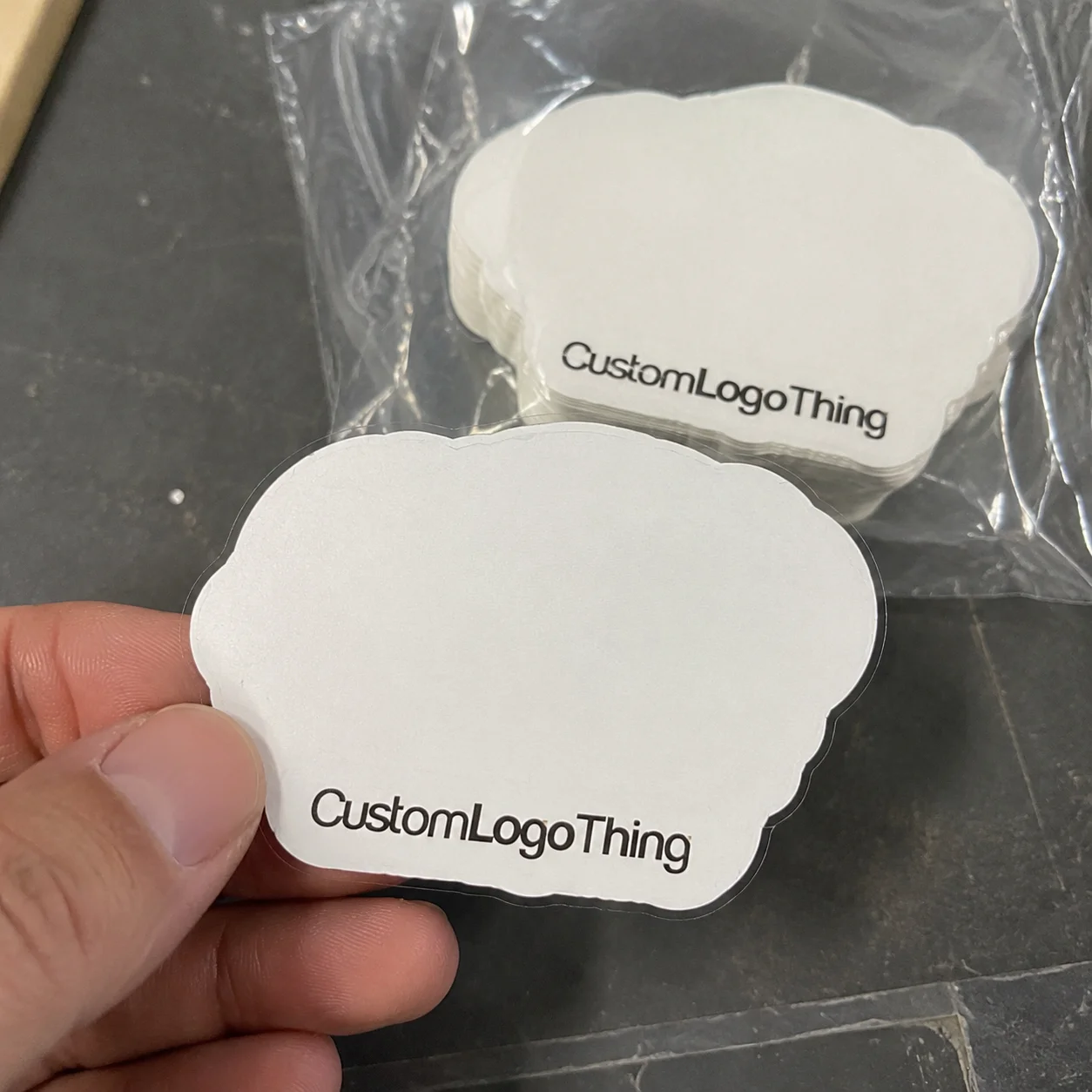
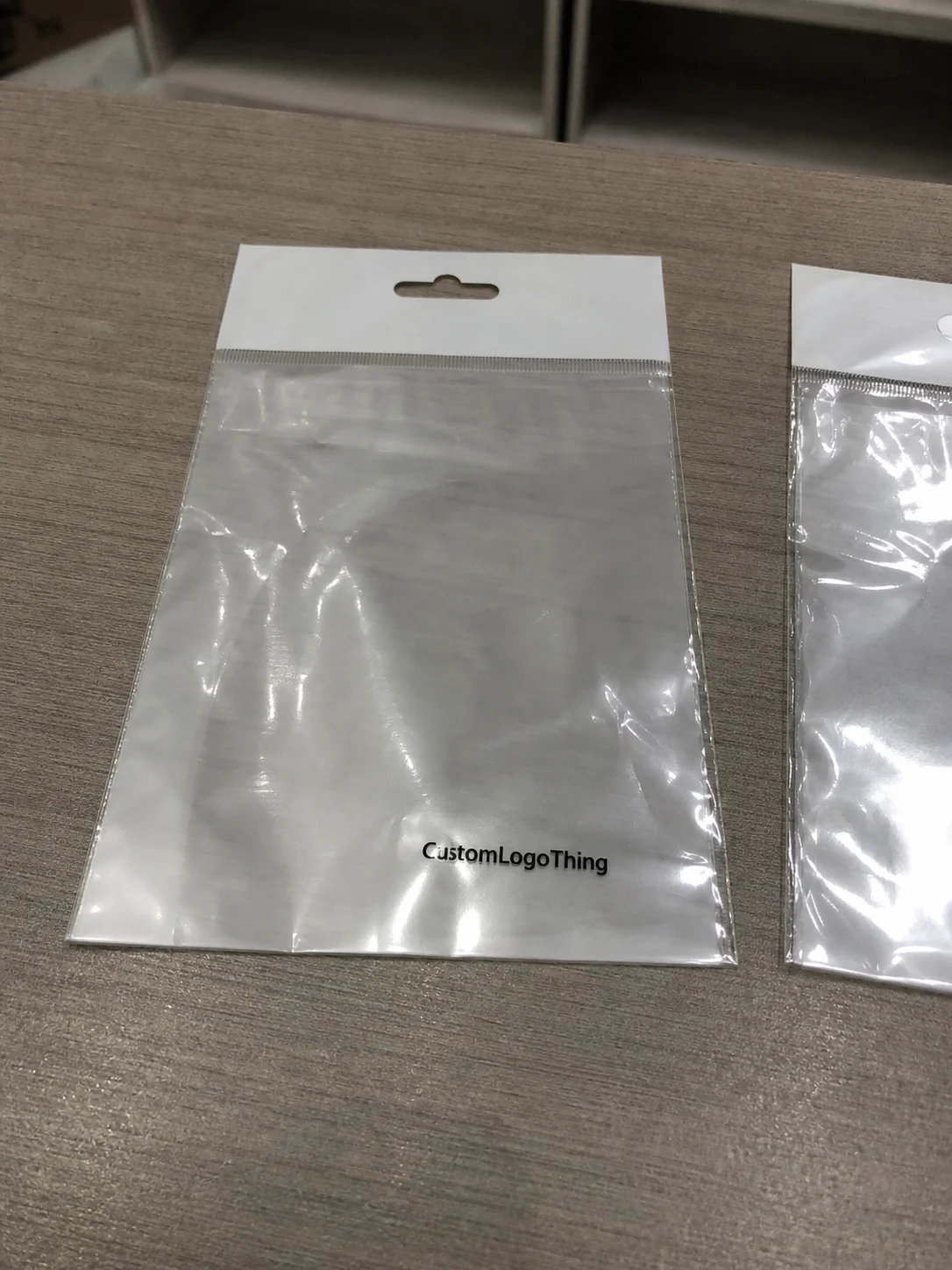
A sticker is small. Its reach is not. Buyers searching for a custom Custom Logo Stickers bulk order are usually buying more than decoration. They are buying consistency across mailers, tissue, product boxes, retail bags, invoices, samples, and return inserts. They are also buying time at the packing table.
That is the math many packaging teams miss. One 2-inch logo sticker can work across six package formats without separate printing plates, separate carton runs, or a commitment to one printed packaging SKU. Direct-printed packaging still belongs in the mix, especially for mature product lines with predictable volume. Stickers move faster, cost less to test, and keep branding flexible while the assortment is still changing.
Why a Bulk Logo Sticker Order Changes the Math

A practical buyer does not ask, “Can this look nice?” for very long. The better question is sharper: “Can staff apply this cleanly 500 times before lunch, and will it still look right after handling, chilling, or shipping?” A bulk sticker order earns its place when branding has to survive real packing conditions, not just a digital proof.
Seasonal promotions, DTC fulfillment, subscription boxes, boutique retail, event kits, food packaging, cosmetics, and product launches share the same pressure point: uncertain volume. A brand can test a holiday seal on kraft mailers, add a batch label to rigid boxes, or brand tissue wrap for a launch without tying capital to thousands of custom printed boxes that may be outdated in three months.
In practice, a custom Custom Logo Stickers bulk order is shaped by five commercial factors: adhesive performance, finish, format, turnaround, and reorder reliability. Artwork matters. Print quality matters. The order succeeds only if the sticker fits the packaging workflow.
The useful questions are specific: dimensions, application surface, finish expectations, roll direction, quantity breaks, and delivery timing. If a sticker needs to close a corrugated mailer, adhesive becomes central. If it needs to sit on a glass jar with condensation, paper stock may be the wrong material. Details decide the outcome.
Packaging buyer rule: a sticker that looks perfect on a proof can still fail if the adhesive, material, or format does not match the real packing line.
How Do You Plan a Custom Custom Logo Stickers Bulk Order?
Start with use, not artwork. A custom custom logo stickers bulk order should be planned around the package surface, the application method, the environment, and the reorder cycle. A logo file by itself cannot answer whether the sticker should be paper or BOPP, whether it needs lamination, or whether rolls will save labor at the packing station.
The fastest planning sequence is simple: identify the package, choose the sticker size, confirm the material, test adhesion, approve the proof, and document the reorder spec. Administrative? Yes. Also the difference between a clean order and 10,000 printed pieces arriving with the wrong unwind direction or a finish that scuffs before the carton leaves the warehouse.
For buyers comparing bulk custom stickers, wholesale logo stickers, and custom printed logo stickers, the same rule applies: the cheapest sticker is not always the lowest-cost sticker. If it slows application, lifts on kraft, curls in refrigeration, or makes a logo unreadable, the savings were imaginary.
Sticker Formats That Fit Real Packaging Workflows
Format is not cosmetic. It changes labor.
Roll stickers work well for fulfillment stations, label dispensers, and higher-volume application because the operator can peel and place with fewer interruptions. Sheet stickers are easier to store, count, and distribute internally, especially for teams packing 50 to 300 orders at a time. Individual die-cut stickers fit inserts, giveaways, retail counters, and event bags where the sticker becomes part of the customer experience rather than only a seal.
Kiss-cut stickers deserve attention. They keep the backing larger than the sticker shape, which makes peeling easier and faster. That small design choice can show up in labor cost. A fulfillment worker losing three seconds per package across 2,000 packages has lost more than 1.5 labor hours before the problem appears on a spreadsheet.
A bulk order should match the way people actually pack. Common surfaces include corrugated mailers, rigid boxes, paper shopping bags, poly mailers, glass jars, plastic bottles, kraft pouches, candle vessels, and tissue wrap. Each surface has different texture and surface energy. Smooth coated paper is forgiving. Recycled kraft can be fibrous. Poly mailers flex and stretch. Glass can collect moisture. Candle vessels may carry oil residue from handling or filling.
Shape changes both price and application behavior. Circles and rectangles are efficient for many logos because they nest cleanly on press sheets or rolls. Ovals work well on jars and bottles because they follow the visual rhythm of the container. Custom die-cuts create stronger shelf recognition for retail packaging, but intricate cuts can increase waste, slow peeling, and raise the unit cost.
The best sticker is not always the most elaborate one. Many brands over-design the first run. The stronger choice is often the sticker staff can apply straight, quickly, and consistently across hundreds or thousands of packages.
| Format | Best Use | Operational Advantage | Buyer Watchout |
|---|---|---|---|
| Roll stickers | Fulfillment lines, dispensers, repeat packing stations | Faster peeling and cleaner counting at volume | Confirm roll direction and core size before approval |
| Sheet stickers | Small teams, internal departments, short runs | Simple storage and easy manual distribution | Can be slower for thousands of applications |
| Die-cut stickers | Brand inserts, retail counters, product launches | Stronger visual identity and memorable shapes | Complex shapes can raise waste and cost |
| Kiss-cut stickers | Hand application and promotional use | Easy peel from a larger backing | Backing size should still fit the packing station |
Materials, Adhesives, and Finishes Buyers Should Specify
Material choice sets the performance ceiling. Matte paper is economical for branded sealing, tissue wrap, dry cartons, and indoor packaging. Gloss paper gives brighter color and stronger contrast for promotional stickers. White BOPP, a biaxially oriented polypropylene film, is a common choice for durable product labels because it resists moisture better than paper. Clear BOPP works for transparent containers when the buyer wants a no-label look. Vinyl handles outdoor exposure and heavier handling better, although it usually costs more. Kraft paper gives packaging a natural look, but fine type and pale colors can lose contrast on the textured surface.
Adhesive selection is just as commercial. Permanent adhesive fits package seals and product labels that should stay put. Removable adhesive works for temporary promotions, pricing, and short-term retail use. Freezer-grade adhesive is the safer route for cold-chain products, frozen foods, and refrigerated goods. Textured, recycled, or low-surface-energy substrates may need a stronger adhesive than a standard paper shopping bag.
Finish changes perception and durability at the same time. Matte reduces glare and photographs cleanly for ecommerce. Gloss increases saturation, especially on red, black, and high-contrast logos. Soft-touch finish suggests premium positioning on cosmetics, candles, and specialty food. Foil stamping attracts attention on shelf, but it adds cost and may extend the production schedule. Lamination protects ink from scuffing, moisture, and repeated handling.
Print specifications should be named, not guessed. CMYK works for most artwork. Pantone matching helps when brand standards require tighter color control, although exact matches can vary by material and finish. Clear stickers often need a white ink underlay so the logo does not disappear against the package contents. Full-bleed designs need bleed zones, commonly around 0.0625 to 0.125 inch depending on production method and shape.
Small details create large surprises in a custom custom logo stickers bulk order. Curved containers need flexible materials. Oily surfaces can weaken adhesion. Very small type may close up on textured stocks, especially below 5 or 6 points. If stickers will touch food-adjacent packaging, refrigerated products, cosmetics, or shipping cartons exposed to abrasion, ask for samples or confirm substrate use before approving a large run.
Buyers trying to align stickers with broader Custom Packaging Products should follow the same packaging design logic: specify the package surface first, then choose the sticker construction. The Forest Stewardship Council offers useful context on certified paper sourcing through FSC, while transport testing bodies such as ISTA help explain why abrasion, compression, and handling conditions matter during distribution.
Pricing, MOQ, and Unit Cost Factors for Bulk Logo Stickers
A custom custom logo stickers bulk order usually becomes cheaper per unit as quantity rises because setup, proofing, material loading, press preparation, and finishing are spread across more stickers. Bigger is not automatically smarter. If the logo may change next month, storage is tight, or the packaging surface has not been tested, a smaller controlled run may protect cash and reduce waste.
The main cost drivers are predictable: size, shape, material, adhesive, finish, color coverage, roll versus sheet format, die-cut complexity, number of artwork versions, and shipping method. A simple 2-inch round paper sticker ordered in bulk will price very differently from a laminated custom die-cut vinyl sticker with white ink, foil, and a special adhesive. Same category. Different economics.
Many common bulk logo sticker orders land somewhere between a few cents and a few dozen cents per sticker, depending on the specification and quantity. Specialty finishes, low-volume versions, durable films, and rush freight can push costs higher. Treat any broad price claim with caution unless it names size, material, finish, and quantity.
MOQ should be treated as a planning tool, not only a supplier rule. Lower MOQs are useful for launches, influencer kits, pilot retail programs, and new package sizes. Larger bulk orders make sense after the buyer knows the monthly usage rate, the final application surface, and the reorder rhythm. For a team shipping 1,200 packages per month, ordering 1,500 stickers may create constant reordering pressure. Ordering 5,000 or 10,000 may lower the unit cost and reduce purchasing friction, provided the design is stable.
Quote accuracy depends on specifications. A supplier cannot price cleanly from “logo stickers” alone. A practical quote needs width and height, shape, quantity, material, finish, number of designs, roll or sheet format, delivery location, and target in-hand date. Packaging photos help too. A photo of the jar, pouch, mailer, or box often reveals more than a paragraph of description.
Buyers should request two or three quantity breaks. The jump from 1,000 to 2,500 pieces, or from 5,000 to 10,000 pieces, can reveal the true economic order quantity. Hidden costs deserve daylight as well: rush fees, artwork repair, split shipments, custom tooling, special adhesives, and freight charges for very large roll quantities.
| Cost Factor | Lower-Cost Direction | Higher-Cost Direction | Why It Matters |
|---|---|---|---|
| Size | 1.5 to 2.5 inch standard shapes | Large labels or oversized seals | More material and fewer pieces per sheet or roll |
| Material | Matte or gloss paper | Vinyl, BOPP, textured, specialty stocks | Durability and appearance change substrate cost |
| Finish | No lamination, standard print | Foil, soft-touch, lamination, spot effects | Extra finishing steps add time and handling |
| Shape | Circle, square, rectangle, oval | Intricate custom die-cut | Tooling, waste, and peeling speed can change |
| Artwork count | One design | Multiple SKUs or seasonal versions | More proofing and setup may be required |
Teams ordering through Wholesale Programs should ask for reorder notes. A documented spec can save hours later: material, adhesive, finish, die line, roll direction, and approved artwork version. Quiet paperwork, real value.
Proofing, Process, and Timeline From Artwork to Delivery
The process should move in a fixed order: quote request, specification review, artwork check, digital proof, buyer approval, printing, finishing, quality control, packing, and shipment. Skipping proof discipline to save a day can cost far more than the day itself.
During artwork review, the production team checks file resolution, vector logo quality, bleed, trim line, color mode, small text legibility, and special layers. White ink, foil, varnish, and cut paths should be clearly marked. A flattened JPG can work for some simple stickers, but vector files such as AI, EPS, SVG, or print-ready PDF usually give cleaner edges and better scaling.
Proof approval is the control point. Production should not begin until the buyer confirms dimensions, quantity, material, finish, color expectations, roll orientation, and delivery information. That sounds basic. It is also where many expensive errors start.
Standard production timing for a custom custom logo stickers bulk order depends on order size, material availability, finish complexity, proof approval speed, and shipping distance. Simple paper or BOPP logo stickers can often move faster than foil, laminated, or complex die-cut stickers. Rush work may be possible, but the tradeoff should be clear because rushed proofing increases error risk.
The biggest delay is often not printing. It is missing artwork, unclear size requirements, or a buyer who has not tested the sticker on the actual package. An order can sit idle for days because nobody knows whether the seal should be 1.5 inches or 2 inches, or whether the roll should unwind left-edge first for the applicator.
Reorders usually move faster once the sticker specification and proof are documented. The file is already checked. The die line is known. The material notes are recorded. Still, confirm every reorder if anything has changed: new packaging supplier, new surface coating, new fill temperature, or a new warehouse environment.
For launches, retail resets, influencer mailers, and seasonal packaging, order earlier than feels comfortable. Stickers are small, but a late sticker can stop the entire packing line. Product can be finished, boxes can be ready, and shipping labels can be queued. Without the branded seal, the order still waits.
Quality Checks That Prevent Bulk Order Waste
A flaw repeated across 10,000 stickers is not a small mistake. It is a packaging interruption with labor, waste, and possible launch-date consequences. The cost is not only the replacement print run. It is the repacking, relabeling, delayed shipments, and customer service pressure that follow.
Start with size. Confirm the final sticker width and height against the actual box, pouch, jar, bag, or bottle. Print a paper mockup at 100 percent scale and place it on the package. Test logo readability at final size. If the sticker includes a QR code or barcode, scan it from the printed mockup and again from the final proof if a physical sample is available. ASTM standards are often used across packaging and materials testing, and the same mindset applies here: measure performance before scale magnifies the mistake.
Adhesion testing should be practical before approving a custom custom logo stickers bulk order. Apply the sticker to the real substrate. Watch for edge lift after 24 hours. Bend the package if it flexes during use. Chill it if the product will be refrigerated. Rub it if it will ship in contact with void fill, tissue, or other cartons. For poly mailers, check wrinkling and repositioning tolerance. For recycled kraft, check fiber pull and edge curl.
Color control needs sober expectations. Screen colors are not print colors. A backlit monitor can make orange look electric and black look deeper than ink on paper. Compare proofs against brand standards. If a logo color is business-critical, ask about Pantone guidance and understand how material choice affects the result. Matte paper, gloss BOPP, clear film, and kraft stock can all make the same artwork appear different.
Application efficiency is another quality metric. Stickers that are too thin, too small, too aggressively shaped, or hard to peel slow the packing team. A half-cent savings can disappear if every package takes four extra seconds. Multiply that by 20,000 orders and the “cheap” sticker becomes expensive.
Compliance-sensitive categories deserve extra scrutiny. Food, cosmetics, supplements, candles, and children’s products may require label information, durability, warning language, batch codes, or legibility standards beyond the logo itself. A logo sticker is not always a regulated label, but the boundary depends on use, product category, and claims. Confirm requirements before printing in volume.
Next Steps to Place a Clean Bulk Sticker Order
A clean order starts with a clean checklist. Send the sticker width and height, shape, quantity, roll or sheet format, surface type, indoor or outdoor use, finish preference, adhesive needs, artwork files, delivery zip code, and target in-hand date. If the sticker will be applied by hand, say so. If it will run through a dispenser or applicator, include the required roll direction, core size, and maximum roll outside diameter if known.
For the fastest quote on a custom custom logo stickers bulk order, provide vector logo files, packaging photos, prior sticker specs if available, and brand color references. If the sticker needs to coordinate with Custom Labels & Tags, include those files too so finish and color decisions stay aligned across the product packaging system.
Ask for quantity breaks and reorder notes. Compare a short-run test against a larger bulk run. The right answer depends on usage rate, storage space, artwork stability, and launch risk. A new cosmetic brand testing three jar sizes may need flexibility. An established subscription program shipping the same mailer every month may benefit from a larger order and lower unit cost.
Before approving the final proof, check size, trim, bleed, orientation on rolls, material, finish, quantity, and shipping address. Read the proof like a purchase order, not like a picture. The artwork may be beautiful and still have the wrong dimensions.
The cleanest orders are boring in the best way: clear specs, tested surfaces, approved artwork, documented reorders. That discipline leaves the creative work where it belongs, on the package the customer actually sees.
FAQ
What is the best quantity for a custom custom logo stickers bulk order?
The best quantity depends on monthly usage, storage space, artwork stability, and how soon the design may change. Buyers should request at least two or three quantity breaks because unit cost often improves as volume increases. For launches or tests, start with a controlled run; for established packaging, larger bulk quantities usually produce better value.
Can I order custom printed logo stickers in bulk with multiple designs?
Yes, multiple designs can usually be produced, but pricing may change depending on whether each design needs separate setup, proofing, material allocation, or roll configuration. Group designs by the same size, material, and finish when possible to keep production efficient. Send all artwork files together so the quote reflects the full order instead of separate small runs.
How long does a custom custom logo stickers bulk order usually take?
Timeline depends on proof approval speed, quantity, material availability, finish complexity, and shipping method. Simple paper or BOPP logo stickers usually move faster than foil, laminated, or complex die-cut stickers. The fastest path is to provide print-ready vector artwork, final dimensions, delivery location, and a firm in-hand date at the quote stage.
Which material should I choose for bulk logo stickers on packaging?
Use paper stickers for dry indoor packaging and economical branded sealing. Choose BOPP, vinyl, or laminated stocks for moisture, oils, refrigeration, abrasion, or curved containers. If the sticker is going on kraft, textured, chilled, or plastic packaging, test adhesion before approving a large run.
How do I get an accurate quote for custom custom logo stickers in bulk?
Provide sticker size, shape, quantity, material preference, finish, roll or sheet format, number of designs, artwork files, and shipping destination. Mention the packaging surface and use environment so the adhesive and material recommendation is accurate. Ask for quantity breaks, estimated production time, and any setup, rush, or freight charges before approving the custom custom logo stickers bulk order.