Why a Custom Box With Foam Insert Fixes More Problems Than You Think
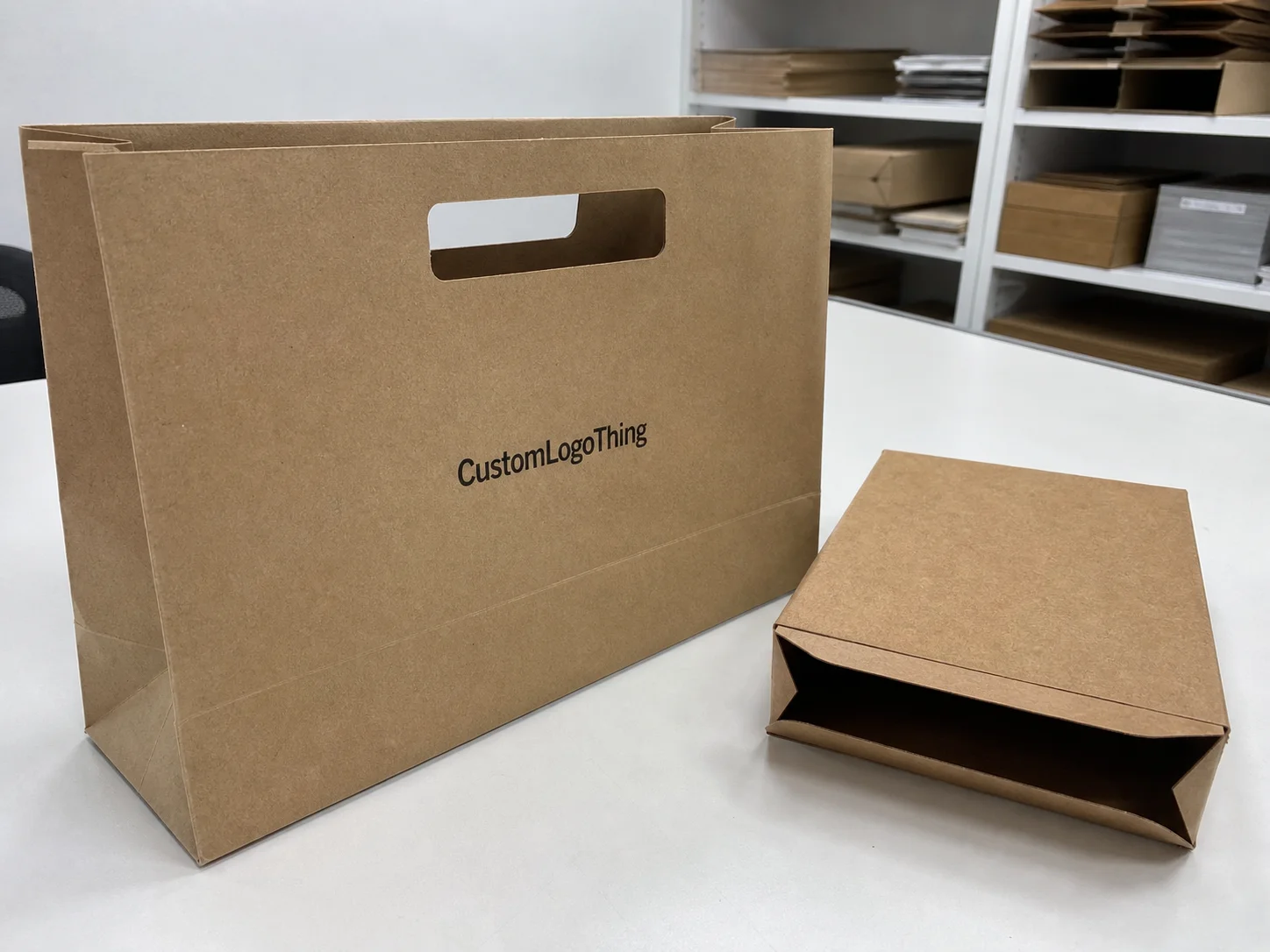
A custom Box With Foam Insert solves two buyer problems at once: product protection and controlled presentation. It keeps the item from shifting, prevents accessories from colliding, and makes the package feel engineered rather than improvised.
Most failures are subtle. The product arrives intact but rattles, sits crooked, or comes out with scuffs because the cavity was too tight. Good packaging prevents both physical damage and perceived quality loss.
The structure is simple: an outer box, usually a folding carton or rigid setup box, paired with foam cut around the product and any accessories. The insert may be a single cavity, a tray with accessory pockets, or a layered layout for more complex kits. This format works well for electronics, medical devices, cosmetics, tools, glassware, and gift sets because one pack has to protect, organize, and present.
The key is fit-for-purpose specification. Overbuilt packaging adds cost, weight, and storage volume without improving performance. The right build depends on product weight, fragility, finish sensitivity, shipping method, and the sales channel.
How Foam Inserts Actually Work Inside the Box
A foam insert does more than cushion. Its main job is to control movement and spread force across safer contact points. That means cavity fit, compression, bottom support, and easy removal all matter.
A snug fit is not the same as a stressed fit. Snug keeps the item stable and lets it lift out cleanly. Stressed fit puts constant pressure on edges and surfaces, which can leave marks, wear coatings, or make unboxing awkward.
Material choice drives much of the result:
- EVA foam: popular for presentation packaging; cuts cleanly and holds shape well
- PE foam: common for stronger protective use; closed-cell, moisture resistant, and dimensionally stable
- Polyurethane: softer and more forgiving; better for lighter products or lower-impact applications
- Soft sponge-style foam: cheaper, but compresses more easily and usually looks less precise
Closed-cell foams generally resist moisture better and keep their dimensions longer than open-cell foams. That matters in humid storage, repeated handling, or e-commerce transit.
Small design details also affect usability. Finger notches, ribbon pulls, lift tabs, top pads, and separate accessory pockets can determine whether the pack feels refined or frustrating. Black foam is common for premium presentation. White or gray is often used where cost and function matter more than display.
Beautiful packaging that damages the product is not premium. It is expensive evidence of bad planning.
Specs That Matter: Product Size, Weight, Fragility, and Finish
Exact product dimensions come first. Measure the real item, including caps, feet, ports, lenses, hinges, and any protrusion that changes how it sits in the cavity. Small misses can ruin fit, lid depth, or accessory spacing.
Weight changes the structure quickly. Two products may share similar size but behave very differently if one is a 50 g bottle and the other is a 900 g metal device. Heavier products need firmer support, better bottom cushioning, and stronger outer walls.
It helps to define fragility by risk type:
- Impact-sensitive: glass, ceramics, electronics, optics
- Scratch-sensitive: matte coatings, polished metal, painted parts, acrylic
- Leak-sensitive: bottles, droppers, chemical kits
- Presentation-sensitive: gift sets, retail kits, luxury packaging
Finish sensitivity is often missed. Soft-touch coatings can burnish, painted parts can show pressure marks, and polished surfaces can pick up rub lines from the wrong foam. If finish matters, approve the material against the real product, not just a digital rendering.
Accessory count also affects layout and cost. Chargers, manuals, cables, nozzles, adapters, sample vials, or spare parts all need planned space. If they are added late, they usually end up in compromised cavities or force a larger box.
Finally, match the structure to the shipping environment. A display-only retail pack and a direct-to-consumer parcel pack are not the same job. Repeated courier handling often requires firmer insert support and stronger outer construction than shelf display alone.
| Packaging goal | Best fit | Typical cost impact | Notes |
|---|---|---|---|
| Basic transit protection | Folding carton + PE or PU foam | Lower | Suitable for lighter products and simpler cavity layouts |
| Retail display | Rigid box + EVA insert | Medium to higher | Cleaner presentation and stronger perceived value |
| Luxury gifting | Rigid box + layered insert + printed finish | Higher | Appearance improves, but assembly and finishing costs rise fast |
| Delicate equipment | Rigid box + custom-cut protective foam | Higher | Built around controlled fit and damage reduction rather than display alone |
What Is the Best Custom Box With Foam Insert for Your Product?
The best option matches the product’s risk profile and commercial goal. For lighter products and shorter transit cycles, a folding carton with a simple insert may be enough. For premium retail packaging, a rigid box with EVA usually gives a cleaner result. For heavier tools, devices, or technical kits, the pack typically needs firmer foam, stronger board, and more support under the product.
A practical rule: choose the box style based on presentation and sales channel, then choose the insert based on weight, fragility, and surface sensitivity. If those decisions are reversed, the package often ends up either under-protected or unnecessarily expensive.
For kits and gift sets, layout often matters more than adding extra material. Separate cavities, clear spacing, and easy extraction usually do more for perceived quality than thicker walls or added decorative effects.
Production Steps and Lead Time: From Dieline to Finished Pack
Most projects follow the same path: product review, structural recommendation, dieline or insert layout, sample stage, revisions, approval, production, packing, and shipment. Delays usually come from missing or changing information.
Suppliers typically need:
- actual product dimensions and packed weight
- photos from multiple angles
- estimated order quantity
- print requirements and preferred box style
- use case: retail display, gifting, shipping, or a mix
- delivery destination and deadline
Sampling is where most fit problems should be caught. A plain mockup checks structure. A foam sample checks density, thickness, and surface contact. A full prototype checks print, fit, and the real unboxing experience.
Common delays are predictable: product dimensions revised after layout, accessories added late, artwork changes after sample approval, and slow internal signoff. Complexity adds time too. Flat die-cut inserts are usually faster than routed multi-layer trays. Rigid boxes, magnets, foil, spot UV, and hand assembly all extend production time.
For straightforward jobs, production after final approval often runs about 12 to 20 business days, plus shipping. More involved builds can take several weeks longer.
Cost and Pricing Breakdown: What Changes Your Unit Cost
Unit cost is driven by structure, material, complexity, quantity, and labor. The main variables are box style, board thickness, print coverage, specialty finishes, foam type, foam thickness, cavity complexity, hand assembly, and freight.
Folding cartons are usually less expensive than Rigid Setup Boxes because they use less material and labor. Rigid boxes cost more but offer stronger presentation and a more substantial feel.
Foam pricing depends on both material and conversion method. A simple die-cut sheet costs far less than a routed insert with multiple cavities or laminated layers. Small runs feel expensive because tooling, setup, and development are spread across fewer units.
Typical market behavior looks like this:
- Simple folding carton + basic foam insert: generally the lowest-cost route at volume
- Rigid box + standard insert: mid-range, with sharper unit-cost increases on smaller runs
- Rigid box + routed multi-piece insert + premium finishes: high-cost option, especially with low MOQs and hand assembly
| Option | Approx. unit cost behavior | Best for | Tradeoff |
|---|---|---|---|
| Folding carton + simple foam | Lowest | Budget-conscious protective packaging | Less premium feel and less structural presence |
| Rigid box + standard cut insert | Mid-range | Retail packaging and gift sets | Higher setup and labor cost |
| Rigid box + multi-piece custom insert | Higher | Electronics, tools, medical kits, premium sets | Better fit, but more assembly time and tighter tolerances |
| Rigid box + specialty finish + complex foam | Highest | Luxury presentation | Best appearance, highest cost |
Cost control usually comes from simplification: reduce unnecessary box depth, keep cavity shapes clean, use standard foam colors, combine accessories where practical, and compare landed cost rather than ex-factory price alone.
How to Design the Right Insert Without Guessing
Insert design works best when the box and foam are treated as one system. A practical process looks like this:
- Measure the actual product. Include protrusions, cables, caps, and irregular surfaces.
- Choose orientation early. Flat, upright, angled, or nested positions change both protection and presentation.
- List every packed component. Product, accessories, paperwork, and spare parts all need assigned space.
- Match material to risk. Weight, finish sensitivity, moisture exposure, and transit method should drive foam choice.
- Build in tolerances. Cavities need enough clearance for repeated use and production variation.
- Plan extraction. Add finger notches, ribbon pulls, or top clearance where needed.
- Test a real sample. Shake it, repack it, stack it, and inspect for movement or surface marks.
If possible, send a real product sample for development. Photos help with layout, but they do not reveal awkward weight distribution, slippery finishes, sharp corners, or cables that refuse to sit flat.
During sampling, confirm that the product seats fully, the lid closes without force, accessories stay in place, and repeated insertion does not mark the finish. If removal requires pinching, prying, or shaking the box, the insert design still needs work.
Common Mistakes Buyers Make With Foam Packaging
Choosing foam by appearance alone. A clean-looking insert can still be wrong on density, rebound, or surface friction.
Making cavities too tight. Tighter does not always mean safer; it often creates scuffs, pressure marks, and poor usability.
Forgetting accessories until late. Chargers, manuals, caps, and cables should be included in the first layout review.
Approving samples without handling tests. A table review is not enough. Use shake tests, basic drop evaluation where appropriate, and common-sense handling checks. For broader transit testing standards, ISTA remains a useful reference.
Underbuilding the outer box. Foam cannot compensate for a carton that crushes too easily or a lid that warps.
Ignoring tolerances. Products, foam, and box materials all vary slightly; designs with no tolerance often fail at scale.
Expecting premium builds on compressed timelines. Rigid construction, specialty finishes, routed foam, and hand assembly all take time.
Sustainability also needs a practical view. Foam is not always the easiest material from an environmental standpoint, so it is worth asking where paper components can use recycled board or certified fiber. For paper packaging, FSC is a useful sourcing reference. But replacing a fit-for-purpose insert with a weaker option that increases damage is not a real win.
Next Steps: What to Send for a Fast, Accurate Quote and Better Sample
A useful quote depends on useful inputs. Send the details that actually affect structure, price, and lead time:
- exact product dimensions
- packed weight
- photos from multiple angles
- estimated annual quantity and first order quantity
- target budget range
- shipping method and destination
- required delivery window
- preferred box style, if known
- print, finish, and branding requirements
- list of all accessories and literature that must fit inside
A rough cavity sketch helps. If you are deciding between a folding carton and rigid box, say that early. It also helps to request two or three material paths so you can compare protection, appearance, MOQ, and Cost side by side.
When reviewing samples, start with fit, removal, and shipping performance. Appearance matters, but the package succeeds only if it holds the product correctly, protects the finish, and survives the route it was built for.
What foam is best for a custom box insert?
It depends on the product and the job the package has to do. EVA is often used for cleaner presentation and good shape retention. PE is widely used where moisture resistance and structural stability matter. Softer polyurethane can work for lighter or less demanding applications. The right choice depends on product weight, fragility, finish sensitivity, and transit conditions.
How much does a custom box with foam insert cost?
Cost is shaped by box style, print level, foam material, insert thickness, cavity complexity, quantity, labor, and freight. Folding cartons with simpler inserts are usually less expensive than rigid boxes with routed foam and specialty finishes. For budgeting, compare by quantity tier and landed cost rather than headline unit price alone.
What is the MOQ for boxes with foam inserts?
MOQ varies by supplier and structure. Lower quantities are often possible, but unit costs rise because tooling, setup, and development are spread across fewer pieces. Small runs usually make the most sense with simpler box constructions and less complicated insert geometry.
How long does production take for custom foam insert packaging?
Simple projects can move from final approval to shipment in roughly 12 to 20 business days, plus transit time. More complex builds with rigid boxes, premium finishes, multiple insert layers, or hand assembly take longer. Sampling and revision cycles can add significant time if product dimensions or artwork change midstream.
Can a foam insert protect products during shipping and still look premium?
Yes, if the insert and outer box are designed together. The strongest results usually come from controlled fit, sensible cavity layout, easy extraction, and a box style matched to the sales channel. Protection and presentation can coexist, but only if the package is tested under the conditions it will actually face.
A well-made custom box with foam insert holds the product in the right place, protects weak points, respects the finish, and makes the package feel intentional. That is what buyers should pay for.


