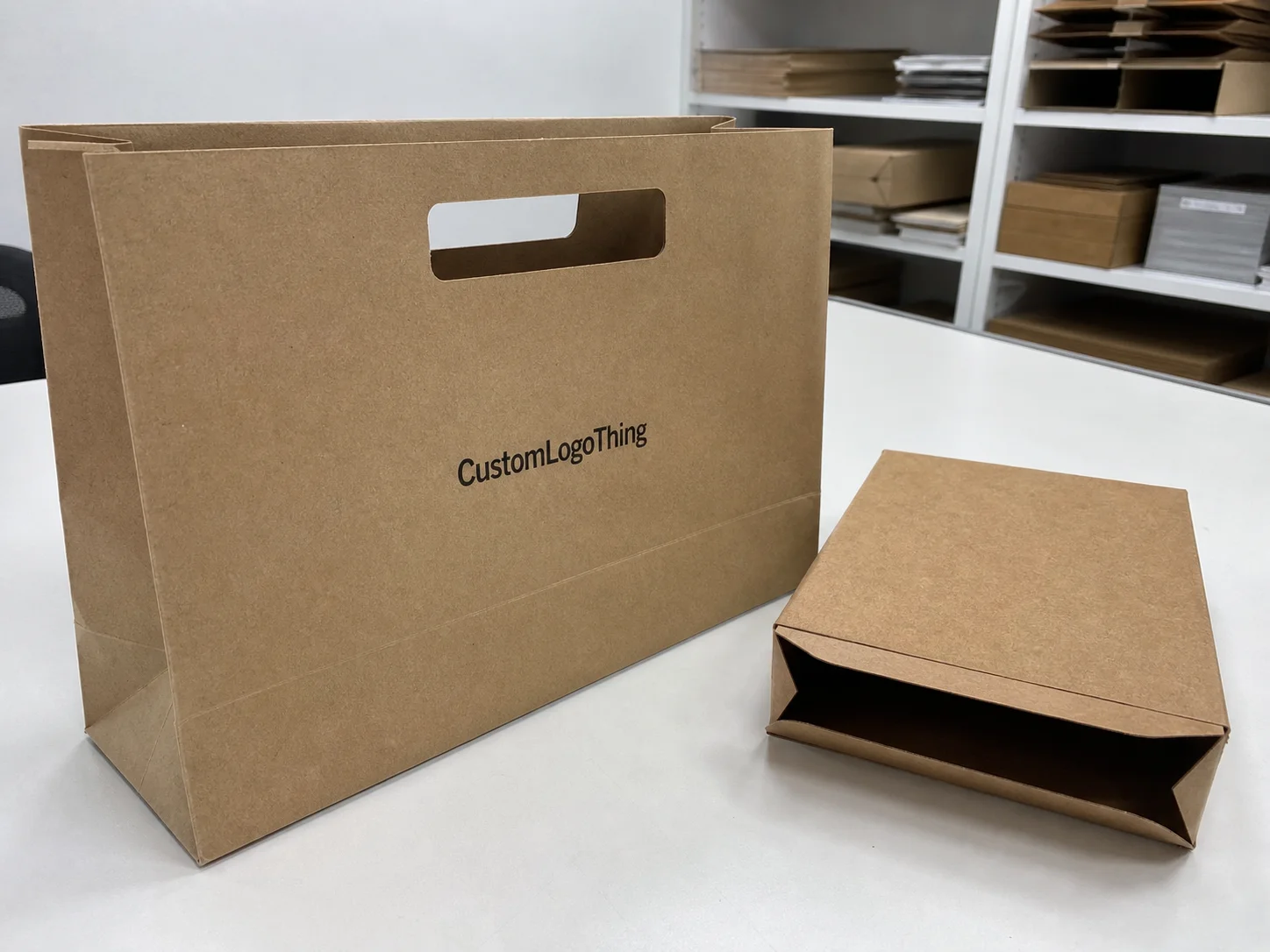
Custom branding stickers let you upgrade plain mailers, bottles, jars, bakery bags, and stock cartons without committing to printed packaging inventory. That makes them useful for startups, seasonal runs, SKU tests, and brands still refining artwork or pack sizes.
The result depends on more than the logo. Face stock, adhesive, finish, print method, and format all affect whether the sticker looks sharp, applies cleanly, and stays put through packing, shipping, moisture, or refrigeration.
This guide focuses on buying decisions: materials, adhesives, finishes, formats, lead times, MOQ, pricing, and inspection points. If you are also comparing tags or product labels, see Custom Labels & Tags.
Why custom branding stickers outperform bigger packaging upgrades

Printed cartons, pouches, and sleeves can look cleaner than an added sticker, but they also require longer lead times, larger minimums, more proofing, and more risk if the design changes. Stickers reduce that commitment.
They work well when flexibility matters more than full package integration:
- Startup launches with uncertain reorder volume
- Seasonal or promotional packaging
- Short-run SKU tests
- Event and pop-up packaging
- Stock boxes or bottles used while final artwork is still in development
For buyers, the main benefit is not just lower upfront spend. It is avoiding obsolete printed inventory. One base carton can support multiple versions with different stickers, and a logo update does not force you to scrap old boxes.
Practical rule: if branding, dimensions, or SKU mix may change within the next 3 to 6 months, stickers usually carry less risk than fully printed packaging.
How branded stickers work in real packaging applications
A sticker build includes the face stock, adhesive, liner, printed artwork, and often a coating or laminate. Those choices determine print quality, scuff resistance, moisture tolerance, and how well the sticker bonds to the package.
Format matters too:
- Sheets are common for hand application and smaller runs.
- Rolls are better for faster packing, dispensers, and machine application.
- Individual die-cut pieces fit decals and inserts more than production packaging.
The same artwork may need very different specs depending on use. A tissue seal needs easy hand peel. A refrigerated bottle needs moisture-resistant material and an adhesive that still bonds after condensation. A corrugated mailer may need stronger tack to grip recycled kraft fibers and dusty surfaces.
Paper stickers usually cost less and work well for dry indoor uses such as box seals, bakery bags, and short-run branding. BOPP film is the standard choice for bottles, jars, bath and body products, and refrigerated items because it handles water, oil, and abrasion better. Vinyl is more durable still, but many packaging jobs do not need that extra build.
Finish also affects performance. Matte reduces glare and gives a softer look. Gloss boosts color and contrast. Clear stock can create a no-label effect on glass or polished plastic, but it often needs white ink under the design so the artwork does not disappear against the product.
Material, adhesive, and finish choices that change performance
Materials that look similar on screen can perform very differently in production. Surface texture, temperature, moisture, and handling matter as much as appearance.
Common face stocks
Uncoated paper gives a natural look and can be written on. Coated paper usually prints more crisply. White or clear BOPP is the packaging workhorse for moisture exposure and rubbing. Vinyl is tougher but often unnecessary for standard packaging. Foil papers add metallic effect without metallic ink, while textured specialty stocks can look premium but may reduce fine-detail clarity.
Adhesives are application-specific
Permanent adhesive fits most branding and product labeling. Removable adhesive is better when the sticker should Peel Off Cleanly. All-temperature or freezer-grade adhesives are made for cold applications. High-tack adhesives help on rough corrugate, recycled kraft, and some difficult plastics.
Typical builds include:
- Bakery tissue seal: paper face stock, permanent adhesive, sheets
- Cold beverage bottle: white or clear BOPP, all-temperature adhesive, optional laminate
- Cosmetic carton seal: coated paper or BOPP, matte finish, clean die-cut edge
- Corrugated shipper logo decal: paper or film with stronger tack if the board is rough or dusty
Print detail and readability
Small stickers limit design tolerance quickly. Legal copy, scent names, QR codes, and logos compete for space, so readable type size matters. As a working guideline, many teams keep reversed small type above 6 pt and positive small type above 5 pt, depending on font and print method. QR codes usually scan more reliably around 0.6 to 0.8 inches square with strong contrast and enough quiet zone.
Most sticker files also need bleed, usually about 0.0625 to 0.125 inches beyond the cut line. Thin borders are risky because normal die-cut variation can make them look off-center.
Shape, size, and durability
Circles work well for seals and hide slight placement variation. Rectangles and rounded rectangles use space efficiently for information-heavy labels. Custom die-cuts can strengthen brand recognition, but intricate cut paths, thin points, and hairline borders slow production and make hand application harder.
Durability should match the real environment. If units rub together in master cartons, film or lamination may prevent scuffing. If the sticker sits on an inner dry pack with little handling, paper may be enough.
For lower-impact choices, right-size the sticker and avoid overbuilding the material. If fiber sourcing matters, review options aligned with FSC principles. For broader waste guidance, see the EPA recycling resources.
Custom branding stickers process and timeline: from artwork to delivery
The standard flow is artwork review, proofing, stock confirmation, printing, die cutting, finishing, inspection, packing, and shipping. Most delays happen before production starts.
Common causes of delay include low-resolution logos, missing bleed, unclear dimensions, slow proof approval, or missing information about the application surface. Jobs using white ink on clear stock, multiple SKUs, or exact roll orientation also take more prepress time.
Digital printing is usually best for short and medium runs, versioned SKUs, and fast artwork changes. Flexographic printing becomes more efficient at higher volumes and repeat runs with stable artwork.
Typical lead times:
- 7 to 10 business days after proof approval for many standard digital orders
- 10 to 15 business days for custom die-cuts, lamination, specialty finishing, or more complex builds
These factors usually affect schedule:
- Quantity and number of versions
- Standard shape versus custom die-cut
- Clear stock with white ink
- Lamination or specialty coatings
- Roll direction requirements
- Freight method and destination
First orders should include extra time for sample application. That test often reveals that the sticker should be larger, the finish should change, or the adhesive needs more tack. Also confirm receiving format early: roll orientation, core size, outside winding, labels across or down, and sheet count all affect usability once the order reaches the packing floor.
Sticker pricing, MOQ, and unit cost: what you are really paying for
Sticker pricing is driven mainly by size, shape complexity, material, adhesive, print coverage, white ink, laminate, quantity, and final format. Minimums usually come from setup efficiency, material width, and die requirements.
Higher volumes lower unit cost, but that does not always mean the larger run is the better buy. If artwork, formula, or packaging dimensions may change soon, leftover inventory can cost more than the savings from a lower per-piece price.
| Spec Example | Typical Quantity | Approx. Unit Cost | Notes |
|---|---|---|---|
| 2" round coated paper, gloss, sheets | 500 | $0.10-$0.18 | Common for hand-applied box seals and event packaging |
| 3" x 4" white BOPP, matte, rolls | 1,000 | $0.12-$0.24 | Typical for bottles and jars with light moisture exposure |
| Custom die-cut clear BOPP with white ink | 2,500 | $0.16-$0.32 | Higher due to material, white ink, and custom shape |
| 4" logo decal, laminated vinyl | 1,000 | $0.28-$0.55 | More common for durable promo use than standard packaging |
Those ranges are directional only, but they are useful for early budgeting. At quote stage, check:
- Whether proof revisions are included
- Whether a custom die has a separate charge
- Whether rush production adds 15% to 40%
- Whether split shipments cost extra
- Whether freight is included or quoted separately
In general, standard circles and rectangles cost less than custom shapes, paper costs less than film, and white ink or laminate adds cost. Sheets are often fine for smaller hand-applied runs, while rolls become more practical as application speed increases.
To get a useful quote, provide the intended surface, environment, exact dimensions, artwork count, quantity tiers, and target delivery window. If stickers are part of a wider update, compare options across Custom Packaging Products.
Step-by-step: how to choose the right sticker spec for your brand
- Define the job. Decide whether the sticker is decorative, informational, sealing, or tamper-evident, and how long it needs to last.
- Measure the application area. Check panel size, curvature, folds, seams, and squeeze points.
- Match material and adhesive to conditions. Dry cartons may need only paper; moisture, oil, or scuffing usually pushes the spec toward film.
- Prepare artwork for print. Include bleed, safe area, readable type, and enough contrast for QR codes or small copy.
- Select finish and format. Choose matte or gloss, sheets or rolls, and standard or custom shape based on how the stickers will be applied.
- Request quantity breaks. Compare 500, 1,000, 2,500, and 5,000 when available, then weigh unit savings against the risk of design changes.
- Approve the proof carefully. Confirm dimensions, cut line, copy, color, winding direction if needed, and SKU counts.
What are the best custom branding stickers for packaging?
The best option depends on the package surface, storage environment, and application method.
- Paper stickers are best for dry indoor packaging, bakery bags, tissue seals, and short-run branding changes.
- BOPP stickers are usually best for bottles, jars, refrigerated items, bath and body products, and packs exposed to moisture or rubbing.
- Clear stickers suit a no-label look on glass or polished plastic, often with white ink behind the artwork.
- Vinyl stickers are better for durable promotional decals or harder-use environments than for standard packaging.
If you need a fast decision path, start with the environment first, then refine finish, shape, and visual style. Buyers often begin with appearance, but performance is what determines whether the sticker still looks good after packing and transit.
Common sticker mistakes that lead to peeling, smudging, or wasted spend
The most common mistake is choosing by appearance alone. A paper sticker may look right but still fail on a damp bottle. Another common problem is overcrowding the design so logos, legal copy, and QR codes all compete inside too little space.
Other repeat issues include:
- Using paper where water, oils, or heavy scuffing are expected
- Ordering intricate die-cuts with fragile points or thin borders
- Skipping live tests on actual glass, plastic, kraft, or corrugated surfaces
- Approving art without checking bleed, copy, and production format
- Overbuying before the design or pack size is stable
- Underbuying and then paying rush fees on reorders
Sample testing is cheaper than reprinting. Apply samples to the real package, chill them if the product will be refrigerated, and check edges after 24 hours and again after a few days. If units will move heavily through parcel networks, ISTA guidance can also help when appearance through shipping matters.
Next steps: build a smarter order plan for custom branding stickers
Start with a simple brief: product type, application surface, environment, target look, quantity tiers, and required delivery date. Include one production-ready artwork file and, if possible, a physical package sample.
Then confirm this checklist:
- Final size and shape
- Paper, BOPP, vinyl, or specialty stock
- Permanent, removable, freezer-grade, or high-tack adhesive
- Matte, gloss, clear, foil, or laminate
- Sheets, rolls, or individual die-cuts
- Single version or multiple SKU variations
If the sticker has to do real work, test two or three builds before committing to the full run. The best order plan is the one that matches the package, survives the real environment, and avoids locking the brand into unnecessary printed inventory too early.
FAQs
What are custom branding stickers used for in packaging?
They are used for logo placement, box sealing, product labeling, promotional inserts, thank-you seals, and short-run packaging updates without changing the main printed package. They are especially useful for seasonal launches, startup packaging, test SKUs, and event programs where flexibility matters.
How much do custom brand stickers cost per unit?
Unit cost depends mainly on size, quantity, material, shape, ink coverage, finish, and whether the order is sheeted or rolled. Paper and standard shapes usually cost less than film stocks, custom die-cuts, white ink, or laminated builds.
What is the typical lead time for custom branding stickers?
Standard digital orders often run about 7 to 10 business days after proof approval. Custom shapes, specialty finishes, multiple versions, or complex roll requirements can push that closer to 10 to 15 business days.
Are custom logo stickers better on rolls or sheets?
Sheets are usually easier for small teams applying stickers by hand. Rolls are better for higher throughput, cleaner dispensing, and compatibility with label applicators.
Which material is best for custom branding stickers on bottles, boxes, or mailers?
Paper works well for dry indoor use on many boxes, tissue seals, and bakery bags. BOPP or similar film materials are better for bottles, refrigerated items, moisture exposure, and friction during transit. The best choice starts with the exact package surface and use conditions.