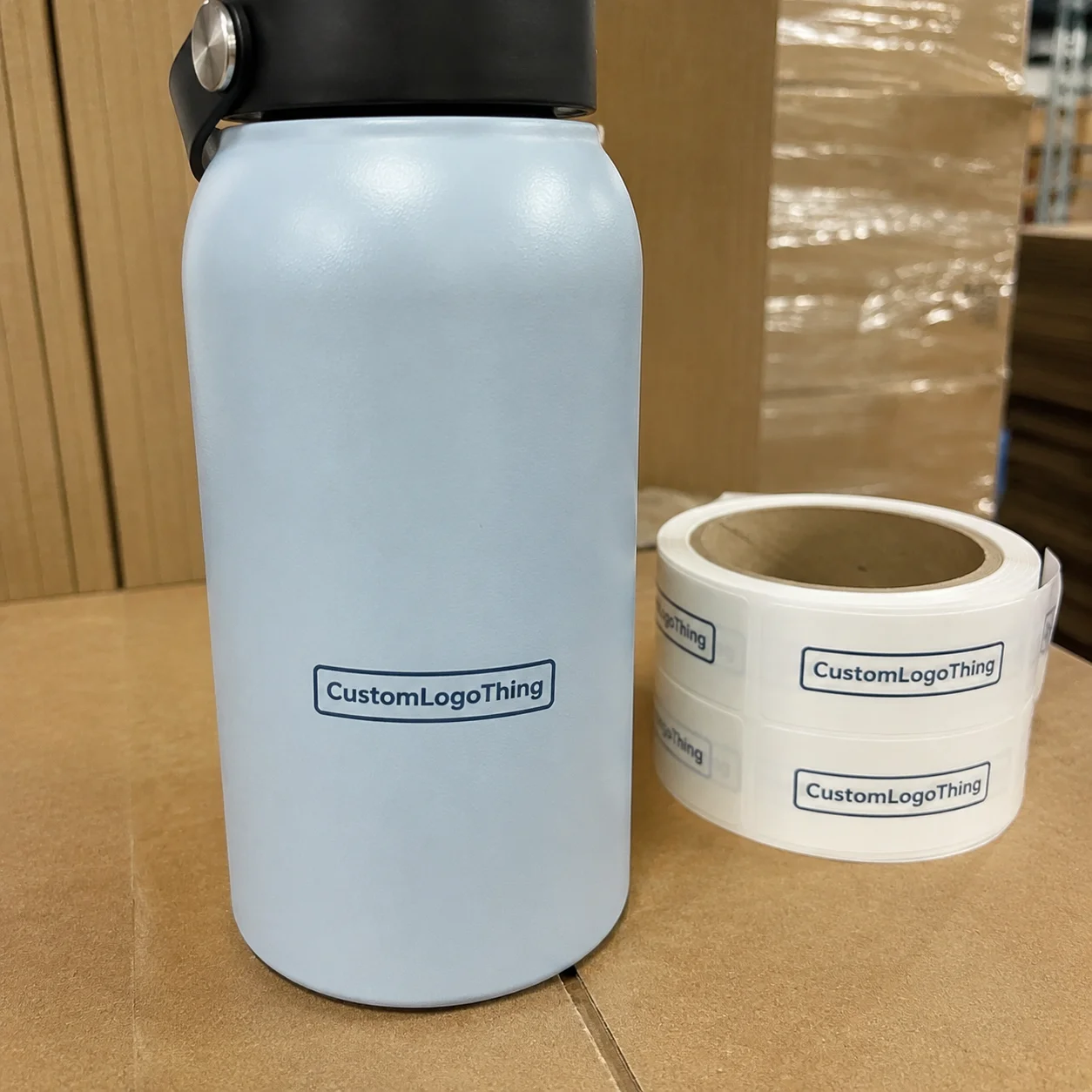
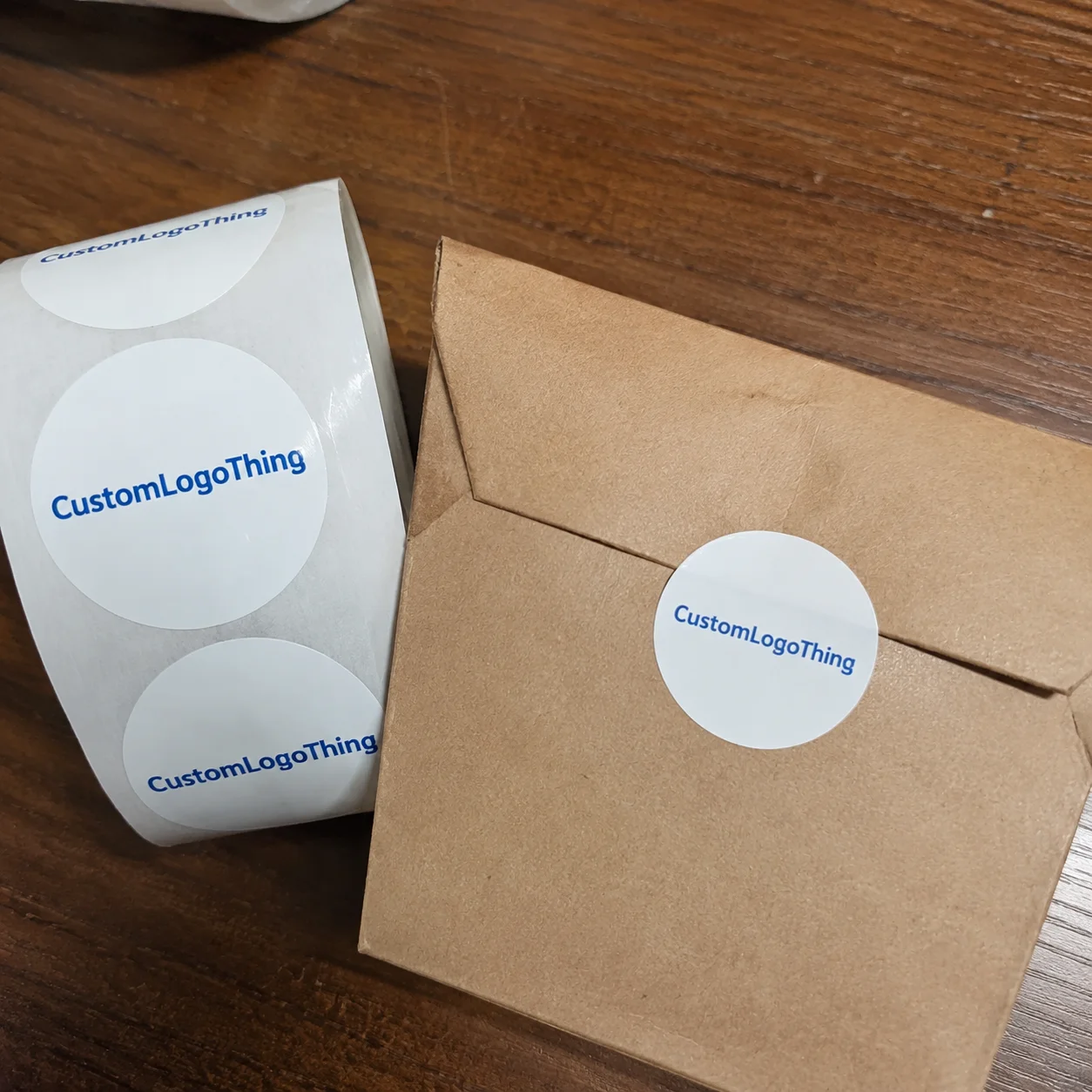
A brand can spend real money on custom boxes, tissue, inserts, and polished packaging, then ruin the unboxing with one stubborn label. Tiny sticker. Big nuisance. Classic. Removable custom stickers are meant to prevent that problem: they carry branding, QR codes, product instructions, promotional messages, or tamper-aware seals, then peel away without shredding the package or leaving a glue crime scene behind.
Simple idea. Complicated execution.
Sticker performance depends on adhesive chemistry, face stock, surface coating, temperature, application pressure, and dwell time. A removable label on glass for three days is not doing the same job as a removable label on soft-touch retail packaging for four months in a warm warehouse. Treating those as identical is how buyers end up with residue, lifting corners, angry fulfillment teams, and reprints that should have been avoidable.
Removable Custom Stickers: What They Actually Do
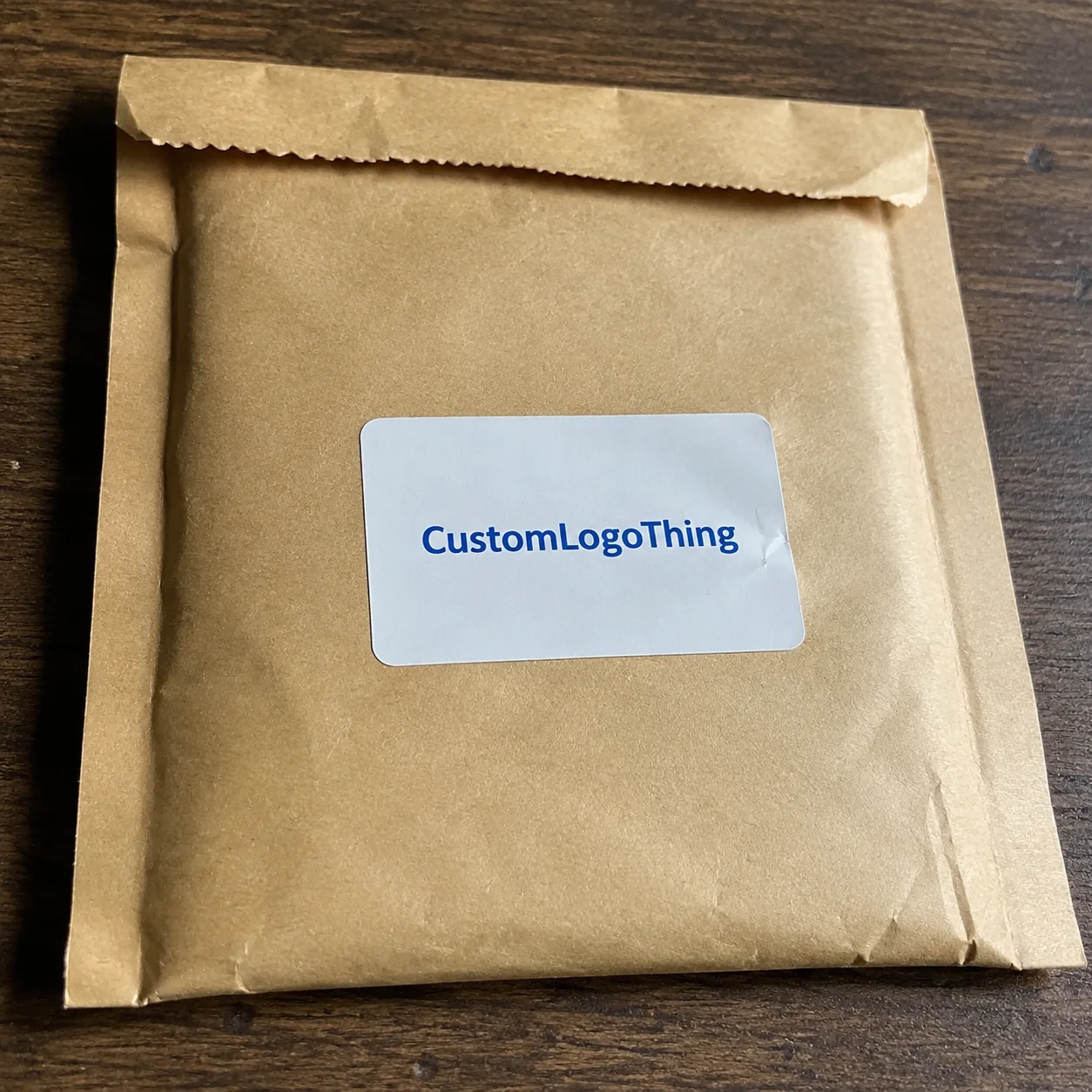
Removable custom stickers are printed pressure-sensitive labels designed to hold during normal handling, then peel off cleanly from compatible surfaces. “Compatible” is the expensive word in that sentence. Glass, coated plastic, smooth metal, and many coated paperboards usually behave better than raw kraft board, uncoated recycled paper, textured mailers, waxy surfaces, or delicate printed finishes.
Buyers often use removable, repositionable, low-tack, static cling, and permanent as if they mean the same thing. They do not. A removable adhesive is engineered for clean peel-off after a defined use period. A repositionable adhesive allows adjustment shortly after application. Low-tack adhesives have lighter grab, but may not survive shipping or retail handling. Static cling uses no adhesive and works mainly on smooth glass or polished surfaces. Permanent adhesive is made to stay. Shocking, I know.
Peel-off labels make sense for temporary promotions, seasonal packaging, QR code campaigns, event branding, sample kits, subscription box inserts, return instructions, retail shelf callouts, laptop-safe decals, reusable packaging systems, and short-term package branding tests. If the message changes often, or the customer is expected to remove it, removable is usually the cleaner route.
Set expectations early. Removable does not mean magical. A sticker that peels cleanly after two hours may not behave the same after six months. Heavy ink coverage can stiffen a paper label. Larger stickers create more adhesive contact area. A matte laminate can interact differently from gloss. If the label touches premium branded packaging, test before ordering 10,000 units. Future-you will be less annoyed.
How Peel-Clean Adhesive Works on Real Surfaces
Pressure-sensitive adhesive bonds when pressure is applied. No heat. No water. No curing step. A packer presses the sticker down, and the adhesive flows into tiny surface irregularities. Removable versions use lower tack or specific adhesive chemistry to reduce long-term grip and limit residue.
The awkward variable is dwell time: how long the sticker stays on the surface before removal. A label removed after two hours may lift beautifully. The same label removed after 90 days from a coated paper box stored near heat may transfer adhesive. Not always, but often enough that testing matters.
Surface energy also affects the result. Smooth plastics, glass, and coated boxes tend to accept adhesive more evenly. Fibrous, dusty, textured, waxy, or porous surfaces create inconsistent contact. Raw kraft board is especially tricky because fibers can tear or hold adhesive. Soft-touch laminate can look expensive and behave like a diva. Pretty finish, sensitive personality.
Environmental conditions change the bond. Heat can increase adhesive flow and residue risk. Cold can reduce initial tack, so corners may lift during transit. Humidity can affect paper stocks and liners. Direct sun can age adhesive faster, especially on windows, vehicles, outdoor displays, and packaging stored near glass storefronts.
Buying rule: clean removal and strong hold fight each other. You need enough adhesion for shipping, retail handling, and customer touchpoints, but not so much that the sticker acts like it signed a lease.
If your package needs to pass distribution stress, review packaging test concepts from groups such as ISTA. Their transit-testing standards are not sticker-specific, but they are useful because they frame packaging as something that moves through cartons, trucks, warehouses, pallets, and hands. Not mood boards.
Key Specs That Control Hold, Finish, and Clean Removal
The first spec is adhesive. For indoor labels, removable acrylic adhesive is common because it offers decent clarity, aging resistance, and cleaner removal on many smooth surfaces. Outdoor use, freezer storage, window decals, electronics, painted products, and delicate packaging may require specialty adhesives. If a supplier gives one generic answer for every surface, keep asking questions.
Material comes next. White BOPP is a strong all-around film for moisture resistance and clean print. Clear BOPP works well for “no-label look” applications but needs white ink planning if the design includes light colors. Paper is economical and prints nicely, but it dislikes moisture, oils, refrigeration, and repeated handling. Vinyl can handle tougher outdoor jobs, although it usually costs more. Static cling is useful for glass, but it is not a normal sticker.
| Material | Best Use | Typical Tradeoff |
|---|---|---|
| Removable paper | Short-term indoor labels, promotions, inserts | Lower cost, weaker moisture resistance |
| White BOPP | Product labels, retail packaging, jars, kits | Better durability, higher cost than basic paper |
| Clear BOPP | Glass, plastic, transparent packaging | Needs white ink for opacity and contrast |
| Vinyl | Outdoor decals, equipment, longer exposure | More durable, usually pricier |
| Static cling | Windows and smooth glass | No adhesive, limited surface compatibility |
Finish changes appearance and durability, not adhesive compatibility by itself. Gloss boosts color and scuff resistance. Matte looks calmer and more premium. Soft-touch feels expensive but can show oils and fingerprints. UV coating and lamination protect ink, especially on handled labels. None of those guarantee clean removal from every surface.
Shape and size matter more than buyers expect. A 1.5-inch round label has modest contact area and usually removes more easily than a 6-inch full-bleed rectangle. Sharp corners, thin points, and tiny cutouts lift faster. Rounded corners are boring, practical, and often correct. Production is full of these rude little truths.
Printing method affects price and flexibility. Digital printing works well for short runs, fast changes, and multiple artwork versions. Flexographic or offset-style production can make sense for larger roll-label runs where setup cost spreads across volume. Full-bleed artwork needs bleed, usually around 0.0625 to 0.125 inch depending on the printer. QR codes need contrast, quiet space, and enough size to scan after printing. For most product labels, QR codes smaller than about 0.8 inch deserve suspicion unless testing proves they scan reliably.
Liner format affects packing speed. Split-back liners help hand application. Roll labels support dispensers and machine labeling, but roll direction, core size, and outside diameter must be specified. Sheet stickers are easy for small teams. Kiss-cut stickers are cleaner for custom shapes and branded handouts. None of this is glamorous. All of it affects whether the job works on a packing line at 4:45 p.m.
Cost, Pricing, and MOQ Drivers Buyers Should Expect
Pricing for removable custom stickers is driven by size, material, adhesive type, print method, colors, finish, die shape, quantity, packaging format, proofing, and shipping timeline. Anyone promising one flat price without those details is guessing. Maybe confidently. Still guessing.
For small digital runs, rough pricing often lands around $0.08 to $0.60 per sticker, depending heavily on size and material. A simple 2-inch paper circle at 1,000 pieces may sit near the lower end. A laminated clear BOPP die-cut label at 250 pieces can land much higher. Larger roll-label runs can drop below those ranges when setup costs spread across 5,000, 10,000, or 50,000 units.
Minimum order quantities vary. Digital sheet or roll production may allow 100 to 500 pieces. Specialty removable adhesive, custom die-cut tooling, unusual materials, or high-speed roll production may push minimums higher. A 250-piece order often looks expensive per unit because proofing, setup, cutting, waste, and packing do not politely disappear just because the order is cute and tiny.
| Order Type | Common Quantity Range | Typical Unit Cost Range | Good Fit |
|---|---|---|---|
| Digital sheet stickers | 100 to 1,000 pieces | $0.15 to $0.60 | Testing, samples, short promotions |
| Digital roll labels | 500 to 5,000 pieces | $0.08 to $0.35 | Hand-applied product packaging |
| High-volume roll labels | 5,000 to 50,000+ pieces | $0.03 to $0.18 | Repeat SKUs and machine application |
| Specialty film or outdoor decals | 250 to 10,000+ pieces | $0.20 to $1.20+ | Weather exposure or demanding surfaces |
Cost-saving levers are straightforward. Use standard shapes. Reduce oversized dimensions. Combine artwork versions when possible. Choose roll format if your team applies labels in volume. Skip specialty finishes unless they protect the label or support the brand experience. If the sticker sits on the box for three days, it probably does not need every premium coating known to packaging.
Do not chase the cheapest quote without adhesive testing. A low unit cost is not a win if the sticker damages product packaging, falls off in transit, or leaves residue on a premium jar. That is not savings. That is deferred irritation with an invoice attached.
Process and Timeline From Artwork to Delivered Stickers
A sane ordering process looks like this: define the use case, identify the application surface, decide the removal window, choose material and adhesive, submit artwork, review the proof, approve samples if needed, produce, inspect, and ship. Skip the surface and removal details, and you are basically ordering hope with a cut line.
Simple digital sticker orders often take 3 to 7 business days after proof approval. Custom dies, specialty adhesives, material sourcing, printed samples, or larger roll-label orders may take 10 to 20 business days. Rush production may be available, but it can limit material choices, compress proofing, and reduce the chance to test properly.
Proof approval is usually the timeline choke point. Missing bleed, low-resolution logos, unclear cut paths, wrong color mode, and unmarked white ink layers slow everything down. Vector files such as AI, EPS, or production-ready PDF are best for logos and cut lines. Raster images should usually be 300 DPI at final size. Pantone references help if brand color matters, although exact matches depend on material, coating, and print method.
Samples are not overkill for premium boxes, electronics, reusable containers, painted items, glass jars, soft-touch packaging, or retail displays. Printed samples or material swatches can add several days. They can also prevent thousands of bad labels. That tradeoff is not hard.
Quality checks should cover more than color. Confirm cut accuracy, liner release, edge lift, scuff resistance, barcode or QR scanning, roll orientation, core size, and carton labeling. For removable labels, add peel tests on the actual surface after 24 hours, 72 hours, and the longest realistic dwell time. If the label will sit in heat, cold, humidity, or sunlight, include those conditions in the test plan. A desk peel on a sample card is useful. It is not proof that the label will behave on a filled jar after two months in retail.
Warehouse details deserve attention before production starts. Confirm roll direction, core size, sheet count, carton labeling, and separate artwork SKUs. If labels feed through a dispenser or applicator, roll orientation matters. If fulfillment teams need cartons separated by SKU, say that before the job ships, not after someone opens 14 unlabeled boxes and starts sighing.
For buyers building a broader packaging program, pair stickers with the right base materials. Custom Logo Things offers Custom Labels & Tags for branded labeling needs and broader Custom Packaging Products for boxes, bags, inserts, and coordinated package branding.
Common Mistakes That Cause Residue, Lifting, or Reprints
The first mistake is assuming every removable sticker works on every surface. It does not. Test on the exact box, bottle, window, mailer, insert, or display whenever possible. A coated sample card from a supplier is useful, but it is not your package.
The second mistake is leaving a removable label on too long and expecting identical removal months later. Adhesive can build a stronger bond over time, especially with heat and sunlight. If the expected removal window is 60 days, test 60 days. A five-minute peel test tells you almost nothing about aging.
The third mistake is choosing paper for moisture, oils, refrigeration, or repeated handling. Paper can be economical and attractive, but it is not a superhero. If the label touches chilled bottles, oily cosmetics, freezer packs, or damp shipping environments, film materials usually deserve a look.
The fourth mistake is ignoring application conditions. Dusty kraft boxes, cold warehouses, oily glass, and damp containers all create inconsistent adhesion. Ideally, apply labels to clean, dry surfaces at moderate room temperature. Many pressure-sensitive labels behave best around 60°F to 80°F during application, though the exact range depends on adhesive spec.
The fifth mistake is designing fragile shapes. Thin points, sharp corners, and tiny cutouts can lift during handling. A dramatic starburst sticker may look fun on screen and annoying on a packing line. Rounded corners and simpler shapes usually perform better.
The sixth mistake is weak artwork prep. Low-resolution logos print soft. QR codes without contrast fail. Missing bleed creates ugly white edges. Clear stickers without white ink planning look washed out on dark surfaces. The printer can fix some things. The printer cannot turn a 72 DPI logo from an email signature into luxury retail packaging.
The seventh mistake is comparing quotes without matching specs. A removable paper sticker and a laminated clear BOPP removable sticker are not the same product just because both are sticky circles. Match size, material, adhesive, finish, quantity, roll format, proofing, and shipping before deciding who is actually cheaper.
What to Confirm Before Requesting a Quote
Before asking for pricing on removable custom stickers, gather the basics: final size, shape, quantity, surface type, indoor or outdoor use, expected removal window, finish preference, and whether the sticker must survive shipping, refrigeration, retail handling, or direct sunlight. A 2-inch removable QR label on a glass jar is a different job from a 5-inch promotional seal on a matte subscription box.
Send photos of the application surface if you have them. Describe the full lifecycle. Is the sticker applied by hand or machine? Does it ship in cartons? Will it sit under retail lights? Who removes it: warehouse staff, store associates, or customers? Is the package reused or discarded? These details help the supplier recommend the right removable label stock instead of throwing a generic option at the wall.
Ask for material guidance rather than specifying blindly. A good supplier should steer you toward a removable adhesive that fits the surface and removal window. If sustainability claims matter, ask about paper sourcing or chain-of-custody options. The Forest Stewardship Council is a useful reference point for paper-based materials, although certification availability depends on the exact stock and supplier chain.
Test three things before bulk approval: initial tack, edge lifting after 24 to 72 hours, and clean removal after the longest realistic use period. If the label must survive a week in transit and two months on a shelf, do not test it for one afternoon and declare victory.
Prepare artwork properly. Provide vector logos, high-resolution images, exact cut lines, bleed, safe margins, Pantone references if needed, and separate files for each version. Clear stickers need white ink layers marked clearly. QR Code Labels need contrast and quiet space. Roll labels need orientation confirmed before production.
The practical sequence is boring for a reason: gather specs, request material guidance, approve a proof, test samples on the actual surface, then order once the adhesive behavior is confirmed. Revolutionary, I know: test the sticky thing before buying a pallet of sticky things.
FAQ
Are removable custom stickers safe for cardboard boxes?
They can be, but coated cardboard usually performs better than raw kraft or uncoated recycled board. Test first if the box has soft-touch coating, matte laminate, heavy texture, or printed ink where the sticker will be removed. For premium packaging, ask for a removable adhesive sample and test removal after the real expected dwell time, not just five minutes.
How long can removable labels stay on before leaving residue?
Many removable labels are designed for short- to medium-term use, but exact timing depends on adhesive, surface, temperature, sunlight, and humidity. A sticker that peels cleanly after one week may behave differently after three months in a hot warehouse. If clean removal is critical, test at the longest expected use period before approving bulk production.
Do peel-off custom stickers cost more than permanent stickers?
Sometimes, especially when specialty removable adhesive, clear film, lamination, or small custom runs are involved. Basic removable paper or BOPP stickers can be close in price to standard permanent stickers at higher quantities. The cheapest permanent sticker may cost less upfront but can become more expensive if it damages packaging or creates customer complaints.
Can removable stickers be used outdoors?
Yes, but only with the right material and adhesive. Standard removable paper stickers are usually a poor outdoor choice. Outdoor use often calls for film materials like vinyl or BOPP, weather-resistant ink, and sometimes lamination. Confirm expected exposure to rain, UV, temperature swings, and removal timing before choosing the spec.
What artwork files work best for custom removable stickers?
Vector files such as AI, EPS, or PDF are best for logos, cut lines, and clean typography. Raster images should be high resolution, usually 300 DPI at final print size. Clear stickers, die-cut shapes, white ink, and QR codes need extra attention to contrast, bleed, safe margins, and cut path setup.