Two Custom Name Vinyl stickers can look nearly identical in a proof and perform very differently in use. One stays flat on a water bottle or laptop; the other lifts at the corners, scuffs quickly, or loses readability on the wrong surface.
That usually comes down to construction, not artwork. Vinyl film, adhesive, laminate, and cut style matter more than most buyers expect. If the product spec does not match the surface, handling, and lifespan, a clean proof will not save the order.
Custom Name Vinyl Stickers: What They Are and Why People Get Them Wrong
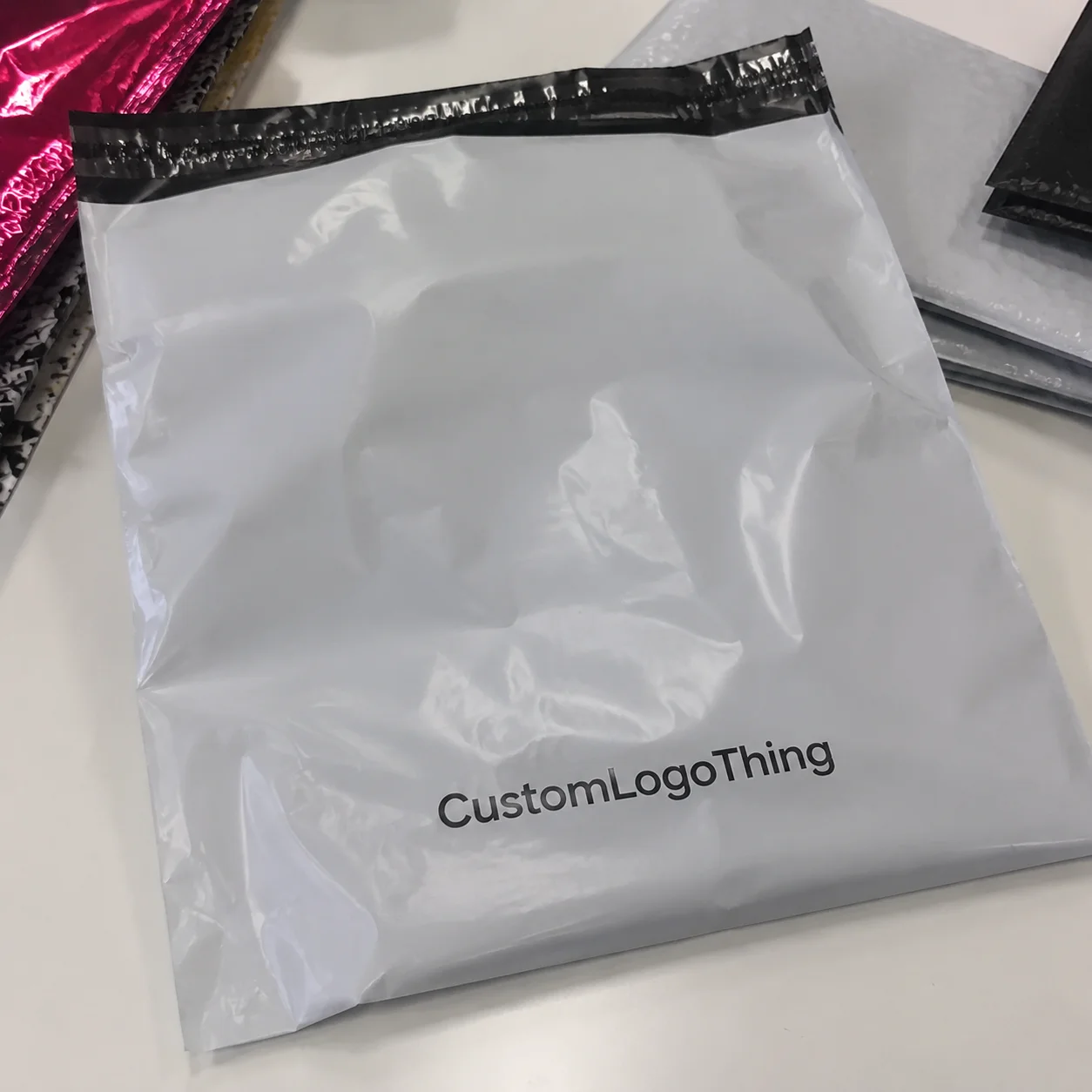
Custom name vinyl stickers are personalized stickers made from vinyl film and printed or cut with names, nicknames, team names, employee names, or ownership labels. Common uses include school gear, bottles, laptops, welcome kits, party favors, storage bins, and packaging inserts.
Buyers often treat them like a design project when they are really a materials decision first. A proof confirms graphics and spelling. It does not confirm adhesion on textured plastic, scratch resistance in daily use, or whether a delicate script will survive contour cutting.
Typical uses include:
- School supplies, lunch containers, and student gear
- Employee kits, event badges, and internal labeling
- Sports teams, camps, clubs, and booster programs
- Party favors, giveaways, and resale sticker sets
- Ownership labels for laptops, bins, tools, and equipment
- Packaging inserts and branded packaging applications
These applications do not use one universal spec. Indoor economy vinyl is different from laminated outdoor vinyl. Permanent and removable adhesives solve different problems. White vinyl, clear vinyl, and cut lettering also change visibility, application, and durability.
Most sticker failures start before printing, when a physical product gets treated like a graphic file.
Start with the actual job: surface, moisture, handling, and expected life. Then build the artwork around those limits.
How Vinyl Name Stickers Work From Artwork to Finished Pieces
A vinyl name sticker is a layered product. The top layer is the face film. Below that is the adhesive, then the release liner. Many printed stickers also get a clear laminate to improve resistance to scratching, water, soap, and UV exposure.
Production usually follows one of two routes. Printed stickers are best for full-color names, gradients, logos, and illustrations. Cut vinyl lettering works better for simple one-color names where the letters themselves become the decal. Neither is automatically better; the right choice depends on artwork and application.
Die-cut vs kiss-cut
Die-cut stickers are cut through the vinyl and liner, so each piece arrives as a standalone shape. Kiss-cut stickers are cut through the face stock while the backing sheet stays intact. Kiss-cut pieces are often easier to peel, especially for small names, thin outlines, and intricate shapes.
Finish and adhesive choices
Gloss laminate usually gives better color pop and easier wipe-clean performance, which makes it useful for bottles and frequently handled items. Matte reduces glare and fingerprints and can work better for premium kits or softer-looking packaging.
Clear vinyl can look clean on glass and smooth plastic, but it is less forgiving than white vinyl. If contrast is weak, the name can disappear into the surface. White vinyl is usually the safer choice when readability matters most.
Permanent adhesive is generally better for bottles, gear, laptops, outdoor use, and frequent handling. Removable adhesive is better for temporary campaigns or surfaces where clean removal matters more than long hold.
Surface and environment change performance quickly. Curves stress edges. Dishwashers are harsher than hand-washing. Textured plastics reduce contact area. Some low-surface-energy plastics resist adhesion unless a more aggressive adhesive is specified.
For variable-name orders, organized data matters almost as much as material choice. Suppliers usually need the name list, quantities by name, size, shape, color references, font direction, and any sorting notes. Clean spreadsheets prevent avoidable errors.
Specs That Matter Most: Material, Adhesive, Size, and Finish
Material choice drives performance. Economy vinyl can work for short-term indoor labels with light handling. Bottles, laptops, helmets, bins, and gear cases usually need laminated vinyl for better moisture and abrasion resistance.
Size gets harder when names vary in length. A short bold name may work at 2 inches wide, while a long script name may become unreadable at that size. For many runs, 2.5 to 4 inches wide is a practical range, but the longest name should set the layout.
Font choice affects durability as much as appearance. Thin scripts and hairline details are the first parts to tear or lift. Bold sans serifs and medium-weight display fonts usually hold up better and stay readable from farther away.
Contrast matters too. Light artwork on clear vinyl often disappears on dark surfaces. Metallic or holographic films can look strong, but fine lettering can get lost against the effect. For practical identification, dark text on white vinyl is usually the most reliable option.
| Option | Best for | Typical tradeoff | Relative cost |
|---|---|---|---|
| Printed white vinyl | General labeling, packaging, full-color names | Visible background on transparent surfaces | Lower to medium |
| Clear vinyl | Bottles, glass, windows, cleaner presentation | Needs strong contrast; dark surfaces reduce readability | Medium |
| Laminated outdoor vinyl | Laptops, bottles, gear, handled packaging | Slightly thicker feel, extra production step | Medium to higher |
| Cut vinyl lettering | Simple names, one-color decals, minimal graphics | No gradients or detailed printed artwork | Varies |
Shape also affects cost and usability. Rectangles, circles, and simple ovals are easier to align and waste less material. Intricate contour cuts look more custom but can slow finishing and create peeling issues on small details. That is why delicate shapes often work better as kiss-cut pieces.
Surface compatibility should be checked early. Smooth, clean, hard surfaces are easy. Textured bins, powder-coated metal, rough coolers, silicone, fabric, and heavily curved objects are not. If the application matters, test it first.
Buyers handling shipping durability or regulated packaging should ask what testing claims actually mean. Transit performance may reference standards from groups such as the ISTA. Environmental claims may align with guidance from the EPA. “Durable” means little unless the supplier ties it to the actual surface and use case.
Custom Name Vinyl Sticker Pricing, MOQ, and Unit Cost Tradeoffs
Pricing usually depends on quantity, number of unique names, size, material grade, laminate, cut complexity, sorting, packaging format, and rush status.
Variable-name orders often cost more than buyers expect because labor matters more than square inches. If every sticker has a different name, the supplier has to prep files, check the list, manage proofs, sort pieces, and pack them correctly.
Typical buying patterns look like this:
- Per piece for repeated designs
- Per sheet for grouped name sets or school label sheets
- Custom quote for mixed sizes, unique names, or special pack-out instructions
Unit cost usually drops as quantity rises. A run of 500 repeated stickers can cost much less per piece than 50 stickers with 50 different names, even on the same material.
Lamination adds cost but often improves value for high-contact use. Clear vinyl, white ink, specialty films, and custom sorting also raise price. Individually bagged kits and pre-packed sets can add substantial labor.
| Typical order pattern | What usually happens to unit price | Buying note |
|---|---|---|
| One repeated design, higher quantity | Lowest per-piece cost | Best fit for recurring branding and resale |
| Many unique names, small quantity | Higher per-piece cost | Works well for schools, teams, and events if the data is clean |
| Laminated outdoor spec | Higher than unlaminated | Usually justified for bottles, sun, moisture, and daily handling |
| Specialty film or custom pack-out | Highest | Worth it only if the application really needs it |
The lowest quote usually points to paper or unlaminated economy vinyl. That can be fine for short-term indoor use, but it is often the wrong choice for drinkware, gear, or anything handled every day.
A better comparison method is to request quantity breaks plus one alternate material or finish. That shows whether a modest cost increase buys a meaningful gain in lifespan or usability.
Process and Lead Time: What Happens After You Place the Order
The normal production path is quote request, file review, proof creation, approval, scheduling, printing or cutting, laminating if needed, finishing, sorting, packing, and shipping. Variable-name orders add more checkpoints because spelling and pack-out accuracy matter as much as print quality.
Repeated designs move faster than jobs with hundreds of unique names. Long names need to fit. Data has to match the artwork. Sorting instructions have to be followed exactly.
For many standard runs, 12 to 15 business days after proof approval is a reasonable planning estimate. Simple jobs may move faster. Complex variable-data programs, specialty films, and labor-heavy pack-out often take longer. Rush service may be possible, but it usually costs more and leaves less room for corrections.
Before approving the proof, check:
- Spelling, capitalization, punctuation, and spacing
- Font readability at final print size
- Material selection: white, clear, or specialty vinyl
- Gloss or matte finish
- Cut line shape and border spacing
- Sorting format: loose, sheeted, bundled, or pre-packed
Shipping time is separate from production time. If the order supports a school start date, event, or launch, build in buffer.
Step-by-Step: How to Order the Right Personalized Sticker Run
Use case should drive the order. A bottle sticker needs a different spec than a handout or interior bin label.
- Define the surface and environment. Note material, texture, curvature, moisture, heat, outdoor exposure, and handling frequency.
- Build a clean name list. Use separate columns for names, quantities, and grouping notes. Remove duplicates and inconsistent capitalization.
- Choose size around the longest name. One outlier can change the entire layout.
- Select a readable font. Practical identification usually performs better in a sturdy, simple typeface.
- Pick material, adhesive, and finish. Decide on white or clear vinyl, matte or gloss, laminated or unlaminated, permanent or removable.
- Choose the delivery format. Loose singles, kiss-cut sheets, bundles, and pre-sorted kits all affect labor and cost.
- Review proofs carefully. Check outlier names, not only the best-looking examples.
- Confirm quantity breaks and lead time. A slightly larger run can materially lower unit cost.
Some jobs are better handled as labels rather than standalone stickers. If the format needs to fit a more traditional labeling workflow, Custom Labels & Tags may be a better match. If the stickers are part of a broader launch or pack-in system, align them with your Custom Packaging Products so finish and application stay consistent.
Before requesting a quote, gather the in-use date, quantity, finished size, material preference, finish, adhesive type, file format, name list, sorting instructions, and shipping ZIP code.
What Are the Most Common Mistakes With Custom Name Vinyl Stickers?
The most common mistake is buying on appearance alone. Clear vinyl can look great on stainless steel and nearly disappear on a dark bin. The same artwork can behave like two different products depending on the surface.
Other frequent problems include:
- Using thin script fonts at small sizes
- Skipping laminate for high-contact use
- Sending messy variable-name data with duplicates or inconsistent spelling
- Ignoring the longest name until proof stage
- Choosing removable adhesive and expecting long-term hold
- Underestimating the difference between production time and shipping time
Testing solves many of these issues. If the stickers will be applied to textured plastic, powder-coated surfaces, bottles, coolers, or items exposed to heat and water, ask for samples or run a small pilot batch first.
Next Steps: Build a Smarter Quote Request and Test Before You Commit
A useful quote request should include the intended surface, indoor or outdoor use, size, finish, quantity, number of unique names, packaging format, and deadline. Vague requests usually produce vague pricing.
Three early questions help:
- What material do you recommend for this exact surface and use case?
- What is the lead time after proof approval?
- How does unit cost change at higher quantities or with simpler pack-out?
Ask to see both the longest and shortest names in the proof. If the order supports a school rollout, employee kit, event pack, or reseller program, test before scaling. A small pilot run can reveal adhesion, sizing, readability, and peeling issues while the risk is still low.
Price matters, but compare it against proofing accuracy, clarity on adhesive and laminate, and competence with sorting requirements. Good custom name vinyl stickers come from matching the specification to the job, not from approving the prettiest mockup.
FAQ
How long do custom name vinyl stickers last on water bottles and laptops?
It depends on the vinyl grade, adhesive, laminate, and how the item is used. Laminated permanent vinyl generally lasts much longer than unlaminated or removable options. Hand-washing is usually safer than dishwasher cycles, and clean smooth surfaces help the adhesive bond properly.
What is the best size for personalized name vinyl stickers?
Short names often work well around 2 to 3 inches wide. Longer names may need more width or a simpler font to stay readable. The safest method is to size the run around the longest name in the set rather than the shortest.
Can I order custom name vinyl stickers with a different name on each one?
Yes. Variable-name orders are common for schools, teams, events, and employee kits. They usually cost more than repeated-design orders because file prep, proofing, sorting, and packing require more labor. A clean spreadsheet helps keep the order accurate.
How much do custom vinyl name stickers cost per piece?
Cost depends on quantity, size, material, laminate, cut complexity, and how many names are unique. Large repeated runs may fall into a low per-piece range, while small personalized runs can cost noticeably more because of setup and sorting. Ask for multiple quantity breaks to compare options clearly.
Are custom name vinyl stickers removable or permanent?
They can be made either way. Permanent adhesive is usually better for long-term use, bottles, outdoor exposure, and frequently handled gear. Removable adhesive is better for temporary applications or surfaces where residue is a concern.


