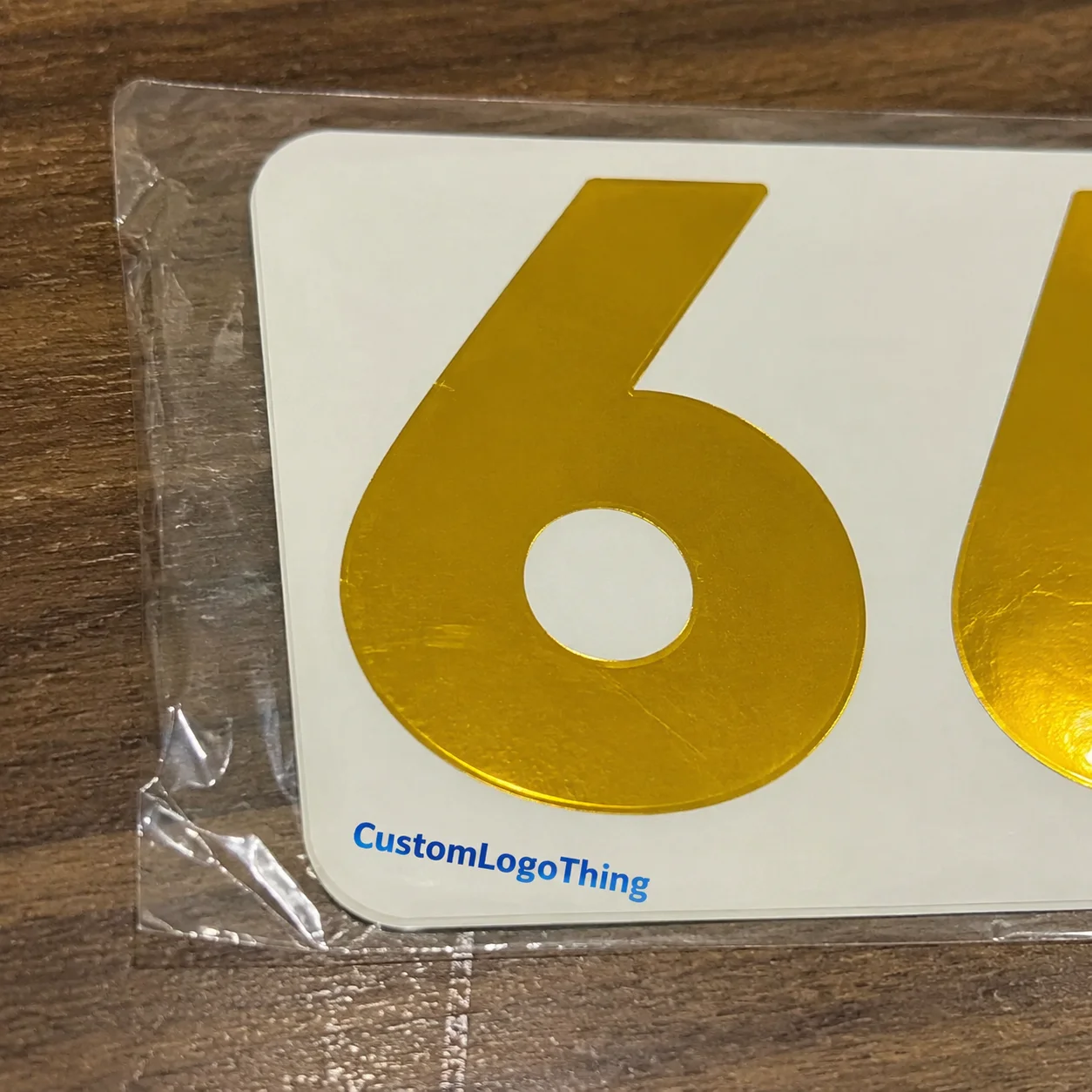
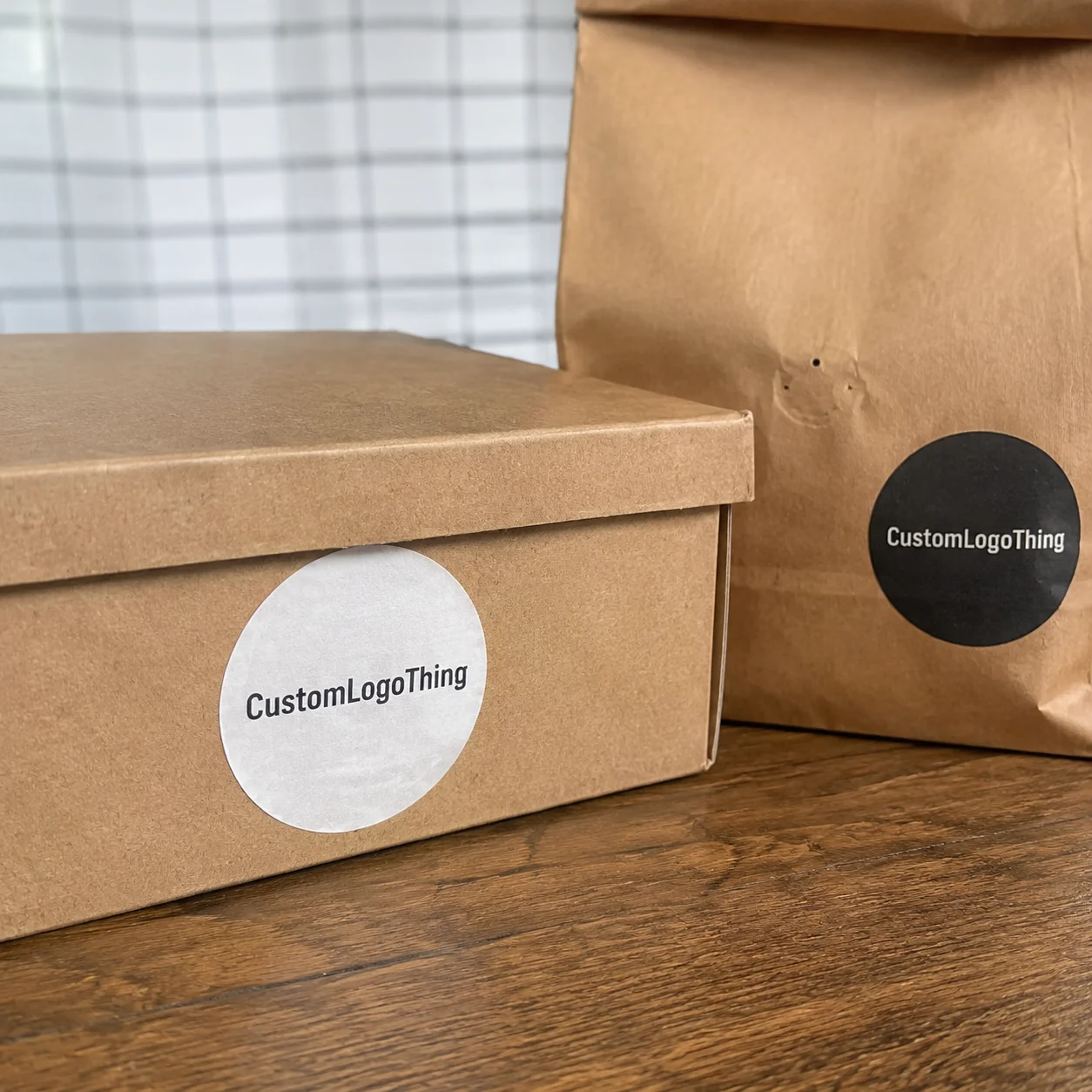
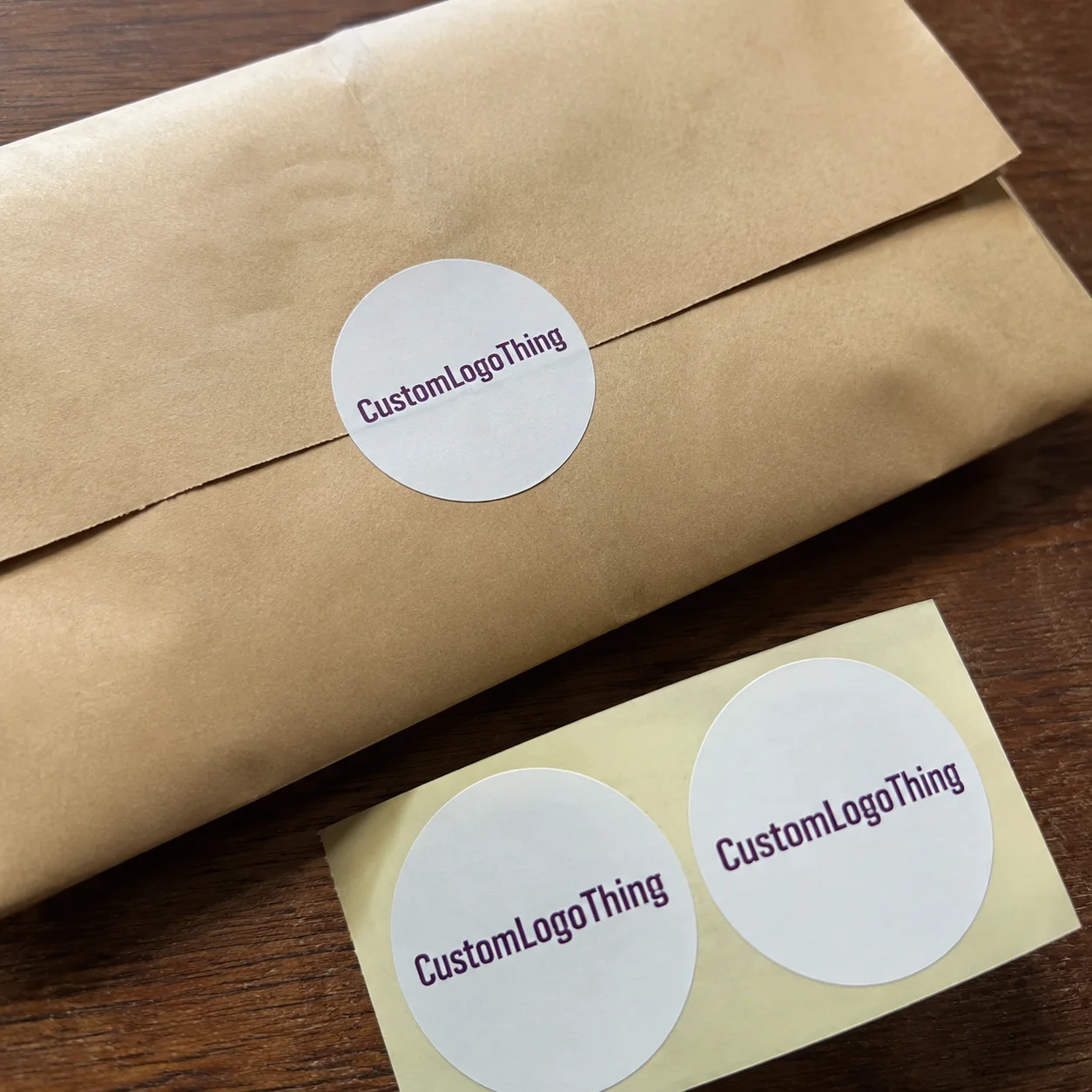
The cheapest-looking part of a product is often the sticker with someone’s name on it. Brutal, but true. Custom name vinyl stickers are small pieces of branded packaging that people notice fast, touch first, and judge before they admire the box, ribbon, or insert card you spent three meetings approving.
They are personalized adhesive vinyl labels printed or cut with names, initials, staff names, customer names, product names, event names, team identifiers, or short branded text. They show up on water bottles, laptops, notebooks, cosmetic packaging, school gear, staff kits, retail orders, subscription boxes, event favors, and small business product labels.
The trick is not “make it cute.” Cute is not a production spec. The real decisions are size, adhesive, finish, file setup, name data, and whether the sticker needs to survive moisture, abrasion, sunlight, handling, cold storage, or a customer who scrubs everything like it owes them money.
What Custom Name Vinyl Stickers Actually Are
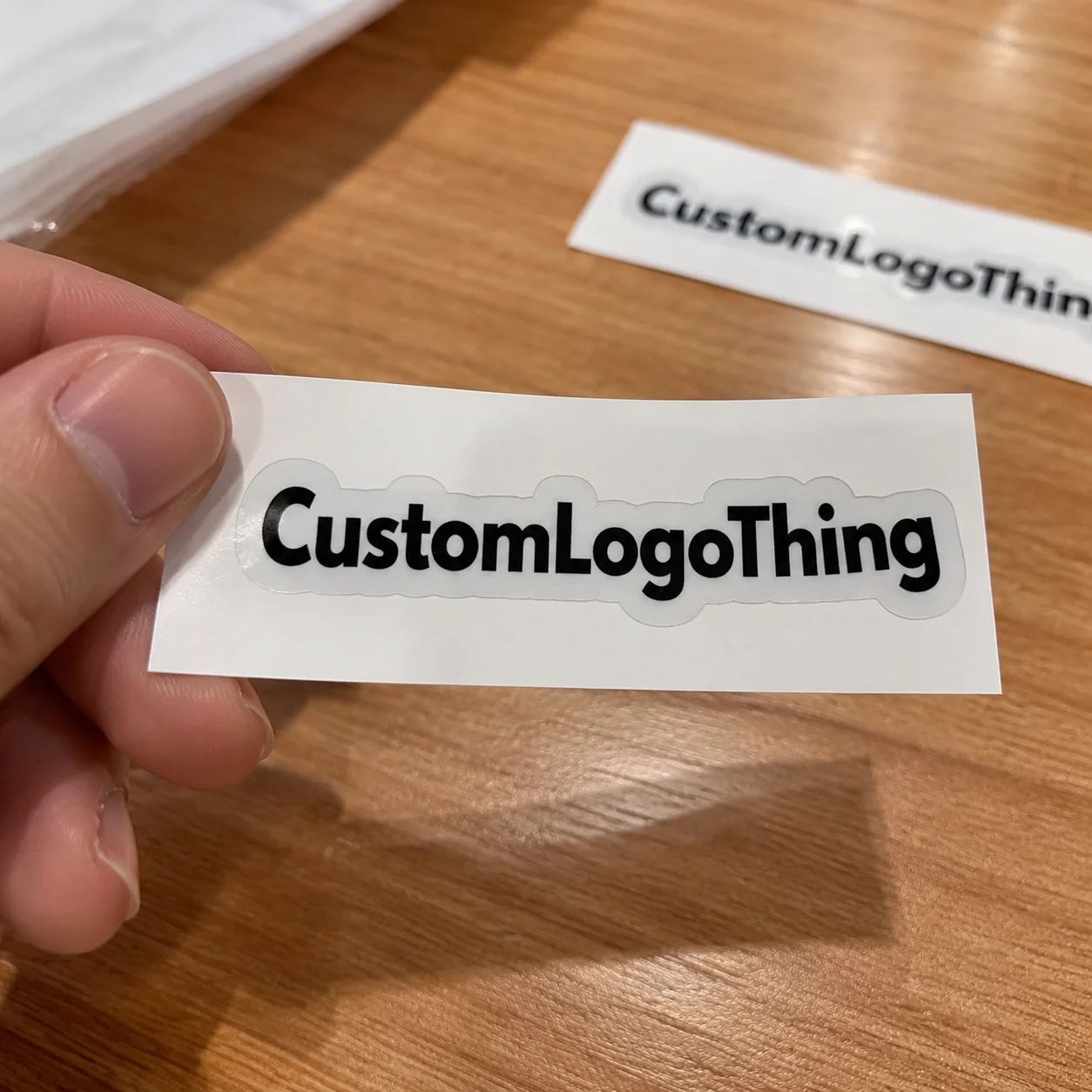
Custom name vinyl stickers are personalized labels made from vinyl film rather than basic paper label stock. That material choice matters. Vinyl generally handles moisture, repeated handling, mild abrasion, and short-term outdoor exposure better than uncoated paper. A paper name label can work beautifully on dry indoor packaging. Put the same label on a water bottle or glossy cosmetic tube and it may wrinkle, smear, or peel before the customer even gets to the unboxing photo.
There are two main formats. Printed Vinyl Stickers use digital printing to add full-color names, logos, patterns, gradients, icons, and artwork onto white, clear, metallic, holographic, or specialty vinyl. They suit colorful packaging designs, promotional kits, customer-specific inserts, event handouts, and product packaging where the name is part of a larger layout.
Cut vinyl name decals are built differently. The letters are cut from solid-color vinyl, the excess material is weeded away, and the finished name is often applied using transfer tape. Cut vinyl works best for bold names, initials, monograms, and simple lettering. It is not the format for tiny watercolor flowers, hairline scripts, or a logo with eight microscopic holes. Machines can cut very small details. Human patience is usually the limiting factor.
Good personalized vinyl name stickers can make a product feel custom without making the whole order expensive. That is why brands use them for limited-run campaigns, staff onboarding kits, wedding favors, school orders, PR boxes, and boutique packaging. A name on a label makes a customer feel like the order was prepared for them, not pulled from a pile. Small touch. Big perceived value.
Buyer reality: these are simple products, but simple does not mean foolproof. A bad font, weak contrast, wrong adhesive, or guessed size can make a personalized sticker look like it was made at midnight on a home printer. Nobody needs that energy.
How Name Vinyl Stickers Are Made: Materials, Printing, and Cutting
The usual production flow is straightforward: artwork setup, material selection, printing or vinyl cutting, lamination if needed, die cutting or kiss cutting, quality check, packing, and shipping. Variable-name orders add one extra problem hiding in plain sight: data setup. Every name has to flow into the design correctly, fit the shape, and stay spelled exactly as supplied.
For printed vinyl stickers, artwork is digitally printed onto the selected film. White vinyl gives the most predictable color because the ink sits on an opaque base. Clear vinyl can look clean and premium, especially on glass jars or transparent containers, but it often needs white ink behind colored artwork so the design does not disappear. Metallic and holographic vinyl can look sharp for giftable products, but colors may shift because the reflective base changes how ink appears.
Cut vinyl decals skip full-color printing. A plotter cuts the letters from colored vinyl, then the excess vinyl is removed in a process called weeding. This format is durable and crisp for simple text, but thin lines can fail. Scripts need enough stroke width, interior gaps, and spacing so the letters do not tear during weeding or lift during application.
Kiss cut and die cut are terms buyers mix up constantly. Kiss cut means the sticker layer is cut while the backing sheet stays intact around it. That makes peeling easier and works well for sheets, handouts, or names grouped by order. Die cut follows the final outer shape closely, so the backing resembles the sticker shape. Die Cut Stickers feel more finished as inserts, freebies, and retail add-ons.
Laminate changes performance. Gloss laminate gives color more pop and suits retail packaging that needs a brighter shelf look. Matte laminate looks softer, quieter, and less reflective in photos. UV laminate adds scratch and sunlight resistance, useful for bottles, laptops, outdoor gear, and event items handled all day. For packaging that must survive shipping rather than just look nice on a desk, test methods and handling guidance from organizations such as ISTA can help set realistic expectations.
Adhesive options include permanent, removable, freezer-grade, low-tack, and specialty adhesives for textured or curved surfaces. Surface matters more than buyers want to admit. A sticker that performs beautifully on a smooth tumbler may fail on dusty kraft boxes, oily cosmetic tubes, cold jars, rough fabric, or flexible squeeze packaging. Stickers are not magic. Adhesive chemistry still exists.
Key Specs That Decide Durability, Look, and Fit
Start with the place the sticker will live. Indoor packaging has different needs than drinkware, outdoor gear, refrigerated products, cosmetic containers, or event giveaways. A sticker used once on a gift bag can be lighter-duty. A name label on a kids’ water bottle needs stronger adhesive, laminate, and better edge protection. Parents are basically unpaid product testers with dish soap.
Size is the first practical choice. Small product labels and school name stickers often run 1.5 to 3 inches wide. Water bottle, laptop, notebook, and staff kit names usually land around 3 to 5 inches wide. Larger decals can run 5 to 8 inches or more, depending on placement. Height matters just as much as width, especially on curved bottles, tapered jars, narrow cosmetic tubes, or packaging with seams and ridges.
Shape affects price and durability. Rectangles are economical because they are easy to lay out and cut. Rounded corners reduce edge lifting, which helps on handled items. Custom contour cuts look more polished because the sticker follows the name, icon, or logo shape. Tiny interior cuts look impressive on a proof and annoying in production. They can raise cost, slow down weeding, and reduce durability if the edges are too delicate.
Finish changes the whole feel. Gloss looks bright, bold, and retail-friendly. Matte looks modern, understated, and easier to photograph under bright light. Soft-touch can feel premium on packaging inserts or luxury-style product packaging, but it is not always ideal for high-handling surfaces because it can show oils, scuffs, or fingerprints depending on the coating. Ask before assuming “premium” means “tougher.” Often it just means “prettier and needier.”
Font selection is not decoration only. Thick sans serif fonts cut cleaner and read faster. Scripts need enough stroke width and spacing between loops. Tiny serifs can turn into manufacturing confetti, especially for cut vinyl names under 3 inches wide. For printed stickers, small details are more forgiving, but readability still matters. Names should be legible at arm’s length, not only at 400% zoom on a designer’s monitor.
Color contrast is non-negotiable. Pale pink on clear vinyl may look soft and sweet on screen, then vanish on a glass bottle or white box. Black on dark navy has the same problem. If the sticker supports package branding, choose contrast first and mood board approval second. Readability pays the bills.
Backing format also matters. Individual stickers are better for handouts, event favors, order inserts, and mixed packing stations where one customer gets one name. Sticker sheets are efficient for fulfillment teams, classroom batches, wedding tables, or large name runs because multiple names can be organized on one sheet. If the packing team has to hunt through 300 loose stickers alphabetically, someone is going to hate you by lunch.
Pricing, MOQ, and Unit Cost: What Changes the Quote
Pricing depends on quantity, size, material, finish, print method, cutting complexity, and whether every sticker has a different name. There is no universal price. Small batches cost more per piece because setup, proofing, file handling, cutting time, and packing labor are spread over fewer units. A 50-piece run can feel expensive beside a 1,000-piece run because the machine does not care that your order is emotionally important.
Common quantity bands to request are 50, 100, 250, 500, 1,000, and higher. Price breaks can be dramatic, especially for repeat designs. Variable name printing or cutting usually adds cost compared with one repeated design because the printer must import the list, check fit, manage long names, proof samples, and sometimes adjust layouts manually.
Size changes cost, too. A 2-inch sticker and a 6-inch sticker may both be “just a sticker,” but they use very different material area and machine time. Laminate, metallic vinyl, holographic vinyl, white ink, custom contour cutting, and specialty adhesives all add cost. Some upgrades are absolutely worth it for retail packaging, giftable products, or high-touch branded packaging. Others are expensive glitter. Choose carefully.
| Order Scenario | Typical Use | Cost Behavior | Smart Buying Move |
|---|---|---|---|
| 50 to 100 pieces | Events, samples, small teams | Higher unit cost due to setup and proofing | Keep shape simple and avoid specialty finishes unless needed |
| 250 to 500 pieces | Boutique orders, school batches, staff kits | Better price breaks, still flexible for variable names | Ask for sheet and individual pricing |
| 1,000+ pieces | Retail packaging, subscription boxes, large campaigns | Lower unit cost, more value from laminate or custom finish | Test size and adhesive before the full run |
| Specialty vinyl | Metallic, clear, holographic, outdoor use | Higher material cost and sometimes longer lead time | Request a proof or sample on the actual material |
Minimum order quantities vary. Some digital print shops can run low quantities without much drama. Custom cut vinyl, specialty materials, white ink, freezer-grade adhesives, and complex variable data may require higher minimums or extra setup fees. If you are also sourcing Custom Labels & Tags for the same product line, ask whether the supplier can combine artwork setup or coordinate materials across the order.
Ask for two or three quote options instead of one vague price. Compare a 3-inch matte vinyl version, a 4-inch gloss laminated version, and a sheeted option if your team applies stickers during packing. Do not demand the cheapest version and then act shocked when it looks cheap. That performance is tired.
Process and Timeline: From Name List to Finished Stickers
A clean ordering process saves money and nerves. Start with the use case. Choose the size, material, adhesive, finish, and format. Prepare artwork. Submit the name list. Review the proof. Approve production. The supplier prints or cuts, inspects, packs, and ships. Most problems happen because buyers skip one of those boring steps.
The proofing stage matters most for custom name vinyl stickers because every name is a chance to create a customer service problem. Check spelling, capitalization, font weight, spacing, color, cut line, and whether long names still fit the design. Decide whether names should all use the same font size or scale down to fit. Same-size names look consistent. Scaled names prevent long names from crashing into the border. Pick the tradeoff before production.
Name lists should be boring. One column for names. Separate columns for versions, colors, quantities, or product groups. Avoid merged cells, emojis unless approved, random notes in the name field, and creative spreadsheet chaos. If the printer needs a CSV or Excel file, send that. If they need separate art files, label them clearly. Nobody wants to decode “final_final_REALone_useTHIS2.xlsx.”
Lead time depends on quantity, variable data complexity, material availability, proof approval speed, finishing, packing format, and shipping distance. Simple repeat designs often move faster than hundreds of unique names because variable data requires extra setup and checking. A small repeat sticker order might move through production in a few business days after proof approval, while a larger personalized batch with laminate and individual sorting can take longer.
Rush orders have tradeoffs. Faster turnaround may limit material options, proof revisions, packaging formats, custom finishing, or physical sampling. If the stickers are for a launch, school order, conference, or event table, build in buffer time. Stickers are small. Shipping delays do not care about your event date.
For stickers that must fit a specific bottle, jar, box, or curved surface, order a pre-production sample or short test run. Apply it to the real item. Rub the edges. Let it sit. Chill it if the product will be refrigerated. Splash it if it will be used near water. For broader packaging systems, resources from the Forest Stewardship Council are useful if your product packaging includes paperboard, inserts, or cartons and your responsible sourcing claims need to line up across materials.
Common Mistakes That Make Personalized Vinyl Stickers Look Cheap
The most common mistake is ordering before measuring the actual surface. A name decal that is too tall for a bottle curve will lift at the edges. A sticker that crosses a seam, ridge, taper, or textured area will struggle. Measure width, height, and usable flat area. Use a ruler, not vibes.
Thin script fonts are the second repeat offender. They look elegant on screen, then become fragile, unreadable, or impossible to weed cleanly. For cut vinyl, ask for minimum stroke guidance. Many shops prefer thicker strokes for small decals, especially below 3 inches wide. For printed vinyl, thin scripts can work if contrast is strong and the final size is not microscopic.
Low-resolution artwork is another classic. Raster logos pulled from social media are not production files. Enlarging a screenshot does not improve it. It just makes a bigger bad file. Send vector artwork when possible, such as AI, EPS, SVG, or production-ready PDF. If the logo is part of broader Custom Packaging Products, keep the same brand colors and file standards across boxes, labels, inserts, and stickers.
Overloaded designs also fail fast. Names, logos, icons, slogans, QR codes, care instructions, and tiny disclaimers rarely belong on one small sticker. If the sticker is 2 inches wide, give it one job. Maybe two. Not seven. A name label should usually identify, personalize, or decorate. It should not try to become a brochure with adhesive.
Poor contrast causes expensive disappointment, especially on clear vinyl or dark packaging. Always view the proof against the actual surface color. White ink may be needed behind colored elements on clear stock. Metallic materials may reduce contrast because the reflective base competes with the print. If the name cannot be read quickly, the design is not working.
Adhesive mistakes are just as common. Removable stickers on high-handling drinkware can lift too soon. Permanent adhesive on temporary event badges can damage surfaces or annoy guests. Freezer products need cold-tolerant adhesive. Oily cosmetic tubes and squeezable containers may need testing because plasticizers and surface treatments can interfere with bonding.
Skipping proofs is risky with names. One typo can turn a sweet personalized order into a refund request. Check duplicates, special characters, accents, hyphens, apostrophes, capitalization style, and long names. Printers usually produce the data exactly as supplied. They are not mind readers. Shocking, I know.
Storage can also wreck performance. Keep finished stickers away from heat, humidity, dust, and direct sun before application. Many pressure-sensitive adhesives perform best after being stored in a controlled indoor environment, often around normal room temperature. Apply stickers to clean, dry surfaces and allow dwell time before heavy handling or washing.
Next Steps Before You Order Name Stickers for Packaging or Events
Before requesting a quote, collect the details a supplier actually needs: surface type, sticker size, quantity, name list, preferred finish, indoor or outdoor use, deadline, application method, and whether stickers should ship loose, sheeted, alphabetized, or grouped by order. Clear specs get better quotes. Vague specs get padded quotes because suppliers have to protect themselves from mystery.
- Measure the application area: include usable width, usable height, curve, seams, texture, and whether the surface is glossy, matte, oily, chilled, coated, or flexible.
- Choose two acceptable sizes: a 3-inch and 3.5-inch option may price differently depending on sheet layout and material yield.
- Prepare the name list: confirm spelling, capitalization, duplicates, special characters, accents, and approval responsibility.
- Send proper artwork: include vector logo files, outlined text if needed, font names, brand color references, and any required white ink notes.
- Share real product photos: a supplier can spot curve, texture, and scale issues faster from photos than from a paragraph of hopeful guessing.
- Request proofing: use a digital proof for layout and a physical sample when color, adhesion, or fit is critical.
Choose printed vinyl for color-heavy designs, gradients, logos, patterns, and detailed package branding. Choose cut vinyl for clean name decals, bold lettering, initials, and simple monograms. Choose laminated vinyl for durability, scratch resistance, and water exposure. Choose sheets when the packing team needs efficiency, especially for larger name batches tied to custom printed boxes, subscription orders, or event kits.
If you already have retail packaging, boxes, tissue, hang tags, or inserts in production, align the sticker finish with the rest of the system. Matte boxes with ultra-gloss name labels can work if intentional. They can also look like two vendors never spoke to each other. Ask for a material sample or at least a finish reference before locking the order.
Custom name vinyl stickers are easy to buy when the specs are clear and expensive to fix when the list, size, or adhesive is guessed. Measure first, simplify the design, proof every name, test the real surface, and spend the extra few cents where durability or presentation actually matters.
FAQs
Are custom name vinyl stickers waterproof?
Most vinyl stickers are water-resistant, and laminated vinyl can handle splashes, handwashing, and mild outdoor exposure better than unlaminated stickers. They are not automatically dishwasher-safe unless the material, adhesive, ink, and laminate are specified for that use. For drinkware, request waterproof vinyl with laminate and test it on the exact cup or bottle before placing a large order.
What size should personalized vinyl name stickers be?
Small product or school labels often work at 1.5 to 3 inches wide. Water bottle, laptop, and notebook names usually work well around 3 to 5 inches wide. Measure the application area first and leave margin around the sticker so edges do not land on curves, seams, or textured areas.
Can every sticker have a different name?
Yes, variable name printing or cutting is common, but it usually requires a clean spreadsheet and proof approval. Long names may need smaller type or adjusted layouts, so decide whether all names should keep the same font size or be scaled to fit. Always check spelling and capitalization before production because printers will usually print the data exactly as supplied.
What is the difference between printed vinyl name stickers and cut vinyl name decals?
Printed vinyl stickers are better for full-color artwork, logos, patterns, gradients, and detailed designs. Cut vinyl decals are made from solid-color vinyl and work best for simple names, initials, or bold lettering. Printed stickers usually stay on a backing shape, while cut vinyl decals may use transfer tape for application.
How long does it take to make custom vinyl name labels?
Simple repeat designs can move quickly once artwork is approved, while hundreds of unique names take longer due to variable data setup and checking. Lead time depends on quantity, material availability, finishing, proof approval speed, and shipping method. For events or product launches, order early and build in buffer time for proof revisions, samples, and transit delays.