Custom Printed Circle Stickers Solve More Tiny Branding Problems Than Most Buyers Expect
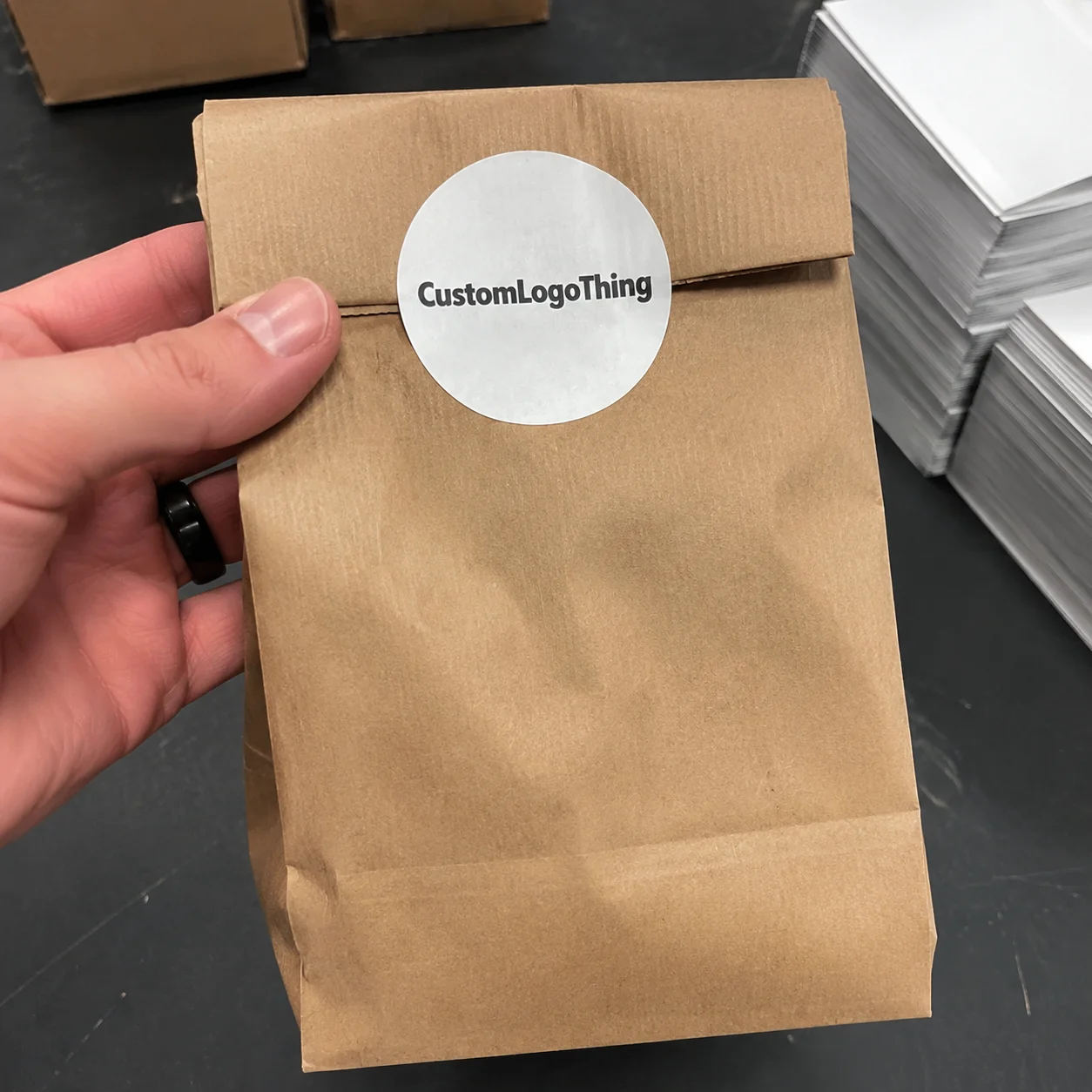
A plain jar, mailer, candle lid, or bakery box can look unfinished fast. Custom Printed Circle Stickers solve that without forcing a full packaging redesign. One good round sticker can work as a logo seal, product marker, closure label, or promotional handout.
The format is simple, but the buying decisions are not. Size, material, adhesive, and finish determine whether the sticker looks sharp, peels cleanly from the liner, and stays attached in real use. A 2-inch logo seal on kraft paperboard needs a different build than a moisture-resistant label for a refrigerated dessert cup.
Round stickers tend to work well on jars, lids, cups, and curved containers because the shape sits naturally on the surface and reads quickly. That makes them useful across retail packaging, event kits, subscription boxes, envelopes, and thank-you seals.
If this is a first order, focus on the details that affect performance and cost: material, finish, durability, delivery format, and artwork setup. The best option is not the most upgraded one. It is the version that fits the product, packing process, and budget.
How Round Sticker Printing Actually Works From Artwork to Finished Sheets or Rolls
The workflow is straightforward: artwork prep, proofing, stock selection, printing, finishing, die cutting, packing, and shipping. Most problems start when key information is missing, especially surface type, use conditions, or delivery format.
Most buyers choose between sheeted stickers and roll stickers. Sheets are easy to store and apply by hand. Rolls are better for faster application, dispensers, or higher-volume packing lines.
Round shapes still need careful file prep. Bleed, safe zone, and image resolution matter even on small labels. Because the eye follows the curve, off-center cuts and text placed too close to the edge are easy to spot.
Digital printing fits many short and mid-size runs because it handles lower quantities and SKU changes well. Larger repeat orders may use other print methods depending on volume, stock, and finishing needs.
Finish affects both appearance and durability. Matte reduces glare and often feels more refined. Gloss gives stronger contrast and color punch. Lamination or coating helps when stickers will be rubbed, stacked, or exposed to light moisture.
A proof confirms layout, spelling, spacing, and general placement. It does not guarantee identical color on every stock. Material and finish still affect the final result.
Adhesive should match the surface. Glass, paperboard, plastic, and metal do not behave the same way, and refrigeration or condensation can change adhesion quickly. Share the actual use conditions before quoting so the stock recommendation is based on the real job.
Specs That Matter Most: Size, Material, Adhesive, Finish, and Surface Compatibility
Size is one of the easiest places to make a costly mistake. Common diameters range from 1 inch to 4 inches, with 2-inch and 3-inch circles covering many packaging uses. The right size depends on the usable surface area and the amount of artwork that must remain readable.
A compact logo can work in a small circle. Thin lines, long wording, or tiny support text usually cannot. If the design feels crowded at final size, either enlarge the sticker or simplify the artwork.
Material choice should follow the use case:
- Paper stock for dry indoor packaging, short promotions, and lower-cost branding.
- White BOPP or similar film for jars, bottles, refrigerated products, and packages exposed to water or frequent handling.
- Clear stock for a minimal look, provided the design has enough contrast and, when needed, white ink support.
Adhesive matters as much as face stock. Removable adhesive suits temporary use and clean release. Permanent adhesive is usually better for retail packaging, shipping, and cold-storage environments. Rough, oily, or heavily coated surfaces are less forgiving than smooth glass or cartons, so testing matters more as the surface gets harder.
Finish changes both look and function. Matte cuts glare and can improve readability under bright lights. Gloss makes colors appear brighter. Some jobs also need a writable surface for date coding or batch notes.
For quick comparison, use this guide:
| Option | Best For | Typical Tradeoff | Relative Cost |
|---|---|---|---|
| Paper circle stickers | Dry retail packaging, envelopes, short-term promotions | Less moisture resistance | Low |
| White BOPP or film | Jars, bottles, refrigerated items, handled products | Higher material cost | Medium |
| Clear stock | Minimal branding, see-through packaging, clean modern look | Needs stronger contrast and careful artwork | Medium |
| Matte finish | Soft premium branding, low glare, easier reading | Less color pop than gloss | Medium |
| Gloss finish | Bright retail presentation, stronger color impact | More reflection under lighting | Medium |
For broader packaging support, many buyers pair circle stickers with Custom Labels & Tags or other Custom Packaging Products to keep branding consistent.
Custom Printed Circle Stickers Pricing: What Changes Cost, MOQ, and Unit Cost
Pricing usually comes down to size, quantity, material, finish, adhesive, and whether the order ships on sheets or rolls. Change any one of those and the quote will usually change with it.
Minimum order quantities vary by printer and production method. Digital production often supports shorter runs, but lower quantities carry a higher unit cost. As volume increases, setup costs spread across more pieces and unit pricing usually drops.
Diameter directly affects material usage. Larger circles produce fewer pieces per sheet or roll, so a 4-inch sticker costs differently from a 1.5-inch version even with the same artwork.
Format can also shift pricing. Rolls may cost more if they need a specific unwind direction, core size, or orientation for a dispenser or machine. Sheets are often simpler for hand application and smaller teams.
Material and finishing upgrades add cost but often reduce failure risk. Film stocks, waterproof constructions, laminates, and stronger adhesives help prevent scuffing, peeling, and replacement. That matters when labor and product waste are part of the real cost.
Good budgeting starts with complete information: exact diameter, quantity tiers, stock, finish, adhesive, format, shipping destination, and required in-hands date. Compare landed cost, not just unit price, because freight and rush charges can erase an apparent savings.
What Is the Best Material for Custom Printed Circle Stickers?
The best material depends on where the sticker will be used and what it needs to survive. For dry indoor packaging, standard paper stock is often enough and keeps pricing lower. For jars, bottles, bath products, refrigerated foods, and other damp or heavily handled items, film materials such as white BOPP are usually the safer choice.
Clear stock works well when the goal is a minimal look, but it demands stronger artwork planning. Text and logos need enough contrast, and some designs need white ink behind key elements so they do not disappear into the package.
Adhesive matters just as much as the face stock. Permanent adhesive is usually the right starting point for retail packaging and shipping use. Removable adhesive is better for temporary applications or surfaces that need clean release.
For most buyers, the simple rule is enough: paper for dry, short-term use; film for damp or handled use; and clear only when the design has been built for it.
Process and Timeline: Proofing, Lead Time, Production Steps, and Delivery Planning
Most orders follow the same sequence: confirm specs, submit artwork, review the proof, approve it, move into production, finish, pack, and ship. Schedules usually slip when proofs sit too long or specs change after approval.
Proof approval is often the biggest timing factor the buyer controls. Fast feedback keeps production moving; delayed approval pushes the schedule back.
Production time and shipping time should be treated separately. A job can finish on time and still arrive late because of transit delays, missed freight cutoffs, or address errors. Plan from the in-hands date, not just the print completion date.
Rush service may be available, but material availability, finishing capacity, and shipping windows still set hard limits. Nonstandard features such as specialty laminates, custom winding, or specific core sizes can also extend lead time.
Small sheeted orders and large roll runs may move through production differently, especially when machine application or tighter registration is involved. If the stickers are tied to a product launch, event, or packaging change, leave buffer time for proofing and real-world application testing.
For teams that work with formal packaging standards, ISTA covers package transit testing, and EPA resources can help when reviewing material and sustainability claims.
How to Order the Right Round Stickers Step by Step
- Define the use case. A closure seal, jar lid label, refrigerated label, and giveaway sticker may all be round, but they do not need the same stock or adhesive.
- Measure the real application area. Use the actual flat or gently curved surface on the package.
- Choose a diameter with margin. Leave enough room so the sticker does not crowd edges or wrinkle on curves.
- Select stock and finish. Match them to moisture, handling, shelf presentation, and wear.
- Prepare artwork correctly. Include bleed, keep key elements inside the safe zone, and use vector logos when possible.
- Pick sheets or rolls. Base the choice on labor, application speed, storage, and dispenser needs.
- Request quantity breaks. Comparing tiers makes unit economics much clearer.
- Review the proof carefully. Check spelling, spacing, cut line placement, and legibility at final size.
- Test on the real package. This matters most on curved, cold, textured, or slightly oily surfaces.
Common Buying Mistakes and Expert Fixes Before You Approve the Proof
Mistake: choosing size by eye. Fix: make a paper mockup at actual size and place it on the real container or carton.
Mistake: using paper stock for condensation, refrigeration, or oil exposure. Fix: switch to a film construction with the right adhesive.
Mistake: approving tiny text because it looked fine on screen. Fix: print the proof at full scale and set minimum type size rules before approval.
Mistake: forgetting bleed or placing art too close to the cut line. Fix: build the file with proper bleed and keep important elements safely inside the trim area.
Mistake: selecting clear stock without planning for contrast. Fix: review the design over the actual package color and ask whether white ink is needed.
Mistake: buying only on the lowest price. Fix: weigh application speed, scuff resistance, replacement risk, and overall presentation as part of the decision.
Teams that need help aligning on terminology and packaging standards may find useful guidance through the Packaging Association. For certified paper-based material sourcing, FSC is worth reviewing when sustainability claims matter.
One practical reorder habit helps a lot: keep a physical approved sample with the proof and invoice. That reference speeds repeat orders and reduces confusion when different teams handle design, purchasing, and production.
Next Steps: Build a Quote-Ready Spec Sheet and Place a Smoother First Order
A smooth first order starts with a simple spec sheet: diameter, material, finish, adhesive, quantity, delivery format, artwork, shipping ZIP code, and in-hands date. Without that, quotes are hard to compare because suppliers may be pricing different assumptions.
If the application involves condensation, difficult surfaces, or premium retail presentation, request a sample or short test run when timing allows. That small upfront check is cheaper than discovering poor adhesion or the wrong finish after production.
Approved specs should also be documented for reorders. “Same as last time” only works when the last version was recorded clearly. A changed jar size, updated logo, or different finish can turn a repeat order into a mismatch.
Measure the package, organize the artwork, request quantity breaks, and quote with complete details. That is the cleanest way to buy custom printed circle stickers without unnecessary delays, reprints, or wasted budget.
What size custom printed circle stickers should I order for jars, lids, or boxes?
Measure the usable flat area rather than the full package size. Leave enough margin so the sticker does not hang over edges or wrinkle on a curve. If the design includes small text, either increase the diameter or simplify the artwork. A paper mockup at actual size is still one of the best checks.
Are custom round stickers better on sheets or rolls?
Sheets are a strong fit for hand application, smaller runs, and simple storage. Rolls are better for faster labeling, dispensers, and higher-volume packaging work. The better option depends on labor, workflow, and how the sticker will be applied. If the rolls need to run through a dispenser, ask about unwind direction before ordering.
How much do custom printed circle stickers usually cost?
Price changes most with size, quantity, material, finish, and format. Lower quantities usually carry a higher unit cost, while film materials, laminates, and specialty adhesives cost more than standard paper stock. Ask for quantity tiers and landed pricing so freight and rush charges are visible from the start.
How long is the lead time for custom printed circle stickers?
Lead time usually includes proofing, production, and shipping as separate stages. Fast proof approval is often the biggest factor the buyer controls. Rush options may be available, though they depend on stock, finishing capacity, and freight cutoffs. Build in some buffer time for revisions and receiving.
What material is best for custom printed circle stickers on cold or damp packaging?
Film materials such as BOPP or similar moisture-resistant stocks are usually a safer choice than paper for cold or damp applications. Permanent adhesive is often better for condensation-prone packaging, though surface testing still matters. Matte or gloss lamination can add durability depending on how the product is handled. Test the sticker on the real package after filling and cooling if the item will be refrigerated.


