Custom Santa Stickers: why a small label changes the whole holiday package
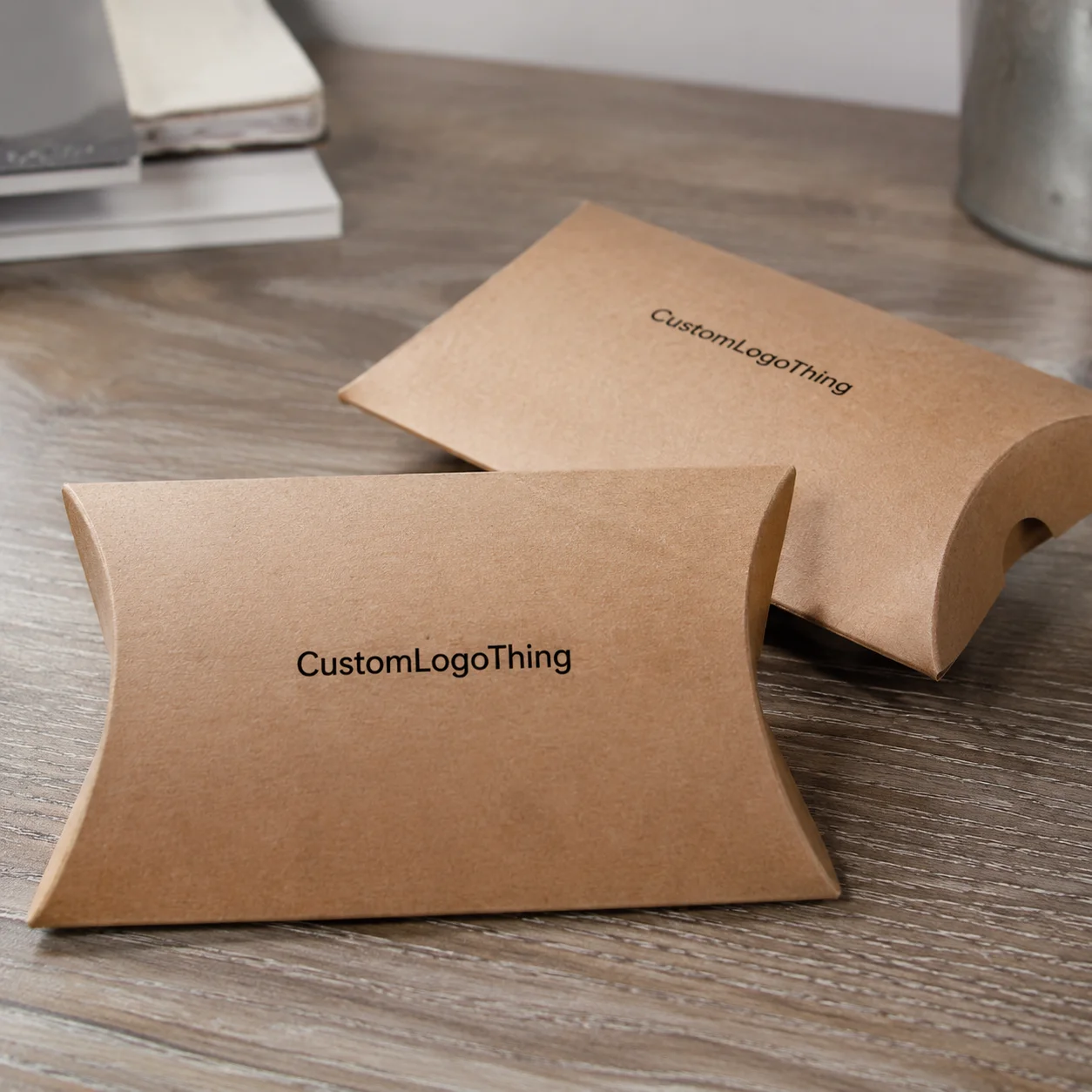
A plain mailer, bakery bag, or gift box can feel seasonal with one well-placed sticker. Custom santa stickers are usually used as closure seals, decorative labels, or short-run holiday branding on retail packaging, envelope flaps, jars, party favors, and shipping mailers.
Design matters, but performance decides whether the sticker helps or causes problems. Some labels only need to look festive for a few days. Others must hold tissue closed, stay on textured kraft, or survive packing and delivery. If a label curls, scuffs, or lifts, it stops being decoration and becomes a packaging failure.
That is why sticker selection should be treated as part of the packaging spec. Size, shape, material, adhesive, finish, and delivery format all affect how the label looks and how reliably it works.
How holiday stickers work in real packaging applications
Most holiday stickers combine four parts: face stock, adhesive, release liner, and cut pattern. The right build depends on the package surface. Corrugated board, folding carton, glass, kraft paper, poly mailers, and flexible film all behave differently.
Paper stocks are common for short seasonal runs because they print cleanly and keep cost down. For dry indoor uses such as gift packaging, product boxes, and envelope seals, paper is often the most practical choice.
Film materials such as BOPP are usually better when moisture, rubbing, or heavier handling is involved. They hold up better on mailers, handled retail packs, and packages that may see cold-weather shipping. Clear film works when you want the package color to show through, but contrast must be checked carefully. White ink is often needed so Santa details do not disappear against dark or natural packaging.
Vinyl can add durability, but for most retail packaging the decision is usually paper versus BOPP, with clear constructions chosen for a specific visual effect rather than by default.
Adhesive choice is just as important as the printed surface. Smooth paperboard is forgiving; textured kraft, dusty corrugate, cold glass, and soft-touch cartons are not. A label that holds on one sample may lift on the final packaging if the surface texture or temperature changes.
Finish changes both appearance and handling. Matte gives a softer, gift-oriented look. Gloss makes reds and dark greens stronger. Foil can add premium holiday accents, but it needs to be planned into the artwork. Format also matters: sheets are easy for small teams and mixed counts, while rolls are faster for fulfillment and higher-volume hand application.
“A holiday sticker still has to perform like a packaging component. If it cannot handle the surface, the handling, or the storage conditions, the artwork is only half the job.”
For a coordinated holiday pack, it helps to match the sticker style with Custom Packaging Products and Custom Labels & Tags so the box, insert, tissue, and seal feel consistent.
Specs that matter most: size, shape, materials, and adhesive performance
Size should be based on the actual application area, not on-screen balance. Many stickers used as seals land around 2 to 3 inches, but that is only a starting point. A 2-inch circle may suit a jewelry box and look too small on a bakery carton. Measure the panel or flap and leave enough margin so the label does not wrinkle over edges.
Shape affects both tone and cost. Circles are efficient for closures. Rectangles and rounded rectangles leave more room for a short message or logo. Ovals feel traditional. Custom die-cuts add personality, especially for Santa hats, faces, or mitten shapes, but they usually raise setup cost and require more artwork discipline.
Small details often fail first. Santa artwork tends to include beard texture, facial features, snowflakes, and script lettering that can fill in when reduced. On stickers under 2 inches wide, one strong focal point usually prints better than a crowded scene.
The package surface should be treated as a production spec. Smooth SBS carton, uncoated kraft, ribbed corrugate, glass jars, PET containers, and low-surface-energy films do not respond the same way. If the label bridges a fold or sits on a curved surface, the construction needs enough flexibility and tack to avoid edge lift.
Adhesive choice usually comes down to function:
- Permanent adhesive for product labels and seals that need to stay put
- Removable adhesive for decorative uses where the sticker should peel away cleanly
- Cold-temperature adhesive for refrigerated packs or cool application conditions
| Option | Best use | Typical traits | Relative cost |
|---|---|---|---|
| Paper | Dry gift packaging, short seasonal runs | Good print detail, lower moisture resistance | Lower |
| BOPP / film | Retail packaging, mailers, handled boxes | Moisture resistant, scuff resistant | Medium |
| Clear film | Clean “floating” look on colored surfaces | Subtle appearance, needs good contrast | Medium to higher |
| Specialty finish | Premium branded packaging | Foil, soft-touch, or textured effects | Higher |
Color proofing also matters. Holiday reds can shift depending on stock and coating, while whites may lose crispness on natural paper. Metallic finishes look best when the art leaves enough open space for the foil to read clearly. Operationally, rolls usually suit faster application, while sheets are easier for short counts, small teams, or multi-version orders.
Custom santa stickers process and timeline: from artwork approval to delivery
The production path is simple, but holiday timing makes delays costly. A standard order usually moves through artwork setup, proofing, material confirmation, printing, finishing, packing, and shipment.
Most buyers start by sending size, quantity, artwork files, brand colors, finish preferences, and the exact surface where the label will be used. That last detail is critical because a sticker for a bakery bag is not built the same way as one for a rigid box or glass jar.
Proof review should cover spelling, bleed, safe area, cut line, orientation, and fit on the real package. If the sticker closes a flap or crosses a seam, print the proof at full size and place it on a mockup. Artwork that looks balanced on screen can sit awkwardly once applied.
Lead time depends on print method, stock availability, quantity, and finish complexity. A basic digital paper run with a standard shape can move quickly. Foil, custom die-cutting, specialty laminates, or multiple versions extend the schedule. During peak season, freight can become as unpredictable as production.
A practical planning range is:
- 1 to 3 business days for artwork cleanup, spec confirmation, and proof prep
- 1 to 3 business days for proof review and revisions
- 5 to 10 business days for standard production after approval
- Longer for custom tooling, foil work, textured laminates, or peak-season congestion
- Several additional days for shipping, with rush freight at higher cost
If the stickers tie to a launch date or holiday selling window, leave time for at least one physical test before final approval.
Some teams also need sticker specs aligned with broader packaging requirements. For reference, ISTA covers transit testing standards, FSC offers fiber-sourcing guidance for paper materials, and the EPA recycling guidance can help if disposal or recyclability messaging matters.
Cost and pricing: what drives quote differences and unit cost
Sticker pricing is usually driven by material, size, shape complexity, finish, quantity, format, and freight. Two quotes can vary widely because one is a basic paper circle and the other is a laminated, die-cut film label with foil.
Paper labels for dry indoor use sit at the lower end. Film labels, especially BOPP, usually cost more. Clear constructions, metallic foils, soft-touch laminates, textured finishes, and custom die lines increase pricing further. Unit cost typically drops as volume rises, though specialty details can offset some of that savings.
For budgeting, small-to-mid runs of basic paper holiday stickers often fall in the range of a few cents to around twenty cents per piece, depending on size and quantity. Premium film labels with custom shapes or foil can run well above that. Freight, especially on rushed orders late in the season, is easy to underestimate.
The best quote comparison is spec-for-spec. Ask each supplier to price the same size, quantity, material, adhesive, finish, and format. Otherwise, the numbers are not truly comparable.
Avoid paying for durability you do not need. A decorative seal on a dry gift box may not justify upgraded moisture resistance, while a label closing a handled mailer probably does.
A step-by-step buying guide for getting the right holiday sticker
Start with the job. Is the sticker meant to decorate, identify, close, seal, or do more than one of those? That answer narrows material and adhesive choices quickly.
Next, measure the actual application area. Do not rely on a digital mockup. Measure the panel, lid, flap, bag fold, or jar face where the label will sit, and note whether it crosses a crease or curve.
Choose material for the surface and environment. Dry box packaging often works with paper. Handled packs, mailers, and anything exposed to condensation usually benefit from film. If the package is textured or dusty, ask specifically about adhesive suitability.
Set up the art at final size with bleed and a safe zone. Keep important details away from the cut line. If Santa’s face is the focal point, make sure the eyes, beard edge, and hat trim are not relying on strokes too fine to print cleanly.
Select finish and format after the construction is decided. Matte, gloss, or foil should support the package rather than compensate for weak design. Rolls usually work better for higher volume; sheets are easier for smaller teams or mixed-version orders.
Request a proof and test a sample on the real package if the job is even slightly demanding. One live application can reveal glare, weak tack, poor contrast, awkward scale, or edge lift before the full order is locked.
Before approval, check that you have:
- Measured the exact application area
- Confirmed the substrate and storage conditions
- Checked spelling, orientation, and cut placement
- Matched adhesive strength to the actual use case
- Chosen sheets or rolls based on packing workflow
- Added a sensible overage for testing, spoilage, and demand swings
Common mistakes with festive sticker orders and how to avoid them
The most common mistake is overcrowding the design. Tiny script, thin snowflakes, small logos, and full Santa scenes often do not survive reduction. On small labels, simplify and prioritize readability.
The next mistake is choosing adhesive by assumption. Kraft, coated cartons, cold containers, flexible plastic, and dusty corrugate all behave differently. A label that works on one sample can fail on the actual production surface.
Another problem is skipping the physical test. Screen proofs help with layout and copy, but they do not show how the label will grip, peel, or look under store lighting. A quick live test can catch curl, glare, weak closure strength, and poor peelability.
Quantity planning also causes avoidable trouble. Ordering the exact number needed leaves no room for setup waste, damaged pieces, trial applications, or stronger late-season demand. A modest overage is usually cheaper than a rush reorder.
Specialty finishes can be overused as well. Foil and heavy gloss should support the package, not fight with it. On writable gift seals, too much coating can also make pens smear or skip.
One careful test on the real package is often worth more than a dozen confident assumptions.
What should you check before ordering custom santa stickers?
Start with the surface and the function. Measure the panel, flap, lid, or bag fold where the sticker will be applied, then decide whether it is decorative, structural, or both.
Next, review the art at final size against the actual package color. Santa faces, beard highlights, white snow details, and small greetings can lose clarity quickly, especially on kraft, dark board, or clear film.
Then confirm material, adhesive, finish, and format. Paper is suitable for many short-term indoor uses. Film is the safer choice where moisture, scuffing, or heavier handling matters. Rolls usually suit faster application; sheets are often easier for smaller runs. Finally, leave enough time for proofing, one real-world test, production, and shipping.
What material is best for custom Santa stickers on boxes and gift bags?
Paper works well for dry indoor packaging and shorter seasonal use. BOPP and similar film materials are usually better for boxes, mailers, or bags that will see more rubbing, moisture, or handling. Textured kraft bags may also need a more suitable adhesive than smooth cartons, so testing first is wise.
How long does it usually take to make custom Santa stickers?
Simple standard-shape orders can move quickly once artwork is approved, often within about one to two production weeks plus shipping. Foil, laminates, custom die-cuts, or multiple design versions usually add time. Holiday schedules get tight fast, so plan for proof revisions and at least one real application test.
What affects the price of custom Santa sticker printing the most?
Size, quantity, material, adhesive, shape complexity, finish, and freight usually drive price the most. Paper is generally less expensive than film, and specialty effects such as foil or soft-touch coatings increase cost further. Quotes are most useful when every supplier is pricing the same specification.
Should I order custom Santa stickers on rolls or sheets?
Rolls are usually better for faster hand application and larger packing volumes. Sheets are easier for smaller batches, office packing tables, and jobs with mixed designs. The better option depends on how the labels will be counted, stored, peeled, and applied.
Can custom Santa stickers be used as package seals?
Yes, provided the material and adhesive are matched to the actual package surface and handling conditions. A closure seal needs enough tack and the right dimensions to bridge the opening cleanly. Testing matters most on textured paper, cold-packed items, or any surface that tends to shed dust or resist adhesion.