A sticker that misses the fit by even a quarter inch can create wrinkles, poor barcode scans, crooked placement, or wasted packaging. Custom sized stickers solve that by matching the real application area instead of forcing artwork into a stock size.
That matters across bottle labels, tamper seals, mailer closures, barcode labels, carton decals, and promotional pieces. Size affects readability, adhesive contact, pack-out speed, and how reliably the sticker performs on the actual surface.
In practice, custom sizing means specifying the exact width and height needed for the job. That may be paired with a standard rectangle, a rounded rectangle, or a custom contour. For many packaging buyers, the goal is simple: get the right fit first so material, finish, Cost, and Lead time can be chosen with fewer revisions.
They are especially useful in branded packaging when you want stock mailers or cartons to look intentional without moving to fully printed boxes.
Why custom sized stickers solve more problems than standard shapes
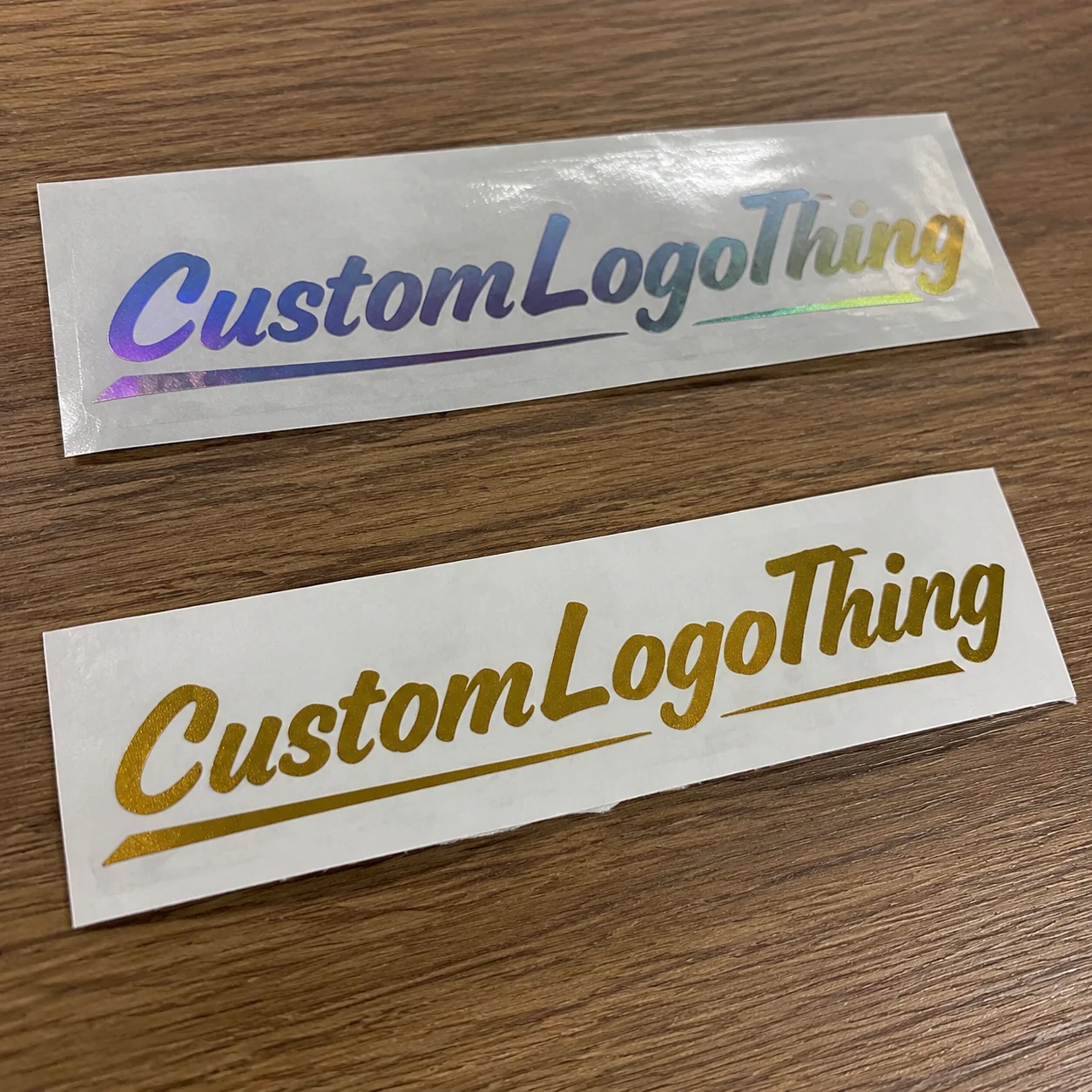
Standard sticker sizes are easy to quote, but they often create compromises on real packaging. If the nearest stock option is slightly too large, it may run into bottle curves, carton folds, or required copy. If it is too small, it can leave dead space and weaken visual balance.
Custom sizing works because it starts with the usable surface. On a cylindrical bottle, that usually means keeping the label off the shoulder and base radius. On a folding carton, it means staying clear of score lines. On a mailer seal, it means clearing the flap fold while leaving enough adhesive area to survive transit.
Small dimensional changes also affect appearance more than buyers expect. A logo that feels balanced at one size can look cramped when reduced slightly, especially on round formats. Good package branding often depends on these details.
A better workflow is to measure the package first, define what the sticker must do, and then build the artwork around that footprint. That usually improves fit, reduces rework, and keeps production more predictable.
How sizing actually works on stickers, labels, and packaging surfaces
The basic spec starts with width and height, but a production-ready sticker usually needs a few more details:
- Corner radius for rounded rectangles, often 0.125 inch or 0.25 inch
- Bleed, commonly 0.0625 to 0.125 inch beyond the trim
- Safe area, usually at least 0.0625 inch inside the cut line for text and critical marks
- Die line, the exact cut path used in finishing
Surface type matters as much as dimensions. A flat carton panel is forgiving. A tapered bottle is not, because the upper and lower circumferences differ. Pouches add heat seals, zipper tracks, and panel distortion after filling. A sticker can look correct on a layout and still fail once applied to the real package.
Application method changes the spec too. Hand-applied stickers allow a bit more flexibility. Machine-applied roll labels usually need a defined unwind direction, consistent spacing, and a leading edge that feeds cleanly. A small orientation mistake can slow the line or repeat skew across the whole run.
Format matters as well. Rolls are usually best for higher volumes and automated dispensing. Sheets work well for hand use and mixed short runs. Individually cut stickers can improve presentation for inserts or promotional decals, but they often add finishing and packing cost.
One overlooked detail is tolerance. If labels are applied quickly by hand, leave enough margin so a placement shift of 1/16 inch does not ruin the look or cover required text. The best size is not always the largest one that fits. It is the size that balances appearance, adhesive contact, and application speed.
What size should custom sized stickers be for your package?
The right size matches the usable application area, not the full visible surface. Measure around seams, shoulders, folds, score lines, zipper tracks, handles, and mandatory copy zones before finalizing artwork.
For bottles and jars, the best size usually stays clear of the upper and lower curves where wrinkling starts. For cartons, it should avoid score lines and panel edges. For pouches, it needs room for seals, tear notches, and expansion after filling. For shipping mailers, it should clear the flap fold while keeping enough adhesive contact to hold in transit.
A practical fit check is to print a paper mockup at actual size and place it on the real package. View it at hand distance and shelf distance, then try aligning it quickly. That tells you more than a screen preview about readability, balance, and how easy the sticker will be to apply.
In many cases, leaving a little breathing room improves performance. A slightly smaller sticker that applies cleanly and keeps text readable usually works better than one that pushes every edge.
Regulated content can also determine size. Ingredient panels, warnings, lot codes, and UPC barcodes all need usable space. A barcode must have contrast, quiet zones, and enough flat area for reliable scanning, not just enough room to technically fit the symbol.
Key factors that affect material choice, durability, and performance
Material choice should be based on the environment first. A dry indoor handout sticker needs a different construction than a refrigerated beverage label, an outdoor decal, or a box seal exposed to abrasion and handling.
Paper stock is often the lowest-cost option for short-term indoor use. Semi-gloss paper can print well for many retail labels, but it is not ideal for moisture. If condensation, splash exposure, or refrigeration is involved, BOPP is often a better fit because it resists water and scuffing better than standard paper.
Vinyl stickers are usually chosen for tougher applications such as outdoor exposure, flexing, and uneven surfaces. Specialty textured papers can add a premium look, but they may trade away moisture resistance or barcode consistency.
Adhesive matters as much as the face stock. Permanent adhesive covers many everyday label uses. Removable adhesive suits temporary promotions. Freezer-grade options help in cold conditions. High-tack adhesives are useful on corrugate, rough substrates, and some plastics where lighter adhesives may lift.
Finish also changes performance:
- Gloss boosts color and improves wipeability
- Matte reduces glare and can improve text readability
- Soft-touch adds a tactile premium effect
- Lamination improves scuff and moisture resistance
Print method affects economics and repeatability. Digital printing is often efficient for short and medium runs, versioned artwork, and faster changeovers. Flexographic printing can make more sense at higher volumes where setup cost is spread across more pieces.
Compliance can reshape the sticker spec. Writable areas may need a matte finish. Barcodes need enough contrast and quiet zone. Ingredient or warning copy needs real readable space, not whatever area is left after the front design is completed. For that reason, size and material decisions should be made alongside Custom Labels & Tags, not after artwork is already locked.
Custom sticker pricing: what drives cost, MOQ, and unit cost
Sticker pricing is driven by more than dimensions. Material, print method, ink coverage, finishing, die setup, quantity, and packing format all affect the quote. Size is important, but it is only one cost variable.
The biggest cost drivers are usually total square-inch area, shape complexity, face stock and adhesive grade, laminate or varnish, number of SKUs, and whether the pieces are supplied on rolls, sheets, or as individual cuts.
Small spec changes can improve pricing. Trimming dimensions slightly may improve yield on the press sheet or roll web. Simplifying a complex contour to a rounded rectangle can reduce finishing time and scrap without changing the buyer experience much.
| Specification Factor | Typical Effect on Cost | Buyer Guidance |
|---|---|---|
| Paper vs. BOPP vs. vinyl | Paper is usually lowest; vinyl is often highest | Match material to the use case instead of overbuilding |
| Simple rectangle vs. complex contour | Complex shapes raise die and finishing cost | Use contour cuts where they add clear visual value |
| 5,000 pieces vs. 25,000 pieces | Higher volume often lowers unit cost through better setup efficiency | Ask for price breaks at two or three quantities |
| Gloss varnish vs. laminate | Laminate costs more but improves protection | Choose based on handling, moisture, and scuff risk |
| Single SKU vs. multiple versions | More versions can add setup and proofing time | Standardize sizes across SKUs where possible |
For planning purposes, basic paper labels often land at the low end, common BOPP constructions usually cost more, and laminated vinyl or specialty finishes cost more again. Exact pricing still depends on the full specification, but asking for two or three quantity breaks is a useful way to compare unit cost.
MOQ depends heavily on production method. Digital jobs can often start lower, while flexo-oriented work usually favors larger runs so setup is spread across more units. Rush timing, multiple revisions, and many SKUs can all raise cost even if the final sticker size stays the same.
When cost control matters, standardize dimensions where possible, confirm artwork early, and avoid specifying outdoor-grade materials for indoor use. It also helps to ask whether rolls, sheets, or cut pieces change the economics, especially when the stickers are part of a broader Custom Packaging Products program.
Production steps and lead time from artwork to finished stickers
Once the specification is complete, the workflow is straightforward: confirm use case, measure the application area, choose material and adhesive, prepare artwork, approve the proof, print, finish, pack, and ship.
Prepress is where many costly issues are caught. Review should confirm die-line accuracy, bleed, safe text distance, barcode placement, unwind direction for rolls, and color expectations. If the design uses a visible border, prepress should also assess the risk of drift during cutting.
Manufacturing may include printing, curing or drying, optional varnish or lamination, die cutting, matrix removal, slitting for rolls, sheeting or individual cutting, and final packing. Each step adds time and can affect yield.
Lead time usually depends on:
- Quantity
- Material availability
- Finish complexity
- Proof approval speed
- Shipping method
Many sticker jobs run about 5 to 10 business days after proof approval, while larger or more complex orders may take 12 to 15 business days or longer. Total timing should also include quoting, file corrections, revisions, approvals, and transit.
Practical callout: If your custom sized stickers need to arrive with cartons, pouches, or a launch kit, build in schedule cushion. Packaging delays often come from one late component holding the full pack-out.
Quality checks worth asking about include color consistency against the approved proof, cut accuracy, label count, edge condition, and adhesion spot checks on the intended substrate. For barcode labels, scan verification at final size is a smart final checkpoint.
Common mistakes buyers make with dimensions, artwork, and application
The most common sizing mistake is measuring the full panel instead of the usable panel. On the actual package, the sticker then runs into a fold, seam, shoulder, or no-label zone. The fix is to measure the live area only and leave room for placement variance.
Artwork issues are also common. Thin borders exaggerate cut shift, small text becomes unreadable in print, and crowded layouts that looked acceptable on screen often feel cramped at final size. Rounded corners can also change visual balance more than expected on small pieces.
Material is another failure point. A low-cost paper stock may look fine on a quote sheet and then fail under condensation, refrigeration, or repeated handling. The safer approach is to match the construction to the real environment first and optimize cost second.
Application errors matter too. Large stickers crossing aggressive curves tend to wrinkle. Small stickers can lift on textured or dusty surfaces if adhesive contact is limited. Individually cut decals may look good in theory but slow the packing line if roll format was actually needed.
- Mistake: Measuring the whole container wall. Fix: Measure only the usable label panel.
- Mistake: Skipping bleed and safe margins. Fix: Build standard production allowances into the file.
- Mistake: Choosing the cheapest stock first. Fix: Match material to moisture, abrasion, and temperature.
- Mistake: Ordering one size without testing. Fix: Compare paper mockups on the real package.
Most of these problems are easy to avoid if the quote request includes dimensions, shape, quantity, material preference if known, adhesive needs, finish, application method, and intended use.
Next steps to spec, sample, and request the right sticker quote
Before requesting pricing, gather a short specification: final dimensions, shape, quantity, surface type, environment, finish preference, application method, and delivery timing. That gives the supplier enough information to recommend a workable construction instead of guessing from size alone.
It also helps to ask about one or two alternate sizes. A small dimensional change can improve press yield, reduce cost, or make application easier without changing the branding much.
Request a proof whenever fit is critical. Curved containers, premium retail packaging, small text, and labels that must align with other packaging elements all benefit from a physical sample or a careful proof review. If the project ties into FSC-certified paperboard programs or broader sustainability goals, material references from FSC may be useful. For transit-sensitive pack-outs, ISTA standards can provide helpful background.
Share package photos, note whether application is manual or automatic, and confirm the real in-house date needed. A direct question usually gets the best answer: which construction gives the strongest balance of appearance, durability, and cost for this use case?
Frequently asked questions
How do I choose the best size for custom sized stickers on a bottle or jar?
Measure the usable label area rather than the full container wall, then test a paper mockup on the actual bottle or jar. Account for curvature, taper, seams, and the space needed for ingredients, warnings, or barcode placement. The best size is usually the one that stays readable and easy to apply rather than filling every available inch.
Do custom sized stickers cost more than standard sizes?
Not always. Price depends on material, quantity, shape complexity, finishing, and production method as much as size itself. In some cases, custom dimensions improve yield or reduce waste. The strongest quote comes from sharing complete specifications instead of asking for price by size only.
What file setup is needed for custom sized sticker printing?
Artwork should include final dimensions, bleed, safe area, and a clear die line if the shape is custom. Vector files are preferred where possible because they keep text sharp and cut paths clean. Small text, borders, and barcodes should always be checked at final print size before approval.
How long does it take to produce custom sized stickers?
Lead time depends on proof approval speed, quantity, material availability, finishing steps, and shipping method. Revisions and incomplete specifications often create bigger delays than the press run itself. Build extra time into the plan when stickers must arrive with cartons, pouches, or a launch date.
Are custom made stickers better on rolls, sheets, or individual cuts?
Rolls are often best for high-volume application or label dispensers. Sheets work well for hand use, office handling, and smaller mixed jobs. Individually cut stickers suit giveaways, inserts, and premium presentation, but the right format depends on how the stickers will actually be stored, handled, and applied.


