For many brands, Custom Stickers Toronto searches start with a simple problem: packaging needs to look better, ship faster, and stay flexible enough to change with the product line. A sticker solves more than decoration. It can seal a box, label a jar, carry a logo, or pull a plain mailer into the same visual system as the rest of the brand.
That versatility matters in a market where launches happen in smaller batches, seasonal products turn over quickly, and packaging often has to do more than one job at once. A well-chosen sticker can make a modest package feel finished without forcing a full print run or a new box structure. The result is less waste, faster turnaround, and more control over how the product reaches the customer.
Still, not every sticker spec fits every package. Material, adhesive, finish, and format all affect performance, price, and the final look. The smartest orders tend to start with the package environment first and the artwork second, because a label that fails on a cold bottle or a textured carton is a much more expensive mistake than a slightly simpler design.
Why custom stickers are a smart packaging move in Toronto
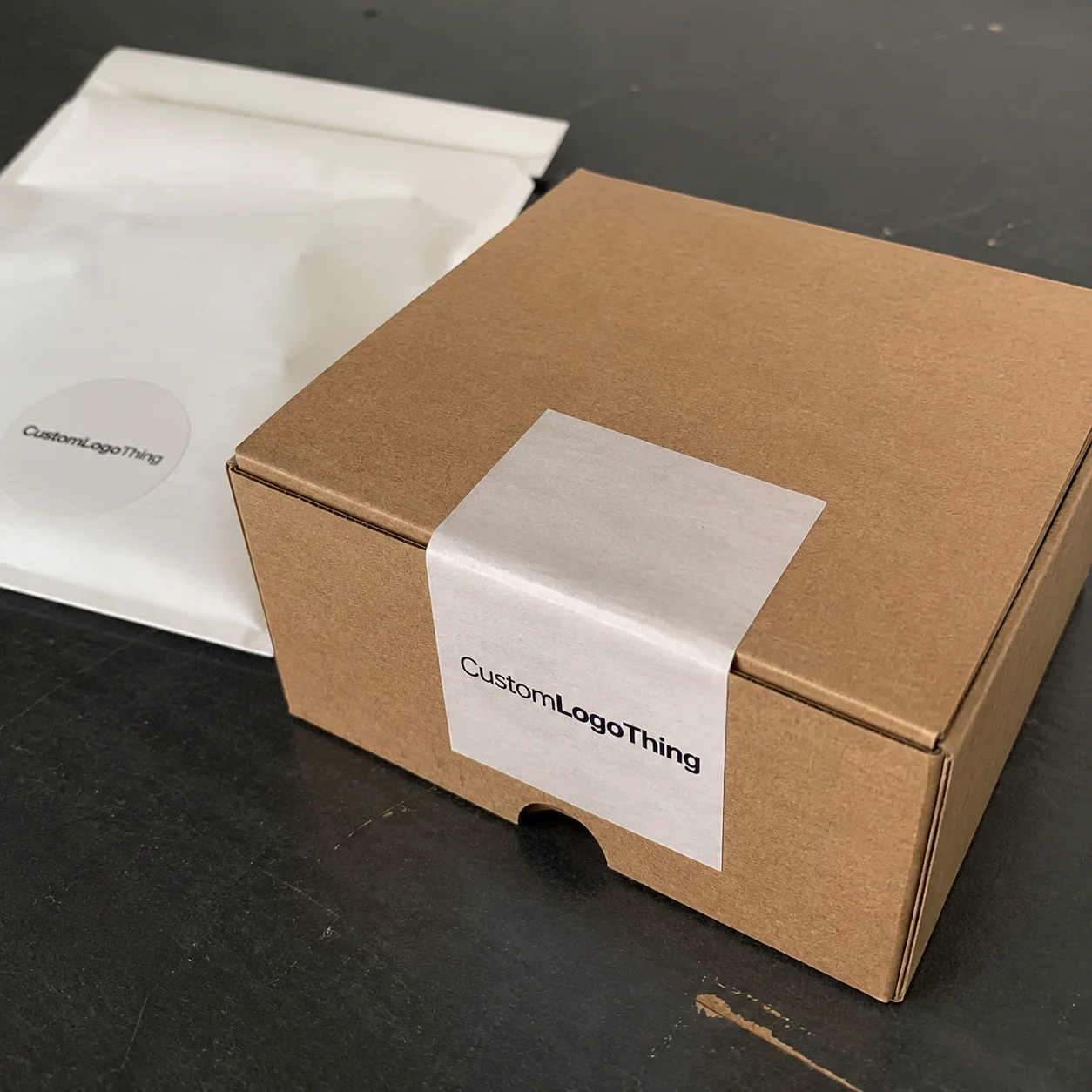
Stickers are one of the few packaging tools that can adapt to very different jobs without losing their usefulness. They work as product labels, seal stickers, promo handouts, envelope seals, insert branding, and temporary messaging for launches or seasonal campaigns. That flexibility is part of why custom stickers toronto orders remain popular across retail, food, beauty, beverage, and ecommerce packaging.
There is also a practical business reason behind the demand. Many Toronto businesses operate with tighter timelines and smaller inventory runs than large national brands, so they need packaging that can be updated without redesigning the entire system. Stickers make that possible. If a product name changes, a campaign refreshes, or a SKU gets tested in a short run, the sticker layer can change while the container stays the same.
Different formats serve different production realities. Sheet stickers are useful for hand application and storage. Roll labels make sense when the packing line needs speed and repeatability. Die-cut singles are better when presentation matters and the sticker is part of the customer-facing experience. None of these formats is universally best; the right choice depends on how the item will be applied and how many pieces need to move through the packout process.
The visual benefit is easy to underestimate. A plain kraft mailer with a clean matte sticker often looks more disciplined than a package that tries to do too much. Good packaging rarely depends on adding more graphics. More often, it comes down to putting one sharp visual cue in the right place and making sure the print quality supports it.
Practical packaging rule: choose the material for the environment first. Moisture, abrasion, refrigeration, and rough surfaces do not care how good the artwork looks on screen.
Stickers also sit well beside other packaging pieces such as Custom Labels & Tags and other Custom Packaging Products, especially when a brand wants the box, insert, and seal to feel like part of the same system instead of separate decisions.
How the sticker production process works
The production workflow usually begins with artwork review. This is where many issues show up early, before anything gets printed. Resolution, bleed, cut lines, safe zones, and text placement all need to be checked carefully. If those pieces are off, the job may still run, but the final result is much more likely to feel sloppy or inconsistent.
Once the file is approved, material selection comes next. Paper is common for dry, indoor packaging and lower-cost runs. Vinyl is a stronger choice when moisture, handling, or longer wear are part of the job. Specialty stocks can be used for specific visual effects or performance needs, but they should solve a real packaging problem, not just add variety for its own sake.
After that, a proof confirms the layout, cut shape, and overall print direction. This step matters more than many first-time buyers expect. A good proof should show whether the logo sits correctly, whether the text stays readable, and whether the shape matches the way the sticker is meant to sit on the package.
Printing method depends on quantity and design complexity. Digital printing is usually the best fit for shorter runs, multiple versions, or jobs that need fast artwork changes. Larger runs may benefit from production methods that improve unit economics at scale, but the right choice still depends on coverage, finishing, and the final use case rather than quantity alone.
Cutting and finishing give the sticker its final form. Die-cut stickers are trimmed to the design outline for a cleaner presentation. Kiss-cut stickers keep the backing intact, which makes peeling easier. Sheeted stickers are convenient for storage and manual application, while roll labels are faster for repetitive packing work.
Adhesive and laminate affect durability as much as the face stock. Permanent adhesive is usually preferred for packaging seals and retail labels that need to stay in place. Removable adhesive is better for temporary promotions or reusable containers. Lamination can improve abrasion resistance and help with moisture exposure, which becomes more important on mailers, bottles, and packages that are handled often.
For labels that must survive shipping, cold storage, or repeated contact, it helps to ask how the material behaves under real conditions rather than relying on a generic product name. Packaging performance standards such as those referenced by ISTA are useful when sticker durability has to be considered alongside the rest of the supply chain.
Cost, pricing, and MOQ factors that change your quote
Sticker pricing looks simple until the order gets detailed. Size, quantity, material, finish, cut complexity, and print coverage all influence the quote. A small round paper label and a contour-cut vinyl sticker with lamination are not even close to the same job from a production standpoint, even if they both look like “stickers” to the buyer.
Minimum order quantity, or MOQ, has a real effect on cost structure. Small runs carry a higher unit price because setup, proofing, cutting, and handling costs do not shrink in the same way the quantity does. As the run gets larger, those fixed costs are spread across more pieces, and the per-sticker price usually improves. That is normal, and it is one reason buyers often compare not just the quote but the total cost over a full production cycle.
The best way to think about sticker economics is to match the spec to the job. A dry carton seal usually does not need the same level of durability as a refrigerated label or an outdoor decal. Overspecifying leads to unnecessary cost; underspecifying often creates reprints, replacement work, and packaging problems that cost more than the original savings.
| Sticker type | Typical use | Price behavior | Durability |
|---|---|---|---|
| Paper label | Dry retail packaging, inserts, light sealing | Lower cost, especially in standard shapes | Good for indoor, low-moisture use |
| Vinyl sticker | Bottles, mailers, reusable containers, outdoor use | Higher cost, but better performance | Better against moisture and abrasion |
| Matte or gloss laminated | Brand-forward packaging, high-touch surfaces | Moderate uplift for finishing | Improved scratch and moisture resistance |
| Custom die-cut | Logo shapes, promo pieces, premium presentation | More expensive than simple shapes | Depends on face stock and adhesive |
Several details can raise the price without being obvious at first glance. White ink, specialty adhesives, lamination, multiple artwork versions, and rush handling all add complexity. Intricate cut lines can also increase production time, especially when the design has tiny interior shapes or unusual contours. For buyers comparing options, the better question is usually not which sticker is cheapest, but which spec meets the packaging need at the lowest practical total cost.
That distinction matters when a brand uses different packaging across channels. A café seal, a retail jar label, and an ecommerce mailer sticker may all serve the same brand family, but they do not need identical specifications. Matching each one to its real environment is where the savings tend to show up.
Choosing the right material, finish, and adhesive
Paper stickers are often the right fit for dry, indoor packaging and short-life applications. They print cleanly, take color well, and work nicely on kraft cartons, insert cards, and retail bag seals. Vinyl is usually the stronger option when the package will be handled a lot, exposed to moisture, or used on a surface that needs better resistance over time.
Finish changes how the brand reads at a glance. Gloss makes color look brighter and more energetic, while matte softens reflections and usually feels more restrained or premium. Soft-touch finishes can be elegant, but they are only useful when they support the packaging concept rather than serving as decoration for its own sake.
Adhesive choice should follow the surface and the temperature. Permanent adhesive makes sense for seals and labels that are meant to stay put. Removable adhesive can be useful for temporary promotions, reusable containers, or short-term campaigns. If the package may be chilled, damp, or flexed during handling, the adhesive becomes just as important as the printed face stock.
Surface texture matters more than people expect. A smooth coated carton, a rough kraft box, curved glass, and plastic all behave differently under pressure. A sticker can look perfect on the proof and still lift at the corners if the real package has a tight curve or a porous surface. That is why sample testing on the actual container is one of the most useful checks in the whole process.
Material choice also intersects with sustainability. If a brand wants to make a claim about recycled content, responsible sourcing, or certified paper, the substrate needs to support that claim honestly. FSC certification is one reference point for paper-based options, but the real value comes from matching the material story to the actual packaging use.
Process and timeline: from artwork to delivery
A typical order moves through file submission, prepress review, proof approval, production, finishing, and shipping. Simple jobs can move quickly once the file is ready. More complex orders take longer because they require more checks, more finishing steps, or more careful handling. That timeline is usually about process control, not just speed.
Artwork issues are the most common cause of delay. Missing bleed, low-resolution logos, unclear cut lines, and late proof revisions can all slow the job down. Fine text also deserves special attention. When a label is small, thin type and delicate linework can disappear after trimming or become harder to read once the sticker is applied to a curved package.
Quantity and finishing complexity affect schedule too. A short sheeted run may be straightforward, while a large roll order with custom contours and lamination needs more setup and packing care. Anyone planning around a product launch or a seasonal campaign should work backward from the date the stickers need to be in hand and leave room for proof corrections.
It helps to prepare a few details before requesting a quote: exact size, approximate quantity, preferred material, preferred finish, and the surface the sticker will be applied to. If the job is for sealing, labeling, decorating, or handling a specific environment, include that too. The more clearly the use case is described, the more useful the recommendation tends to be.
Common mistakes that lead to poor results
One of the easiest mistakes to make is designing artwork that is too delicate for the finished size. Tiny text, hairline strokes, and low-contrast color combinations can look fine on a screen and then vanish once the sticker is printed and cut. Small labels need stronger structure than large-format artwork, and that difference matters more than most people expect.
Another problem is choosing a finish based on appearance alone. Gloss can look energetic, but it can also feel out of place on minimalist packaging. Matte can read as refined, but it may not be the best option for scuff resistance. The finish should support the package, not compete with it.
Size errors create very practical problems. A sticker that is too large can wrinkle around curves, hide product information, or interfere with seals. One that is too small can make the brand feel cramped and hard to read. The right size is about the container, the application method, and the information hierarchy all at once.
Quantity planning matters too. Ordering too few can lead to repeat setup costs and avoidable stock shortages. Ordering too many can lock up cash and leave a business holding outdated artwork if the product changes. A realistic estimate of the next production cycle usually serves better than an optimistic guess.
The wrong adhesive can undo a good design fast. Cold surfaces, damp bottles, and heavily handled mailers all need more thought than a generic stock choice. If the application environment is unusual, the most useful request is a recommendation based on the actual package rather than a one-size-fits-all assumption.
Expert tips for better sticker performance and branding
Design for the container first, not the blank artboard. Curved jars, bottle shoulders, and mailer edges all affect how a sticker reads once it is applied. A layout that looks balanced on screen can shift once it wraps around a surface, so it is worth mocking the design on a real package or at least on a photo of one.
Keep the hierarchy simple. Logo first, key message second, fine-print details last. That order works because most people scan packaging quickly, and the sticker has only a moment to tell them what the product is and why it matters. Clean structure also tends to print more predictably.
Sample testing is one of the best habits a buyer can build. Paper, coated board, glass, and plastic do not behave the same way, and a small test can reveal whether the adhesive holds, whether the corners lift, or whether the finish reads the way it should under real lighting. That is a better use of time than fixing avoidable problems after production.
Consistency across the packaging set strengthens the result. A sticker style that appears on boxes, inserts, seals, and shipping notes gives the customer a unified experience. That kind of repetition is more useful than adding extra graphics, because it builds recognition without making the package feel overloaded.
In practice, cleaner usually beats busier. Too many claims, badges, and decorative elements can crowd the layout and weaken the message. A focused design with good contrast and the right material spec tends to hold up better in both production and real use, which is exactly what most custom stickers toronto buyers need.
Next steps for ordering with confidence
Start by naming the job clearly. Is the sticker a packaging seal, product label, promo giveaway, or insert? That one choice narrows the material, adhesive, and finish more than most buyers realize. Once the use case is clear, pricing becomes easier to compare and the production conversation gets more specific.
Then gather the basic details before asking for a quote: size, quantity, material preference, finish preference, and the surface where the sticker will live. If you already know whether the order should be sheeted, rolled, kiss-cut, or die-cut, include that too. Format affects speed of application and storage, and it can change the best recommendation.
When the proof comes back, check the bleed, cut placement, and text legibility carefully. Color should be reviewed with real-world expectations in mind, especially if the brand depends on exact tones. A careful proof review is one of the simplest ways to avoid wasted stock and production delays.
For most buyers, the real comparison is not sticker price alone. It is durability, application speed, storage convenience, and landed cost over time. A sticker that costs a little more but applies faster and survives handling can easily be the better value, especially in retail and ecommerce packaging where consistency matters every day.
If you are planning custom stickers toronto for a launch or packaging refresh, the safest approach is straightforward: define the use case, choose the lightest spec that still performs, approve the proof carefully, and leave enough lead time for production and shipping. That keeps the order grounded in the real packaging environment instead of in guesswork.
FAQ
What are the best custom stickers Toronto businesses use for packaging?
The best format depends on the job. Paper labels are usually a good fit for dry packaging, vinyl is better for moisture and handling, and sheeted or roll formats are chosen based on how fast the stickers need to be applied. For food, retail, and ecommerce packaging, the right answer usually balances appearance, surface type, and durability.
How do I estimate custom sticker pricing before requesting a quote?
Start with size, quantity, material, finish, and whether the shape is standard or custom. Those factors explain most pricing differences. Specialty finishes, custom dies, and rush handling add more.
What is the typical turnaround for custom sticker orders?
Turnaround depends on artwork readiness, proof approval speed, quantity, and finishing complexity. Simple runs can move quickly, while custom shapes, specialty materials, and larger quantities usually take longer.
Which material should I choose for waterproof or refrigerated use?
Vinyl is usually the safer choice for moisture, handling, and longer wear. For cold or damp conditions, the adhesive matters as much as the face stock, so the material should be matched to the actual surface and temperature.
What file should I send for the cleanest print result?
A vector logo or high-resolution artwork gives the cleanest edges and the most reliable print result. Include size, cut preference, and any text that must stay readable so the proof can be checked properly.


