A well-planned order of Customized Stickers in Bulk can replace several separate printed pieces at once. One run can handle box branding, product identification, promotional handouts, and shipping seals without forcing a brand into multiple packaging programs. That makes stickers less of a decorative extra and more of a practical purchasing tool.
Plain corrugated mailers, stock pouches, glass jars, folding cartons, and poly bags all become more useful with the right label strategy. Fully printed custom packaging still has its place, but many brands do not need printed boxes for every variation, every campaign, or every short-run launch. A neutral base package paired with the right sticker often does the job for less money and with less inventory risk.
The economics are straightforward. Unit cost drops, inventory stays leaner, storage demand falls, and product changes can be handled without scrapping stacks of preprinted cartons. If a seasonal promotion underperforms or a formula changes midstream, the sticker run is usually the part that gets replaced, not the entire packaging system.
That model fits ecommerce brands, beverage startups, cosmetics lines, candle makers, subscription box teams, and distributors managing repeat orders across multiple SKUs. If you already buy Custom Packaging Products and need a faster way to manage product variation, stickers often make the most sense.
Good results depend on the details. Material, adhesive, finish, print method, size, and artwork setup all affect how a sticker looks, how it applies, and how long it holds up. Miss one of those and the low-cost option can turn expensive after reprints, wasted labor, or labels that fail on the shelf.
Customized Stickers in Bulk Solve More Packaging Problems Than Most Buyers Expect
Many buyers still think of stickers as giveaway items or simple promo pieces. In production, they solve much larger problems than that. Used well, customized stickers in bulk help brands cut packaging complexity, reduce inventory exposure, and keep product changes from turning into write-offs.
Take a product line with five scents in the same jar. Printing five separate cartons may not make sense if the structure and branding stay largely the same. One neutral box or one plain jar paired with scent-specific labels is often the cleaner answer. The same logic applies to subscription kits, limited-edition launches, and compliance updates where only one panel of information changes.
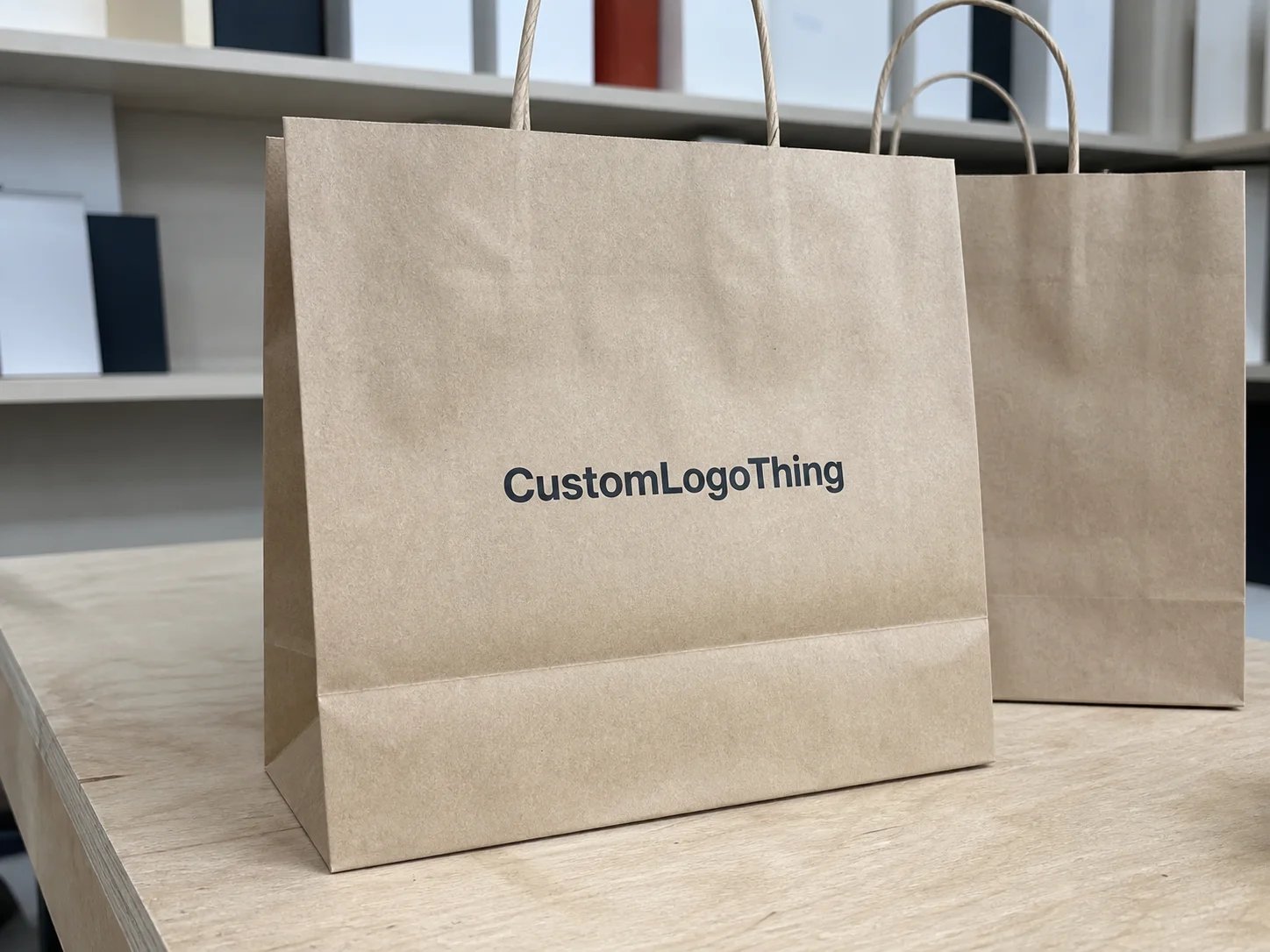
Shipping programs benefit too. A plain kraft mailer with a well-printed branded seal can look deliberate rather than unfinished, especially if the material and finish suit the rest of the brand. That approach keeps the base packaging simple while still giving the customer a clear branded moment at delivery.
Speed matters as much as cost. Custom box production can stretch out depending on board stock, printing method, structural approvals, and finishing. Sticker reorders tend to move faster once the die line, artwork, and specifications are already approved. Production teams can reuse setup files and prior notes, which helps keep repeat runs consistent.
Operations teams like the inventory side of this model for the same reason purchasing teams do. Fewer printed packaging variants means less shelf space consumed by slow-moving stock. One outer package can serve several flavors, scents, sizes, or campaign versions just by changing the applied label. For test runs and short-batch launches, that flexibility is worth far more than the sticker line item suggests.
Use cases span a wide range of industries:
- Ecommerce: branded seals, thank-you decals, shipping box labels
- Food and beverage: bottle labels, jar labels, tamper seals, ingredient changes
- Beauty and personal care: seasonal SKUs, sample sizes, short-run variants
- Events and promotions: die-cut giveaways, kiss-cut sheets, sponsor graphics
- Distribution and fulfillment: repeat labels that apply quickly and reorder easily
If you are comparing formats, it helps to review Custom Labels & Tags alongside broader sticker options. Some jobs are mostly decorative, some are mainly informational, and some need to do both at once. The best format depends on the surface, the application method, and the kind of wear the label will face.
Choose the Right Sticker Type for Packaging, Promotions, or Product Labeling
Sticker format affects day-to-day usability more than many buyers expect. A job can print beautifully and still be inconvenient, slow to apply, or wrong for the surface. That usually traces back to format choices made too early or too casually.
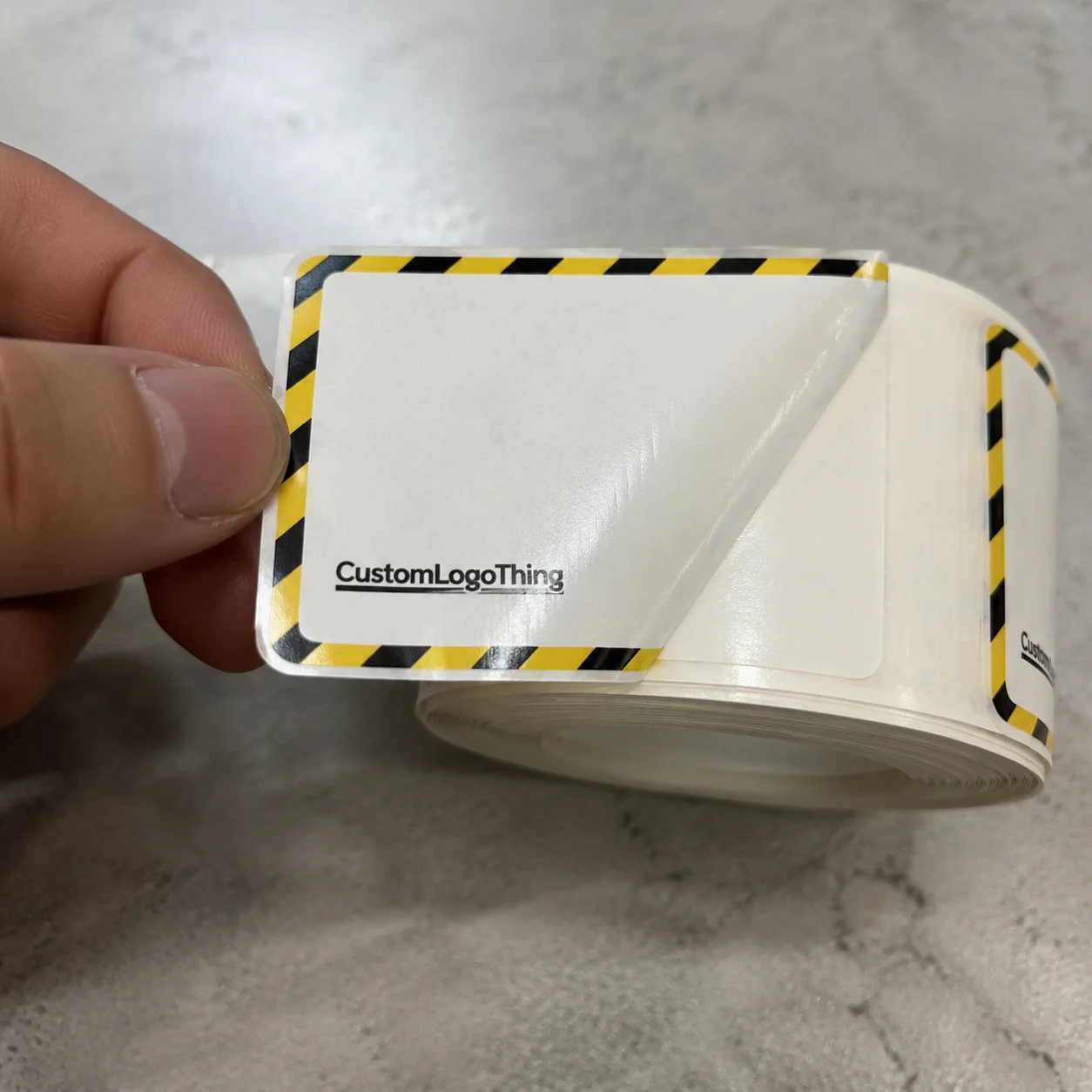
Die-cut singles are a common fit for handouts, inserts, event use, and merch-style branding. They present well and feel more finished in the hand. Kiss-cut sheets are useful for small-batch manual application because several labels sit on one carrier sheet and peel away easily. Roll labels are the standard workhorse for product labeling, fulfillment lines, and higher-volume use where speed matters.
Shape influences cost as much as appearance. Circles, squares, and rectangles usually run more efficiently because tooling is simpler and material waste stays lower. Tamper seals often need a more specialized construction, sometimes with destructible facestock or a higher-tack adhesive depending on the closure surface. Closure stickers for tissue wrap, cartons, or mailers can often use a simpler paper or BOPP construction if they will stay dry and do not need heavy abrasion resistance.
Material choice should match the real environment, not only the look of the label:
- Paper: economical, strong print quality, best for dry indoor conditions
- White BOPP: durable and moisture-resistant, widely used for jars, bottles, and personal care packaging
- Clear BOPP: gives a clean “no-label” effect on clear containers and often needs white ink beneath the artwork
- Vinyl: tougher for outdoor exposure or rough handling, usually at a higher cost
- Holographic films: eye-catching on shelf, less ideal where exact color control matters
- Kraft-look stocks: stylistic rather than performance-driven
- Removable wall-safe stocks: made for temporary graphics, not for package sealing or shipping use
Indoor and outdoor use lead to different recommendations quickly. Labels exposed to refrigeration, condensation, light oil contact, or repeated handling usually need a film material such as laminated BOPP. Dry carton sealing at retail may not need that level of durability, so paper can still be a sensible lower-cost choice.
Finish matters beyond appearance. Gloss pushes color contrast and tends to feel lively on shelf. Matte cuts glare and often suits premium branding. Soft-touch adds a richer tactile feel, though it is hard to justify on products that do not benefit from it. Uncoated stocks remain useful where staff need to write lot codes, batch numbers, or dates by hand.
Adhesive selection deserves the same attention as the face material. Permanent adhesive handles many standard packaging jobs. Removable adhesive works for short-term promotional use where clean removal matters. Freezer-grade constructions help with cold conditions. High-tack adhesives earn their place on textured corrugated, coated cartons, metal tins, or low-energy plastics such as HDPE, where standard adhesive may struggle to grip.
A common mistake is ordering attractive giveaway stickers for a job that really calls for durable container labels. Another is trying to save money with paper labels on refrigerated drink bottles. The print may look fine at first, then the label wrinkles, edges lift, and the surface starts to wear. That shortcut rarely saves money for long.
Specifications That Actually Affect Performance: Size, Material, Adhesive, Finish, and Print Quality
Clean quoting starts with clear specifications. Sticker projects go sideways when buyers assume the basics are obvious and leave out the information that determines performance. With customized stickers in bulk, those small decisions affect cost, application speed, and how the label survives in use.
Size and format
Size changes both visibility and price. Closure stickers for mailers often fall in the 2-inch to 3-inch range. Jar labels commonly range from 2x2 inches to 4x6 inches depending on container shape and the amount of information required. Candle labels often sit around 2x3 inches or 3x3 inches. Front bottle panels frequently use sizes like 2x4 inches or 3x5 inches, though the actual container diameter matters a great deal.
Larger labels cost more in material and can fight curved surfaces if the construction is too stiff. Smaller labels carry the opposite risk. If too much content is forced into too little space, readability suffers and buyers sometimes blame print quality for what is really a layout issue.
Material thickness and durability
Paper facestocks are often in the 60 to 80 gsm range. BOPP films commonly run around 2.0 to 2.6 mil before adhesive and liner. Vinyl can be thicker depending on grade and intended use. Those numbers matter because a sticker meant for moisture, oil splash, abrasion, or refrigeration usually needs a film construction rather than paper.
Shipping labels and box seals may need scuff resistance more than moisture resistance. Cosmetics and food packaging often need protection from finger oils and bathroom or kitchen humidity. Outdoor decals need to deal with sun exposure and temperature swings. Same broad product category, different environment, different specification.
Print and color details
Most sticker jobs print in CMYK, which covers a wide range of brand artwork. If a logo color needs tight control, ask about Pantone matching. On clear BOPP, many designs also need white ink beneath the printed areas so the artwork stays visible against the product inside the container. Foil, metallic effects, and other specialty treatments usually require processes beyond standard four-color printing.
Artwork setup is another frequent trouble spot. Include bleed, often around 0.125 inch unless your supplier specifies something different. Keep text and logos inside the safe area. Avoid hairline rules that may disappear after trimming. Rounded corners generally wear better than sharp corners, especially on containers handled often or applied quickly by hand.
Operational specs buyers forget
Roll labels bring a few extra requirements that are easy to miss. Ask about core size and unwind direction. Common cores are 1 inch and 3 inch depending on the dispenser or labeling equipment in use. If your team uses a semi-automatic applicator, the wrong unwind direction is not a minor inconvenience. It stops production until the right format shows up.
Packaging method matters too. Roll count, sheet count, and carton packing can affect how easily the product moves through your floor. A 10,000-piece order packed into several manageable rolls may be far more practical than a few oversized rolls that are awkward to store and difficult to handle.
For buyers concerned with durability and transport performance, outside references can help frame the discussion. The International Safe Transit Association offers useful guidance for transit-related thinking, and paper-based sourcing conversations may involve certified fiber programs through FSC.
Practical rule: if the sticker will face moisture, oil, refrigeration, rough handling, or textured surfaces, confirm the material and adhesive for that exact use before approving the order.
Bulk Sticker Pricing, MOQ, and Unit Cost: What Changes the Quote Fast
Most buyers start with price, which makes sense, but sticker quotes move quickly once the specifications shift. A vague request produces a vague number, and vague numbers are rarely useful for budgeting.
The main cost drivers are quantity, dimensions, shape complexity, material, adhesive grade, finish, color treatment, and delivery format. Rolls, sheets, and singles do not cost the same to produce or pack. Setup charges may include die creation, proofing, and color matching depending on the job. Repeat orders often price more smoothly because approved files and production notes are already in place.
Bulk economics are fairly simple. Unit cost usually drops as quantity rises because setup, finishing, and press time are spread across more pieces. That does not mean every large sticker order is cheap. A small-format label printed on premium vinyl with white ink, lamination, and custom contour cutting can still carry a high unit price despite its size.
| Spec Example | Typical Quantity Range | Relative Cost Level | Common Use |
|---|---|---|---|
| Paper, 2x2, standard shape, sheet format | 500-5,000 | Low | Promo sheets, box seals, dry-use packaging |
| White BOPP, 3x4, matte or gloss, roll format | 1,000-25,000 | Medium | Bottles, jars, personal care labels |
| Clear BOPP with white ink, custom die | 1,000-10,000 | Medium to high | Clear containers, premium retail presentation |
| Vinyl, laminated, outdoor durable | 250-5,000 | High | Outdoor decals, hard-use applications |
Minimum order quantity is not fixed across every sticker type. Sheet stickers and some die-cut runs may start in the hundreds. Roll labels often become more commercially sensible in the low thousands because of setup, finishing, and handling efficiency. The better question is not how low the minimum can go, but where the unit cost starts making sense for your program.
As a general pricing pattern, paper stays at the low end for dry indoor use, BOPP sits in the middle with strong value for moisture resistance, and vinyl carries a higher cost that only pays off when the extra durability is actually needed. Specialty effects such as foil, holographic film, or soft-touch finishes add visual appeal, though they do not always add useful function.
There are a few dependable ways to cut cost without hurting performance:
- Use standard circles, squares, or rectangles instead of intricate contour cuts
- Standardize label sizes across several SKUs where possible
- Choose roll format for faster application at medium to high volumes
- Use BOPP instead of vinyl if the label will not face outdoor wear
- Request quantity tiers such as 1,000, 3,000, and 5,000 for a real unit-cost comparison
Brands placing repeat orders may also benefit from asking about Wholesale Programs tied to recurring specs, reorder planning, and shared purchasing structures.
The fastest route to accurate pricing on customized stickers in bulk is a complete quote request. Send quantity tiers, exact size, intended use, preferred material, finish, and whether you need rolls, sheets, or singles. A request that says only “need logo stickers” usually leads to several rounds of follow-up before anyone can price it with confidence.
Production Steps, Proofing, and Lead Time From Artwork to Delivery
Sticker production is usually straightforward once the specifications are settled. Most orders move through a familiar sequence from quote to shipment, and delays tend to show up when key details are missing at the start.
- Inquiry with specs and artwork
- Supplier review and quotation
- Artwork check and technical feedback
- Digital proof approval
- Physical sample or pre-production confirmation if needed
- Printing and finishing
- Packing and shipment
Projects slow down for predictable reasons: missing dimensions, low-resolution logos, unclear adhesive requirements, screenshots sent instead of print files, or changes made after proof approval. Late changes can affect die lines, setup, and finishing, so they tend to cost both time and money.
Lead time depends on the complexity of the order. A straightforward run may move in roughly 7 to 15 business days after proof approval, while custom constructions, specialty finishes, and larger volumes can take longer. Shipping time should always be treated separately from production time. Combining the two into one vague estimate causes planning problems almost every time.
Rush service may be possible, though it often narrows your choices. A standard gloss BOPP roll label might be accelerated more easily than a sheeted label with foil or soft-touch finishing. The faster schedule may also require quicker proof approvals and a higher freight or setup cost.
Physical samples or swatch kits are worth requesting if color is sensitive, the surface is tricky, or the label must survive refrigeration, oil contact, heavy handling, or textured corrugated. A digital proof confirms size, layout, and content. It does not confirm how the adhesive behaves on the actual package.
To shorten quoting and setup time, send these details in the first message:
- Vector artwork, ideally AI, EPS, or print-ready PDF
- Final dimensions
- Three quantity tiers
- Application surface and adhesive use case
- Preferred material and finish, if known
- Delivery ZIP code
- Target in-hand date
Common Ordering Mistakes That Cause Sticker Failure, Waste, or Reorder Delays
The most expensive sticker mistake is choosing on price alone. A label that lifts from a cold bottle, scuffs on a mailer, or wrinkles around a curved jar is not the lower-cost option. It is just the one that hides the cost until later.
Surface type and environment deserve closer attention than they often get. Corrugated, glass, PET, HDPE, coated paperboard, metal, and flexible pouches all behave differently. Temperature, humidity, oils, and handling patterns matter too. Testing on the real substrate before committing to a large run is the safest move, especially for products with operational or compliance importance.
Artwork issues cause another large share of problems. Raster logos, tiny reversed text, missing bleed, ultra-thin lines, and overly complex die lines all increase the odds of disappointing print results or trimming trouble. If the design uses a lot of small type, a clean matte BOPP construction often performs better than a flashy effect that hurts legibility.
Format mistakes create frustration on the production floor. Sheet stickers for high-volume fulfillment are a familiar example. Ignoring unwind direction for machine application is another. So is choosing an unlaminated decorative surface for a package that will rub against other units in transit and then expecting it to come through untouched.
Inventory planning can quietly create its own mess. Ten SKUs with ten different sticker sizes may feel manageable during sourcing, then become awkward to store, pick, and reorder. Standardizing shapes and dimensions across a product family usually reduces setup cost and makes future production much easier to manage.
A better internal system usually looks like this:
- Keep a master style sheet with approved sizes, materials, adhesives, and finishes
- Reuse die lines across related SKUs whenever practical
- Define whether each sticker is for branding, sealing, compliance, or a mix of functions
- Test labels on actual packaging substrates before scaling the order
- Store approved proofs and prior purchase order details in one reliable place
Experienced buyers pay attention to landed cost, not just invoice cost. Wasted labels, relabeling labor, delayed shipments, and rushed reprints all count. A cheap unit price does not help much if the sticker creates work for three other departments.
How to Get an Accurate Quote and Place Your Bulk Sticker Order Without Back-and-Forth
The easiest way to speed up the quoting process is to send one complete message instead of several partial ones. Include artwork, dimensions, quantity tiers, material preference, finish, adhesive requirement, format, destination, and deadline from the start. That single step often cuts days out of the process.
Tiered pricing matters because it shows where the unit cost actually begins to improve. A quote for 1,000, 3,000, and 5,000 pieces gives you a more useful picture than one number alone. Sometimes the savings justify carrying extra inventory. Sometimes the slower SKU movement makes a smaller run the better call.
If the initial quote comes in over budget, ask for substitutions that keep the function intact. BOPP may replace vinyl. A standard rectangle may replace a contour cut. Matte or gloss finish may do the job just as well as soft-touch or foil. Shared dimensions across multiple SKUs can also reduce complexity without sacrificing brand consistency.
Sampling is worth the extra step for higher-risk applications, especially premium retail packaging, exact brand colors, freezer storage, textured corrugated, or machine application. A sample pack, press proof, or physical prototype costs far less than a full production run that misses the mark.
A solid supplier quote should clearly confirm what is being priced, what is included, what is excluded, how long production is expected to take, and whether any artwork issues need correction before approval. If that information is fuzzy at the quote stage, the order itself usually stays fuzzy as well.
For repeat work, keep approved proofs, die line versions, SKU naming conventions, and prior PO details organized. Reorders move much faster when no one has to guess which file was final or whether last time’s “matte clear label v3” was actually approved for production.
The main advantage of customized stickers in bulk is not just lower unit cost. It is control. Once the use case, material, adhesive, size, and format are chosen carefully, pricing gets clearer, production moves faster, and the finished sticker does the work it was supposed to do.
Frequently Asked Questions
What is the MOQ for customized stickers in bulk?
MOQ varies by format, size, and production method. Simple sheet stickers or die-cut runs may begin in the hundreds, while roll labels often become more cost-effective in the low thousands. The most useful approach is to ask for tiered pricing so you can see where setup cost and unit cost begin to work in your favor.
How much do bulk custom stickers cost per unit?
Unit cost depends on quantity, dimensions, material, finish, adhesive, shape complexity, and whether the stickers are supplied on rolls, sheets, or as singles. Paper usually costs less for dry-use applications. Vinyl and specialty finishes raise the price and should be chosen only when the extra durability or visual effect is truly needed.
Which material is best for bulk sticker labels on bottles, jars, and mailers?
BOPP is a common choice for bottles and jars because it handles moisture and routine handling well without pushing cost too high. Paper works for dry-use packaging, box seals, and short-term branding where durability demands are lighter. Mailers and corrugated boxes often need a permanent adhesive with enough tack for textured or coated surfaces.
What is the lead time for customized stickers in bulk orders?
Lead time depends on proof approval, material availability, quantity, finishing requirements, and shipping method. Production time and transit time should be quoted separately so the schedule stays realistic. Orders move faster when artwork, dimensions, and application details are complete from the beginning.
Can I order custom stickers in bulk with my logo and multiple SKUs?
Yes. Many brands use one shared specification across several SKUs while changing only the artwork or text. Standardizing size, material, and finish where possible usually controls setup costs and makes reorders easier. Ask whether approved die lines and proofs can be reused for future runs.