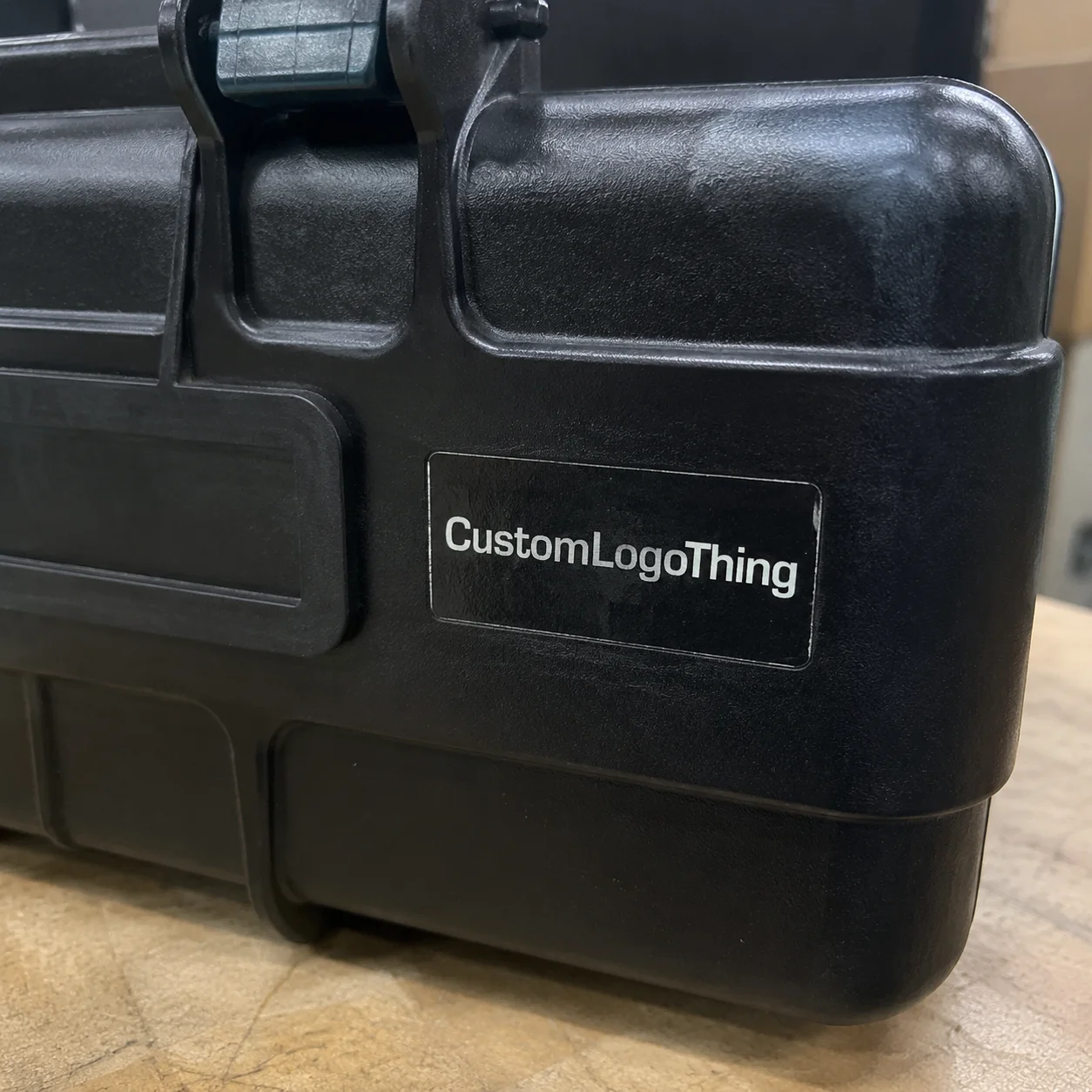
The product is finished. The cartons are stacked. The packing crew is waiting. And the box, pouch, jar, mailer, or insert still looks plain. That is why brands order customized stickers in bulk. They need branding, barcode support, tamper evidence, ingredient copy, or a seasonal message without reprinting every package component.
A sticker is not just decoration. Used well, it becomes part of the packaging system. It can turn stock boxes, kraft bags, glass jars, bottles, cartons, tissue wrap, envelopes, retail displays, and product inserts into coordinated branded packaging. For a buyer handling hundreds or tens of thousands of units, the details matter. Color has to hold. The cut has to repeat. The adhesive has to suit the surface. The label has to keep up with the line.
Bulk orders are usually about control, not flair. A brand may need to move quickly on a launch, replace a missing package component, or test a limited run before committing to printed cartons or custom pouches. Stickers give that flexibility without locking inventory into one version of the package.
- Logo seals: closure stickers for tissue, cartons, envelopes, and gift packaging.
- Product labels: front panels, back panels, ingredient panels, warnings, and batch codes.
- QR-code stickers: scan points for instructions, care guides, registration, or promotions.
- Promotional decals: limited offers, launch messages, inserts, giveaways, and shelf callouts.
- Subscription box branding: mailer seals, product variant labels, and packing inserts.
The right spec depends on the real package, not the mockup. Corrugated board, coated cartons, glass, metal tins, flexible pouches, plastic bottles, and compostable films all behave differently. Moisture, temperature swings, hand application, machine application, shelf life, and removal requirements should be discussed before production starts. A label that looks fine on screen can fail on recycled board or smear in cold storage. That is not a design problem. It is a specification problem.
Practical rule: choose the construction for the surface and handling conditions first, then refine the artwork and finish. A pretty sticker that lifts on recycled board or smears in a cooler is a bad buy.
Why Customized Stickers in Bulk Solve Real Packaging Problems
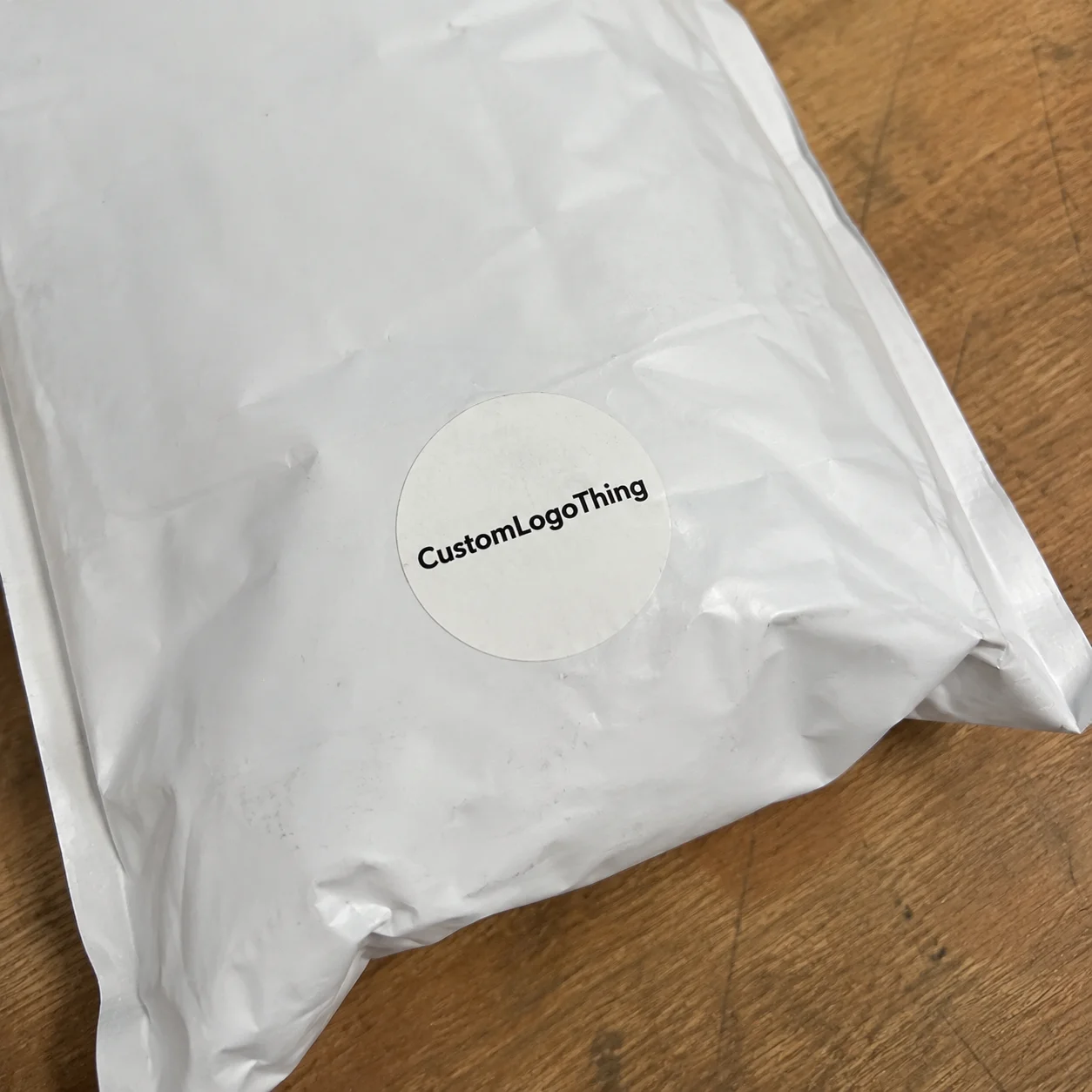
Most packaging problems are boring in the way only operations can be boring. A brand has 5,000 plain mailers on hand and a launch next week. A candle line needs warning labels on jars and logo seals on cartons. A food brand needs a QR code that points to batch information or instructions. Stickers solve these jobs quickly because they add information and identity to packaging that already exists.
Bulk sticker buying also changes the economics. Setup, artwork checks, die-cutting, press calibration, finishing, and packing take time whether the run is 500 pieces or 50,000. Once that work is spread across more labels, the unit cost usually drops. That is why one quote for 1,000 pieces and another for 10,000 can look dramatically different, even when the design is almost identical.
The other benefit is version control. A brand can test a holiday campaign, a new scent, a limited flavor, or a subscription box message without reprinting every box or pouch in the warehouse. That matters when artwork is still changing and the packaging schedule is already tight.
Typical use cases include:
- Sealing tissue, envelopes, and paper wraps.
- Labeling jars, bottles, pouches, tins, and cartons.
- Adding barcodes, QR codes, ingredient copy, or batch information.
- Marking seasonal promotions, shipping messages, and limited editions.
- Branding retail kits, bundles, and direct-to-consumer shipments.
None of that works if the sticker is specified badly. Surface texture, heat, moisture, storage time, and application method all affect performance. A label that sticks to gloss cartons may fail on matte recycled board. A seal that peels cleanly in a design proof may grab too hard on a humid packing line. That is why material choice and adhesive choice come before pretty details.
Sticker Materials, Adhesives, and Finishes That Fit Your Use Case
Face stock is the printable layer customers see. Paper is the economical choice for dry indoor packaging, retail boxes, kraft seals, hang tags, and general product labels. White BOPP, a polypropylene film, handles moisture better than standard paper and is common for jars, bottles, cosmetics, and flexible packaging. Clear BOPP creates a low-visibility look on glass or clear plastic, though white ink may be needed under the artwork so colors do not disappear. Vinyl is stronger for outdoor decals or rougher handling. Kraft paper fits natural-looking packaging. Foil, metallic, holographic, and textured materials add shelf impact, but they also raise cost and can complicate barcode placement.
Adhesive matters just as much. Permanent adhesive is used when the label should stay put through shipping, retail display, and customer handling. Removable adhesive is better for short promotions or packaging that needs to come off cleanly. Freezer-grade adhesive is made for cold-chain use, but it still needs testing at the actual application temperature. Higher-tack adhesives help on rough corrugated board, recycled paperboard, and some matte or textured surfaces.
Finish affects both appearance and durability. Gloss lamination deepens color and improves scuff resistance. Matte lamination reduces glare. Soft-touch film gives a smoother, more premium feel, often used on cosmetics, candles, and gift packaging. UV coating adds shine and some surface protection. Waterproof film construction is the safer choice for bottles, chilled products, bath items, and packages that may meet condensation. Writable finishes work for batch notes or hand-filled dates, but they still need marker and ink testing. “Writable” is not a synonym for “anything goes.”
| Material or Finish | Best Use | Buyer Notes |
|---|---|---|
| Paper label stock | Dry boxes, bags, inserts, seals | Economical; not ideal for moisture or heavy abrasion |
| White BOPP film | Bottles, jars, cosmetics, food packaging | Good moisture resistance and a clean print surface |
| Clear BOPP film | Glass jars, clear bottles, premium labels | May need white ink behind art and barcodes |
| Kraft paper | Natural, handmade, and rustic packaging | Ink colors read warmer and less bright |
| Foil or metallic film | Premium seals, beauty, gift, and retail accents | Higher cost; barcode zones may need non-metallic areas |
| Matte or gloss lamination | Scuff protection and appearance control | Matte reduces glare; gloss increases color depth |
For packaging programs with sustainability requirements, buyers may also need to discuss paper sourcing, recycling compatibility, or fiber certification. The Forest Stewardship Council is one recognized reference point for responsibly sourced paper materials. Not every sticker construction will meet every sustainability target, so that conversation should happen during quoting, not after the labels are printed.
Sizes, Shapes, Rolls, Sheets, and Print Specifications
Format changes both cost and application speed. Roll labels are the usual choice for dispensers, semi-automatic labelers, and automatic applicators. Sheet labels work well for hand application in smaller packing areas. Kiss-cut stickers stay on a liner and peel away easily. Die-cut stickers follow a custom outline around the artwork. Individually cut decals are better for giveaways, inserts, and promotional packs.
Size should start with the package panel, not the artwork file. Measure the area where the sticker will sit, then leave room for copy, barcode quiet zones, QR-code scan space, legal text, and white space. A 1.5-inch circle can work as a tissue seal, but it will not carry a nutrition panel. A 2 x 3 inch rectangle may be fine for a jar face label, while a 3 x 5 inch back label may be needed for ingredients, warnings, directions, and distributor information.
Common shapes include circles, ovals, squares, rectangles, rounded rectangles, custom silhouettes, wraparound strips, tamper seals, belly-band style stickers, and closure tabs. Custom outlines can look sharp, but tight points and thin cuts can slow peeling or create lifting edges. That matters more than people admit. If a packing crew has to fight 10,000 labels off a liner, the labor cost can wipe out the savings from choosing the cheapest format.
Artwork should be prepared for production, not just for a screen. Vector logos are preferred. Raster images should usually be 300 dpi at final size for standard label printing. Files should use CMYK color unless a specific spot-color workflow is requested. Fonts should be outlined. Bleed is commonly 0.0625 to 0.125 inch, depending on the process and cut tolerance. Safe margins should keep small text and logos away from the blade path. Dielines should be supplied as a separate spot-color layer, and white ink must be clearly marked on transparent, holographic, or metallic materials.
Roll specs matter if labels are machine applied. Confirm core size, outside diameter, gap spacing, liner type, label count per roll, and unwind direction. A common applicator core is 3 inches, though some hand dispensers use smaller cores. If unwind direction is wrong, the label may feed upside down or apply on the wrong side of the package. That is a preventable mistake, which makes it a very common one.
Quality checks should include color proofing, cut tolerance, adhesive match, barcode test scans, edge-lift testing, and sample application on the actual package. For retail or transport testing, buyers can also review methods from organizations such as ISTA, especially when labeled packages face parcel shipping, vibration, compression, and temperature changes.
Pricing, MOQ, and Unit Cost Drivers for Bulk Sticker Orders
Pricing for customized stickers in bulk depends on quantity, finished size, material, adhesive, shape, color coverage, finish, format, version count, proofing, and shipping destination. A simple 2-inch paper logo seal on sheets will price very differently from a waterproof clear BOPP label with white ink, matte lamination, and a custom die supplied on rolls for machine application.
As a working range, basic paper stickers in moderate bulk quantities may land around $0.03 to $0.12 per piece. Film labels may run closer to $0.06 to $0.25 per piece. Specialty effects such as foil stamping, holographic film, embossing, heavy lamination, or complex die-cutting can move higher, especially at lower quantities. These are planning ranges, not promises. Freight, artwork condition, and material availability can shift the quote.
Bulk ordering lowers unit cost because setup is spread across more labels. Prepress checks, die preparation, press calibration, color matching, lamination setup, slitting, and packing all take time whether the run is 500 pieces or 50,000 pieces. That is why a quote for 10,000 pieces often looks much better per unit than a quote for 1,000, even though the total spend is higher.
MOQ depends on the production method. Simple paper or standard film stickers may have a lower entry point. Specialty films, custom dies, foil effects, cold-temperature adhesives, or machine-applied roll labels may require higher quantities because material minimums and setup time are less forgiving. For repeat programs, Wholesale Programs can help buyers plan replenishment instead of treating every order like a fresh emergency.
Prepare these quote inputs before asking for pricing:
- Finished size, shape, and approximate quantity, such as 2 x 3 inches at 5,000 pieces.
- Material preference, such as paper, white BOPP, clear BOPP, kraft, vinyl, or metallic film.
- Use conditions, including indoor, outdoor, refrigerated, wet, abrasive, or dry retail handling.
- Surface type, such as corrugated board, coated carton, glass, plastic bottle, pouch, or tin.
- Artwork files, version count, barcode needs, delivery address, and target in-hand date.
Versioning deserves attention. If five SKUs share the same size, material, finish, and cut shape, similar artwork may sometimes be grouped efficiently. If sizes, colors, materials, or cut lines change, separate runs may be needed. The cheapest sticker is not always the lowest-cost decision. A label that peels in transit, scans poorly, smears under moisture, or slows packing can cost more in returns, repacking, and labor than a better-specified construction.
Proofing, Production Steps, and Turnaround Timeline
The order path should be clear. A buyer submits specs, artwork, quantity, and delivery needs. The supplier reviews the request, checks the artwork, recommends material, and sends a digital proof. For higher-risk jobs, a physical sample or material swatch may be worth the extra time. After approval, production moves through printing, coating or lamination, die-cutting or kiss-cutting, weeding if needed, slitting into rolls or trimming into sheets, inspection, packing, and shipment.
Prepress is where many problems get caught. The team checks resolution, bleed, dielines, color mode, font outlines, barcode readability, small-text legibility, and compatibility with the selected print process. If a QR code is too small, if black text is built from four-color process, or if a dieline cuts too close to the logo, proofing should catch it before the press runs.
Typical production timing depends on the job. Standard printed paper or film stickers with ready artwork may take 7 to 12 business days after proof approval, not including freight. More involved constructions with foil, embossing, holographic film, custom dies, multiple versions, or special adhesives may take 12 to 20 business days or more. Rush orders may be possible if the artwork is clean and the stock is available, but compressed proofing raises risk for labels carrying barcodes, ingredients, warnings, or regulated copy.
Printing and finishing are physical steps, and each has tolerance. The stock is printed, laminated or coated if required, cut to shape, and then converted into the requested format. Rolls need stable tension and clean edges. Sheets need consistent trimming. Individually cut decals need packing that protects corners and surfaces. A good production plan accounts for those details because damaged edges, tight curls, or inconsistent liner release can slow a packing crew immediately.
For repeat packaging programs, build a reorder buffer. If boxes arrive on Monday and stickers arrive the following Friday, the label becomes the bottleneck. Many buyers keep two to four weeks of sticker inventory for steady SKUs, then order seasonal or promotional labels separately. That buffer matters in direct-to-consumer operations where daily fulfillment cannot pause for one missing component.
Quality Checks That Prevent Peeling, Misalignment, and Waste
Most sticker failures are preventable. Common issues include poor surface match, wrong adhesive, low-resolution artwork, inadequate bleed, tiny text, incorrect roll direction, color mismatch, curled labels, and stickers that are hard to peel during packing. None of those sound dramatic in a design review. On a packing table, they create waste quickly.
Adhesive performance depends on dwell time, pressure, surface cleanliness, temperature at application, and packaging material. A sticker applied to a dusty corrugated box may not bond well. A label applied to a cold bottle with condensation can lift. A flexible pouch may wrinkle under a large stiff label. Coatings, oils, fibers, powder, matte varnish, and recycled content can all affect bond strength.
Testing is smart before full production, especially for rough corrugated board, recycled paperboard, flexible pouches, refrigerated products, candle jars, cosmetic bottles, and curved or tapered surfaces. Apply the sticker by the same method planned for production. Let it dwell for 24 to 72 hours if timing allows. Rub it, flex it, chill it, pack it, and scan it. That small test can prevent thousands of unusable labels.
Buyers should expect inspection around registration accuracy, cut consistency, lamination bond, clean edges, roll tension, label count, color consistency, and readable codes. Barcodes and QR codes need strong contrast and proper quiet zones. On clear material, white ink backing can make a major difference in scan reliability. Dark art or metallic effects too close to the scan area can cause problems that are easy to avoid and annoying to fix.
Packaging operations also affect sticker choice. Hand-applied stickers can be forgiving because a person can adjust placement slightly. Automatic labelers need tighter roll specifications, consistent liner release, steady gap spacing, and predictable adhesive behavior. If the equipment needs a 3-inch core, an 8-inch outside diameter, and a specific unwind direction, that has to be on the quote before production starts.
Custom Logo Things supports Custom Labels & Tags by matching the sticker construction to the package instead of treating the file as the whole job. That means discussing surface texture, storage, moisture exposure, application speed, and finish before recommending paper, BOPP, vinyl, kraft, clear film, or a specialty option.
Next Steps Before You Request a Bulk Sticker Quote
A good quote starts with real packaging details. Measure the panel where the sticker will go. Choose the target size. Identify the surface material. Decide whether the sticker must resist moisture, abrasion, cold storage, handling, or outdoor exposure. Confirm whether application will be by hand, by dispenser, by semi-automatic labeler, or by automatic equipment.
Then gather the files and operating details. Send vector artwork if available, brand color references, barcode or QR-code requirements, version counts, target quantity, delivery deadline, and shipping location. Photos of the package help. A physical sample is even better for difficult surfaces such as recycled board, matte pouches, tapered bottles, or textured cartons.
It is also useful to choose two or three acceptable material options if budget, durability, or timing has to be balanced. For example, a buyer may compare paper with matte coating against white BOPP with matte lamination. The paper option may cost less for dry retail boxes, while the film option may perform better on jars, bottles, or packages that rub during parcel shipping.
If your sticker program is part of a broader branded packout, Custom Logo Things can align labels with boxes, bags, tags, inserts, and other Custom Packaging Products. That helps keep color, finish, and sizing consistent across the customer-facing package, especially for retail kits, subscription boxes, promotional bundles, or e-commerce packaging systems.
If you are unsure about adhesive, roll format, finish, or barcode setup, ask before approving production. Small specification choices can change cost, application speed, and package appearance. For buyers who need customized stickers in bulk, the fastest path is simple: send the package surface, artwork, quantity, size target, version count, and due date so the quote can be built around real production requirements.
FAQ
What is the usual MOQ for custom bulk stickers?
MOQ depends on size, material, finish, and production method. Simple paper or standard film stickers usually start lower than specialty foil, holographic, waterproof, or Custom Die-Cut Stickers. Larger quantities reduce unit cost because setup and finishing time are spread across more pieces. For an accurate MOQ, provide the finished size, quantity target, material preference, and whether the stickers should be supplied on rolls, sheets, or individually cut.
How much do customized stickers in bulk cost?
Bulk sticker cost is mainly affected by quantity, size, material, adhesive, finish, cut shape, artwork versions, and shipping requirements. Paper stickers are often more economical for dry indoor packaging, while waterproof films, specialty adhesives, foil, embossing, and custom shapes increase cost. A proper quote should include material recommendation, setup considerations, production format, estimated timeline, and freight so buyers can compare total landed cost.
Which sticker material is best for product packaging?
Paper works well for dry retail boxes, kraft packaging, seals, and general indoor use. BOPP, vinyl, or similar film materials are better for moisture exposure, bottles, jars, cosmetics, refrigerated products, and packaging that may rub during shipping. The best material should be chosen after considering the package surface, handling conditions, shelf environment, and desired finish.
Can bulk logo stickers be made for automatic label applicators?
Yes, but the quote must include roll specifications such as core size, roll direction, outside diameter, label gap, liner type, and unwind orientation. Machine-applied stickers need consistent spacing, clean die-cutting, stable roll tension, and adhesive compatibility with the product surface. Providing applicator requirements before production helps prevent downtime, misfeeds, and labels applied in the wrong orientation.
How long does production take for custom sticker orders in bulk?
Turnaround depends on artwork readiness, proof approval, material availability, quantity, finish, custom die needs, and shipping distance. Standard printed stickers usually move faster than specialty constructions with foil, embossing, custom films, or multiple versions. Buyers can shorten lead time by submitting production-ready artwork, confirming specifications early, and approving proofs quickly.