Order Stickers Online Custom When Packaging Needs to Sell Fast
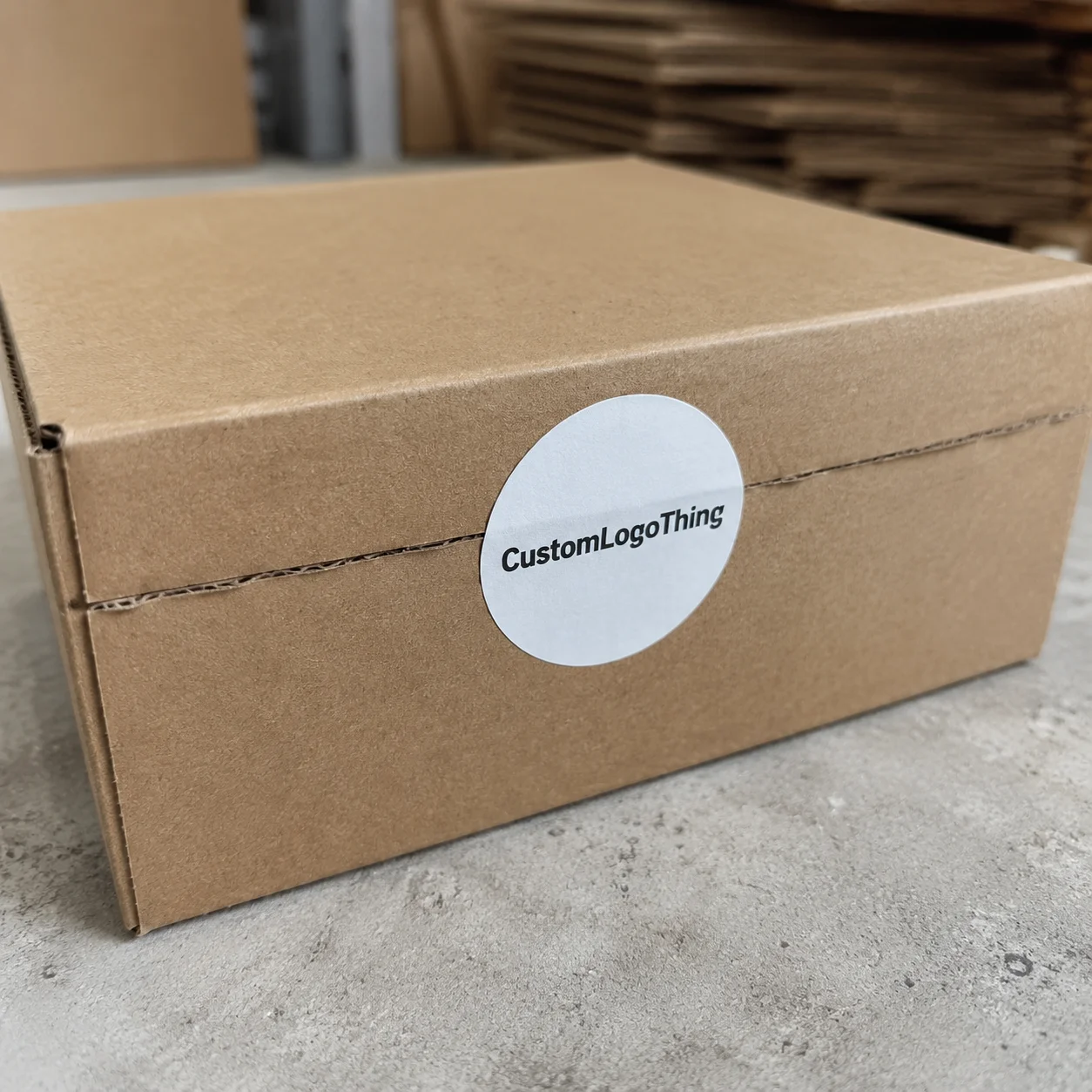
A plain mailer with a clean sticker can do more for perceived value than a lot of expensive packaging talk. That sounds simple because it is. A good sticker changes the way a box, jar, pouch, or shipping carton reads before anyone opens it.
People who order stickers online custom usually need one of four things: speed, branding, compliance, or a short-run packaging fix. A skincare brand may need labels for a new batch next week. A bakery may need two seasonal sizes for jars and bags. A subscription box may need 5,000 seals for one campaign and then nothing for three months. Same product category. Different pressure.
Stickers also do more work than most buyers expect. They carry logos, ingredients, barcodes, QR codes, batch numbers, tamper seals, promos, warning panels, and plain old brand reinforcement. A 2-inch circle can make stock packaging feel deliberate. A longer rectangle can turn a blank pouch into a usable retail label with product name, price, and compliance copy. That is not decoration. That is packaging structure.
Printed boxes still matter, especially for fixed SKUs and high-volume programs. But stickers are the better fit when artwork changes often, order volumes swing, or a brand is testing a new look before committing to a full packaging run. It is a lot easier to replace a sticker file than to scrap a warehouse of printed cartons. Packaging budgets tend to behave better that way.
Custom Logo Things focuses on the practical side of sticker buying: material, adhesive, size, finish, format, and repeat consistency. The point is not to push the flashiest option. The point is to match the sticker to the surface and the job it has to do. If the label fails in use, the branding does not matter much.
Custom Sticker Types for Boxes, Bottles, Bags, and Mailers
Sticker type should follow the package, not the other way around. A kraft mailer, a chilled beverage bottle, and a hand-packed retail box each need a different setup. Surface, temperature, and handling decide more than design trends do.
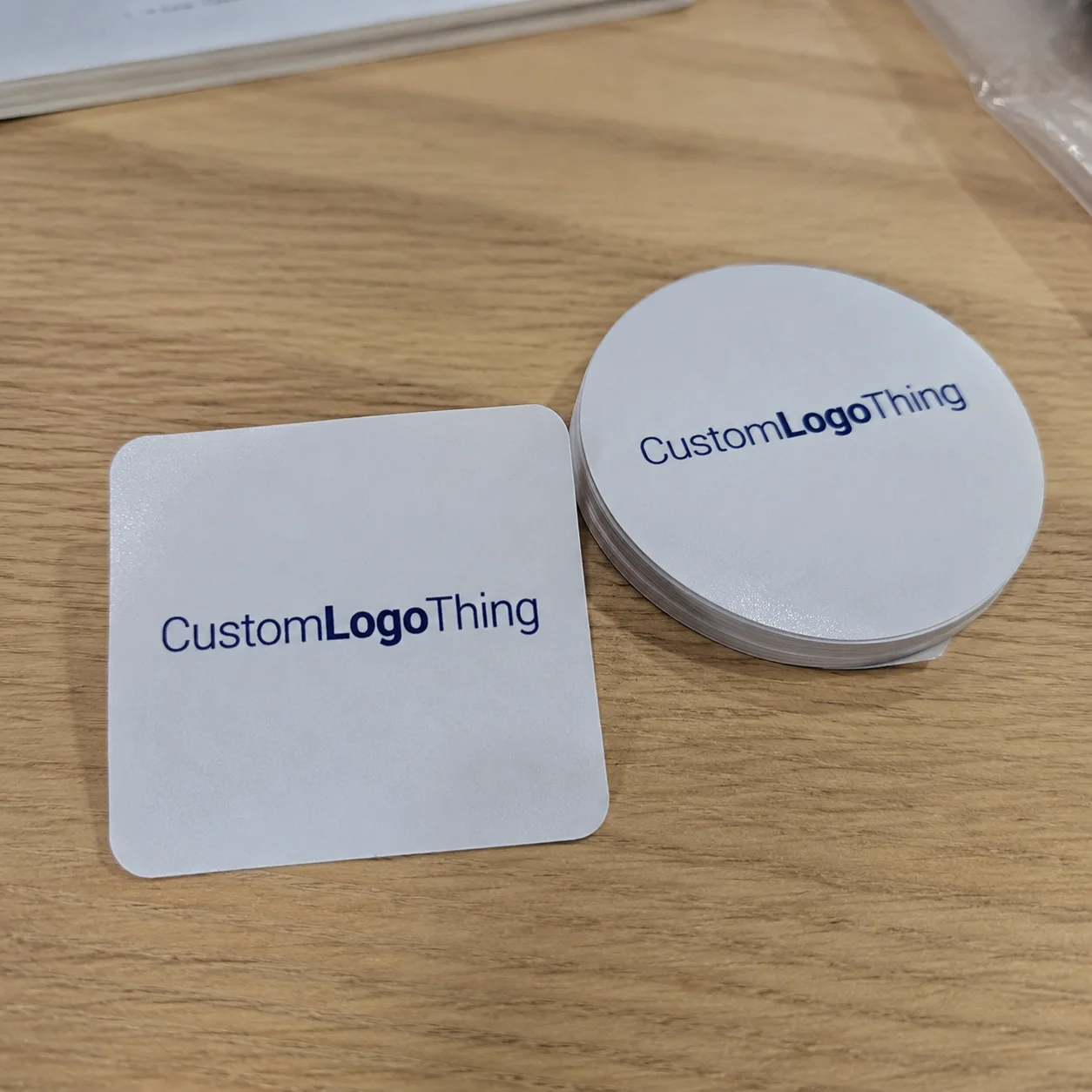
The common formats are die-cut stickers, kiss-cut sheets, roll labels, circle stickers, rectangle labels, tamper seals, window decals, and closure stickers. Die-cut shapes fit premium branding because the cut line follows the artwork. Kiss-cut sheets work well for short runs and mixed designs. Rolls are better when labels need to move through a packing line or get applied in volume by hand. If a team is labeling hundreds of units a day, rolls usually make more sense than loose sheets.
Boxes usually take circle seals from 1.5 to 3 inches, or small rectangles that sit cleanly on a front panel or flap. Bottles and jars need tighter measurement. A label can look fine on a flat proof and then wrinkle when it wraps a curved container. Bags and mailers often need stronger adhesive because the surface may be textured, coated, or flex during shipping.
Indoor and outdoor use change the spec fast. White paper works for dry retail packaging, bakery bags, inserts, and short-life promotions. Vinyl, BOPP, clear film, and laminated stocks are better for moisture, refrigeration, oils, shipping friction, and longer handling cycles. For food, cosmetics, wellness, and supplements, a tamper-evident seal can also help the package feel more controlled and less vulnerable.
Brand details matter more than people think. Color matching, white ink under clear film, edge quality, matte versus gloss, and barcode contrast all affect how finished the package looks. QR codes need enough contrast and size to scan reliably. Very small codes are a bad idea unless the placement, camera distance, and printing contrast are all working in your favor. The same goes for barcodes. Quiet zones are not optional, and tiny type on textured kraft can disappear faster than the designer expects.
Application method also changes the choice. Hand-applied stickers need an easy-peel liner and a format that gives the operator room for placement error. Machine-applied roll labels need core size, unwind direction, gap size, and roll diameter matched to the applicator. A label can print perfectly and still fail on the line if the roll spec is wrong. That is one of those unglamorous packaging problems that costs real money.
For broader packaging comparisons, buyers can review Custom Labels & Tags or browse Custom Packaging Products before settling on a format.
Sticker Materials, Adhesives, Sizes, and Finish Specifications
Material choice decides whether a sticker looks good for a week or behaves well in real use. The main options are white paper, kraft paper, BOPP, vinyl, clear film, removable stock, freezer-grade materials, and specialty metallic or holographic films. Each has a job. Paper is the low-cost choice for dry indoor packaging. Kraft gives a natural look that suits soaps, coffee, baked goods, and handmade goods. BOPP is common for jars, bottles, and personal-care packaging because it handles moisture and oil better than uncoated paper.
Adhesives need plain language, not vague claims. Permanent adhesive is the default for shipping and retail. Removable adhesive works for temporary promotions, reusable containers, and price updates. Freezer-grade adhesive is built for cold storage where standard adhesive can stiffen or lift. High-tack adhesive helps on textured kraft, rough plastics, lightly coated corrugated stock, and some mailers. If the surface is unusual, the adhesive matters more than the artwork.
Size is where many orders drift off target. Measure the actual flat application area, not the face of the package in the abstract. Leave room for seams, folds, zipper closures, and curves. On a jar, a label that is too wide can bridge across the curvature and start lifting at the edges. Two narrower labels may hold better than one oversized wrap. For die-cuts, keep small text and thin borders away from the cut line. A clean bleed and safe margin are boring, but they save reprints.
Finish changes both appearance and use. Matte reduces glare and gives a quieter, more premium look. Gloss pushes color and works well for promotional pieces. Soft-touch feels better in the hand, though dark colors can show scuffs. Lamination adds durability for shipping, refrigeration, and repeated handling. Metallic, foil, and holographic effects can work, but only if they support the product instead of fighting it. Flashy is not a substitute for a legible label.
Artwork quality still decides the final result. Vector files are best because text, logos, and cut lines stay crisp at any size. High-resolution raster files can work if they are prepared at final size, usually 300 dpi. CMYK is the normal print mode. Fonts should be outlined. Crop marks do not replace bleed. If the sticker needs white ink on a clear or metallic stock, that layer has to be flagged clearly or the proof can get messy fast.
Practical rule: if a sticker carries ingredients, warnings, batch data, QR codes, or barcodes, check readability at final size before approving production. Attractive is fine. Functional is non-negotiable.
For paper sourcing questions, buyers can review guidance from the Forest Stewardship Council. For packaging that has to survive transit, the International Safe Transit Association is a useful reference point. Stickers are often treated like a minor detail. They are not minor when they sit on a cold bottle, a rough mailer, or a shelf that gets handled all day.
| Material | Best Packaging Use | Typical Strength | Watch Point |
|---|---|---|---|
| White paper | Dry boxes, bags, inserts, retail cartons | Lowest practical cost for indoor use | Not ideal for moisture or abrasion |
| Kraft paper | Natural-product branding, bakery bags, soaps | Warm, textured look | Fine detail can lose contrast |
| BOPP film | Jars, bottles, cosmetics, food packaging | Moisture and oil resistance | Needs the right adhesive on curved surfaces |
| Vinyl with laminate | Outdoor stickers, shipping-heavy packaging | Durability and scuff resistance | Higher unit cost than paper |
| Clear film | Minimal labels on glass or plastic | No-label visual effect | May require white ink underprint |
Custom Sticker Pricing, MOQ, and Unit Cost Drivers
Sticker pricing follows a few predictable levers: quantity, size, material, shape complexity, finish, adhesive, color coverage, and whether the order ships on rolls or sheets. A simple 2-inch paper circle has a very different cost structure from a laminated waterproof die-cut with a tight contour and full-bleed artwork.
Small runs are useful for testing. They let buyers check the art, compare packaging options, and see how the sticker behaves in real use before buying in bulk. Larger runs usually bring the unit price down because setup, waste, press time, and finishing time get spread over more pieces. That does not mean the biggest run is always the smartest move. If the artwork is likely to change in two months, a smaller order can be cheaper overall even if the per-piece price is higher.
As a practical range, simple paper stickers in moderate quantities may fall around a few cents to under $0.20 per piece, depending on size and coverage. Laminated film, specialty adhesives, metallic effects, or complex die-cuts can move higher, sometimes into the $0.20 to $0.60+ range for smaller runs. Large roll-label jobs can price much lower when the format and artwork stay stable. These are guideposts, not quotes. Production details move the number.
The comparison is straightforward. A plain paper logo seal costs less than a waterproof laminated die-cut. A standard circle costs less than a contour-cut sticker with sharp points and small islands. A kiss-cut sheet can be a smart choice for short promotional sets, while rolls are usually better for high-volume hand application or automated labeling. Fancy effects cost more. Sometimes they earn their keep. Sometimes they just inflate the estimate.
Higher-cost materials make sense when the package really needs them. Use waterproof film for chilled drinks. Use laminated vinyl for outdoor exposure or rough handling. Use freezer adhesive for frozen food. Use premium finishes when the product margin and positioning justify the spend. This is where buyers sometimes overshoot. They pay for appearance before they confirm performance.
To order stickers online custom with cleaner pricing, have the final size, quantity, material, finish, artwork file, application surface, deadline, and format ready. Ask for at least two quantity breaks. A quote at 1,000 pieces and another at 5,000 often shows whether bulk buying is actually worth it.
| Sticker Scenario | Common Spec | Cost Level | Best Fit |
|---|---|---|---|
| Logo seal | Paper, 1.5-2.5 inch circle, matte or gloss | Low | Boxes, tissue wrap, paper bags |
| Retail product label | BOPP or paper, rectangle, barcode-ready | Medium | Jars, bottles, pouches, cartons |
| Waterproof die-cut | Vinyl or BOPP, laminate, contour cut | Medium to high | Refrigerated goods, cosmetics, outdoor use |
| Premium promotional sticker | Metallic, holographic, foil, or spot effect | High | Limited drops, luxury products, events |
Online Ordering Process, Proofing, and Production Timeline
The ordering process should be simple, but the details still matter. Submit size and quantity. Upload artwork. Choose material and finish. Review the quote. Approve the proof. Then production starts. That sequence sounds basic because it is. The trouble starts when buyers skip the packaging facts that control whether the sticker actually works.
A proper proof checks layout, trim line, bleed, color placement, text legibility, QR or barcode function, and the relationship between the sticker and the package. It does not prove adhesion on every surface. That depends on coating, texture, temperature, and handling. If the sticker must wrap a curved container, survive refrigeration, or match an existing branded item closely, a sample or pilot run is worth the extra step.
Production time depends on artwork readiness, material availability, quantity, finish, and revision count. Standard shapes and common materials usually move faster than custom die-cuts, specialty foils, unusual adhesives, or orders that need several proof revisions. A typical custom run may take several business days after proof approval. Complex jobs can take longer. Shipping time is separate. That matters when a launch date is fixed and the packaging is not.
Repeat orders move faster because the core settings are already known: dimensions, material, adhesive, print setup, finish, and approved artwork. That consistency matters for packaging programs that ship every week. If a sticker changes size or color between batches, most customers will not name the problem, but they will feel it. The package starts looking less controlled.
For buyers comparing stickers with cartons, inserts, and mailers, Wholesale Programs can help line up quantity breaks across the full packaging mix. That matters because sticker orders usually sit inside a larger system, not by themselves.
- Confirm sticker size against the actual package, not just the art file.
- Send vector artwork or a 300 dpi file at final size.
- State whether application is by hand or machine.
- Review the proof carefully before approving production.
- Separate production time from shipping time.
Common Ordering Mistakes That Raise Cost or Delay Delivery
The most expensive mistake is choosing a sticker material before confirming the surface, storage conditions, and handling path. A paper label can fail on condensation. Standard adhesive can lift from textured kraft. A stiff film can wrinkle around a small jar. Better artwork does not fix any of that.
File problems are just as common. Low-resolution logos, missing bleed, small type, incorrect color mode, and non-production-ready die lines slow everything down. If a logo is pulled from a website at screen resolution, it may look fine on a laptop and poor in print. If a contour cut line is overly complex, it can increase finishing time and leave rougher edges. Clean files save both time and cost.
Adhesive mismatch causes waste and complaints. Kraft paper, condensation, textured plastic, frozen packaging, and coated mailers all behave differently. High-tack adhesive may be needed on rough surfaces. Freezer-grade adhesive is useful for cold storage. Removable adhesive works for short promotions, but it is usually the wrong choice for shipping labels or any sticker that has to stay put through handling.
Over-customization can raise price without improving the packaging. Unusual shapes, specialty effects, and nonstandard sizes can help when they serve a real goal. If they do not improve shelf clarity, recognition, or perceived value, they are just expensive decoration. That is a nice thing to say in a concept deck. It is less nice when the invoice shows up.
Timeline risk is predictable: late artwork revisions, unclear quantity breaks, switching materials after proof approval, and forgetting transit time. A one-day proof delay can become a missed launch if the margin is already tight. Build in a cushion for seasonal drops, events, and retail deadlines. Packaging deadlines are not sentimental. They do not care why you were late.
Use this quick pre-order check before asking for a quote:
- Size: Measure the actual flat application area in inches or millimeters.
- Surface: Identify paper, glass, plastic, film, corrugated, or coated stock.
- Quantity: Request at least two breaks, such as 1,000 and 5,000 pieces.
- Deadline: Separate required delivery date from preferred production date.
- Artwork: Check resolution, bleed, fonts, cut line, barcode, and QR code.
- Function: Decide whether the sticker is decorative, informational, functional, or security-related.
Next Steps Before You Request a Custom Sticker Quote
A useful quote starts before the form gets filled out. Measure the application area. Photograph the surface. Decide whether rolls, sheets, or individual pieces fit the packing process. Define the sticker’s job in one sentence: seal the box, identify the SKU, add ingredients, promote a sale, protect against tampering, or reinforce brand identity.
Prepare artwork in vector format when possible. If that is not available, send the highest-resolution file you have and ask for review. Include brand colors if they are controlled. If the sticker has to match an existing carton, label, or bag, say so early. Color expectations are easier to manage before proofing than after production.
Ask for two quantity levels. For example, compare 1,000 and 5,000 pieces, or 2,500 and 10,000 if the sticker will support repeat orders. Unit cost can shift enough to change the buying decision, especially once setup and waste are spread over more pieces. The lowest price is not always the best buy, but the comparison gives you real data instead of a guess.
List the environment. Refrigeration, moisture, sunlight, shipping abrasion, hand application, machine application, and storage temperature all affect the material and adhesive. A sticker for a dry candle box can stay simple. A sticker for a chilled bottle needs a tougher spec.
Before final approval, have someone check spelling, regulatory text, barcode scans, QR destinations, and placement on the actual package. For food, supplements, cosmetics, and chemicals, that extra review can prevent expensive reprints. If production or artwork questions come up, the FAQ is a practical place to start.
To order stickers online custom with fewer revisions, send Custom Logo Things the size, quantity, artwork, deadline, and packaging use case. Better input leads to a cleaner quote. Cleaner quotes move faster through proofing and into production.
Custom Sticker FAQ
What details do I need to order custom stickers online?
Have sticker size, quantity, artwork, material preference, finish, application surface, deadline, and format ready. If you are unsure about the adhesive or stock, include photos of the packaging surface and describe storage, refrigeration, shipping, or handling conditions.
Can I order stickers online custom in small quantities?
Yes. Small runs work well for design tests, seasonal promotions, product launches, and sample packaging. Larger quantities usually lower unit cost, so ask for multiple quantity breaks if you expect repeat use or want to compare short-run flexibility with bulk pricing.
Which custom sticker material is best for product packaging?
Paper works for dry indoor packaging. Vinyl, BOPP, or laminated film is better for moisture, refrigeration, shipping friction, or longer handling cycles. The right choice depends on the surface, the environment, the lifespan, and whether the sticker is decorative, informational, or functional.
How long does custom sticker production usually take?
Timing depends on artwork readiness, proof approval speed, material availability, quantity, finish, and shipping method. Standard shapes and common materials usually move faster than specialty finishes, custom die-cuts, unusual adhesives, or orders with multiple proof revisions.
How do I lower the cost when ordering custom stickers online?
Choose standard sizes when possible, keep shapes simple, provide print-ready artwork, compare quantity breaks, and select materials based on actual packaging use rather than appearance alone. Avoid last-minute changes after proof approval because they can add cost and delay production.