Custom Hockey Stickers have a simple job that gets complicated fast: survive cold rinks, wet hands, scuffed gear bags, and a schedule that never slows down. For teams, camps, retailers, and event organizers, the right stickers do more than decorate a bottle or helmet. They help a roster look organized, make sponsor logos easier to spot, and turn ordinary gear into part of the team experience.
That sounds small until the adhesive fails after one sweaty practice. Or a logo looks sharp in the proof, then turns muddy under rink lighting. The best orders balance durability, speed, and cost. That balance depends on where the sticker goes, how often it gets handled, and how long it needs to look presentable.
There is no universal “best” sticker. There is only the right build for the use case. A camp giveaway sheet does not need the same material as a bottle label. A sponsor decal on a helmet has different pressure points than a merch-pack insert. Skip that distinction and the order gets expensive in the dumbest possible way: reprints.
Why custom hockey stickers stand out on helmets, bottles, and gear

Hockey is rough on print. Cold temperatures can make some adhesives less forgiving. Moisture gets into seams. Gloves rub at edges. Bottles get tossed into bags, stacked on benches, and dragged through whatever mystery puddle forms near the door to the rink. Fun sport. Hostile environment.
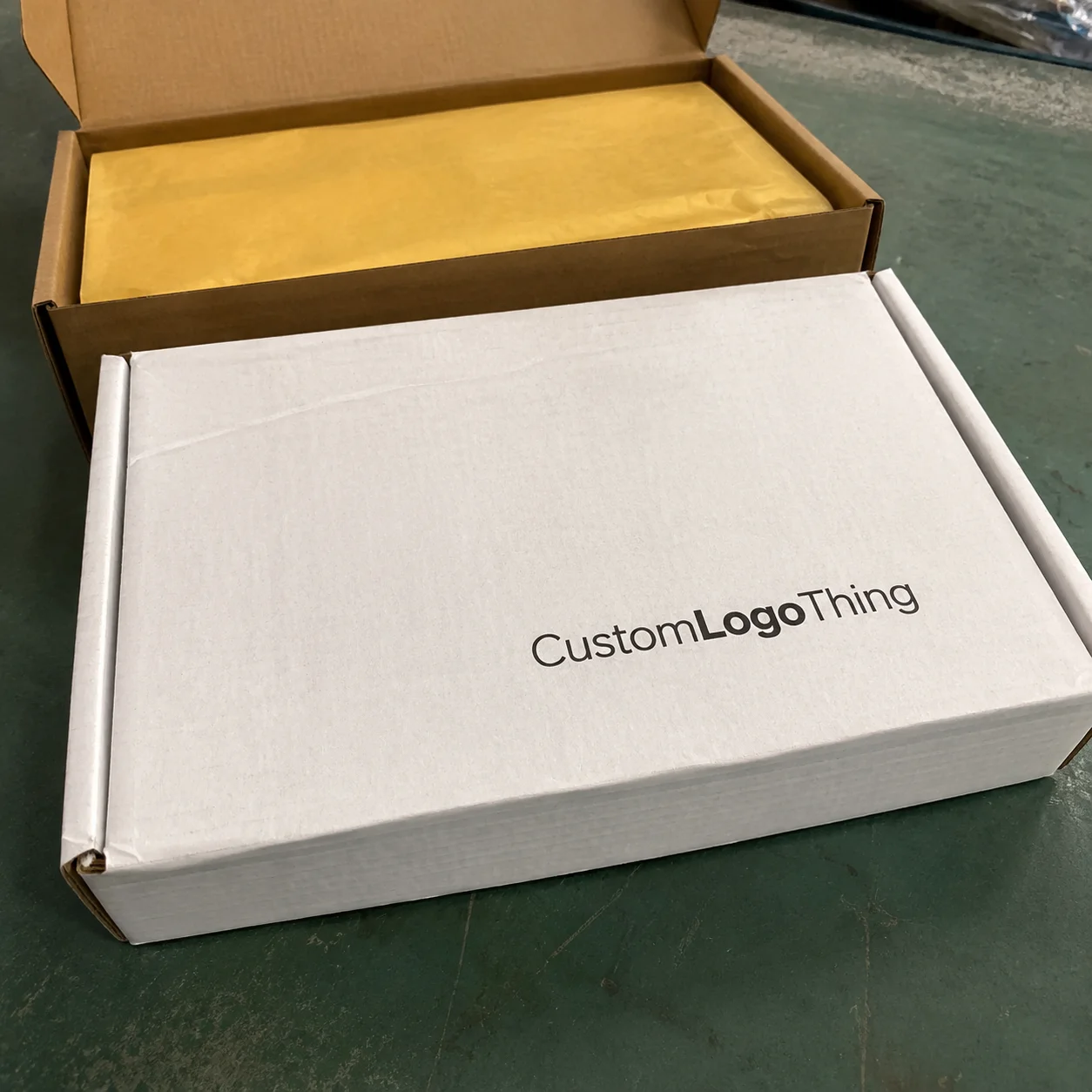
Teams use stickers in practical places first: helmets, water bottles, laptop lids, skate guards, locker tags, stick barrels, gear bins, and giveaway kits. They also show up in retail packaging when clubs sell merch, sponsor bundles, tournament packs, or season launch items. A sticker can act like package branding on a small scale, especially when the budget does not allow for fully printed boxes or custom inserts.
The mistake is treating them like disposable swag. Some are. Plenty are not. If the sticker represents a sponsor, identifies player gear, or ships with paid merchandise, it needs to hold up long enough to do its job.
Visibility matters, but retention matters more. A good-looking sticker is only useful if it survives repeated contact. Many attractive concepts fail because the surface is textured, the adhesive is too mild, the corner geometry lifts, or the finish cannot handle abrasion. That is why a buy decision should include the application surface, not just the artwork approval.
From a packaging design point of view, the best sticker is legible from a few feet away and still looks good after repeated handling. That usually means cleaner typography, stronger contrast, and a finish that does not glare too hard under arena lights.
Practical rule: if the sticker is going on a helmet or bottle, choose for adhesion and readability first. Decorative effects come after that, not before.
For teams already ordering Custom Labels & Tags or other season assets, stickers fit into the same purchasing logic. One spec sheet, one deadline, one brand palette. That is how ordering stays manageable instead of turning into another spreadsheet nobody wants to own.
How the production process works from artwork to adhesive
Most orders follow the same path: artwork upload, proofing, material selection, printing, cutting, finishing, packing, and shipment. The details inside each step separate a smooth order from a reprint. If the file is off, the proof should catch it. If the material is wrong, the failure shows up on the first wet surface.
Artwork is the first gate. Vector files are preferred because they scale cleanly and keep type and logos sharp. AI, EPS, SVG, or press-ready PDF files usually work well. A high-resolution raster file can also work for simple art, but low-resolution PNGs pulled from a website are trouble. They may look fine on a screen and still print soft at size.
The proof should confirm size, shape, colors, bleed, safe area, and the cut line. For custom hockey stickers, this is not a formality. It is the last chance to catch a player number too close to the edge, a sponsor lockup that is cramped, or a logo that loses detail when reduced.
Material comes next. Vinyl is the common baseline because it handles moisture and movement better than paper. Laminated vinyl adds a protective layer over the print, which helps with scuffing, cleaning, and repeated handling. Paper is cheaper, but it is usually the wrong answer for hockey gear unless the application is dry, indoor, and short-lived.
Specialty films can add clear, metallic, holographic, or frosted effects. They can look sharp in merch packs. They can also make small type harder to read or raise costs without improving performance. Use them for a reason, not because they looked cool in a sample photo.
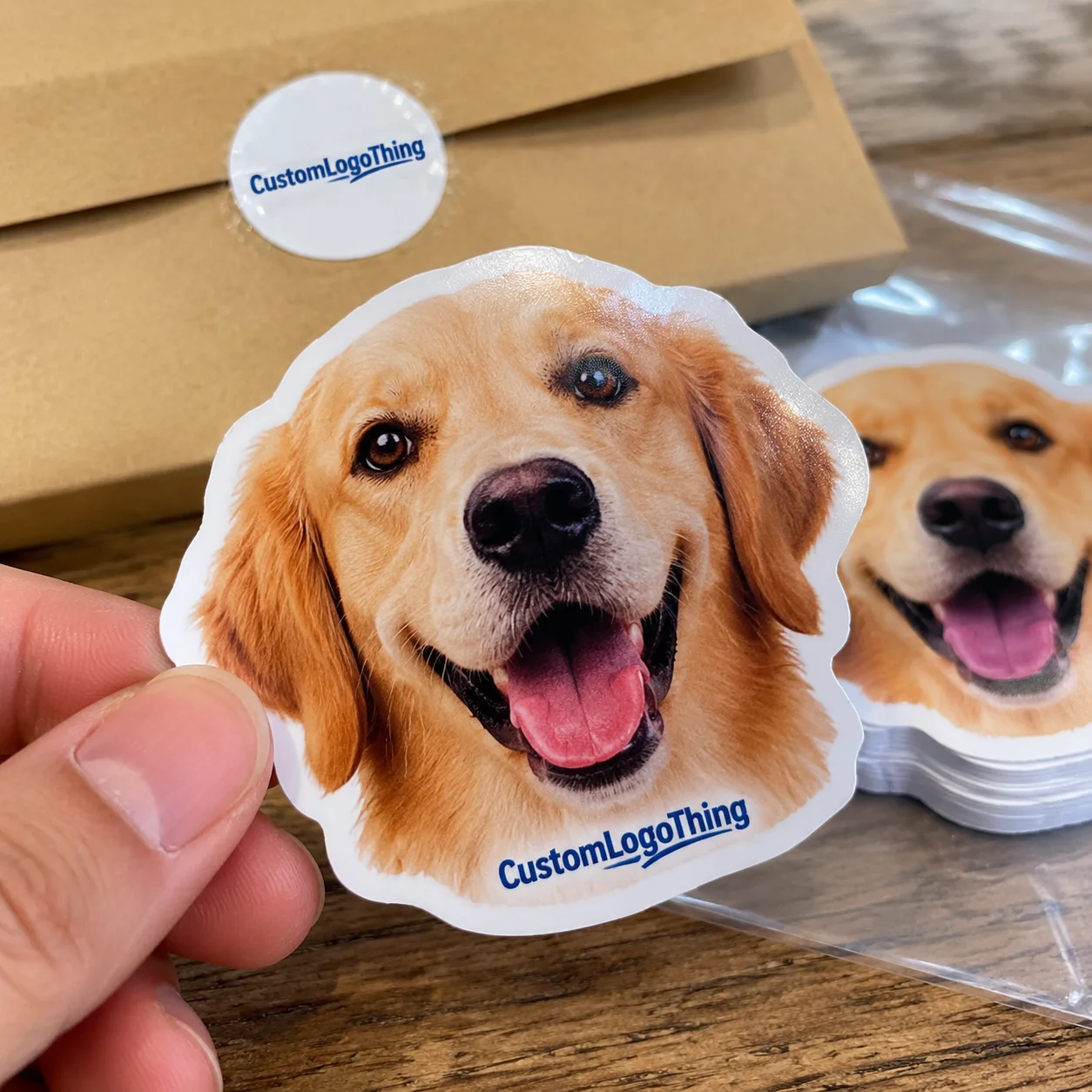
Cut style matters too. Die-cut pieces follow the outline of the artwork and create a clean, premium look. Kiss-cut stickers stay on a backing sheet, which makes them easier to peel and distribute at camps, tournaments, or team meetings. Sticker sheets are useful when you want several designs in one handout or need inserts organized inside Custom Packaging Products.
Adhesive strength is not one-size-fits-all. A stronger permanent adhesive helps on smooth bottles and flat gear tags. Curved helmets, powder-coated bottles, and lightly textured surfaces may need a different balance so the sticker lays down without lifting at the edges. Removable adhesive has its place for temporary events, but it is not the default for athletic gear.
Finish changes both look and handling. Gloss often gives brighter color and wipes clean easily. Matte reduces glare and can make small text easier to read. Soft-touch finishes feel premium, but they can show fingerprints and scuffs faster. For hockey, pretty is allowed. Fragile is not.
Authorities such as the International Safe Transit Association and the U.S. Environmental Protection Agency are useful reference points when buyers think about shipping, packaging systems, and material choices broadly. The sticker itself is small, but the order may be part of a larger event kit, retail bundle, or environmentally conscious packaging program.
| Format | Best use | Typical strength | Buyer takeaway |
|---|---|---|---|
| Die-cut vinyl | Helmets, bottles, merch packs | Strong visual impact | Best for clean branding and easy distribution |
| Kiss-cut on sheet | Camps, kits, giveaways | Good handling, easy peel | Useful when multiple stickers ship together |
| Laminated vinyl | High-touch athletic gear | Better moisture and scuff resistance | Usually the safer choice for hockey |
| Paper stock | Dry promotional inserts | Lowest durability | Only makes sense for limited indoor use |
| Clear film | Windows, clear bottles, subtle branding | Depends on adhesive and ink opacity | Check contrast carefully before approving |
Cost and pricing factors buyers should compare
Sticker pricing looks simple until three quotes show up and each supplier has defined the order differently. Quantity, size, material, finish, and cut style drive most of the price. Shape complexity can add cost too, especially when the outline is intricate or finishing requires extra setup.
As a realistic planning range, a 2-inch die-cut vinyl order in moderate volume might land around $0.18 to $0.28 per unit for 5,000 pieces, depending on print coverage, finish, and supplier setup. A smaller run of 500 pieces may cost several times more per unit because setup is spread across fewer items. That is normal. Short runs are not bad value; they make sense for tryouts, tournaments, playoff pushes, limited merch drops, and designs that may change soon.
For larger runs, the unit price usually improves, but storage and design risk increase. If a sponsor logo changes, a player number set becomes outdated, or the team updates its mark, cheap inventory becomes dead inventory. Bulk buying is useful only when the design has enough shelf life.
Hidden costs matter. Design cleanup, rush fees, proof revisions, color matching, split shipping, and freight can change the total by a meaningful margin. A quote that looks cheap on the first line may stop looking cheap once production charges appear. Compare total delivered cost, not the prettiest unit price.
Durability changes the math. A sticker that costs a few cents less but peels early can force reorders, waste staff time, and leave a team short midseason. In retail packaging, the same logic applies. A low-cost sticker that looks tired by the time it reaches the customer weakens the whole branded packaging experience.
Ask for pricing on at least two builds. For example: basic vinyl and laminated vinyl, or gloss and matte. That gives you a real comparison between price and expected wear. For temporary handouts, the basic version may be fine. For bottles and helmets, the upgraded version often earns its keep.
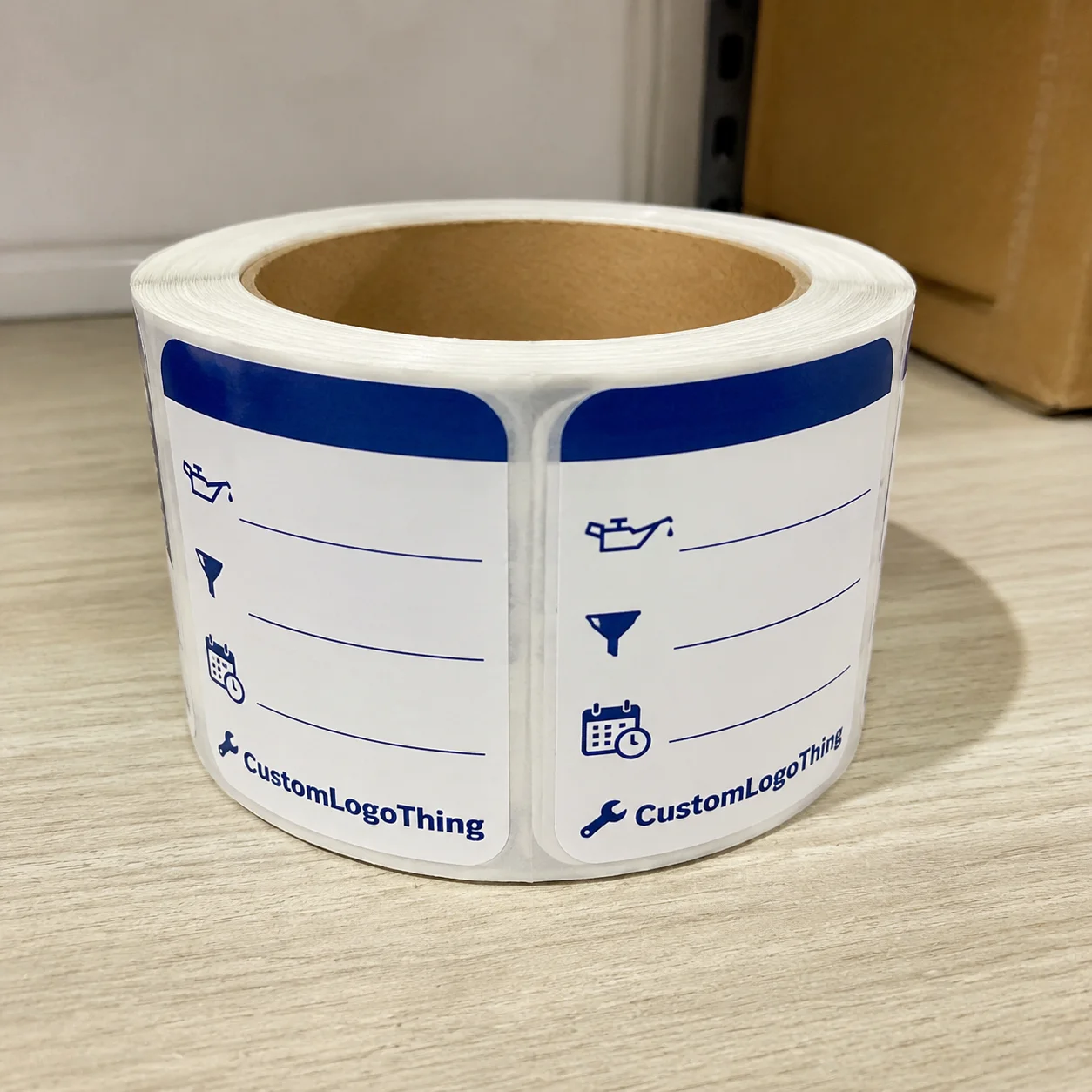
Also check whether the quote is for individual pieces, sheets, or rolls. Those formats change both handling and cost. Individual die-cuts are easy to hand out. Sheets are easier to count and pack. Rolls work well for application lines or packaging stations. Same artwork, different workflow.
Timeline and turnaround expectations
Most sticker orders move through a predictable schedule: proof approval, production, finishing, packing, and shipment. For standard runs, a common production window is 12 to 15 business days after proof approval, though size, quantity, specialty materials, and finishing can move that in either direction. Rush service is often available. It usually raises cost and leaves less room for mistakes.
What slows orders down? Artwork revisions, missing specs, delayed approvals, and seasonal congestion. Tryouts, playoffs, camps, school seasons, and tournament windows can push demand up at the same time. If a team needs stickers for a jersey reveal, sponsor kit, fundraiser, or playoff event, build in a buffer.
Printing may be fast. The approval loop is what usually drags.
Buyers should ask three direct questions before placing an order: How long is production after proof approval? What shipping method is being used? If artwork changes, does the production clock restart? Basic questions, yes. Still the questions that prevent most timeline surprises.
A delayed proof can cost more than a rush fee. That is especially true when the stickers are part of a larger package: Custom Printed Boxes, apparel inserts, sponsor cards, or giveaway bags. If one component misses the event date, the whole bundle loses value.
For launch-driven orders, ask whether the supplier can split ship part of the quantity. Sometimes a partial shipment covers the event while the balance arrives later. It is not always the cheapest option, but it may be better than missing the date entirely.
One more timing detail buyers forget: application time. If volunteers, team staff, or retail packers need to apply hundreds of stickers to bottles, boxes, or kits, add labor time. Stickers do not apply themselves. Unfortunately.
Design and material choices that affect durability on ice gear
Size is not just a design preference. It controls legibility, adhesive performance, and where the sticker can live. Small stickers fit helmets, water bottles, gear bags, and stick barrels. Larger stickers work better for lockers, laptops, packaging inserts, and retail bundles. If the layout includes a lot of text, go bigger than your first instinct.
Thin lettering gets lost fast under arena lighting. So do low-contrast color combinations. White on pale blue may look elegant on a screen and nearly invisible in practice. Dark text against a light field, or the reverse, tends to hold up better visually. Sponsor logos should be reviewed at actual print size, not zoomed in on a laptop where everything looks forgiving.
Rounded corners often last better than sharp corners because they reduce edge lift. Laminated finishes help with scratch resistance. Stronger adhesives improve hold on smooth plastic and metal surfaces. For water bottles, waterproof vinyl is usually the safer spec. For helmets, scratch resistance and edge hold matter more than flashy finish effects.
Helmet applications deserve one caveat. Do not cover certification labels, vents, warning labels, or areas that interfere with fit and inspection. Teams should also check league rules and equipment manufacturer guidance before applying stickers broadly. A sticker is not worth creating an equipment compliance problem.
Surface preparation matters more than people want it to. Apply to a clean, dry surface. Remove dust, hand oils, and residue first. Let the sticker bond before heavy use when possible. Pressure-sensitive adhesive needs firm contact to flow into the surface. If someone slaps it onto a cold, damp bottle with gloves on and expects perfection, the sticker is not the problem.
Typography follows the same practical rule. Heavier fonts read more clearly at small sizes. Script styles can work for special merch, but they are risky on equipment labels, player identifiers, or fast-moving giveaways. If the team wants a polished identity across stickers, branded packaging, and retail packaging, consistency beats trend-chasing.
- For helmets: choose compact sizes, rounded corners, high-contrast art, and avoid safety labels or vents.
- For bottles: use waterproof vinyl and a finish that resists scuffing and frequent handling.
- For gear bags: expect abrasion; larger simple shapes usually perform better than fine details.
- For event kits: consider kiss-cut sheets for easier distribution and faster packing.
- For resale: align the sticker look with the larger package branding system.
There is a practical difference between indoor decorative use and athletic use. A sticker that sits inside a locker room can tolerate more material flexibility than one handled after every practice. Match the spec to the environment. Obvious, yes. Still where a lot of budgets get wasted.
Quality-control checks before approval
Proof approval should be slow enough to catch problems and fast enough to protect the schedule. The goal is not to admire the design again. The goal is to verify that the production file matches the job.
Start with size. Confirm the finished dimensions in inches, not just “small” or “helmet size.” Then check the bleed and safe area. Most stickers need artwork to extend slightly beyond the trim line so there is no white edge after cutting. Text and important logos should sit inside the safe area, away from the cut.
Next, review the cut path. Intricate shapes can look impressive, but very thin protrusions may lift, tear, or create packing issues. If the sticker has a complex mascot outline, simplify the outer contour when durability matters. The printed art can keep detail; the edge does not need to trace every feather, tooth, or hockey stick chip.
Check color expectations before production. Digital screens are backlit. Printed vinyl is not. Brand colors may shift depending on material, laminate, and ink coverage. If exact color matters for sponsors or official team branding, request a physical sample or printed color reference when the schedule and budget allow it.
Look at white ink requirements on clear or metallic materials. Without white backing, colors can turn translucent or dull. That may be fine for a subtle window decal. It is not fine if the sponsor paid for a bold logo and gets a ghost version instead.
Finally, count the pieces. Confirm finished quantity, sheet layout, and packing format. If the order is for 1,000 stickers on sheets of ten, that is 100 sheets. If the order is for 1,000 sheets, that is a very different invoice and probably a very awkward conversation.
Common ordering mistakes that waste budget
The most frequent mistake is approving art without checking final dimensions, bleed, and safe area. A design can look perfect on screen and still print too close to the edge. Once trim happens, the border disappears or the text feels cramped. That is an avoidable production problem.
Another common issue is choosing the wrong adhesive for the surface. Cold, curved, or moisture-heavy applications are not the same as flat indoor labels. If the sticker is going on a helmet, bottle, or gear bin, material choice deserves more attention than the price per piece.
Teams also under-order. It feels cautious, but it often raises cost later. A second reorder is usually more expensive once shipping, proofing, and staff time are included. And if the season runs long, running out of stock midstream creates the kind of scramble that produces bad decisions.
Over-ordering can be just as wasteful when the design has a short life. Tournament dates, sponsor logos, roster numbers, and event names age quickly. If the sticker includes anything time-sensitive, keep the run tight or design it so leftovers still have a use.
Misreading sheet counts is another quiet budget leak. Ten sheets does not always mean ten stickers. Ten sheets can mean 50, 100, or something else depending on layout. When comparing vendors, confirm both the count of finished pieces and the size of each piece. Otherwise the comparison is not real.
Rushing without review is expensive. Proof delays are annoying, but they are cheaper than a reprint. If the order matters for a fundraiser, playoff event, sponsor activation, or merch sale, build enough time for corrections and shipping contingency.
The last mistake is assuming all suppliers define “waterproof” or “durable” the same way. Ask what material, laminate, and adhesive are being used. Ask whether the sticker is intended for outdoor exposure, wet handling, or abrasion. Vague durability claims do not help much once the stickers are peeling off bottles in a team bag.
Next steps for ordering stickers for teams, events, or resale
The fastest way to get a clean quote is to prepare a simple spec sheet. Include size, shape, quantity, intended surface, deadline, and whether the finish needs to be waterproof, scratch-resistant, removable, or permanent. Add the artwork file if you have it. If not, send the logo plus the best available source file and ask for file guidance before proofing starts.
Then compare two options, not one. Ask for a standard version and an upgraded version, such as basic vinyl versus laminated vinyl. That gives you a real read on durability versus price. For some uses, the lower-cost option is fine. For helmets and bottles, the more durable version is usually the better buy.
If you are ordering for a camp or tournament, short runs can be smart because quantities are uncertain. If the stickers are for season-long team distribution or resale, a larger run may improve unit cost enough to justify the upfront spend. The right answer depends on how quickly you will use them and how much design risk you want to carry.
Teams managing broader branding can coordinate stickers with Custom Packaging Products so the look stays consistent across inserts, merch boxes, sponsor kits, and retail packaging. That consistency makes the whole order feel intentional without requiring every component to be expensive.
My short take: custom hockey stickers are cheapest when they are specified correctly the first time. Good size, good material, clean proof, realistic timing. That is the formula. For hockey, the winning order balances visibility, durability, price, and delivery without overcomplicating the job.
How durable are custom hockey stickers on water bottles and helmets?
Laminated vinyl usually performs best because it resists moisture, scuffs, and repeated handling. Placement matters too. Smooth, clean surfaces hold adhesive far better than textured, dirty, damp, or heavily curved ones. Cold and wet conditions make finish and adhesive quality more important than the lowest sticker price.
What size works best for custom hockey stickers?
Small stickers suit helmets, gear bags, sticks, and bottles, while larger sizes work better for laptops, lockers, packaging inserts, and promotional packs. The best size depends on viewing distance and design detail. Readable team logos usually beat crowded layouts with too many elements.
What affects the price of custom hockey stickers most?
Quantity, material, size, finish, and cut style are the biggest price drivers. Rush service, design assistance, proof revisions, split shipping, and freight can raise the total order cost. Comparing unit cost and expected durability gives a more accurate value check than price alone.
How long does production usually take?
Production time depends on proof approval, print complexity, material availability, finishing, and order size. A standard order may take around 12 to 15 business days after proof approval, but that can change by supplier and season. Buyers should ask for both production time and shipping time before placing an order.
What should teams send before ordering?
Send vector artwork or a high-resolution logo, preferred size, quantity, intended surface, and deadline. Include color requirements and note whether the stickers need to be waterproof, scratch-resistant, permanent, or removable. A short use-case note helps the printer recommend the right material, adhesive, and finish.
Are paper stickers ever a good choice for hockey teams?
Yes, but only for dry, short-term uses such as indoor inserts, envelopes, or event handouts that will not be handled heavily. Paper is usually not the right choice for bottles, helmets, gear bags, or anything exposed to moisture and abrasion.
Can stickers be applied directly to hockey helmets?
They can be, but teams should avoid covering certification labels, warning labels, vents, or areas that affect inspection and fit. Check league rules and helmet manufacturer guidance before applying stickers across a full roster. Use durable material, rounded edges, and clean placement.