Buyer Fit Snapshot
| Best fit | Packaging Branding for Small Business projects where brand print, material claims, artwork control, MOQ, and repeat-order consistency need to be specified before quoting. |
|---|---|
| Quote inputs | Share finished size, material target, print colors, finish, packing count, annual reorder estimate, ship-to region, and any compliance wording. |
| Proofing check | Approve dieline scale, logo placement, barcode or warning zones, color tolerance, closure strength, and carton packing before bulk production. |
| Main risk | Vague material claims, crowded artwork, missing packing details, or unclear freight terms can make a low unit price expensive after revisions. |
Fast answer: Packaging Branding for Small Business: Material, Print, Proofing, and Reorder Risk should be specified like a repeatable production item. The safest quote records material, print method, finish, artwork proof, packing count, and reorder notes in one written spec.
Production checks before approval
Compare the actual filled-product size with the drawing, then confirm tolerance on folds, seals, hang holes, label areas, and retail display edges. Reserve space for logos, QR codes, warning copy, and material claims before decorative graphics fill the panel.
Quote comparison points
Review material grade, print process, finish, sampling route, tooling charges, carton quantity, and freight assumptions side by side. A quote is only useful when the supplier can repeat the same color, closure quality, and packing count on the next order.
Packaging Branding for Small Business: Why It Matters More Than You Think
The first thing I learned on a corrugated line in a family-run plant outside Chicago, where the presses were running 18 hours a day and the forklifts never seemed to stop moving, was simple: people notice the box before they notice the logo. That sounds almost too obvious, but for Packaging Branding for Small business, the package is often the first handshake, the first promise, and sometimes the first proof that a brand knows exactly what it is doing. A 16pt carton or a 32 ECT mailer can say more in five seconds than a website header sometimes does in five minutes.
I think a lot of founders start in the wrong place. They spend three weeks arguing over a logo mark, then ship products in plain mailers, mismatched labels, or overworked templates that look like they were assembled at 1:00 a.m. in a back office (and honestly, I’ve seen some of those mockups and thought, “Well... that’s brave”). Customers feel that gap immediately. packaging branding for small business is not just decoration; it is the strategic use of structure, materials, print, color, finish, and opening details to make a product feel recognizable, trustworthy, and worth a premium. Even a modest run of 500 pieces can look polished if the board grade, ink coverage, and fold lines are chosen well.
I’ve seen this play out in a dozen client meetings. One candle maker from Columbus, Ohio came in with a beautiful logo, but her boxes were thin, her labels were peeling at the corners, and the candles arrived loose in transit. After we switched her to 16pt SBS cartons with a water-based aqueous coating and a tighter insert fit, she told me return complaints dropped in half within one quarter, and the average replacement cost fell by about $3.40 per order. That’s packaging branding for small business doing two jobs at once: making the product look better and protecting the margin.
Packaging works like a silent salesperson in retail aisles, fulfillment centers, and front porches. In a store, shelf impact matters because the customer is comparing you against brands with bigger ad budgets and cleaner merchandising. In ecommerce, the unboxing experience becomes the brand moment. In shipping, a package has to survive rough handling, a corner crush, and maybe a wet dock on a rainy Thursday in New Jersey or Ontario. That is why packaging branding for small business has to balance beauty with actual performance, not just a pretty render on a screen.
There is also a practical emotional layer. Good branded packaging can make a one-person business feel established. A kraft mailer with a sharp one-color flexo print, a clean label, and a thoughtful insert can tell buyers, “This company is organized, careful, and ready for repeat orders.” That perception matters when a small business is trying to compete with a large chain that can spend five times more on advertising, or when a customer is deciding between two similar products at $24.99 and $29.99.
When I visited a rigid box supplier in Shenzhen, in Guangdong province, the plant manager said something I’ve repeated ever since: “Customers forgive a plain look more often than they forgive a weak box.” He was right. A package that dents, tears, or scuffs too easily sends the wrong message before the product is even touched. Strong packaging branding for small business builds confidence through both appearance and reliability, especially when the structure is made from 24pt chipboard wrapped in printed art paper or 157gsm C2S stock.
For small brands, the smartest approach is usually not the fanciest one. It is the one that matches the price point, the product category, and the sales channel. A handmade soap brand, for example, might look great with a kraft paper sleeve and a custom label from Custom Labels & Tags, while a premium skincare line may need custom printed boxes with foil, embossing, and a tighter closure fit. The point is consistency, not excess, and that consistency can start with a $0.15-per-unit label at 5,000 pieces or a $0.62-per-unit folding carton at 10,000 pieces.
“I would rather see a brand do three packaging elements well than try to do ten and miss on all of them.”
That’s the real beauty of packaging branding for small business. It lets a smaller company look deliberate, experienced, and memorable without requiring a huge media budget. If the first touchpoint is strong, every repeat order gets a little easier, whether the package is going out of a 2,400-square-foot fulfillment space in Austin or a shared warehouse in Mississauga.
How Packaging Branding for Small Business Actually Works
packaging branding for small business works by translating the brand into physical decisions. The logo matters, yes, but so do the line weights, the paper stock, the ink density, the finish, the box shape, and the way the product opens. I’ve sat through packaging reviews where a client thought the issue was “the artwork,” but the real problem was a weak dieline that made the front panel too busy and the side panel invisible on shelf. A 1.5 mm shift in fold placement can change the entire read of a carton.
The process usually starts with brand identity. What does the business want to feel like: playful, clinical, artisanal, minimal, sustainable, luxury, or bold? Once that is clear, the package has to carry that feeling consistently across different formats. That might include folding cartons, corrugated mailers, rigid boxes, sleeve wraps, Printed Tissue Paper, inserts, and labels. All of those are part of packaging branding for small business, even if they serve different technical functions and different cost targets, such as $0.08 sleeves or $2.10 rigid boxes.
Print method changes the final result more than many owners expect. Digital printing is often the right move for shorter runs and quick changes, especially on labels or mailers. Offset printing usually gives sharper detail and stronger color consistency at higher volumes, which is why it is common for custom printed boxes with more demanding artwork. Flexographic printing works well for labels and corrugated surfaces. Then there are premium finishing tools like foil stamping, embossing, and debossing, which can lift a package from “nice” to “memorable” if used carefully. A typical foil die setup in a warehouse in Dongguan may add 2 to 4 business days before the press run even begins.
I remember a nutraceutical brand that insisted on a metallic foil everywhere. On press, the layout looked crowded and the foil registered poorly on a coated board. We pulled back to a single foil logo hit on the top panel, switched to a matte laminate, and suddenly the box looked cleaner and more expensive. That is a classic lesson in packaging branding for small business: restraint often reads as quality, especially on a 350gsm C1S artboard with a soft matte aqueous finish.
Different products also demand different structural choices. Cosmetics often need smaller cartons with crisp retail packaging presentation. Candles usually need crush resistance and a snug insert. Apparel may use mailers with a strong opening reveal. Food products bring compliance labels and sometimes barrier requirements. Subscription products need consistency across recurring shipments, because repeat recognition is part of the value. In every case, the package must be built for the product, not just for the mockup, and the board thickness might range from 18pt SBS to 24pt rigid chipboard depending on the weight and target price point.
Consistency is what turns one box into a system. If the mailer, label, tissue, insert, and outer carton all share the same color family, typography, and tone of voice, customers remember the brand faster. I’ve seen small businesses double down on a single signature stripe, icon, or inner message and get far more recognition than brands with far fancier artwork. That is the quiet power of packaging branding for small business, and it is often more effective than adding a second foil color or a spot UV layer.
For brands that want to compare packaging options, the mix below is a useful starting point:
| Packaging Type | Typical Use | Approx. Starting Cost | Branding Strength | Best For |
|---|---|---|---|---|
| Branded mailer | Ecommerce shipping | $0.55 to $1.20/unit at 5,000 pcs | Medium | Apparel, accessories, subscription boxes |
| Folding carton | Retail or shelf display | $0.18 to $0.62/unit at 10,000 pcs | High | Cosmetics, candles, small consumer goods |
| Rigid box | Premium presentation | $1.80 to $4.50/unit at 3,000 pcs | Very high | Luxury, gifting, premium kits |
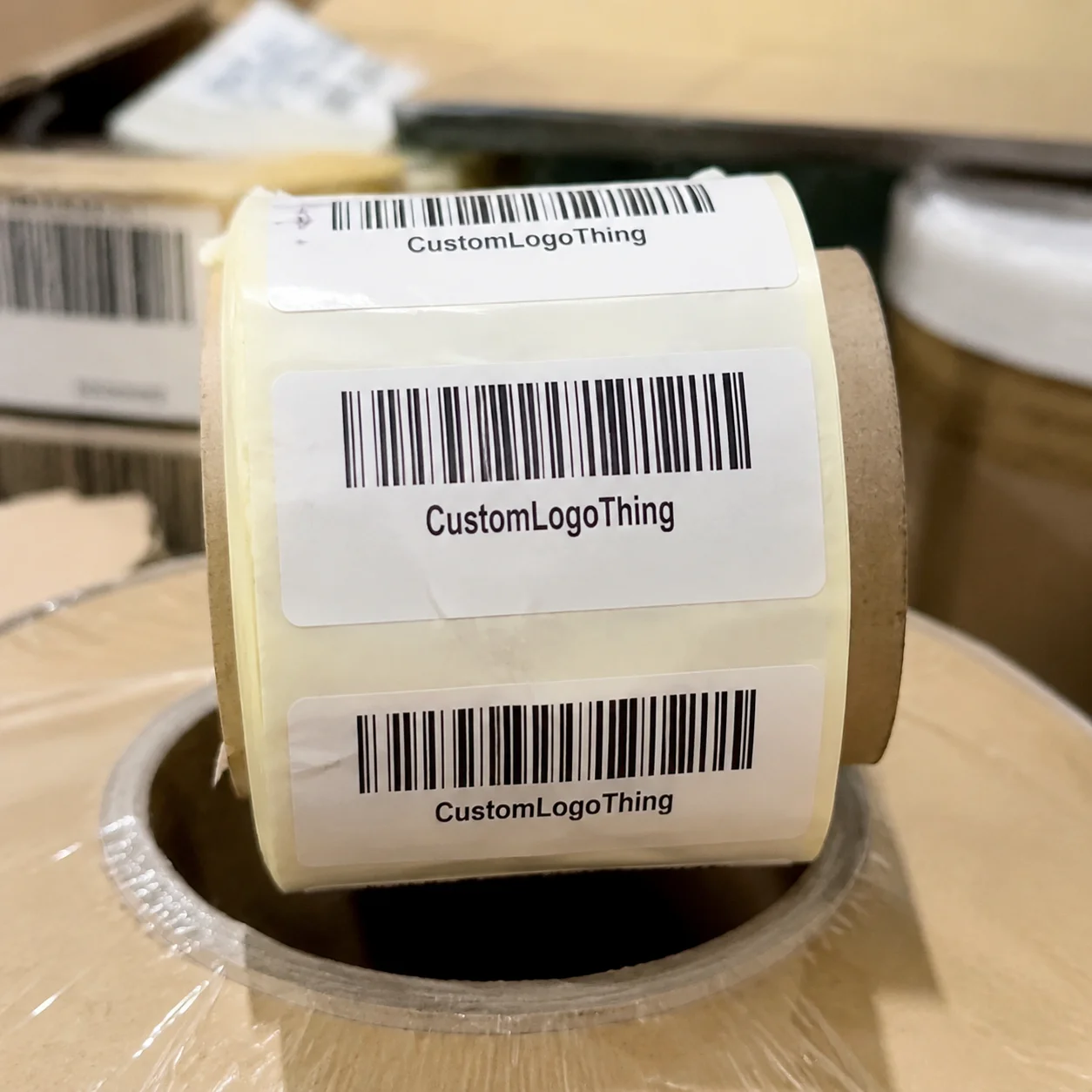
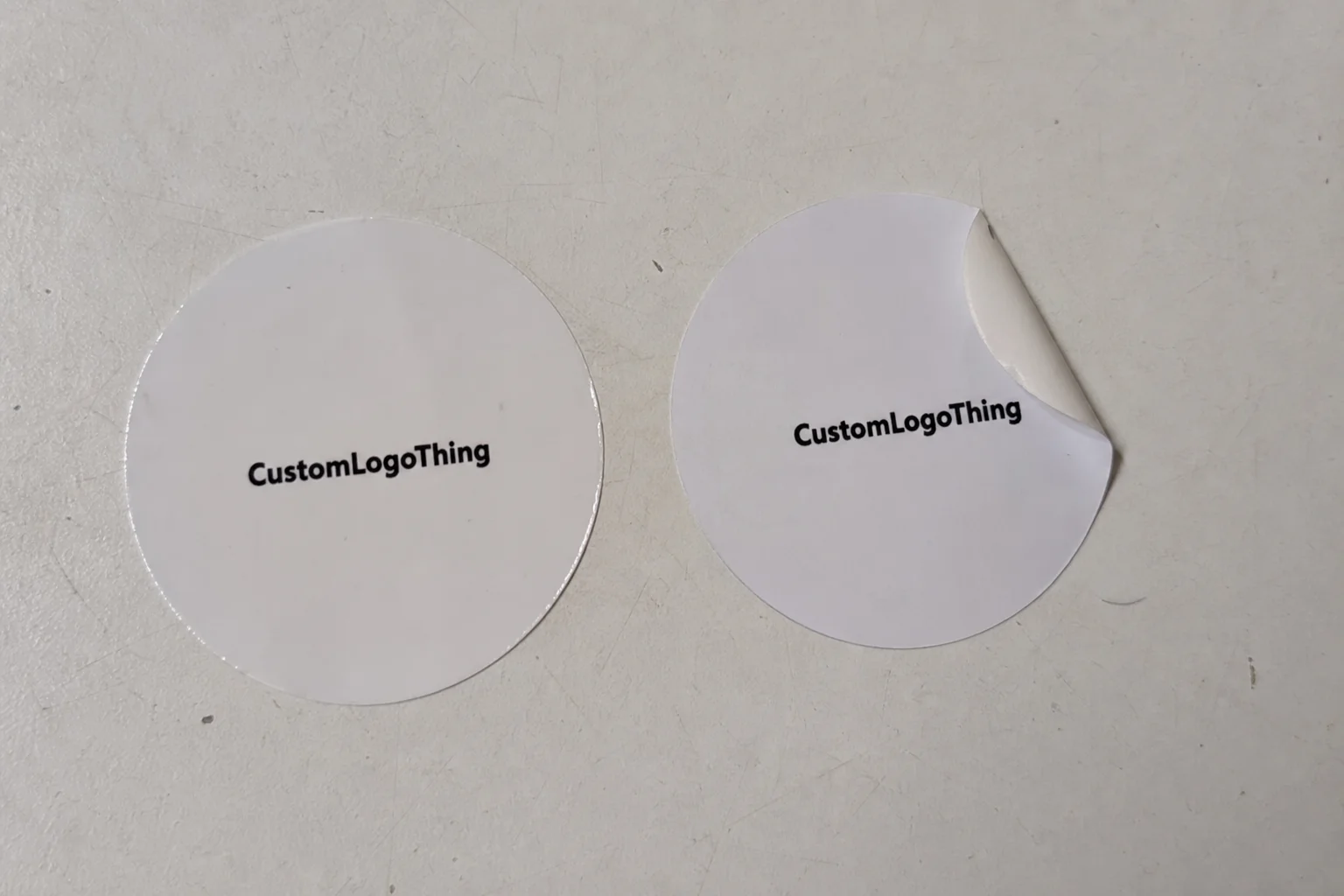
| Labels and tags | Primary or secondary branding | $0.03 to $0.22/unit depending on size | Medium to high | Almost any category |
For larger supply planning, I often point small clients toward Custom Packaging Products so they can see how structure, print, and finishing work together before committing to a full run. It saves time, and it usually saves money too, especially when the choice is between a $480 prototype phase and a $7,500 bad first run.
For sustainability-minded brands, the materials matter as much as the artwork. FSC-certified paperboard, recycled corrugated board, and low-VOC inks can all support a cleaner story without weakening the package. If you want a neutral standard to evaluate sourcing claims, the FSC program is a good reference point at fsc.org. That said, sustainability only helps if the box still arrives intact. A damaged “eco” package is just waste with a marketing story attached, whether it came from a plant in Wisconsin or from a converter in Ho Chi Minh City.
Key Factors That Shape Strong Packaging Branding for Small Business
The strongest packaging branding for small business usually comes down to a handful of choices made well, not a long list of expensive extras. Material, finish, hierarchy, unboxing details, and operational fit all shape whether the package feels intentional or improvised. A 12-second shelf glance or a 20-second doorstep reveal is usually enough for customers to form an opinion.
Material choice sets the first impression. Kraft board signals earthy, natural, and often more affordable. SBS paperboard looks clean and printable, which is why many cosmetic and wellness brands use it. Corrugated board brings structure and shipping strength, especially for ecommerce. Rigid chipboard feels premium because of its thickness and density. Specialty substrates can stand out, but they also raise cost and sometimes complicate production. In packaging branding for small business, the material should match the story, not fight it, and a 14pt white board can look entirely different from a 16pt natural kraft stock under the same lighting.
Printing and finishing change how customers read the package under real light. Matte coatings usually feel calm and modern. Gloss can look brighter and more retail-forward. Soft-touch lamination creates a velvety feel, but it can show scuffs if the distribution chain is rough. Spot UV draws the eye to a logo or icon. Embossing and debossing add tactile depth. Hot foil gives a premium accent, though I’ve seen too much foil push a box from refined to flashy in one pass. The best packaging branding for small business uses finishes as accents, not as noise, and a single foil rule can save $0.18 to $0.35 per unit compared with a full-coverage metallic treatment.
Design hierarchy is where a lot of good intentions go sideways. The brand name should be easy to find. The product name should be easy to read. Claims need enough space to be understood without shouting. Barcodes, ingredients, warnings, and directions must all fit without crowding the front panel. One skincare founder I worked with packed six benefit statements on the front of a 2-ounce box, and buyers still asked what the product did. We reduced the front to one benefit line and moved the rest to the side panel. Sales reps said the packaging felt “more expensive” after that. That is packaging branding for small business in action, and the box measured only 3.25 inches by 1.5 inches by 6.75 inches.
Unboxing experience matters more in ecommerce than many owners expect. Inserts hold the product steady. Tissue paper softens the reveal. Tape, seals, and thank-you cards add texture and personality. Even a simple inside-print message can create a stronger memory than a full-page exterior graphic. I’ve watched a fulfillment team in New Jersey handle 800 orders a day, and the brands with simple, smart inserts almost always produced fewer returns from crushed edges or loose movement in transit. A custom insert die can cost $120 to $300, but it usually pays for itself by reducing product damage.
Operational constraints are the part no one wants to discuss until it is too late. Box dimensions have to fit warehouse shelves, shipping cartons, and pallet patterns. Weight affects postage. Board caliper affects compression strength. Production tolerances affect whether the lid closes correctly. If a package is beautiful but impossible to mass pack, that design is not ready. packaging branding for small business has to work on the line, in the truck, and at the customer’s door, whether the fulfillment center is in Dallas or the carton converter is in Leicester.
Brand positioning is the filter that ties all the choices together. A playful snack brand can use bright colors, simple icons, and a loud secondary panel. A clinical supplement brand needs clean typography and reliable compliance placement. A luxury fragrance line may need dark tones, foil, and a slower reveal. A minimalist skincare company may look best with soft white space and one strong mark. The package should make the price feel believable, especially if the shelf price sits between $18 and $48.
If you want deeper packaging inspiration and production examples, our Case Studies page shows how different brands solved the same problem in different ways, which is often more useful than any mood board.
The EPA also has practical guidance on Reducing Packaging Waste and thinking about recyclable materials in broader terms, which is a useful reference when sustainability is part of the brief: epa.gov/recycle. It is especially helpful when you are comparing recycled fiber content, right-sizing, and post-consumer waste claims.
Packaging Branding for Small Business: Cost, Pricing, and Budget Planning
Budgeting for packaging branding for small business is easier when you separate setup costs from unit costs. That distinction saves a lot of confusion. Design, dielines, plates, proofs, and tooling can create upfront expenses, while each piece then carries material, print, finishing, and assembly costs. If you only look at unit price, you can get blindsided by the real budget, especially if a supplier quotes $0.22 per unit for 10,000 pieces but the setup adds another $650.
Here’s the pattern I’ve seen most often on factory floors: a small brand gets excited about a $0.42 unit price, then realizes the first order also includes $180 in die-cut setup, $220 in plate charges, $95 in sample freight, and two rounds of revisions that added another week. None of that is unusual. It just needs to be planned for. In packaging branding for small business, the sample stage is not a luxury; it is part of the cost of getting the package right, whether the sample is made in Shenzhen, Toronto, or Medan.
Several factors move the number up or down. Material thickness changes price. Coverage matters too; full-bleed designs use more ink and often more careful press control. The number of colors affects production complexity. Special finishes like spot UV, foil, and embossing add tooling or extra machine time. Box style matters as well, since a simple straight-tuck carton is cheaper than a rigid setup box with wrapped paper and ribbon pull. Order quantity is another major factor. Small runs cost more per unit because the setup is spread over fewer pieces. Higher volumes generally lower the unit cost, but they raise inventory risk. A 5,000-piece run can feel affordable until storage and freight add another $180 to $400.
I once negotiated a quote for a startup tea brand in Portland that wanted a 2,000-piece run of custom printed boxes with foil, soft-touch lamination, and an insert. The first quote came in higher than their entire packaging budget. We pulled back on the foil, changed to a one-color inside print, and moved the insert to a lighter board. The final package still looked premium, but the spend dropped enough to keep the launch alive. That is what packaging branding for small business often looks like in practice: strategic tradeoffs, not all-or-nothing decisions.
Here is a practical way to think about budget tiers for branded packaging:
| Budget Tier | Typical Elements | Approx. Unit Range | Tradeoff |
|---|---|---|---|
| Entry level | Labels, printed mailers, one-color sleeves | $0.03 to $0.90/unit | Less structural distinction, but easier to launch quickly |
| Mid-range | Custom folding cartons, inserts, limited finishes | $0.18 to $1.80/unit | Better shelf impact and stronger brand identity |
| Premium | Rigid boxes, foil, embossing, wrapped interiors | $1.80 to $6.00+/unit | Higher perception, higher inventory and setup cost |
The cleanest budgeting advice I give clients is to reserve money for three things before placing a production order: prototypes, freight, and one revision cycle. A small business that budgets only for the final carton is setting itself up for stress. The smarter move is to leave room for a sample revision, because a 1.5 mm fit issue or a color shift of 10 to 12 percent can ruin the first run. Good packaging branding for small business depends on that buffer, and it is far cheaper than paying for 3,000 reprints.
Where should you save? Usually on decorative extras that do not carry functional value. A thank-you card with a specialty coating may not be necessary if the inner print already feels personal. A ribbon tab might be nice, but not if it forces a more expensive box style. Where should you not cut corners? On material strength, print legibility, and closure fit. A weak box that buckles in shipment will cost more in replacements and lost trust than it ever saved at the quote stage.
One more thing: ask suppliers to quote actual production materials, not just mockup assumptions. A digital comp on screen can hide the difference between a 14pt board and a 24pt rigid structure. If a supplier cannot explain their pricing by board grade, print method, finishing, and quantity, keep asking questions. That is part of responsible packaging branding for small business, and it often separates a useful manufacturing partner from a sales rep with a glossy sample kit.
Step-by-Step Process and Timeline for Packaging Branding for Small Business
A lot of owners want the package to happen “quickly,” but packaging usually moves in stages because each stage protects the next one. packaging branding for small business works best when the brief is clear, the structure is right, and the approval cycle is disciplined. A rushed order can still finish well, but only if the scope is simple and the supplier already has the right board in stock.
Step 1: Clarify the brand message and customer profile. Before artwork starts, decide what the package should communicate. Is the product premium, practical, playful, clinical, or artisanal? Who is opening it, and where? A consumer buying a $24 candle online expects a different experience than a buyer picking up a $6 soap bar in a boutique. The packaging should support that reality, and the tone should be matched to the sales channel in Los Angeles, Atlanta, or Halifax.
Step 2: Choose the package format and materials. Product weight, fragility, shelf presence, and shipping method all matter here. A 2-ounce serum bottle may need a folding carton with an insert. A hoodie might only need a printed mailer. A gift set may justify a rigid box. This is also where small brands should think about the unboxing experience and not just the shipping cost. A 32 ECT mailer can work for lighter goods, while heavier items may require 44 ECT or double-wall corrugated construction.
Step 3: Build dielines and create artwork. Dielines are the technical map for where the package folds, cuts, glues, and closes. Artwork needs bleed, safe zones, barcode placement, and finish notes. I’ve seen more than one brand forget that a barcode placed too close to a fold can become unreadable after the carton is assembled. That kind of mistake is avoidable, and it is one reason packaging branding for small business should be handled by people who understand print production, not only graphic design. A good prepress review can catch a 2 mm alignment issue before it reaches the press.
Step 4: Review physical proofs or prototypes. Digital files are useful, but they are not enough. A printed sample tells you how the color lands, how the board feels, whether the coating scuffs, and whether the package opens the way you intended. If the box is supposed to feel luxury, the sample will tell you if it actually does. If the product rattles inside, the sample will reveal it immediately. A prototype run can cost $80 to $250, which is cheap compared with a full production correction.
Step 5: Approve production and plan the downstream schedule. Once the proof is approved, the factory still needs time for printing, drying or curing, finishing, die cutting, folding, packing, and freight. If the project includes specialty finishes, add extra time for setup and possible inspection. packaging branding for small business should never be treated like a same-day accessory order. A box printed in Guangdong or eastern Pennsylvania still needs real time to cure, stack, and ship without scuffing.
For simple items such as labels or printed mailers, a project might move from approved artwork to delivery in about 10 to 15 business days, depending on the supplier and order size. Custom structural boxes with foil or embossing often take 20 to 35 business days, sometimes longer if samples need revision. If materials are tight or the season is crowded, lead times can stretch further. That is not a guess; it is what happens when multiple small brands all rush to launch in the same month, especially before Q4 or right after a major trade show in Chicago.
Here is a realistic sequence many of our clients follow:
- Week 1: packaging brief, product measurements, initial quote
- Week 2: dieline and concept design
- Week 3: proof review and sample adjustments
- Week 4 or 5: production approval
- Week 5 to 8: manufacturing, finishing, packing, freight
That timeline depends on print queue, seasonality, and how fast the client responds. A same-day feedback loop helps. A five-day silence usually pushes everything back. In my experience, the slowest projects are rarely delayed by the factory alone; they are delayed by indecision on the brand side. Strong packaging branding for small business needs clear approval gates, and a clean chain of sign-off can save 7 to 10 calendar days.
For labels, tags, and smaller add-ons, the process can move faster because the structural complexity is lower. That is why many brands start with Custom Labels & Tags before moving into full box programs. It gives them a cleaner launch without overcommitting inventory cash, and a well-printed label on 60lb BOPP can often be ready in 8 to 12 business days.
Common Mistakes in Packaging Branding for Small Business
I’ve seen enough packaging rooms, sample benches, and rush-order meetings to know the same problems show up again and again. The good news is that most of them are preventable. The bad news is that they usually cost money before anyone admits it, whether the waste shows up as 500 unusable cartons or a delayed launch by two full weeks.
The first mistake is making the design too busy. A crowded front panel weakens recognition, especially for a small business that needs customers to remember the name after one glance. If every corner is filled with badges, claims, gradients, and icons, the package starts to look anxious. For packaging branding for small business, clarity beats decoration every time, and a front panel with more than 7 distinct visual elements often becomes hard to read at arm’s length.
The second mistake is chasing trendy visuals that do not match the product or the price point. I saw a rustic soap brand try to use ultra-gloss black cartons with chrome foil because they loved the look on a mood board. On shelf, the package fought the natural product story. Customers were confused, and the brand had to redesign within six months. The lesson: the package needs to match the promise, whether the item sells for $8 or $38.
The third mistake is ignoring production realities. Minimum order quantities, die limits, ink coverage, and coating compatibility are not boring back-office details; they define what can actually be manufactured. If a design includes impossible folds, paper-thin walls, or a finish that does not adhere to the chosen substrate, the whole job gets harder and more expensive. Smart packaging branding for small business respects the factory floor, the press sheet, and the pallet height limit in the warehouse.
The fourth mistake is over-investing in decoration before fixing structure. A gorgeous print treatment cannot save a carton that crushes in transit or a mailer that wastes cubic space. I’ve watched brands spend on foil and embossing while ignoring that the insert was too loose, which let the product rattle and scuff. That’s backwards. Fit comes first, and a 0.125-inch insert adjustment can do more than a costly finish upgrade.
The fifth mistake is forgetting compliance and logistics. Ingredient panels, warning copy, barcodes, country of origin marks, suffocation warnings, and shipping labels all need room. If the package is food, cosmetic, or regulated in any way, those requirements are not optional. Missing text can delay launch or trigger repacking. Good packaging branding for small business makes room for real-world labeling needs, from a 0.25-inch barcode quiet zone to a full FDA panel on the back.
The sixth mistake is inconsistency across product lines. If one SKU uses a warm kraft tone and another uses a cold white without reason, the range stops feeling like a family. Customers may not explain why the line feels disconnected, but they feel it. Consistency in typography, color usage, and material choice builds memory faster than a pile of unrelated looks, especially when the products sit together on a shelf in the same 18-inch display section.
I’ll also mention a smaller but painful mistake: approving colors from a screen only. A monitor can lie in ways that cost real money. A sample on 18pt C1S board with matte lamination may look warmer or darker than a digital comp. That is why physical proofing matters so much in packaging branding for small business, and why I always prefer a hard proof under 5000K lighting before releasing a production run.
Expert Tips to Improve Packaging Branding for Small Business
If I were helping a small company with packaging branding for small business from scratch, I’d start with one repeatable system and build from there. A strong core packaging format can support three or four product lines with only minor changes. That is much smarter than designing a different package for every SKU and then struggling to keep the line coherent, especially when the first production order is only 1,000 to 3,000 units.
Tip 1: Build one signature element. This could be a color band, a repeated pattern, a seal shape, a typography treatment, or an inside-print line. You do not need five special effects. One recognizable move done consistently can create stronger recall than a bag full of gimmicks. A small skincare brand I worked with used a narrow rose-gold band across all cartons and mailers; buyers began recognizing it on social media thumbnails alone, even before they read the product name.
Tip 2: Test the package under real stress. Put it in a fulfillment tote. Stack it for 24 hours. Shake it lightly. Expose it to humidity if the product lives in a humid market. In one Florida project, we discovered a soft-touch finish was picking up handling marks in warehouse conditions, so we switched to a more durable matte aqueous coating. That one change saved the brand from reprinting 12,000 units. packaging branding for small business should always survive the real world, not just a photo shoot in a studio.
Tip 3: Ask for production samples, not just visuals. Paper texture, board stiffness, glue behavior, and coating sheen all change the final impression. A screen can’t tell you how a 24pt chipboard lid feels when it closes, and a PDF cannot show how a foil hit catches light in a retail setting. Physical samples are worth the time, and the lead time is usually 3 to 7 business days for a simple comp and 10 to 14 days for a structural prototype.
Tip 4: Keep sustainability practical. The most sustainable package is usually the one that protects the product, uses material efficiently, and avoids rework. FSC-certified board, recycled corrugate, and water-based inks are helpful, but they are not magic if the design fails in transit. The right balance matters more than the slogan, and a right-sized carton often cuts corrugate usage by 8 to 12 percent compared with an oversized mailer.
Tip 5: Write like a helpful salesperson. Packaging copy should be short, specific, and useful. Say what the product does, who it is for, and why it matters. Avoid vague claims that sound generic. If a label is too crowded to read in two seconds, it probably needs editing. Good packaging branding for small business helps the customer understand faster, not slower, and a simple line like “Calming night serum for dry skin” often beats a paragraph of branded adjectives.
Tip 6: Use supplier conversations to your advantage. Ask about board grades, print limits, coating options, and carton packing efficiency. A supplier who gives precise answers is helping you reduce risk. A supplier who only says “it’ll be fine” is not giving you enough to work with. I’ve sat in enough pre-production meetings to know that the best results come from specific questions, not hopeful assumptions, especially when the factory is quoting from a facility in Dongguan, Barcelona, or Monterrey.
If you need deeper insight from brands that have already worked through these tradeoffs, our Case Studies page is a strong reference point. It shows how different budgets and product categories led to different packaging decisions, which is often the clearest way to understand the craft.
One more perspective from the shop floor: I’ve seen a basic mailer outperform a fancy box simply because the printing was sharper, the closure was cleaner, and the interior message felt sincere. That is the kind of detail that makes packaging branding for small business effective. Not noise. Not excess. Just the right details in the right places.
What Makes Packaging Branding for Small Business Work Best?
packaging branding for small business works best when three things line up at once: the package fits the product, the visual system matches the brand promise, and the production plan fits the budget. If one of those is off, the whole experience feels less convincing, even if the artwork looks polished on a screen. A thoughtful mailer, a crisp folding carton, or a well-built rigid box can each perform beautifully, but only if the material, finish, and structure were chosen with real use in mind.
The strongest programs are also the simplest to repeat. A small business does not need a different style decision for every order batch. It needs a system that keeps the logo placement, color palette, typography, and finish consistent enough that customers recognize it from one shipment to the next. That consistency makes packaging branding for small business easier to scale, and it helps the brand look established long before the team has the headcount of a larger company.
Good packaging also respects the moment of contact. On a retail shelf, it has to read in a glance. In a shipping box, it has to survive handling. During unboxing, it has to feel intentional and not accidental. If the package can satisfy all three, then the brand gets more than visual appeal; it gets trust, memory, and a smoother path to repeat purchase.
Next Steps to Build Packaging Branding for Small Business
Now comes the useful part. If you want packaging branding for small business to work in a real sales channel, start with what customers actually see and touch. Audit your current packaging and list the first three things they notice, then compare that experience against your promise as a brand. If the box says “premium” but the tape looks improvised, the package is doing mixed signals, and that inconsistency can cost you a repeat order.
Gather your product dimensions, weights, shipping requirements, and target order quantities. Those four numbers shape almost every packaging decision. A bottle that is 2.25 inches wide and 7.5 inches tall needs a different carton than a jar that is 3 inches square. If you are shipping 250 units a month, your packaging strategy should look different from a brand shipping 25,000. Good packaging branding for small business begins with reality, not wishful thinking, and a 250-unit brand often needs a simpler structure than a 10,000-unit subscription program.
Create a short packaging brief. Include your audience, tone, preferred colors, finish preferences, sustainability goals, and any compliance information that must appear. Keep it simple but complete. A one-page brief can prevent three rounds of confusion later. It also helps your designer, printer, and packaging vendor stay on the same page, especially when the production quote is based on a 4-color process plus one PMS accent.
Request samples from at least two material or finish options. Compare them under the same lighting, and if possible, compare them in the setting where they will be used: retail shelf, fulfillment station, or customer unboxing at home. A sample that looks good on a studio table may not perform well once it is stacked, shipped, and handled by a warehouse team. That is where packaging branding for small business proves itself, and a sample that costs $35 can save a $3,500 mistake.
Then set your rollout plan. Start with one core SKU and prove the system in the real market before expanding. That approach reduces waste and gives you room to learn. It also lets you refine cost, structure, and lead time before ordering a larger family of packs. Small businesses do better when the packaging program matures with the product line instead of trying to solve everything on day one, whether the launch is in Brooklyn, Austin, or Vancouver.
If you need to compare product options, structure ideas, or custom print formats, our Custom Packaging Products page is a useful place to start. It helps turn the planning conversation into something concrete instead of abstract, and it makes it easier to compare a $0.15 label against a $0.62 carton or a $2.10 rigid box.
And if you are still weighing the environmental angle, remember that durable, right-sized packaging usually beats overbuilt packaging every time. The package should protect the product, support the brand, and make operations easier. That balance is the real goal of packaging branding for small business, and it is often the difference between a brand that feels improvised and one that feels established.
Here’s the final truth from years on the floor: the best packaging is rarely the loudest one. It is the one that feels correct the moment a customer picks it up, the one that holds up in transit, and the one that makes the business look like it has been doing this for years. Start with the product, choose one clear visual system, and verify it in a physical sample before you commit to production; that’s the most reliable way to build packaging branding for small business that actually earns trust.
How does packaging branding for small business help sales?
It builds trust quickly by making the product look intentional, professional, and worth the price. It also improves shelf appeal and the unboxing experience, which can influence repeat purchases and referrals. For smaller brands, strong branded packaging helps compete visually without needing the same ad spend as larger companies, whether the product is sold at $12.99 or $42.00.
What is the best packaging type for packaging branding for small business?
The best type depends on the product weight, fragility, and sales channel. Mailers and folding cartons are common for ecommerce and lightweight products, while rigid boxes suit premium items. The right choice is the one that balances protection, brand image, and budget, and it might be a 16pt SBS carton for cosmetics or a 32 ECT mailer for apparel.
How much should a small business budget for branded packaging?
Budget depends on print method, materials, finishes, and quantity. Small runs usually cost more per unit, so it helps to separate setup costs from per-piece costs. A practical approach is to budget for samples, revisions, freight, and production, not just the final box price, and to expect a starting range of $0.03 to $1.80 per unit depending on the format.
How long does packaging branding for small business take?
Simple labels or mailers may move faster than custom structural boxes with specialty finishes. Timeline depends on design approval, sample revisions, material availability, and the production queue. Planning early helps avoid rush fees and last-minute compromises, and many projects land in the 10 to 15 business day window for simpler items or 20 to 35 business days for more complex packaging.
What should I avoid when creating packaging branding for small business?
Avoid cluttered designs, weak materials, and inconsistent colors. Do not ignore practical details like product fit, compliance text, and shipping durability. Also avoid choosing packaging based only on looks if it will fail in transit or cost too much to scale, especially if the sample already shows scuffing, loose product movement, or a weak closure.