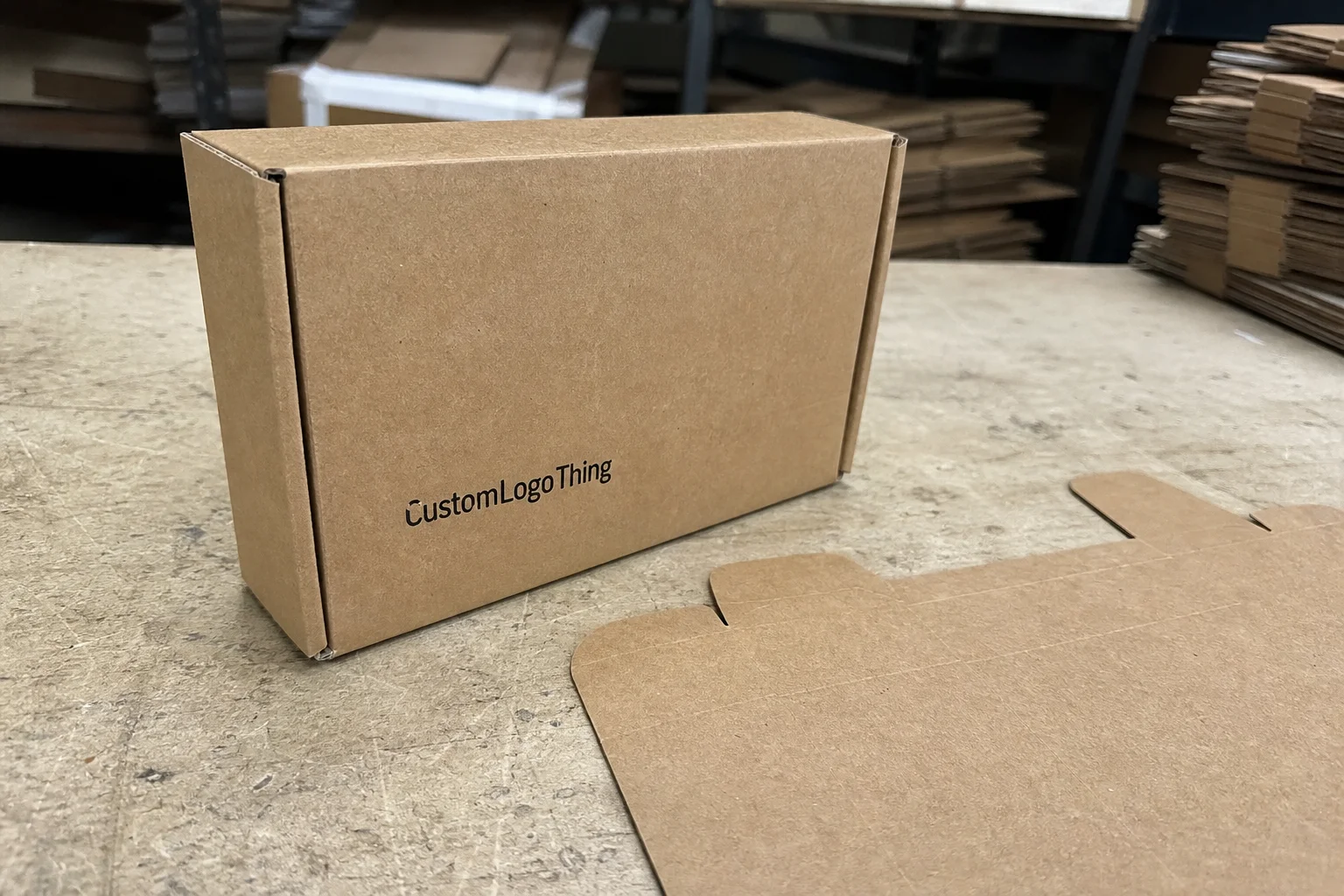
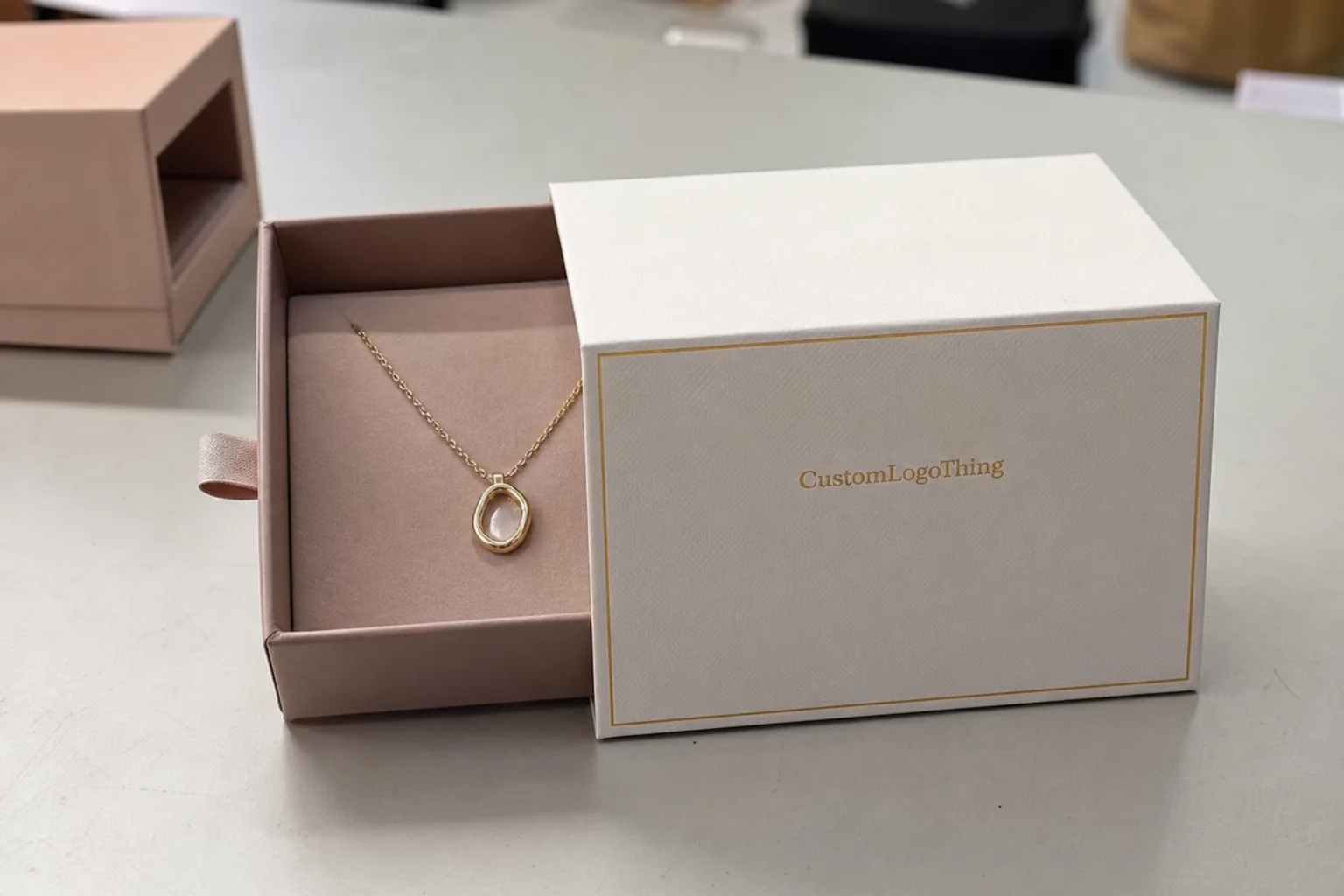
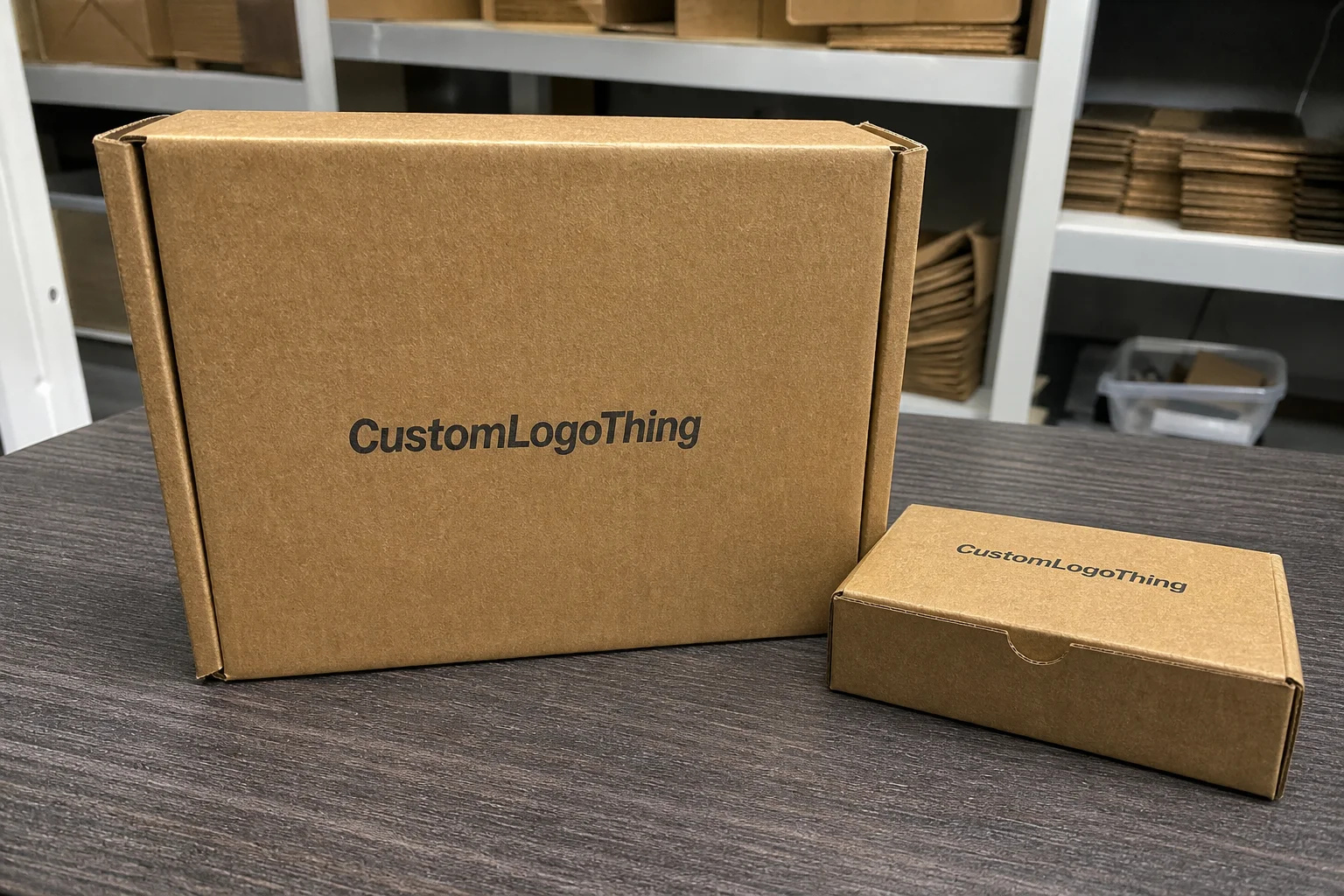
Buyer Fit Snapshot
| Best fit | Reducing Packaging Waste in Business projects where brand print, material claims, artwork control, MOQ, and repeat-order consistency need to be specified before quoting. |
|---|---|
| Quote inputs | Share finished size, material target, print colors, finish, packing count, annual reorder estimate, ship-to region, and any compliance wording. |
| Proofing check | Approve dieline scale, logo placement, barcode or warning zones, color tolerance, closure strength, and carton packing before bulk production. |
| Main risk | Vague material claims, crowded artwork, missing packing details, or unclear freight terms can make a low unit price expensive after revisions. |
Fast answer: Reducing Packaging Waste in Business: Material, Print, Proofing, and Reorder Risk should be specified like a repeatable production item. The safest quote records material, print method, finish, artwork proof, packing count, and reorder notes in one written spec.
Production checks before approval
Compare the actual filled-product size with the drawing, then confirm tolerance on folds, seals, hang holes, label areas, and retail display edges. Reserve space for logos, QR codes, warning copy, and material claims before decorative graphics fill the panel.
Quote comparison points
Review material grade, print process, finish, sampling route, tooling charges, carton quantity, and freight assumptions side by side. A quote is only useful when the supplier can repeat the same color, closure quality, and packing count on the next order.
Most businesses think packaging waste starts at the customer’s doorstep. It usually doesn’t. The biggest opportunities for Tips for Reducing packaging waste show up much earlier, in design reviews, purchasing decisions, and warehouse habits that nobody questions because they feel “safe.” I’ve watched a brand add 18% more corrugate to stop corner crush, only to discover the real issue was a loose insert and a box size that left 42 mm of empty space on each side. Classic. Expensive, but classic. The fix took one afternoon with a ruler, a pack table, and a sample run in Dongguan, China.
That kind of waste is expensive. It shows up as extra board, more void fill, higher dimensional weight, slower pack-out, and returns when the package fails anyway. The good news is that Tips for Reducing Packaging waste are not abstract sustainability slogans. They are operational moves. A one-inch reduction in carton depth can change freight class, cut storage volume, and reduce the amount of paper or plastic that touches every single shipment. I’ve seen a shift from a 12 x 10 x 8 carton to a 11 x 9 x 7 carton save $0.23 per order at a 15,000-unit monthly run. That adds up fast, especially when you’re shipping from a fulfillment center in Ohio or New Jersey.
I’ve seen this from both sides: in a Shenzhen facility where workers were nesting cartons by hand to save 9% on shipping, and in a Midwestern fulfillment center where a procurement team was buying three sizes of void fill because no one had mapped actual pack patterns. The pattern is always the same. Waste is created by small decisions made upstream. Fix those decisions, and Tips for Reducing Packaging waste become measurable, repeatable, and profitable. The math is usually ugly in the beginning, then weirdly satisfying once the numbers stop pretending.
Tips for Reducing Packaging Waste: Why It Matters More Than You Think
Packaging waste is often designed in, not dumped in. A lot of businesses focus on consumer disposal habits, but the first waste decisions happen in packaging design, carton selection, and how a product is staged for shipment. The best Tips for Reducing Packaging waste start with structure, not slogans. A box spec written around a 9 mm product overhang can create 30 mm of void on every side, and that void becomes filler, freight, and frustration.
In business terms, packaging waste includes excess corrugate, oversized boxes, unnecessary mixed materials, overboxing, redundant inserts, and damage-related replacements. A package that uses two void-fill systems and an oversized mailer is not “protected.” It is inefficient. I’ve seen product packaging specs with six layers of material, and four of them were added because “that’s how we’ve always done it.” That line has cost companies more money than any carrier surcharge ever did. I still hear it and have to bite my tongue. Once, in a Guangzhou supplier review, that sentence was followed by a 20-minute argument over a $0.02 cushion insert. Worth it? No. Memorable? Absolutely.
Why does this matter beyond the environmental angle? Because packaging touches three cost centers at once: materials, labor, and freight. A leaner pack can reduce board usage by 12% to 30%, depending on SKU mix, and shrink cubic volume enough to alter shipping charges. That is why tips for reducing packaging waste are really tips for improving margins, speed, and customer experience at the same time. If you can shave 8 seconds off pack time and 0.4 cubic feet off a shipment, finance will suddenly become very interested in sustainability.
I remember a client meeting where the operations director was convinced the issue was “not enough eco material.” We pulled samples from three SKUs and found the real problem was overboxing: a 9 x 6 x 4 product was going into a 12 x 10 x 8 carton with air pillows occupying almost half the void. The fix was not a more sustainable filler. It was better retail packaging sizing and a cleaner insert spec. We moved the job to a supplier in Suzhou, and the prototype turnaround was 13 business days from proof approval. Not glamorous. Very effective.
“The best waste reduction project I ever saw didn’t start with a new material. It started with a measuring tape and a packing bench audit.”
That sounds simple, but it is exactly where most businesses gain traction. The strongest tips for reducing packaging waste usually attack the biggest volume first: standard carton sizes, repeat SKUs, and the cartons that consume the most filler. Small improvements can produce outsized results when they are applied across thousands of orders, not dozens. A 500-piece pilot won’t tell you much; a 5,000-piece run will tell you whether the idea survives contact with reality.
For companies building branded packaging, there is another layer. Package branding cannot hide poor structure. A beautiful print job on a box that arrives crushed or full of empty space still feels wasteful to the customer. Better structure supports better brand perception, and that matters whether you sell supplements, apparel, electronics, or subscription kits. I’ve seen a premium unboxing turn into a complaint thread because the carton looked luxe but had 51 mm of dead air inside.
If you want outside context on packaging and waste, the EPA’s waste prevention resources are useful for seeing how source reduction fits into broader sustainability goals. The lesson translates well to business packaging: reduce at the source first, then worry about end-of-life handling. That’s the part people skip because “source reduction” sounds less exciting than a green badge on a box.
How Packaging Waste Happens in the Supply Chain
Packaging waste does not appear all at once. It accumulates in layers. One layer comes from product design, another from procurement choices, another from fulfillment workflow, and another from returns. That is why tips for reducing packaging waste need to follow the package through the entire supply chain instead of focusing on a single department. If you only inspect the warehouse in Atlanta or the carton plant in Vietnam, you miss half the story.
At the design stage, teams often choose packaging that is easier to spec than to optimize. A designer may protect a fragile item with extra cushion because no one wants damage during the first launch. Procurement then orders more material “just in case.” Fulfillment staff keep using that same setup because it is familiar. By the time you measure the result, the package is 30% heavier and 20% larger than necessary. I’ve seen a launch in Portland where the original insert cost $0.11 per unit and the “safe” version ballooned to $0.27 per unit before anyone questioned it.
Oversized boxes are the classic example. A carton that is 2 inches too long in each direction can create enough extra void to require filler, increase dimensional weight, and make pallet loads less efficient. Add inconsistent carton sizes, and you get packing-line confusion. I once reviewed a warehouse in Indianapolis where there were 14 active carton sizes for only 27 SKUs. The staff spent nearly a minute per order deciding which box to use. That is not just waste in material. That is waste in labor. Also in patience, if we're being honest. The supervisor called it “flexibility.” The finance team called it a problem after the freight invoices arrived.
There is also a psychological piece here. People add cushioning because it feels safer. They worry about breakage, and that fear is understandable. More material does not always reduce risk. A product with a loose fit can still shift inside a heavily stuffed box, and a properly engineered insert can outperform three layers of bubble wrap. Good tips for reducing packaging waste respect protection requirements while cutting the extra weight that nobody needs. A 350gsm C1S artboard divider, die-cut to the product profile, can beat a heap of loose kraft paper every day of the week.
SKU complexity makes this worse. The more package variants you carry, the harder it is to keep inventory lean. You end up with partially used rolls, obsolete carton SKUs, and mixed packing materials spread across shelves. In practice, that raises storage costs and slows training. A packaging room with too many options becomes a decision maze, not a process. I’ve walked through rooms in Chicago and Tijuana where the box wall looked like a warehouse version of a bad buffet.
And then there is freight. Dimensional weight charges punish empty space. If your carton is larger than the product demands, you may pay to ship air. That is one of the clearest tips for reducing packaging waste: reduce the box, reduce the air, and reduce the bill. The carrier never cares why the air is there. It just bills you for it anyway. Charming. On a 3 lb parcel, a 1-inch carton reduction can cut billable weight enough to save $0.80 to $1.40 per shipment depending on zone. Carriers are very creative about the math when it helps them.
Packaging standards can help here. Teams that use ISTA test methods or internal drop-test protocols are usually better positioned to understand whether their packaging is truly oversized or simply overbuilt. The ISTA test standards are worth reviewing if you are comparing designs or validating transit performance. They help separate “feels safe” from “has evidence.” We used ISTA 3A-style drop testing on a mailer project in Singapore and cut one unnecessary foam layer after the third round of validation. Clean result. No drama.
Hidden impacts show up in the warehouse too. Bigger cartons take more staging room, more shelf space, and more truck space. That means you may need more storage capacity for the same order volume. I’ve seen one distributor in Louisville free up nearly 120 square feet of pack-area space just by consolidating from five box depths to three. That kind of space gain is easy to miss until someone measures it. Then suddenly there’s room for another worktable and nobody has to wedge pallets into the aisle like a parking puzzle.
Key Factors That Shape Tips for Reducing Packaging Waste
There is no single formula. The right tips for reducing packaging waste depend on the product, the channel, and the cost structure. A cosmetics brand shipping small, premium items has different needs than a B2B parts supplier sending cases of metal components. The variables matter. A 120 ml glass serum bottle shipped from Milan is not the same problem as a 25 kg industrial fastener kit leaving Monterrey.
Material choice is the first big factor. Paper-based systems, corrugated cartons, molded pulp, plastics, and reusable packaging each behave differently. Corrugated is widely recyclable and easy to print on for custom printed boxes, but it may not be the lightest option. Molded pulp can reduce plastic content, but it may require tooling and a longer lead time. Reusable crates can be excellent in closed-loop systems, but they only work when returns are reliable and the route structure supports them. In Guangdong, a molded pulp tray often lands at a better per-unit cost after 10,000 units; at 1,000 units, not so much.
Product fragility changes the equation fast. A fragile lamp, a premium glass bottle, and an irregular ceramic item may all need custom-fit protection. The trick is to engineer protection with structure, not just volume. Custom inserts, nesting trays, die-cut partitions, and molded supports often cut waste better than adding more filler. That is one of the most practical tips for reducing packaging waste I can offer from the production floor. A well-cut paperboard insert can replace 6 to 8 grams of loose fill per unit without making the pack feel cheap.
Packaging design matters just as much as material. Right-sizing, fold-flat structures, and nested components reduce unused volume. Fewer mixed components also help. A package that uses corrugate, plastic film, foam, and a paper insert may be technically recyclable in pieces, but it is not simple. Clean design often improves both recycling compatibility and packing speed. That is a rare two-for-one. If your packer can close a carton in 11 seconds instead of 19, you’ve won on labor before the shipment even leaves the dock.
Supply chain constraints are another reality check. Some plants have limited storage, some use automated case erectors, and some rely on suppliers with long lead times. If your pack line is built around a certain carton footprint, changing it may require adjustments to equipment or training. I’ve had supplier negotiations where the cheapest option on paper turned out to be the most expensive once we counted setup time, minimum order quantities, and freight from the converter. Love that little surprise. A price of $0.15 per unit for 5,000 pieces can become a disaster if the tooling takes three weeks and the cartons arrive in the wrong spec from Foshan.
Cost and pricing also shape decision-making. Lower material use often reduces unit cost, but custom tooling or a complete redesign can add upfront expense. For example, a custom die may cost $450 to $1,200 depending on size and complexity, while a prototype run might be $0.18 to $0.42 per unit for 5,000 pieces depending on board grade and print coverage. Those numbers change by region and volume, but they are real enough to affect approval. A 350gsm C1S artboard sleeve from a supplier in Shenzhen may look cheap until you add freight, cartonization, and inspection time.
Sustainability goals and compliance matter too. More customers ask about FSC-certified board, recycled content, and recyclability claims. Internal ESG targets may push teams toward paper-based packaging, while local regulations may limit certain plastics or inks. If you want one external reference point, the FSC certification system is useful when evaluating responsibly sourced fiber. Still, sustainability is not only about sourcing. It is also about using less material in the first place. A 10% recycled-content carton that wastes 20% more board is not exactly a victory lap.
That is why strong tips for reducing packaging waste always combine six things: product risk, material choice, design geometry, storage constraints, cost, and compliance. Ignore any one of them, and the package gets weaker somewhere else. Packaging is annoyingly good at punishing single-variable thinking.
| Packaging option | Typical use | Waste reduction potential | Approximate cost signal |
|---|---|---|---|
| Standard corrugated carton | General shipping, retail packaging | Medium to high if right-sized | Low to moderate; often $0.42 to $1.10 per unit at 5,000 pieces depending on board grade |
| Custom printed boxes | Branded packaging, subscription kits | High when carton dimensions are optimized | Moderate; commonly $0.68 to $1.85 per unit with print coverage and finish |
| Molded pulp insert | Fragile consumer goods | High if replacing loose filler | Moderate to higher upfront; tooling often starts around $600 to $2,500 |
| Reusable tote or crate | B2B closed-loop distribution | Very high over repeated trips | Higher upfront, lower per use; often $8 to $35 per container depending on size |
Step-by-Step Tips for Reducing Packaging Waste in Your Operation
The most effective tips for reducing packaging waste are process-driven. You do not need a six-month strategy retreat to start. You need an audit, a shortlist, and a pilot. Preferably before someone orders another pallet of filler from a supplier in Pennsylvania because “we’re almost out.”
Step 1: Audit current packaging by SKU. Measure box dimensions, filler amounts, material weights, damage rates, and return reasons. I prefer a spreadsheet with one line per SKU and columns for carton size, internal void, pack time, and complaint frequency. If you can, photograph each current pack-out. You will spot duplication faster in images than in notes. A 9 x 7 x 4 tray with 18 mm of headspace looks fine in a procurement email and obviously stupid on a packing bench.
Step 2: Identify the biggest waste drivers. Use Pareto logic. Which 20% of SKUs create 80% of your volume or waste? Start there. I once worked with a company that wanted to redesign every pack in the catalog, but the top three SKUs represented 61% of monthly shipments. Fixing those three saved more than a full catalog redesign would have. We cut the waste stream from 4 carton families to 2 and saved nearly $14,000 in annual material spend.
Step 3: Standardize box sizes where possible. This is one of the clearest tips for reducing packaging waste because it simplifies purchasing, training, and inventory. If you can reduce from 12 carton sizes to 5 without increasing damage, do it. Fewer SKUs mean fewer mistakes, less shelf clutter, and less obsolete stock. In one Ohio facility, that shift freed up 22 linear feet of shelf space and cut training time for new packers by about 30 minutes per shift.
Step 4: Right-size packaging to the product. This is where custom solutions often pay off. A carton that fits tightly may require a custom insert, a folded divider, or a different board grade. But if the result removes layers of filler and cuts ship size by 15%, it can still win. This is especially true for premium product packaging and subscription kits. One Asia-based supplier quoted a right-sized carton at $0.39 per unit for 10,000 pieces versus $0.44 for the old oversized version. The cheaper box was also smaller. Wild concept, I know.
Step 5: Test alternatives before rollout. Sample runs matter. So do compression checks, drop tests, and transit simulations. Use ISTA methods when possible, or replicate your own route conditions if your freight is unique. Don’t approve a lighter design just because it looks elegant. I’ve watched elegant packs fail in the back corner of a trailer because someone ignored side pressure. The trailer, of course, was not impressed. We once tested a mailer from Los Angeles to Phoenix in 38°C summer heat and learned the adhesive tab failed after 17 minutes on the dock. Good test. Annoying discovery.
Step 6: Train warehouse staff. The best design in the world will not fix inconsistent packing habits. Create a simple reference sheet showing approved carton sizes, insert types, and filler rules. Keep it to one page if possible. The more complicated the instructions, the faster the process drifts back to old habits. That’s a lesson I learned from a plant supervisor in Monterrey who told me, “If a picker needs a manual, the system is already too complicated.” He was right. Also, he had the nicest laminated cheat sheet I’ve ever seen.
One practical way to organize the work is to think in layers:
- Source reduction — remove material before it enters the pack-out.
- Right-sizing — match package volume to product volume.
- Component simplification — eliminate redundant inserts, sleeves, or wrap.
- Workflow control — make the correct pack the easiest pack.
Those four layers cover most of the highest-value tips for reducing packaging waste. They also make it easier to discuss the project with finance, operations, and marketing because each layer has a different payoff profile. Finance wants a number. Ops wants fewer headaches. Marketing wants the box to still look good on camera. Fair enough.
Process and Timeline: How Long Does Packaging Waste Reduction Take?
The honest answer? It depends on how much change you are making. Simple tips for reducing packaging waste like box standardization can move quickly. Custom redesigns take more time because they involve design, sampling, testing, approval, and production setup. If your supplier is in Huizhou and your approver is in Chicago, time zones alone can add two days to a simple question.
A realistic workflow looks like this:
- Audit phase: 1 to 2 weeks for a focused review of current packaging, damage data, and pack-out observations.
- Concept and prototype phase: 2 to 4 weeks for structural ideas, samples, and revisions.
- Testing and approval phase: 1 to 3 weeks depending on internal sign-offs and validation requirements.
- Production setup: 1 to 4 weeks, longer if new tooling, print plates, or supplier scheduling is involved.
- Rollout and optimization: ongoing, with the first month used to catch packing errors or transit surprises.
One retailer I advised moved faster than expected because the packaging team had clean data and the operations team was aligned from day one. They changed two carton sizes and removed one void-fill item in under 30 days. Another client took closer to 10 weeks because marketing wanted package branding tweaks, procurement needed three quotes, and compliance wanted recyclability language checked. Same principle, different speed. The supplier in Taiwan delivered the first prototypes 12 business days after proof approval, which helped. Timing matters when your peak season starts in November and nobody wants to be the person explaining why the carton hasn’t arrived.
That’s why it helps to be specific about scope. Are you reducing waste by 10% on one SKU, or redesigning all shipping materials across a catalog of 200 products? Those are not the same project. The timeline also depends on order volume, supplier responsiveness, lead times, and whether you need tooling or print changes for custom printed boxes. A simple tuck-end mailer can move from approval to production in 12-15 business days from proof approval; a new molded insert can take 4 to 6 weeks if tooling is required.
For businesses using seasonal packaging, timing matters even more. If your peak shipping window is six weeks away, you may only have time for quick wins: standard carton cleanup, filler removal, and pack instruction updates. If you have a longer runway, you can go deeper into structural optimization and branded packaging updates. Good tips for reducing packaging waste are useful precisely because they can scale from fast fixes to full redesigns. The smartest teams start with the 80/20 win in April, not the heroic redesign in December.
Common Mistakes Businesses Make When Trying to Reduce Waste
The first mistake is cutting material too aggressively. I’ve seen teams remove a protective insert to save three cents, then pay $4.80 in damage, customer service time, and replacement freight. That is not reduction. That is delayed expense. Strong tips for reducing packaging waste always protect performance first. A pack that fails in transit from Dallas to Denver is just a refund waiting for a label.
The second mistake is focusing only on recyclability. A package can be technically recyclable and still be heavy, oversized, or annoying to assemble. If it takes 14 extra seconds to pack, that labor cost compounds quickly. If the carton ships empty space, your freight cost climbs. Recyclability is part of the picture, not the whole picture. I’ve seen a “recyclable” setup use 28% more board than necessary because nobody wanted to change the insert geometry.
The third mistake is ignoring the customer experience. A package that is too hard to open, too plain to feel premium, or too flimsy to reuse can hurt the brand even if it uses less material. I’ve seen subscription boxes designed to save board and reduce filler, only to get complaints because the closure strip tore the lid. Efficiency matters, but so does usability. If the customer needs scissors, swearing, and a backup plan, you may have missed the point.
The fourth mistake is changing too many variables at once. If you switch carton size, print coverage, insert style, and filler type in one go, you won’t know what helped. You also risk creating confusion on the pack line. Better to isolate one change, measure it, and then move to the next. That’s one of the simplest tips for reducing packaging waste, and one of the most ignored. I’ve watched teams blame a box for a problem caused by a tape gun set too hot. Humans love bad detective work.
The fifth mistake is overlooking fulfillment workflow. A smart packaging design can still fail if it slows packing speed or requires a tool the team doesn’t keep nearby. I watched one site adopt an elegant fold-in tray that saved material but added 11 seconds per pack because staff had to align three tabs by hand. The savings vanished in labor. The tray looked gorgeous on a sample table in Milan and miserable at 6:40 a.m. on a Tuesday in a warehouse.
There is also a procurement trap. Buyers often focus on unit price rather than total landed cost. A carton that costs $0.03 less but adds dimensional weight, extra damage, or slower pack-out may be more expensive overall. That is why the best tips for reducing packaging waste include total-cost thinking, not just material reduction. A carton at $0.15 per unit for 5,000 pieces sounds great until you realize the oversized version costs you $1.20 more per shipment in freight. That’s not savings. That’s theater.
“A cheaper box is not always a cheaper package.”
That line has come up in more client meetings than I can count. It sounds obvious, yet the numbers often tell a different story once freight, labor, and returns are added. Packaging waste reduction is rarely about the cheapest component. It is about the best system. Usually in a plant somewhere outside Suzhou, with a stack of samples and someone asking for one more revision.
Expert Tips for Reducing Packaging Waste Without Sacrificing Performance
If you want waste reduction that lasts, use data before instinct. Compare damage rates, dimensional weight, pack time, and complaint volume before and after any change. I like a simple before-and-after dashboard with four metrics. If material goes down 14% and damage stays flat, you have a win. If damage rises 6%, you need to revisit the design. That is how real tips for reducing packaging waste become operational discipline instead of a one-off project. One client in Boston tracked 2,400 orders before and after a carton change, and the evidence made the approval meeting much shorter. Amazing what numbers do.
Prioritize packaging formats that can serve more than one function when appropriate. Subscription, returnable, and B2B shipments often benefit from formats that unfold, nest, or reclose efficiently. In some programs, the same outer can support shipping and shelf display, which reduces duplicate materials. That’s especially useful in retail packaging where presentation and transit protection both matter. A hinged lid with a 350gsm C1S artboard sleeve can sometimes do the work of two separate components if the fit is right.
Design for storage and transportation, not just end-of-life disposal. A perfectly recyclable package that is hard to store, awkward to palletize, or impossible to automate is still costing you money. Lean packaging design should reduce cube at every stage, from inbound storage to outbound freight. That is where the financial upside usually hides. A carton family that nests efficiently on a 48 x 40 pallet and fits the case erector is worth far more than a noble concept that causes daily jams.
Work with suppliers early. The earlier a converter sees the product geometry, the better the outcome. When a supplier gets a width, height, depth, drop-risk profile, and target price at the start, they can propose structures that reduce waste instead of patching a late-stage problem. I’ve sat in supplier negotiations where a ten-minute conversation about product tolerances saved weeks of back-and-forth and cut board usage by 11%. One factory in Ningbo sent back three revised dielines in 9 business days because the brief included exact outer dimensions and the acceptable crush range. That is what good inputs do.
Balance sustainability with branding carefully. Branded packaging does not need to be heavy to feel premium. A cleaner structure, higher-quality print, better registration, and smart use of negative space can create a strong unboxing experience without excess material. Package branding can feel refined through proportion and print clarity, not just volume. That is a lesson many premium brands still underestimate. A matte finish on a right-sized box in a 1-color print often looks more expensive than a giant carton wrapped in unnecessary extras.
Here are a few advanced tips for reducing packaging waste that tend to work well once the basics are handled:
- Use nested carton families so one base footprint serves multiple products with minimal filler.
- Replace loose fill with structural inserts when the product shape allows it.
- Consolidate print variants to lower waste from obsolete SKUs and overproduction.
- Choose board grades intentionally instead of defaulting to heavier corrugate.
- Review return packaging so the customer can reuse or reseal it when appropriate.
One final point: measure not just material reduction, but the effect on the whole operation. A package that saves 20 grams but takes 8 extra seconds to assemble may not be the better choice. The best tips for reducing packaging waste improve the package, the workflow, and the cost structure together. That’s the sweet spot. And yes, that usually means boring spreadsheet work first, shiny packaging second.
Next Steps: Put Tips for Reducing Packaging Waste Into Action
Start with a 30-day audit. Track your top five waste sources by product line, and record box sizes, filler types, damage rates, and packing time. That single exercise will usually reveal where your best tips for reducing packaging waste live. In many companies, the answer is not a giant sustainability overhaul. It is a few obvious fixes that nobody had time to measure. In one Shanghai review, the team found that 2 SKUs were responsible for 54% of all void fill spend. That’s the kind of sentence finance likes.
Then choose one high-volume SKU and redesign it as a pilot. Do not change everything at once. A focused test makes it easier to compare material use, labor time, customer feedback, and returns. If the pilot reduces corrugate by 15% and cuts pack time by 5 seconds per order, you have proof that the approach is worth scaling. A small pilot in Toronto saved $0.31 per unit, which turned into a five-figure annual reduction once it hit volume. The part nobody mentions in the slide deck? Someone had to cut the first sample, and it wasn’t magic.
Set goals that can be measured. I recommend three numbers: material reduction, damage reduction, and pack-time improvement. If you only track environmental savings, you may miss the operational upside. If you only track cost, you may miss the customer experience. The strongest tips for reducing packaging waste sit at the intersection of both. A target like “reduce board usage by 12%, keep damage under 0.6%, and cut pack time by 4 seconds” is specific enough to manage and flexible enough to survive reality.
Create a simple internal checklist for approved box sizes, fillers, and insert types. Keep it short enough that the warehouse can actually use it. If possible, include photos of the correct pack-outs. Standardization reduces error, and error is where a lot of waste sneaks back in. I’ve seen a one-page checklist in a Miami warehouse outperform a 14-page SOP because people actually used it. Novel concept.
Review results monthly and adjust. Packaging is not static. Suppliers change, products change, and carrier rules change. A package that performs well today may need refinement after a product redesign or a new distribution channel. That is why the best tips for reducing packaging waste are not one-time tricks. They are habits built into regular review. Put it on the calendar, assign an owner, and stop pretending the package will optimize itself.
If you need help sourcing better-fit packaging, explore Custom Packaging Products and compare options for custom printed boxes, inserts, and structural formats that can reduce void and improve pack consistency. In my view, the right packaging partner should ask for product dimensions, fragility data, and annual volume before quoting. If they don’t, they are probably selling material, not solutions. And you deserve a supplier who can quote a 12-15 business day turnaround from proof approval without making up a fairy tale.
For companies that want to cut waste without losing performance, the formula is straightforward: measure the current system, remove unnecessary space and components, test the redesign, and train the team. It sounds simple because, in practice, it usually is. The hard part is staying disciplined. The best tips for reducing packaging waste work only when someone owns the numbers and keeps improving them. That someone should probably have a calculator and a healthy distrust of “good enough.”
FAQ
What are the most effective tips for reducing packaging waste in small businesses?
Start with right-sizing boxes and removing unnecessary filler. Standardize materials across SKUs to simplify purchasing and packing. Track damage rates so reductions do not create avoidable returns. A small business in Austin, for example, can often cut packaging spend by 8% to 15% by moving from five box sizes to three and switching to one approved insert style.
How can I reduce packaging waste without increasing product damage?
Test new packaging with drop, compression, and transit simulations before rollout. Use custom-fit inserts or structural redesigns instead of simply cutting material. Measure both waste reduction and damage rate changes together. If you’re using a supplier in Shenzhen or Ho Chi Minh City, ask for prototype samples and a 3-round revision cap so you don’t lose three weeks to guesswork.
Do tips for reducing packaging waste also lower shipping costs?
Yes, smaller and lighter packages can Reduce Dimensional Weight Charges. Less void fill and fewer oversized cartons can improve truck and warehouse efficiency. Savings depend on product type, carrier pricing, and package dimensions. On a 10,000-shipment month, even a $0.18 per unit freight reduction can translate into $1,800 in savings before labor is counted.
What packaging changes usually give the fastest results?
Box size standardization is often the quickest win. Removing duplicate packaging components can reduce material use immediately. Simple packing rule changes can improve consistency with minimal disruption. In many operations, a 2-week audit followed by a 1-week box rationalization project is enough to produce the first measurable reduction.
How do I know which packaging waste reduction project to start with?
Choose the SKU or package with the highest volume, highest material use, or most damage complaints. Focus on changes that affect cost, space, and labor at the same time. Pilot one change first so the results are easy to measure and compare. If one SKU ships 4,000 units per month and consumes 22% of your void fill, start there before touching the low-volume stuff.
If I had to summarize the best tips for reducing packaging waste in one sentence, it would be this: cut what the package does not need, protect what it does, and measure everything in between. That is how packaging waste gets smaller without making the business weaker. It’s also how branded packaging, product packaging, and package branding all become more effective with less material. And if the box still looks good coming out of a factory in Kunshan or a warehouse in Dallas, even better. The next move is simple: audit one high-volume SKU, right-size it, test it, and lock the winning spec into the pack line before the old habits creep back in.