Buyer Fit Snapshot
| Best fit | Packaging Branding for Small Business projects where brand print, material claims, artwork control, MOQ, and repeat-order consistency need to be specified before quoting. |
|---|---|
| Quote inputs | Share finished size, material target, print colors, finish, packing count, annual reorder estimate, ship-to region, and any compliance wording. |
| Proofing check | Approve dieline scale, logo placement, barcode or warning zones, color tolerance, closure strength, and carton packing before bulk production. |
| Main risk | Vague material claims, crowded artwork, missing packing details, or unclear freight terms can make a low unit price expensive after revisions. |
Fast answer: Packaging Branding for Small Business: Quote Scope, Sample Proof, MOQ, and Lead Time should be specified like a repeatable production item. The safest quote records material, print method, finish, artwork proof, packing count, and reorder notes in one written spec.
Production checks before approval
Compare the actual filled-product size with the drawing, then confirm tolerance on folds, seals, hang holes, label areas, and retail display edges. Reserve space for logos, QR codes, warning copy, and material claims before decorative graphics fill the panel.
Quote comparison points
Review material grade, print process, finish, sampling route, tooling charges, carton quantity, and freight assumptions side by side. A quote is only useful when the supplier can repeat the same color, closure quality, and packing count on the next order.
Most founders pour their energy into the logo, the website, and the social feed, then ship products in a plain mailer and hope the brand somehow survives the trip from warehouse shelf to kitchen table. I’ve watched that happen in more than one client meeting, and honestly, it usually costs more than people expect once you account for damage claims, slower repeat orders, and the extra labor of reworking fulfillment. Packaging Branding for Small business is often the first physical brand touchpoint a buyer actually holds, and that moment can shape how they judge quality, price, and trust in under ten seconds, whether the package is a $0.22 poly mailer from Dongguan or a custom 350gsm C1S artboard carton printed in Shenzhen.
I remember one client handing me a prototype and saying, half-laughing and half-defeated, “It looks great online, but the box feels like office supplies.” That line stuck with me because it was brutally accurate. I’ve seen a $12 skincare order arrive in a plain poly mailer and get treated like a commodity, while a nearly identical product in a kraft box with a printed insert and one clean spot color got photographed, reviewed, and reordered. Same formula. Same margin band. Very different outcome. That isn’t magic. That’s packaging branding for small business doing quiet, practical work, often with nothing more than a 1-color logo, a 100gsm insert card, and a matching seal label costing about $0.06 per unit at 5,000 pieces.
In packaging terms, branding is not just a logo slapped on a box. It is the deliberate use of color, structure, materials, copy, texture, and unboxing flow to make a business recognizable and memorable. Good branded packaging does two jobs at once: it protects the product and it persuades the customer that the product belongs to a brand worth remembering. I’ve always thought that second job gets underestimated because it doesn’t look dramatic on a spreadsheet, even when the spreadsheet is showing a 14% lift in repeat orders after a switch to printed inserts in a Guangzhou run of 3,000 units.
For a small business, that matters even more because budgets are tight and every touchpoint has to pull its weight. A well-designed mailer, a label, a thank-you card, or even a custom tape pattern can act like a silent salesperson. Unlike ads, packaging stays in the customer’s hand long enough to make an impression, and sometimes long enough to make them forgive a late delivery if the box feels thoughtful enough. Not always, of course, because people are still people, but a branded shipper with a 350gsm artboard sleeve and a matte aqueous coating does buy you a little grace when the carrier scans the box in Nashville or Leeds and delivers it two days late.
Why Packaging Branding for Small Business Matters More Than You Think
In a supplier meeting I had in Shenzhen, a founder told me, “My product is premium, but my packaging looks like a warehouse supply order.” That line stuck with me because it was painfully accurate. The product might have been excellent, yet the plain carton was training customers to expect less. Packaging branding for small business corrects that disconnect, and it does so in a way that’s both visual and emotional, whether the line is assembled in Shenzhen, printed in Dongguan, or finished in a small folding-carton plant outside Ho Chi Minh City.
Customers judge with their eyes first, then with their hands. If the box feels flimsy, the print looks off, or the insert is generic, the whole offer feels cheaper. If the package is structured well, the colors are consistent, and the opening sequence feels intentional, the customer often assumes the product itself is better made. That assumption affects perceived value, repeat purchases, referrals, and even how people talk about the brand in reviews. I’ve seen customers post a photo of the packaging before they even mention the product, which is a little wild when you think about it, but also very useful if you are trying to build recall without buying another ad, especially when the cost of a branded insert card is only about $0.08 per unit for 2,500 pieces.
Plain packaging and branded packaging do different jobs. A generic mailer protects a parcel. A branded mailer protects and persuades. One is functional. The other is functional plus memorable. For packaging branding for small business, that difference matters because a memorable unboxing experience can create the kind of customer recall that expensive advertising usually chases. And unlike ad impressions, which vanish into the fog of a crowded feed, a box can sit on a desk for an afternoon like a tiny billboard with manners, especially if the outer carton uses a single Pantone color and a crisp 2-mm line logo.
I’ve watched brands add one branded sticker and one custom insert, then see reviews shift from “product arrived” to “loved the packaging.” That wording sounds small, but it is not. It means the packaging entered the customer’s memory, which is often the gateway to a second order. For small businesses, trust is the real currency, and packaging is one of the most affordable ways to build it, with basic sticker programs often starting around $0.03 to $0.07 per unit at 5,000 pieces from factories in Yiwu or Dongguan.
According to the EPA, material choices also affect recycling behavior and disposal outcomes, which means packaging has brand and environmental consequences at the same time. Customers notice that. They may not quote the regulation back to you, but they will remember whether the box felt thoughtful or wasteful. I’ve had shoppers compliment a package simply because the components were easy to sort and not wrapped like a nesting doll designed by someone with a grudge, especially when the carton used FSC-certified kraft board and one tear-strip mailer instead of a plastic overwrap.
Client line I hear a lot: “We thought packaging was just shipping.” Usually, it turns out to be a sales tool, a brand story, and a cost center all at once.
That is why packaging branding for small business is not an optional extra. It is the first physical proof that your brand is real, and in many cases that proof is produced for less than $0.15 per unit when a business orders 5,000 custom stickers from a supplier in Guangdong.
How Packaging Branding for Small Business Works
Packaging branding works in layers. I like to explain it the same way I would explain retail packaging to a new client: the outside catches attention, the inner structure protects the product, and the final reveal leaves a memory. Each layer says something different, and together they create package branding that feels deliberate instead of accidental. When those layers are aligned, the customer doesn’t have to guess whether the brand is premium, playful, earthy, technical, or giftable — they feel it almost immediately, sometimes from a rigid carton built with 1.5mm greyboard and wrapped in 157gsm art paper from a printer in Foshan.
The outer layer is what the customer sees first: a shipping box, mailer, sleeve, or bag. This is where logo placement, color contrast, and print style do the heavy lifting. The next layer is product protection, which could be corrugated inserts, tissue, void fill, or molded trays. Then come inserts, labels, thank-you notes, QR codes, or care cards. Finally, there is the reveal itself, which is where the unboxing experience either earns a photo or gets ignored, and the difference between the two is often a few cents of paper and one extra design pass.
When I visited a small cosmetics operation in Southern California, the founder had spent heavily on custom printed boxes but ignored the insert structure. Result? Lip products rattled around, and the corner dings became a recurring complaint. We switched to a simple die-cut insert with a tighter fit and a 12% lower damage rate in the next batch. The box looked almost the same. The performance was not the same at all. That’s the part people miss: the customer sees the finish, but the carrier attacks the structure, especially on routes with two distribution hubs and a final-mile sort in Phoenix or Atlanta.
That example shows why packaging design is not only about aesthetics. It is a sequence. Customers notice the first impression, then the opening moment, then the product reveal, then the after-image they remember later when they post a photo or place a reorder. If any one of those moments feels off, the brand story weakens. And yes, a package can be gorgeous and still fail if the tape peels up in transit after a 90-minute ride on a conveyor system or a rainy transfer in Manchester. I’ve been there, and it is deeply annoying to watch a beautiful box come back looking like it wrestled a forklift.
Consistency matters because repetition trains recognition. Repeated use of one or two colors, one type family, and one tone of voice creates a mental shortcut. Customers start identifying the brand from a corner of the box, not just the full logo. That is why packaging branding for small business works best when it repeats a few cues instead of introducing new ones on every order, whether the cue is a recycled kraft mailer, a black foil stamp, or a signature insert card printed on 300gsm matte stock.
Useful brand cues often include:
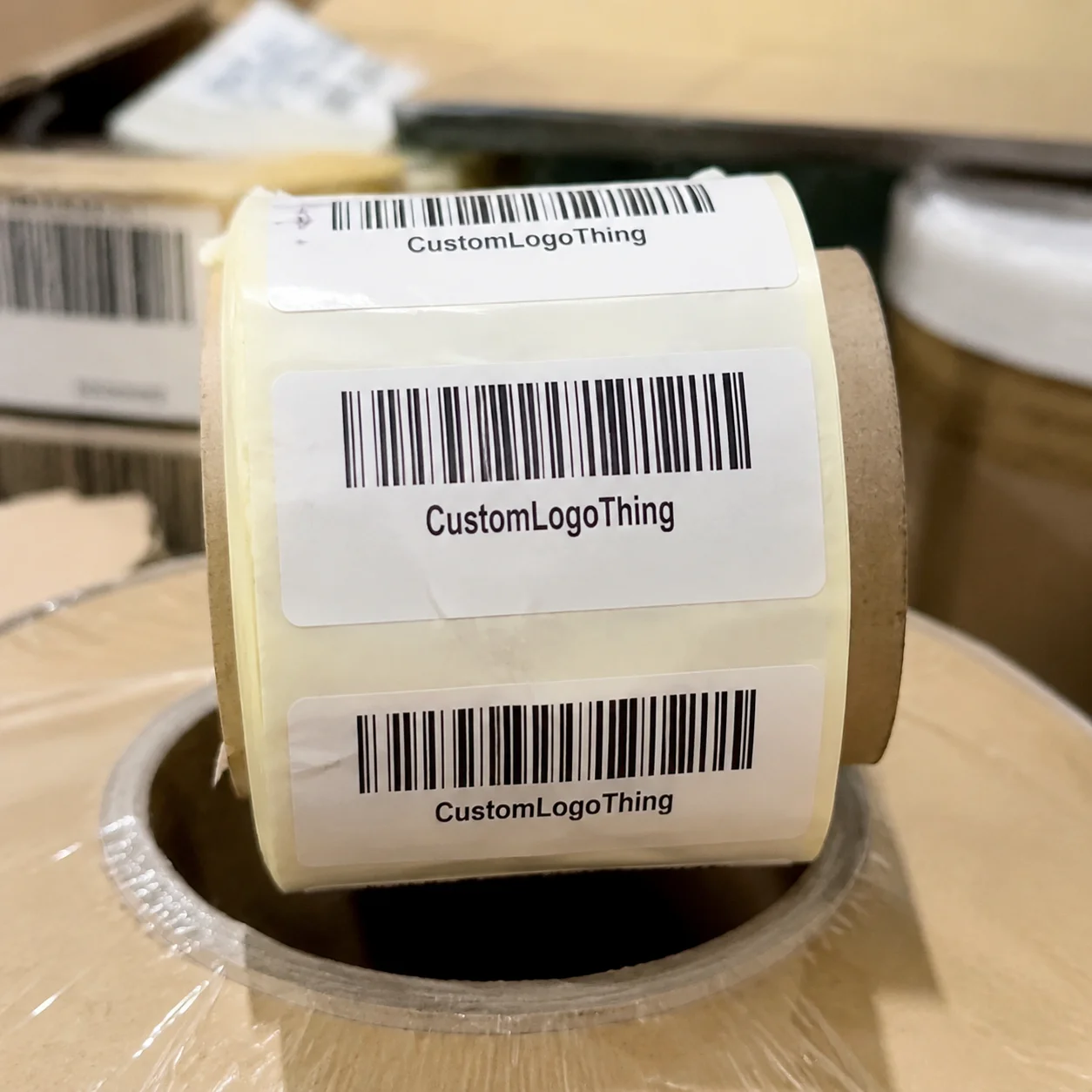
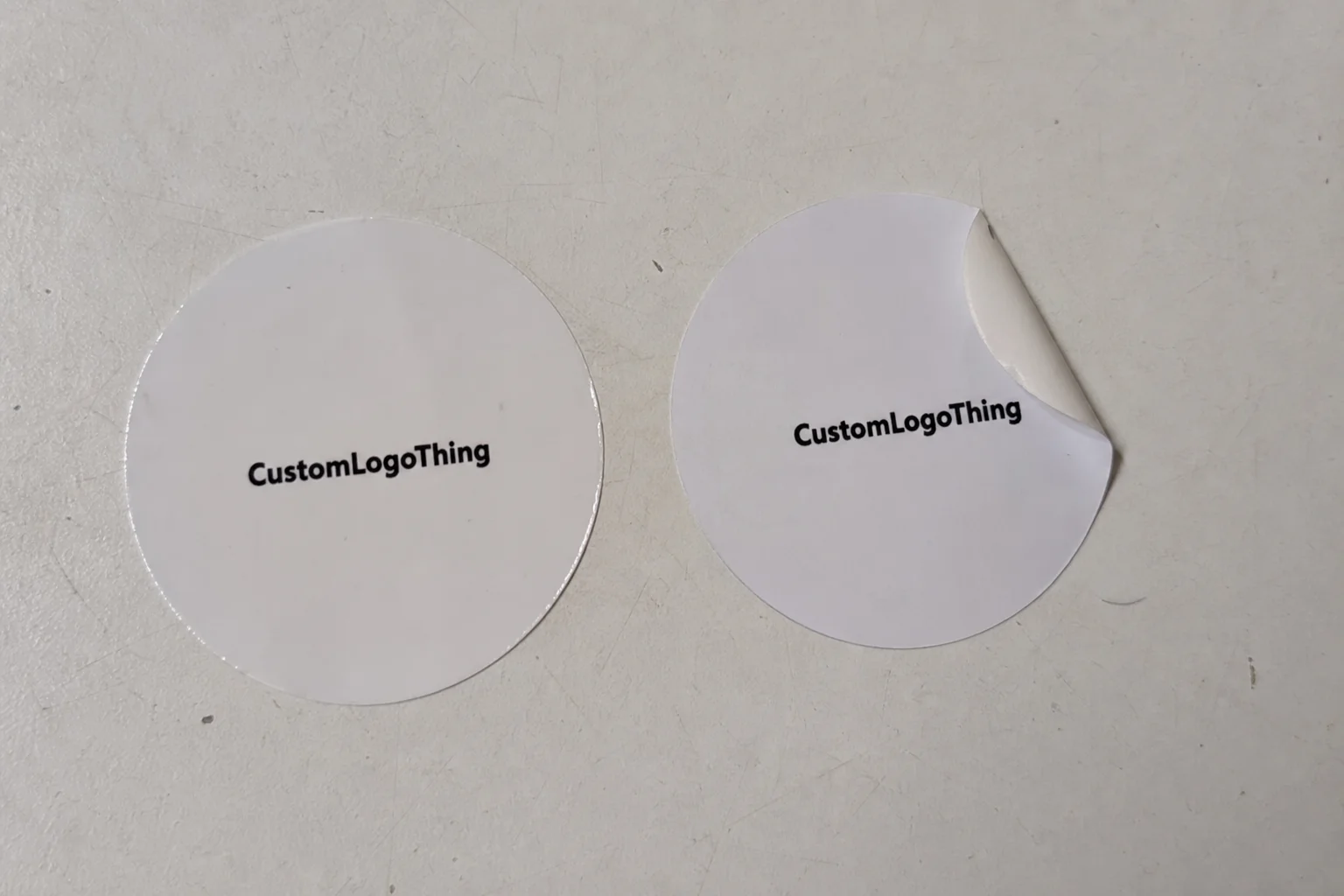
- Custom stickers or labels with one signature color
- Tissue paper printed in a repeating pattern
- A handwritten note with a consistent message style
- Custom tape for outer shipping cartons
- Branded inserts with care instructions or a QR code
- Ribbon, seal dots, or belly bands for product packaging
If you want a practical reference point, see the product options in Custom Packaging Products and compare the label formats in Custom Labels & Tags. Those two categories often create the biggest visual lift per dollar, particularly when the label runs are quoted at $0.04 to $0.09 per unit for 10,000 pieces in a factory near Guangzhou.
The best packaging branding for small business does not shout. It signals. That distinction matters. Loud branding can feel cheap if the product is not yet established. Strong, restrained cues usually feel more credible. I know that sounds almost too simple, but simple is often what survives production, shipping, and a tired fulfillment team on a Friday afternoon, especially when the pack-out process stays under 25 seconds per unit.
Key Factors That Shape Packaging Branding for Small Business
The first factor is brand identity. Before you choose a box size or an ink color, You Need to Know what the customer should feel. Calm? Premium? Fun? Earthy? Technical? A wellness brand using recycled kraft and a warm serif typeface sends a very different signal from a snack brand using bright colors, gloss finishes, and a playful sticker system. Packaging branding for small business should match the emotional promise, not just the logo file. I’m pretty opinionated about this: if your packaging and your product personality are arguing with each other, the customer can tell, even before they open a carton from a supplier in Dongguan or Taichung.
The second factor is material choice. Recycled kraft, corrugated mailers, folding cartons, rigid boxes, compostable mailers, and paper wraps all communicate something different. Kraft says practical and natural. Rigid boxes say premium and giftable. Corrugated mailers say efficient and protective. The wrong substrate can create friction. I’ve had clients ask for soft-touch lamination on a product that ships through rough carrier networks, then wonder why scuffing shows up on the corners after two distribution hops. Material and transit conditions have to be considered together. Fancy finishes are lovely, but they do not magically stop a box from getting bullied by a conveyor system, particularly if the board is only 250gsm instead of a sturdier 350gsm C1S artboard.
For durability testing, I like to reference industry standards such as ISTA shipping protocols. If a package cannot survive drop, vibration, and compression testing in the lab, it usually will not survive a real fulfillment lane either. The ISTA site is a useful starting point if you want to understand how packaging performance is evaluated. I’ve spent enough time around damaged cartons to appreciate a boring, well-tested box more than a dramatic one that falls apart after a single corner drop from 30 inches onto concrete.
The third factor is cost. Packaging branding for small business is not just about the unit quote. Real cost includes print setup, tooling, minimum order quantities, storage space, shipping weight, spoilage risk, and the labor time required to assemble the pack. I’ve seen a founder celebrate a $0.22 mailer only to discover that the customized fold and extra hand-insert labor added $0.17 per unit in fulfillment cost, turning a “cheap” pack into a $1,700 hit on a 10,000-piece run. That changes the math quickly. Suddenly your packaging is acting like it’s auditioning for the role of budget villain.
| Packaging option | Typical starting price | Brand impact | Operational note |
|---|---|---|---|
| Branded sticker on plain mailer | $0.03-$0.08 per unit | Light, clean recognition | Fast to deploy, low labor |
| Printed insert + thank-you card | $0.10-$0.25 per unit | Stronger story and memory | Needs organized kitting |
| Custom printed box | $0.45-$1.80 per unit | High visibility and polish | Higher MOQ and storage demand |
| Rigid gift box with finish | $1.20-$4.50 per unit | Premium, giftable feel | Heavier, more expensive to ship |
The fourth factor is design hierarchy. A package should not try to say everything at once. One of the most common mistakes in packaging design is overloading the surface with claims, icons, disclaimers, and brand copy. If the customer cannot find the product name in two seconds, the design is asking too much. For packaging branding for small business, clarity beats clutter every time. A package that reads quickly tends to feel more expensive because the brain doesn’t have to work overtime to understand it, whether it is a folding carton printed in Xiamen or a mailer finished in a small plant outside Leeds.
The fifth factor is operational fit. Product packaging has to match the shape, fragility, and fulfillment method of the item. A candle in a rigid box has different needs than a shirt in a poly mailer or a skincare set in a kraft carton. If you sell through retail, the package may also need shelf visibility, barcode placement, and hang-tag compatibility. Good retail packaging supports the way the product is actually sold, not the way a mood board imagined it. I’ve seen beautiful concepts die in the real world because nobody checked whether the box would stack, scan, or fit on a shelf without sulking about it.
Honestly, I think many small brands start in the wrong place. They begin with finish options and forget the basics: fit, protection, and repeatability. Strong packaging branding for small business starts with those fundamentals and then adds the visible details after, once a vendor in Shenzhen has confirmed the dieline, the board grade, and the fold tolerance.
Packaging Branding for Small Business: Step-by-Step Process and Timeline
Step one is a packaging audit. Lay out every touchpoint from shipment to unboxing. Write down the outer box, tape, label, filler, insert, care card, return label, and any adhesive or seal. This is where the real experience becomes visible. I’ve done this on a folding table with a tape measure, a pen, and a stack of samples, and it usually takes less than an hour to spot the weak points. There’s always one weak point, by the way. If you don’t find it, shipping will politely do it for you, usually somewhere between the third scan in Memphis and the final mile in Brooklyn.
Step two is to define the core message and choose two or three cues to repeat. Maybe your brand should feel clean, handmade, and premium. Then your cues might be recycled kraft, black typography, and a short thank-you insert. Or maybe your brand is bold and youthful, so the cues could be bright labels, a custom tape pattern, and a playful opening line. Packaging branding for small business works better when there is restraint. Too many ideas in one box usually feels like a committee wrote the package, and committees rarely make memorable packaging.
Step three is the packaging brief. This should include dimensions, material thickness, print methods, budget, intended volume, and required artwork files. I always recommend noting the target unit cost and the acceptable tolerance range. For example, “Mailer must stay under $0.38/unit at 5,000 pieces” or “Insert must fit a 4.25 x 6.25-inch card without hand trimming.” Those details save weeks later. They also save a lot of awkward emails that start with “quick question” and end with everyone pretending the mistake was unavoidable, especially if the box maker is in Dongguan and the design team is in Austin.
Step four is prototyping. This is where the paper samples, mockups, and test packs matter more than opinions. If a design looks beautiful but scuffs when stacked 20-high, it fails. If it ships with a 4% damage claim rate, it is expensive even if the unit price is low. Samples should be tested for abrasion, compression, drop behavior, and assembly time. That last one gets ignored constantly. A package that takes 40 seconds to assemble can kill margins in a fast-moving fulfillment operation. I once watched a team cheer over a gorgeous prototype and then groan when they realized it added two extra motions and a strip of tape per unit. The box was lovely. The labor bill was not.
Step five is approval and production. Once artwork is signed off, you still need time for proofing, plate or die setup, scheduling, printing, converting, packing, and delivery. A simple branded sticker program can move quickly once artwork is approved. Fully custom printed boxes usually need longer because there are more variables: color matching, samples, carton strength, and shipping lead times. My rule of thumb: add a buffer, because print schedules slip more often than design teams admit. I say that with affection, and a tiny bit of exhaustion. For a printed carton made in Guangdong, a typical timeline is 12-15 business days from proof approval, plus 4-7 business days for ocean or air freight depending on the lane.
Here’s a practical comparison of rollout approaches:
| Approach | Typical timeline | Best for | Main tradeoff |
|---|---|---|---|
| Stickers, stamps, and inserts | 3-10 business days | Quick brand lift on a small budget | Less structural impact |
| Custom labels and wraps | 1-3 weeks | Growing brands needing consistency | Needs careful layout and proofing |
| Custom printed boxes | 3-6 weeks | Brands ready for stronger visibility | Higher MOQ and storage needs |
| Fully custom packaging system | 6-10 weeks | Established product lines and retail expansion | More coordination across vendors |
One supplier negotiation I remember involved a brand that wanted custom printed boxes and branded tissue, but only had a 2,000-unit forecast for the quarter. The vendor’s minimum order was 5,000, which would have tied up cash and storage space. We phased the project instead: stickers first, insert cards second, box redesign later. That path preserved cash and still improved packaging branding for small business in a measurable way. No drama, no warehouse panic, just a smarter sequence, and a landed cost that stayed under $0.33 per shipped order instead of jumping past $0.55.
Phasing matters. It lets you start with low-risk upgrades and build toward custom printed boxes only after demand supports them. That is usually the smarter financial move. A lot of founders want the full premium package on day one, but inventory discipline tends to matter more than vanity. I’ve never had a customer say, “I bought this because the packaging had aspirations.”
If you need a visual reference point for product bundling or branded kit components, the examples in Case Studies are useful because they show how small changes in packaging design can shift customer perception without changing the product itself, especially when the same SKU is packed first in a plain mailer and then in a kraft box with a printed belly band.
The best packaging branding for small business is not a one-time project. It is a repeatable process with checkpoints, samples, and a timeline that respects production reality, from the first dieline review in New York to the final carton inspection in a plant near Foshan.
Common Mistakes Small Businesses Make With Packaging Branding
The first mistake is over-branding every surface. I’ve opened packages where the logo appeared seven times before the product was visible. That is too much. Customers do not need a sermon. They need a clear, pleasant package that feels intentional. If every inch is busy, the eye has nowhere to rest. It starts to feel less like a brand and more like a flyer that escaped the printer, especially when the design uses four typefaces and three competing shades of blue.
The second mistake is choosing trendy visuals that do not fit the product or audience. Neon gradients, distressed fonts, and loud icon systems can work for some brands, but they can also fight with the product category. A botanical tea brand and a youth sneaker brand are not playing the same game. Packaging branding for small business has to match the buyer’s expectations or it feels off by a mile. I’ve watched packaging trends come and go like they were on a very dramatic bus schedule, and the brands that last are usually the ones that know who they are, not the ones chasing a design trend from 18 months ago.
The third mistake is ignoring shipping reality. A design can look beautiful in a mockup and still fail in a parcel network. I’ve seen scuffed inks, crushed corners, and warped boxes caused by weak board grades or overstuffed cartons. If your product ships across three handling points and one cross-dock, the packaging should be built for that journey. Not every “premium” surface is worth the risk. In fact, some of the prettiest finishes are the first ones to throw a fit in transit, particularly gloss lamination on a 300gsm board sent through a summer lane in Texas.
The fourth mistake is overspending before the product demand is proven. I understand the temptation. Custom packaging feels like a milestone. But if the reorder rate is still uncertain, a high-MOQ custom pack can lock up cash that should be used for inventory, ads, or product development. Packaging branding for small business should support growth, not strangle it. I’ve had more than one founder tell me they loved the box so much they forgot it was supposed to help the business, not become the business, and that is a dangerous moment when your cash is tied up in 5,000 rigid boxes from a factory in Guangdong.
The fifth mistake is forgetting the opening sequence. A box can look wonderful outside and feel flat once opened. If the insert is generic, the tissue is random, and the product sits loose, the unboxing experience falls apart. The reveal is where memory forms, and memory is where social sharing starts. That little pause before the product appears is doing far more work than people realize, especially if the insert card is printed on 300gsm uncoated stock and the tissue uses a repeating one-color brand mark.
The sixth mistake is inconsistent branding across product lines. I’ve seen a parent brand use one color family on one SKU, then a completely different tone on the next. The customer doesn’t know whether those items belong together. That fragmentation weakens trust. Consistency across labels, boxes, inserts, and retail packaging helps the brand feel bigger and more reliable than it really is. Even a small business can look established if the package system behaves like it knows what it’s doing, from the first 500 units to the 15,000-unit reprint.
Factory-floor lesson: A carton that looks perfect in design software can still fail if the fluting direction, glue seam, or print registration is off by a few millimeters. Packaging is a manufacturing object, not just a graphic one.
For brands that sell direct and wholesale, the pressure is even higher. DTC buyers want a delightful unboxing experience. Retail buyers want shelf clarity and low damage rates. Packaging branding for small business has to satisfy both without creating two completely separate systems unless the sales volume justifies it. That balancing act can be irritating, but it’s also where good packaging separates itself from pretty packaging, especially when the wholesale carton needs a 1.2-mm board score and a barcode placed 8 mm from the edge.
Expert Tips to Improve Packaging Branding for Small Business on Any Budget
Start with one signature element. Seriously, one. That could be a specific color, a textured sticker, a seal shape, or a short line printed inside the box. If you try to customize every surface, the cost rises fast and the design often gets weaker. One strong cue repeated well beats five cues used inconsistently. I say that as someone who has had to rescue more than one “everything everywhere all at once” packaging draft, including a project where the only thing the customer remembered was the foil stamp in the lid.
Use affordable upgrades to create cohesion. Branded stickers, belly bands, stamps, and thank-you cards often deliver more perceived value than their cost suggests. A sticker that costs a few cents can make a plain mailer look intentional. A folded card with a personal message can turn a routine shipment into a memory. That is packaging branding for small business on a realistic budget, and it works because customers can feel the effort without being asked to pay for unnecessary ornament, like a 12-piece ribbon kit that adds $0.28 per order and no actual clarity.
Balance aesthetics with logistics. A package that is pretty but slow to assemble is expensive in hidden ways. If each unit takes an extra 30 seconds to pack, that can become several labor hours over a 500-piece run. I’ve watched small teams underestimate this by a lot. Efficiency is part of brand value because customers feel it in faster shipping and fewer mistakes. Nobody writes a glowing review because the box had a beautiful idea but took all afternoon to pack, especially if the packing station is in a 200-square-foot room in Oakland with two people and a stack of flat cartons.
Test your packaging with real customers. Ask three simple questions after delivery: What do you remember first? Did you photograph it? What, if anything, felt premium? The answers are more useful than vague compliments. If no one remembers the insert but everyone mentions the box color, you know where the budget worked. If they all say “the box was fine,” well, that tells you something too, and not in the flattering way.
Track practical metrics. I like to watch repeat purchase rate, review mentions of packaging, damage claims, referral mentions, and the number of unboxing photos shared in the first 30 days after launch. Those are rough but useful indicators. If packaging branding for small business is working, you should see at least one of those signals move, even if the lift is modest at first, such as a 6% increase in photo mentions after switching to printed tissue.
Think in systems, not one-off buys. A flexible packaging system makes it easier to scale. For example, a neutral kraft mailer can carry seasonal labels, while a core insert template remains constant. That way the brand feels current without forcing a full redesign every quarter, and the next reorder can still be printed in 10 business days rather than waiting six weeks for a new carton style.
One more practical tip: document everything. Keep a folder with dielines, approved colors, vendor quotes, material specs, and finish details. Include things like 350gsm artboard, soft-touch lamination, or 1.5mm greyboard if you use them. When the next reorder comes, you will not waste time reconstructing decisions from memory. That alone can save a week, and possibly one very preventable 9 p.m. panic email, especially if your printer is in Shenzhen and your warehouse is in New Jersey.
If you want to see how these choices show up in a finished program, study the combination of box, label, and insert formats across the Custom Packaging Products catalog. It helps small teams see packaging branding for small business as a system instead of a single item, and it makes it easier to compare a $0.12 insert card with a $0.48 box sleeve in a realistic order mix.
For brands that sell at markets, boutiques, or local retail shelves, package branding can be especially effective because the package often has to do double duty: protect the item and advertise it while it sits on a counter. That is why the best retail packaging feels legible from three feet away and still holds up in a shipping carton, even after a 15-minute drive from the shop to the customer’s house.
How Do You Improve Packaging Branding for Small Business on a Budget?
Start with a packaging audit and choose one low-cost upgrade that improves both appearance and function. For many brands, that means branded labels, a clean insert card, or a better mailer color. Packaging branding for small business does not need to begin with a full custom box system; it can begin with a single repeatable cue that makes the order feel deliberate.
If the budget is tight, prioritize the details customers actually see and touch. A kraft mailer with a well-placed sticker, a folded thank-you card on 300gsm stock, or a custom seal can make a stronger impression than adding five decorative elements that slow down packing. The goal is to create a clear brand signature, not a crowded surface.
It also helps to phase improvements. Start with stickers and inserts, then move to custom printed boxes once reorder volume supports the extra cost. That approach keeps cash flow healthy while still building recognition, and it usually gives you better data on which packaging elements are worth repeating. In other words, packaging branding for small business works best when it grows alongside demand instead of racing ahead of it.
Next Steps for Building Packaging Branding for Small Business
Begin with a scorecard. Rate your current packaging from 1 to 5 on brand fit, protection, cost, and customer experience. If your packaging gets a 2 on protection and a 4 on visual appeal, you already know where to start. Packaging branding for small business works best when the weak point is identified honestly, not guessed at. I’ve seen too many teams spend money fixing the pretty part while the shipping part quietly falls apart, usually because the board grade was too light or the insert fit was off by 3 mm.
Then choose one upgrade to implement first. That could be branded labels, a better insert card, a new mailer color, or a stronger box structure. Measure the effect for one full reorder cycle before adding more pieces. Small changes are easier to evaluate, and the data is cleaner, especially if the order size is 1,000 to 3,000 units and the packaging cost difference is only a few cents per order.
Map the ordering timeline. A business should know when stock will run out, when artwork needs approval, and when the next production slot opens. If custom packaging is due to arrive five days after your launch event, that is not a plan. That is a problem. Build buffer time into every stage. I wish I could say print schedules behave like clockwork, but I would be lying and probably insulting everyone who has ever worked near a press in Shanghai or Los Angeles.
Document specs and vendor details. Save the box dimensions, print file type, material grade, approved Pantone references, and any special assembly instructions. Include supplier contact details and reorder minimums. The more structured your records are, the faster repeat orders move. In my experience, this is one of the easiest ways to reduce mistakes and late-night panic, whether the reorder is a 500-piece sticker run or a 10,000-piece box order.
Finally, keep the goal in view. Packaging branding for small business should be intentional, repeatable, and tied to a clear customer experience. It should help people trust the product before they even use it. It should make the order easier to receive, easier to remember, and easier to recommend.
The most practical takeaway is simple: pick one packaging element that customers see, touch, and remember, then make it consistent across every order. A strong insert, a well-fit mailer, or a signature label can do more for packaging branding for small business than a whole pile of pretty extras that slow the line down. Start there, test it on a real shipment run, and build the rest around what actually holds up in transit and in the customer’s mind.
How does packaging branding for small business improve customer loyalty?
It makes the buying experience feel more polished and memorable, which helps customers associate the brand with quality. Repeated visual cues also make the brand easier to recognize on future orders and social media. A thoughtful unboxing can encourage reviews, repeat purchases, and referrals, especially when the package includes one clear signature element such as a $0.06 custom seal sticker or a 300gsm thank-you card.
What is the cheapest way to start packaging branding for small business?
Start with low-cost elements like branded stickers, labels, tissue paper, stamps, or thank-you cards. Keep the design simple and repeat one strong brand cue instead of customizing every surface. Upgrade the outer packaging later once the budget and demand justify it, ideally after a 2,500- to 5,000-piece run has proven the concept in real orders.
How long does packaging branding for small business usually take?
Simple branded add-ons can be implemented quickly once artwork is approved. Custom packaging takes longer because it may require sampling, revisions, and production scheduling. Build extra time for shipping, proof approval, and any design changes before launch; a typical printed carton project from proof approval to delivery is often 12-15 business days for production plus freight time from a factory in Guangdong or Zhejiang.
What should small businesses prioritize first in packaging branding?
Start with brand consistency, product protection, and a clear unboxing experience. Make sure the packaging fits the product well and reflects the brand personality. Then add premium details only after the basics are working, such as moving from a plain mailer to a 350gsm C1S artboard sleeve or adding a branded insert once pack-out time is under 30 seconds per unit.
How can I measure whether packaging branding for small business is working?
Track repeat purchase rates, customer reviews, social shares, and damage complaints. Look for comments about packaging quality, unboxing, or memorability. Compare performance before and after the packaging change to see whether it affects perception or sales, and watch for changes like a lower damage claim rate, higher photo sharing, or a measurable increase in reorder frequency within 30 to 60 days.