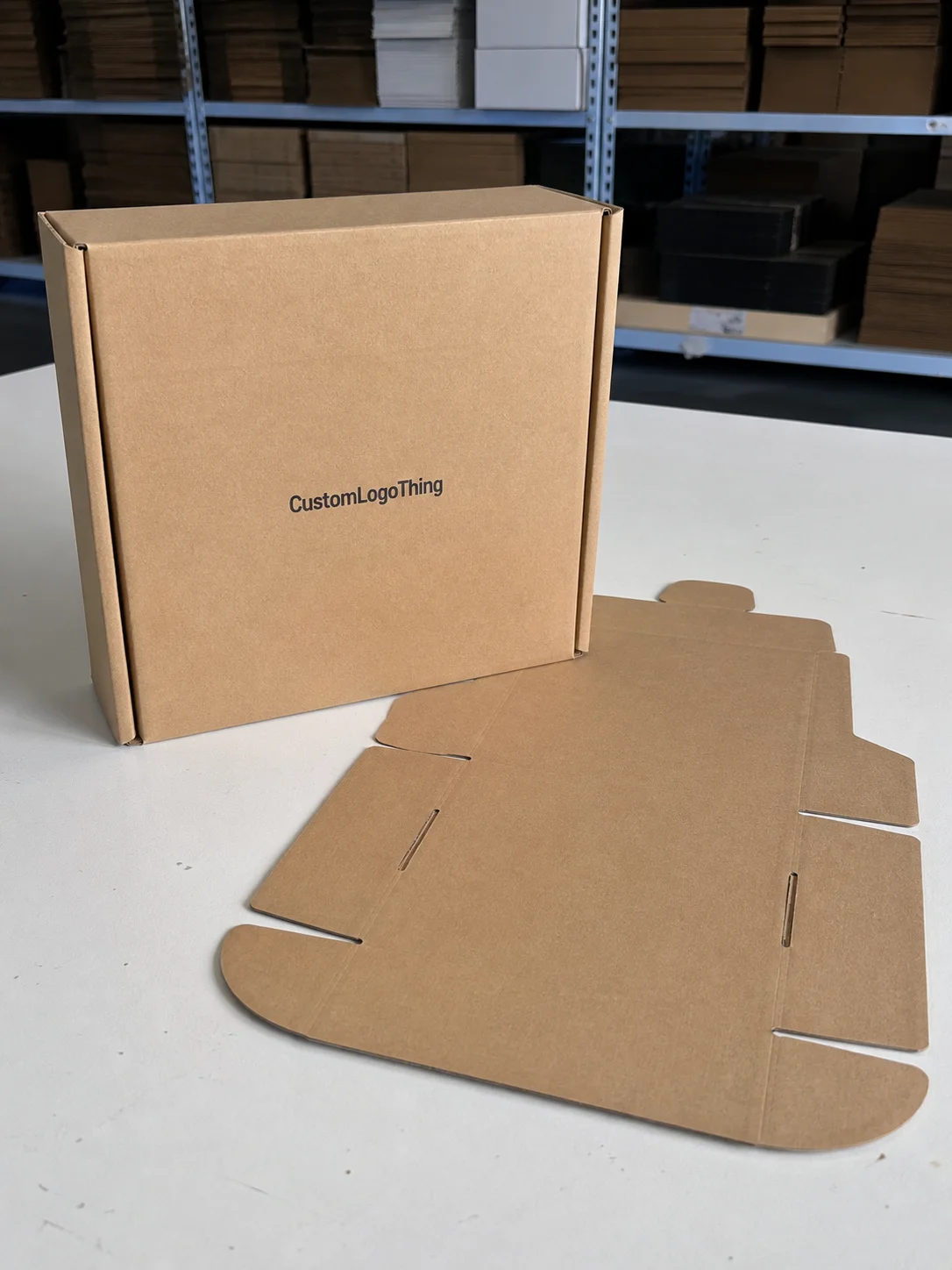
Buyer Fit Snapshot
| Best fit | Packaging Branding Supplier projects where brand print, material claims, artwork control, MOQ, and repeat-order consistency need to be specified before quoting. |
|---|---|
| Quote inputs | Share finished size, material target, print colors, finish, packing count, annual reorder estimate, ship-to region, and any compliance wording. |
| Proofing check | Approve dieline scale, logo placement, barcode or warning zones, color tolerance, closure strength, and carton packing before bulk production. |
| Main risk | Vague material claims, crowded artwork, missing packing details, or unclear freight terms can make a low unit price expensive after revisions. |
Fast answer: Packaging Branding Supplier: Production Spec, Color Control, and Delivery Risk should be specified like a repeatable production item. The safest quote records material, print method, finish, artwork proof, packing count, and reorder notes in one written spec.
Production checks before approval
Compare the actual filled-product size with the drawing, then confirm tolerance on folds, seals, hang holes, label areas, and retail display edges. Reserve space for logos, QR codes, warning copy, and material claims before decorative graphics fill the panel.
Quote comparison points
Review material grade, print process, finish, sampling route, tooling charges, carton quantity, and freight assumptions side by side. A quote is only useful when the supplier can repeat the same color, closure quality, and packing count on the next order.
If you’re hunting for a packaging branding supplier guide, you probably already know the hard truth: pretty mockups don’t mean much when the box caves in during transit. I’ve spent 12 years in custom printing, and I can tell you straight that the right supplier saves money, time, and a lot of embarrassment. The wrong one leaves you with a warehouse full of unusable product packaging and a very expensive lesson. I’ve seen both. One of them still makes me twitch when I think about it. On a project in Dongguan, one bad board choice turned a 10,000-unit order into a 22% reject rate, and that was before freight even touched it.
This packaging branding supplier guide is here to help you choose better, quote smarter, and avoid the classic disaster where everyone agrees on “premium” but nobody agrees on what premium actually means. I’ve stood in factories in Shenzhen with a sample in my hand that looked gorgeous on the table, then watched the same structure fail a compression test after a forklift pallet stack. Cute until physics shows up. Packaging loves to look confident right up until it gets handled by an actual human in a warehouse. If you’ve ever paid $0.19 per unit for a folding carton and then spent $1,800 on reprints, you already understand the joke.
Custom Logo Things works with businesses that need branded packaging, Custom Printed Boxes, retail packaging, and Labels That Actually do their job. If you’re comparing suppliers for Custom Packaging Products, this is the kind of practical packaging branding supplier guide I wish more buyers had before they started collecting quotes like trading cards. Honestly, I’ve watched teams collect 14 quotes and still not know what board grade they wanted. Madness. I’ve seen a brand in Los Angeles order 5,000 units in 350gsm C1S artboard and only later discover their product needed a 1.5 mm insert clearance they never mentioned once.
What a Packaging Branding Supplier Actually Does
A real packaging branding supplier does more than print your logo on a box. They turn brand identity into physical packaging that protects the product, fits your operations, and signals quality the second somebody touches it. That means structure, materials, print method, finish, insert design, packing method, and shipping logistics all get tied together. If one piece is off, the whole thing feels cheap. Worse, it behaves cheap too. A supplier in Guangzhou can spec a 400gsm SBS folding carton with aqueous coating and a 300g insert, but if the glue line is weak by even 1.2 mm, the whole thing loses its spine in transit.
Here’s where people get mixed up in a packaging branding supplier guide: a printer is not always a converter, a converter is not always a broker, and a broker is definitely not the same thing as a full-service supplier. A printer may only handle artwork and ink on flat stock. A converter usually turns that stock into actual packaging. A broker coordinates quotes between factories but may never touch the production floor. A full-service packaging branding supplier can manage design, die-lines, sampling, production, quality checks, and freight. Big difference. Huge, actually. And yes, I’ve had clients learn that the hard way while trying to save $0.03 a unit on a 20,000-piece run from Ningbo.
I remember a client who came to me with a “cheap” sample from a trading company. The unit price was $0.21 for 10,000 folding cartons, which sounded brilliant until we visited the facility and tested the board. The print looked decent under showroom lights, but the 300gsm paperboard crushed when stacked eight-high on a pallet. Their product was a glass serum bottle. That packaging would have failed before it reached retail. Cheap packaging is not cheap if it creates returns. It’s just delayed pain with a prettier invoice. In that case, switching to a 350gsm C1S artboard with reinforced tuck flaps raised the price by $0.04 per unit and cut damage claims by 17% in the first reorder cycle.
Sometimes you need full custom structural packaging. Sometimes you just need branded sleeves, labels, or a simple mailer insert. I’ve had clients spend $18,000 on rigid gift boxes when a $0.14 custom label and a better outer shipper would have solved the actual problem. In a proper packaging branding supplier guide, that distinction matters. Packaging design should match the channel, not just the mood board. Mood boards are nice. Shipping Damage Claims are not. For a subscription box shipping from Dallas to Chicago, a double-wall corrugated shipper with E-flute interior can outperform a luxury rigid box every single time.
Subscription brands usually care about the unboxing experience and shipping durability. Retail packaging needs shelf impact, barcode placement, and planogram-friendly dimensions. Food and cosmetics have their own compliance issues, especially if the substrate touches the product or needs barrier protection. I’ve seen teams obsess over foil stamping while ignoring the fact that their custom printed boxes didn’t fit the product by 3 mm. That 3 mm becomes a 3-week delay. Then everyone starts using the phrase “moving target” like it’s some kind of excuse. In reality, that “close enough” carton from a supplier in Xiamen still had to be remade at 8,000 units.
“A good supplier asks annoying questions early. A bad supplier smiles, takes the deposit, and asks them after the die is cut.”
That line came from a factory QC manager in Dongguan, and honestly, he was right. A solid packaging branding supplier guide should help you spot suppliers who care about the ugly details: board caliper, glue line strength, print registration, and whether your retail packaging survives a 48-hour humidity test. If a supplier never talks about those things, they’re selling hope, not packaging. Hope is not a quality control plan. I once watched a carton spec fail because the lamination was only 18 microns instead of 25 microns, which sounds tiny until the top layer starts scratching in the warehouse in humid coastal Shanghai.
How the Packaging Branding Supplier Process Works
Most projects follow the same basic path, even if the supplier dresses it up with fancy names. First comes the brief. Then structure or dieline work. Then mockups. Then samples. Then revisions. Then production. Then QC and delivery. A packaging branding supplier guide should make this sequence feel normal, because half the stress in packaging comes from expecting factory work to behave like Amazon Prime. It doesn’t. It has moods. So does the freight forwarder. On a standard project out of Shenzhen or Dongguan, samples typically take 5-10 business days after files are approved, and mass production usually lands at 12-15 business days after proof approval for simple cartons.
The supplier needs real information upfront. Not vibes. I’m talking product dimensions in millimeters, exact product weight, retail channel, pack quantity per carton, shipping destination, print method, finish, and target budget. If you’re ordering custom printed boxes for a candle brand, I want candle dimensions, wax weight, jar material, whether it’s sold online or in boutiques, and whether the outer box is carrying shipping abuse or just sitting on a shelf. Without that data, quotes are guesses. And guesswork is how people end up with boxes that are technically “close enough” and practically useless. A 90 mm x 90 mm x 110 mm candle jar is not the same as a 95 mm x 95 mm x 115 mm jar, and the carton does not care about your optimism.
Here’s a practical timeline from the projects I’ve managed. A simple folding carton with standard CMYK print, aqueous coating, and no insert can move from brief to samples in 7-12 business days, then production in 12-18 business days after proof approval. A rigid box with foil, embossing, and EVA insert usually needs 18-30 business days for sampling alone, then another 20-30 business days for mass production. Add freight. Add customs. Add one person on vacation who forgot to approve the revised dieline. Boom. Delays. I wish I was being dramatic. I’m not. For a factory in Guangzhou shipping to California by sea, you can easily add 18-28 calendar days for ocean freight and port clearance.
The biggest delays usually happen at three points: bad specs, artwork revisions, and approval bottlenecks. If the product dimensions are off by even 2-4 mm, the structure may need to be rebuilt. If the logo file is low resolution, the supplier has to clean it up or reject it. If the buyer says “looks good” but never confirms finish, bleed, or barcode placement, somebody eventually pays for the ambiguity. Usually you. And then somehow it becomes “the factory problem.” I’ve had a Sydney client approve a dieline from a screenshot at 60% scale and then wonder why the final insert was 6 mm too tight. The box was innocent. The screenshot was the villain.
Good suppliers ask questions that feel annoying. They’ll want to know if the shipment is going to Amazon FBA, a boutique warehouse, or a distributor that tosses cartons around like they’re bowling pins. They’ll ask whether your packaging branding supplier guide brief includes spot UV, matte lamination, soft-touch film, or a plain varnish. That’s not them being difficult. That’s them trying to avoid rework. I’ve learned to love the annoying supplier. The quiet one who says yes to everything? That one makes me nervous. The honest one in Yiwu who tells you soft-touch will scuff on carton corners after 600 handlings is worth their weight in gold.
In one meeting at a Shenzhen facility, I watched a buyer insist on a glossy premium finish for a skincare mailer. The supplier kept asking about warehouse conditions, and the buyer kept saying, “It just needs to look nice.” Two weeks later, they tested the sample in a humid storage room and the ink scuffed on contact. That’s why a proper packaging branding supplier guide has to include handling conditions, not just design preferences. Packaging lives in the real world, not on Behance. It also lives in humid back rooms, on hot delivery trucks, and under the occasional careless elbow. On that job, switching to a matte aqueous coating and 24pt board saved the line from looking exhausted before it even hit shelves in Singapore.
One more thing. A good process includes verification at each stage. I always want a dieline checked against the actual product, a digital proof checked against brand colors, and a physical sample checked with the product inserted, closed, stacked, and shipped. Skipping those checks is how people end up with 20,000 boxes that look beautiful and fail the first job they were built for. And yes, “beautiful but useless” is a category that exists far too often in packaging. A proof approved on Monday and a production run started on Thursday without a physical sample is basically a polite way to gamble.
Key Factors in Choosing a Packaging Branding Supplier
If you only compare quotes by unit price, you’re doing it wrong. A strong packaging branding supplier guide should help you judge quality control, material range, MOQ, communication, and actual production capability. I’ve seen suppliers with gorgeous sales decks and zero consistency on the production floor. I’ve also seen quiet factories with no marketing polish make excellent packaging for years. Guess which one I trust more? The one with repeatable QC and honest lead times. Fancy branding on the supplier side does not automatically mean they can actually make your boxes. A factory in Suzhou with ISO 9001 paperwork and a real in-house QC team usually beats a flashy middleman in Hong Kong with no machinery and a lot of fonts.
Quality control comes first. Ask how they handle color consistency across runs, die-cut accuracy, glue strength, and carton collapse testing. If they print 5,000 units today and 20,000 next month, can they keep the same shade of deep navy? Can they keep the fold lines sharp? Do they inspect every carton or only spot-check? Those details matter more than a polished sales pitch ever will. I’d rather see a slightly grumpy QC manager with a clipboard than a charming rep who says everything is “no problem.” Ask for their AQL standard too. If they say “we check by eye,” that’s your cue to keep walking.
Material options are next. Paperboard works well for folding cartons and lightweight product packaging. Corrugated board is better for shipping and e-commerce. Rigid boxes make sense for luxury gifting and high perceived value. Inserts can be paper, molded pulp, EVA, or foam depending on fragility and cost. Eco-friendly substrates matter if your brand story needs recycled content or FSC-certified board. If you care about sourcing, check FSC certification standards and ask the supplier how they document chain of custody. Don’t let the words “eco” and “recyclable” float around without proof. That’s how greenwashing gets a nice suit. I’ve seen real FSC 100% board priced at $0.03 to $0.06 more per unit, and that premium is measurable if your buyer cares about sourcing documents from day one.
MOQ and scalability can make or break an early-stage brand. Low minimums let you test packaging branding with 300 to 1,000 units before you commit to a giant run. That’s useful if the product is still changing. But lower MOQs often mean higher unit costs. At 500 units, a rigid box might be $3.60 each. At 5,000 units, it might drop to $1.15 to $1.75 depending on insert type and finish. One size does not fit every business. If a supplier acts offended by your smaller trial run, that tells me more than the quote does. A factory in Guangdong that can do 300-unit test runs without charging a ridiculous setup fee is often a better early partner than a massive plant that only wants 20,000-piece orders.
Communication matters more than people admit. A supplier who answers in 12 hours with a clean quote and three clarifying questions is usually better than one who responds in 15 minutes with vague promises. If they disappear after deposit, that’s not service. That’s a warning label. Good suppliers stay responsive through sampling, revisions, and freight coordination, because packaging branding is a process, not one email. I’ve had suppliers become ghosts the second the PO was signed. Romantic in fiction. Awful in manufacturing. If the sales rep is in Shanghai and the factory is in Hebei, make sure someone on the production side is actually answering the phone after the order lands.
Capabilities also separate the serious suppliers from the middlemen. Ask whether they offer structural design, mockup sampling, finishing, fulfillment integration, and in-house QC. If they can’t handle barcode placement or can’t explain how their lamination affects scuff resistance, you’re not getting a full solution. You’re getting a chain of excuses. And chains of excuses tend to get expensive fast. A good supplier should be able to tell you, for example, that 1,000 units of a mailer with spot UV, matte lamination, and a paper insert will take 14 business days after approval, not “sometime next month.”
Reputation signals are simple if you know what to look for. Real case studies. Factory photos that show machines, not just stacked boxes. Certifications like FSC, ISO, or compliance documents for relevant categories. Physical samples that you can touch. I always trust a worn sample from a real job more than a glossy brochure. You should too. If you want examples, our Case Studies page shows how different product packaging decisions changed shelf performance and shipping outcomes. The bruises tell the truth better than the pitch deck ever will. A sample with tape marks from a real warehouse in Rotterdam tells me far more than a studio photo taken under ring lights.
Here’s a quick comparison I use with clients during a packaging branding supplier guide review:
| Supplier Type | Typical Strength | Risk | Best For |
|---|---|---|---|
| Printer Only | Good print quality on flat stock | May not handle structure or assembly | Labels, sleeves, simple cartons |
| Converter | Turns materials into finished boxes | May lack design support | Folding cartons, mailers, inserts |
| Broker | Coordinates multiple factories | Less direct control over QC | Complex sourcing, price comparison |
| Full-Service Supplier | Design, sampling, production, QC | May cost more upfront | Brands needing end-to-end support |
That table sounds basic, but I’ve watched six-figure packaging branding programs go sideways because the buyer thought a broker was a factory. It is not the same thing. That confusion costs time, and time in packaging costs money. It also creates a fun little chain reaction where everyone blames everyone else. Been there. Don’t recommend it. A buyer in Chicago once spent $9,400 on tooling through a broker who had no direct plant relationship, and the actual factory in Foshan changed the dieline twice before anyone admitted it.
Packaging Branding Supplier Guide: Pricing and Cost Drivers
Now for the part everyone cares about first and asks about last. Pricing. A reliable packaging branding supplier guide should break down cost drivers clearly, because “cheap” can turn into expensive fast once you add inserts, coatings, freight, and extra proofing. I’ve seen buyers fixate on a $0.09 unit difference and ignore a $650 tooling fee or a $480 sample charge. That’s penny-wise, spreadsheet-foolish. I’m not saying price doesn’t matter. I’m saying price without context is just a number with attitude. On a 5,000-unit run, that $0.09 difference becomes $450, but a single reprint can wipe out the savings in one bad afternoon.
The biggest cost drivers are material grade, print complexity, finishing, insert construction, freight, and order quantity. A 400gsm paperboard folding carton with CMYK print and matte AQ coating is nowhere near the same price as a rigid box with magnetic closure, gold foil, embossing, and custom foam insert. Even if both are “boxes,” they are not remotely the same product. Packaging design has a cost curve. Pretending otherwise just causes arguments. Usually the kind that happen in Slack after a quote lands. If your supplier is in Shenzhen and your buyer is in Toronto, freight alone can swing the landed cost by 12% to 28% depending on carton weight and season.
Unit price drops as quantity rises. That part is true. But setup costs can climb quickly. Plates, dies, tooling, magnetic inserts, and custom molds may add upfront spend. A simple printed mailer might be $0.78 to $1.40 at 5,000 units. A folding carton could be $0.18 to $0.55 depending on print and finish. A rigid box often starts around $1.30 to $4.50 and can climb from there with premium details. If somebody offers luxury rigid packaging at a suspiciously low number, I’d ask what they left out. Spoiler: they usually left something out. A magnetic rigid box with a printed sleeve and EVA insert from Dongguan at under $1.00 on a 3,000-unit order usually means somebody quietly removed the foil, the magnet, or both.
Samples are another sneaky line item. Digital samples may be free or cheap, but full structural samples with final finishes can run $60 to $250, sometimes more for complex jobs. If revisions are needed, there may be another sample fee. Artwork cleanup can also be billed separately if the file arrives as a fuzzy JPEG from someone’s laptop screenshot folder. Yes, I’ve seen that. No, it was not pretty. I once got a logo file that looked like it had been photographed through a window on a rainy bus. We survived, but barely. For a luxury cosmetic box made in Guangzhou, a revised physical sample with foil and embossing can take 3-5 business days and cost $85 to $180 before production even starts.
Freight matters too. A quote can look amazing until air shipping adds $1,200 on a 300 kg order. Sea freight is cheaper per unit but slower and more exposed to schedule risk. I always ask whether the freight quote is EXW, FOB, CIF, or delivered. If the supplier doesn’t explain the shipping terms clearly, your “cheap” packaging may arrive anything but cheap. Incoterms are boring until they cost you real money, which is how boring usually behaves. Shipping 8 pallets from Ningbo to Long Beach is a different game from moving 1 pallet from Miami to Atlanta, and the quote should say so plainly.
Here’s a practical price-range snapshot I use in the field. These are ballpark numbers, not promises. Material, finish, and volume can change everything.
| Packaging Type | Low Volume Range | Higher Volume Range | Typical Notes |
|---|---|---|---|
| Mailer Box | $0.95 to $2.10/unit | $0.42 to $1.05/unit | Depends on board, print coverage, and insert use |
| Folding Carton | $0.18 to $0.65/unit | $0.07 to $0.28/unit | Common for cosmetics, supplements, and small retail items |
| Rigid Box | $1.30 to $4.50/unit | $0.85 to $2.90/unit | Luxury feel, more labor, more finishing options |
| Custom Label | $0.03 to $0.22/unit | $0.01 to $0.08/unit | Great for fast branding and lower MOQ launches |
These ranges show why a packaging branding supplier guide has to be about value, not just price. A supplier with a unit cost $0.04 higher may save you $900 in rework and damage claims. That is not theoretical. I’ve seen it happen with a tea brand that switched from a flimsy mailer to a better corrugated structure and cut their return rate by 18% in one quarter. That one made everyone suddenly very interested in board strength. Funny how that works. For that job, a switch from 32 ECT single-wall board to 44 ECT double-wall board cost an extra $0.11 per unit and reduced crushed-corner complaints almost immediately.
You also need to compare quotes apples-to-apples. Same artwork. Same dimensions. Same finish. Same shipping destination. Same incoterms. If one supplier quotes 3,000 units with standard kraft board and another quotes 5,000 units with bleached SBS board, the numbers are not comparable. That’s how bad purchasing decisions get dressed up as “smart sourcing.” I’ve watched people brag about savings right up until the reprint invoice arrived. That invoice has a way of humbling everyone. If one quote includes delivery to the warehouse in Tilburg and another is EXW from Ningbo, you are not comparing the same job.
Watch for hidden costs. Extra proofs. Rush fees. Split shipments. Manual assembly labor. Storage fees if the factory holds finished goods too long. Sometimes even palletizing gets billed separately. I’ve had suppliers try to charge $95 for a “special inspection” that was basically somebody looking at a box under fluorescent lights. Ask early. Save money later. It’s much easier to negotiate before the drama starts. A supplier in Shenzhen once quoted a 14-day schedule, then added a $220 rush fee because the artwork came in after 4:00 p.m. local time. That kind of fine print loves surprise.
Step-by-Step Packaging Branding Supplier Guide
Step one: define the goal. A strong packaging branding supplier guide starts with a target, not a mood board. Ask yourself: is this packaging meant to sell on shelf, protect during shipping, improve the unboxing experience, or support premium positioning? The answer changes the materials, structure, and budget immediately. If your goal is retail impact, don’t spec a shipping-first box and hope for magic. I wish “hope” showed up as a procurement line item, because that’s basically what some briefs are built on. A cosmetics brand in London once tried to use a 230gsm folded carton for direct-to-consumer shipping and then wondered why the corners collapsed on arrival.
Step two: gather the specs. I want product dimensions, weight, material sensitivities, closure method, brand colors, logo files, and inspiration references. If you have previous packaging, include photos. If you have a competitor’s box that works well, show it. Also include the shipping destination, because a package shipping to Arizona does not face the same humidity issues as one sitting in coastal Singapore. Packaging is annoyingly geography-dependent. A brand shipping from Hong Kong to Miami in July needs different moisture resistance than a brand selling into Berlin in February.
Step three: send the same brief to multiple suppliers. Three to five is enough. Any more and you’ll spend your week comparing tiny quote differences and lose the plot. Use one document and one spreadsheet. This matters. A supplier shouldn’t be quoting from one email thread, one WhatsApp message, and a random PDF attachment from your designer’s desktop. That’s chaos. And chaos is where price comparisons go to die. I use one file with product size, material spec, estimated annual volume, and target landed cost so the supplier in Dongguan and the supplier in Ho Chi Minh City are quoting the same job.
Step four: review samples with a real checklist. Don’t just ask if it “looks nice.” Check print clarity, color accuracy, fold strength, fit tolerance, and handling performance. Put the product inside. Drop test it if it’s shipping packaging. Stack it if it’s warehouse-stored. Open and close it ten times if it’s a rigid gift box. A proper packaging branding supplier guide respects physics more than aesthetics. Packaging is a job, not a runway look. On a 500-unit sample run, I once caught a 2 mm misalignment in the window cut that would have looked fine in photos and awful on a shelf.
Step five: approve production only after final sign-off on artwork, dieline, and finish. I cannot say this hard enough: never approve based on a blurry screenshot. Approve the exact file that will be used on press. Verify Pantone references if needed. Confirm lamination type, foil location, emboss depth, and barcode placement. One missing detail can burn an entire run. I’ve seen it happen. It’s not elegant. A proof approved on a laptop screen in San Diego and printed in Suzhou without a live color reference is how “close enough” becomes “reprint it.”
Step six: plan receiving and reorders. People forget this all the time. Where will the boxes go? Who inspects them? How many fit on a pallet? How much buffer stock do you need? I recommend a 10% to 15% buffer for damage, QC rejects, and launch mistakes. If your packaging is tied to a campaign launch, build a reorder trigger so you’re not scrambling when stock hits 20%. Scrambling at the last minute is not a strategy; it’s a stress hobby. If your warehouse in Dallas can only hold 18 pallets, that matters before the factory ships 24.
I also tell clients to consider supporting components. If the main box is excellent but the sticker label peels off in a humid warehouse, the customer still sees a broken system. That’s why branded packaging should be planned as a set, not as a collection of disconnected items. Sometimes a custom label from Custom Labels & Tags is the smartest move before you commit to full custom printed boxes. Small fixes can save big headaches, which is my favorite kind of savings. A $0.06 label change can be smarter than a $2.40 box overhaul if the product itself is still changing every quarter.
One client in the wellness space spent three months redesigning their rigid cartons, then forgot that their insert would compress the bottle cap during shipping. We fixed it by changing the pulp insert geometry and adding a 1.5 mm clearance channel. Cost increase? $0.06 per unit. Return reduction? Enough to matter. That’s packaging branding in the real world. Tiny measurements. Very large consequences. Annoying, but true. The supplier in Foshan caught the problem only because we asked for a fill test with the actual 120 ml bottle, not the CAD file fantasy version.
Common Mistakes When Working With a Packaging Branding Supplier
The most expensive mistake is ordering before the product dimensions are final. I’ve seen brands print 8,000 cartons and then change the bottle shape by 5 mm. That “small” change turns the packaging into scrap. A good packaging branding supplier guide should scream this at you until you stop doing it. Finalize the product first, then build the package around it. Otherwise, you’re paying for cardboard that never had a chance. One skincare brand in Brooklyn did this twice in one year, and the second reprint cost more than their original mold.
Another classic mistake: assuming screen colors and print colors are the same. They are not. Your monitor is backlit. Paperboard is not. Material, coating, and print method all affect color appearance. If color is brand-critical, ask for Pantone matching and proof on the actual substrate. A deep green on coated SBS can look dull on kraft. That is not a supplier defect. That is material behavior. I’ve had people stare at a perfectly correct sample and say, “Why is it darker?” Because paper is not a phone screen. That’s why. A matte finish on a 350gsm C1S board from Shenzhen will absorb light differently than a gloss-laminated carton from Dongguan, and nobody should be surprised by that in 2025.
People also choose finishes that look luxurious but fail in shipping or moisture. Soft-touch lamination can feel expensive, sure. It can also scuff if handled badly. High-gloss varnish may pop on shelf but show fingerprints like crazy. Foil stamping looks rich until the artwork is crowded and the detail breaks apart. I always ask: will this survive warehouse handling, or just impress the buyer in a meeting room? If the answer is “only the meeting room,” we need to keep talking. For a brand shipping through humid warehouses in Kuala Lumpur, soft-touch can become a scuff magnet in under a week.
Lead times are another place where common sense goes on vacation. If your supplier says 20 business days and you need product on shelves in 18 days, the answer is not “maybe.” It is no. Then people blame the factory. The factory did not invent time. Freight transit matters too. Ocean shipping from Asia can add 3-5 weeks depending on route and customs. A proper packaging branding supplier guide always includes schedule buffers because scheduling optimism is a terrible business plan. It looks brave on a spreadsheet and ridiculous in a warehouse. A sea freight move from Shanghai to Los Angeles can sit at 24 to 32 calendar days before domestic delivery even starts.
And please, stop ignoring backup plans. What happens if 2% of cartons fail inspection? What if the ink batch shifts slightly? What if one insert dimension is wrong? A responsible supplier should tell you how they handle defects, shortages, and reprints. If the answer is vague, ask again. I once negotiated a remake clause for a 12,000-unit order because the supplier’s tolerance on a fold line was too loose. That saved the client about $3,400 in potential waste. Not bad for one uncomfortable conversation and a little stubbornness. That clause mattered because the tolerance was 1.8 mm, not the 0.8 mm the product actually needed.
For packaging quality context, I sometimes point clients to industry standards from ISTA and sustainability benchmarks from the U.S. EPA at EPA packaging and recycling resources. Those aren’t decorative links. They help anchor expectations around transit testing, material choice, and environmental claims. If your brand is talking sustainability, you should be able to prove it. Otherwise, somebody in procurement is just decorating the pitch deck with nice words. The best suppliers in Shanghai or Guangzhou can show test reports, recycled-content documentation, and real run samples, not just slogans.
Expert Tips for Getting Better Results From Your Supplier
Send one clean spec sheet. Not five scattered emails. Not a PDF, two WhatsApp screenshots, and “roughly this size.” A serious packaging branding supplier guide starts with organized information. I want one file with product dimensions, quantity, finish, artwork links, target price, delivery address, and required timeline. That saves back-and-forth and prevents quote drift. Every messy brief grows into a pricing mess later. It’s basically packaging biology. If the supplier in Guangzhou has to reconstruct your product from three photos and a voice note, the quote will be a guess with a shipping label.
Ask suppliers what they need from you to quote accurately. Some need dielines. Some need a physical sample. Some need high-res logo vectors, Pantone targets, and a confirmation of shipping terms before they’ll price the job properly. Give them the data. It shortens the process and usually improves the quote. Funny how that works. Factories are a lot better at reading clear instructions than vague optimism. A supplier in Xiamen will quote faster on a 1000-unit folding carton if you send a PDF dieline, 300 dpi artwork, and the exact board spec like 350gsm C1S artboard.
Test packaging in real conditions. Stack it. Ship it. Humidify it. Leave it on a shelf under hot lights for a day. I once watched a luxury soap box warp because the laminate and board combination wasn’t suited for a damp environment. The product inside was fine. The packaging looked like it had survived a rainstorm. That customer noticed, and customers always notice. They may not know what caliper is, but they absolutely know when something feels flimsy. A 24-hour exposure test in coastal conditions can tell you more than a glossy sample in a conference room in Melbourne.
Build in a 10% to 15% buffer. Not because suppliers are bad, but because production reality exists. QC rejects happen. Transit damage happens. Launch teams make mistakes. Having buffer stock turns a headache into an inconvenience. If you’re running a promotion or seasonal release, keep the buffer even higher. A packaging branding supplier guide that ignores buffer stock is one that will fail at the first surprise. And surprises, unfortunately, love packaging. If you need 10,000 units for a July launch in New York, ordering 11,500 gives you room for defects, sampling, and a few boxes that get crushed by the warehouse gods.
Think in terms of reorders from day one. Your first run is not the end of the project. It’s the beginning. Save final files, dielines, board specs, finish notes, and approved samples. Keep a record of any deviations. If a second order needs to match the first, you’ll want a paper trail. Nothing is worse than trying to recreate “that exact shade” from memory and a blurry phone photo. That is not a color management system. That’s a panic archive. If the original run happened in Dongguan and the reorder happens eight months later in Suzhou, your archive is the only thing preventing a color mismatch.
Use supplier relationships strategically. Negotiate on tooling, freight, and sampling, not just unit price. I’ve had factories cut setup charges by 30% when I committed to a follow-up run. I’ve also had them include a better insert design when I gave them a realistic reorder forecast. Suppliers are businesses. They respond to clarity and volume, not vague loyalty speeches. Give them a reason to care, and most of them will. Pretend they can read your mind, and well... good luck with that. A supplier in Foshan once dropped a $240 insert tooling charge to $160 because I committed to 15,000 units on the second round.
And yes, branded packaging can work harder than people think. A strong package can improve shelf presence, reduce damage, and support brand identity all at once. But only if the structure and graphics are aligned with the actual product and sales channel. Otherwise, it’s just decorated cardboard with delusions of grandeur. Beautiful delusions, maybe. Still delusions. A 350gsm C1S carton with a clean one-color print can outperform a fancy foil box if the simpler option ships flatter, stacks better, and costs $0.08 less per unit at 10,000 pieces.
Next Steps: Build Your Supplier Shortlist and Brief
Start with a shortlist of three to five suppliers that actually fit your product category, MOQ, and service level. If you need luxury rigid boxes, don’t waste time with a label-only shop. If you need fast retail packaging at scale, don’t choose a boutique studio that only does 500-unit test runs. A useful packaging branding supplier guide saves you from shopping in the wrong aisle. I’ve watched people do exactly that, then act shocked when the quotes made no sense. A shop in Yiwu that specializes in 1,000-piece e-commerce mailers is not the same animal as a luxury rigid box plant in Shenzhen.
Then prepare a one-page brief. Keep it tight. Product specs. Brand guidelines. Target cost. Launch date. Destination. Quantity. Packaging type. Finish requirements. If you want, include a reference from a previous order or a competitor sample you like. Good suppliers appreciate clarity because it lets them quote faster and with fewer assumptions. And frankly, it gives you fewer opportunities to accidentally ask for the impossible. If your budget is $0.22 per unit and the spec calls for foil, embossing, and a custom insert, the brief should say so before the factory spends time pretending that math is optional.
Request sample packs. Then compare them with a scorecard. I score print quality, structure, communication, price, and turnaround. If two suppliers are close, I look at who asked better questions. That usually predicts who will handle the actual production better. It’s not always the cheapest supplier who wins. Usually it’s the one who understands what you’re trying to protect and sell. I know that sounds almost annoyingly practical. That’s because it is. A supplier in Guangzhou who sends a sample in 6 business days and catches a tolerance issue early is often the better pick over a cheaper factory that needs three reminders and still misses the insert depth.
Set your decision deadline and production milestone calendar. Don’t let the project float. Deadlines force answers, and packaging projects need answers. If you’re planning a launch, work backward from the release date and add real buffer time for proofing, freight, and revision cycles. This is where a solid packaging branding supplier guide becomes a business tool, not just a reading list. The calendar is the part people skip right before they regret everything. If the shelf date is September 15, your proof approval should not still be open on August 29. That math is not difficult. The deadline is the deadline.
If you want to compare options more efficiently, read through our Case Studies and review the packaging styles in Custom Packaging Products. For projects where the packaging is mostly a branding layer, not a full structural rebuild, labels can be the smartest first move. A small change in package branding often beats a giant, expensive redesign. That’s not fancy advice. It’s just how the math usually works. A $0.05 label change on 20,000 units is a lot easier to stomach than a $14,000 carton overhaul.
My honest opinion? Most people don’t need the fanciest supplier. They need the most appropriate one. The right packaging branding supplier guide helps you find that fit without overbuying, underplanning, or pretending a quote sheet is a strategy. Ask better questions, test the sample properly, and treat packaging like part of the product. Because it is. And if a supplier rolls their eyes at your questions, that’s useful information too. The good ones in Dongguan, Shenzhen, or Suzhou usually answer with a better sample, not an attitude.
FAQs
How do I compare a packaging branding supplier guide quote correctly?
Use the same product specs, quantity, finish, and shipping destination for every quote. Compare setup costs, sample fees, tooling, freight, and payment terms, not just unit price. Ask whether revisions, proofs, and QC checks are included or billed separately. If one quote is for 5,000 units at FOB Shenzhen and another is for 3,000 units delivered to New Jersey, those are different numbers wearing the same shirt.
What should I ask before choosing a packaging branding supplier?
Ask about MOQ, lead time, sample turnaround, print methods, and finishing options. Request recent case studies or physical samples from similar projects. Confirm how they handle defects, rush orders, and reprints. I’d also ask whether they use 350gsm C1S artboard, SBS, kraft, or corrugated B-flute for your category, because material choice changes the whole result.
How long does the packaging branding supplier process usually take?
Simple packaging can move from brief to samples in a few weeks if artwork is ready. More complex jobs with structural design, special finishes, or custom inserts take longer. Freight and approval delays are common, so build buffer time into every launch plan. For example, a folding carton from proof approval to delivery may take 12-15 business days for production plus 18-28 calendar days for ocean freight from China to the U.S. West Coast.
What affects packaging branding supplier pricing the most?
Material choice, print complexity, and finishing options are the biggest drivers. Higher quantities usually lower unit cost, but setup and tooling increase upfront spend. Shipping, assembly, and rush timelines can add more than people expect. A simple label may cost $0.03 per unit at 10,000 pieces, while a rigid box with foil, embossing, and EVA insert can jump to $2.10 or more depending on the factory location and labor in Guangdong or Zhejiang.
How can I reduce risk when working with a new packaging branding supplier?
Start with samples and a small test run if possible. Document specs clearly and approve every detail before production. Keep a backup timeline and budget for reprints, freight delays, or quality issues. If your first run is 1,000 pieces in Shenzhen, ask for a full physical sample, a measured dieline, and a written production schedule before you release the deposit.