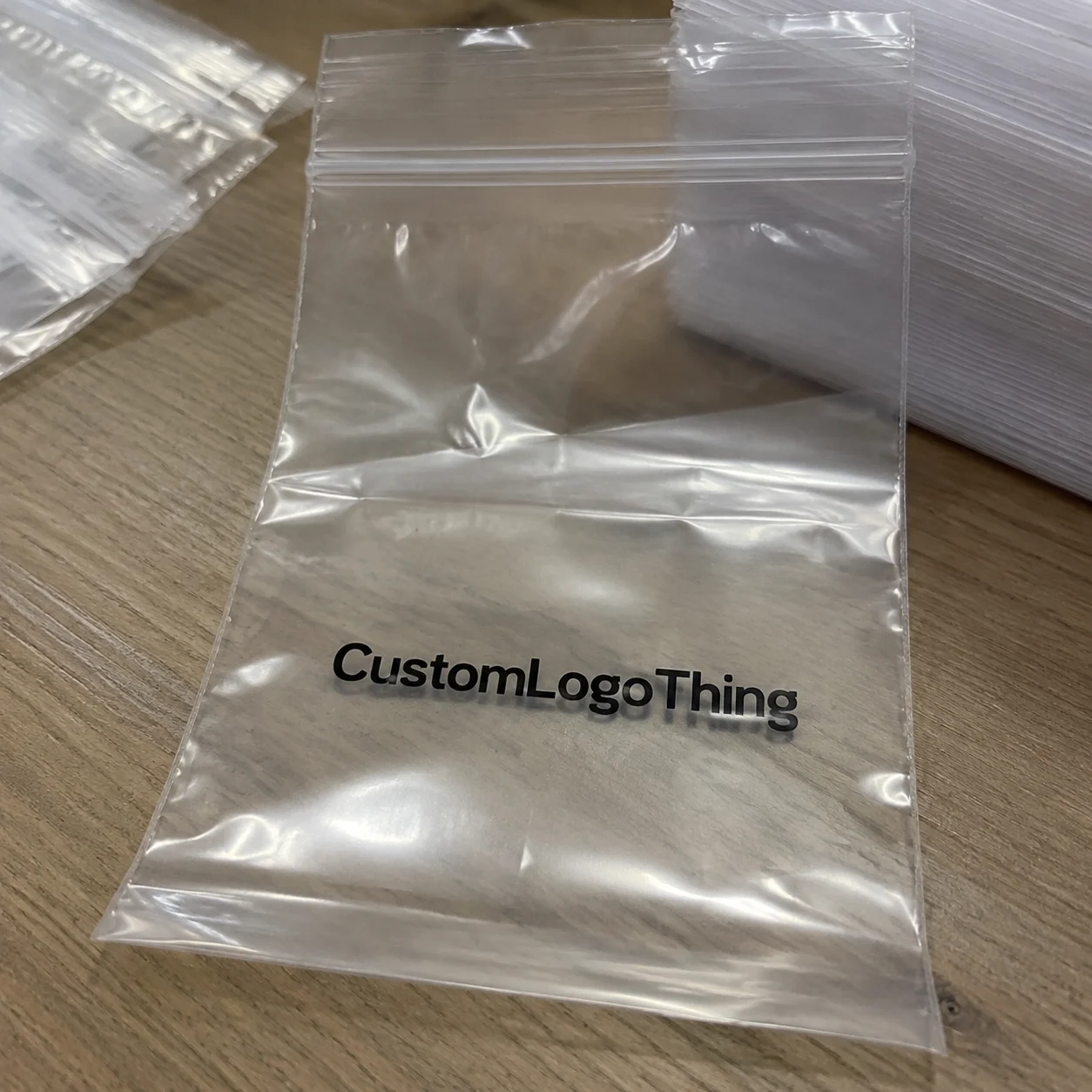
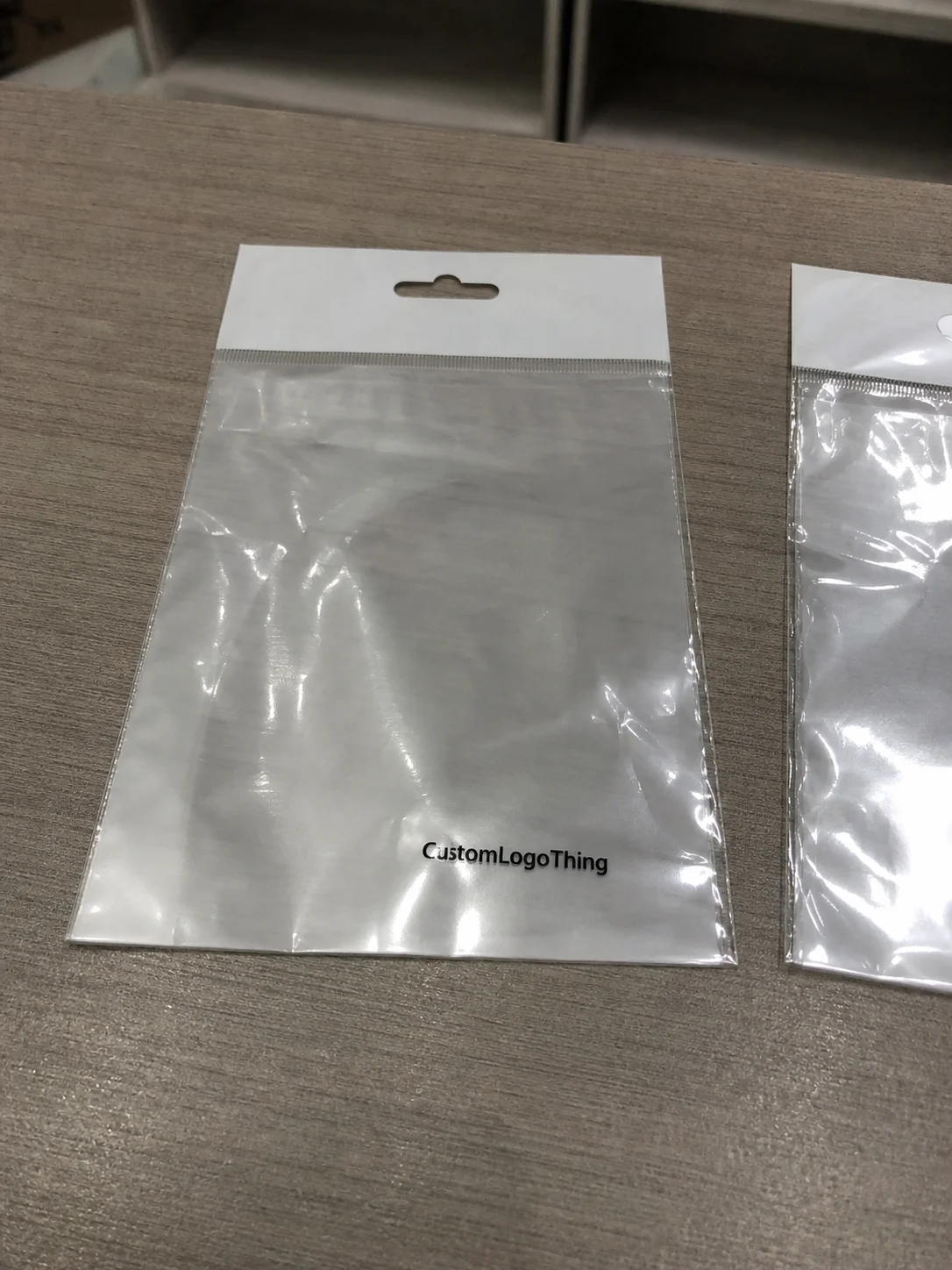
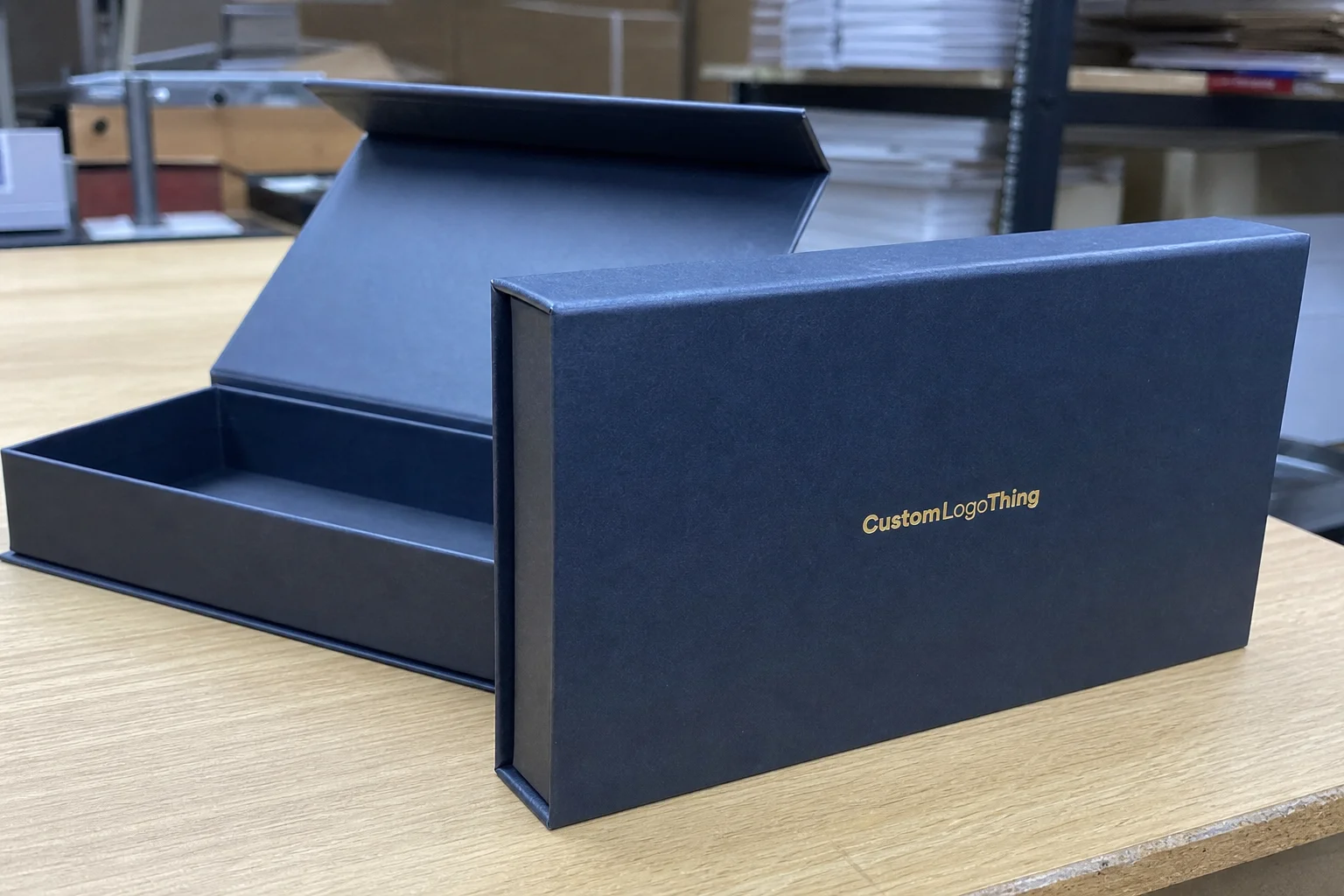
Buyer Fit Snapshot
| Best fit | Packaging Cost Comparison projects where brand print, material claims, artwork control, MOQ, and repeat-order consistency need to be specified before quoting. |
|---|---|
| Quote inputs | Share finished size, material target, print colors, finish, packing count, annual reorder estimate, ship-to region, and any compliance wording. |
| Proofing check | Approve dieline scale, logo placement, barcode or warning zones, color tolerance, closure strength, and carton packing before bulk production. |
| Main risk | Vague material claims, crowded artwork, missing packing details, or unclear freight terms can make a low unit price expensive after revisions. |
Fast answer: Packaging Cost Comparison: Quote Scope, Sample Proof, MOQ, and Lead Time should be specified like a repeatable production item. The safest quote records material, print method, finish, artwork proof, packing count, and reorder notes in one written spec.
Production checks before approval
Compare the actual filled-product size with the drawing, then confirm tolerance on folds, seals, hang holes, label areas, and retail display edges. Reserve space for logos, QR codes, warning copy, and material claims before decorative graphics fill the panel.
Quote comparison points
Review material grade, print process, finish, sampling route, tooling charges, carton quantity, and freight assumptions side by side. A quote is only useful when the supplier can repeat the same color, closure quality, and packing count on the next order.
I've spent fifteen years in packaging procurement, and I've seen businesses blow their entire Q4 budgets on a single reorder because nobody told them about the plate fees. A client I worked with in Portland ordered 50,000 mailer boxes, celebrated their "incredible" unit price of $0.68, then nearly choked when the invoice came in $14,000 higher than expected. The culprit? Artwork setup charges, warehouse storage fees, and a rush freight surcharge nobody mentioned until the quote arrived. That's why this packaging cost comparison guide exists—to give you the framework I wish someone had handed me when I started.
Whether you're sourcing branded packaging for the first time or renegotiating with your current supplier, understanding what you're actually paying for transforms your procurement outcomes. The difference between a smart packaging purchase and an expensive lesson often comes down to knowing which questions to ask before you sign. (And trust me, I've learned most of these questions the hard way—usually at 11 PM the night before a product launch.)
Why Most Packaging Cost Comparison Estimates Are Misleading
Thirty-five percent. That's how many procurement professionals the Institute of Packaging Professionals estimates have experienced significant budget overruns due to hidden fees in packaging quotes. More than one in three buyers getting blindsided by costs that were technically disclosed—buried in quote footnotes that nobody reads until the invoice arrives. I once spent an entire Saturday afternoon reading quote footnotes like they were terms of service agreements. Fun times. Not really.
A thorough packaging cost comparison on the surface looks straightforward. Send specifications, receive three quotes, pick the middle one. Simple, right? Wrong. I've reviewed quotes where the low bidder was $0.23 per unit more expensive than the high bidder once you factored in their actual landed cost. The "cheap" option charged less for materials but applied surcharges for custom die cuts, artwork revisions, and palletization that the winner never mentioned.
Visited a corrugated manufacturing facility in Ohio once. Their sales director showed me their quote template. I counted eleven different line-item categories, and she told me most first-time buyers only notice the first three. The setup fee, the material upcharge for FSC-certified stock, the color matching charge for matching PMS 2005 instead of using their standard palette—these slip past buyers who haven't been trained to read quotes like contracts. (Pro tip: read quotes like contracts. Because they legally are contracts.)
Honestly, I think the biggest problem is that packaging suppliers aren't trying to deceive you—they're just operating in an industry where opaque pricing is the norm, and nobody's forced them to change. The moment a buyer doesn't ask the right questions, those hidden costs become the supplier's margin. It's not evil; it's just business. But it means you need to be the buyer who asks.
What separates informed buyers from chronic overspenders isn't negotiation skill or supplier relationships. It's understanding that the sticker price and the true landed cost of branded packaging operate in completely different universes. An informed buyer asks about every fee category before selecting a supplier. Everyone else finds out about those fees when they're already committed.
Understanding the Components of Packaging Costs
Here's what actually goes into your packaging cost comparison. A standard packaging quote—assuming you're working with a reputable supplier—contains four primary cost buckets that you'll need to evaluate separately. I'm going to walk through each one, and I'm also going to tell you which ones suppliers use to hide margin. Because that's useful information.
Material costs typically represent 40-60% of your total packaging expense, depending on the product type. For folding cartons, the raw substrate might be your largest line item. For rigid boxes, material costs can climb to 70% or higher. The variation comes from your choices: a 350gsm C1S artboard costs substantially more than a 250gsmCCN board, even if they look similar to untrained eyes. If you're specifying sustainable materials like 100% recycled content or FSC-certified fiber, expect premiums of 8-15% over conventional alternatives.
I audited a quote for a supplement brand last year and found they were paying for 14pt board when their product weight only required 12pt. Nobody told them. They were spending $18,000 annually more than necessary because their supplier never suggested optimization. That brings me to a point I emphasize constantly: your supplier should be an advisor, not just an order taker. If your supplier isn't pushing back on your specs or suggesting cost optimizations, find a different supplier.
Production labor and manufacturing overhead account for another 20-30% of your cost structure. Labor costs vary significantly by geography—a box produced in our Shenzhen facility carries different overhead than domestic production, and that difference gets passed along to you. Manufacturing overhead includes equipment maintenance, facility costs, quality control personnel, and the inefficiencies of changeover time when switching between jobs.
Setup fees, tooling, and one-time charges trip up most buyers. A die tool for Custom Mailer Box dimensions might cost $800 from one supplier and $2,200 from another. Setup charges for printing vary based on press size, color count, and whether you're using flexography, digital, or offset lithography. Some suppliers amortize these costs across your first run; others charge them separately every time you reorder.
The most confusing line item I've seen? A "cylinder preparation fee" of $450 from a flexo printer that wasn't mentioned until I specifically asked about post-press charges. My client had already signed. When identical specifications yield dramatically different quotes, the gap almost always lives in how suppliers allocate these fixed costs across your order. Some absorb them initially to win the business, then recover them through higher recurring pricing. Others quote them transparently upfront, which I personally find more honest even if the initial number looks scarier.
I've also seen tooling charges listed as "non-recurring engineering" or NRE. Same thing, different name. Suppliers change terminology to confuse buyers. (Because transparency in pricing isn't exactly in their financial interest.)
Packaging Specifications That Impact Your Budget
The specifications you choose for your product packaging directly determine where your dollars flow. Every dimension, material choice, and finishing option carries a price tag, and understanding those connections lets you make informed tradeoffs rather than expensive assumptions.
Material thickness and grade sits at the top of the cost-impact pyramid. The correlation isn't linear—doubling your board thickness more than doubles your cost because you're also increasing waste in cutting and potentially requiring slower press speeds. I once had a client spec 24pt chipboard for items that weighed under eight ounces. Standard 18pt would have provided adequate protection while cutting their material costs by 22%. The lighter board also reduced their dimensional shipping charges because packages were smaller.
Custom dimensions versus standard sizes can swing your unit cost by 30-40%. Here's why: standard sizes align with common sheet configurations that equipment handles efficiently. When you request a non-standard mailer box at 7.25" x 5.5" x 2.75", the equipment runs it but creates more trim waste and requires more setup time. Standard sizes at 7" x 5" x 2.5" might fit the same product with minor dimensional changes but could reduce your per-unit cost by $0.12 or more on 10,000-unit orders.
The packaging design decisions you make early in the process compound through production. I worked with a cosmetics brand that insisted on a custom bottle-shaped blister insert with three-color printing. Beautiful packaging, but their costs were 2.4 times higher than a standard rectangular insert would have been. They eventually redesigned the insert to a rectangle with printed graphic panels—a design change that preserved brand appearance while cutting their per-unit cost by $0.34. That's $3,400 saved on their next 10,000-unit order. The brand manager literally sent me flowers. I'm not making this up.
Print method comparisons reveal dramatic cost structures:
- Flexography offers the lowest per-unit cost for high volumes (typically above 10,000 units) but carries significant setup charges ($500-$2,000+) and requires longer lead times due to plate production.
- Digital printing eliminates setup fees entirely but carries higher per-unit rates. Below 5,000 units, digital often undercuts flexo on total cost. Variable data printing is included at no additional charge. (Looking at you, personalized supplement packs.)
- Offset lithography provides exceptional print quality and competitive pricing in the mid-volume range (3,000-15,000 units) but requires plate costs and more expensive paper stocks to achieve its quality advantage.
Finishing options often represent the most overlooked cost drivers in packaging cost comparison. Soft-touch lamination typically adds $0.08-0.15 per unit. Embossing or debossing might run $0.12-0.25 per unit depending on complexity. Spot UV Coating for accent areas adds $0.06-0.14 per unit. Foil stamping varies so widely ($0.15-0.40 per unit) that I always recommend requesting samples before committing, because the look doesn't always justify the premium. I've seen brands fall in love with gold foil stamping and then nearly faint when they saw the per-unit cost. The gold shimmer is pretty, but your margin will be crying.
Pricing Models and MOQ Requirements
Minimum order quantities represent one of the most misunderstood variables in packaging procurement. They're also where suppliers hide some of their most profitable margin expansion. Understanding how MOQs affect your unit cost requires separating the mathematics from the marketing.
Production equipment has optimal production runs. Running a machine for 500 units instead of 5,000 units wastes the same setup time while producing far fewer chargeable units. That inefficiency gets priced into your unit rate. The typical MOQ premium for low-volume orders falls between 15-30% compared to standard quantities, but I've seen premiums as high as 65% for very small custom runs under 1,000 units. Let me tell you about the time I needed 250 custom boxes for a product sample. The quote came in at $4.75 per unit. When I asked if they could do it cheaper, the supplier laughed. Not metaphorically—actual laughter. That's when I learned about MOQ premiums the hard way.
The following table illustrates how pricing typically breaks across volume tiers for a standard 10" x 8" x 4" mailer box with one-color print:
| Order Quantity | Per-Unit Price | Total Project Cost | Price vs. Baseline |
|---|---|---|---|
| 500 units | $1.42 | $710 | +45% |
| 1,000 units | $1.08 | $1,080 | +10% |
| 2,500 units | $0.94 | $2,350 | Baseline |
| 5,000 units | $0.78 | $3,900 | -17% |
| 10,000 units | $0.62 | $6,200 | -34% |
| 25,000 units | $0.51 | $12,750 | -46% |
Notice how the price drops accelerate as you hit certain volume thresholds. The jump from 1,000 to 2,500 units shows modest improvement. But the move from 5,000 to 10,000 units delivers substantial per-unit savings. In my experience, the best value breakpoint for most retail packaging applications sits between 2,500 and 5,000 units, depending on your storage capacity and cash flow situation. (If you have a warehouse full of inventory space you're not using, obviously lean toward higher quantities. If your office closet is already your warehouse, you might need to accept the premium.)
Breaking MOQ barriers sometimes requires more than just ordering more units. Some suppliers offer MOQ flexibility by charging setup fee waivers instead. If you're ordering 1,800 units when the MOQ sits at 2,500, ask your supplier whether they'll accept your lower quantity in exchange for a setup fee. The math often works in your favor—paying a $350 setup fee while getting your target quantity might cost less than ordering 2,500 units you don't need.
Hidden MOQ penalties represent a favorite tactic of margin-expanding sales teams. Watch for language in quotes that specifies "minimum billing quantity" versus "minimum order quantity." A minimum billing quantity means you pay for 2,500 units regardless of how many you actually receive. I've also seen "upsell tactics" where suppliers offer to waive the MOQ but add surcharges elsewhere that more than compensate. Always compare total landed cost, not just the per-unit price.
Annual volume commitments can unlock pricing that feels like it belongs in a different category. If you can commit to 50,000 units annually, even split across multiple orders, suppliers will often extend volume pricing retroactively to your first order of the year. This approach works best when you have predictable demand and storage capacity to absorb larger orders. The downside? You're accepting inventory risk if your sales projections miss. I've seen brands get stuck with Packaging for Products they discontinued. That's a fun conversation with your CFO.
The Real Timeline: From Quote to Delivery
Time costs money. In packaging procurement, this isn't metaphorical—rushing production and extended lead times both translate directly into dollars leaving your budget. Understanding realistic timelines lets you avoid the premium charges that surprise buyers who plan poorly.
Standard lead times by packaging type vary substantially based on complexity. Here's what I typically see from established manufacturers:
- Standard-size folding cartons with one-color print: 10-15 business days from proof approval
- Custom-dimension folding cartons with multicolor print: 18-25 business days
- Corrugated mailer boxes with standard dimensions: 12-18 business days
- Custom-rigid setup boxes: 25-35 business days
- Thermoformed plastic blisters with tooling: 30-45 business days
Rush order premiums typically range from 15-40% depending on how compressed your timeline is and whether it requires dedicated equipment time or overtime labor. I always advise clients to build standard lead times into their product launch planning. When you need packaging in three weeks instead of three months, you're not just paying the rush fee—you're often paying for inefficient production scheduling that impacts the supplier's other customers.
Here's a story that illustrates why you should never skip the planning phase. A client of mine launched a Kickstarter campaign. They built 45 days of lead time into their timeline. Great, right? Except they forgot that their packaging supplier needed 5 business days just to send proofs, and they needed 3 rounds of proof revisions because the Kickstarter mockup looked different from the actual printed result. By the time they approved proofs, they had 12 business days left and a 40% rush surcharge. Their packaging budget went from $8,500 to $14,200. The lesson? Always add buffer time for the review and approval process, not just production time.
Quality control checkpoints exist for a reason, and skipping them to save time creates expensive problems downstream. Reputable suppliers maintain inspection protocols at material receipt, during production (especially for multicolor work), and before shipment. These checkpoints catch defects before they become your problem. When I was managing packaging for a specialty food brand, we once received 40,000 printed wrappers with a color registration error that made the brand logo look like a typo. Our supplier's QC caught it before shipment. If they'd shipped without that checkpoint, we would have faced a $22,000 re-order and a two-week product launch delay.
Shipping variables deserve their own line item in your packaging cost comparison. Freight costs can swing wildly based on weight, dimensional characteristics, and destination. A pallet of lightweight folding cartons costs far less to ship than the same pallet count of rigid setup boxes because of the density difference. Residential deliveries carry premiums. Limited-access delivery locations (construction sites, retail stores without loading docks) add accessorial charges that surprise buyers who assumed freight quotes were all-inclusive.
Why Our Packaging Pricing Delivers Better Value
I've reviewed hundreds of supplier quotes over my career, and the pattern that separates genuine value from apparent value is consistent: transparency. When you can see exactly what you're paying for, you can make intelligent decisions about where to optimize and where to invest. Our quoting approach at Custom Logo Things is built around that principle.
Direct manufacturer relationships mean we eliminate middleman markup that inflates costs without adding value. When you work with brokers or middle-tier distributors, you're paying for their margin alongside the manufacturing cost. Our Custom Packaging Products connect you directly to production facilities, and we pass those savings along through pricing that's competitive at every volume tier.
Our quoting process includes full cost breakdowns because we believe informed customers become loyal customers. Every quote we provide shows material costs, production setup charges, finishing options, and shipping estimates as separate line items. When I started in this industry, I had to learn to ask for line-item breakdowns. You shouldn't have to. If a supplier's quote lumps everything into a single per-unit number, ask yourself what they're hiding.
Quality consistency reduces your total cost of ownership in ways that don't show up on initial quotes. Every re-order we produce goes through the same color matching protocols as your original order. I've seen brands forced to recall products or ship in plain boxes because their "discount" supplier couldn't match colors consistently. That embarrassment costs more than the premium we charge. Our production facilities maintain ISTA-certified testing protocols, so when we commit to specifications, we deliver to spec on repeat orders.
Dedicated support prevents the miscommunications that generate expensive mistakes. When your packaging project has questions or requires last-minute changes, you're not calling an 800 number and waiting on hold. You're working with a specialist who understands your account, your brand guidelines, and your production schedule. That relationship prevents errors like the one I heard about recently where a brand received 50,000 boxes with their new logo in the wrong position—a mistake that cost $35,000 to correct because nobody caught it in proof review. Thirty-five thousand dollars. For a logo placement error. The person who caught it? Their project manager was on vacation and couldn't review proofs in time. Don't be that brand.
Your Packaging Cost Comparison Next Steps
You now have the framework to evaluate packaging quotes with the same rigor you'd apply to any significant procurement decision. The next step is applying it. Here's how we recommend moving forward.
Download our free cost comparison worksheet. This spreadsheet walks through every cost category we've discussed and provides space to enter quotes side-by-side. I've seen clients use this tool to identify $50,000+ in annual savings by simply comparing equivalent quotes properly. The worksheet also flags potential hidden fees based on the structure of the quotes you enter.
Request a line-item quote for your exact specifications. Generic estimates based on vague descriptions lead to surprises when actual production occurs. Tell us your dimensions, material preferences, print requirements, finishing options, and target quantity. We'll respond with a detailed breakdown that lets you see exactly where every dollar goes. If you have competing quotes, share them—we'll help you understand the differences. No hard feelings. We're confident in our pricing.
Schedule a 15-minute specification review with our team if you're unsure about your technical requirements. This conversation often uncovers optimization opportunities that experienced buyers miss. We recently helped a skincare brand realize they could switch from a two-piece rigid setup box to a one-piece magnetic closure box, reducing their unit cost by $0.38 while improving their unboxing experience. That insight came from a single specification review call. Fifteen minutes, potentially thousands of dollars in savings. Math works out pretty well.
Use our pricing calculator for budget estimates when you're in early planning stages. Enter your basic specifications—dimensions, material type, print colors, quantity—and receive preliminary pricing within minutes. This tool won't replace a formal quote, but it lets you test budget scenarios before committing to detailed specifications. Knowing whether your packaging design fits within budget can save weeks of specification work on projects that would have been too expensive to produce.
Frequently Asked Questions
What is typically included in a packaging cost estimate?
A comprehensive packaging cost estimate should include material costs based on type and quantity ordered, production setup fees and tooling charges, printing or customization costs per unit, packaging and handling fees before shipment, and freight or shipping estimates to your location. Watch for quotes that bundle these categories together—that's a warning sign that you're not getting full cost transparency.
How do minimum order quantities affect packaging prices?
Lower MOQs typically carry a 15-30% per-unit premium compared to standard volume tiers because setup costs get amortized across fewer units. Breaking MOQ barriers often requires setup fee waivers or quantity flexibility from suppliers. In most product categories, mid-tier quantities between 2,500-5,000 units offer the best balance of pricing and manageable inventory. If you can commit to annual volume, suppliers often extend lower-tier pricing retroactively to your first order.
What packaging specifications have the biggest cost impact?
Material grade and thickness account for 40-60% of your base packaging cost. Switching from a 350gsm board to a 300gsm board can reduce costs by 12-18% without necessarily compromising protection. Custom dimensions require new tooling versus standard sizes that align with equipment efficiency. Multi-color printing adds significant setup and run costs because each color requires separate pass-through or plate changes. Specialty finishes like soft-touch lamination and foil stamping require separate production processes with their own cost structures.
How can I reduce packaging costs without sacrificing quality?
Standardizing to common sizes that fit standard equipment reduces tooling waste and improves efficiency. Consolidating orders to hit better volume breakpoints unlocks lower per-unit pricing. Simplifying your color palette to reduce print setup complexity offers meaningful savings—each additional spot color adds setup time and material costs. Consider material alternatives with similar protective properties—for example, switching from 24pt chipboard to 18pt chipboard with a quality outer liner often provides equivalent protection at lower material cost.
What hidden fees should I watch for in packaging quotes?
Plate or cylinder fees for custom print artwork often run $200-800+ depending on complexity and print method. Artwork preparation or file setup charges can add $75-300 for designs that need prepress preparation. Warehouse storage fees apply when you're not ready to receive shipments on the scheduled delivery date. Rush order premiums frequently exceed 25% and aren't always clearly disclosed upfront. Minimum machine run charges create overruns when your exact quantity requires the machine to run longer than necessary—sometimes suppliers bill the minimum run even if you order fewer units.