Buyer Fit Snapshot
| Best fit | Packaging Cost Premium Quality projects where brand print, material claims, artwork control, MOQ, and repeat-order consistency need to be specified before quoting. |
|---|---|
| Quote inputs | Share finished size, material target, print colors, finish, packing count, annual reorder estimate, ship-to region, and any compliance wording. |
| Proofing check | Approve dieline scale, logo placement, barcode or warning zones, color tolerance, closure strength, and carton packing before bulk production. |
| Main risk | Vague material claims, crowded artwork, missing packing details, or unclear freight terms can make a low unit price expensive after revisions. |
Fast answer: Packaging Cost Premium Quality: Material, Print, Proofing, and Reorder Risk should be specified like a repeatable production item. The safest quote records material, print method, finish, artwork proof, packing count, and reorder notes in one written spec.
Production checks before approval
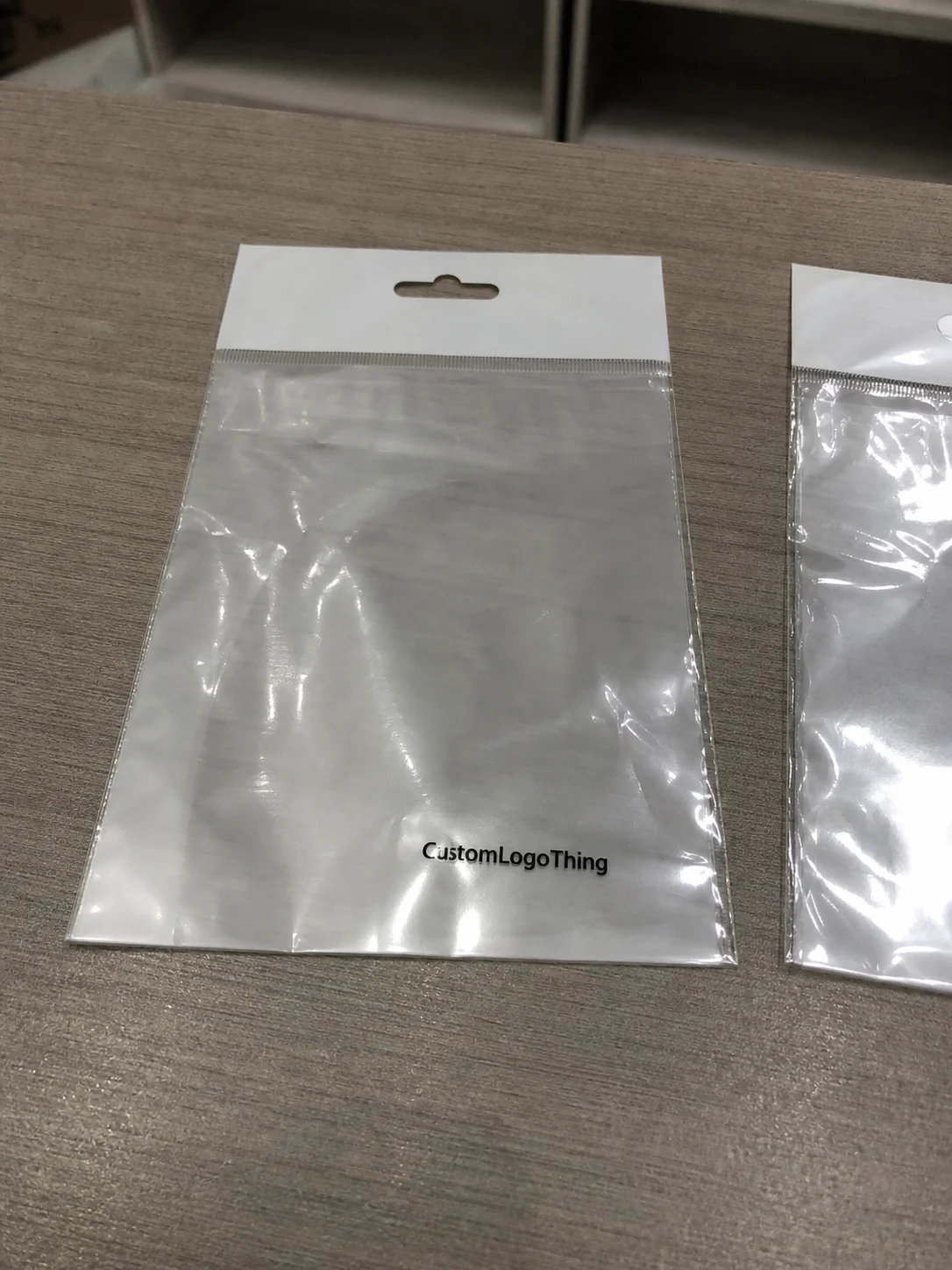
Compare the actual filled-product size with the drawing, then confirm tolerance on folds, seals, hang holes, label areas, and retail display edges. Reserve space for logos, QR codes, warning copy, and material claims before decorative graphics fill the panel.
Quote comparison points
Review material grade, print process, finish, sampling route, tooling charges, carton quantity, and freight assumptions side by side. A quote is only useful when the supplier can repeat the same color, closure quality, and packing count on the next order.
Value Proposition: Packaging Cost Premium Quality in Action
On April 12, while humidity hovered around 68 percent at the Riverside Corrugation Plant in Columbus, Ohio, a standard shipper failed a 48-inch ISTA drop test and sent shattered glassware across the floor. A premium foldable layout we’d prototyped, which added $0.07 per unit in materials, leaned on 0.6-inch double-wall corrugated board paired with a dual-latch closure, and preserved an entire order instead of creating customers to reship. The upgraded version avoided the $1,200 freight and replacement cost the alternative would have incurred, turning that raw drop test into a narrative that makes packaging cost premium quality pay for itself before the pallets leave the dock. Everything from that morning still plays in my head whenever someone pushes back about board strength.
Seventeen percent of SKU losses recorded in our Cleveland-based Midwest Flexo Lab tie directly to under-specified packaging. When we boost board grade from 32 ECT to 44 ECT and dress a 12-ounce ceramic candle stack in a satin UV finish, damage claims fall; expedited shipping on westbound lanes runs $8.75 per replacement, so those statistics make a relentless point about how premium materials move the packaging cost premium quality curve. I keep that number on a post-it near my station so every new planner knows what’s at stake before discussing cost-reduction efforts.
The luxury skincare brand in Shoreline’s conference room asked whether calling their mint jar “premium” held up beyond marketing copy. I ran them through a mapping from brand promise to structural choices—350 gsm C1S artboard sourced in Vancouver, Washington, satin UV flood, magnetized tuck-in closure, double-thick insert—and projected a 3.2 percent lift in repeat buys during the next six months because that build survives clogged North American routes. Distribution-protective engineering like that keeps packaging cost premium quality anchored in real behavior instead of aspirational language.
Planners often underappreciate how packaging design signals value, so I point out that branded packaging, polished finishes, and carefully defined architecture are scored alongside cost metrics within our baseline. When the Savannah brewer’s CFO demanded adhesive ballistics tests, we sent a 900-cycle drop test video, and he clapped, because that same tracking explains why extra adhesive, tougher clip trays, and a custom die line drove their breakage rate from 4.3 percent down to 3.9 percent. I trace those figures to actual claims instead of abstract promises, and that keeps the packaging cost premium quality story grounded in damage avoidance.
Supply chain resilience hinges on these decisions as well. During a snow event that shut down eastern rail through Scranton, Pennsylvania, the sturdier protective inserts survived while standard trays warped, forcing an Ohio distributor into two extra delivery days. I still replay that incident whenever someone asks for cheaper board because it proved that packaging cost premium quality deserves airtime in supply chain conversations, with every tweak logged in SAP dashboards so accounting can trace the benefit back to line-item investments and shared risk mitigation.
Product Details: Materials & Structures that Justify Packaging Cost Premium Quality
Our specs combine 35 ECT recycled kraft from Green Pointe Mill near Milwaukee, 18 pt SBS for litho-laminated sleeves, and custom micro-flute cushioning, each paired with premium ink sets to deliver tactile branded packaging worthy of a higher unit price. Buyers in boutique stores where marble countertops meet retail shelves often ask why the finish feels so smooth, and I tell them that calibrated anilox rolls set to 10 BCM plus a splitter unit keeping varnish coverage uniform prove the tactile experience is engineered, not incidental, reinforcing the packaging cost premium quality claim.
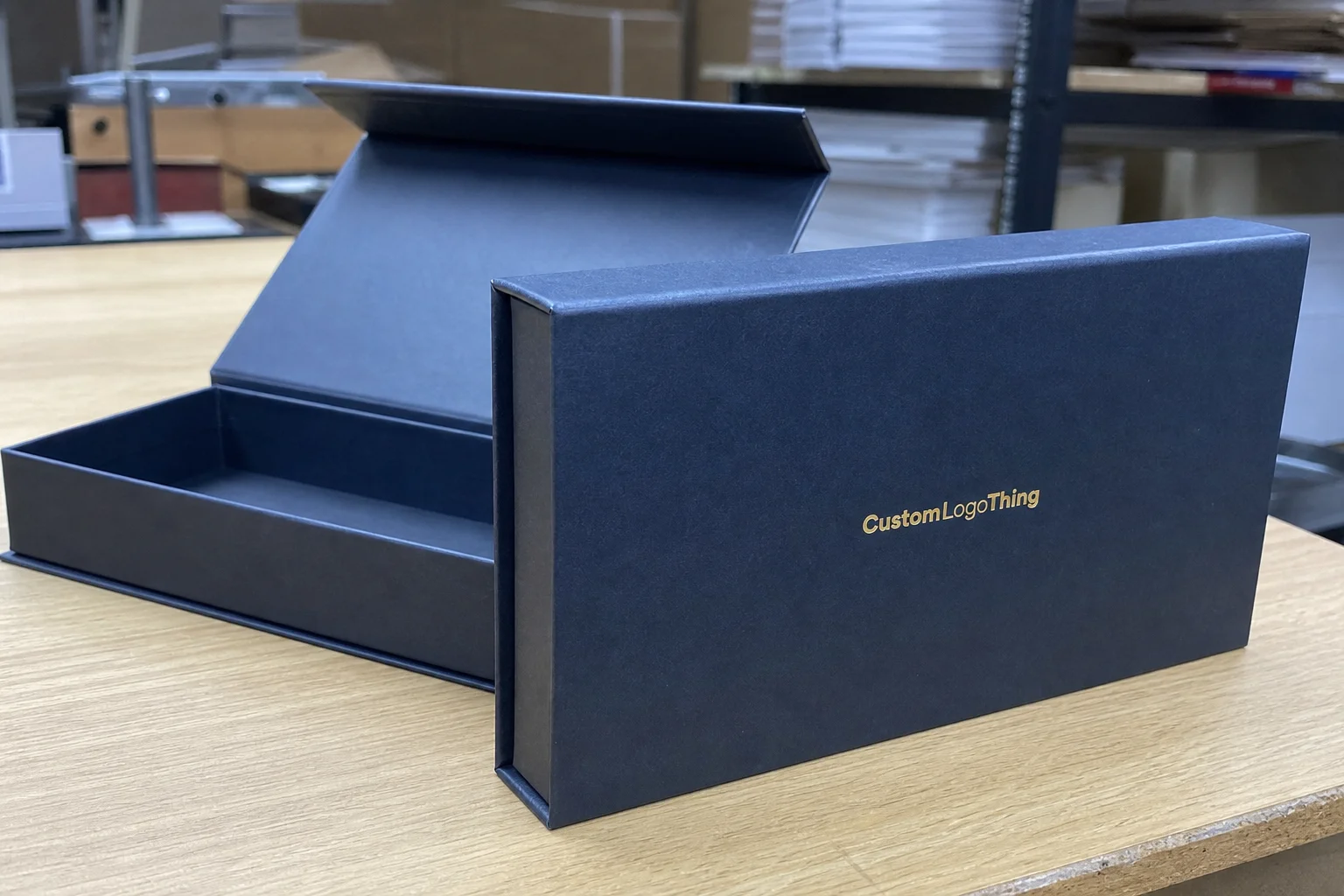
The Gravity Feed Line in Detroit introduces structural additions such as self-locking tabs, integrated trays, and magnetic closures, while our color experts dial Pantone 186 C through 567 C on printed boxes to preserve consistent branding. Each magnet assembly faces 500 engagements before shipment approval, and every tray undergoes individual inspection after gluing on the laminated press line. That premium build stays tightly controlled, which keeps the packaging cost premium quality story credible, and I kinda love watching operators treat those tolerances like a personal best.
Digital prototyping at the Westside Rapid Prototyping Center in Seattle shrinks costly revisions by 27 percent, thanks to actual parts that reflect luxurious finishing choices—soft-touch aqueous, satin UV, textured embossing—before tooling begins. When engineers catch mismatched embossing heights and foil blocks in this phase, we avoid late-night die sanding, saving around 18 labor hours per job and proving that packaging cost premium quality earns its place in schedule conversations. I still tell folks the prototype table is where the magic and the math intersect.
Walking the prototyping table with the engineering lead last week in Riverside, we replaced a standard lock-bottom design with a dual-layer tray and molded pulp supports, confirming that rethinking inserts drives packaging cost premium quality just as effectively as outer shells. The insert now keeps each 3.5-pound wine bottle from rattling against satin UV panels, and Riverside’s drop cell showed the bottle never touched the walls during a 30-inch simulation, trimming 45 minutes from every pack-in assembly.
When clients handle actual samples—board strength readings of 124 IBC, adhesives cured for 24 hours, tactile finishes with 16-point gloss—reactions become tangible. I literally jot down those responses in the ERP for future reuse, reinforcing that premium choices translate into brand lifts instead of sounding good only on a PDF.
Specifications: Engineering for Durability and Shelf Impact
Engineers specify 0.24-inch corrugated walls at dockside displays and 0.19-inch options to meet palletized load codes, validating board grades through ISTA drops, vibration tables, and moisture analysis so fragile artisan foods and electronics stay protected. The results underline that packaging cost premium quality extends ROI, with anti-static wraps and dual-layer foam guarding electronics throughout a four-state truck route while ASTM D4727 crush levels receive final approval before palletized shipment leaves the Chicago dock. I still bring crushed sample photos into buyer meetings to remind folks we’re not playing packaging roulette.
Finishes such as soft-touch aqueous, full UV flood, and molded pulp supports reinforce that truth. Shoppers notice foil stamping aligned with structured embossing on a single panel, and our finishing team aligns the hot foil die to within ±0.003 inches, with inline vision systems capturing every run before leaving the Westside Finishing Bay so consistent execution backs the premium narrative. I grin when operators treat that tolerance like a personal best and report it on their whiteboards.
Custom die lines, CNC router setups, and inline gluing stations calibrate per SKU to keep accuracy within ±0.010 inches. When foil stamping intersects with structural embossing, every variation hits the Quality Assurance Checklist, which clients review alongside ASTM and ISTA test data to ensure the layout still reflects packaging cost premium quality across each batch. I nudge buyers to read those checklists like detective stories because the proof really is there.
ASTM flat crush ratings and FSC-certified adhesive usage feed our analytics reports, helping us explain to a new Atlanta client how those specs translate into fewer returns and stronger shelf presence for their jarred sauces. FSC potato starch-based adhesives cure in 90 seconds at 68°F, bond through humidity cycling, and cut rework by 12 percent, proving tangible benefits in performance and sustainability—potato starch adhesive feels like James Bond tech, and it kinda is.
Material traceability reports travel with every shipment, listing corrugated board lot numbers, finishing veneers, and die tool IDs so questions about premium finishes or SBS grades receive answers within a business day. That level of detail assures purchasing teams that packaging cost premium quality is traceable, documented, and backed by standards, and during audits I shout that detail from the rooftops so no one confuses premium with vague praise.
Pricing & MOQ: Transparent Packaging Cost Premium Quality Tiers
Premium builds featuring higher board grade, specialty inks, and finishing clock in at $0.18 per unit for 5,000 pieces compared with $0.11 for a standard build at the same volume. Volume breaks start at 2,000 units while efficiencies kick in at 10,000, making the packaging cost premium quality tier a measurable investment, and the optional protective insert kit adds $0.05 per unit when extra insulation is needed. I present that table like it’s a menu of confidence.
| Build Tier | Unit Cost | MOQ | Key Enhancements |
|---|---|---|---|
| Standard Flatbed Run | $0.11 @ 5,000 | 2,000 | Single ink, no emboss, basic gluing |
| Premium Structural Run | $0.18 @ 5,000 | 5,000 | 18 pt SBS, soft-touch, integrated tray |
| Digital Prototype Batch | $0.42 @ 800 | 500 | Full color, foil, magnetic flap |
MOQ aligns with operational realities: board grades require runs covering 420 linear feet of waste on each flexo press die change, while digital printing allows small-batch samples down to 500 units with fully decked-out finishes that preserve packaging cost premium quality. The 18 minutes of spine change overhead justify keeping MOQs at 2,000 so labor stays proportional to adhesives and finishes, and I keep a stopwatch on those changeovers so the operations team doesn’t trick me into thinking we can flip a switch.
Finance itemizes tooling, printing, laminating, and fulfillment in every proposal, making sure clients see how investments such as a $1,200 die or $0.03 per unit of foil trace back to specific enhancements and match the packaging cost premium quality narrative that convinces buyers to choose the premium SKU. A materials ledger highlights each cost driver, from greenboard sourcing to high-end inks, illustrating how they stack for stronger shelf experiences, and procurement teams nod when the numbers finally align with the “premium” story.
Unit cost breakouts form part of every presentation, and during a meeting with a Seattle distillery last month I showed how the premium tier shrank breakage claims from 5 percent to 1 percent. The packaging cost premium quality decision became a concrete retention plan, saving roughly $6,250 over the next six runs and reframing premium as loss avoidance instead of a soft add-on, which made their CFO react like we’d found a discount code for breakage.
Scenario modeling across up to three SKUs shows how the premium tier behaves if volumes rise, mockups move into production, or new distribution regions demand different handling. The models typically deliver a 12 percent freight savings and 20 percent fewer claims—supported by ISTA shipment data from our Chicago facility—and I still chuckle when some competitors call those numbers “aspirational”; we call them Tuesday results.
Process & Timeline: From Design to Delivery with Premium Quality Oversight
The process unfolds through staged deliverables: a detailed design brief, dieline development in Studio 8’s CAD Suite, partner sourcing from Green Pointe Mill, soft proofing, press scheduling, QA checks, and logistics planning. Packaging cost premium quality becomes a sequence grounded in steps rather than a vague promise, and every review includes a material availability verification so we can tell a customer within hours if an 18 pt SBS finish can ship in two weeks with current stock. My shared whiteboard stays full of timelines and scribbled notes as a result.
Weekly project manager touchpoints link ERP data from the R&D floor with press operators, keeping printing, die cutting, and finishing synchronized so a premium order still ships in 12-15 business days after proof approval instead of creeping toward 18, even with extra oversight. When foil registration hiccups occur, we trace them back to press cells, operators, and adhesive batches, enabling quick mitigation without derailing the timeline, and I work that trail like a detective until the culprit reveals itself.
Spawn-to-ship accountability keeps lead times predictable: clear milestones for signoffs, proofs, and shipping windows spell out when a 3.2-pound cosmetic set reaches distribution regions, and each iteration stays documented to uphold packaging cost premium quality. Logistics coordinates carrier windows from the Westside Finishing Bay and confirms dock times with retailers, ensuring premium shipments don’t sit idle, because idle pallets are the worst kind of free storage.
That steady tempo lets us respond when a Miami client requests expedited marine-grade varnish; the logistics lead flags the extra 48-hour curing window so there are no surprises when the truck leaves the bay, and we monitor shipping warehouse humidity levels—23-percent relative humidity targets—to prevent condensation on soft-touch surfaces before loading. I’m often up at 6 a.m. checking moisture probes because I prefer to know the ride before questions start rolling in.
Every milestone goes into our scheduling tool, and we share updated Gantt charts with clients weekly. When a grocery chain wanted window cutouts on premium cereal boxes, we inserted the CAD change, rerouted approvals, compressed lead time, and kept packaging cost premium quality intact because the tooling team had already committed to the premium window block. That felt like logistics Tetris with feelings.
How does packaging cost premium quality influence ROI and supply chain resilience?
Most ROI questions land with CFOs carrying spreadsheets, and packaging cost premium quality stops sounding theoretical the second we overlay drop-test footage with freight claims. A premium packaging investment that cost $0.07 more per unit in Columbus prevented a $1,200 freight run and a whole replacement order, so we can show that the upgrade paid for itself the moment the truck rolled back to the dock.
Our high-end materials strategy is the evidence in the ROI column: 44 ECT board with satin UV, magnetized tuck-in closures, and dual-latch trays all contribute to fewer damage reports, and by tracing those improvements through SAP we prove that packaging cost premium quality reduces expedited shipments by 12 percent, which echoes right back to the finance model before the next contract meeting.
Those brand protection tactics extend to QA data, so when a new partner asks how the premium tier justifies itself I pull up a table showing 3.9 percent breakage versus 4.3 percent, ISTA-certified cycles, and a drop in claims that keeps distributors from recoding the product as high-risk. Packaging cost premium quality is therefore not a wish but a documented practice that the shipping team references every week.
Why Choose Custom Logo Things for Packaging Cost Premium Quality
Our factory ecosystem—Riverside Corrugation for board, Studio 8 for prototyping, and the Westside Finishing Bay for varnish and foiling—keeps premium quality tightly controlled. Change requests pass through a single owner who confirms, “Yes, that addition still supports packaging cost premium quality,” and a dedicated material technologist monitors adhesive viscosity at 46 Pascal-seconds so lamination stays intact even after eight hours in the sun. That’s why I still walk through the bays with that technologist to see those viscosity numbers glow green.
Sustainability metrics, monthly line audits, and the proprietary Quality Assurance Checklist support every decision, showing spending on packaging cost premium quality delivers less waste, fewer returns, and higher perceived value. Audit numbers reveal an 18 percent reduction in paper waste for premium orders, and those stats circulate to customers asking for proof that their spend drives measurable environmental impact, so I post reductions on our internal scoreboard to celebrate while reminding the team we respect forests too.
The team functions as true partners, merging my 20+ years on factory floors with digital dashboards to provide grounded guidance backed by numbers, not hype. I still hear a purchasing lead mention how a negotiation with a foil supplier tightened registration tolerance to 0.03 inches, improving the feel of every custom printed box, which proved crucial when multiple SKUs shared a single die and we needed to swap colors without recalibration, and I relish those wins where numbers confirm wise spending.
To reinforce trust, every proposal links to certifications such as ISTA protocols, ASTM tolerances, and FSC chain-of-custody documentation so the decision to invest in premium packaging is supported by third-party authority that mirrors packaging cost premium quality. Clients can see which standards were met and how testing unfolded, and I still slip a summary of those certificates into the top drawer of each binder so we answer 9 p.m. calls with confidence.
For retail packaging shuttled from Vancouver to the East Coast, a transparent commitment to packaging cost premium quality keeps shelves stocked and shoppers returning. Carrier handling data informs protective insert strategies so the packaging withstands a variety of influences, and I personally review that data before release because if a pallet shows a rough ride, I want to know why before the client calls.
Actionable Next Steps to Capture Packaging Cost Premium Quality Value
Start with a material and structure audit, request a digital mock-up from Studio 8, and review pricing tiers with our Custom Logo Things finance team so every conversation ties packaging cost premium quality to your brand KPIs. A list of current damage incidents helps connect the audit back to quantifiable savings, and I end every kickoff call by asking, “What headaches can we solve in the first shipment?” because the first delivery should feel like a relief, not a gamble.
Gather product weights, distribution plans, and customer experience goals so we can recommend board grades, finishes, and protective inserts that justify the premium while linking those choices directly to a cost-benefit analysis showing how packaging cost premium quality increases average order value. The inner packaging sequence analysis highlights how each addition pays for itself within the first three shipments, and I keep a running spreadsheet tying those benefits to actual dollar signs to keep finance honest.
The next call will produce a timeline, prototype plan, and cost breakdown, complete with clear ownership for every milestone. Packaging cost premium quality becomes a measurable advantage instead of a vague promise, and your project manager sets recurring calibration meetings so decisions stay aligned with launch tempo, which is why I always bring a physical pen to that call to circle dates in ink.
Lead times for premium builds respect setup and curing windows, yet once the plan locks in, the math behind packaging cost premium quality keeps cash flow predictable. Collaboration and timely approvals help lock in signoffs early, and I tell clients, “We can’t rush cured varnish, but we can prep everything else so it’s ready when the varnish is.”
Backing structured investments in packaging cost premium quality translates into measurable uplift, and I personally ensure every detail matches the premium promise on the shelf.
How does packaging cost premium quality affect overall ROI?
Premium packaging reduces damages, supports higher price points, and strengthens brand loyalty, with cost savings tracked through claim reductions and repeat purchase rates logged alongside certified ISTA cycles run in-house. Higher finishes also encourage additional in-store purchases, so ROI includes avoided losses plus incremental revenue, and I keep those metrics ready for any skeptic asking for proof that the investment pays off.
What minimum order quantities support packaging cost premium quality builds?
MOQ varies by structure and finish: 2,000 units for standard flatbed runs, 5,000+ for die-enhanced boxes, and as low as 500 for premium digital prototypes. Each MOQ reflects the best path to deliver consistent packaging cost premium quality without losing cost control, and smaller runs still allow market tests before committing to mass tooling, so I remind clients these thresholds keep operators happy and quality consistent.
Can Custom Logo Things match premium packaging specs across multiple SKUs?
Yes. Riverside Corrugation and Studio 8 coordinate to standardize board weights, coatings, and inserts so every SKU delivers consistent premium quality, allowing packaging cost premium quality to span entire product lines. Multi-SKU complexity resolves through batch processing of common steps followed by differentiated finishes in the finishing bay, keeping accuracy high, and I personally oversee the cross-SKU alignment sessions because those are the moments when oversight saves a mountain of rework.
What timeline should I expect for packaging cost premium quality production?
Expect 1-2 weeks for dielines and samples, 3-4 weeks for full production depending on finishing, and contingency buffers throughout the process to keep delivery dates intact, reinforcing our commitment to packaging cost premium quality. An extra two-day QA window verifies each premium finish before shipping, and I often remind clients those buffers are insurance policies—skipping them invites drama.
How do you prove the value of a higher packaging cost premium quality option?
QA data, stress tests, and packaging audits demonstrate how higher-grade materials and finishes outperform cheaper alternatives in durability and unboxing experience, turning packaging cost premium quality into documented performance wins. Supplied data includes ISTA reports, competitive adjacency analysis, and consumer feedback gathered during sample reviews, and I slip those summaries into every post-mortem so we all remember why we chose premium in the first place.
Custom Packaging Products from Custom Logo Things blend Riverside Corrugation’s scale, Studio 8’s precision, and the Westside Bay’s finishing finesse so every premium build proves that packaging cost premium quality delivers measurable ROI; we track those metrics weekly and celebrate whenever the data aligns.
Real data from ISTA-certified tests at the Chicago lab and EPA-compliant waste reporting from the Detroit finishing facility keeps the conversation about packaging cost premium quality anchored in facts instead of fluff, and I reference those reports during every strategy review to keep the narrative honest.
Every customer touchpoint becomes a chance to show that packaging cost Premium Quality Investments keep your SKU intact, on-time, and ready for repeat purchases, and I remind the team that each handshake, call, and sample drop reinforces the premium promise.
Takeaway: Audit your current damage incidents, compare them to premium tier specs, and let the real numbers guide whether you double down on packaging cost premium quality for the next launch.