Buyer Fit Snapshot
| Best fit | Packaging Design Supplier projects where brand print, material claims, artwork control, MOQ, and repeat-order consistency need to be specified before quoting. |
|---|---|
| Quote inputs | Share finished size, material target, print colors, finish, packing count, annual reorder estimate, ship-to region, and any compliance wording. |
| Proofing check | Approve dieline scale, logo placement, barcode or warning zones, color tolerance, closure strength, and carton packing before bulk production. |
| Main risk | Vague material claims, crowded artwork, missing packing details, or unclear freight terms can make a low unit price expensive after revisions. |
Fast answer: Packaging Design Supplier: Quote Scope should be specified like a repeatable production item. The safest quote records material, print method, finish, artwork proof, packing count, and reorder notes in one written spec.
Production checks before approval
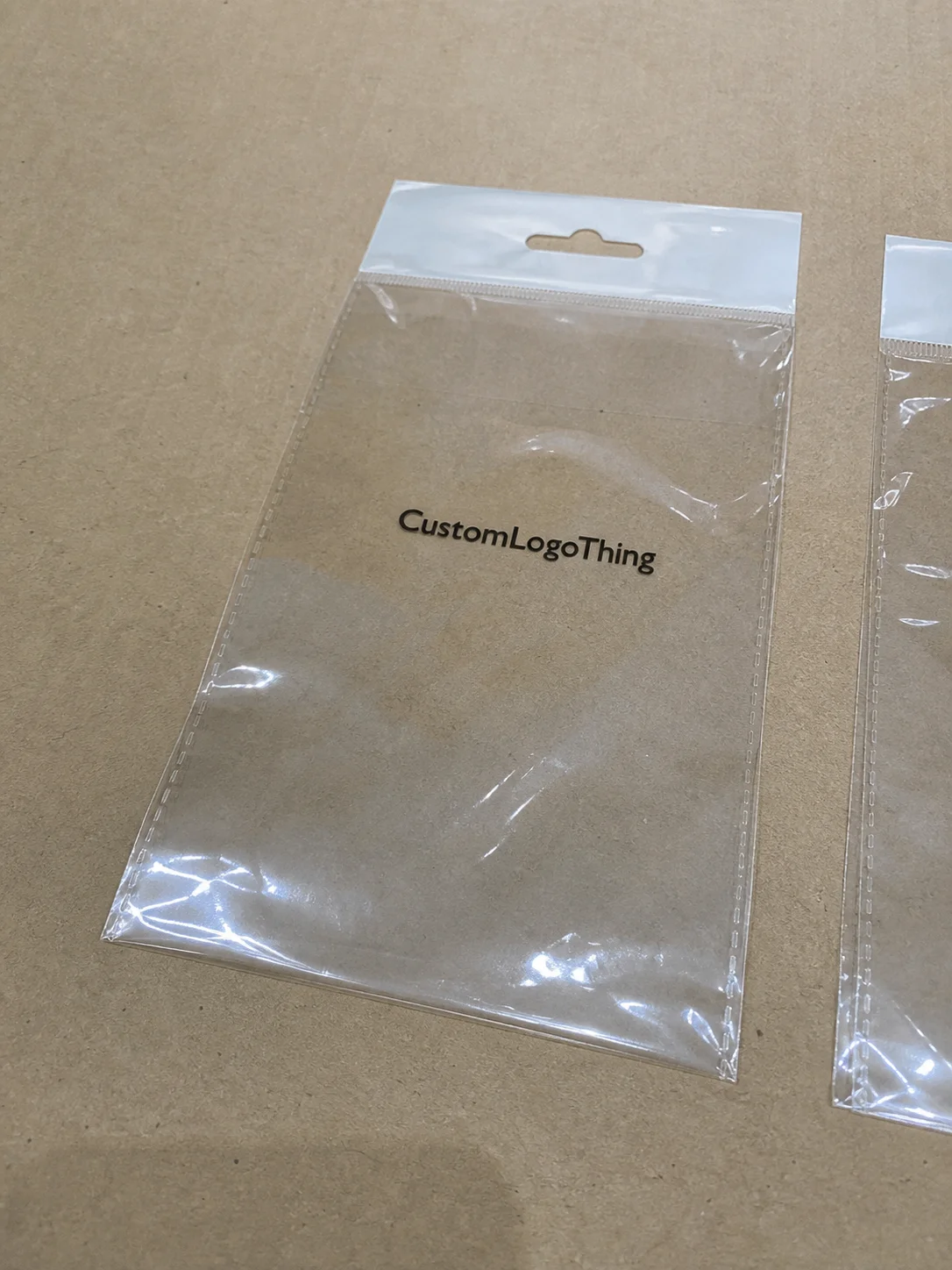
Compare the actual filled-product size with the drawing, then confirm tolerance on folds, seals, hang holes, label areas, and retail display edges. Reserve space for logos, QR codes, warning copy, and material claims before decorative graphics fill the panel.
Quote comparison points
Review material grade, print process, finish, sampling route, tooling charges, carton quantity, and freight assumptions side by side. A quote is only useful when the supplier can repeat the same color, closure quality, and packing count on the next order.
I’ve watched brands burn $80,000 fixing packaging they “saved” $12,000 on during sourcing, and yes, it hurts every single time. That gap explains why a practical packaging design supplier guide matters far more than most founders expect. Across production lines in Shenzhen, Dongguan, and New Jersey, I keep seeing the same pattern: poor supplier fit rarely hurts on day one. It shows up later as crushed corners, delayed launches, complaint spikes, and emergency air freight at $6.20/kg instead of ocean at $0.48/kg (a brutal way to learn logistics math).
Supplier choice is not a purchasing checkbox. It shapes your branded packaging quality, fulfillment speed, return rate, and even ad efficiency because damaged arrivals drag down repeat behavior. If you’re scaling DTC, wholesale, or both, this packaging design supplier guide gives you concrete criteria to compare vendors, avoid expensive misses, and choose a partner that supports growth instead of slowing it down.
My short version: this decision sits in the top three operational levers for consumer brands, right next to forecasting discipline and inventory control.
Packaging Design Supplier Guide: Why Supplier Choice Impacts Growth
Start with an uncomfortable truth: many brands spend more replacing bad-fit packaging than they spent on the original run. A beauty client I advised had a 7.8% transit damage complaint rate on a glass serum bundle. The mailer looked premium in mockups but used a 1.5mm E-flute insert with too much lateral play. We moved to a supplier running drop simulations aligned with ISTA 3A basics, tightened cavity tolerance by 2.3mm, and switched to a 32 ECT corrugated outer. Damage complaints fell to 1.4% in six weeks.
I still remember that team’s broken-unit photos. Everyone was focused on aesthetic consistency, which mattered, sure, but the product was arriving like a maraca. That’s why this packaging design supplier guide starts with a plain definition. A true packaging supplier may handle:
- Structural engineering and packaging design development
- Dielines and prepress setup (including trapping, bleed, and overprint controls)
- Material sourcing (350gsm C1S, SBS, kraft liners, rigid chipboard, molded pulp, PET windows)
- Sampling (digital mockups, white samples, color proofs, pre-production runs)
- Compliance support (label hierarchy, warning text zones, barcode quiet zones)
- Production planning and logistics handoff
One distinction gets missed constantly:
- Broker: coordinates multiple factories, often fast on quotes, but process control varies.
- Converter: transforms substrate at one stage (print, die-cut, lamination), usually narrower scope.
- Full-service custom packaging manufacturer: manages design through shipment with tighter accountability.
Founders often treat those three models as interchangeable. They’re not. In a Chicago client meeting, a food startup picked a broker with excellent pricing on Custom Printed Boxes but no in-house prepress. The result was three rounds of artwork mismatch between agency files and press-ready output. Launch slipped 19 days. I was in that room for the “how did this happen?” meeting, and nobody had a fun afternoon.
Supplier selection sits where brand and operations collide. You are choosing colors, finishes, and shelf impact. You are also choosing lead-time consistency, defect handling, and reorder reliability. This packaging design supplier guide lays out the full framework: how suppliers operate, what to evaluate, how to budget, how to pilot, and how to avoid rework that you’re definitely gonna regret later.
How a Packaging Design Supplier Works Across the Packaging Lifecycle
Most delays are predictable. The same four bottlenecks show up again and again: incomplete briefs, version confusion, testing bottlenecks, and approval lag. Any useful packaging design supplier guide maps the lifecycle end to end so each team knows exactly what happens next.
Typical workflow from idea to first shipment
- Brief intake (2-4 business days): dimensions, product weight, fragility class, channel split (DTC vs retail), required finishes.
- Concepting + structure (4-8 days): pack architecture, insert strategy, opening experience, assembly constraints.
- Dielines + artwork adaptation (3-7 days): panel assignments, barcode zones, legal copy placement.
- Material selection (2-5 days): board grade, flute profile, coating, adhesives, sustainability targets.
- Sampling (7-15 days): white sample, color target sample, optional transit test sample.
- Testing + validation (5-12 days): fit check, compression, drop checks, scuff resistance, humidity exposure where needed.
- Prepress lock (2-4 days): trapping, separations, Pantone mapping, tolerance notes.
- Production + QA + dispatch (12-25 days): depends on order volume, complexity, and finishing.
For many mid-complexity SKUs, the timeline lands around 6-10 weeks from first brief to first outbound shipment. Complex retail packaging with rigid boxes, foil, magnets, and inserts can push beyond 12 weeks.
If you’ve ever tried to compress that into four weeks, you already know what happens: somebody says “we’ll make it work,” then everybody pays for that optimism.
Who does what during the lifecycle
Your brand team owns messaging, visual direction, and launch deadlines. Procurement controls quote integrity and contract terms. A packaging engineer validates fit and transit performance. The supplier account manager coordinates production windows. QA leads monitor critical-to-quality checkpoints, such as color delta tolerance (for example, Delta E under 2.5 on brand-critical panels).
A pattern I’ve seen repeatedly: suppliers with in-house structure plus prepress cut revision cycles by 20-35% versus fragmented handoffs. One apparel client reduced total rounds from nine to five by consolidating design and prepress under one vendor, trimming 14 calendar days.
Delay hotspots are boring and expensive. Missing net weight text. Barcode placed in a fold area. Unapproved varnish callout. In one factory review, we found three “final_final_v7” files with conflicting dielines. Nobody wants to explain that in a launch stand-up (and yes, “who named this file?” remains my least favorite recurring meeting).
Process maturity changes outcomes: fewer stockouts, lower returns, and more consistent unboxing across batch lots. A serious packaging design supplier guide treats process as a measurable system, not creative chaos.
Key Factors to Evaluate in Any Packaging Design Supplier Guide
If unit price is your only filter, you’re ignoring the variables that quietly decide margin. A practical packaging design supplier guide forces a side-by-side review of capability, quality, risk, and communication.
Capability fit matters more than broad claims
Ask what they run every week. Folding cartons? Rigid boxes? Mailers With Tear Strips? Pressure-sensitive labels? If your core need is 350gsm SBS folding cartons with matte aqueous coating and inside print, a supplier focused on microflute e-commerce shippers may miss on print finesse and fold memory.
For brands building product packaging across channels, verify support for:
- DTC mailers + protective inserts
- Retail shelf cartons with hang tabs or window patches
- Secondary shipping cartons with standardized case packs
- Kitting components like tissue, stickers, belly bands, and instruction cards
Technical depth is a real differentiator
Detailed questions reveal competence fast. Do they understand ISTA transit protocols? Do they document board caliper tolerance? Can they walk you through color management from proof to press? If they cannot explain how gray balance drift is controlled on long runs, your brand navy may shift panel to panel.
I once sat in a supplier negotiation where a vendor promised an exact Pantone match every run on uncoated kraft. That promise is unrealistic. Honest suppliers discuss acceptable variance ranges and substrate impact. My view: if a supplier never says “here are the limits,” they probably don’t control the process as tightly as they claim.
Reference points you can verify:
MOQ and scalability should match your growth stage
Startups may need 1,000-3,000 unit pilots. Enterprise buyers may need 100,000+ monthly with tight replenishment windows. A strong packaging design supplier guide compares early-stage flexibility with repeatability at scale.
I’ve seen a brand outgrow its first supplier in under nine months because reorders above 25,000 units pushed lead times from 18 to 37 days.
Quality systems and rework policies
“We inspect everything” is not an answer. Request specifics:
- Incoming material checks (GSM, moisture, caliper)
- In-process checks (registration, die-cut shift, glue integrity)
- Final AQL threshold (for example, 2.5 major / 4.0 minor)
- Documented reprint or credit policy tied to defect categories
Communication carries equal weight. You need response-time norms, escalation contacts, and weekly status visibility during launch windows. A silent supplier at day 23 of a 25-day lead time is a warning signal. I get nervous when updates sound friendly but less specific.
Sustainability claims: verify, don’t assume
“Eco-friendly” means very little without documentation. Ask for post-consumer recycled percentage, chain-of-custody details, and realistic end-of-life guidance. A water-based coating on paperboard is often easier for recycling streams than mixed laminates, though local infrastructure still decides what actually gets recovered.
Risk profiling should include site concentration and material dependency. If one mill supplies your key substrate and carries outage risk, your contingency plan should already be documented. A mature packaging design supplier guide includes backup paths before they are needed.
Cost and Pricing: Building a Realistic Packaging Budget
Teams fixate on unit price and miss the bigger math. Total packaging cost includes tooling, plates, sampling, inbound freight, warehouse cube impact, labor during pack-out, and damage-related returns. A complete packaging design supplier guide helps you model the full stack.
What actually drives price
- Material grade: 300gsm CCNB vs 350gsm SBS can change both print quality and cost.
- Structure complexity: multi-piece rigid setup boxes cost more than auto-lock bottoms.
- Print coverage: heavy solids and specialty inks raise press time and control needs.
- Finishes: foil, emboss, spot UV, soft-touch all add pass steps.
- Volume: quantity breaks reduce unit cost but increase inventory exposure.
- Lead-time urgency: rush windows often carry an 8-20% premium.
Here’s a simplified comparison table I use in workshops. Numbers vary by region and spec, but it shows how the cheapest unit can lose on total cost.
| Option | MOQ | Unit Cost | Tooling/Sampling | Avg Lead Time | Estimated Damage Rate | Total Cost per 10,000 Shipped Orders* |
|---|---|---|---|---|---|---|
| Supplier A (low quote) | 20,000 | $0.41 | $1,850 | 32-40 days | 4.9% | $17,960 |
| Supplier B (balanced) | 10,000 | $0.48 | $2,100 | 18-24 days | 1.8% | $16,540 |
| Supplier C (premium) | 5,000 | $0.59 | $2,900 | 14-20 days | 1.2% | $17,120 |
*Illustrative total includes packaging spend, estimated replacement handling, and incremental outbound costs tied to damage claims.
In one candle-brand project, moving from a $0.36 mailer to a $0.44 reinforced pack looked like a cost increase. Damage dropped from 6.1% to 1.9%, and net contribution improved by roughly $28,000 per quarter at 22,000 orders per month. I’ll take that trade all day.
Offshore vs domestic: trade-offs are situational
Offshore can reduce landed unit cost by 12-30% on stable, high-volume SKUs. Domestic often wins on iteration speed, lower communication friction, and shorter revision loops. If your artwork changes frequently or forecast swings are sharp, domestic agility can offset higher nominal unit pricing.
A good packaging design supplier guide compares both paths using identical specs and realistic freight assumptions. Ocean schedule slippage of 7-14 days is common enough to plan for.
Build buffer into launch calendars. I learned that lesson the hard way early in my career after promising a date I should not have promised.
Negotiation tactics that actually work
- Lock structural specs before RFQ to prevent hidden substitutions.
- Request line-item quotes: board, print, finish, assembly, packing method, freight basis.
- Define revision limits and change-order fees in writing.
- Ask for reorder pricing bands at 5k, 10k, 25k, and 50k.
- Tie payment milestones to proof approval and shipment docs, not verbal assurances.
For brands evaluating options, reviewing Custom Packaging Products can narrow structural direction before quotes go out. That one step often cuts RFQ back-and-forth by about a week.
Step-by-Step Packaging Design Supplier Selection Process
The best packaging design supplier guide is operational, not theoretical. Here is the process I recommend to teams launching new SKUs or replacing underperforming vendors.
Step 1: Define goals tied to business metrics
Set targets before design begins. Example KPI set:
- Damage rate under 2.0% for fragile items
- Pack-out time under 45 seconds per order
- Unboxing complaint rate below 1%
- Repeat purchase lift target of 3-5% for subscription cohorts
Without explicit metrics, supplier conversations drift into subjective debates about “premium feel.”
Step 2: Build a complete supplier brief
Your brief should include exact dimensions (L x W x H), product mass, fragility notes, shipping method mix, climate exposure risk, and compliance constraints. Add dieline lock date and desired first-ship date. I ask teams to include photos of current damages with root-cause tags; visual evidence speeds structural iteration.
Step 3: Create a shortlist with hard filters
Filter by core capability first. Then audit real samples. Request three examples close to your format: one simple, one medium complexity, one with similar finishing. Review crease quality, edge burrs, color consistency, and adhesive cleanliness.
Need inspiration before shortlisting? Benchmark structures in Custom Packaging Products and align with your channel priorities.
Step 4: Run structured RFQs for apples-to-apples comparison
Use identical specs, volumes, and deadline windows across vendors. Require quote validity (for example, 30 days), freight assumptions, and payment terms. A credible packaging design supplier guide standardizes RFQs; otherwise, price comparisons get distorted.
Step 5: Evaluate prototypes with a test matrix
Score each prototype from 1-5 across:
- Dimensional fit and product immobilization
- Print fidelity and brand color match
- Assembly time and fulfillment ergonomics
- Transit resilience (drop and compression checks)
- Customer perception in unboxing tests
I once timed packers in a 3PL on two box styles. One saved 11 seconds per order at 3,200 orders per day. That is more than six labor hours saved daily from structure alone. Packaging is a labor strategy hiding in plain sight.
Step 6: Pilot before full rollout
Run one SKU in one region at controlled volume. Typical pilot size: 2,000 to 5,000 units. Define pass/fail thresholds upfront, such as:
- Damage rate under 2.2%
- Defect rate under 1.5% at receiving QC
- Assembly time not exceeding baseline by more than 5 seconds
Track outcomes weekly. If the pilot misses thresholds, iterate before scaling. And please, don’t skip this step because “the timeline is tight.” I’ve heard that sentence right before expensive mistakes too many times.
Step 7: Formalize SOPs and review cadence
After supplier selection, document reorder triggers (for example, at four weeks of cover), artwork version ownership, escalation matrix, and quarterly business review format. A living packaging design supplier guide should define who approves substitutions and within what timeframe.
For continuity, I also recommend a secondary-source strategy for your highest-risk SKU. Not always easy. Often essential.
“We thought packaging was a branding project. It turned out to be an operations project with branding consequences.” — VP Operations, mid-market wellness brand, after a three-month supplier transition
Common Mistakes Brands Make When Using a Packaging Design Supplier Guide
The same mistakes show up across early-stage teams and mature brands. A strong packaging design supplier guide exists to prevent these exact failures.
1) Selecting by unit price only
A $0.07/unit savings disappears quickly if defect rates climb above 3% or lead time slips by 10+ days. One nutrition client saved $9,400 on a run and lost $21,000 in refunds and expedited replacements.
2) Skipping physical samples
Digital renders hide board stiffness, fold behavior, and glue performance. Never approve final package branding from a screen alone. Request white samples and color samples at minimum.
3) Incomplete artwork and late compliance copy
Late legal text can halt presses. I’ve seen a 48-hour press slot missed because net quantity placement conflicted with bilingual panel requirements. Delay cost: one extra week plus a rush freight surcharge.
4) Over-designing finishes that hurt operations
Heavy coatings and specialty finishes can slow packing lines or reduce recyclability. Premium appearance has value, but not if it adds nine seconds per pack at scale or creates scuff issues in transit.
5) No stakeholder alignment
Marketing wants impact. Ops wants speed. Procurement wants price stability. If those teams are not aligned before RFQ, supplier performance gets judged against shifting priorities.
6) Weak version control
File confusion causes expensive errors. Use one source of truth with naming conventions and approval logs. In one factory audit, two different barcode versions entered production in the same lot. Painful and preventable.
7) No contingency planning
Material substitution requests happen. Demand spikes happen. A usable packaging design supplier guide includes pre-approved alternates and escalation paths before crisis mode. I’m pretty opinionated on this one: if your contingency plan lives only in someone’s head, you kinda don’t have one.
Expert Tips and Actionable Next Steps from This Packaging Design Supplier Guide
If you execute one tactic from this packaging design supplier guide, make it a pre-mortem meeting. Gather marketing, ops, procurement, and supplier reps for 60 minutes and ask: “If this launch fails in 45 days, what caused it?” Assign owners to each risk on the spot.
Your 90-day action checklist
- Days 1-15: Audit current packaging performance (damage %, return reasons, assembly time, defect logs).
- Days 16-30: Build a baseline KPI dashboard and define the top three supplier gaps.
- Days 31-45: Issue standardized RFQs to 3-5 suppliers with locked specs.
- Days 46-60: Evaluate samples and run scored prototype testing.
- Days 61-75: Launch a controlled pilot with pass/fail thresholds.
- Days 76-90: Finalize SOPs, reorder points, escalation tree, and QBR cadence.
Simple supplier comparison template
Weight each category to reduce emotional decisions:
- Quality system maturity: 25%
- Capability fit for your SKU mix: 20%
- Total cost model (not unit only): 20%
- Lead-time reliability: 15%
- Communication and issue ownership: 10%
- Sustainability documentation credibility: 10%
Common red flags include vague QA answers, inconsistent sample quality, and pricing far below market without assumptions disclosed. “Too cheap to be true” usually is, especially in packaging design.
Pilot plan that de-risks full rollout
Start with one SKU in one region at controlled volume. Keep variables tight: same 3PL, same shipping profile, same campaign cadence. Track weekly metrics: damage claims, customer feedback tags, packing speed, and replacement cost. If metrics pass for 4-6 weeks, scale with confidence.
During launch, run weekly production check-ins (30 minutes, fixed agenda), then move to monthly business reviews after stabilization. That rhythm prevents silent drift in quality or lead time.
If you’re refining your lineup, map structural options to channel mix using Custom Packaging Products as a reference before supplier outreach. RFQs get sharper, and rework drops.
The bottom line: this packaging design supplier guide is not about finding the lowest quote. It’s about selecting a partner who can prove process control, deliver consistent custom printed boxes, and hold timeline commitments under pressure. Your actionable next move is simple: run a 30-day supplier audit using the scorecard above, shortlist two candidates, and pilot one SKU with pass/fail thresholds already defined. Do that, and your team makes better calls with fewer surprises. If you’ve ever had to explain a preventable packaging failure to leadership on a Friday afternoon, you already know why this matters.
FAQs
How do I choose the right vendor in a packaging design supplier guide?
Start with capability fit and documented quality systems, then compare quotes built on identical specs. Request physical samples and run a pilot before full commitment. A weighted scorecard balancing cost, lead time, communication, and defect performance gives a clearer decision than price alone.
What should a packaging design supplier quote include?
A complete quote should list unit price, tooling, plates, sampling fees, freight assumptions, and lead-time windows. It should also include exact material specs, tolerances, printing method, and finishing details in writing. Confirm terms for revisions, reprints, payment milestones, and change-order fees before PO release.
How long does the packaging design supplier process usually take?
Typical flow includes brief intake, design, sampling, testing, prepress, then production. Many mid-complexity projects take 6-10 weeks, while rigid or finish-heavy programs can exceed 12 weeks. Sampling rounds are often the largest variable, so plan buffers for artwork changes and compliance checks.
Can a packaging design supplier guide help reduce packaging costs without lowering quality?
Yes. Optimize structure and material grade before stripping visible brand elements. Many brands reduce hidden costs by improving pack-out efficiency and lowering transit damage. Consolidating compatible SKUs can also improve purchasing consistency and forecasting accuracy.
What are the biggest red flags when evaluating a packaging design supplier?
Watch for vague quality-control language, no written inspection process, and inconsistent sample output. Be cautious if delay ownership is unclear or escalation contacts are missing. Extremely low pricing without transparent assumptions on material or scope is another common warning sign.