Buyer Fit Snapshot
| Best fit | Packaging Design Wholesale projects where brand print, material claims, artwork control, MOQ, and repeat-order consistency need to be specified before quoting. |
|---|---|
| Quote inputs | Share finished size, material target, print colors, finish, packing count, annual reorder estimate, ship-to region, and any compliance wording. |
| Proofing check | Approve dieline scale, logo placement, barcode or warning zones, color tolerance, closure strength, and carton packing before bulk production. |
| Main risk | Vague material claims, crowded artwork, missing packing details, or unclear freight terms can make a low unit price expensive after revisions. |
Fast answer: Packaging Design Wholesale: Specs, Pricing & Process should be specified like a repeatable production item. The safest quote records material, print method, finish, artwork proof, packing count, and reorder notes in one written spec.
Production checks before approval
Compare the actual filled-product size with the drawing, then confirm tolerance on folds, seals, hang holes, label areas, and retail display edges. Reserve space for logos, QR codes, warning copy, and material claims before decorative graphics fill the panel.
Quote comparison points
Review material grade, print process, finish, sampling route, tooling charges, carton quantity, and freight assumptions side by side. A quote is only useful when the supplier can repeat the same color, closure quality, and packing count on the next order.
For brands that need consistency, control, and a cleaner cost structure, packaging design wholesale usually makes a lot more sense than ordering boxes one project at a time. I’ve spent more than 20 years on factory floors, from Dongguan to Shenzhen and up through Yiwu and Ningbo, and I can tell you straight away that the brands happiest with their packaging design wholesale program are usually the ones who understand structure, print, and volume before they start chasing a quote. The ones who don’t? They usually call me after a pallet of boxes shows up looking “almost right” — which is a charming way to say wrong.
The first surprise for many buyers is how much packaging design wholesale can lower total unit cost while improving print alignment, carton strength, and repeatability across every shipment. I’ve seen a cosmetics client in Guangzhou cut rework by nearly 30% simply by moving from a loose, ad hoc print-buy process into a formal packaging design wholesale program with one approved dieline, one Pantone target, and one controlled insert spec. Their finished tuck boxes went from a quoted $0.31 per unit at 3,000 pieces to $0.19 per unit at 12,000 pieces, which is exactly the kind of math that makes finance stop making nervous faces. Honestly, that kind of cleanup saves more money than people expect because the ugly costs hide in reprints, damaged goods, and endless “quick fixes.”
Why Packaging Design Wholesale Makes Sense for Brands
Brands do not buy packaging just to hold a product; they buy it to protect margin, support shelf appeal, and keep the customer experience steady from the first order to the fiftieth. That is where packaging design wholesale earns its keep. A proper wholesale program cuts down the little production mistakes that add up fast, like off-center logos, weak corners, wrong insert sizes, or color drift between runs. Those little mistakes are never little once you have 20,000 boxes in a warehouse in Foshan and a launch date breathing down your neck.
I remember walking a folding-carton line in Dongguan where a candle brand had been ordering from three different suppliers. Each one was “close enough” on the artwork, but the board thickness varied, the glue flap width changed, and the lid tuck tension felt different in the customer’s hand. One supplier used 310gsm CCNB, another used 350gsm C1S artboard, and the third used a lightweight 300gsm sheet that collapsed at the corners after a 600 km truck ride to Chengdu. Once they consolidated into one packaging design wholesale source, they paid a little more upfront for engineering and sampling, yet their total cost dropped because returns, scrap, and emergency reprints dropped with it. That was one of those moments where the buyer’s face basically said, “Oh. So that’s why this was a mess.”
That is the practical side of packaging design wholesale: fewer handoffs, fewer surprises, and tighter control over branded packaging across corrugated mailers, rigid boxes, folding cartons, and insert systems. If you are shipping subscription boxes, cosmetics, apparel, candles, electronics, or food-safe secondary packaging, the wholesale model gives you a way to standardize the product packaging while still adjusting for different SKUs, seasonal promos, or retail packaging needs. I’ve seen brands in Los Angeles, Melbourne, and Amsterdam run the same core structure with only the outer sleeve changing, and that’s the kind of boring efficiency that quietly saves real money.
Here is what most people get wrong. They think the cheapest box is the smartest move. It usually is not. A packaging design wholesale program should fit the product, fit the freight carton, fit the brand story, and fit the margin target. A mailer that saves two cents but crushes a glass jar costs far more than a better spec with proper E-flute and a die-cut insert. I’ve watched people fight me on that point like I was personally attacking their spreadsheet (I wasn’t. The spreadsheet was attacking itself). In one Shenzhen program, upgrading from 1.5mm grayboard to 2.0mm chipboard on a rigid lid added $0.07 per unit, but it cut damage claims by 18% over the next two quarter shipments. That’s not “extra.” That’s paying once instead of paying twice.
At the supplier level, packaging design wholesale also supports better planning. When the artwork, board grade, finish, and quantity are locked in one production plan, the factory can nest sheets more efficiently, schedule converting machines more cleanly, and hold tighter color control during press runs. That matters whether you are ordering 5,000 Custom Printed Boxes or 50,000 retail cartons for a multi-SKU launch. On a busy line in Shenzhen’s Bao’an district, I watched a press crew hit a 12,000-piece run in 14 business days because the art files were final, the Pantone 286 C target was approved, and the board spec was fixed at 350gsm C1S artboard. No drama. Just production doing what production does when people stop improvising.
For many buyers, the business case comes down to four things:
- Lower unit cost at volume, especially once setup costs are spread over higher quantities. A 5,000-piece run can easily land at $0.15 per unit for a simple tuck box where a 1,000-piece run sits closer to $0.34.
- Better consistency, because the same dieline and artwork controls are used for repeat orders across suppliers in Shenzhen, Dongguan, or Ningbo.
- Less rework, which is where many projects quietly lose money on reprints, reject cartons, and extra freight.
- Cleaner brand presentation, which helps package branding feel intentional instead of improvised.
If you are still comparing suppliers, it helps to review the broader offer set first. Our Custom Packaging Products page is a good place to see how different structures, finishes, and insert styles map to actual product needs, and our Wholesale Programs page explains how volume purchasing is typically organized for recurring orders, including how many factories in Guangdong and Zhejiang usually price repeat runs after the first proof approval.
One more point from the factory floor: consistency matters more than hype. I have stood beside a Heidelberg press operator checking print density with a loupe while a client watched the first 200 sheets come through. The customer did not care about marketing language; they cared that the dark navy stayed dark navy on every carton, and that is exactly the kind of control a disciplined packaging design wholesale program is built to deliver. A variation of even Delta E 2.0 can trigger a rejection in premium beauty packaging, and yes, people absolutely will argue about that at 7:30 a.m. in Guangdong.
Packaging Design Wholesale Product Options and Materials
Packaging design wholesale covers a wider range of structures than many buyers expect, and the right choice depends on how the product ships, sits on shelf, and opens in the customer’s hands. I have seen brands try to force one structure to do every job, and that usually creates problems. A lightweight skincare item may be fine in a tuck-end carton, while a heavier electric accessory may need corrugated protection and a tighter insert system. The box has a job. Asking it to be everything is how you end up with a headache, plus a warehouse full of damaged units in Suzhou.
The main wholesale packaging design options usually include mailer boxes, tuck-end cartons, rigid set-up boxes, sleeve packaging, display cartons, and custom inserts. Each behaves differently on the line and in transit. In packaging design wholesale work, I always start with product weight, fragility, and storage conditions, because those three details determine whether the box should be built for shipping strength, retail presentation, or both. A 450g candle in a 1.2mm E-flute mailer is a very different animal from a 1,200g gift set in a 2.5mm rigid box wrapped in 157gsm art paper.
Mailer boxes are popular for e-commerce and subscription brands. They are commonly made from E-flute or B-flute corrugated board, depending on stacking needs and product weight. E-flute is thinner and gives a cleaner print surface, while B-flute offers more crush resistance. If a brand ships candles, cosmetics, or apparel with light accessories, E-flute can be a very efficient choice. For heavier kits or mixed-product bundles, B-flute often gives a better safety margin. I’ve had clients insist on the thinner board because it looked nicer in the sample room, then call three weeks later because the shipper stacked pallets like they were building a brick wall. Funny how “nicer” changes when freight gets involved. A typical printed E-flute mailer might run 300 x 220 x 90 mm and cost $0.42 per unit at 3,000 pieces, while a heavier B-flute version in the same size can land closer to $0.61.
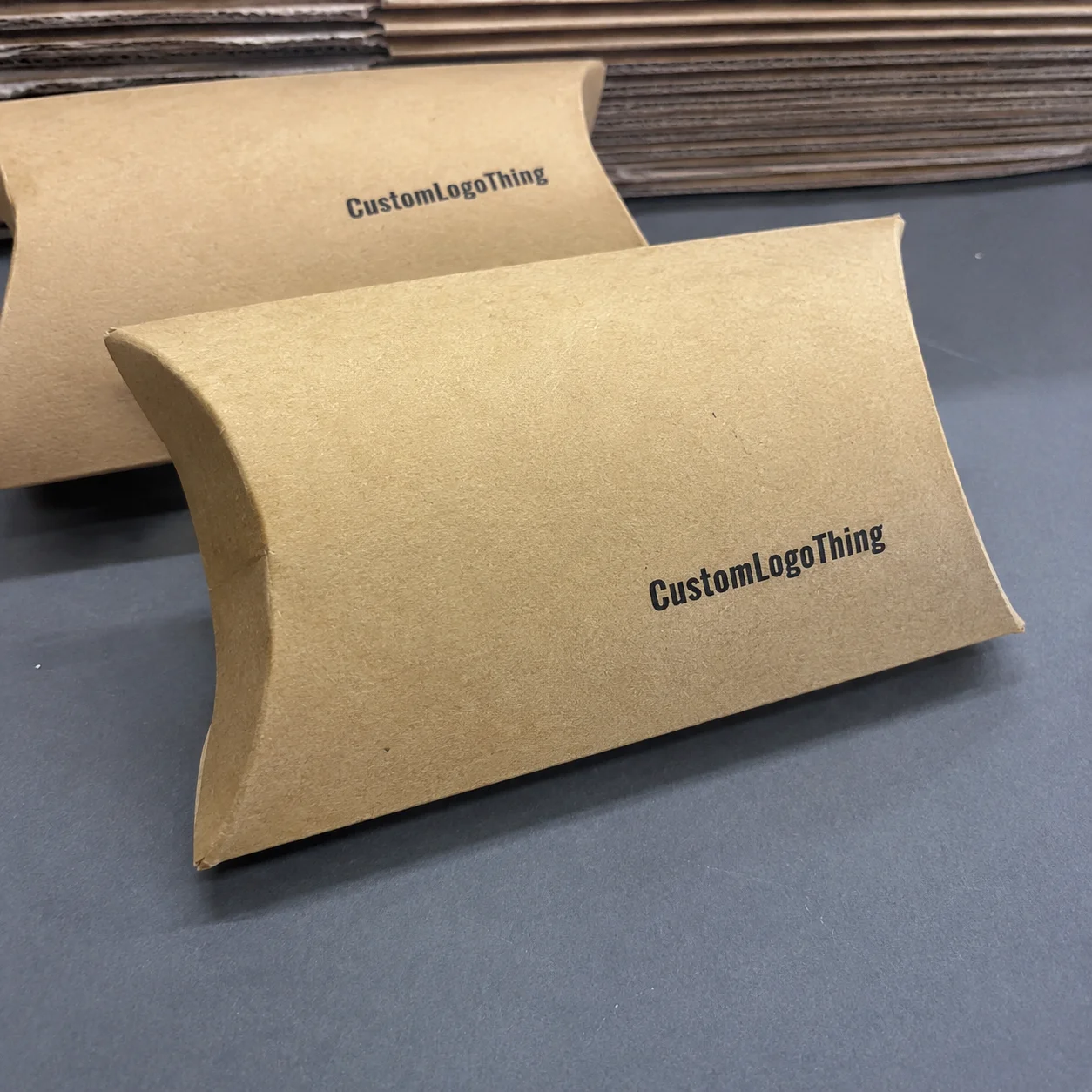
Tuck-end cartons are a staple in retail packaging. They are often made from CCNB or SBS board, with SBS giving a cleaner, brighter print face for premium retail packaging. CCNB, or clay-coated news back, is usually a more economical option and still works well for many custom printed boxes. I have seen tuck-end cartons used successfully for supplements, small electronics, and beauty products, provided the product is not too heavy and the closure style is matched carefully to the fill weight. A common spec is 350gsm C1S artboard with aqueous coating for a 60 ml serum bottle, which usually balances print quality and structure without making the carton feel flimsy in hand.
Rigid set-up boxes are a different animal. They use chipboard or a similar dense board, then wrap it with printed paper. These boxes feel premium in the hand because of their wall thickness and lid fit. They are common for luxury cosmetics, gift sets, jewelry, and presentation packaging. Packaging design wholesale for rigid boxes often requires more assembly labor and more precise fit tolerances, so the price jumps faster than many first-time buyers expect. People always look shocked when I say “yes, this beautiful box costs more because humans have to build it.” That part apparently offends the laws of physics. A 2,000-piece rigid gift box with 1200gsm grayboard and 157gsm art paper wrap can easily sit at $1.85 to $2.40 per unit before freight, especially if you add magnetic closures in Dongguan or embossed logos in Shenzhen.
Sleeve packaging is often used over an inner tray, folding carton, or product carton to add branding without rebuilding the whole structure. A sleeve can be a very efficient way to refresh package branding for a seasonal campaign or a new SKU family. It is also useful when you want to standardize the inner box and vary only the outer message or color scheme. I’ve seen brands in Toronto and Singapore use a 250gsm kraft sleeve over a plain tuck box to keep costs around $0.09 to $0.14 per unit while still making the line look intentional.
Display cartons are common in club stores, pharmacies, and retail shelves where shelf visibility matters. They may ship flat and convert in store, or they may arrive as pre-glued units depending on the program. This format is frequently used in packaging design wholesale because it balances merchandising with production efficiency. A shelf-ready display carton for a 24-piece snack assortment in Ningbo might use 400gsm folding board with a roll-end lock bottom and perforated tear strip, which keeps setup simple on the retailer side.
Custom inserts matter more than most buyers realize. Foam, molded pulp, corrugated partitions, PET trays, and die-cut paperboard inserts all solve different problems. If a glass bottle can rattle 3 mm inside a carton, the insert spec is not good enough. I’ve seen a small candle brand lose a full pallet because the wax shifted in transit and cracked the side walls. The carton looked beautiful; the insert system did not do its job. That was an expensive lesson with a very pretty box attached. A molded pulp insert from Xiamen might cost $0.18 per set at 5,000 pieces, while a die-cut paperboard insert with two cavities and a locking tab can come in around $0.11 per set if the geometry is simple enough.
Print and finishing choices also shape the result. Most packaging design wholesale jobs use CMYK printing, but Pantone spot colors are still the right call when brand consistency matters. Aqueous coating works well for scuff resistance and a cleaner feel on folding cartons. Matte or gloss lamination changes both appearance and durability. Foil stamping, embossing, and soft-touch coating can elevate the unboxing experience, but they also add setup time and cost. Sometimes the brand wants “premium,” but the budget says “try not to get dramatic.” That conversation happens a lot. A foil stamp on a rigid lid can add 1 to 2 business days to the production schedule and roughly $0.08 to $0.25 per unit, depending on coverage and tooling.
Below is a practical comparison I often use when discussing packaging design wholesale options with clients:
| Packaging Type | Common Material | Typical Best Use | Relative Cost | Typical Strength |
|---|---|---|---|---|
| Mailer Box | E-flute or B-flute corrugated | Subscription, e-commerce, apparel | Medium | Good to very good |
| Tuck-End Carton | CCNB or SBS board | Retail packaging, cosmetics, supplements | Low to medium | Light to moderate |
| Rigid Set-Up Box | Chipboard with wrapped paper | Luxury gift sets, premium presentation | High | Very good |
| Sleeve Packaging | Paperboard or kraft board | Brand refreshes, promotions, overlays | Low | Depends on inner pack |
| Display Carton | Paperboard or corrugated | Retail merchandising, shelf-ready packs | Medium | Moderate to good |
The right material choice should also reflect the storage environment. Humid warehouses in Guangzhou, Manila, or Miami can soften weaker board grades, and long-distance ocean freight can create compression and moisture issues if the carton is underspecified. For a more formal look at material stewardship and recovery, I often point clients to the EPA recycling guidance, because material selection and end-of-life thinking are becoming part of the buyer conversation more often than they used to be.
From a production standpoint, packaging design wholesale is strongest when the structure and finish are selected together, not one after the other. A soft-touch lamination on a rigid box feels refined, but if the client needs a high-volume, low-cost shipping solution, the same finish may be overkill. A matte aqueous coating on SBS can be a better balance for many retail packaging applications. In one factory visit near Suzhou, I watched a brand save nearly $0.12 per unit by dropping soft-touch and using matte AQ on 8,000 folding cartons instead. Nobody missed the velvet feel after they saw the invoice.
Packaging Design Wholesale Specifications Buyers Should Confirm
If there is one point that saves buyers the most time in packaging design wholesale, it is this: define the specs before the quote is treated as final. I have watched projects stall for a week because the customer only provided “box size” and a logo, when what the factory really needed was inside dimensions, board grade, print coverage, finish, insert style, and shipping configuration. A “pretty close” spec is not a spec. It’s a guess wearing a blazer.
For accurate quoting, the key details are straightforward, but they must be exact. Inside length, width, and height should be provided in millimeters or inches, not approximate guesses. Board grade should be specified, along with flute type if corrugated is involved. Printing method matters too, because CMYK with full bleed is not the same as one-color black on kraft board. Finish type can change both the cost and the timeline. If you want foiling, embossing, or spot UV, say so early. A quote for a 280 x 180 x 70 mm mailer with 4-color print on E-flute is not the same as a 280 x 180 x 70 mm mailer on 350gsm C1S with matte lamination, even if both look similar in a PDF.
Dieline approval is another non-negotiable step in packaging design wholesale. A dieline is the structural map of the carton, and it is where many hidden problems show up before production. I’ve seen clients approve artwork on a flat layout that looked perfect on screen, only to discover on the sample that a tuck flap cut into the logo area or an insert pocket was 2 mm too narrow for the bottle neck. That is why a good factory insists on a proper proof and sample cycle before full production. Nobody enjoys hearing “we can still fix it” after plates are made. Trust me on that one. A prototype round in Dongguan typically takes 5 to 7 business days for plain samples and 7 to 10 business days for printed samples, which is a lot cheaper than remaking 12,000 boxes.
Tolerance expectations matter too. Most custom packaging has acceptable variation, but small dimensional differences can affect folding, closure, and product fit. A 1 mm shift may be harmless in a sleeve, while the same shift can cause a rigid lid to bind. In packaging design wholesale, the box is not just a picture; it is a physical system with paper memory, glue behavior, board compression, and machine folding limits. If the inside depth is 102 mm and the insert is cut for 100 mm, do not be surprised when the bottle sits crooked. Physics remains annoyingly consistent.
Artwork files should be ready in production quality before the order is locked. Vector logos are ideal, because they hold crisp edges at any size. Raster artwork should be high resolution, generally 300 dpi at print size where possible. Bleed and safe zones must be built in, and Pantone references should be confirmed if a spot color is important. If a buyer sends a low-resolution JPG and asks why the logo edges look rough on a print proof, the answer is usually in the file, not the press. I wish that were a rare problem. It is not. A Shenzhen prepress team will catch that kind of file issue fast, but only if the brand actually gives them the correct source files.
There are also compliance and functional details worth confirming early. Food-contact applications may require different board or barrier considerations. Recyclable material preferences should be stated clearly if a brand is making sustainability claims. Barcodes, QR codes, expiration dates, lot coding, and labeling zones all need to be planned into the design, especially for packaging design wholesale programs that feed retail or warehouse systems. A barcode zone that is 10 mm too close to a fold can cause scanner failures at the checkout counter in Tokyo or Chicago, and then everyone acts surprised like the barcode is being difficult on purpose.
Here is a short checklist I use with buyers before a project moves forward:
- Product dimensions with units and any clearance needed for inserts.
- Quantity forecast for the first run and repeat runs.
- Board or substrate preference, such as E-flute, SBS, or chipboard.
- Print details, including CMYK, Pantone, or one-color options.
- Finish requirements such as matte lamination, gloss, foil, or embossing.
- Special features like magnets, windows, inserts, or tear strips.
- Packaging compliance needs for food, shipping, or retail labeling.
Packaging design wholesale gets easier once the buyer starts thinking like a converter, not just a marketer. A converter sees glue flaps, nesting efficiency, grain direction, and crease behavior. A marketer sees color and shelf impact. The best projects respect both views. I’ve had the best results with clients who could tell me the product weight in grams, the warehouse city, and the shipping carton size without opening a spreadsheet first.
For buyers who want cleaner system control, I always recommend saving the final dieline, the print proof, and the approved sample photos in one folder. On repeat packaging design wholesale orders, that documentation prevents arguments about whether a corner radius changed or a logo moved by 1.5 mm. It also keeps repeat runs moving when your team changes and the original designer has already moved on to a different company in Singapore.
Packaging Design Wholesale Pricing and MOQ Explained
Packaging design wholesale pricing is driven by more than just quantity, and that is where many first-time buyers misread a quote. The main cost factors are size, board type, print coverage, number of colors, specialty finishes, insert complexity, and order volume. If any of those variables change, the unit cost changes too. Simple enough in theory. In practice, people somehow still ask why a foil-stamped rigid box costs more than a plain carton — my eye twitch is real.
Size matters because larger boxes use more board and take up more press sheet area. Board type matters because SBS, CCNB, corrugated, and chipboard all carry different material costs and production requirements. Print coverage matters because a full-bleed, four-color design costs more to run than a simple one-color logo. Add foil, embossing, or soft-touch coating, and you are also adding setup and finishing time. A 200 x 120 x 40 mm tuck box in 350gsm C1S may quote at $0.15 per unit for 5,000 pieces, while the same footprint with foil and spot UV can jump to $0.28 or more.
MOQ, or minimum order quantity, is where many buyers see the unit price move dramatically. In packaging design wholesale, the setup cost for plates, die cutting, tooling, and machine make-ready gets spread over more pieces as quantity rises. That is why a 1,000-piece order might have a surprisingly high unit price, while 10,000 pieces may drop much lower per unit even though the total spend is higher. On a plant in Dongguan, I saw a folding carton project fall from $0.33 per unit at 2,000 pieces to $0.17 per unit at 10,000 pieces simply because the tooling cost stopped bullying the math.
In one client meeting, a candle brand was shocked that a 3,000-piece run was only slightly cheaper per unit than 2,000 pieces. The reason was simple: their rigid insert and foil stamp were absorbing a lot of setup cost. Once they moved to 8,000 pieces, the economics shifted in a way that finally made sense. That is typical in packaging design wholesale; the setup curve can be steep at first, then much kinder as the order grows. A 3,000-unit run in Shenzhen may include a $380 die cost, a $240 foil plate charge, and a $120 proof fee, which does not disappear just because the order is smaller.
Buyers should also compare what is actually included in each quote. Does the supplier include dieline creation? Are samples free, or are they paid prototypes? Is freight separate? Are packaging inserts included in the quoted price, or are they priced as a second line item? Those details matter more than a rounded unit number on the top of the sheet. I’ve seen “cheap” quotes turn expensive fast once the buyer learns the freight is EXW from Guangzhou and the sample is billed at $60 each.
Here is a practical pricing comparison for common wholesale packaging design ranges. These are directional figures, not universal rates, because finish, board, and freight can move the number in either direction:
| Format | Example MOQ | Indicative Unit Price | Notes |
|---|---|---|---|
| Mailer Box, E-flute | 3,000 pcs | $0.42–$0.88/unit | Depends on print coverage and die-cut complexity |
| Tuck-End Carton, SBS | 5,000 pcs | $0.18–$0.46/unit | Lower cost if one- or two-color print is used |
| Rigid Set-Up Box | 1,000 pcs | $1.10–$3.80/unit | Assembly, wrapping, and finish increase cost |
| Sleeve Packaging | 5,000 pcs | $0.08–$0.22/unit | Best when used over an existing inner pack |
| Custom Insert Set | 3,000 pcs | $0.12–$0.95/unit | Material and cavity count drive price most |
These numbers are useful only if the buyer compares them on the same basis. If one supplier quotes FOB from Shenzhen and another includes domestic freight, the lower number may not be the lower landed cost. The real figure in packaging design wholesale is the total landed cost: unit price, setup, sample cost, freight, and any warehousing or palletization expenses. A quote from Ningbo that looks higher by $0.03 per unit may actually be cheaper once you add the $210 inland trucking fee and pallet wrap charge.
Freight deserves its own budget line. A carton that is cheap to produce but expensive to ship can ruin the economics of a project. I have seen brands save $0.06 on the box and then spend $0.14 more on freight because the packaging nested poorly on a pallet. That is not a good trade. Packaging design wholesale should reduce the cost of ownership, not just the price of paper. A box that ships from Shenzhen to Rotterdam on a poorly stacked pallet will punish you with cubic volume, and the ocean carrier will not care about your brand story.
Another factor that buyers should not ignore is overage. It is common for production to include a small percentage over the ordered quantity to account for spoilage, print waste, or machine setup. Depending on the format, you may receive a few extra units or need a tolerance allowance in the contract. That should be discussed before production starts, not after pallets are wrapped. For a 10,000-piece order, a 2% overage means 200 extra units; on a tight launch, those extras can save the week.
For brands comparing several vendors, I usually advise requesting three things from each supplier: a line-item quote, a dieline, and a sample policy. That makes packaging design wholesale comparisons far more honest. It is also the fastest way to see whether a vendor actually understands your structure or is just passing along a generic number. If a factory in Shenzhen can’t explain the difference between a 1mm tuck flap and a 2mm tuck flap on your carton, keep walking.
If sustainability is part of the brand story, it can affect price as well. FSC-certified board may cost a little more, but the certification can help support responsible sourcing claims. For reference, the Forest Stewardship Council explains the certification framework clearly on fsc.org, and many packaging teams use that guidance when a client requests certified material. In practice, FSC board on a 5,000-piece folding carton order often adds a modest premium, sometimes around 3% to 7% depending on the mill and region.
Comparison for Custom printed boxes" class="blog-content-img" loading="lazy">
Packaging Design Wholesale Process and Timeline
The best packaging design wholesale projects follow a clear workflow, because the factory floor runs on sequence, not guesswork. The basic process is discovery, quote, dieline development, artwork setup, prototyping, approval, production, quality control, and shipping. If one step is rushed or skipped, the whole order can suffer later. A clean process in Guangdong or Zhejiang can save more time than any “rush” label ever will.
Discovery starts with the product itself. The manufacturer needs dimensions, weight, closure preferences, finish goals, and shipping method. A cosmetics jar in a mailer has a different risk profile than a folding carton for a lightweight serum bottle. I once sat with a buyer who assumed “small box” meant “small issue,” then discovered their bottle shoulder shape required a wider neck cavity and a different insert depth than expected. That is why real product data beats vague direction every time. If the item weighs 180g and the bottle neck is 22 mm, say that upfront. That level of detail saves everyone a second round of guessing.
After discovery comes quoting and dieline development. In many packaging design wholesale projects, the dieline is the first technical checkpoint where the structure becomes real. Good converters will adjust flap lengths, glue zones, and crease lines to suit the chosen board. Poorly drawn dielines create headaches later on the folding line, especially with rigid boxes and multi-part insert systems. A decent initial dieline draft usually takes 2 to 4 business days from a factory in Dongguan if the product spec is complete.
Artwork setup should happen only after the structural map is stable. If the buyer is still moving dimensions, the design cannot be locked properly. For repeat packaging design wholesale work, this is where disciplined file control saves time and money. One final artwork version, one approved dieline, and one proof status should be the rule. I’ve watched brands burn a full week because three people kept sending “just one more update” to a file that should have been frozen on Tuesday.
Prototyping is where a lot of buyers get their confidence. Some projects need a plain white sample first, especially if the structure is new or the product is fragile. Others need a printed proof to verify color, branding, and finish. Complex packaging may require multiple sample rounds. That is not waste; it is insurance against much bigger production mistakes. A white sample from Shenzhen can usually be turned in 3 to 5 business days, while a printed and finished sample may take 7 to 10 business days depending on foil, lamination, and window patching.
Here is a practical timeline framework I use with clients:
- Inquiry and spec review: 1 to 2 business days.
- Quote and dieline draft: 2 to 5 business days.
- Artwork adjustment and proofing: 3 to 7 business days.
- Sample production and approval: 5 to 10 business days.
- Bulk production: typically 12 to 15 business days from proof approval for simple folding cartons, and 15 to 20 business days for rigid boxes or special finishes.
- Shipping and transit: depends on destination and freight mode, with sea freight from Shenzhen to Los Angeles often taking 18 to 24 days port to port.
Simple packaging can move faster than premium rigid packaging, and that is just reality. A basic fold-and-glue carton may be turned around more quickly than a high-end presentation box with foil, embossing, magnets, and wrapped inserts. Packaging design wholesale timelines are also affected by curing time for coatings, especially when lamination or spot finishes are involved. A matte laminated carton in Dongguan may need 24 hours of rest before folding to avoid surface scuffing, and yes, that means patience is part of the schedule whether anyone likes it or not.
The biggest delays I see on the factory floor are not usually machine failures. They are late artwork changes, missing Pantone targets, unclear sample feedback, and approval delays. A client will ask for “one small color tweak,” and that small tweak can mean a rerun of plates or another press setup. In a production environment, that adds days, not minutes. The machine doesn’t care that somebody had a fresh idea after lunch. It cares about the final art file and whether the press sheet matches the spec from the approved proof.
Quality control should be built into the order, not treated as a last-minute checkbox. On real production lines, we check print registration, color density, glue line consistency, fold accuracy, and insert fit. For shipping cartons, compression testing and stacking checks matter. For retail packaging, we verify that the front panel reads cleanly and that barcodes scan properly. For a number of programs, compliance to testing protocols such as those from ISTA is discussed when freight durability is critical. If a 15 kg master carton is going to sit six high in a warehouse in Dubai, the test plan should reflect that reality.
I also advise buyers to confirm sign-off points before the job enters the press or converting line. Once a packaging design wholesale order is on the machine, changes get expensive fast. A signed proof, a confirmed quantity, and a named approval contact prevent a lot of confusion later. On a recent run in Foshan, a buyer who gave final sign-off at 4:20 p.m. got the press schedule slot the next morning. The buyer who kept “checking with the team” got moved to Friday. Production rewards decisiveness.
Another helpful habit is to keep one internal owner on the brand side. If five people can comment on the proof, five people can delay the proof. I saw that happen with an apparel subscription client who kept changing sleeve text, then package branding, then insert copy. The line was ready; the customer side was not. The box itself was fine, but the process was noisy. One owner, one approval path, one file version. Revolutionary stuff, apparently.
Why Choose Us for Packaging Design Wholesale
At Custom Logo Things, the best reason to work with us is simple: we treat packaging design wholesale as a manufacturing program, not a loose ordering transaction. That means we pay attention to the technical details that actually make the box work on the line and in the customer’s hands, including print setup, cutting accuracy, lamination behavior, folding sequence, and assembly efficiency. We build around what the factory can actually produce in places like Shenzhen, Dongguan, and Ningbo, not around a mockup that only works in a design deck.
We are not just passing along a generic quote from somewhere else. We work directly with production teams who understand how board behaves under pressure, how glue lines react in humid conditions, and how finish choices change the feel of custom printed boxes. That matters because packaging design is never only about appearance. It is about fit, repeatability, and the way the final product packaging holds up after shipment and storage. A carton that looks great in a studio in Shanghai but fails after 1,500 km of inland transit is not a win. It’s a lesson.
In my experience, clients value the most practical support: dieline adjustment, artwork review, finish selection, and packaging engineering for product protection. A pretty box that opens poorly or crushes in transit does not help a brand. I have seen more than one buyer come to us after a failed pilot run because the previous supplier could not keep insert dimensions consistent across multiple SKUs. Once we standardized the structure and confirmed the tolerances, the repeat order stopped generating complaints. On one bath product line in Guangzhou, changing the insert cavity depth by just 1.5 mm eliminated wobble in the bottle and cut breakage to almost zero.
Consistent communication is another reason brands come back. Packaging design wholesale works best when the supplier answers questions with specifics, not vague promises. If a sample needs 7 business days, say 7 business days. If foil adds time, say it. If a certain board grade is better for humidity, say that too. Buyers deserve clear expectations. They also deserve not to be told “no worries” when there are clearly worries. If production is in Shenzhen and the shipping cut-off is Friday, the truth is more useful than optimism.
We also understand the value of scaling. A 2,000-piece test run is different from a 25,000-piece wholesale order, but the logic should stay the same. Once the structure is approved, the goal is to preserve color, finish, and fit across every order. That is especially important for brands running multiple product lines, since packaging design wholesale often has to support seasonal packaging, gift sets, and recurring replenishment orders. A repeat run from a factory in Dongguan should match the first run closely enough that your warehouse team doesn’t need a detective’s eye to tell them apart.
From a buying standpoint, what you want is a partner who can balance cost and durability without stripping away the brand feel. That means knowing when a kraft board creates a better natural look, when SBS gives a cleaner retail presentation, and when a rigid box is justified for the product category. Good package branding is specific, not generic. If you need a premium tray box for a fragrance set in Paris or a durable mailer for a subscription launch in Austin, the structure should be chosen for the job, not for the mood board.
“The box is not the product, but it has to protect the product, carry the brand, and survive the warehouse. If it fails any one of those jobs, the savings were fake.”
That is the kind of thinking we bring to packaging design wholesale orders. We prefer facts over hype because facts keep projects moving. If a client needs a straight answer about MOQ, lead time, or insert costs, they get it. If a project needs a cheaper structure to hit margin, we say that too. Honest advice saves time on both sides. And yes, if the better choice is a $0.22 folding carton instead of a $1.60 rigid box, we will say that out loud.
For brands looking to expand across multiple SKUs, wholesale packaging design also creates a cleaner system for repeats. Once the core structure is approved, you can vary the sleeve, label, or outer graphics while maintaining the same base box. That helps reduce risk, simplify storage, and improve visual consistency across the line. I’ve seen that approach work well for cosmetics sets in Seoul and snack kits in Melbourne, where one master structure carried six different seasonal graphics without turning the warehouse into chaos.
Next Steps for Ordering Packaging Design Wholesale
If you are ready to move forward, the fastest path is to prepare the details before you request a quote. Packaging design wholesale moves best when the buyer has product dimensions, target quantity, artwork files, finish preferences, and the shipping destination ready from the start. Even a rough idea of board preference helps the estimate land closer to reality. A factory in Shenzhen can quote faster when you give them the item size, target fill weight, and whether the boxes ship flat or assembled.
My practical advice is to gather three things first: the product sample or exact measurements, the logo and artwork files in vector format, and the target quantity for the first run. If your item is fragile, unusually shaped, or part of a premium presentation box, ask for a dieline or sample before bulk production. That small extra step often prevents a costly mistake. I would rather review one sample too many than hear about a “minor issue” after containers are already moving. One client in Sydney skipped the sample stage and discovered the bottle shoulder hit the insert at the wrong angle. It was a $420 mistake in the sample room that would have become a $4,200 mistake in bulk.
When comparing suppliers, do not look only at unit price. Compare total landed cost, which includes freight, setup, sample charges, inserts, and any secondary packaging components. A quote that looks lower on paper can become more expensive once pallets, shipping, and handling are added. This is one of the most common errors in packaging design wholesale buying. A quoted $0.17 unit price from Foshan plus $180 domestic freight and $95 palletizing may end up more expensive than a $0.20 unit price from Ningbo with better shipping terms.
It also helps to approve one final proof set and then lock the timeline. If your launch date is fixed, build backward from it and leave room for sample review and freight transit. I’ve sat through enough production meetings to know that a buyer with a clean approval chain gets their order faster than a buyer who needs three internal sign-offs and a fourth “just in case” review. Production calendars in Guangdong do not bend for indecision, and Chinese New Year in January or February can add 1 to 3 weeks if you’re not planning ahead.
Here is a simple action plan you can follow:
- Measure the product in three dimensions and note any clearance needs.
- Decide whether you want mailers, folding cartons, rigid boxes, or inserts.
- Collect logo files, product images, and exact brand colors.
- Choose any finish requirements such as matte lamination or foil stamping.
- Ask for pricing at your target quantity and one alternate MOQ.
- Review the dieline, proof, and sample before production approval.
- Confirm freight method and delivery location before the order is released.
I also recommend keeping a small folder for each packaging design wholesale project. Save the approved artwork, the final dieline, the sample photos, and the quote in one place. On repeat orders, that documentation speeds everything up, especially when you are managing seasonal changes or multiple product lines. A clean file folder in Shanghai or Chicago beats ten round-trip emails every time.
For companies that want reliable branded packaging with fewer surprises, the best time to set up a wholesale system is before the next launch, not after the next stockout. Once the structure is approved and the files are clean, the rest of the process becomes much easier to manage. A 2025 holiday launch planned in June is a lot less painful than one planned in November. Ask me how I know.
At Custom Logo Things, we can help you build the right packaging design wholesale program for your product, your budget, and your timeline. If you bring the specs, we can help turn them into practical custom packaging products that hold up in production and present well to your customers. That is how good packaging design wholesale should work: clear specs, clear pricing, and a clean path to repeat orders.
FAQ
What does packaging design wholesale include?
It usually includes custom structural design, material selection, printing, finishing, dieline setup, and production at bulk quantities. Some suppliers also include sample creation, artwork review, and shipping coordination, but buyers should confirm exactly what is included in the quote before approval. A program in Shenzhen might include a white sample and final dieline, while a supplier in Guangzhou may price those separately.
How is packaging design wholesale pricing calculated?
Pricing is usually based on size, material grade, print coverage, finish complexity, insert requirements, and order volume. Higher quantities reduce unit cost, while specialty finishes and complex structures raise setup and production costs, especially on rigid or multi-part packages. For example, a 5,000-piece folding carton in 350gsm C1S artboard can be much cheaper per unit than a 1,000-piece rigid box with magnets and foil.
What is a common MOQ for packaging design wholesale orders?
MOQ depends on the packaging type, but folding cartons often start lower than rigid boxes or highly customized structures. The exact minimum should be confirmed with the manufacturer because tooling, board usage, and press setup all affect it. In practice, you may see 1,000 pieces for a rigid box in Dongguan, 3,000 pieces for a mailer in Shenzhen, and 5,000 pieces for a simple sleeve.
How long does packaging design wholesale production usually take?
Simple orders can move quickly after proof approval, while premium or structurally complex packaging takes longer. Lead time depends on artwork approval, sample sign-off, material availability, and finishing steps like foil or lamination. For simple folding cartons, bulk production typically runs 12 to 15 business days from proof approval, while rigid boxes with magnets or special wrapping can take 15 to 20 business days.
What files do I need for a packaging design wholesale quote?
Provide product dimensions, logo files, artwork, quantity, material preference, finish request, and shipping details. A vector logo and clear product measurements help the manufacturer prepare a more accurate quote and dieline. If you already know your warehouse city, such as Los Angeles, Hamburg, or Singapore, include that too so freight and landed cost can be estimated more accurately.